
Quick Take
- Hunting is regulated and license-based, with seasons, bag limits, weapon rules, and reporting requirements.
- Poaching is illegal, often undercover, and undermines wildlife management by unreported mortality and selective removal.
- The core difference is intent and public trust: hunting aims for sustainable harvest, poaching seeks illegal gain.
While hunting and poaching may seem extremely similar, especially to those who don’t do either, there are vast differences between them. These differences are rooted in legality and intent, but confusion can still surround this topic. This is especially true when it comes to differentiating between illegal hunting and poaching.
What spells the difference between hunting vs. poaching? If you’re an outsider, this is how to tell the difference, using scientific sources and expert opinions on the matter. We’ll address the key differences between hunting and poaching, as well as where the lines tend to blur.
What Counts as Hunting?
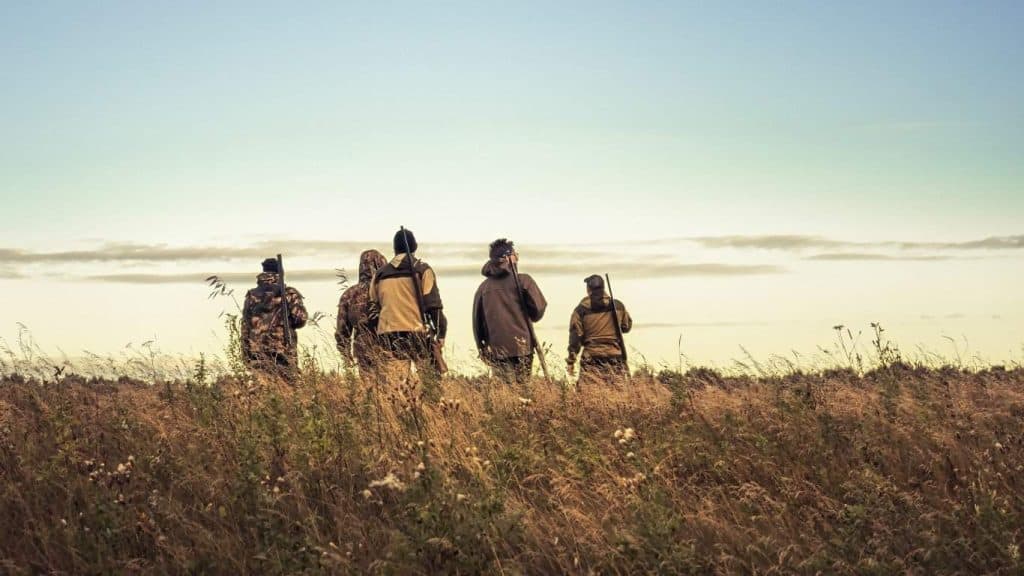
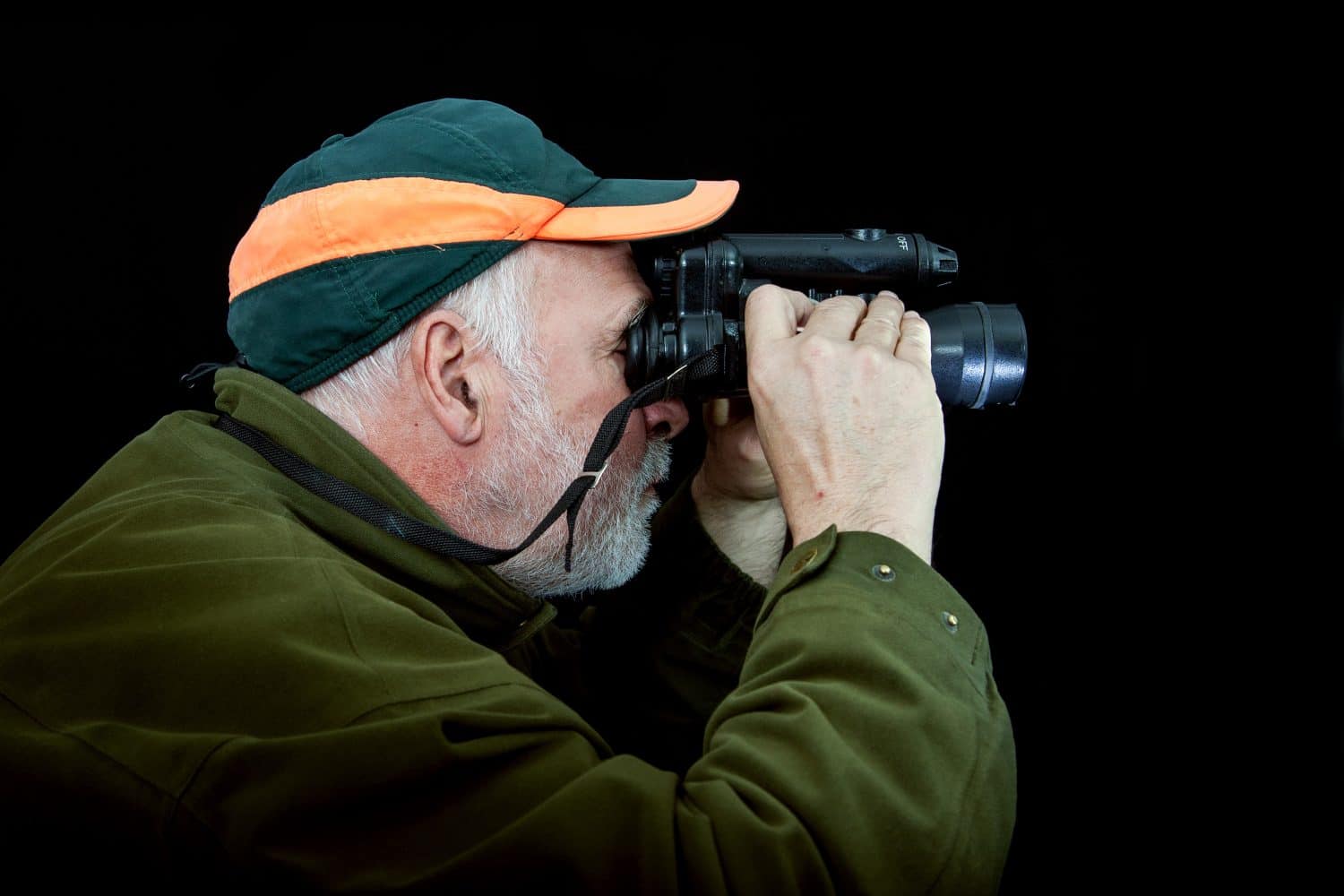
Hunters differ from poachers, given the set rules that they must adhere to while hunting.
©splendens / iStock via Getty Images
In modern wildlife management, there’s one key word that makes hunting what it is: regulation. Hunting is a highly regulated tool management agencies use to keep species populations in check and local hunters engaged.
Seasons, bag limits, weapon restrictions, and tag systems are all built around specific wildlife data, such as population surveys geared toward sustainability and previous harvest statistics. The U.S. Fish & Wildlife Service’s North American Model of Wildlife Conservation mentions that wildlife is managed solely through rules developed and enforced by public agencies, not private parties.
Legal hunting also requires a license. More than a license, legal hunting requires following all rules designated in your state and the specific hunting season. For example, a hunter can become a poacher by shooting outside legally designated hours, taking the wrong species or sex, exceeding listed bag limits, using illegal bait, hunting in closed areas, or failing to validate and report harvests where required.
What Counts as Poaching?

Many species fall victim to illegal poaching and animal trafficking schemes every year.
©Danny Ye/Shutterstock.com
Poaching is illegal; the average person understands this. But it can also take many forms, some of which may be subtle or not immediately obvious. For example, in my home state of Oregon, we define poaching as illegally taking or killing wildlife, which includes using poison. Hunting without permission on private land is also a form of poaching.
Oregon’s state poaching guide also lists a range of motivations that align with poaching mentalities and methods. Motivations such as profit, obtaining meat, thrill-killing, and opportunism are all considered illegal when they result in poaching. It’s important to realize that poaching can happen in every location around the world, including your own backyard.
When discussing it on an international level, poaching is primarily associated with trafficking. Trafficking includes multiple illegal activities, such as poaching, smuggling, and the trading of protected species. A recent announcement from Interpol notes that nearly 30,000 animals were seized from poaching operations in just a month. These animal trafficking chains are prevalent in all parts of the world, and they prove how devastating the effects of poaching can be when legal measures aren’t taken.
The Core Difference Between Hunting Vs. Poaching

Poaching undermines the legal systems put into place for hunting.
©Petr Bonek/Shutterstock.com
The most obvious difference between hunting and poaching surrounds what humans intend to do with the animals they hunt. Wildlife agencies manage wildlife as a public trust resource, which means legal harvest is intended to be predictable and sustainable for the animals involved. Illegal harvest, like poaching, is the opposite, as the intention behind hunting is neither predictable nor sustainable.
Illegally taking animals from an environment harms both the biological integrity of wildlife populations and the social foundations of legal hunting models and rules. Poaching affects animals as well as public trust and compliance, which is what regulated hunting needs to work long-term.
Why Poaching Is a Major Threat to Wildlife Management
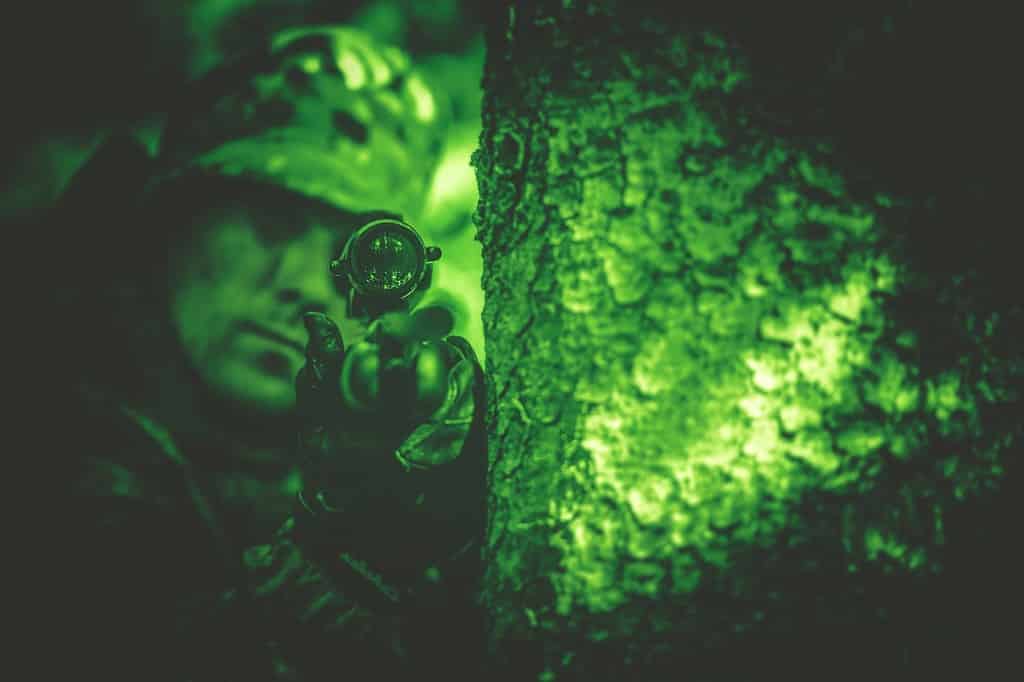
Wildlife management systems are undermined by illegal poaching activities.
©Virrage Images/Shutterstock.com
There are many reasons why poaching is such a serious issue. It ultimately threatens the intricate wildlife management systems put into place in countries and states alike. Here are the main reasons why poaching is a threat and what exactly it threatens, besides animals.
Seasons and Tags Estimates Will Be Wrong
Wildlife managers purposefully set hunting seasons using species population estimates, survival data, reproduction statistics, and harvest levels from previous seasons. However, poaching inherently creates mortality rates that are unreported. Illegal harvests can easily represent a substantial number of deaths that conservationists cannot account for.
Poaching Targets Animals In Need of Protection
Legal seasons are set during specific times for a reason. These timelines are meant to protect breeding females or large males, and potentially restrict hunting during vulnerable periods. Poachers frequently do the opposite; even when total poached numbers seem small, selective removal can reduce breeding success and alter the longevity of species.
Disease and Conflict Risks Typically Increase
Poaching can go hand-in-hand with illegal carcass dumping. Anytime someone is transporting animals unlawfully, they are far more likely to ignore carcass handling rules, which can increase disease and conflict risks, leading to much broader human and ecological harms in the long run.
Who Investigates Poaching and How Are Cases Built?

The legal implications of poaching are vast and complicated.
©gorodenkoff/iStock via Getty Images
When it comes to the U.S., poaching enforcement is typically handled by state fish and wildlife agencies as well as state police wildlife divisions. Depending on the poaching situation they’re dealing with, these agencies may work alongside federal partners. If crimes cross state lines, involve federally protected species, occur on federal lands, or trigger federal statutes related to interstate commerce, federal agencies will become involved.
On an international scale, poaching is usually investigated by a team consisting of park rangers or wildlife officers who handle the on-the-ground incidents. National or regional police also track potential suspects and organized networks, and customs/border authorities get involved when wildlife move through ports or other types of crossings. This is why prosecutors often coordinate across borders and with multiple agencies to figure out a proper charge.
Penalties That Poachers May Face
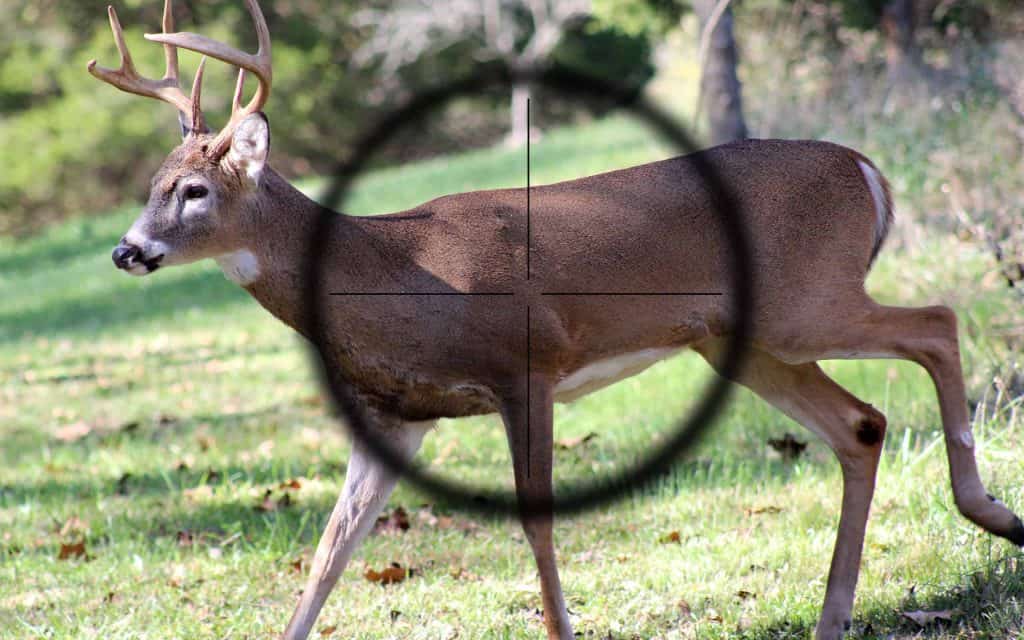
Poachers may be fined, have their licenses revoked, or even go to prison for their illegal actions.
©AdamLongSculpture/ via Getty Images
Penalties for poaching vary by country, state, and the specifics of the crime. They commonly include a combination of fines, restitution (which involves determining the replacement value of the animal), license revocation, equipment seizure, and jail time for severe cases or repeat offenders.
Punishment is also only part of deterring poachers. A 2014 SEAFWA journal article on evaluating poaching deterrents states that poaching threatens wildlife resources and recreation, and mentions specific strategies aimed at increasing compliance and reducing illegal take. More thorough detection and consistent prosecution are vital to discouraging this activity.
Why the Hunting Community Cares About Poaching (And Why You Should, Too)
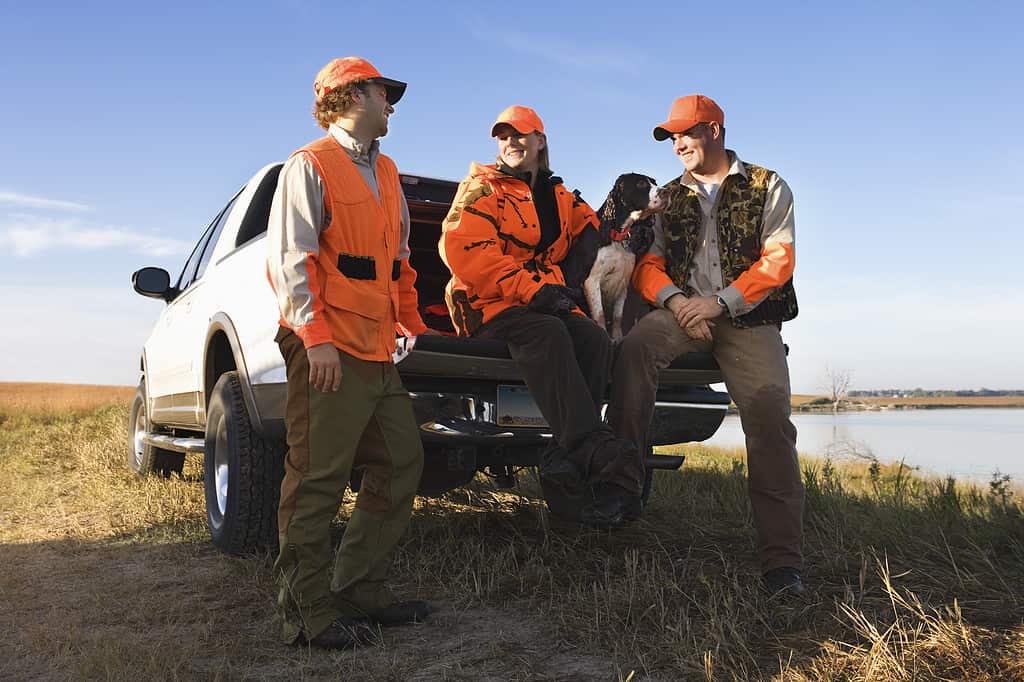
Responsible hunters follow the rules, while poachers do not.
©© Getty Images/Stockbyte via Getty Images
Poaching differs from hunting so much so that it directly undermines the legitimacy of legal hunting. If poaching is a prevalent activity, the public becomes less willing to support hunting as a management tool. It also hurts hunters in practical ways, including the presence of fewer animals, far fewer tags, and more restrictive seasons if too many illegal hunts have occurred.
This is just one reason why it’s important to report any suspected poachers you may encounter. Avoid confrontation at all costs; this is one reason why many poaching tip lines are designed specifically for confidential reporting. Make sure to focus on any details you might recall about the suspected poaching: location, time, descriptions, vehicles and plate numbers, and what exactly was observed.
Reporting matters because it is often the first line of defense against poaching. Our wildlife agencies cannot have their eyes on hunting grounds every minute of the season; it’s up to the average citizen to keep them informed and stop poaching as soon as possible.
Poaching Vs. Hunting: Why the Differences Matter
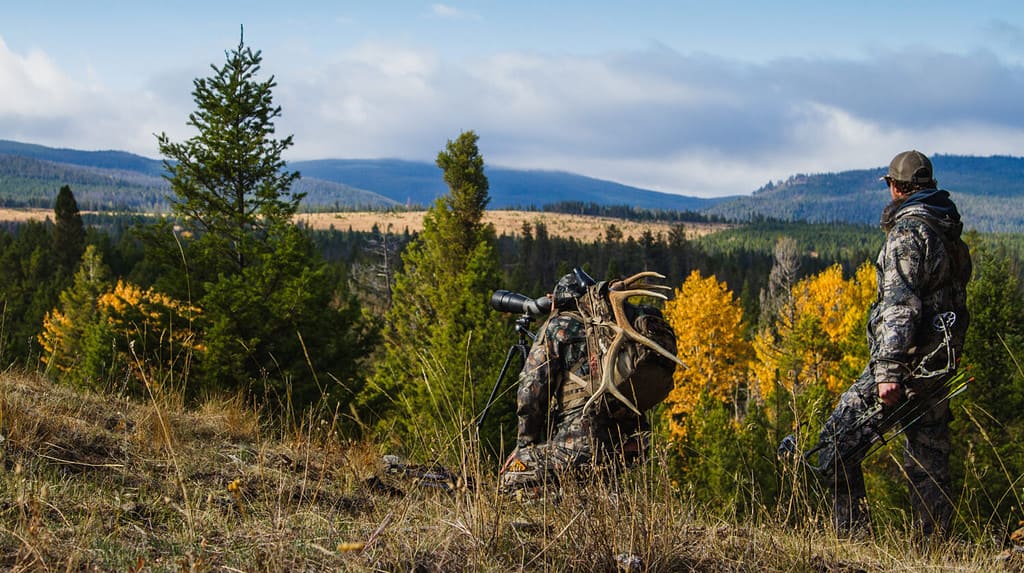
When the rules are followed, hunting protects animals, while poaching devastates them.
©OUTDOOR_MEDIA/Shutterstock.com
Hunting is meant to keep wildlife populations sustainable and publicly accountable, while poaching is inherently illegal. Understanding the differences matters because of just how much impact poaching can have on any given ecosystem or animal. Hunting isn’t designed to be a harmful activity; it’s finely-tuned to keep animals safe. Poaching, however, has no regard for the animals that hunting attempts to protect.