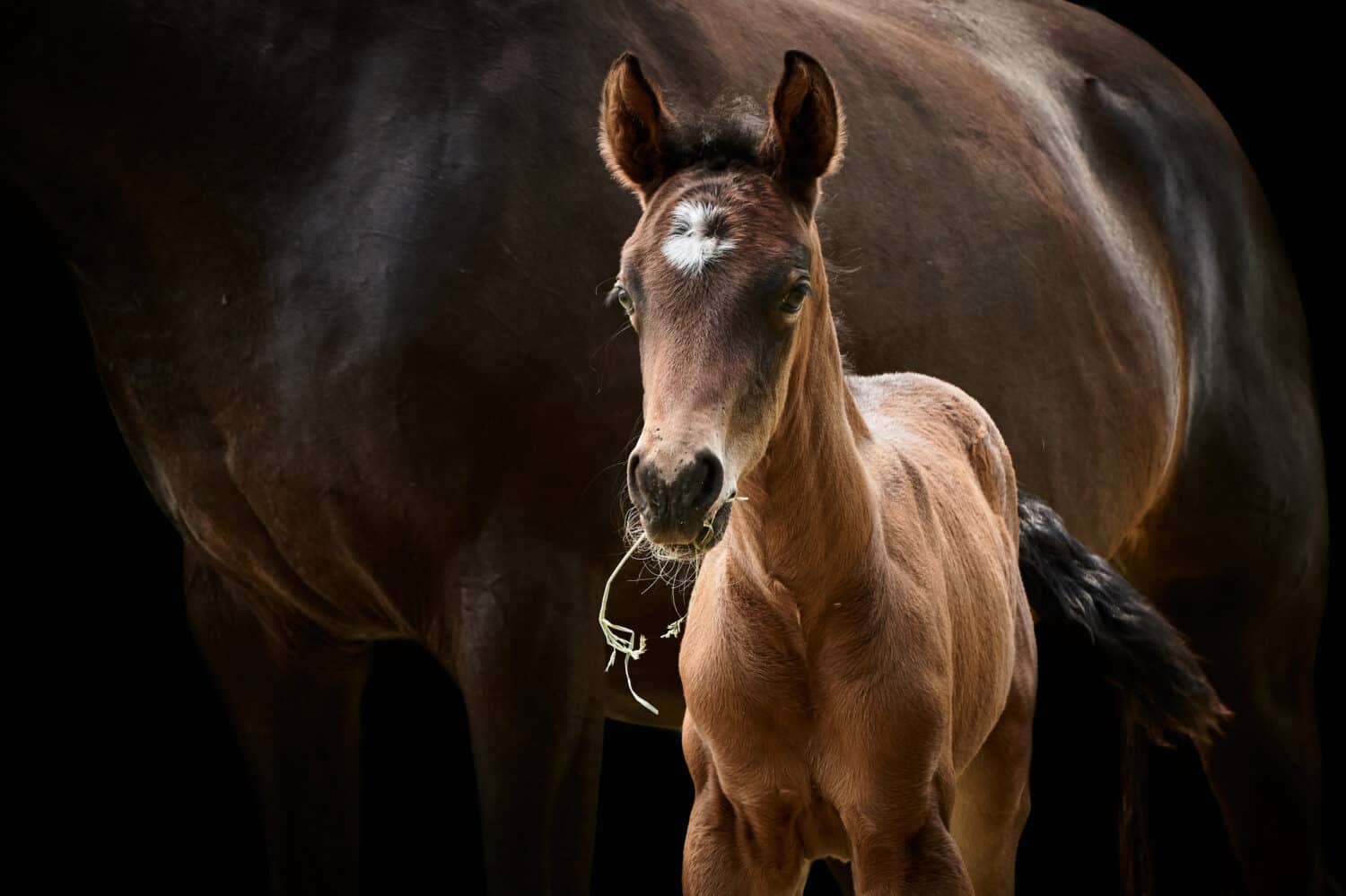

While most of us know baby horses are adorable, the majority of people don’t realize the process involved in equine reproduction. Many unique and innovative factors are at play in the way horses breed and bear their young. In fact, a closer look reveals a deeply strange and intricate process.
Horses and how they reproduce truly sets them apart from every other farm animal. Today, we’ll take a close, in-depth look at equine reproduction, including what makes these animals so unique, as well as the struggles mares face when giving birth. Plus, we’ll identify some of the most fascinating and rare equine births that have occurred throughout history. Let’s begin!
The Mare’s Cycle: What Makes Equine Reproduction So Unique?
©purple_queue/iStock via Getty Images
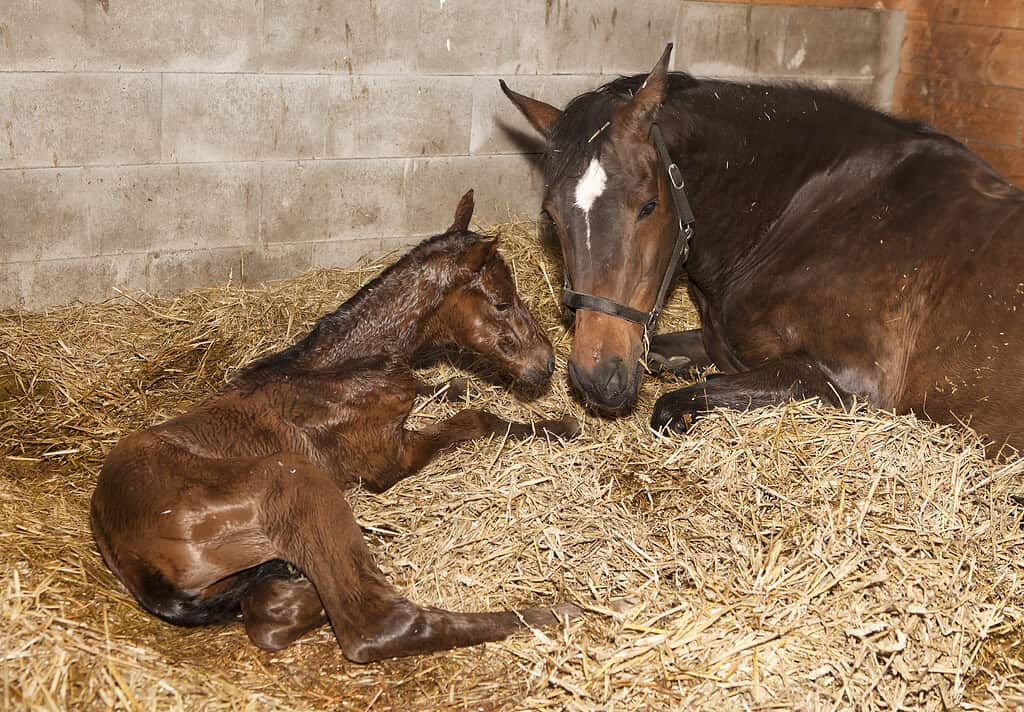
There are many factors involved in a mare’s birthing cycle that set them apart from other animals. One of those factors is light. As daylight increases, mares shift from winter anestrus (or a period of sexual inactivity) into active cycles, a transition you can read more about in the Merck Veterinary Manual.
Their roughly 21-day estrous (or heat) cycle includes several days of heat followed by a progesterone-rich period of sexual inactivity, known as diestrus. These cycles are carefully managed by breeders using artificial lighting systems. Beginning in late fall, breeders use lights to mimic springtime daylight, enabling mares to begin their reproductive cycle months earlier than nature would allow.
Why change the timing? There’s one primary reason you can likely guess. Starting these artificial breeding programs around December often brings mares into estrus by February, ensuring foals are born at competitive times for shows and various racing opportunities.
Mare Behavioral Signs Add Another Layer
Even with precise schedules, mares vary greatly at the individual level. Some exhibit classic heat signs, but others hide any symptoms of reproduction. For this reason, breeders utilize teasing programs alongside shifts in light; a stallion is presented to a mare from a safe distance, encouraging reproductive instincts.
Ovulation and Precise Timing
©135pixels/Shutterstock.com
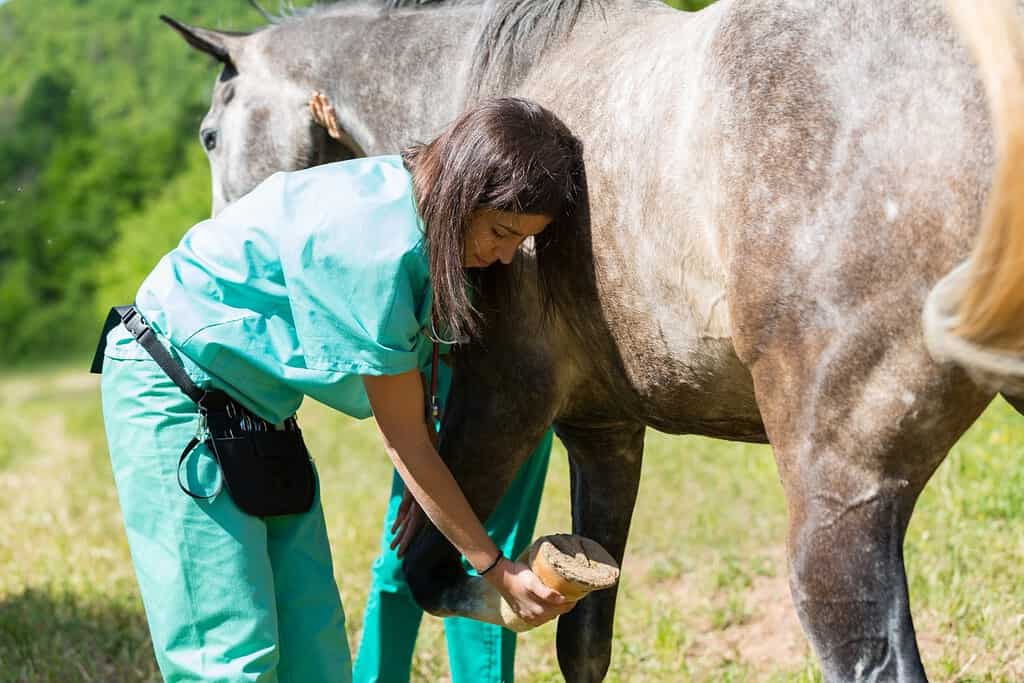
Mare ovulation usually occurs late in estrus, but predicting that exact moment can be difficult without the right technology. Veterinarians use palpation and ultrasound machinery to track development. In many programs, ovulation-inducing drugs are administered to align mating or insemination with semen availability, according to the Merck Veterinary Manual’s reproductive-pharmacology section.
Different Rules Shape the Horse Racing Industry
While most sport-horse registries allow artificial insemination and embryo transfer, the Thoroughbred world does not. The Jockey Club’s Stud Book rules require completely natural reproductive means, forcing racing teams to coordinate their schedules with almost military precision. Because of these rules, stallions may breed with well over 100 mares, sometimes close to 200, in a single season.
Fertilization and Early Pregnancy Checks
©Au_Cr/Shutterstock.com
Fertilization occurs inside a mare’s oviduct, where the early embryo remains for several days. Around Day 5–6, it enters the uterus, which is one of the first major milestones described in Merck’s guide to pregnancy determination.
Veterinarians typically ultrasound mares beginning around day 14 for a number of reasons:
- to confirm pregnancy
- to identify the embryo’s location
- to detect potential twins
Because equine twins pose such a high risk to the mare during the birthing process, this early window is vital for safe intervention. Even though mares are pregnant for nearly a year, early checks are standard and necessary.
The Equine Uterine Tour and Fixation
©nigelb10/iStock via Getty Images
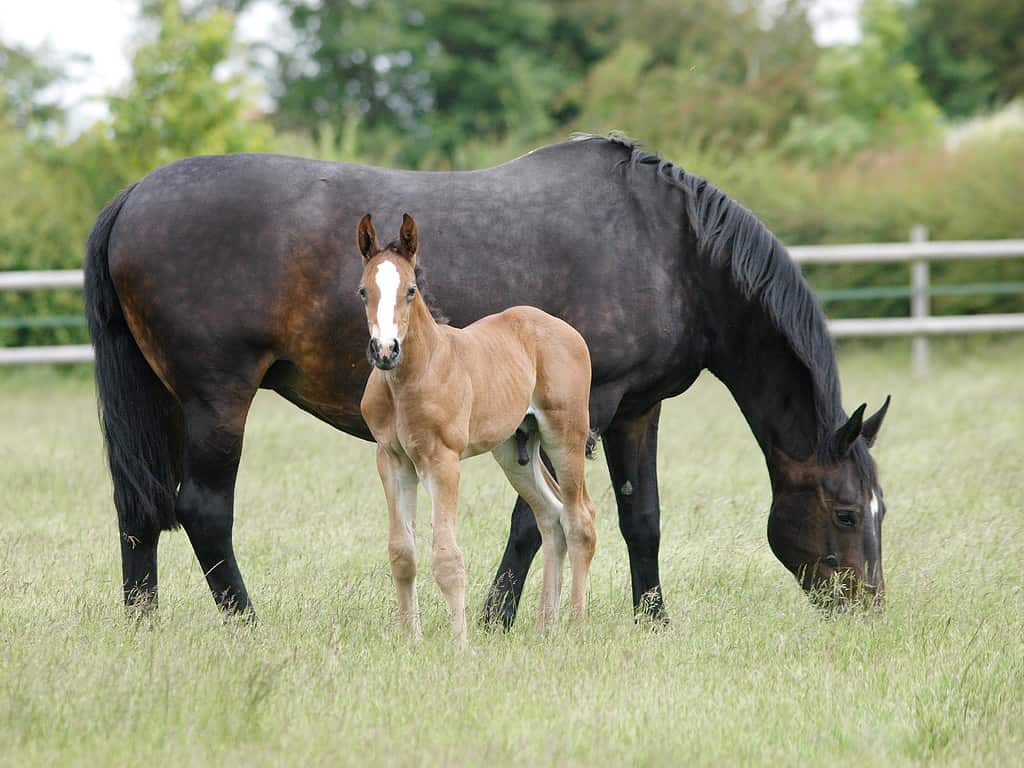
One of the strangest features of equine reproduction is how the embryo migrates through the uterus. Unlike many species, where the embryo implants quickly, the horse embryo takes at least a week to make its way to where it needs to be.
This phenomenon is described in detail in O. J. Ginther’s review, Equine embryo mobility. A game changer. After the embryo implants, around the 16th day of pregnancy, the embryo abruptly stops moving and fixes, remaining in place for the remainder of gestation. If this process is disrupted in some way, pregnancy failure becomes more likely, which is why early ultrasound tracking remains standard practice on breeding farms.
Endometrial Cups and eCG Hormones
By days 35–40, fetal cells develop in the mare’s endometrium and form endometrial cups. These structures secrete what’s known as equine chorionic gonadotropin (eCG), a hormone that supports multiple facets of a mare’s pregnancy down the line.
Gestation Length and Foaling Milestones
©Michaela Holubova/Shutterstock.com
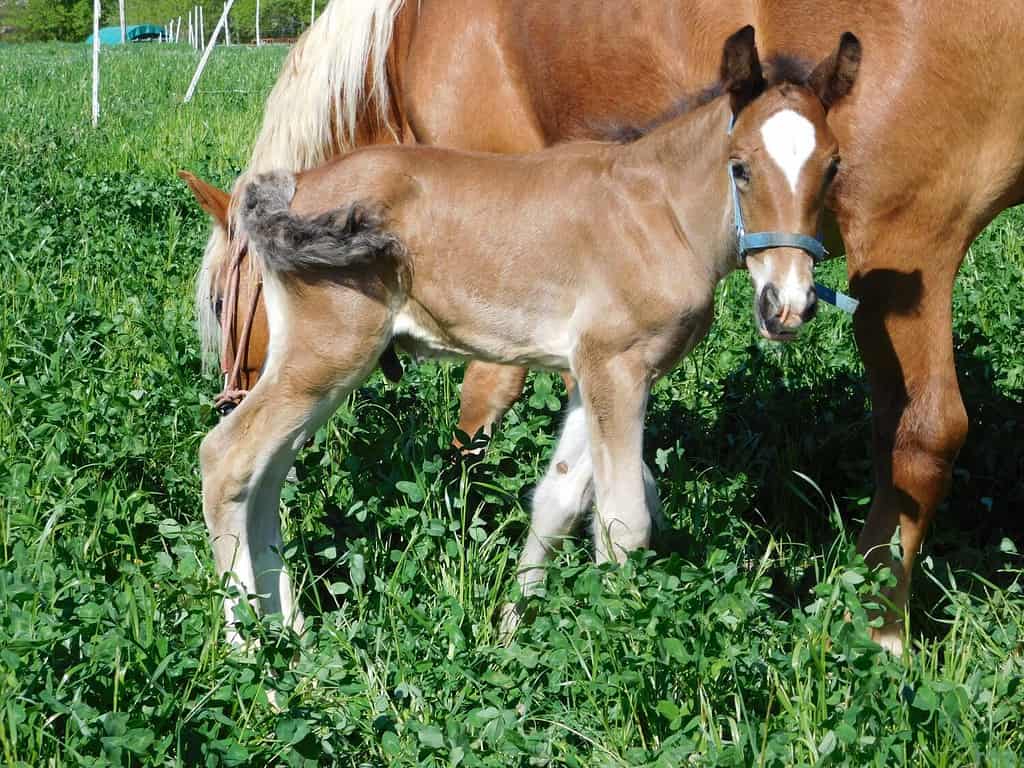
Average equine gestation is about 340 days, but healthy births can range widely, stretching anywhere from 320 to well over 360 days.
The Merck foaling guide for horse owners breaks the birthing process into three distinct stages:
- Stage I: Positioning of the foal, often marked by a mare’s restlessness and sweating
- Stage II: Active labor, typically lasting only 10–30 minutes once the mare’s water has broken
- Stage III: Passing of the placenta, often occurring within three hours after birth
Because these stages are relatively fast, farms tend to monitor mares closely with cameras, foaling alarms, and overnight checks should anything go wrong.
Foal Heat and Immediate Rebreeding
Despite their lengthy pregnancy timelines, many mares show signs of heat as early as 7-9 days postpartum. With proper vet evaluation and checks, some mares are bred on what’s known as a foal heat and begin a new reproduction cycle almost immediately.
Equine Twins and Risks Involved
©encierro/Shutterstock.com
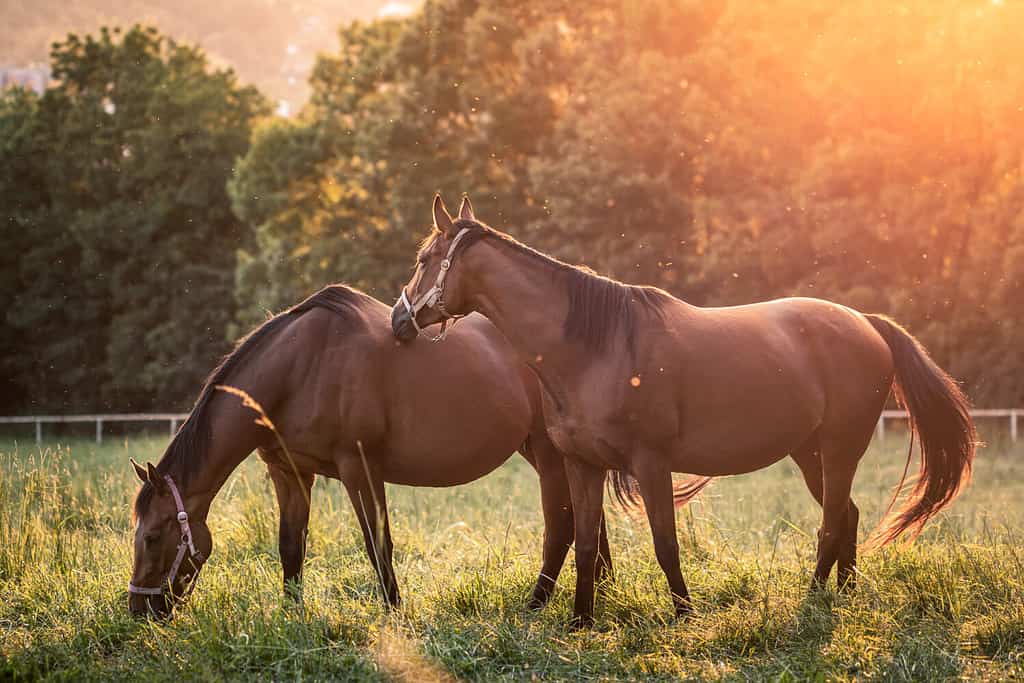
The equine uterus evolved to carry only a single fetus. Twin pregnancies often end in late-term loss or produce weak foals, placing both the mare and her young at risk. This is the primary reason why detecting twins early on is a must and a standard practice. While rare, the presence of twins is a possibility most horse breeders dread.
If equine twins remain undetected until later in gestation, the chance of both foals surviving is extremely low; less than 10% make it to term with both foals born alive and healthy, according to various scientific reports.
Extraordinary Firsts: Cloned Foals and Rare Pregnancies
©Sozina Kseniia/Shutterstock.com
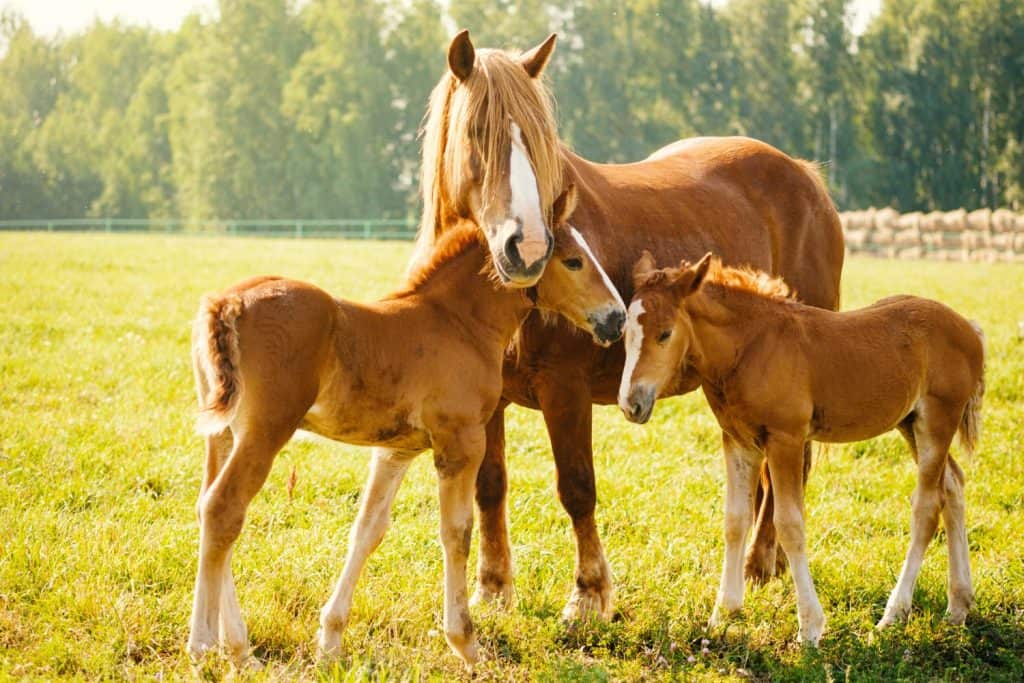
While twins and rare equine pregnancies don’t always have a happy ending, there are some exceptions to the rules. One of the most famous examples is a foal named Prometea, who was born in 2003. She became the world’s first cloned horse and the first mammal ever cloned to be carried by the same individual who donated her genetic material.
Another extraordinary equine milestone comes from a documented case of identical twin foals, a phenomenon previously considered almost biologically impossible. A peer-reviewed case report published on PubMed Central details the survival of both the mare and one of two foals, changing what scientists previously understood about equine twin births.
Another rare example of equine birth comes from Ireland. A Wicklow mare delivered a healthy set of twins, and it was actually her second consecutive twin birth, a feat virtually unheard of in modern breeding. As of November 2025, this remains the only documented case of a mare delivering two consecutive sets of healthy twin foals.
Equine Reproduction is More Complicated Than We Realize
©Brinja Schmidt/Shutterstock.com
When it comes to equine reproduction, nothing is as easy as it appears. Everything from timing lights to lengthen daylight, tracking follicles day by day, following a mobile embryo across the uterus, monitoring hormonal landmarks, guarding against twins, and sprinting into action when a mare lies down to give birth are part of this complicated, beautiful process.
Ultimately, the ethical horse breeders who thrive aren’t the ones who control this process from start to finish. They’re the ones who listen to their mares, adapt to their needs, and work within a system that is capable of defying the odds of what we understand about horses. The next time you consider a mare and her young, think of the risks and scientific principles at work behind the scenes. Birth is never an easy process, and mares understand this better than the average mammal!