
Quick Take
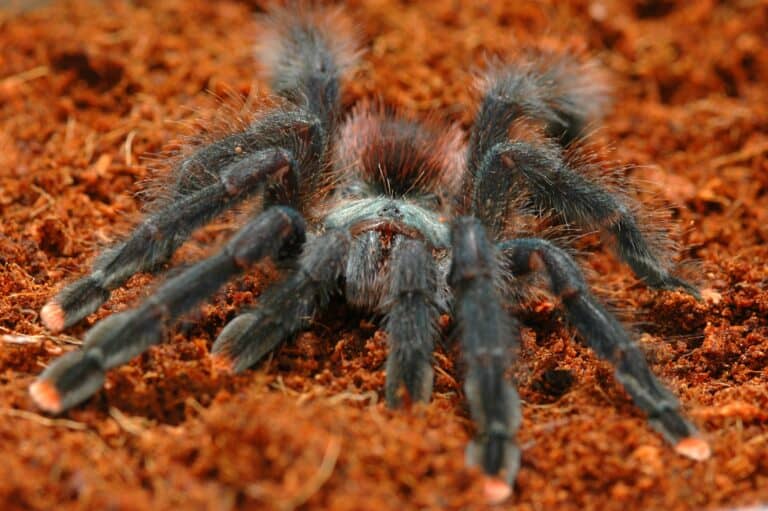
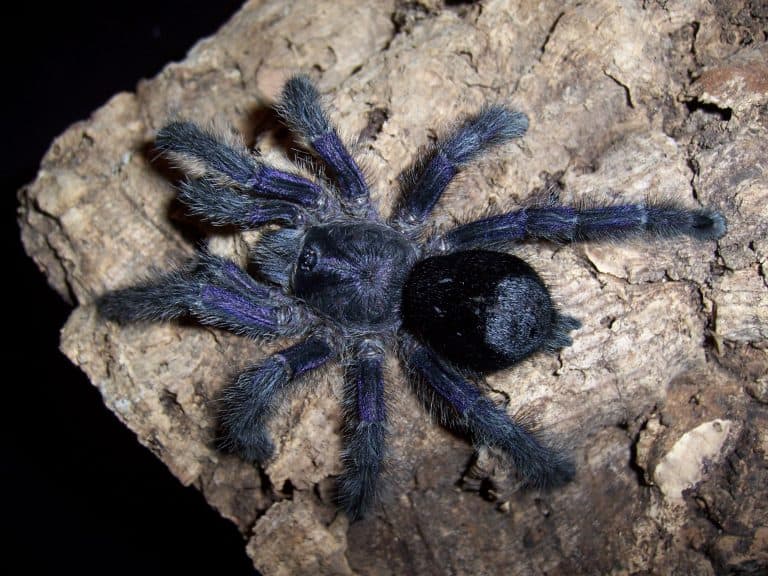
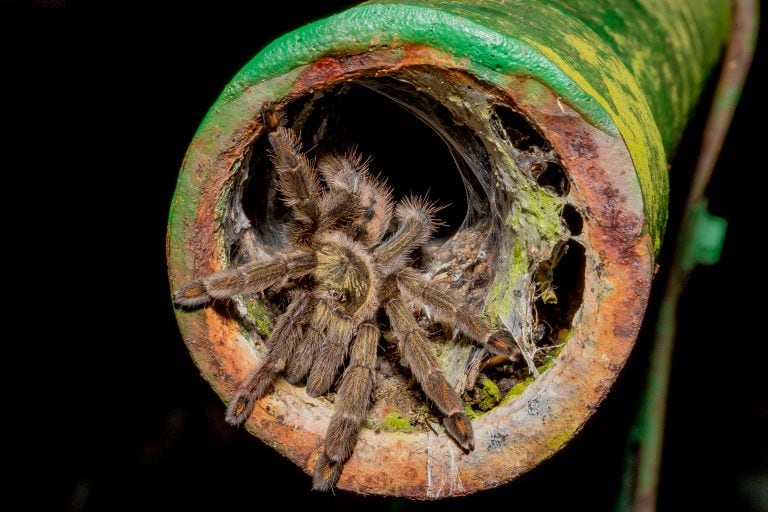
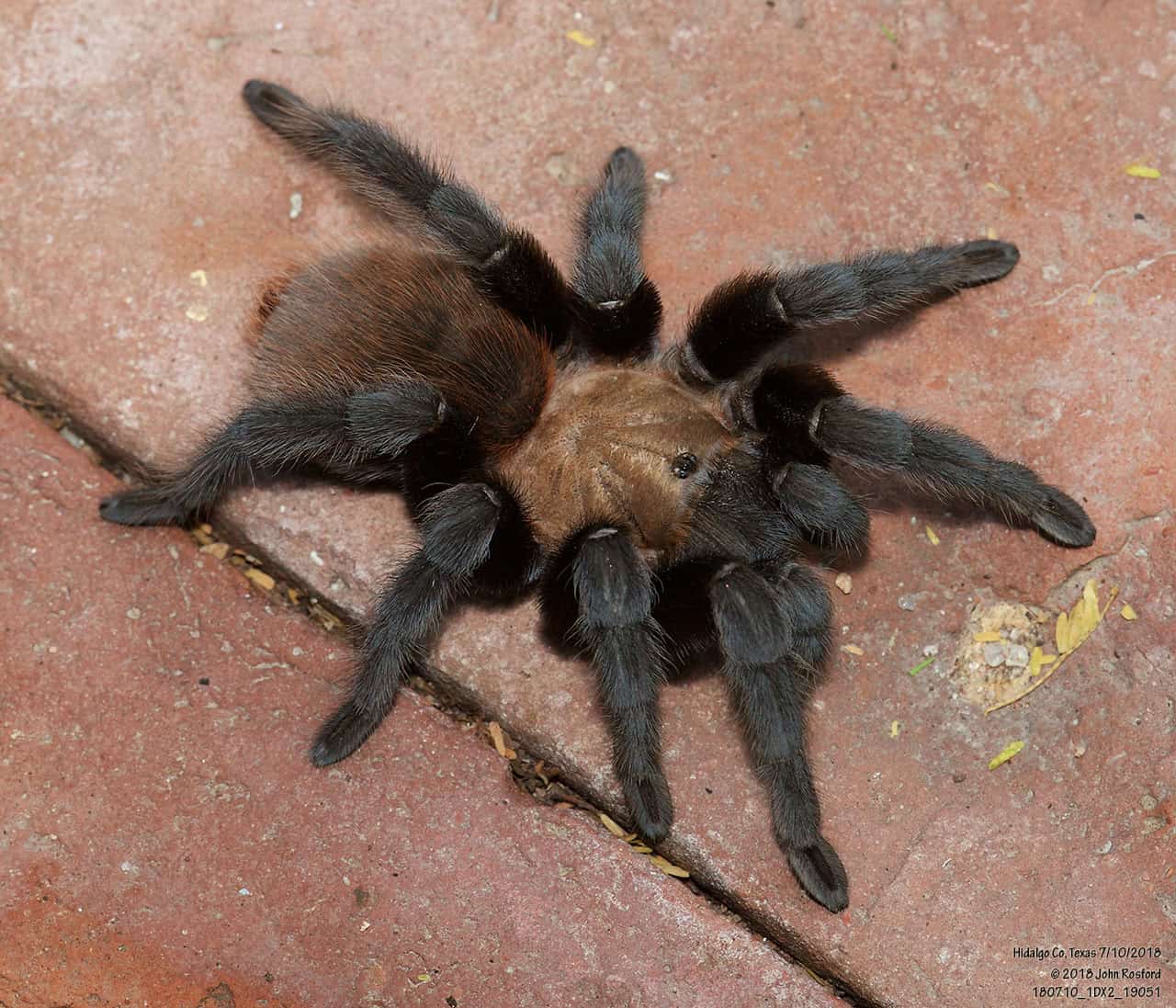
- The United States has only one tarantula genus, but it includes 30 known native species.
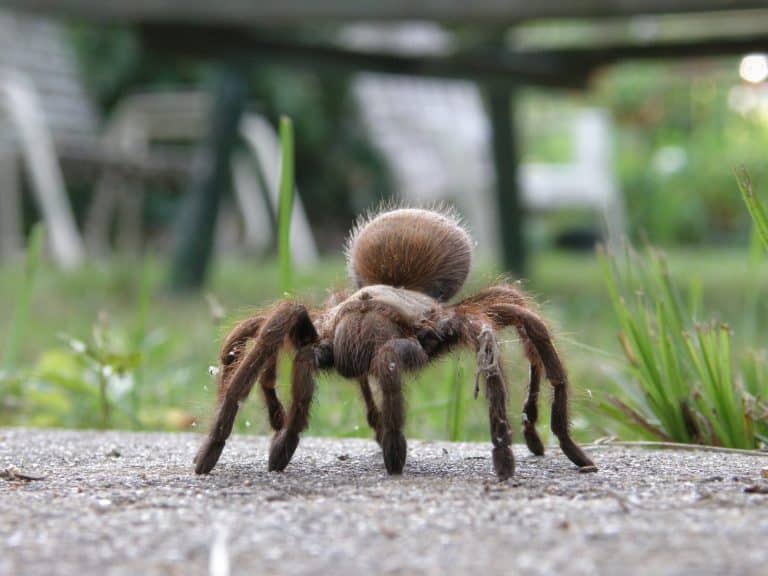
- Aphonopelma anax, the Texas tan tarantula, is the largest species in the U.S., with a body size reaching 2 inches and a leg span measuring up to 6 inches.
- Many tarantulas favor urban centers despite their reputation for remote desert living.
- The miniature species Aphonopelma atomicum, known as the atomic tarantula, was originally collected at a nuclear testing site in Nevada.
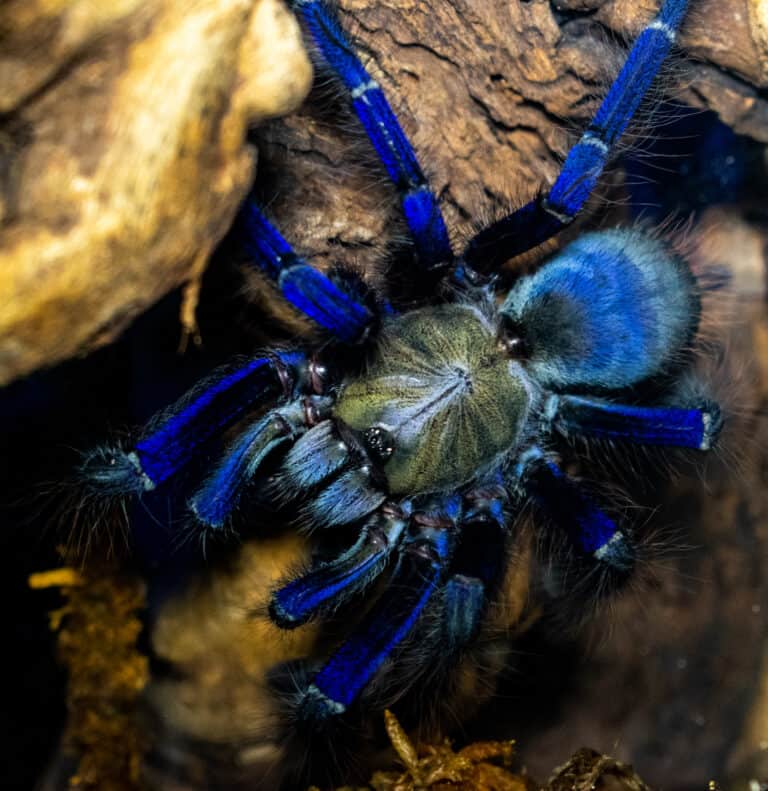
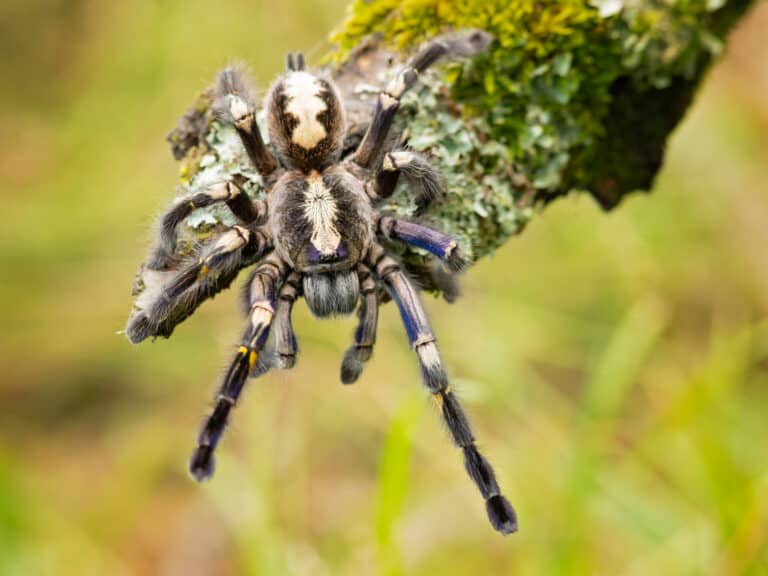
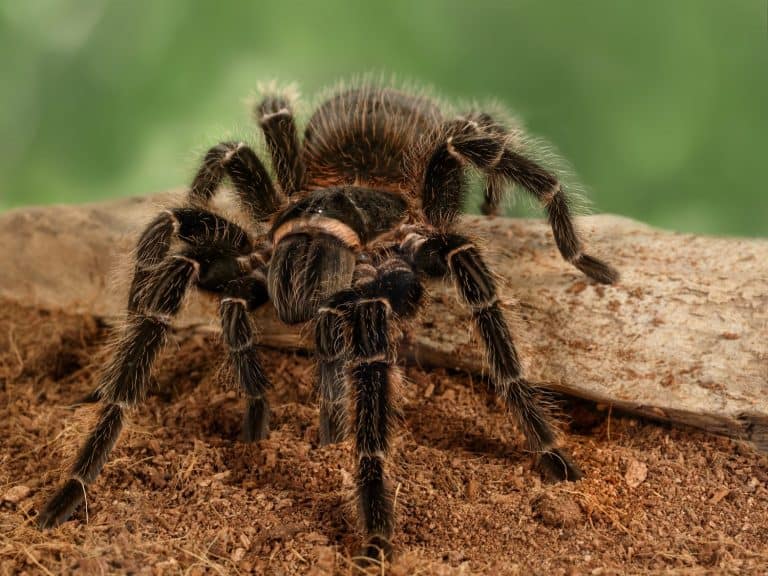
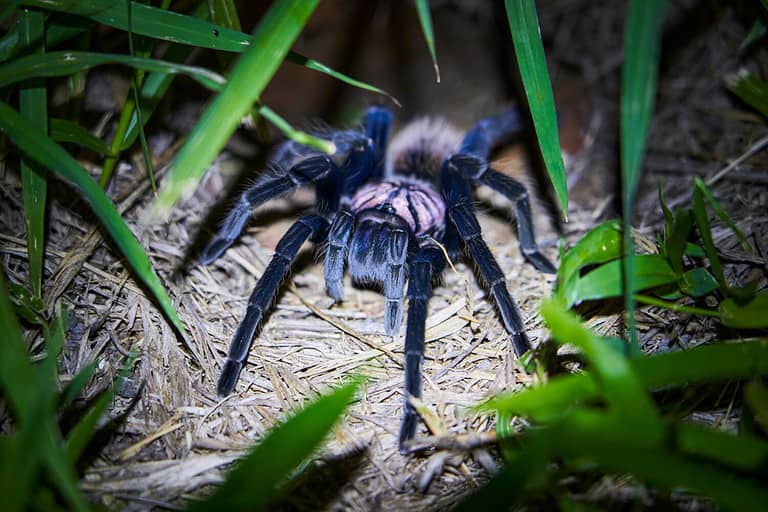
The genus Aphonopelma is the only tarantula genus found in the United States. As of December 2025, the World Spider Catalog lists 30 species with a distribution in the U.S. Tarantulas in the U.S. are generally found in the southern third of the country, west of the Mississippi River to California.
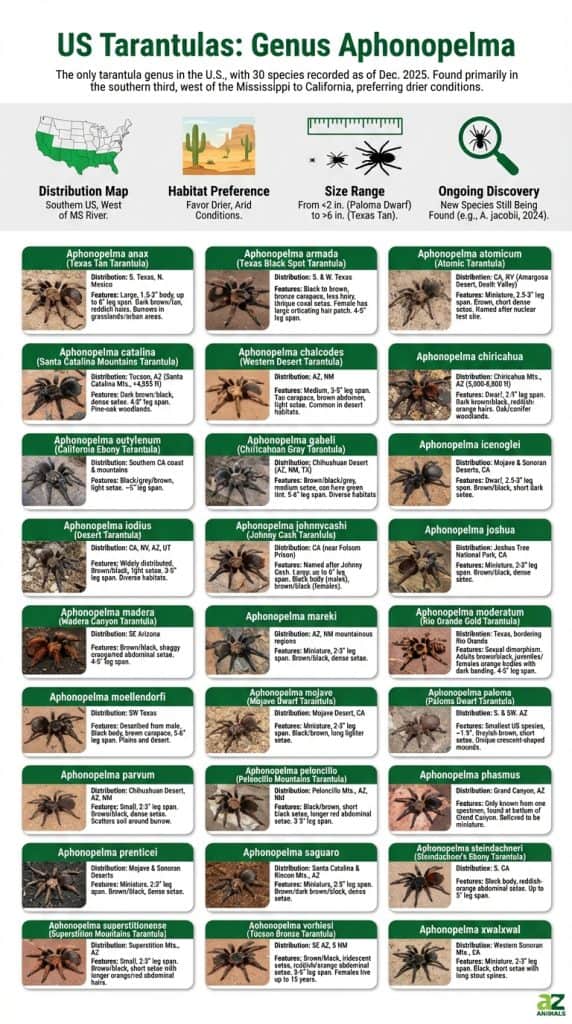
From nuclear test sites to the Joshua Tree desert, these 30 resilient species prove that America’s wild west is still crawling with secrets.
©A-Z Animals
While many tarantula genera prefer warm, humid environments, as evidenced by the hundreds of species native to Central and South America, these burrowing spiders typically favor the drier conditions found in the American Southwest. The list below includes all of the tarantula species currently known to inhabit the U.S. For a comprehensive reference, see our complete list of tarantula species.
Aphonopelma anax (Chamberlin, 1940)
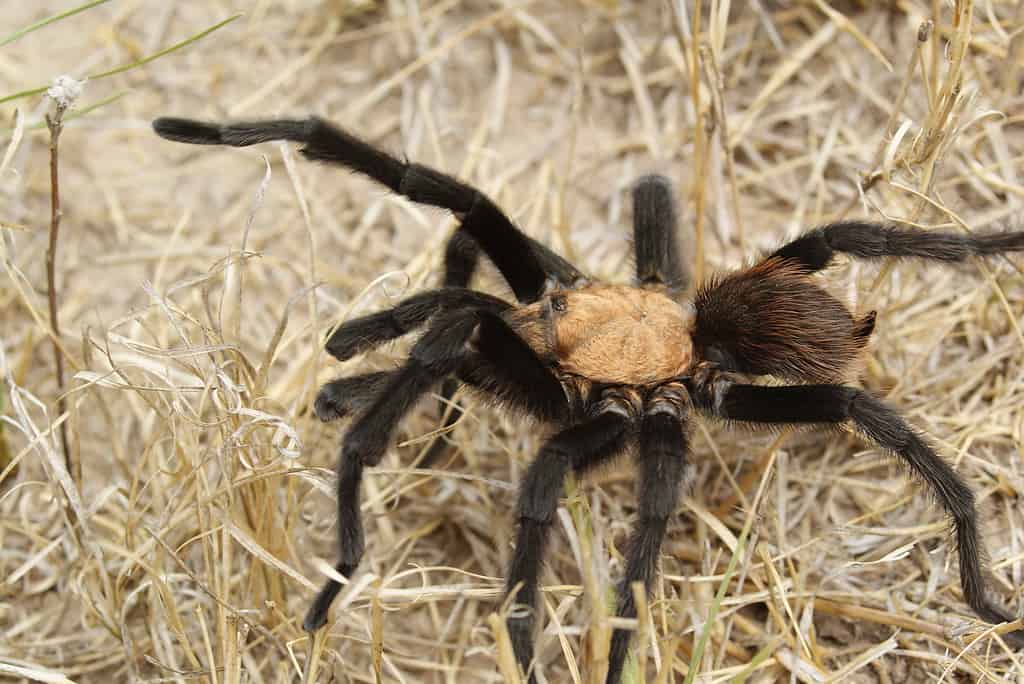
The Texas tan tarantula, Aphonopelma anax, is one of the largest spiders in the genus Aphonopelma.
- Common name: Texas tan tarantula
- Distribution: southern Texas and northern Mexico
Aphonopelma anax is one of the largest spiders in the genus Aphonopelma and the largest tarantula species in the U.S. It measures around 1.5-2 inches in body length and up to 6 inches in leg span. A. anax has a dark brown abdomen and legs, a tan carapace, brown hairs (setae) on its legs, and reddish-brown setae on its abdomen. These spiders typically burrow in grasslands and shrub forests, but they can also be found in urban and suburban areas.
Aphonopelma armada (Chamberlin, 1940)
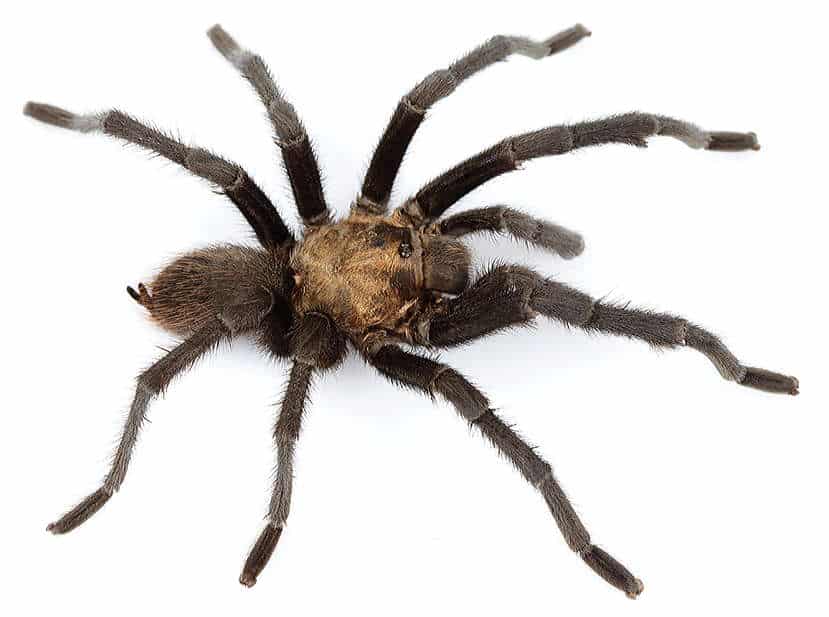
The Texas black spot tarantula, Aphonopelma armada, has a large, black urticating hair patch.
©Chris A. Hamilton, Brent E. Hendrixson, Jason E. Bond / CC BY 4.0 – Original / License
- Common name: Texas black spot
- Distribution: South and West Texas
Aphonopelma armada is a black to brown tarantula with a bronze carapace. It is less hairy than other Aphonopelma species, with short to medium black or brown setae and scattered red or orange hairs on the abdomen. It also has unique setae on coxa I, the joint that connects the legs to the thorax. Females have a large, black urticating hair patch. A. armada is widely distributed across the deserts, plains, plateaus, and prairies. Adults can reach a leg span of 4-5 inches.
Aphonopelma atomicum Hamilton, 2016
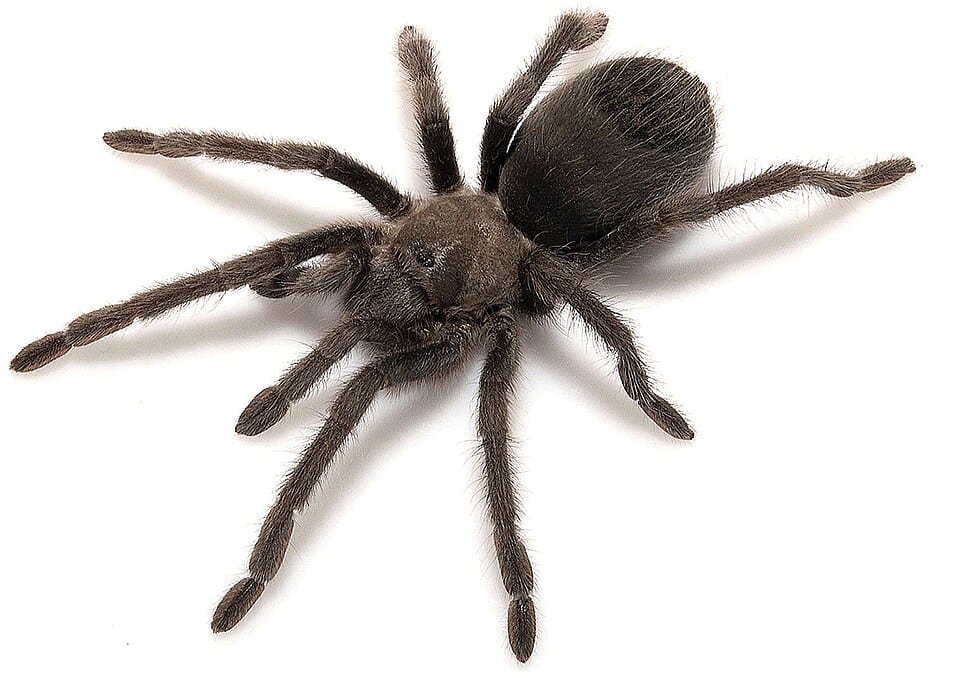
Aphonopelma atomicum is one of the smallest tarantula species in the U.S.
©Chris A. Hamilton, Brent E. Hendrixson, Jason E. Bond / CC BY 4.0 – Original / License
- Common name: Sometimes called the atomic tarantula
- Distribution: California and Nevada
The miniature species Aphonopelma atomicum can be differentiated from other Aphonopelma species by its much smaller size. Adult spiders have a leg span of only 2.5-3.0 inches. Its name references a Nevada nuclear testing site built by the Atomic Energy Commission, where this tarantula was originally collected. These tarantulas are mostly brown with short, dense, brown setae and lighter setae scattered across the abdomen near the urticating hair patch. They can only be found in the mountains and foothills of the Amargosa Desert and Death Valley.
Aphonopelma catalina Hamilton, Hendrixson & Bond, 2016
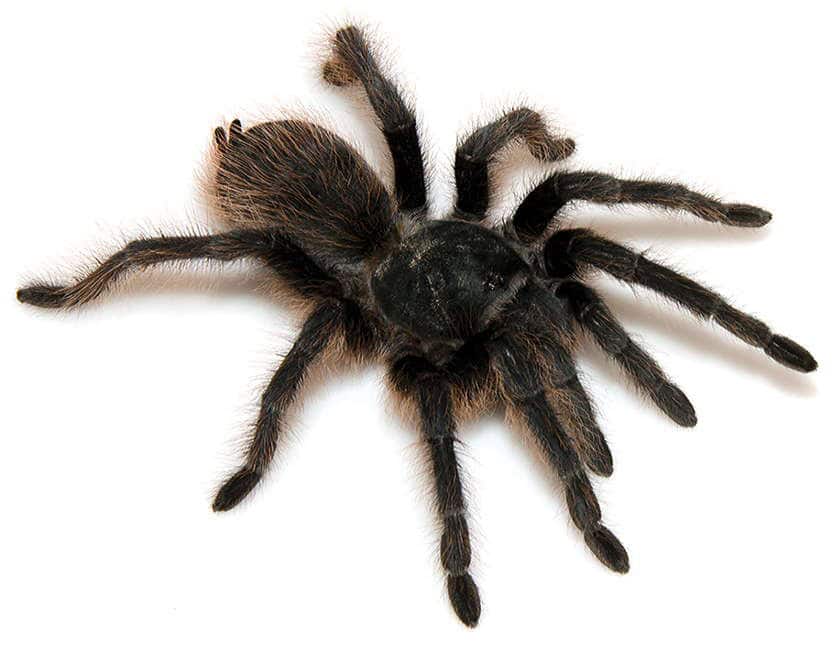
The Santa Catalina Mountains taratula, Aphonopelma catalina, was found near Tucson, Arizona.
©Chris A. Hamilton, Brent E. Hendrixson, Jason E. Bond / CC BY 4.0 – Original / License
- Common name: Santa Catalina Mountains tarantula
- Distribution: Santa Catalina Mountains near Tucson, Arizona
Aphonopelma catalina is uniformly dark brown to black. They are covered in short, dark, dense setae with many longer setae of the same color on their legs and abdomen. They also have a dense patch of dark urticating hairs. A. catalina is found in pine-oak woodland habitats at elevations over 4,855 feet. These tarantulas have a leg span of 4-5 inches.
Aphonopelma chalcodes Chamberlin, 1940
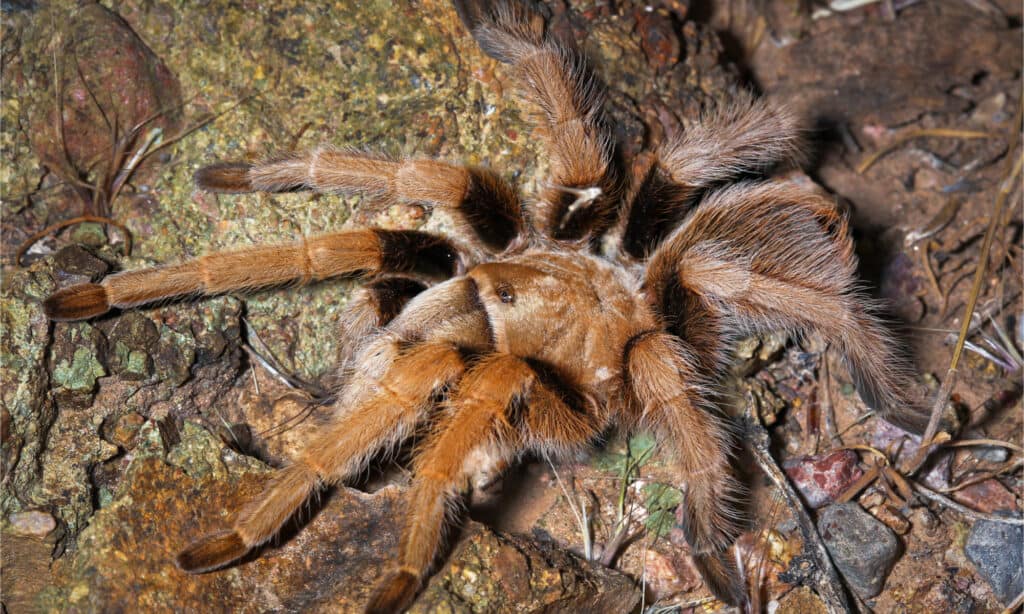
Aphonopelma chalcodes is commonly known as the Western desert, Mexican blond, or Arizona blond tarantula.
©Ryan M. Bolton/Shutterstock.com
- Common name: Western desert, Mexican blonde, or Arizona blonde
- Distribution: Arizona south of the Grand Canyon to the Colorado River in the west, southwestern New Mexico
The most common and widespread species in Arizona is Aphonopelma chalcodes. It is commonly found in desert habitats that are dominated by saguaro. This medium-sized tarantula typically grows 3-5 inches in leg span. A. chalcodes is very hairy, with a tan carapace and legs, a brown abdomen, and light colored setae on its legs and abdomen.
Aphonopelma chiricahua Hamilton, Hendrixson & Bond, 2016
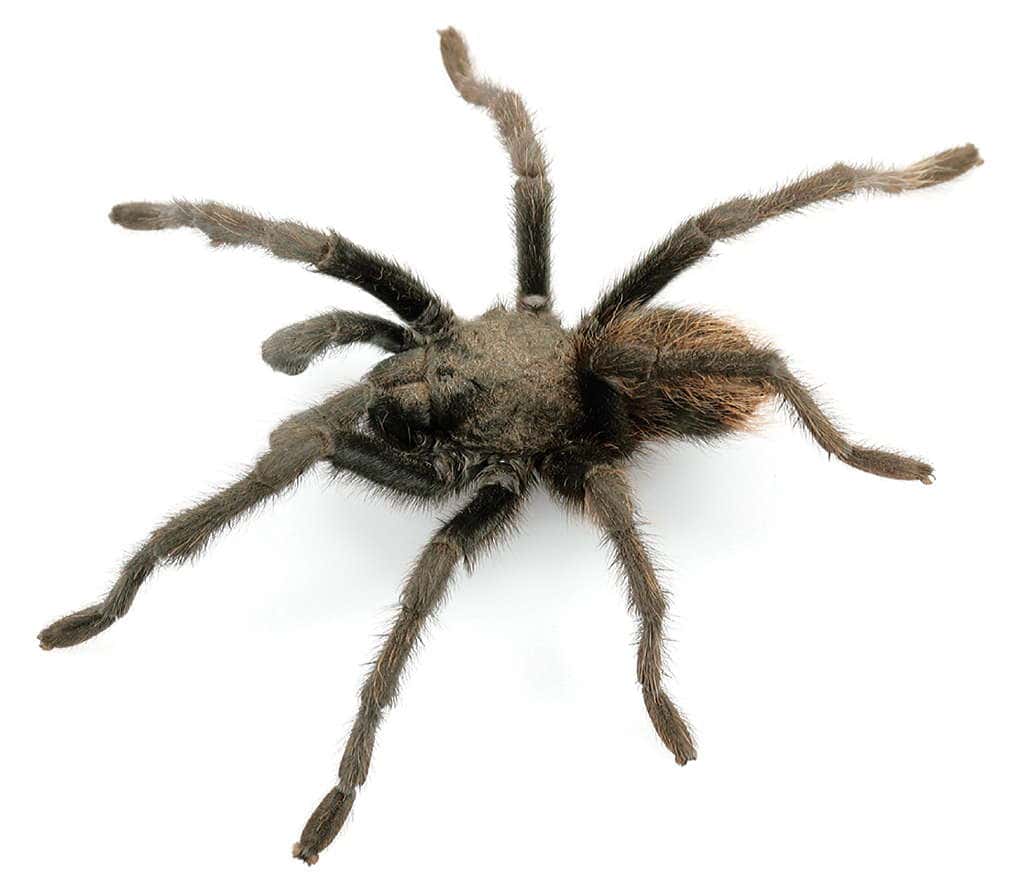
The tarantula species Aphonopelma chiricahua is found in the Chiricahua Mountains in Arizona.
© Chris A. Hamilton, Brent E. Hendrixson, Jason E. Bond / CC BY 4.0 – Original / License
- Common name: N/A
- Distribution: Chiricahua Mountains in Cochise County, Arizona
Aphonopelma chiricahua is a dwarf tarantula of no more than 2-3 inches in leg span. It is generally dark brown or black. It is covered in short, dark setae with longer, lighter reddish-orange hairs scattered on the abdomen. This tarantula is only found in the Chiricahua Mountains at elevations from around 5,000 to 8,800 feet. These tarantulas favor oak, pine-oak woodland, and mixed conifer woodlands.
Aphonopelma eutylenum Chamberlin, 1940
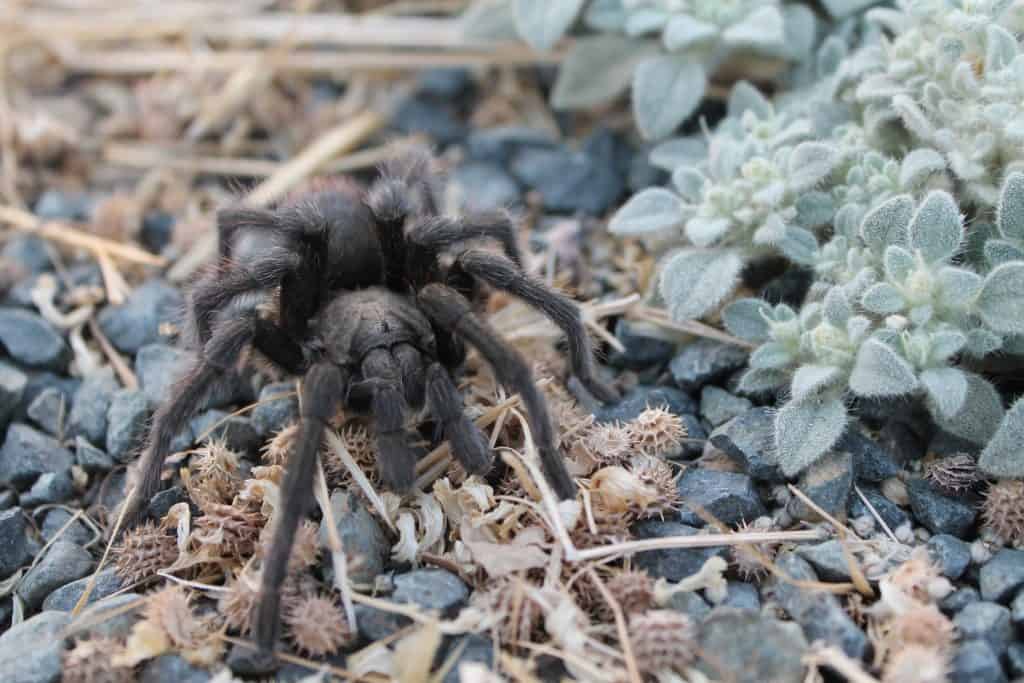
The California ebony tarantula, Aphonopelma eutylenum, is found along the southern California coast.
©Mychemicalromanceisrealemo / Public Domain CC0 1.0 – Original / License
- Common name: California ebony
- Distribution: West of the Mojave Desert, along the California coast from the western Transverse Ranges through the Peninsular Ranges
Aphonopelma eutylenum is very common across the coasts and mountains of Southern California, including urban areas like Los Angeles and San Diego. This tarantula is generally shades of black, grey, and brown with darker femurs and covered in light brown setae. Adults typically reach a leg span of about 5 inches.
Aphonopelma gabeli Smith, 1995
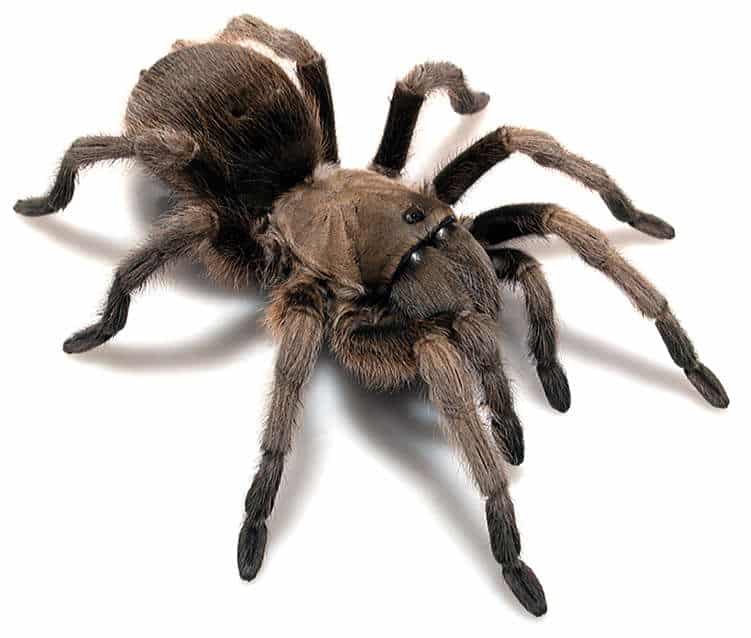
The Chiricahuan grey tarantula can measure up to six inches long.
©Chris A. Hamilton, Brent E. Hendrixson, and Jason E. Bond / CC BY 4.0 – Original / License
- Common name: Chiricahuan gray or the Carlsbad Green Tarantula
- Distribution: The Chihuahuan Desert in southeastern Arizona, southern New Mexico, and West Texas
Aphonopelma gabeli is one of the most common tarantula species in the U.S. It is generally shades of brown, black, and grey, covered with medium-length brownish-grey setae. It can also develop a green tint after molting. This tarantula has a leg span of 5-6 inches. A. gabeli can be found in desert grasslands and scrublands, as well as short grass prairies at elevations from around 2,500 to 5,300 feet.
Aphonopelma hentzi (Girard, 1852)
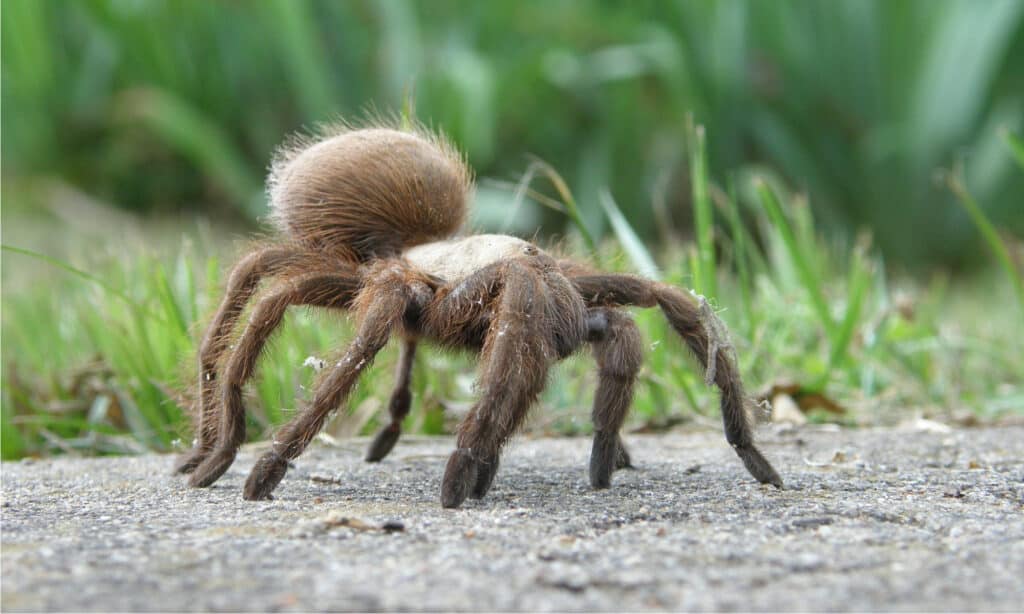
The Texas brown tarantula is the most widely distributed tarantula species in the United States.
©texas brown tarantula/Shutterstock.com
- Common name: Texas brown tarantula, Oklahoma brown tarantula, Missouri tarantula, Louisiana tarantula, or Mississippi tarantula
- Distribution: Missouri, Arkansas, Louisiana, Kansas, Oklahoma, Texas, Colorado, New Mexico and Arizona
Aphonopelma hentzi is the most widely distributed tarantula species in the country. It can be found in a wide variety of environments, including river valleys, deserts, plains, prairies, tablelands, mountains, and major urban areas. However, burrowing behavior varies depending on habitat. This tarantula is brown to black with a light brown carapace. Its legs and abdomen are covered in long, reddish-brown setae. They can reach between 1-2 inches in body length and 5-6 inches in leg span.
Aphonopelma icenoglei Hamilton, Hendrixson & Bond, 2016
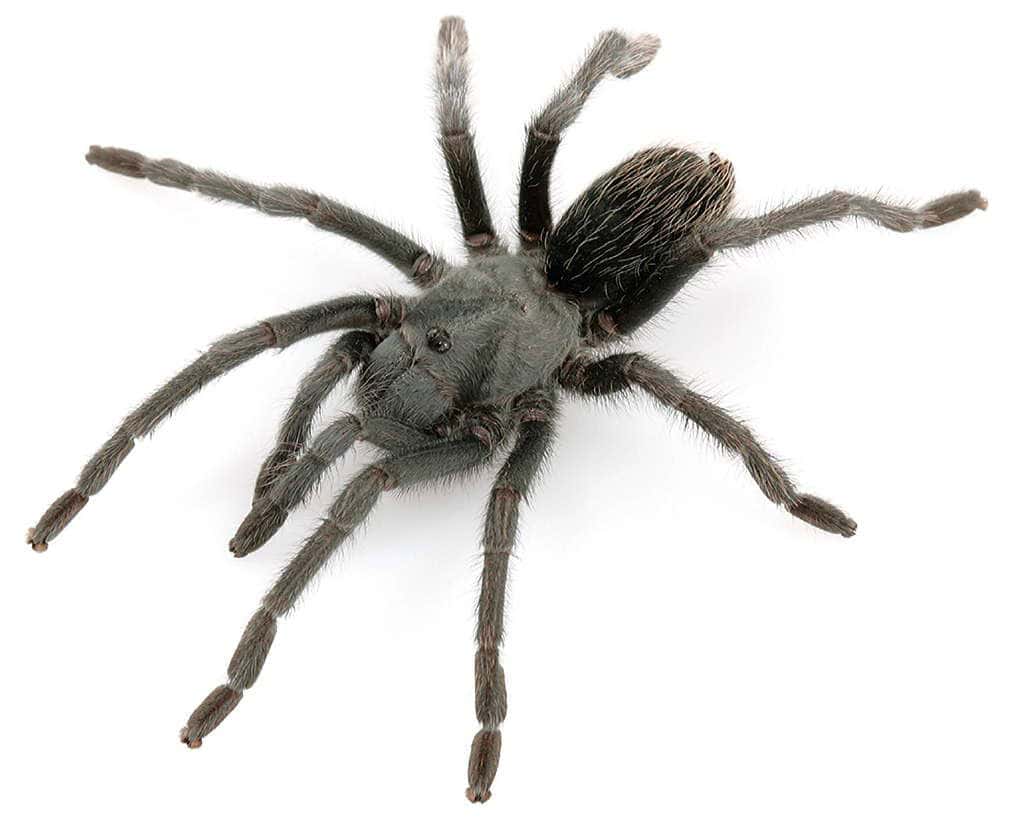
The miniature tarantula Aphonopelma icenoglei is found throughout the Mojave and Sonoran Deserts.
©r Chris A. Hamilton, Brent E. Hendrixson, Jason E. Bond / CC BY 4.0 – Original / License
- Common name: N/A
- Distribution: California in the southern Mojave and northwestern Sonoran deserts, the northern foothills of the San Gabriel and San Bernardino Mountains, the northeastern corner of Joshua Tree National Park
Aphonopelma icenoglei is another dwarf tarantula species, reaching only 2.5-3 inches in leg span. They are brown to black spiders with short black/brown setae and longer, lighter setae on the legs and abdomen. They primarily excavate their burrows in desert habitats.
Aphonopelma iodius (Chamberlin & Ivie, 1939)
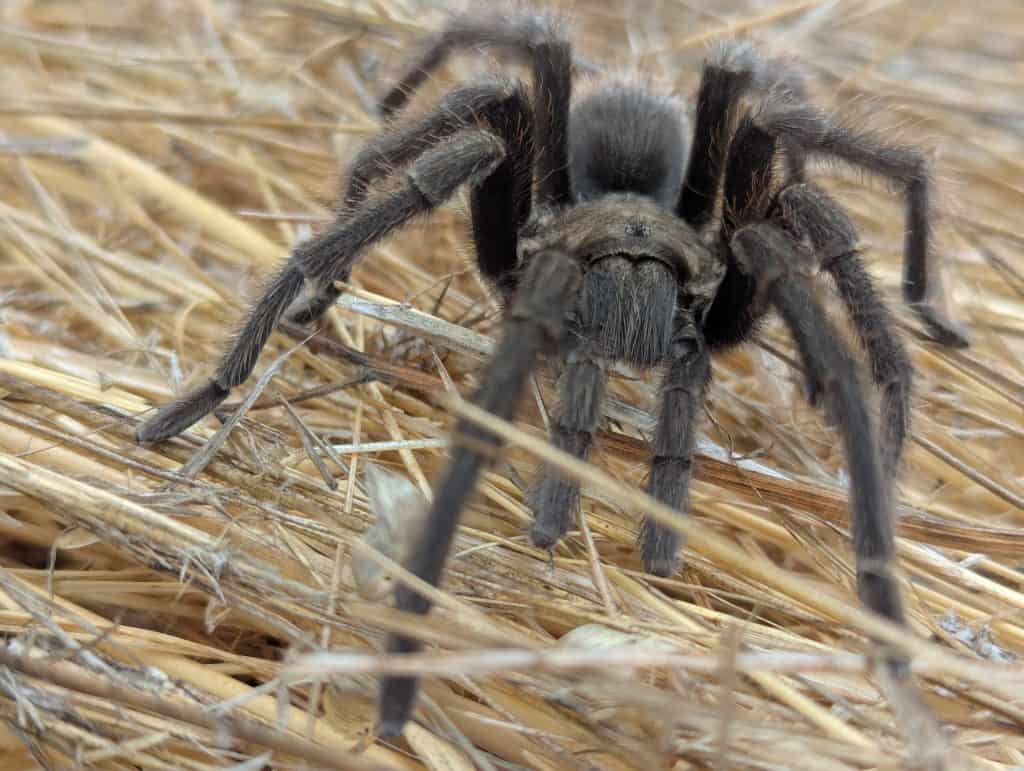
The desert tarantula, Aphonopelma iodius, is among the most widely distributed tarantulas.
- Common name: Bay Area blonde, desert tarantula or Mojave Desert tarantula
- Distribution: The Bay Area of California and south across the Transverse Ranges into the Mojave Desert, north through the Great Basin Desert of Nevada, northwestern Arizona, Utah
Aphonopelma iodius is among the most widely distributed tarantulas. They are brown to black with short, light brown setae and longer, paler setae on the legs and abdomen. These are small to medium spiders, reaching 3-5 inches in leg span. This species lives in diverse habitats from coastal mountains to desert regions.
Aphonopelma jacobii Hamilton & Hendrixson, 2024
- Common name: N/A
- Distribution: The Chiricahua Mountains in southeastern Arizona
Aphonopelma jacobii is a recently described species found in the Chiricahua Mountains in southeastern Arizona. It is a small tarantula of around 2-3 inches in leg span. A. jacobii has a brown to black body with red or orange setae on the abdomen. Females also have orange-colored setae on their legs. These spiders make their burrows in wooded meadows in high-elevation mixed conifer forests. The highest confirmed elevation for this tarantula is just under 8,202 feet.
Aphonopelma johnnycashi Hamilton, 2016
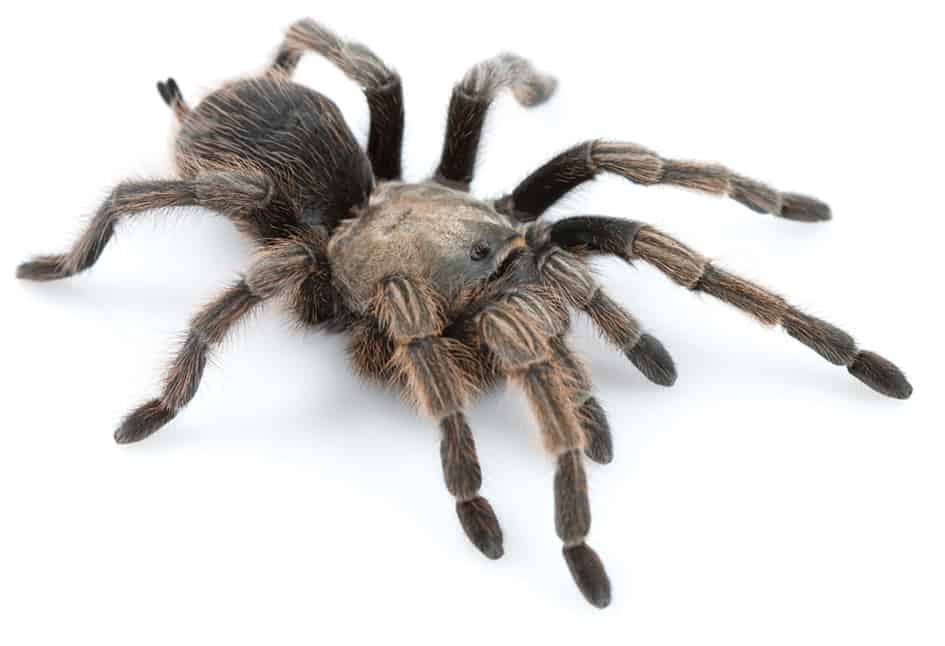
The Johnny Cash tarantula, Aphonopelma johnnycashi, was named after the singer because it was found near Folsom Prison.
©Chris A. Hamilton, Brent E. Hendrixson, Jason E. Bond / CC BY 4.0 – Original
- Common name: Johnny Cash tarantula
- Distribution: California, in the western foothills of the Sierra Nevada Mountains
The Johnny Cash tarantula, Aphonopelma johnnycashi, was named after the country music legend because it was found near Folsom Prison, the subject of one of his most popular songs. Cash was also called “The Man in Black,” and mature male spiders are typically black. Females are brown to black. They also generally have short, dark setae with longer, lighter setae on their legs and abdomen. A. johnnycashi is a large tarantula with a leg span of up to 6 inches.
Aphonopelma joshua Prentice, 1997
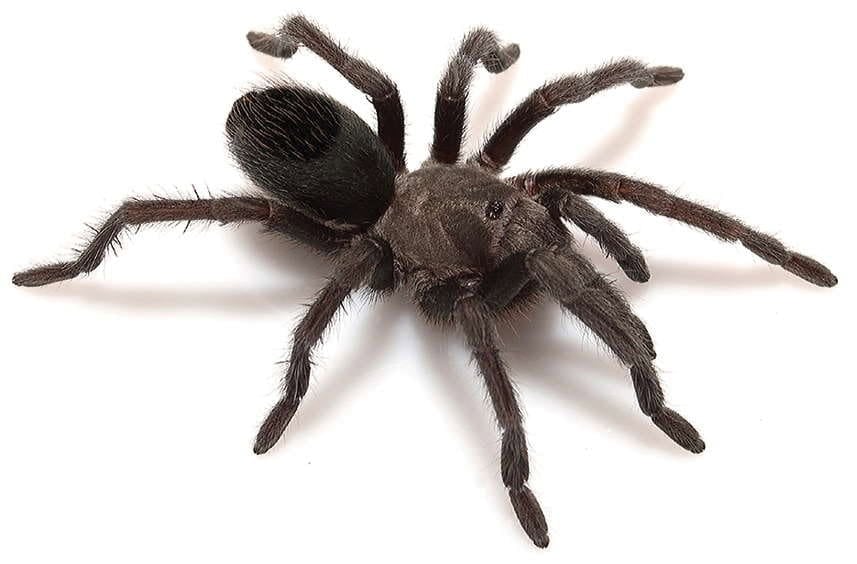
The miniature tarantula Aphonopelma joshua is found in the Joshua Tree National Park and surrounding areas in California.
©Chris A. Hamilton, Brent E. Hendrixson, Jason E. Bond / CC BY 4.0 – Original / License
- Common name: N/A
- Distribution: California, Joshua Tree National Park and surrounding areas
Aphonopelma joshua is among the larger species of miniature Aphonopelma spiders, reaching a leg span of between 2 and 3 inches. They live in desert habitats and have been found at elevations between 2,788 and 4,921 feet. These spiders are brown to black with dense, short black setae and longer, paler setae on their abdomens and legs.
Aphonopelma madera Hamilton, Hendrixson & Bond, 2016
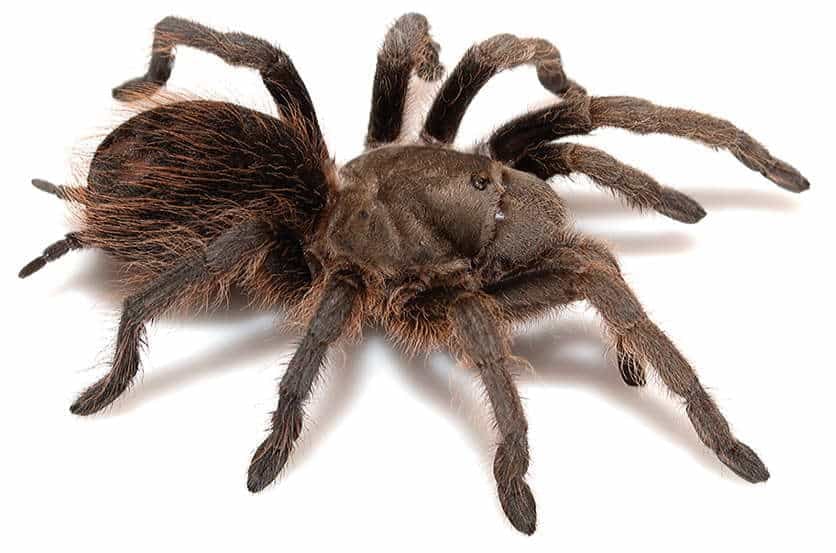
The Madera Canyon tarantula, Aphonopelma madera, was discovered in the Santa Rita Mountains.
©Chris A. Hamilton, Brent E. Hendrixson, Jason E. Bond / CC BY 4.0 – Original / License
- Common name: Madera Canyon tarantula
- Distribution: Huachuca, Pajarito, and Santa Rita Mountains in southeastern Arizona
Aphonopelma madera is brown to black with short, black setae and a great deal of scattered, shaggy orange or red setae on the abdomen and legs. These tarantulas have been observed in riparian habitats, oak grasslands and woodlands, and pine-oak woodlands at elevations ranging from 4,000 and 6,900 feet. Like most Aphonopelma species, it is believed to reach a leg span of 4-5 inches.
Aphonopelma mareki Hamilton, Hendrixson & Bond, 2016
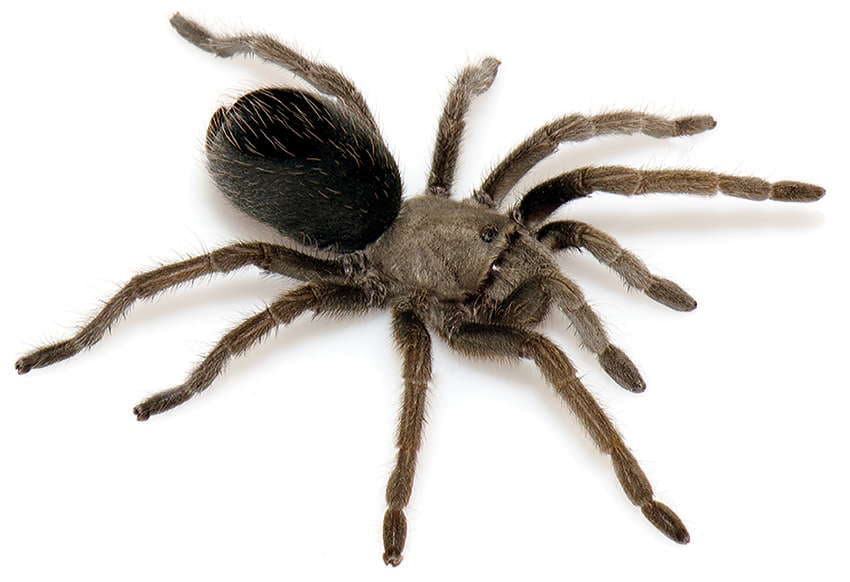
Adult Aphonopelma mareki typically reach a leg span of 2-3 inches.
©Chris A. Hamilton, Brent E. Hendrixson, Jason E. Bond / CC BY 4.0 – Original / License
- Common name: N/A
- Distribution: Arizona and New Mexico
Aphonopelma mareki is a brown to black miniature tarantula with short, dense, dark setae and longer, paler setae on the legs and scattered on the abdomen. These spiders are found in the mountainous regions of Arizona and New Mexico. Adults typically reach a leg span of 2-3 inches.
Aphonopelma marxi (Simon, 1891)
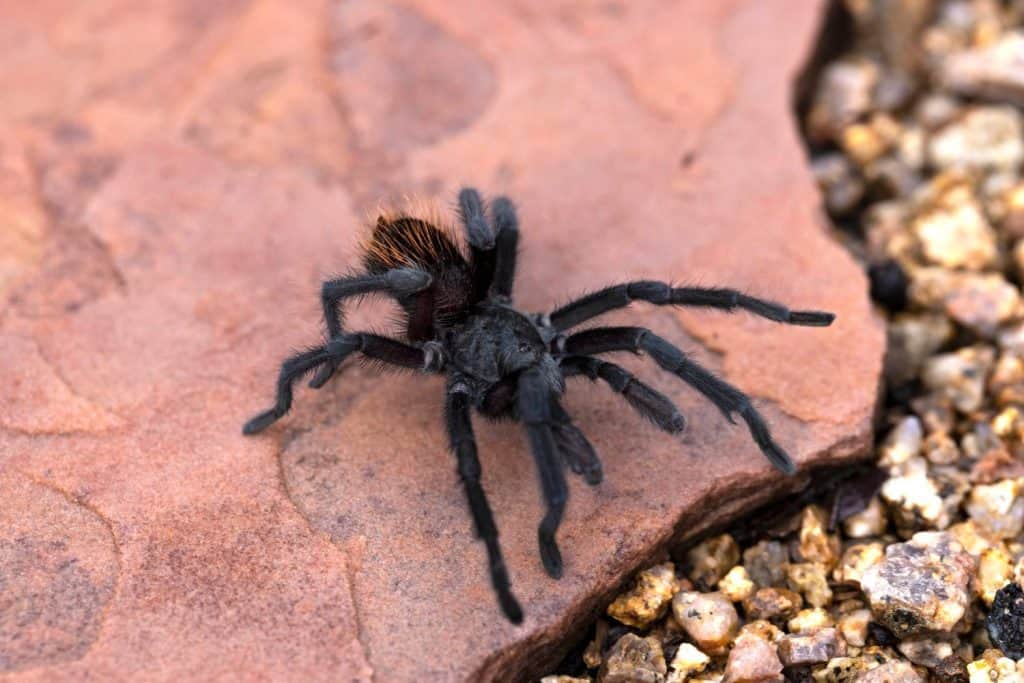
Grand canyon tarantulas can have a leg span of up to 4 inches.
©Malisa Nicolau/Shutterstock.com
- Common name: Grand Canyon black
- Distribution: Northern Arizona, northwestern New Mexico, southwestern Colorado, and southeastern Utah
Aphonopelma marxi is a very hairy, black tarantula with short, black, somewhat iridescent setae and many longer reddish-orange setae scattered on its abdomen. It is widely distributed across higher elevation areas in its range. These tarantulas live in a variety of different habitats, including the Grand Canyon and mixed conifer forests. A. marxi is a medium-sized tarantula with a leg span of up to 4 inches.
Aphonopelma moderatum (Chamberlin & Ivie, 1939)
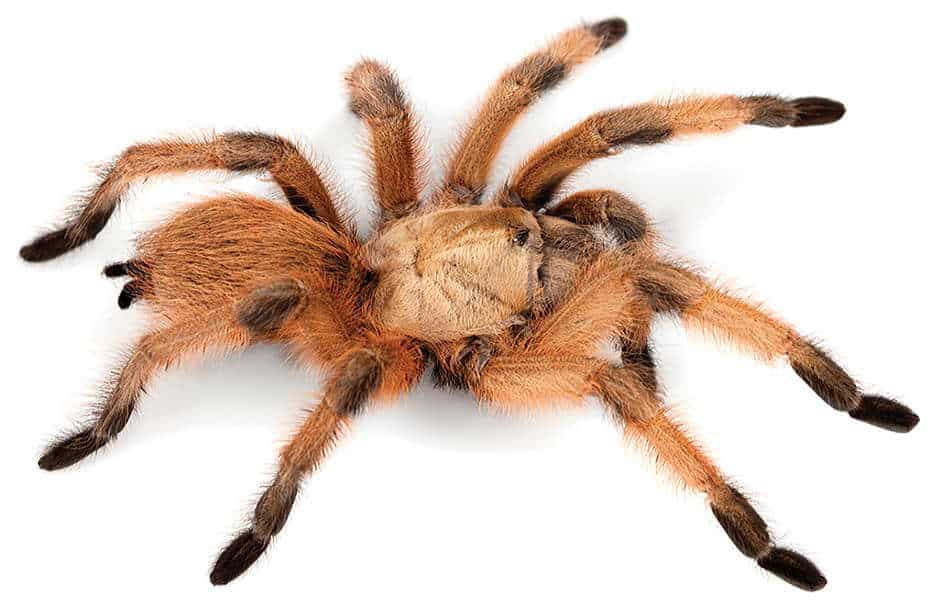
The Rio Grande tarantula, Aphonopelma moderatum, exhibits sexual dimorpism in coloration.
©Chris A. Hamilton, Brent E. Hendrixson, Jason E. Bond/ CC BY 4.0 – Original / License
- Common name: Rio Grande gold
- Distribution: Counties bordering the Rio Grande in Texas
While adult male Aphonopelma moderatum are usually brown or black, juvenile males and females have orange bodies covered with medium and long setae and dark brown or black banding on the patellae, metatarsi, and tarsi. These spiders reach between 4-5 inches in leg span. They can be found in the thornscrub of the southern plains and Western Gulf Coast Plains, as well as Chihuahuan Desert habitats. In desert environments with shallow soil, they have been found in burrows under flat rocks.
Aphonopelma moellendorfi Hamilton, 2016
- Common name: N/A
- Distribution: southwestern Texas, along the border with Mexico west to the Sierra Vieja Mountains
Aphonopelma moellendorfi is described from the male of the species. It has a black body and legs with a brown carapace. It also has short, dark setae and longer, lighter setae scattered on its abdomen. These spiders are estimated to reach between 5-6 inches in leg span. They can be found in plains and desert habitats across southwestern Texas.
Aphonopelma mojave Prentice, 1997
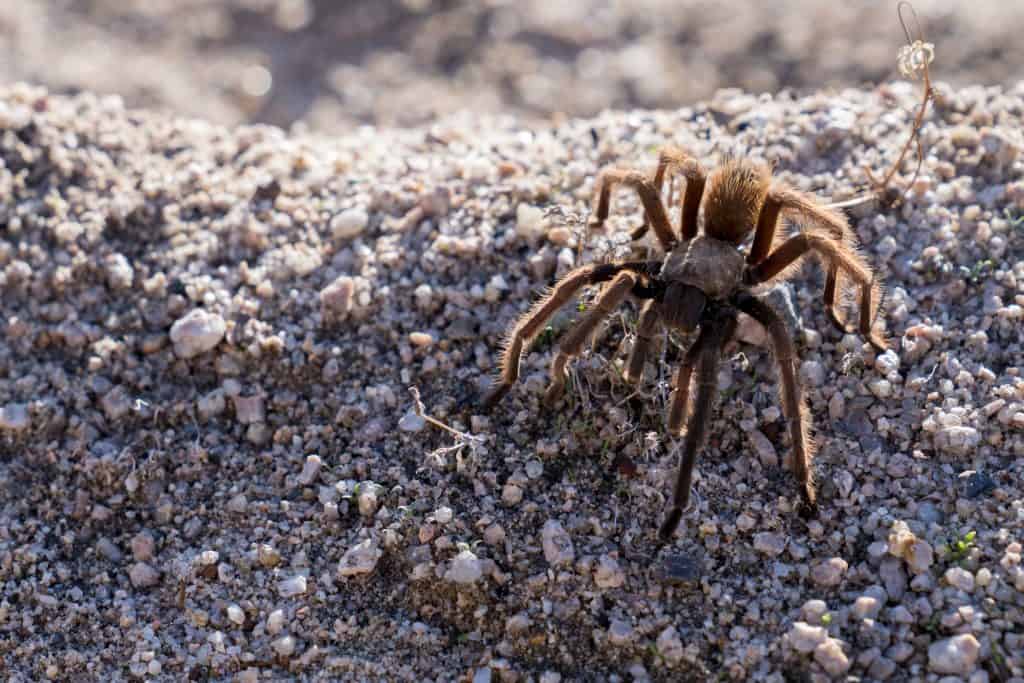
The Mojave dwarf, Aphonopelma mojave, is a miniature tarantula found in the Mojave Desert and Sierra Nevada Mountains.
- Common name: Mojave dwarf
- Distribution: California, the western Mojave Desert and southeastern foothills of the Sierra Nevada Mountains
Aphonopelma mojave has a narrow distribution in the Mojave Desert region of California. These tarantulas have been observed at elevations between 3,050 and 4,019 feet. They are black to brown with long, lighter-colored setae on their abdomens. A. mojave only reaches about 2-3 inches in leg span.
Aphonopelma paloma Prentice, 1993
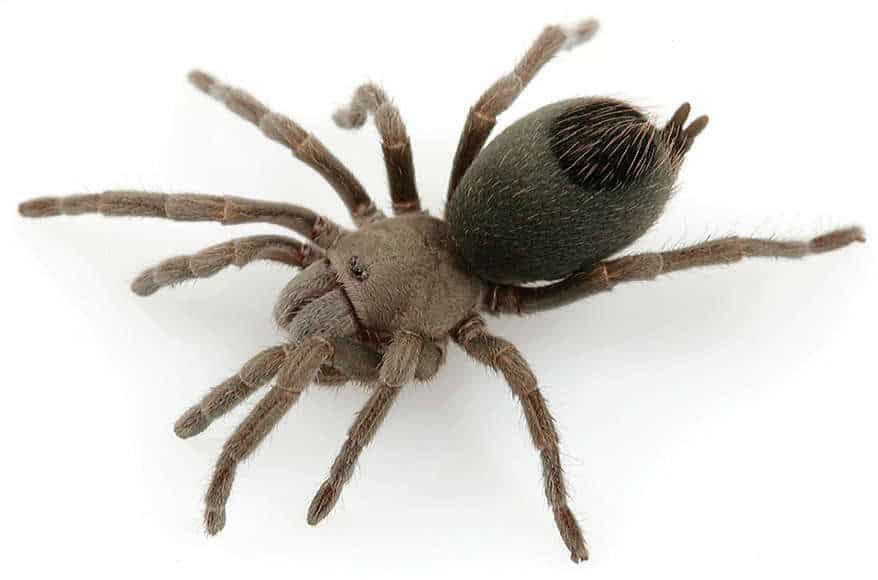
The Paloma dwarf, Aphonopelma paloma, is the smallest tarantula species in the U.S.
©Chris A. Hamilton, Brent E. Hendrixson, Jason E. Bond / CC BY 4.0 – Original / License
- Common name: Paloma dwarf
- Distribution: Lower elevation areas of southern and southwestern Arizona
Aphonopelma paloma is the smallest tarantula species in the country. It is differentiated from other Aphonopelma species by its extremely small size of just 1.9 inches. It is greyish-brown and covered in short, grey setae with longer, lighter, reddish-tinted setae near the urticating patch. These tarantulas make unique, crescent-shaped mounds of silk and soil outside their burrows.
Aphonopelma parvum Hamilton, Hendrixson & Bond, 2016
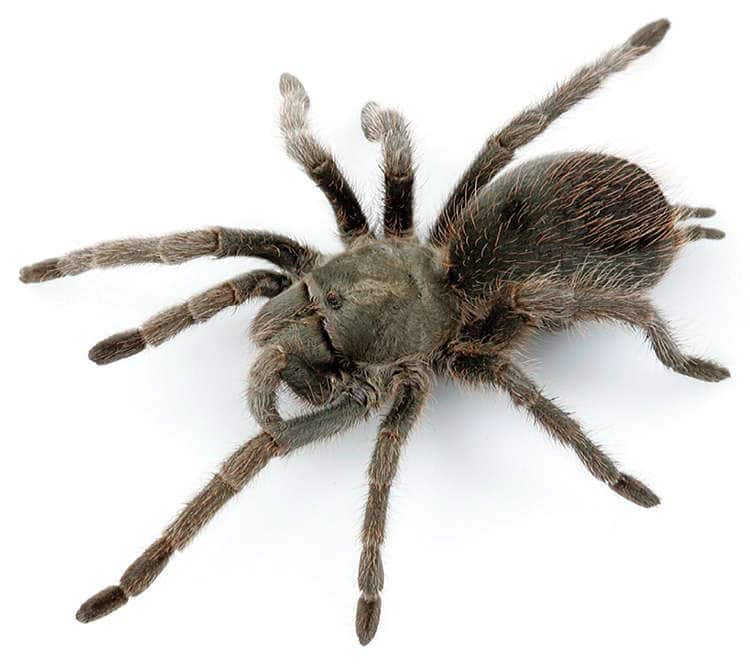
The tarantula species, Aphonopelma parvum is notable for the way it scatters soil around its burrow opening.
©Chris A. Hamilton, Brent E. Hendrixson, Jason E. Bond / CC BY 4.0 – Original / License
- Common name: N/A
- Distribution: The Chihuahuan Desert and Madrean Sky Islands in southeastern Arizona and southwestern New Mexico
Aphonopelma parvum is also a small tarantula with a leg span of approximately 2-3 inches. It is brown to black with dense black setae and longer, lighter, reddish-colored setae on its abdomen and legs. Unlike other Aphonopelma species, A. parvum scatters the soil around the entrance of its burrow instead of making a mound or turret shape. These spiders are found in desert habitats and pine–oak woodlands.
Aphonopelma peloncillo Hamilton, Hendrixson & Bond, 2016
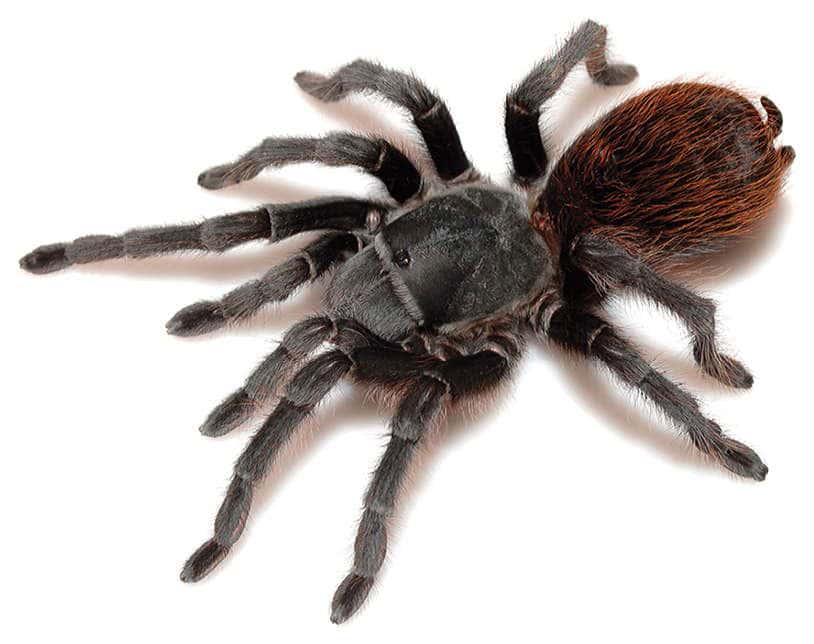
The Peloncillo Mountains tarantula, Aphonopelma peloncillo, is found in mountains of Arizona and New Mexico.
©Chris A. Hamilton, Brent E. Hendrixson, Jason E. Bond / CC BY 4.0 – Original / License
- Common name: Peloncillo Mountains tarantula
- Distribution: Peloncillo Mountains of Arizona and New Mexico.
Aphonopelma peloncillo is generally black and brown and covered in short, black setae. These spiders also have longer, bright red setae on their abdomens and legs. They have been recorded in lower to middle elevation habitats in the Peloncillo Mountains and surrounding areas in Arizona and New Mexico. They typically measure between 3 and 5 inches in leg span.
Aphonopelma phasmus Chamberlin, 1940
- Common name: N/A
- Distribution: Only known from Phantom Ranch near the Colorado River in Grand Canyon National Park, Coconino County, Arizona
Aphonopelma phasmus is only known from a single specimen found near Phantom Ranch in Grand Canyon National Park. This spider is a faded brown due to preservation and all of the setae have fallen off since its description in 1940. A. phasmus is the only tarantula species known to live at the bottom of the Grand Canyon. It is believed to belong to the paloma species group, which is known for miniature tarantula species.
Aphonopelma prenticei Hamilton, Hendrixson & Bond, 2016
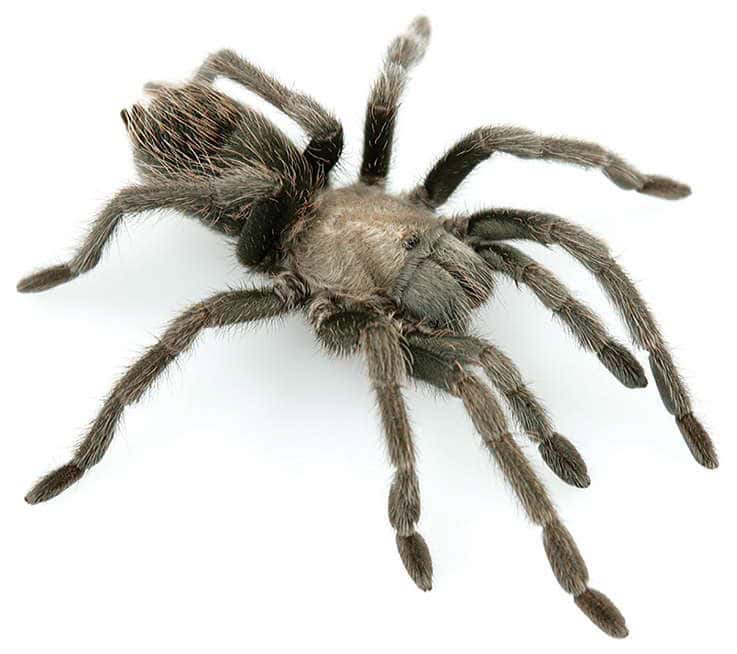
Aphonopelma prenticei is a miniature tarantula found in the Mojave and Sonoran Deserts.
©Chris A. Hamilton, Brent E. Hendrixson, Jason E. Bond / CC BY 4.0 – Original / License
- Common name: N/A
- Distribution: The eastern Mojave Desert in southeastern California, southern Nevada, southwestern Utah, northwestern Arizona and the northwestern Sonoran Desert in western Arizona
The miniature tarantula Aphonopelma prenticei is brown to black with short, dense, brown setae on its legs and body and longer, reddish-colored setae on its abdomen. It can be found in the eastern Mojave and northwestern Sonoran deserts between approximately 1,150 and 5,000 feet in elevation. Adults have a leg span between 2 and 3 inches.
Aphonopelma saguaro Hamilton, 2016
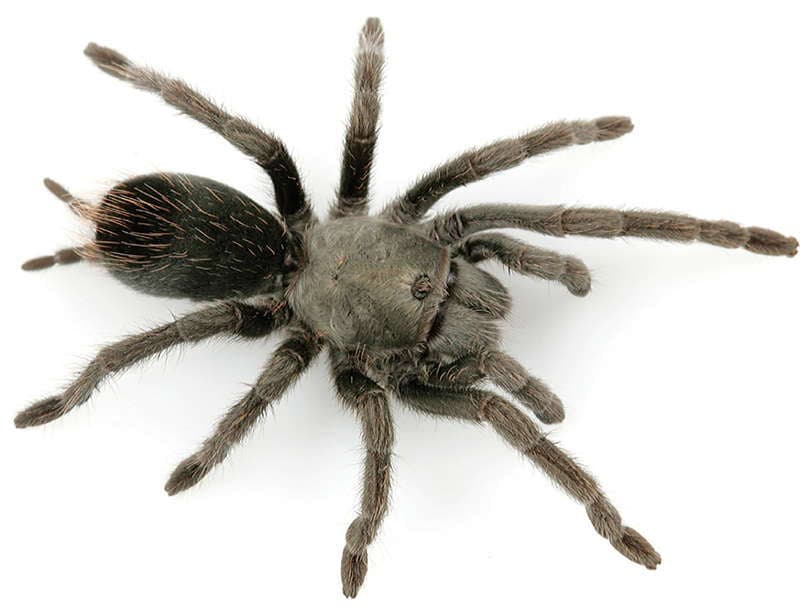
Aphonopelma saguaro can be found in the Santa Catalina and Rincon Mountains.
©Chris A. Hamilton, Brent E. Hendrixson, Jason E. Bond / CC BY 4.0 – Original / License
- Common name: N/A
- Distribution: The Santa Catalina and Rincon Mountains near Tucson, Arizona
This miniature tarantula reaches 2-3 inches in leg span. Aphonopelma saguaro can be found in the Santa Catalina and Rincon Mountains and surrounding areas. They typically inhabit the foothills and lower canyons. A. saguaro is brown to dark brown or black, with short, dense, brown setae on its body. It has lighter setae on its legs and longer, scattered, reddish-colored setae on its abdomen.
Aphonopelma steindachneri (Ausserer, 1875)
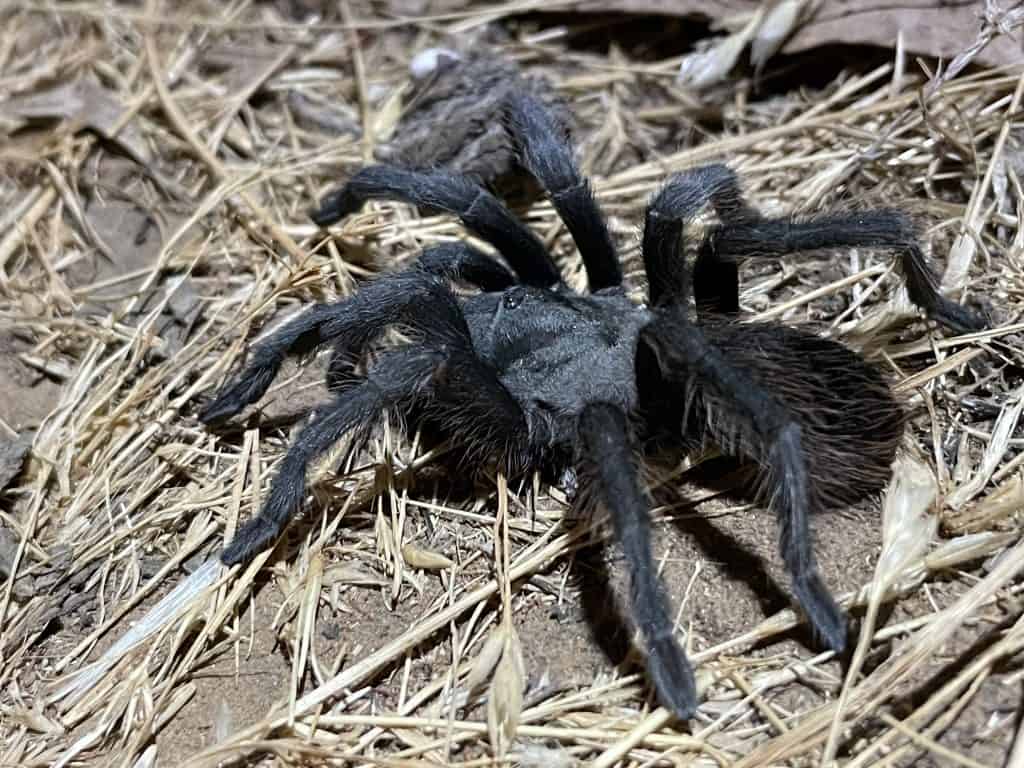
Steindachner’s Ebony Tarantula, Aphonopelma steindachneri, is differentiated from other California tarantulas by its size and color.
- Common name: Steindachner’s ebony tarantula
- Distribution: Southern Californian coastal ranges, across the Tehachapi Mountains, southern parts of the Sierra Nevada Mountains
Aphonopelma steindachneri is black with black setae on its legs and body. It has longer, reddish-orange setae on its abdomen. This tarantula can reach up to 5 inches in leg span. It is found across Southern California, including urban areas like Los Angeles and San Diego.
Aphonopelma superstitionense Hamilton, Hendrixson & Bond, 2016
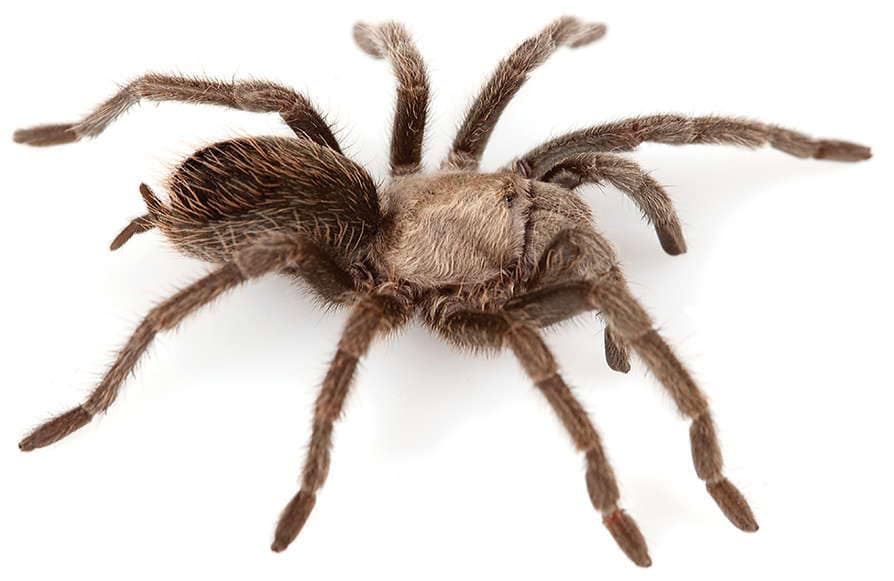
The Superstition Mountains tarantula, Aphonopelma superstitionense, is native to Arizona.
©Chris A. Hamilton, Brent E. Hendrixson, Jason E. Bond / CC BY 4.0 – Original / License
- Common name: Superstition Mountains tarantula
- Distribution: The Superstition Mountains near Phoenix, Arizona, may also be present in the Pinal Mountains
Aphonopelma superstitionense is a small tarantula limited to the foothills of the Superstition Mountains and the surrounding area. These tarantulas are brown to black, with short black setae and longer, paler setae of orange or red near the urticating patch. Their legs are also covered in brown to black setae. A. superstitionense reaches between 2 and 3 inches in leg span.
Aphonopelma vorhiesi (Chamberlin & Ivie, 1939)
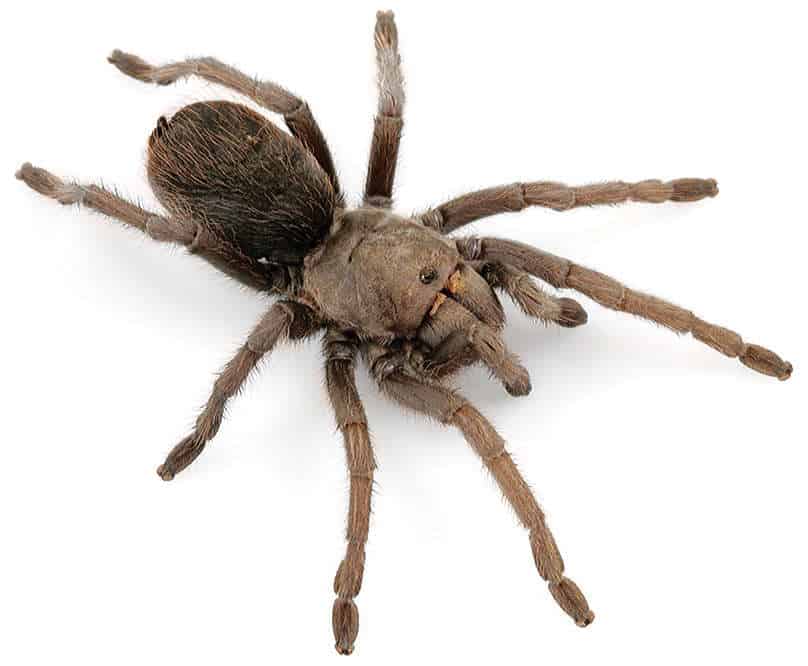
Female Tucson bronze tarantulas can live up to 15 years
©Chris A. Hamilton, Brent E. Hendrixson, and Jason E. Bond / CC BY 4.0 – Original / License
- Common name: Tucson bronze or Madrean red rump
- Distribution: Southeastern Arizona and southern New Mexico
Aphonopelma vorhiesi is brown to black, with short, black setae on its legs and slightly iridescent black setae on its body. It has many longer, lighter setae of either orange or red scattered on its abdomen. These tarantulas generally reach 3 to 5 inches in leg span. They can be found in desert habitats and mountain habitats, specifically pine–oak woodlands in the Madrean Sky Islands.
Aphonopelma xwalxwal Hamilton, 2016
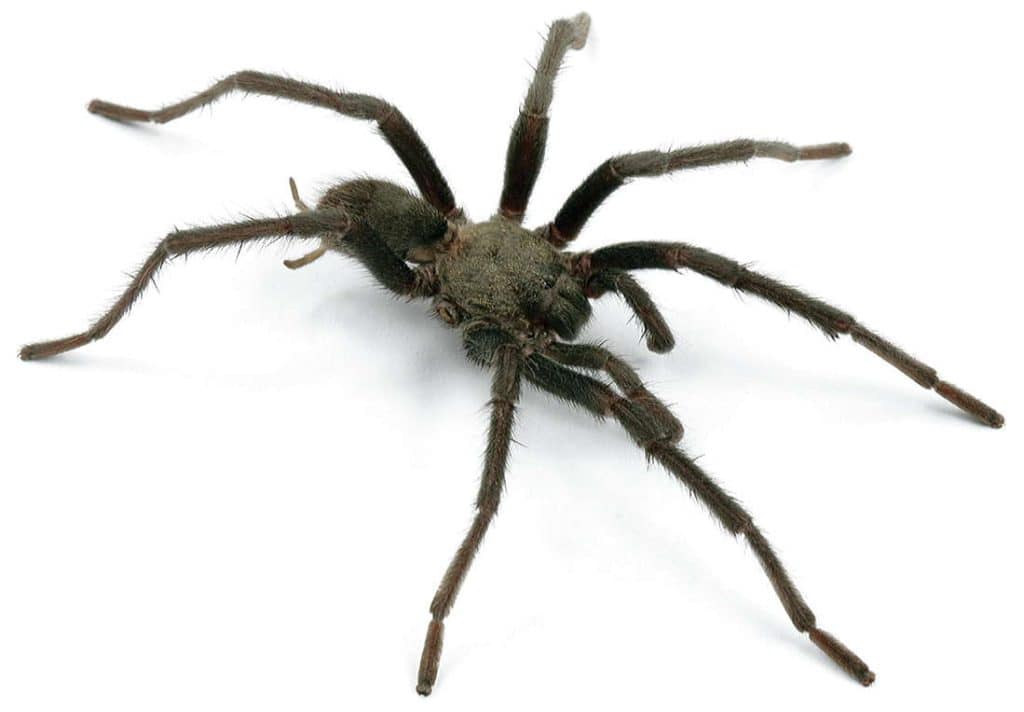
The miniature spider, Aphonopelma xwalxwal is found in the Western Sonorna Mountains.
©Chris A. Hamilton, Brent E. Hendrixson, Jason E. Bond / CC BY 4.0 – Original / License
- Common name: N/A
- Distribution: The foothills of the Western Sonoran Mountains, west of Palm Springs and Borrego Springs, California.
Aphonopelma xwalxwal is only known from a male specimen. These tarantulas can be found in the woodlands and shrublands of the Western Sonoran Mountains. It is a black spider, with short, black setae and longer, lighter, scattered setae. The legs are also hairy, with short black setae and many long, stout spines among them. This small spider only reaches 2-3 inches in leg span.