
Quick Take
- Most Floridians who think they've spotted a brown recluse are actually looking at something else entirely, a mix-up that turns out to have a surprising explanation. See what they're mistaken for →
- Florida's climate seems like it should make recluse encounters more likely, yet it actually works against the spider in a counterintuitive way. Explore the climate effect →
- There's one specific region of Florida where your odds of a real encounter jump significantly, and most residents have no idea it exists. Find the high-risk region →
- A recent study visited hundreds of Florida properties with reported infestations, and the results dramatically reframe how dangerous these spiders really are here. See the study findings →
Brown recluse spiders have a scary reputation, but the truth is more complicated than claims you see online. In Florida, while people across the state report brown recluses every year, most of those sightings turn out to be harmless look‑alike spiders. Understanding where brown recluses actually live, how they behave, and why they’re rare in the Sunshine State can help Floridians worry less and react smartly in the event one of these tiny spiders is actually spotted.
What Makes Brown Recluses Different
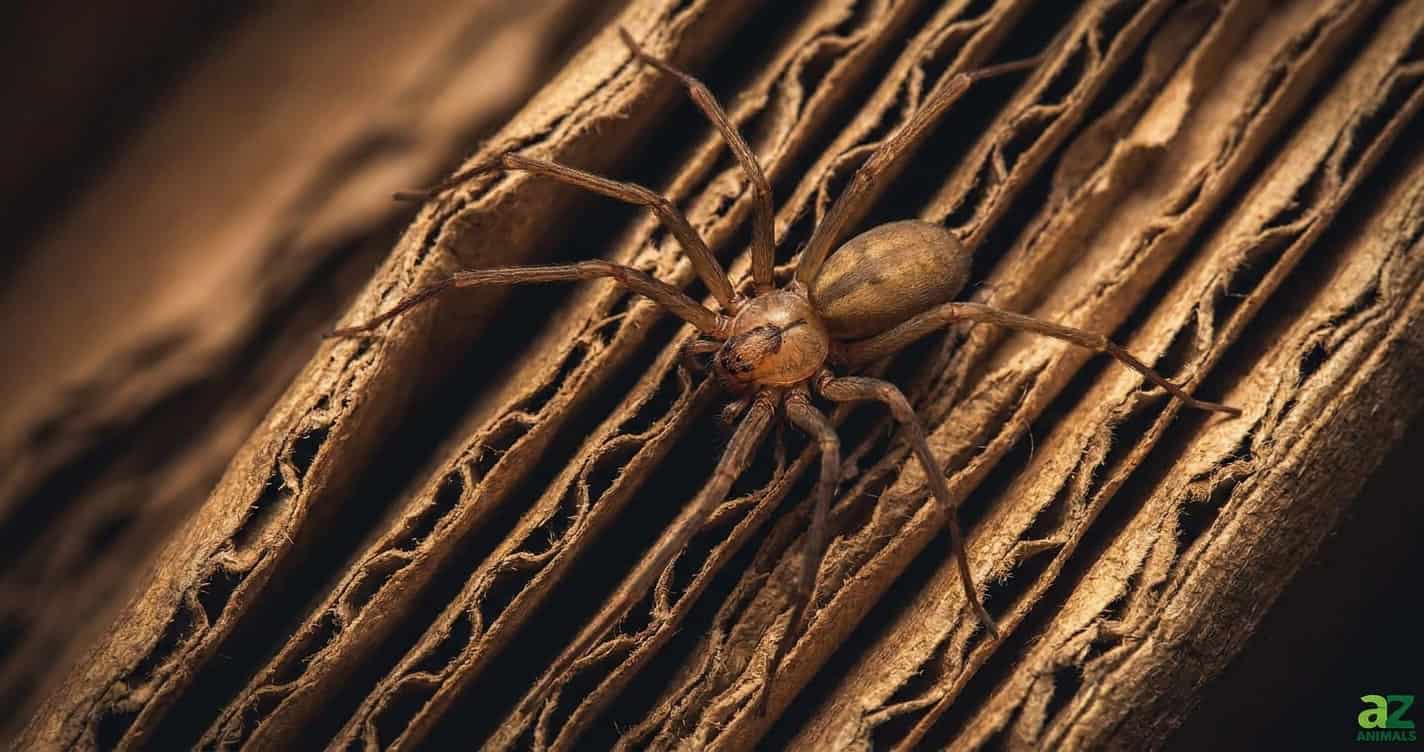
The brown recluse is a small, plain‑looking spider with a body about the size of a pea. Its legs can stretch to roughly three‑quarters of an inch across. It usually appears light to medium brown, with no stripes or bright markings on its legs or abdomen.
Kyle Turner, Founder of Pro Active Pest Control, talked to us about how to spot one of these spiders: “Identifying a brown recluse correctly is important because misidentification is extremely common. The defining characteristic is the violin-shaped marking on the cephalothorax and, more reliably, the eye pattern: six eyes arranged in three pairs rather than the eight eyes most spiders have.”
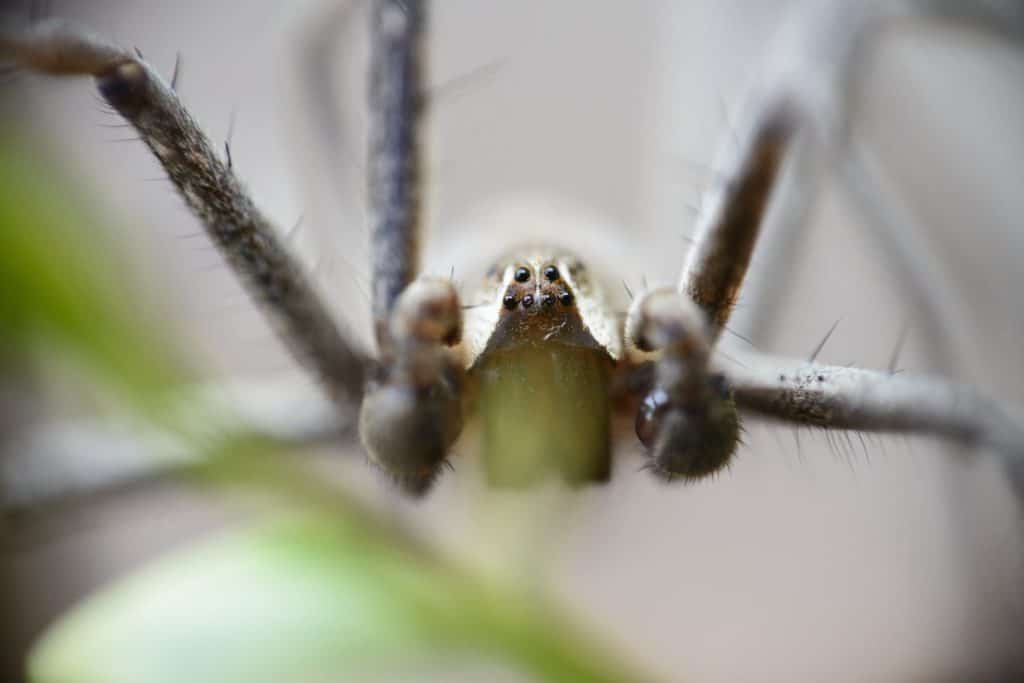
The brown recluse has 6 eyes instead of the usual 8 in spiders.
©Vladislav Sandala/Shutterstock.com
The name “recluse” is accurate, as these spiders are true homebodies. In their natural range, they prefer dry, sheltered places like woodpiles, sheds, cardboard boxes, and quiet closets. Those spots allow them to hide during the day. They usually avoid people and bite only when pressed against skin or when they feel trapped. That can happen when someone pulls on a shoe or shirt without realizing the article of clothing has become a hiding place for a recluse. However, this is unlikely to occur. Even in heavily infested homes in which thousands of spiders have been collected, bites are infrequently reported.
Where Brown Recluses Naturally Live in the U.S.
In Florida, people report brown recluse spiders far more often than experts actually find them. For example, poison control centers have documented hundreds of suspected “recluse bites” in a single year. Researchers note that confirmed specimens from those areas remain extremely scarce. The chance of a true encounter with a brown recluse in the state is very small, and many diagnoses happen without any spider collected for proof.
Kyle Turner comments, “Brown recluse spiders get a lot of attention in Florida, but the reality is that they are not common here and true infestations are rare compared to states like Missouri, Arkansas, and Oklahoma where they are genuinely established. That said, they do show up, typically hitchhiking in boxes, furniture, or belongings moved from the Midwest and South-Central states where they’re endemic.”
As the map below indicates, the southeastern edge of the spider’s range does include the far western Florida panhandle, but most of the state is outside its range. Elsewhere in the state, any recluse populations are considered introductions rather than long‑established natives.
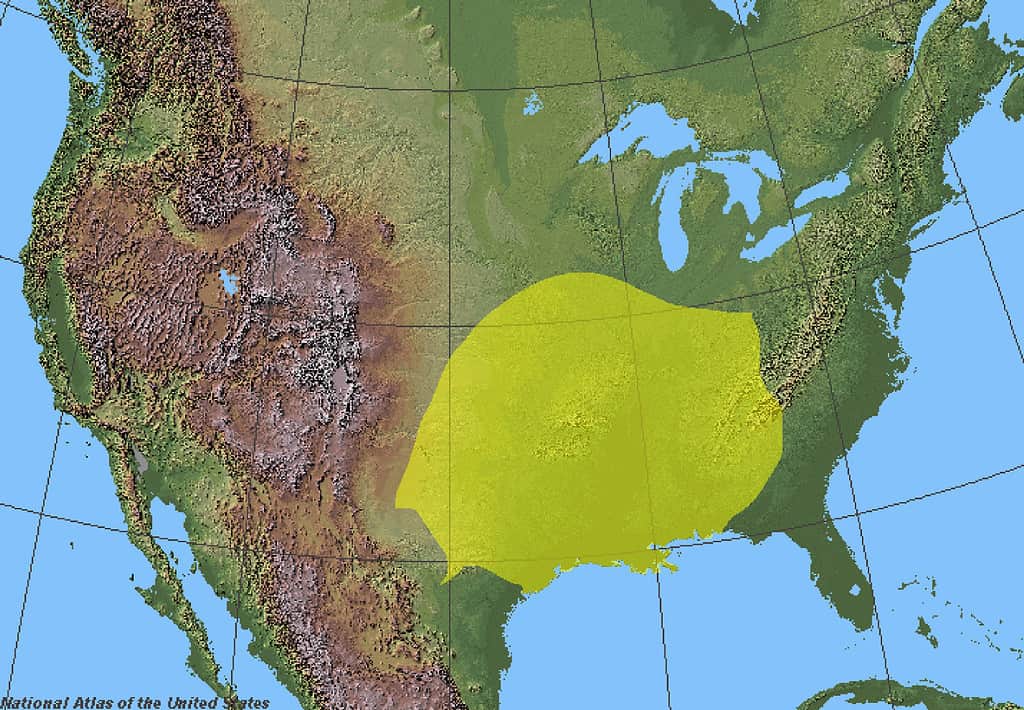
Brown recluse spiders live in the south central to eastern part of the United States. Most of Florida is not part of their native range.
©ReliefUSA_map.gif: Public domain, U.S. government. Derivative work: Bob the Wikipedian, CC BY-SA 3.0, via Wikimedia Commons – Original / License
The New Research on Florida Recluse Populations
Recent research at a Florida university took a fresh look at how widespread recluse spiders really are in the state. Scientists visited 220 properties that had reported supposed infestations. They carefully collected any recluse‑like spiders they could find. The team confirmed breeding populations of the invasive Mediterranean recluse at only 19 sites. For everyday Floridians, this pattern keeps the odds of sharing a home with true recluse spiders very low. The risk is especially small compared with the risk faced by residents of south-central states where the species is much more common.
Florida’s Climate and Why It Matters
Florida’s hot, humid climate and frequent storms are great for many insects and spiders, but those conditions do not always favor brown recluses. These spiders naturally prefer drier, more temperate areas. They tend to thrive in regions with less extreme humidity than coastal Florida regularly experiences. When recluses do end up in Florida, they often survive best in climate‑controlled indoor spaces that mimic their preferred dry environments. Protected storage areas are ideal for them.
Turner states that “when we do find them in Florida, they’re almost always in the same places they favor everywhere else: undisturbed, dark, dry spaces. Garages, attics, storage areas, closets that don’t get opened often, spaces behind furniture that sits against walls for long periods. They’re not hunting in open areas; they’re hiding.”

Brown recluse spiders are more likely to occur in climate-controlled, dry spaces like warehouses.
©Gorodenkoff/Shutterstock.com
Competition With Other Species
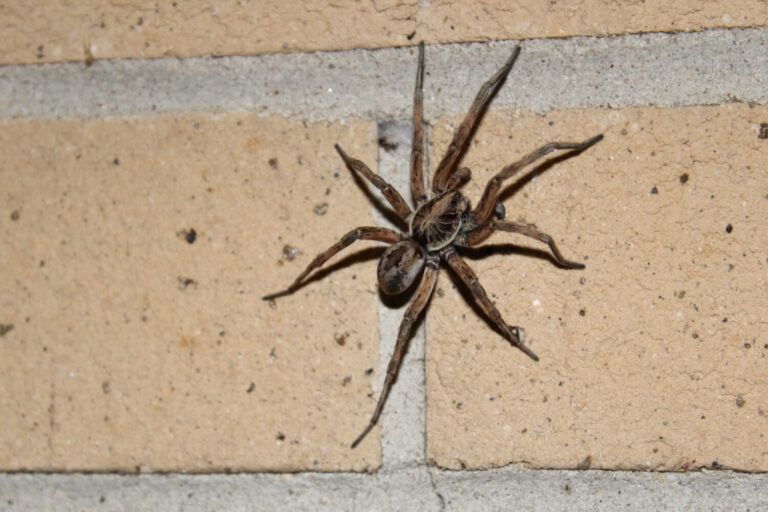
Another component is competition from local spider species. Common house spiders, southern house spiders, and various orb weavers already fill many of the hiding spots around Florida homes and sheds. These native and established species are often mistaken for brown recluses because they are also brown and somewhat plain. That confusion inflates the number of “recluse” reports, but more importantly for the spider, it means that the hunting grounds are already overcrowded with native species.
Brown recluse spiders get a lot of attention in Florida, but the reality is that they are not common here and true infestations are rare.
Kyle Turner, Founder of Pro Active Pest Control
When Brown Recluses (and Their Cousins) Are Most Active
Like many spiders, recluses tend to be more active when warm temperatures and abundant insect prey make nighttime hunting worthwhile. In states where they are common, people notice them most during late spring and summer evenings. During these times, adults wander in search of mates or new hiding places. In Florida’s introduced populations, similar patterns appear. Sightings around known colonies often cluster during warmer months and at night. Lights attract insects and spiders follow the food.
How To Protect Yourself
Turner gives some practical tips to protect yourself if you live in one of the few areas of Florida that does have brown recluse spiders:
“To reduce risk, shake out shoes and clothing that have been stored, use gloves when moving boxes or working in storage areas, and seal gaps around doors, windows, and utility penetrations where they can enter. Regular pest control treatments around the perimeter of the home are effective at controlling spiders and the insects they feed on, which reduces what draws them indoors in the first place.”
What to Do If You Think You See One
If you spot a brown spider in a dark corner of your Florida home, do not panic. Also, do not reach for it with bare hands. Instead, take a calm, cautious approach. If you can do so calmly and safely, trap the spider by placing a jar or clear glass over it. Gently slide a stiff piece of paper or cardboard underneath it. This method allows you or a professional to identify the spider later without risking a bite.
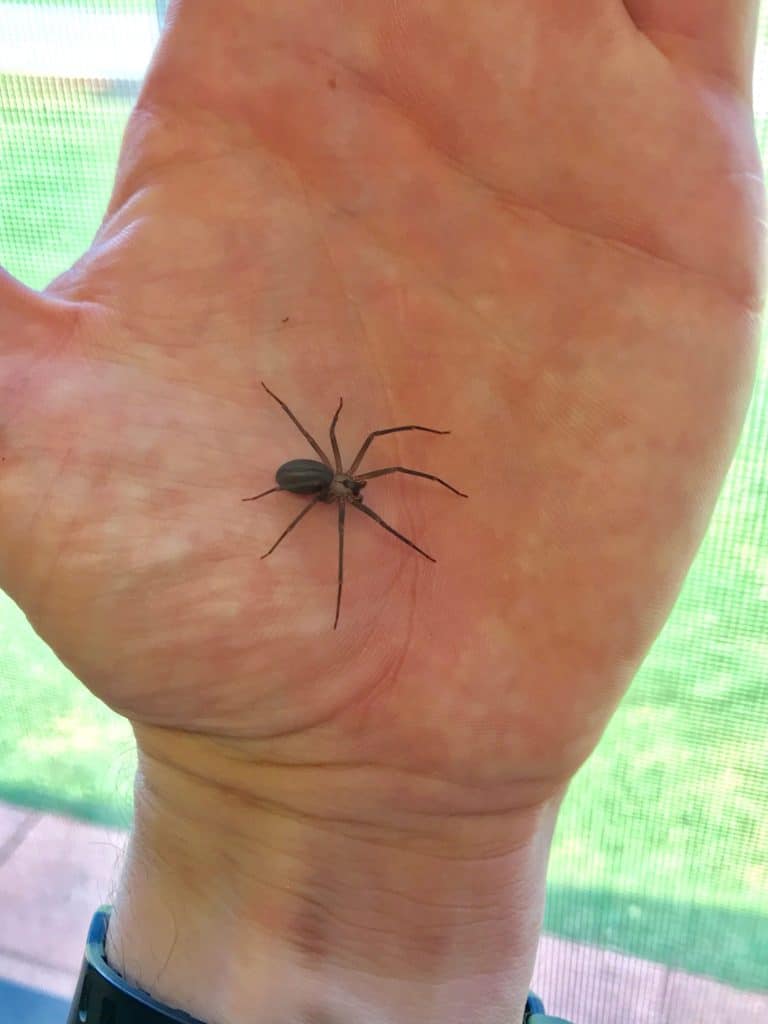
This is an illustration of how not to capture a possible brown recluse spider.
©Nick626/Shutterstock.com
Next, contact a local pest‑control company that has experience with spider identification. Ask whether they offer inspection services for suspected brown recluses. Many Florida companies provide free or low‑cost inspections. They can confirm whether your visitor truly is a recluse or a harmless look‑alike.
What to Do If You Think You Were Bitten
Most spider bites in Florida are minor and heal on their own. It still makes sense to treat any suspicious spot with care. If you suspect a spider bite, gently wash the area with soap and water. Then apply a cool cloth or wrapped ice pack for short periods to ease pain and swelling. Avoid cutting or squeezing the wound. Do not apply bleach, gasoline, or home remedies that can damage the skin.
A bite from a brown recluse spider may start with mild redness and pain but can develop into a blister and, in some cases, a deeper wound as surrounding tissue breaks down over several days. Most bites heal on their own within a few weeks, though some people experience more serious symptoms like fever, nausea, or worsening skin damage.
Seek medical attention right away if you develop increasing pain, spreading redness, blistering, or fever. Get help quickly if you feel generally ill. Florida health resources note that brown recluse bites, when they do occur, may sometimes cause tissue damage. In a minority of cases, medically significant necrosis does occur, but severe necrosis is uncommon. Many serious wounds blamed on recluses turn out to be infections such as staph. If you safely captured the spider, bring it to your medical provider in a sealed container. A professional can help identify it. Knowing the species can guide treatment and ease worries.
Staying Spider‑Smart in the Sunshine State
Brown recluse spiders may loom large in Florida’s imagination, but research and real‑world experience show a different picture. These tiny spiders are rare, shy guests rather than widespread neighbors. When you understand where they actually live and how seldom they bite, it is easier to stay calm when a small brown spider is spotted. If you see one, focus on simple, practical steps. Florida’s climate keeps most populations scattered and localized. Regular cleaning, smart storage habits, and quick calls to local pest experts go a long way. Those habits help keep your home comfortable and free of true brown recluse spiders.