
Quick Take
- Montana hosts large grizzly and black bear populations across diverse habitats with shifting seasonal food sources.
- Grizzlies concentrate in the Glacier and Greater Yellowstone regions but are expanding into the foothills, valleys, and agricultural areas.
- Black bears are widespread and adaptable, and are often found near towns, where garbage, bird feeders, and fruit trees increase the likelihood of human-bear conflicts.
- Awareness and safe habits can reduce encounters.
Montana is one of the few places in the lower 48 where large predators still roam widely. Grizzly and black bears move through forests, mountains, and even the edges of small towns. Seeing one can be exciting, but it also requires awareness. Knowing where bears are most active and why they use those areas helps people explore safely while protecting wildlife. Travelers who understand bear patterns can choose safer routes, store food properly, and avoid risky situations. Montana’s landscapes may look open and quiet, but with the possibility of bears in the underbrush, there’s more than meets the eye.
Montana: Bear Heaven
Montana’s landscape creates ideal conditions for bears, with a wide range of habitats that support them year-round. The western part of the state is filled with dense forests, mountain ranges, and river valleys, while the central areas transition into foothills and open grasslands. In the east, broad plains offer additional space for wildlife to move. The state also has a relatively low human population, leaving large areas of land undeveloped and allowing bears to roam more freely than in many other parts of the country. Across these regions, food sources shift with the seasons, from spring vegetation to late-summer berries and nuts, supporting both grizzly and black bear populations.
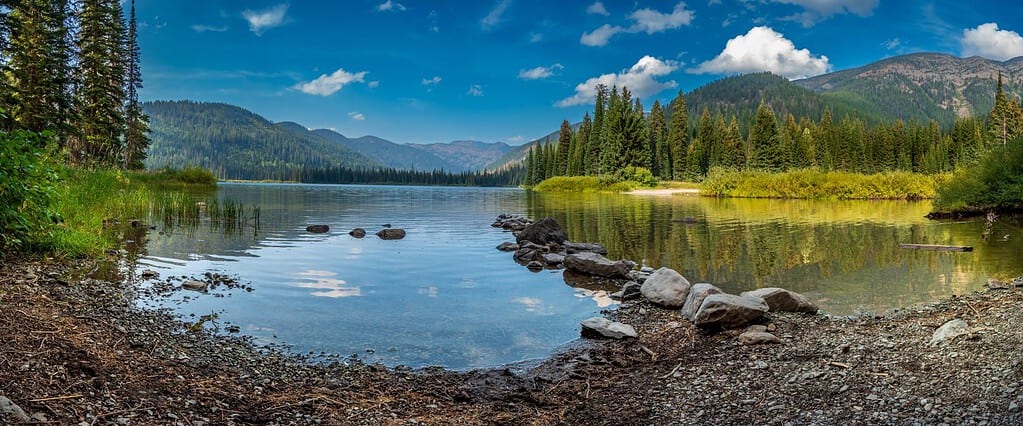
The gorgeous backcountry of Montana is prime habitat for many species, including bears.
©Mark Peugh/Shutterstock.com
Grizzly Bear Strongholds
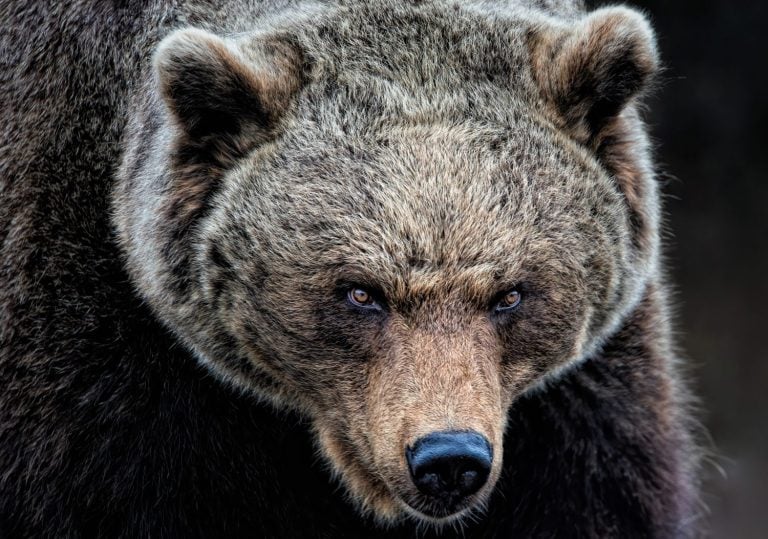
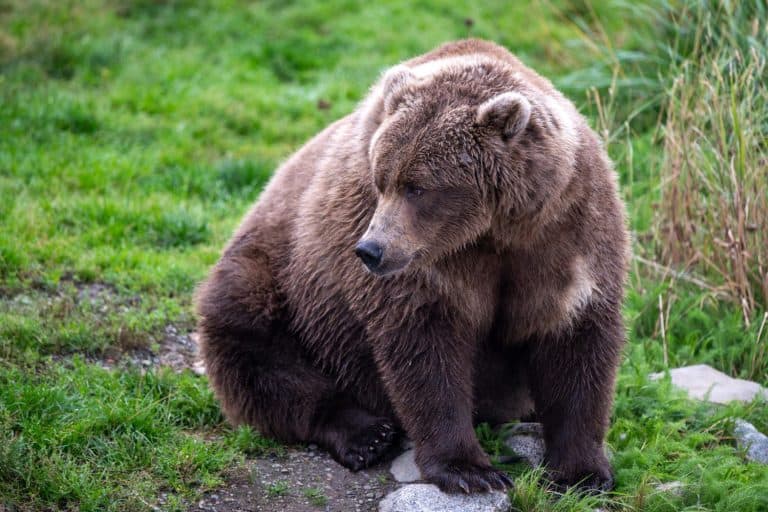
Grizzly bears are one of Montana’s most recognizable species. The state supports an estimated 1,800 individuals, making it one of the largest populations in the lower 48. Most live in two main regions: the Northern Continental Divide Ecosystem near Glacier National Park and the Greater Yellowstone Ecosystem in the south.
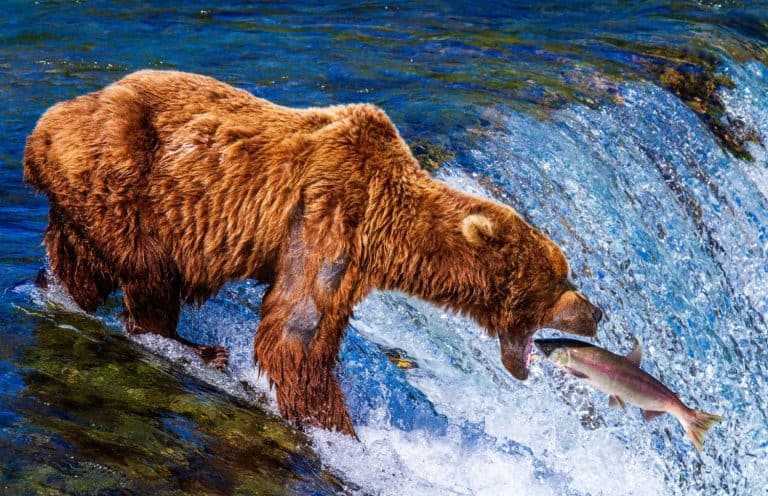
These areas provide a mix of food sources across seasons. In spring, grizzlies feed on early vegetation and carcasses. In summer and fall, they rely on berries and high-calorie foods such as whitebark pine seeds. These shifting food sources keep them moving across large areas.
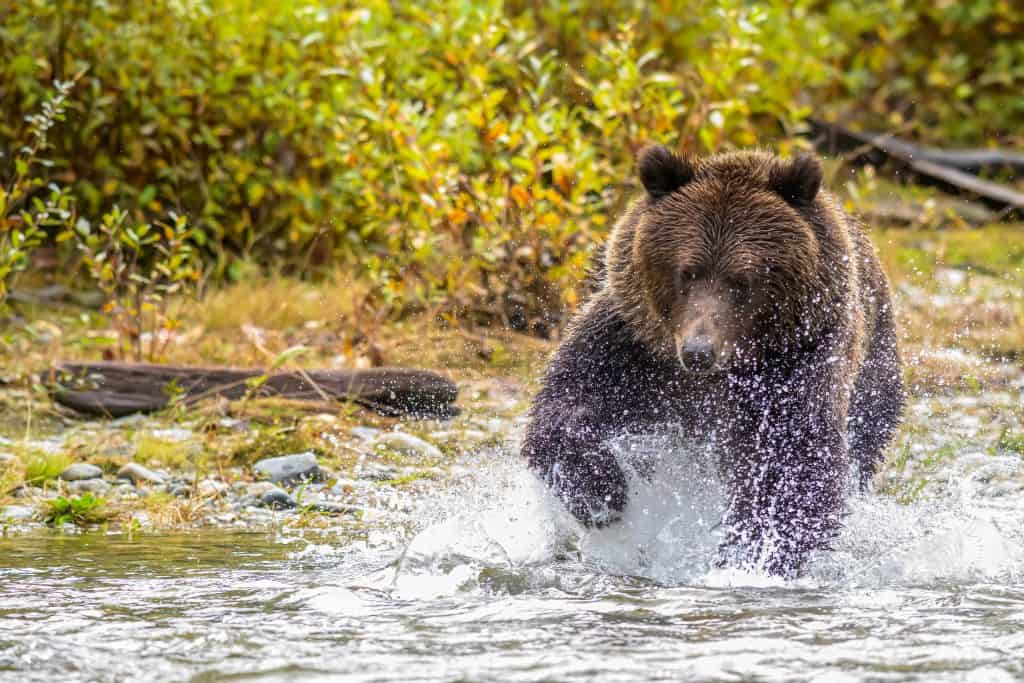
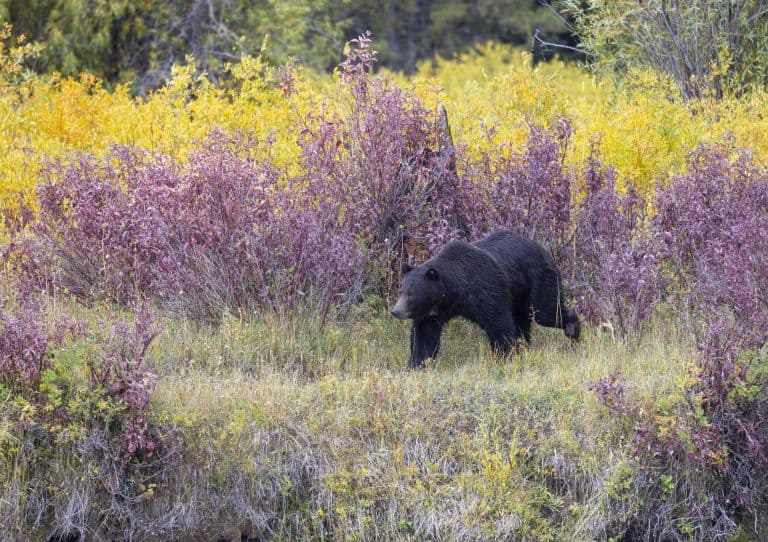
The grizzly range is expanding in Montana.
©David Maki Photography/Shutterstock.com
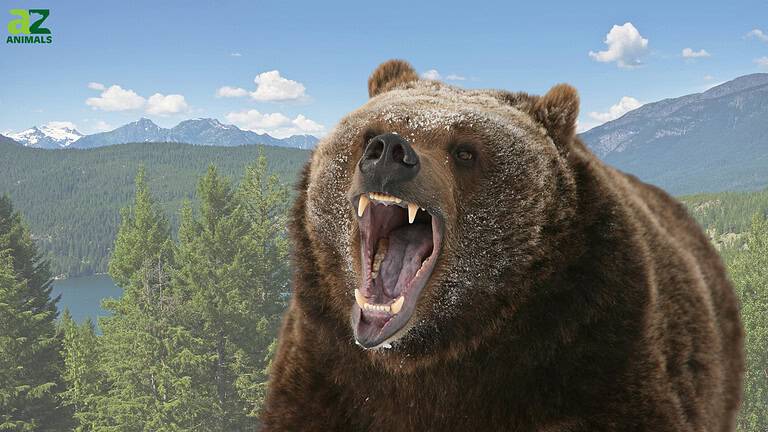
In recent years, their range has expanded beyond remote wilderness. Sightings now occur in foothills, valleys, and agricultural zones. This means encounters are no longer limited to backcountry trails. Roads, rivers, and rural areas can also fall within grizzly territory.
Black Bear Range Across the State
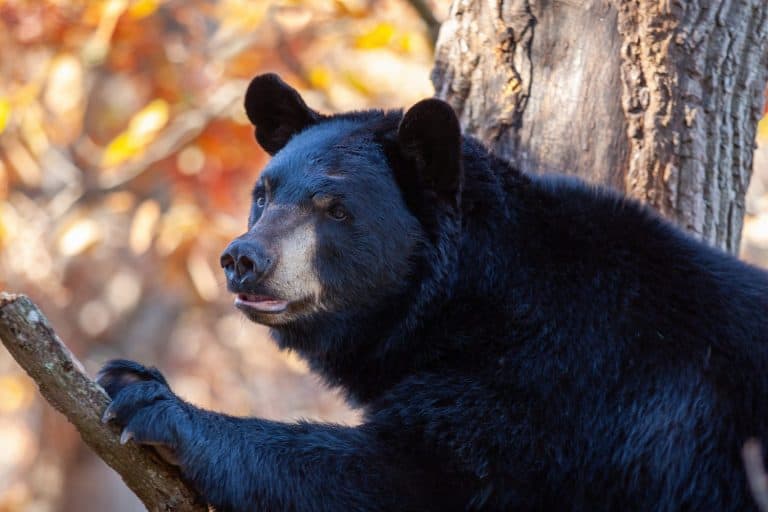
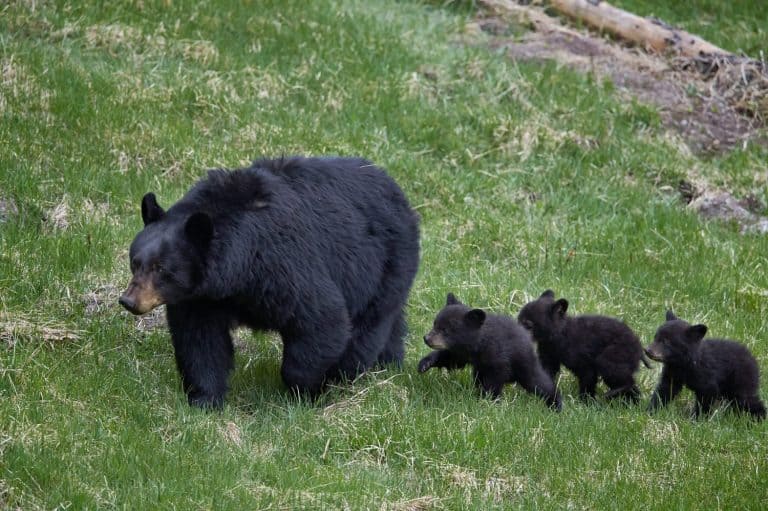
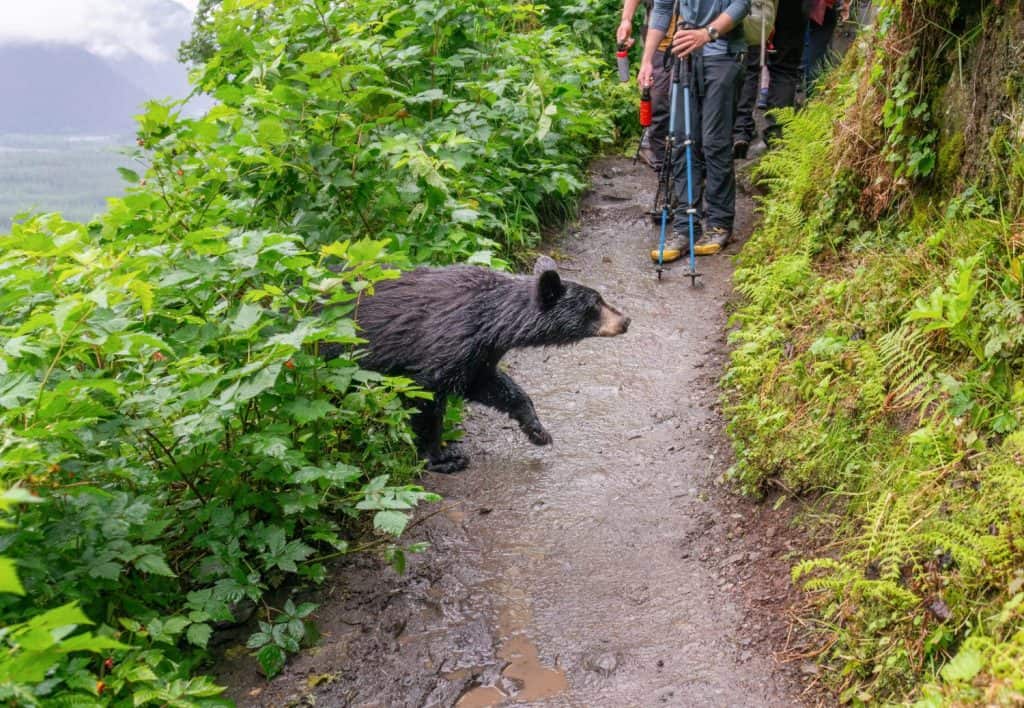
Black bears are more widespread than grizzlies and occupy much of western Montana. They adapt well to different environments, from dense forests to drier hillsides. Their diet changes with the seasons, which influences where they spend time. In spring, they feed on fresh plant growth in open areas. As summer progresses, they move into wetter zones and forest edges. By late summer, berry patches become a key food source. These patterns often bring them close to human activity.
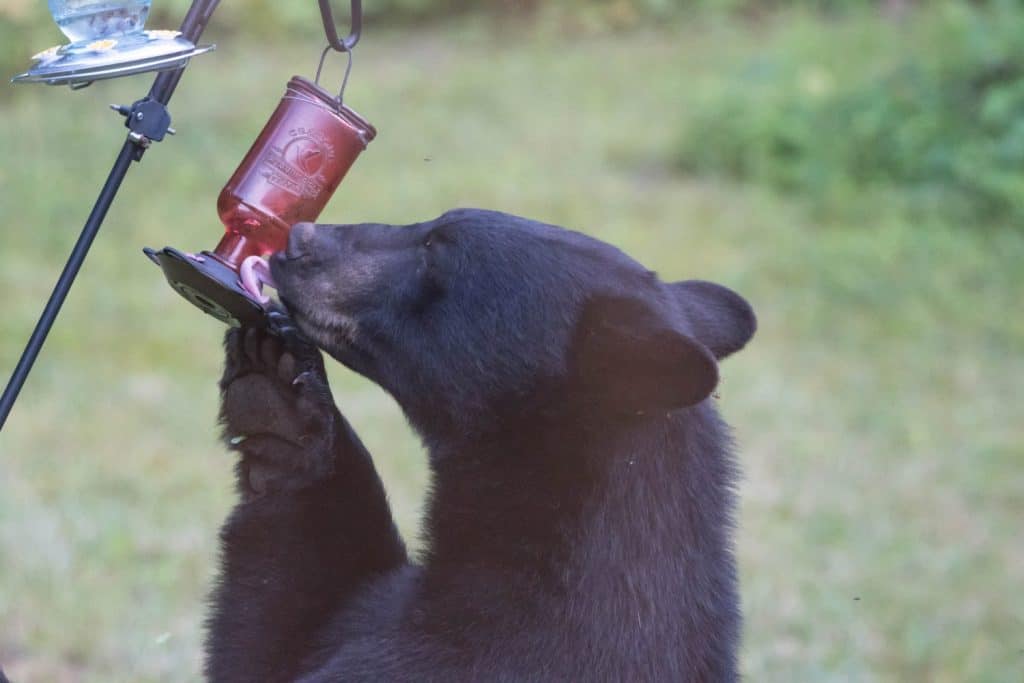
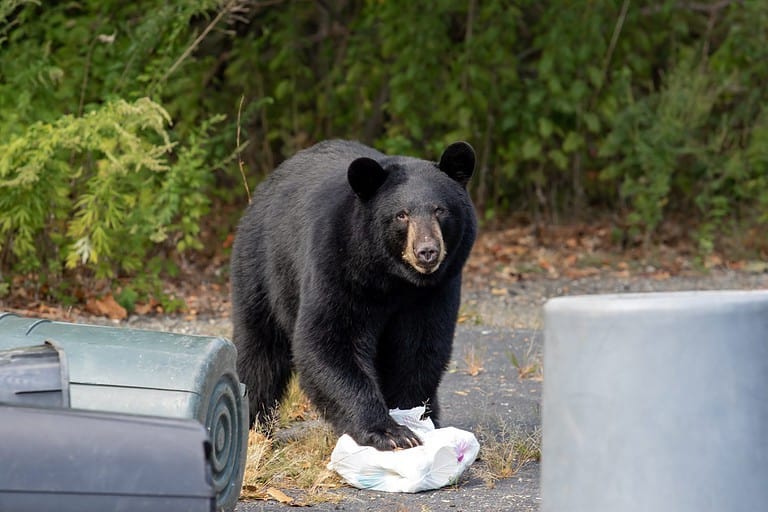
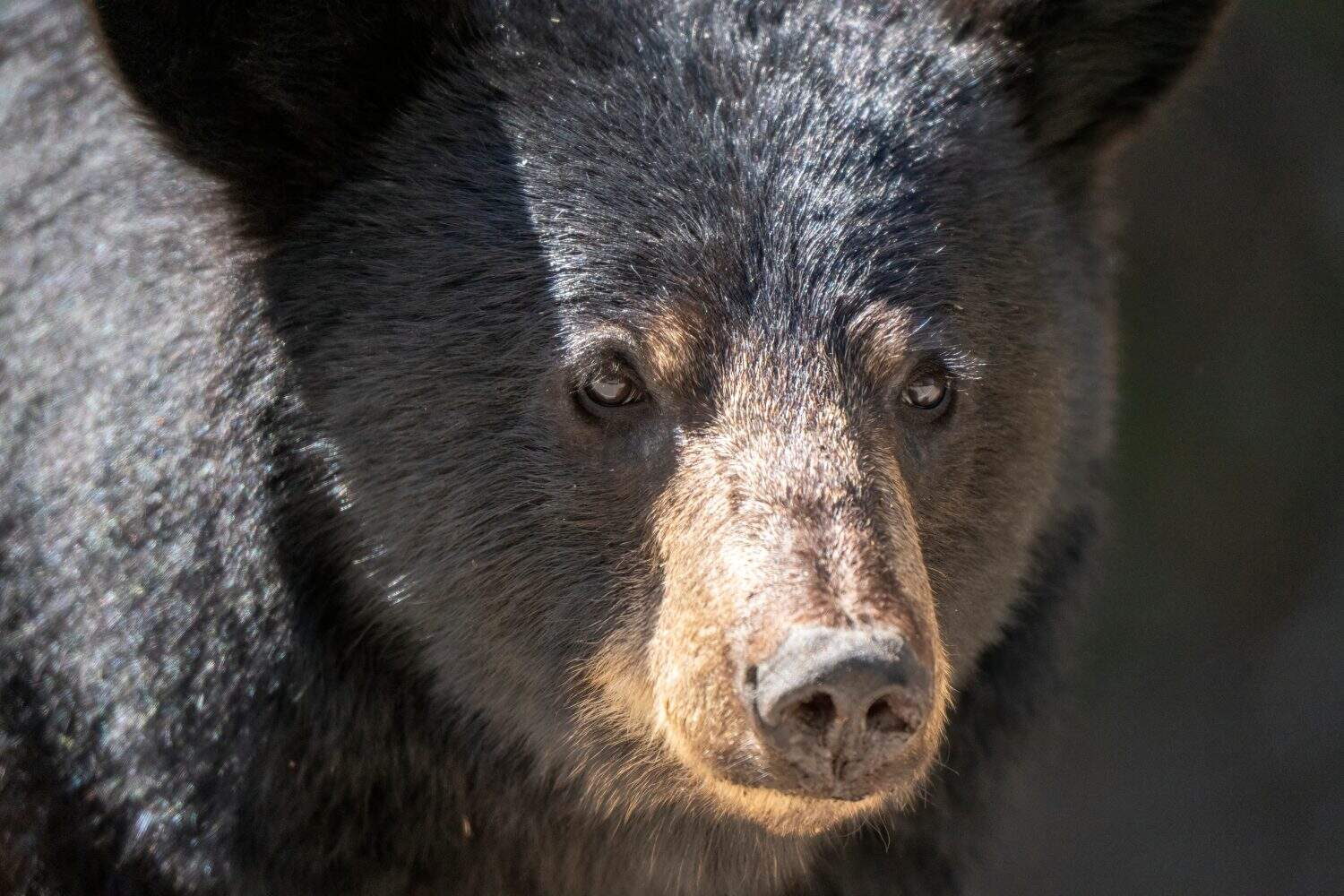
Black bears are more comfortable than grizzlies around human habitation. They consider bird feeders to be “bear feeders.”
©Charles Flachs/Shutterstock.com
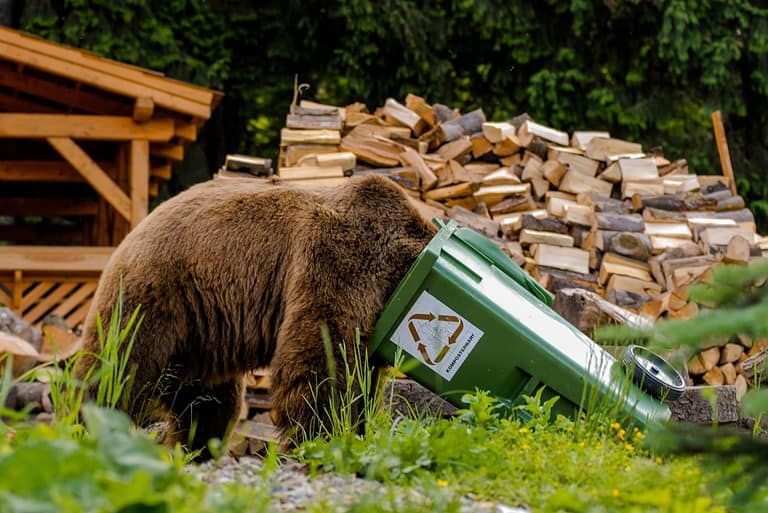
Because black bears tolerate roads and development, they frequently appear near towns. They may be attracted to bird feeders, garbage, and fruit trees. When natural food is scarce, these human-provided sources become more appealing, increasing the likelihood of conflict.
Glacier Region and the Northern Divide
Glacier National Park and the surrounding wilderness form one of the most important bear habitats in North America. The Northern Continental Divide Ecosystem stretches across forests, mountains, and valleys, creating a wide range of feeding areas.
Spring brings bears to lower elevations, where new vegetation appears first. As the season progresses, they follow food sources upward into higher terrain. This movement overlaps with peak visitor activity, increasing the chance of encounters.
Popular areas such as Lake McDonald and Many Glacier attract large numbers of people. These locations sit within active bear habitat, not separate from it. Visitors need to remain alert, carry bear spray, and avoid traveling quietly through dense vegetation.
The Greater Yellowstone Region
Southern Montana connects to the Greater Yellowstone Ecosystem, another key bear stronghold. This region includes mountain ranges, forests, and river valleys that support large populations of wildlife. Bears here take advantage of seasonal food sources, including carcasses in spring and berries later in the year. High visitor numbers also create challenges. Improper food storage and unsecured garbage can lead to repeated conflicts.
Areas such as Paradise Valley and Gallatin Canyon see frequent human activity alongside bear movement. Anyone staying in these areas should expect bears nearby and take precautions with food and waste.
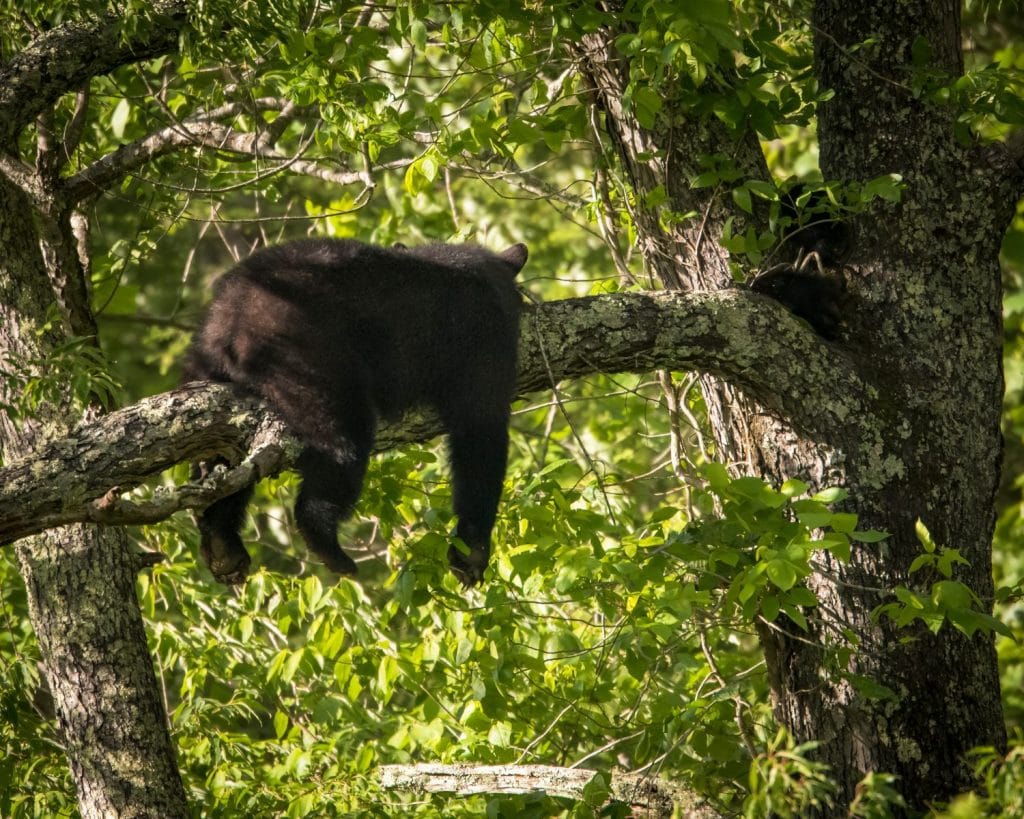
A mom relaxes in a tree with her cubs nearby.
©Ben McMurtray/Shutterstock.com
Northwest Montana and the Cabinet-Yaak
The Cabinet and Yaak regions near the Idaho border provide another important habitat. These areas are heavily forested and less developed, offering space for bears to move with fewer disturbances. Grizzly numbers here are extremely low—recent estimates suggest only about 25-30 bears—and the population is not meeting recovery targets, though the region remains a designated recovery area. Black bears are common and often use logging roads and regenerating forests where food is abundant. Limited visibility in dense vegetation increases the risk of surprise encounters. Hikers and anglers should make noise and stay aware, especially near streams and thick cover.
Expanding Range into Foothills and Ranchlands
Grizzlies are no longer confined to remote wilderness. They are increasingly moving into foothills and agricultural areas. This expansion is driven by population growth and the search for new food sources. Young bears often disperse into new territory, passing through ranches and rural communities. They may be drawn to livestock feed, grain spills, or carcasses. These situations can create conflict if attractants are not managed. State agencies track these movements and work with communities to reduce risks. Securing food sources and maintaining clean properties helps limit repeat visits from bears.
Seasonal Patterns of Bear Activity
Bear behavior changes throughout the year, and understanding these patterns helps predict encounters. In spring, bears are hungry after leaving their dens and often remain at lower elevations. Summer spreads them across wider areas as they follow plant growth and insect activity. This is also when human activity increases in backcountry areas. By late summer and fall, bears enter a feeding phase known as hyperphagia. They spend long hours eating to build fat reserves before winter. During this time, they are more focused on food and less likely to leave an area quickly.
Recognizing Bear Habitat
Certain environments signal a higher chance of bear presence. Forested areas with thick cover, water sources, and fallen logs provide shelter and food. Open slopes and meadows often attract bears in spring. In late summer, berry patches and high ridges become key feeding areas. River corridors also act as travel routes, offering food and water.
Berry patches and high ridges are attractive to bears in late summer.
©Janice Chen/Shutterstock.com
Near towns, human-related food sources can attract bears. Orchards, garbage, and livestock areas can quickly turn into repeat feeding spots. Recognizing these environments helps people stay alert and avoid problems.
Staying Safe in Bear Country
Most bear conflicts can be avoided through simple habits. Traveling in groups on designated trails, making noise, and staying aware of surroundings reduces the chance of surprising a bear. Seeing a bear in the wild should always be done from a distance. Binoculars or spotting scopes allow for safe viewing without disturbing the animal. Approaching a bear or attempting to follow it can lead to dangerous situations. Keeping a clean campsite is essential. Food and scented items should always be stored securely.
Surviving a Bear Encounter
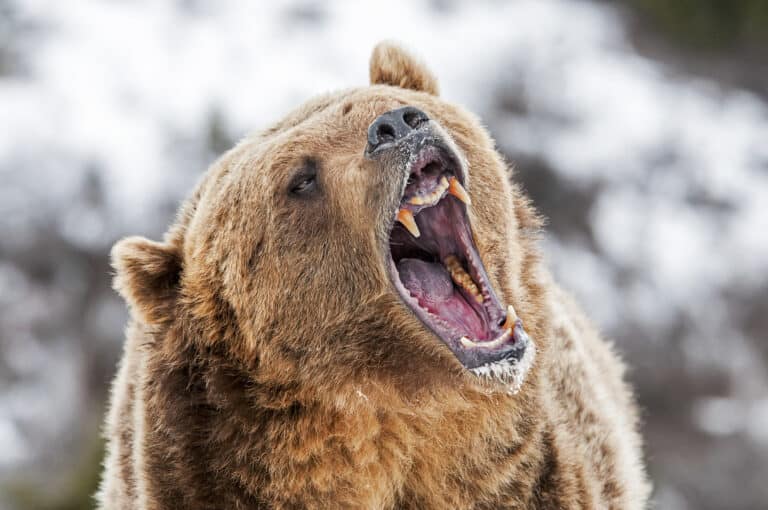
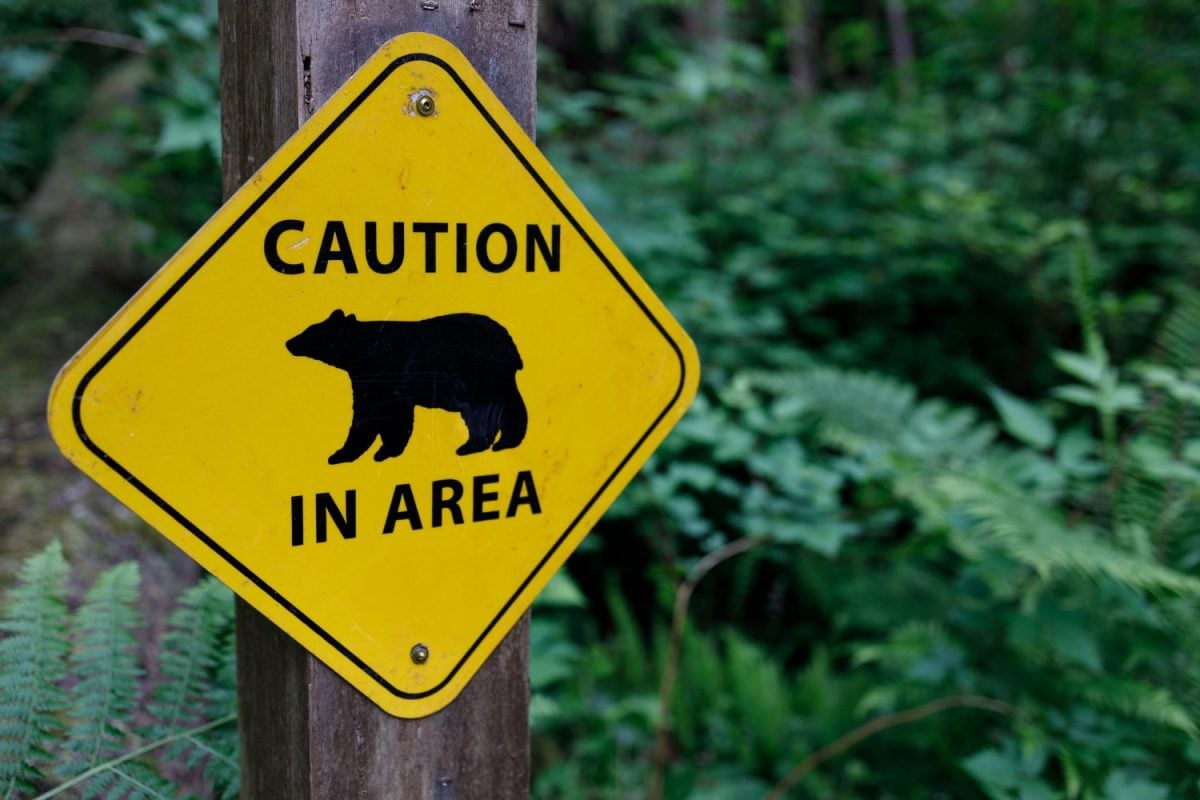
If you do run into a bear, staying calm is critical. Lift up your arms to make yourself look bigger and back away slowly while keeping the animal in view. Running can trigger a chase response. Bear spray is one of the most effective tools and should be easily accessible.
If attacked by a bear, the rule of thumb is that if it is a black bear, fight; if it’s a brown bear, play dead. If, in the stress of the moment, you can’t remember which response is appropriate, remember: fight back against a black bear, but play dead if attacked by a brown (grizzly) bear. In the extreme event that you’re being physically mauled by either species, fight back by attacking the nose and eyes.
Exercise extreme caution in bear country.
©Margarita Young/Shutterstock.com
Where to See Bears in Montana
Montana offers several places where bear sightings are more likely, especially for those willing to explore carefully. Glacier National Park provides one of the best chances, particularly in spring and early summer when bears feed at lower elevations. The Greater Yellowstone region also offers frequent sightings, especially along river corridors and open valleys. Visitors often see bears from a distance in these areas, particularly at dawn and dusk. In northwest Montana, remote forested regions provide quieter viewing opportunities. These areas require more caution, as visibility is limited and encounters can occur at close range.
Respect Their Space
Understanding where bears live and how they behave turns uncertainty into preparation. Montana’s landscapes support thriving bear populations, and those animals are expanding into new areas. With that expansion comes increased interaction with people. Awareness helps reduce conflict and keeps both humans and bears safe. A bear sighting can be a memorable experience, but only when handled responsibly. Respecting their space ensures that these animals remain part of Montana’s landscape for years to come.