
Quick Take
- These 60-pound desert animals have a documented strategy for fending off mountain lions, and it works. See how they defend themselves →
- Javelinas look almost identical to wild pigs, but lumping them together is a 40-million-year mistake. Explore their true classification →
- Javelinas perform a specific ritual every time the herd moves, and skipping it causes the group to fall apart. Discover the bonding ritual →
- The one common pet that turns a calm javelina encounter into a dangerous one might surprise you. Find out which pet triggers them →
At first glance, this peculiar mammal might look like a wild pig or some sort of strange, oversized rodent, but the javelina is a different animal entirely. Javelinas are desert-dwellers known for their coarse fur, sharp tusks, and habit of traveling in tight-knit groups. They are often spotted wandering through neighborhoods in the American Southwest. Javelinas are both fascinating and misunderstood creatures that seem to blur the lines between species.
Javelinas play an important role in their ecosystem and are generally not aggressive unless provoked. Their strong social bonds, great sense of smell, and adaptability have helped them thrive in a variety of environments. These adaptable animals can be found in harsh desert terrain as well as urban areas. Here’s a look at what makes these unique animals stand out and what you should know if you encounter one.
What Is a Javelina?
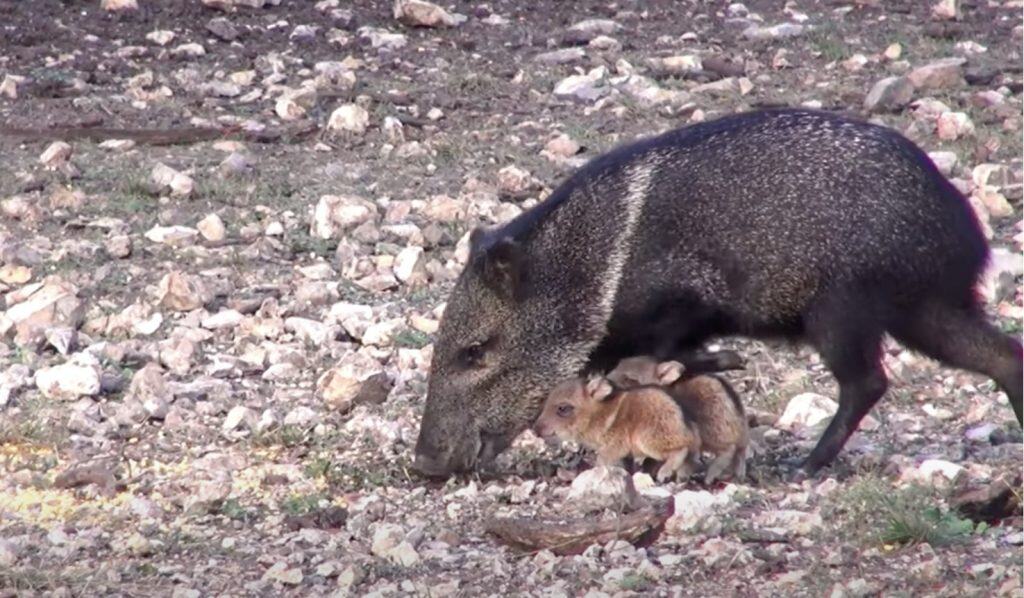
Baby javelinas have reddish fur for the first few months of life.
©YouTube/VenterLex
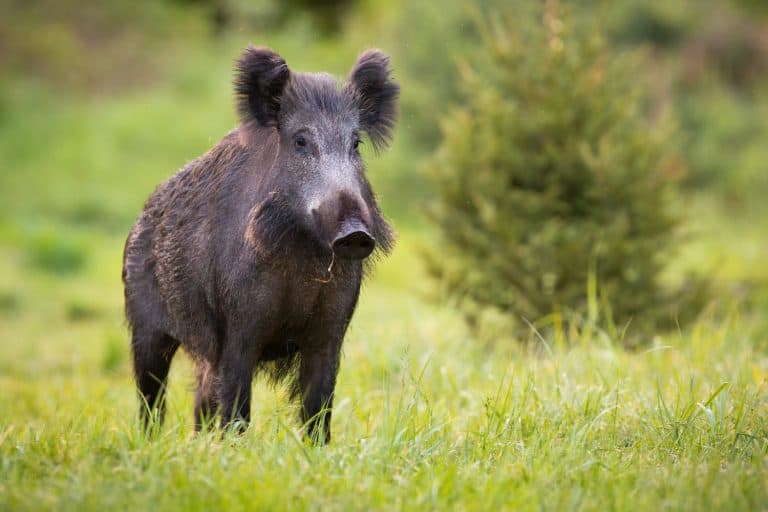
Though javelinas look remarkably like pigs, They are not pigs at all. They share a common ancestor with pigs but split into a separate family tens of millions of years ago.
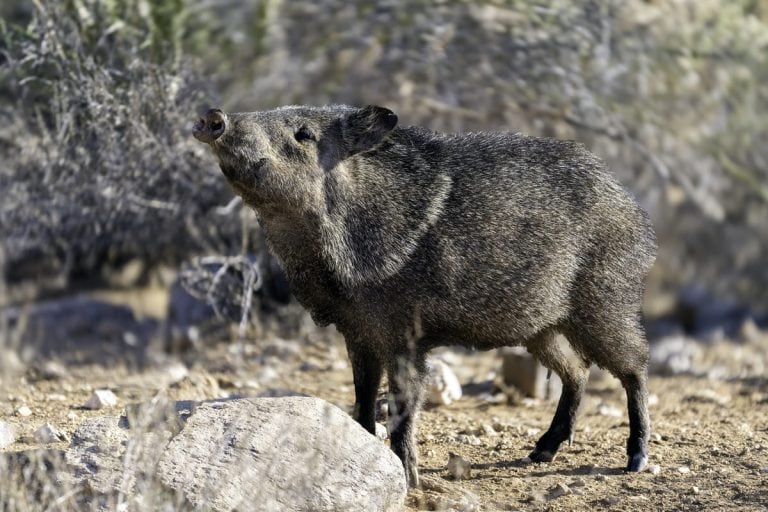
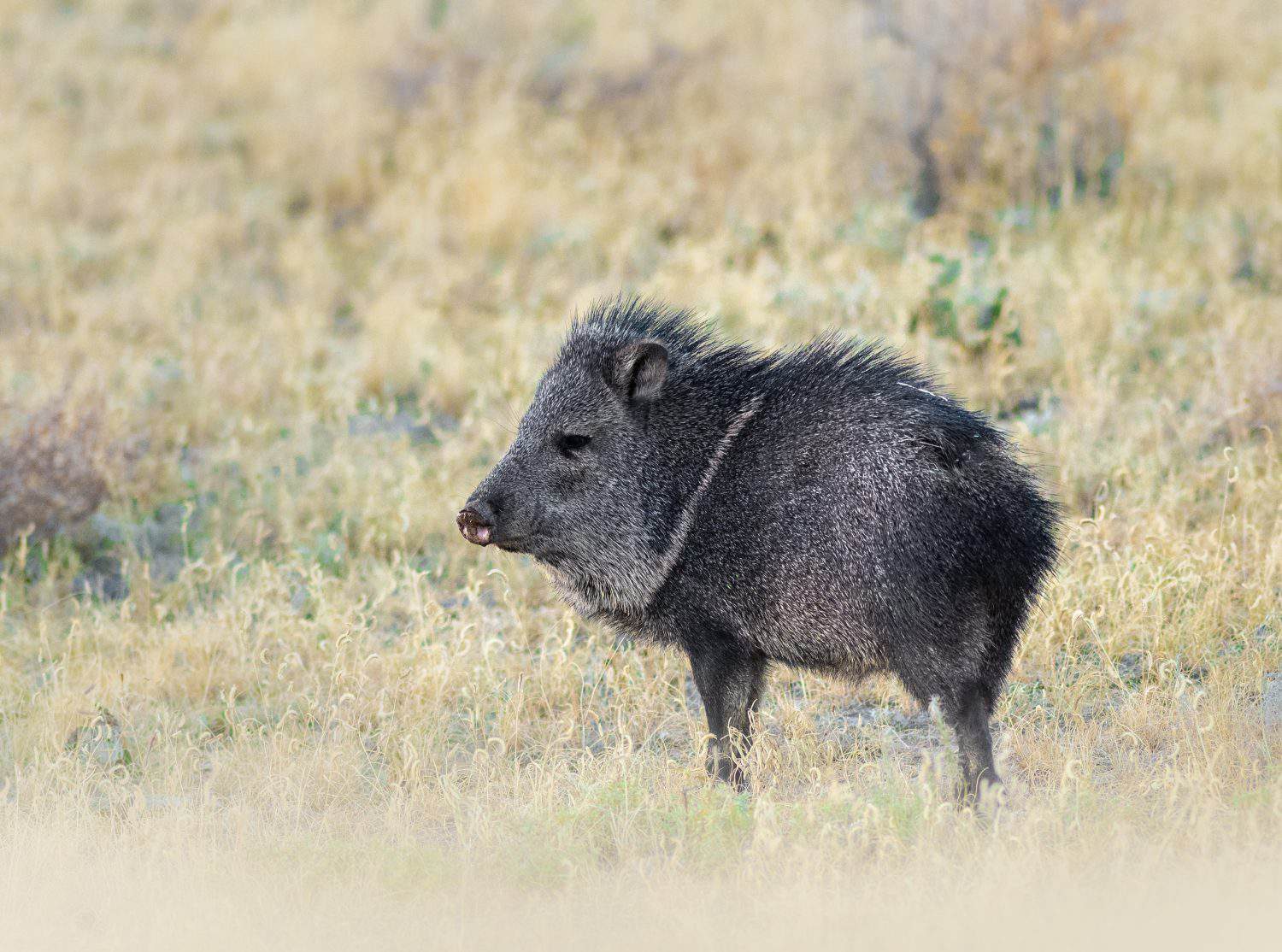
A javelina is a peccary, specifically a collared peccary (Pecari tajacu). Peccaries are native to the Americas, while true pigs originally come from the Old World (Asia, Europe, and Africa) and were only later introduced to North America. Collared peccaries, or javelinas, are usually about 3 feet long and weigh between 40 and 60 pounds. They have coarse, greyish-brown hair resembling salt and pepper, with pig-like snouts and small eyes. Unlike true pigs, javelinas have small, rounded ears, tiny tails, and short, straight tusks.
The name “collared peccary” comes from the band of light-colored fur around their necks, which somewhat resembles a collar. This collar becomes especially noticeable when a javelina feels threatened, as the hair on the back of its neck and shoulders stands up when the animal feels threatened.
Where Are Javelinas Found?
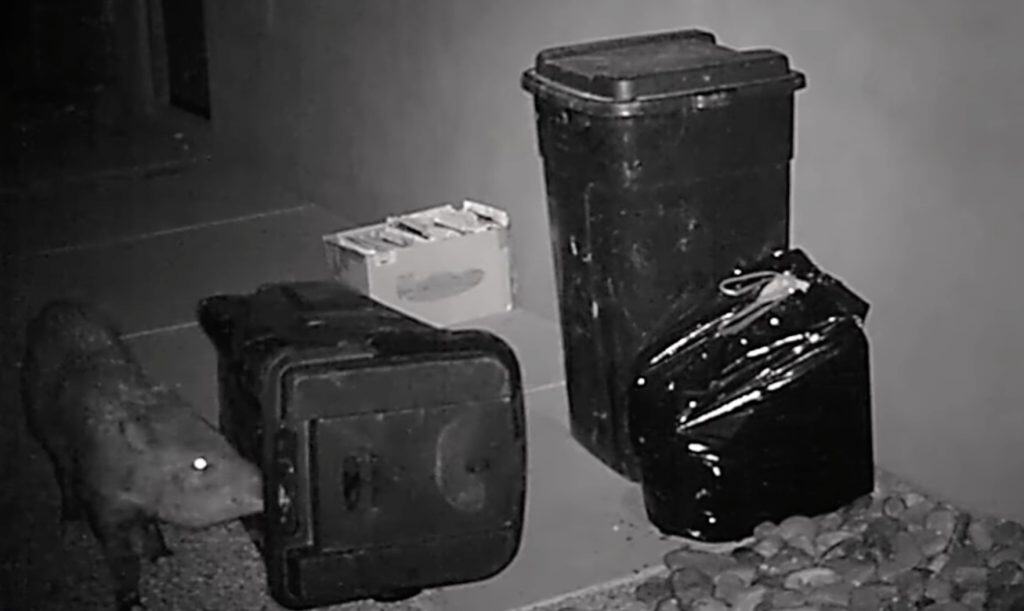
Javelinas often come into human settlements looking for food.
©YouTube/VenterLex
Javelinas are native to the southwestern United States, specifically Texas, Arizona, and New Mexico. Their range extends through Central America and into parts of South America, including Argentina. They prefer habitats like grasslands, oak woodlands, and desert washes. They can often be found in desert habitats with saguaro cacti and palo verde trees.
Javelinas live in close family groups, usually with two to 20 individuals. They don’t have great eyesight and mostly depend on their superb sense of smell. Speaking of smell, javelinas also emit a notably strong odor of their own. This distinct, musky scent plays an important social role; javelinas rub their scent glands on each other for group recognition and bonding. Every member of the herd stays alert for danger and warns the others with distinctive “woofing” sounds.
Are Javelinas Aggressive?
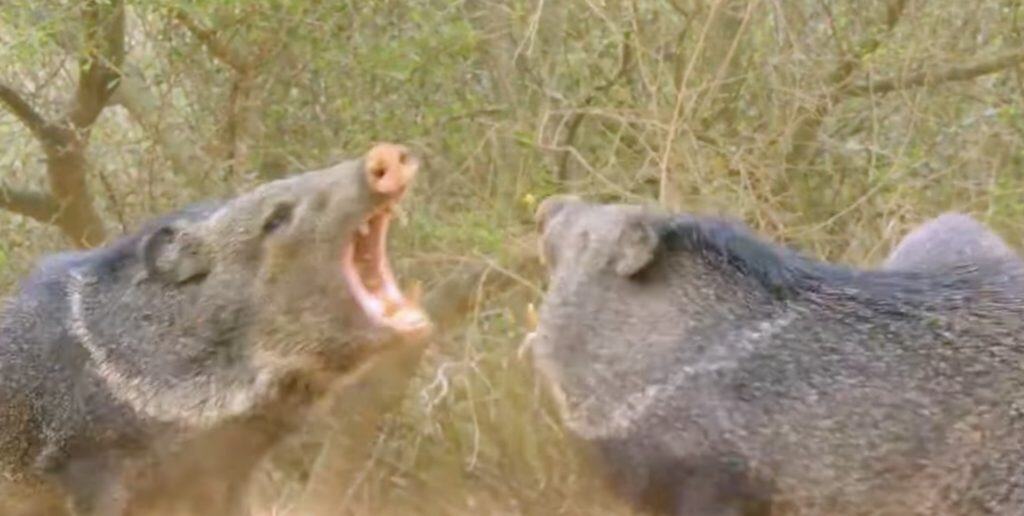
Javelinas have strong jaws and teeth that can cause serious damage.
©YouTube/VenterLex
Generally, javelinas aren’t aggressive toward people unless they feel threatened. But because their eyesight isn’t very good, they are easily startled. Javelinas are also very protective of their families, especially their young. They can breed year-round, though births often peak in certain seasons. If they feel threatened or startled, they can become defensive and may growl, bark, snap their teeth, or even charge. Sometimes a scattering herd can be misinterpreted as a charge, though it is simply a defense strategy.
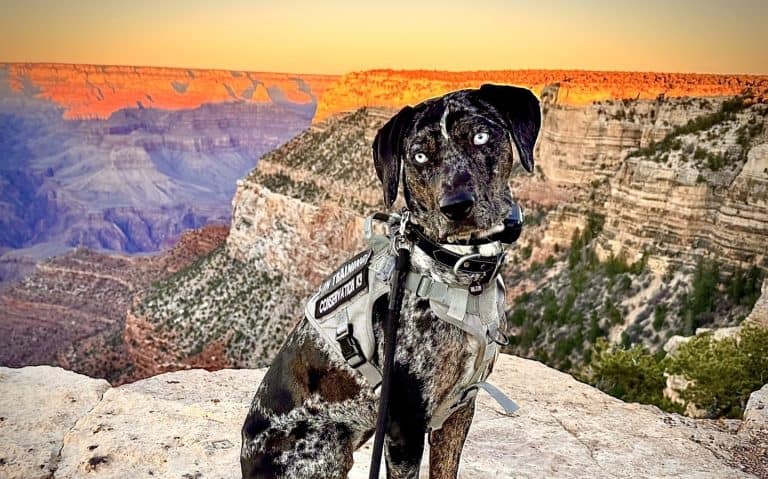
Those who live in javelina habitat should keep their dogs on a leash. Javelinas can be very defensive toward dogs, which they may perceive as predators. Either animal can seriously injure the other, and if the dog is with a person, the situation can become even more dangerous. Javelinas have bitten people on rare occasions, but almost every case involved human disturbance.
Javelinas are preyed upon by larger animals like coyotes and mountain lions, but they will fiercely defend their family groups using their strength and sharp tusks.
What to Do if You Encounter a Javelina
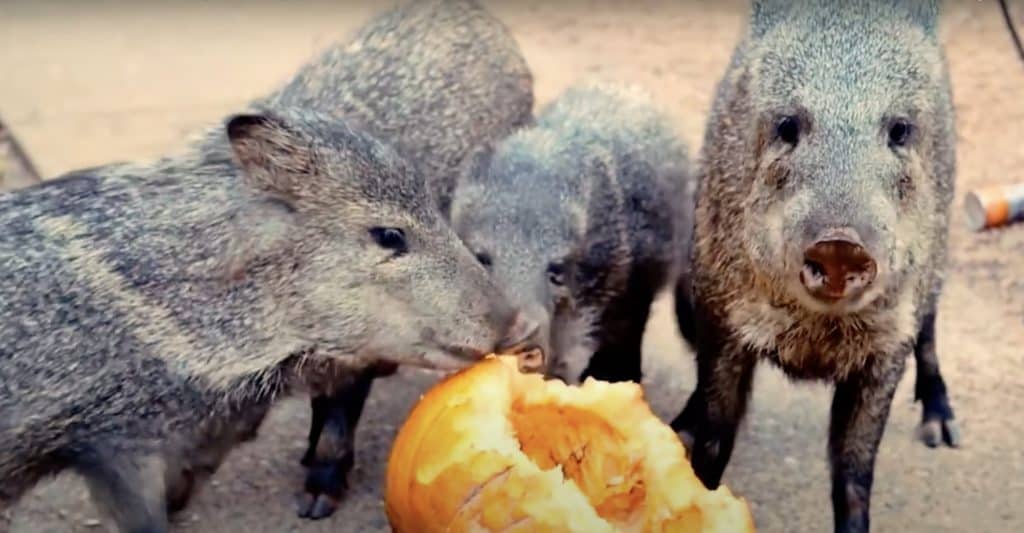
Javelinas are smart and are skilled at finding food in urban areas.
©YouTube/VenterLex
Javelinas typically live in wild areas, but you can often find them near urban areas. According to the Arizona Game and Fish Department, for example, it is common to see javelinas in Tucson, Arizona, even while taking a stroll through a neighborhood.
What should you do if you encounter a javelina? Remember that javelinas can be dangerous, especially if they smell or hear a nearby dog. Because they don’t have great eyesight, they might mistakenly charge toward a person if triggered. If this occurs, make loud noises like yelling or clapping to scare them away. Also, be sure they have a clear escape route, so they don’t feel trapped. Never feed wild animals, including javelinas, as they can become habituated to humans and cause problems.