
Quick Take
- Their most visible feature looks like a liability, but it actually serves as their first line of defense. Discover their waxy defense →
- The dance looks adorable, but it's masking something far more aggressive. Uncover the boogie-woogie threat →
- A lone aphid doing this would be ignored. So why does the colony need to move as one? See the colony behavior →
- Their 'wool' isn't what most people assume it is, and the same goes for its purpose. Learn what the wool really is →
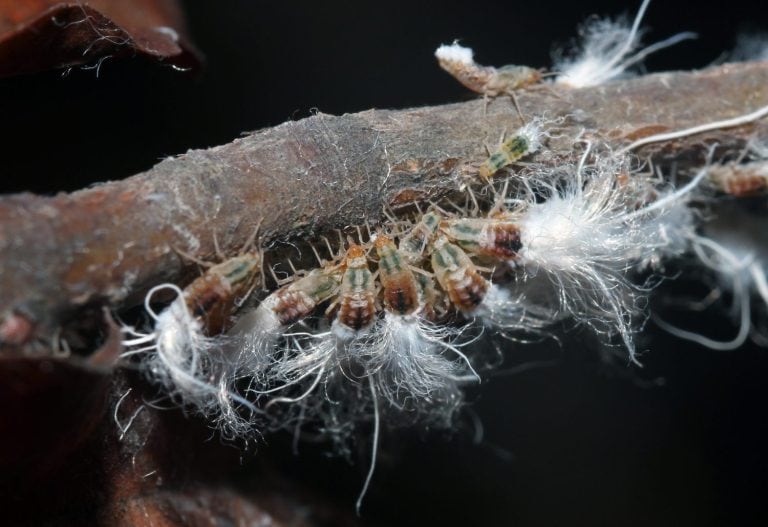
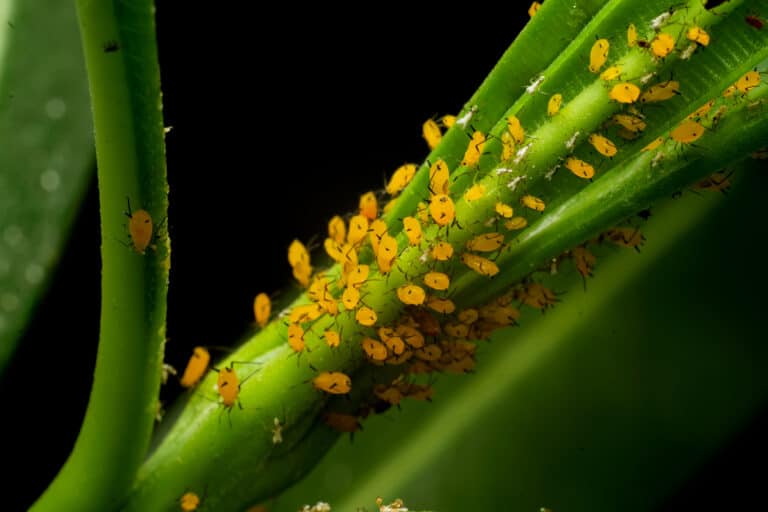
Nature is full of strange-looking animals, such as aphids. Among them are woolly aphids, which form colonies on branches. When defensive, they shake their abdomens, causing a funny-looking dance. This Instagram post by @everyday_naturalist shows these insects dancing on a branch together.
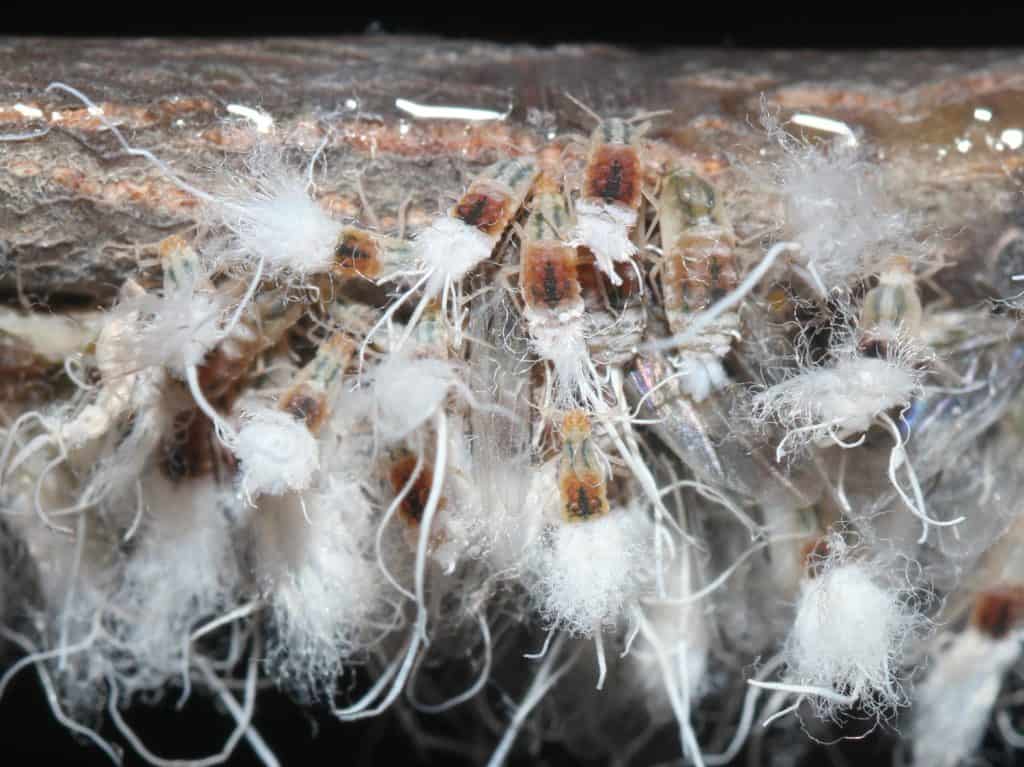
The woolly aphid uses its fluffy and waxy body to defend itself from predators.
©Michael Benard/Shutterstock.com
About the Aphid
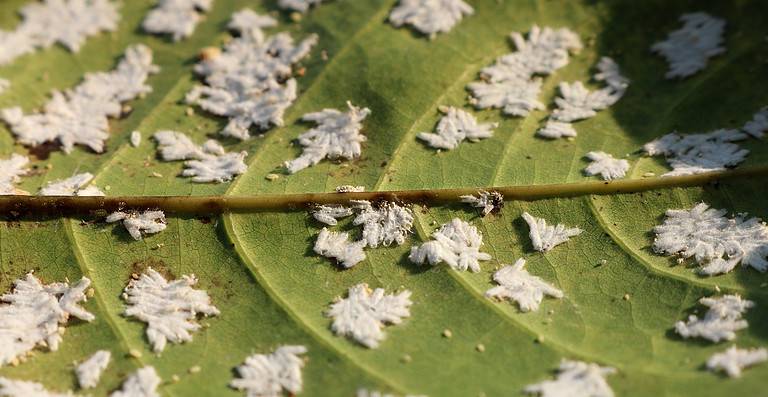
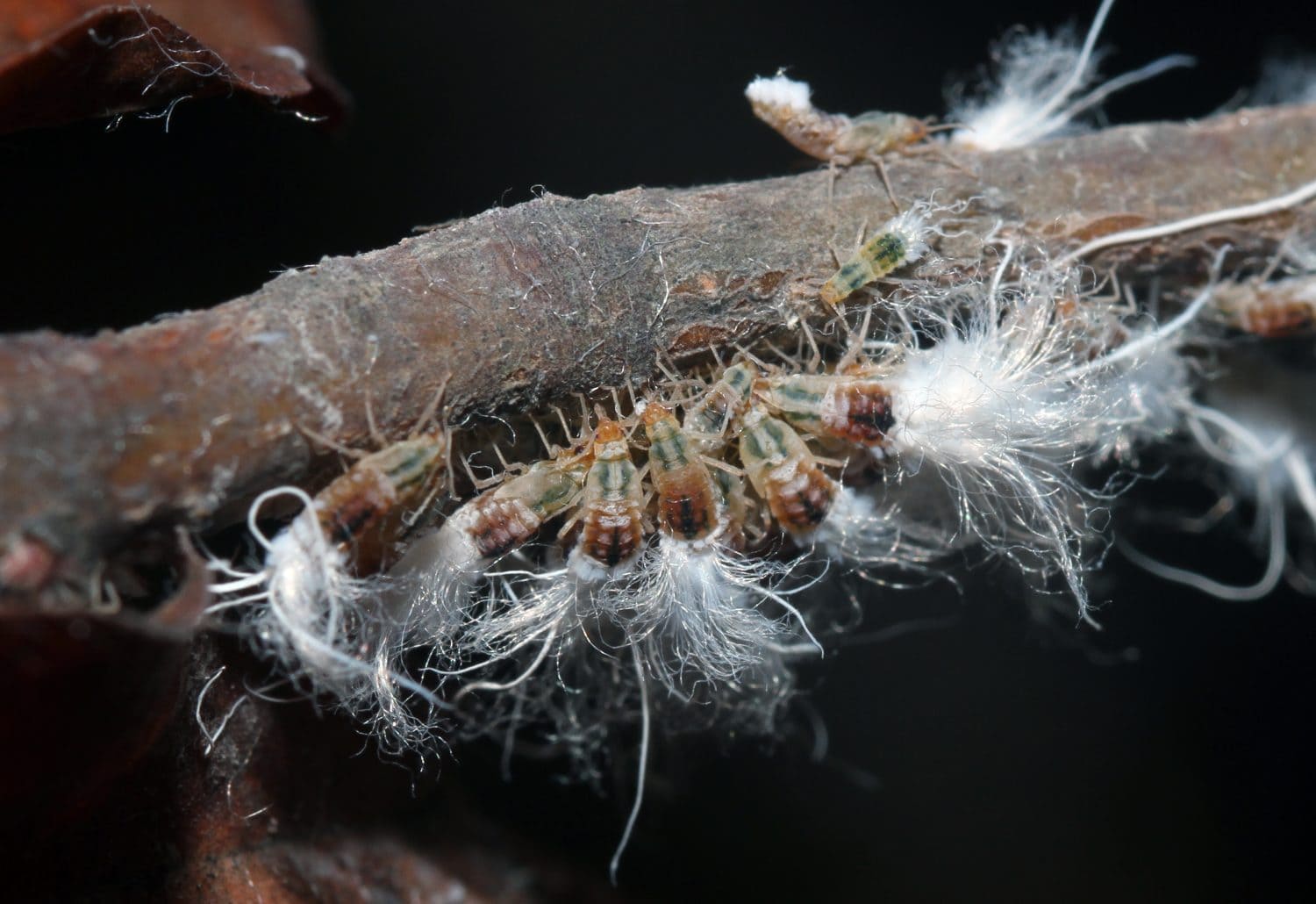
Woolly aphids are the common name for several different species that share long, white, and waxy filaments all over their bodies. The white fluff makes them look like a piece of cotton clinging to a branch, but they are actually insects underneath it. The “wool” is actually a wax that the aphids prodice. While you might think it’s some sort of camouflage, the wax is a differnet kind of defense. The waxy coating makes it difficult for predators to grab onto them. It also helps protect their soft bodies from the rough surfaces of branches. Aphids live on numerous different host plants, with some species sticking to one tree for life, while others alternate. Some trees they live on include maple, ash, birch, elm, and beech trees. You may even see little pieces of wool flying between the trees! So why might they be dancing like in the video above?
In the video, dozens or even hundreds of aphids are performing a dance on the branch where they live. The species in the video is most likely the beech blight aphid who is known for performing what some call the boogie-woogie. When the colony detects a disturbance like a predator or something touching their branch, they start dancing to hopefully intimidate them. They raise their fluffy rear ends and sway them back and forth. When there are many of them, it can look almost mesmerizing. The tiny dance serves as a defensive warning to potential predators, but it can actually be pretty cute to watch. Since they can’t harm humans, it’s fun to look up close at these little insects dancing around.