
Quick Take
- Antlers pull off something no other mammal can, a feat that scientists are racing to understand for its potential to revolutionize medicine. See the regeneration process →
- Antlers and horns aren't the same thing, and the differences between them run deeper than most people realize. Explore the key differences →
- Shedding antlers sounds simple, but the aftermath can turn life-threatening in ways you wouldn't expect. Discover the shedding aftermath →
- A temporary skin coating holds the secret to how bone can grow at a speed that defies intuition. Understand velvet's role →
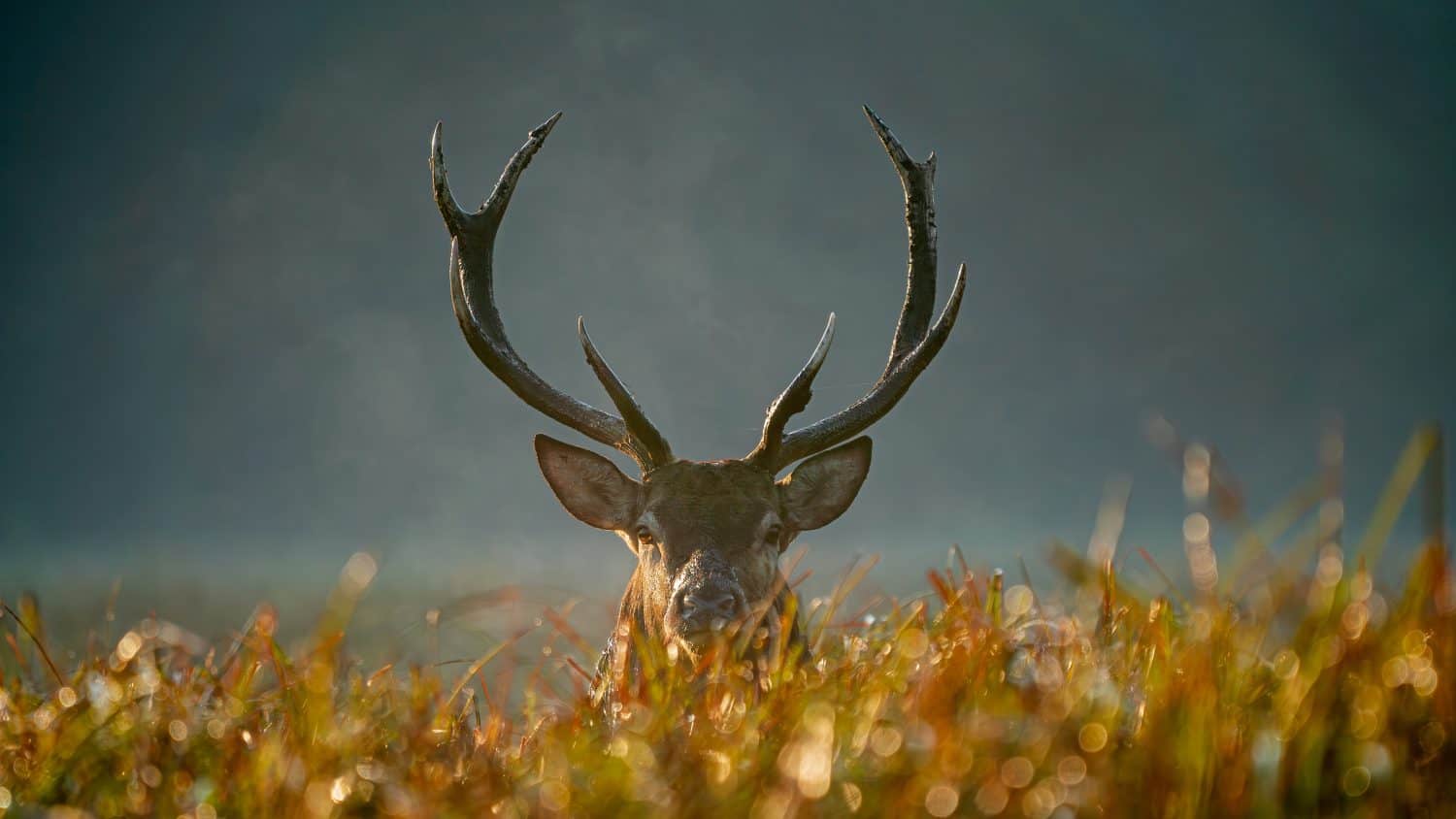
If you are looking for a magnificent example of male prowess, you can’t do better than gaze at a pair of antlers! We have held this ‘headgear’ in high regard since ancient times, and they feature in ancient folklore and storytelling. However, they also provide a model for modern scientists to study two unique processes. These are the development of a complete appendage that is delayed until puberty and mammalian organ regeneration.
Continue reading
The Difference Between Antlers and Horns
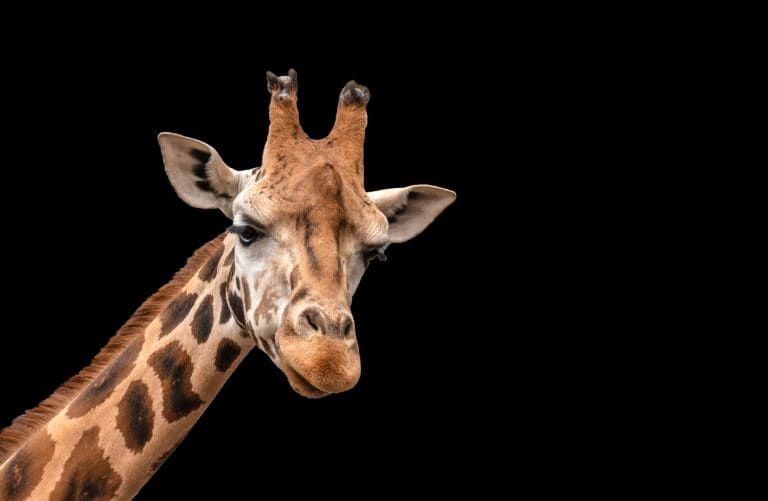
Scientists call the structures that grow out of an animal’s head cranial appendages. They have evolved several different times, and there are a few different types. The most well-known are antlers and horns. Lesser-known cranial appendages are ossicones (seen in giraffes and okapi) and the distinctive horns of pronghorns).
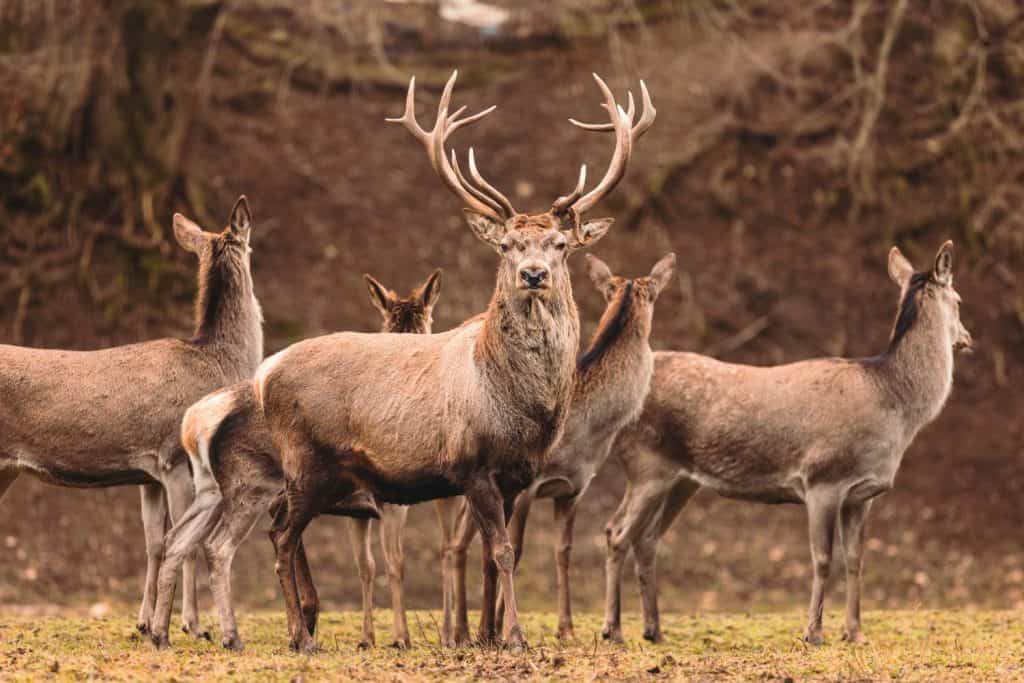
Antlers are different to horns.
©MAD.vertise/Shutterstock.com
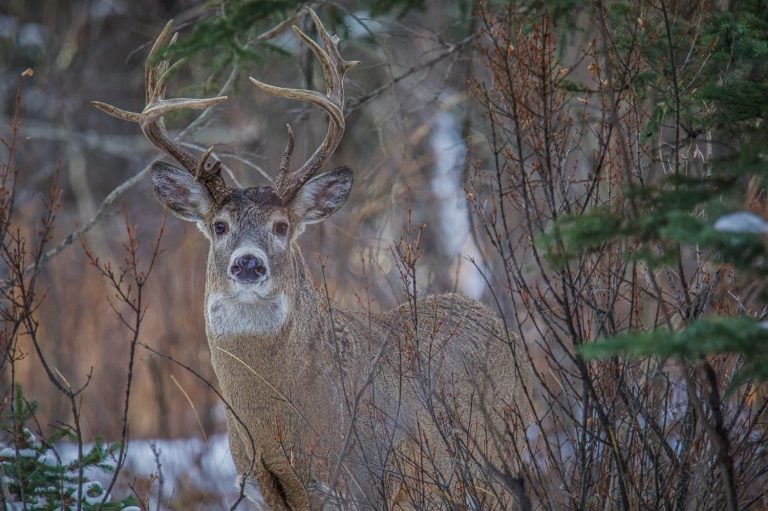
Antlers are found in the Cervidae family, that’s deer and their relatives. They grow from small, bony growths called pedicles and are made of bone, which is coated with skin when they are growing. Antlers are shed and grown again every year. They are found exclusively on males, with the exception of female reindeer, who also grow antlers.
Horns, on the other hand, are found in the family Bovinae, so that’s cows and their relatives. They have a full core of bone with a coating of keratin. Horns are often found on both the male and female of a species and are permanent. They do not fall off each year.
What is the Antler Growth Cycle?
Antlers start to grow in preparation for the breeding season. The timing of the antler growth cycle is closely linked to circulating testosterone, but estrogen likely also plays a role. In whitetail deer, for example, the growth starts slowly as early as March or April, but is more rapid during June and July. The base of the antler is called the pedicle. Growth starts within two or three weeks of the pedicle healing after the previous antlers have been shed. In moose, however, the growth begins several weeks after antler casting.
Antlers grow from the tip. Growing antlers are encased in a special type of skin called velvet. It can look shiny with short, sparse hairs and be coated in oily secretions. Under the velvet epidermis (outer layer) and dermis is a thick, fibrous protective membrane. This is called the perichondrium when it covers the cartilaginous growth stage and periosteum when it covers the bony stage of the growth. Underneath these layers is the mesenchyme growth zone, where rapid cell generation occurs.
Types of Antler Bone
There are two types of bone within antlers. Spongy bone is less dense, softer, and weaker. It makes up the inner part of the antler. It has lots of blood vessels, so it gets plenty of nutrients and growth-regulating hormones.
Antlers contain two types of bone.
©iStock.com/Eric Clark
The second type of bone, compact bone, is on the outer shell. It is dense and stiff and therefore able to provide the strength needed for antler collisions. Mineralization forms this bone as the antlers reach their definitive shape.
During the rapid period of growth in June and July, white-tailed deer antlers can grow by 1.5 inches a week! Once mineralization is complete, the blood supply to the velvet is shut off, and it dies. Most of it is usually shed within 24 hours.
How Are Antlers Shaped?
The exact conformation of antlers depends on the species, age, genetics, and nutrition. The main part of the antler is called the main beam, and the smaller points are called tines. Deer can grow differently shaped antlers each season. In general, abnormalities are more common as the deer ages.
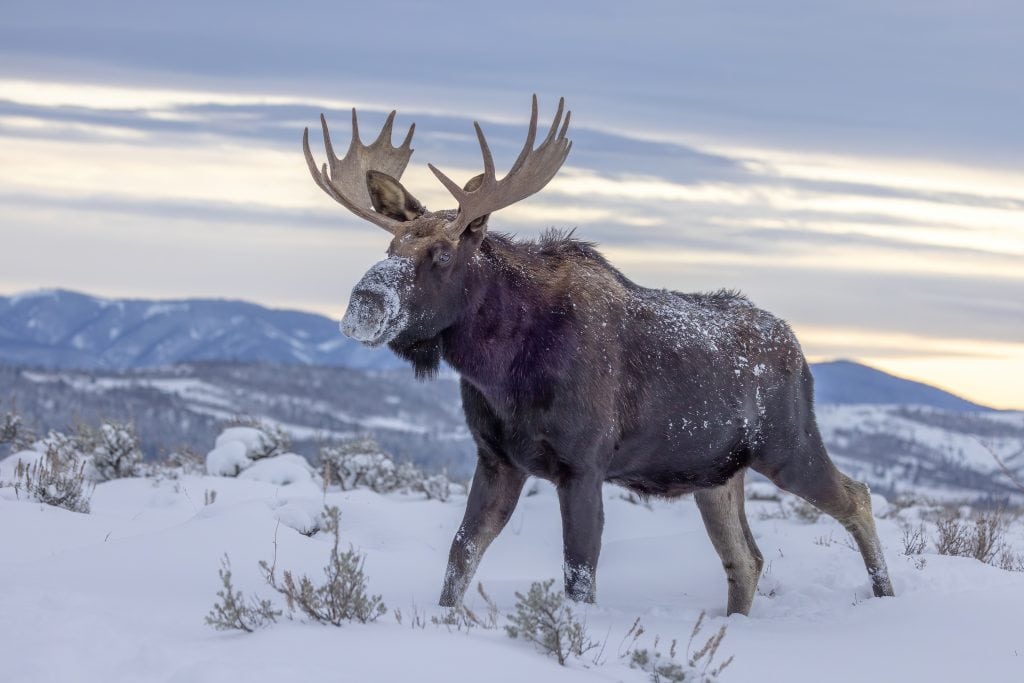
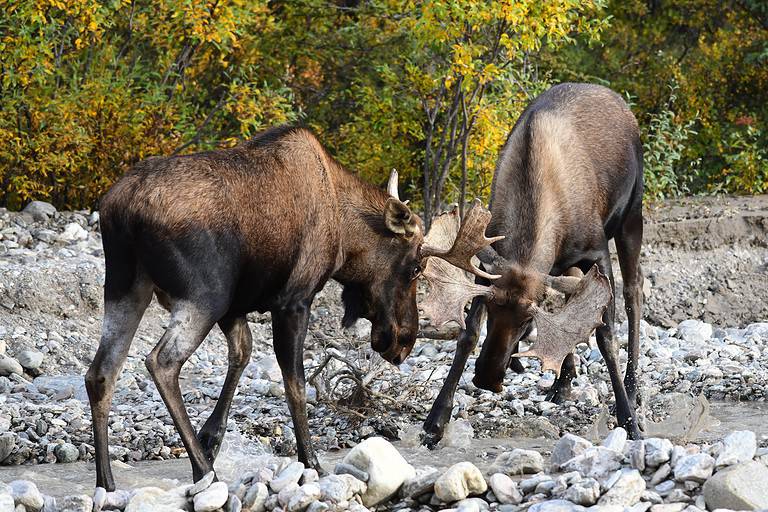
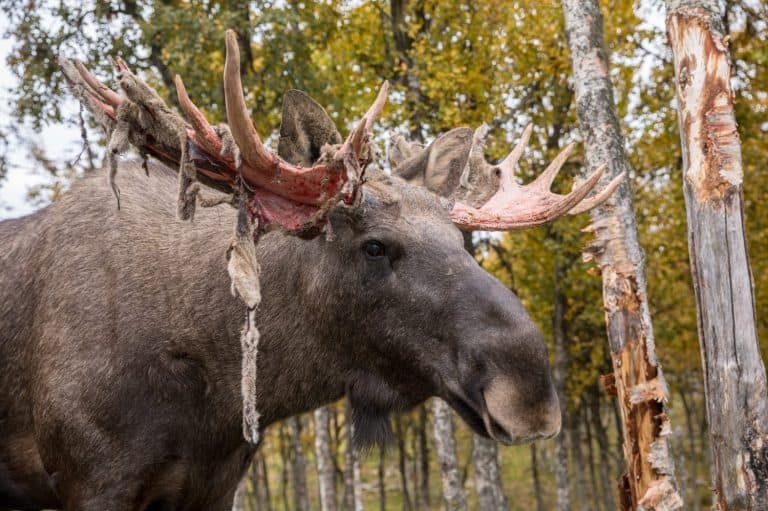
Moose antlers are huge!
©Thomas Torget/Shutterstock.com
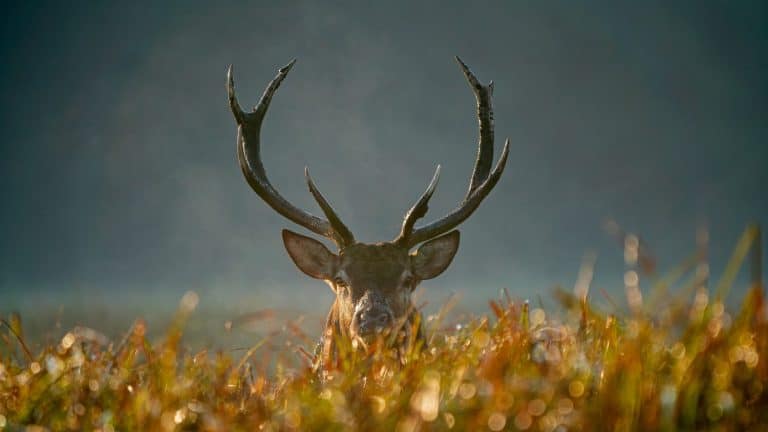
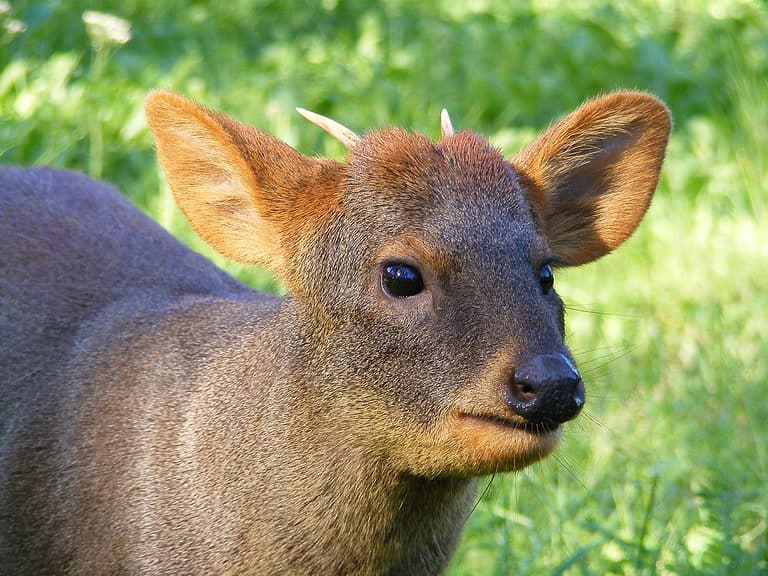
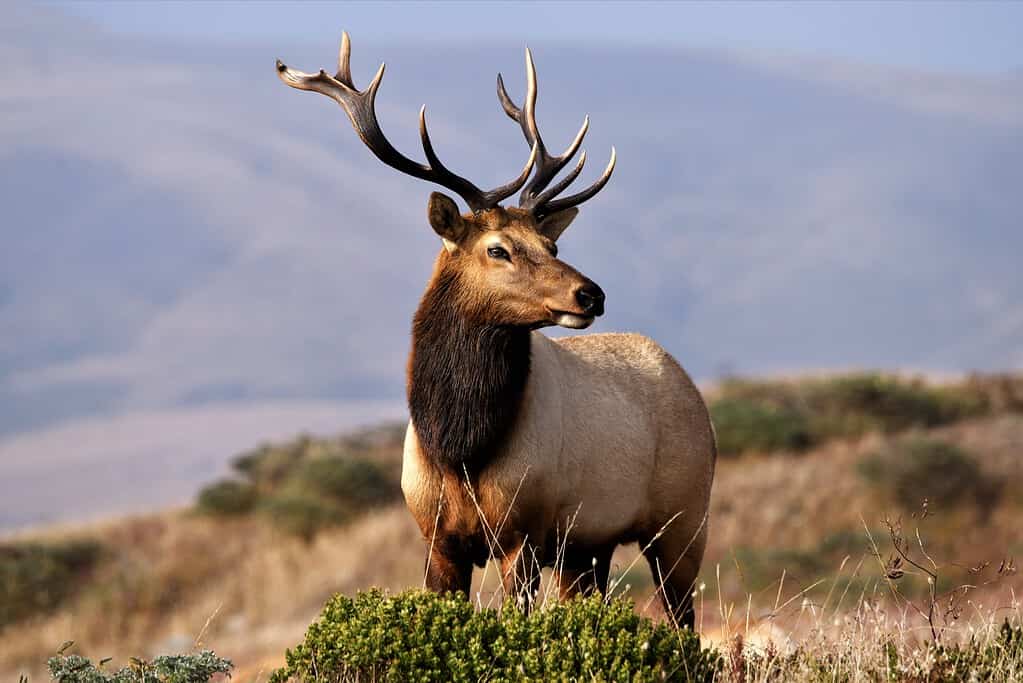
Antlers come in all shapes and sizes. The pudu (Pudu puda) has small unbranched antlers reaching just a few inches in length. The moose and elk, on the other hand, have huge and elaborately branched racks or palmate. Moose (Alces spp.) possess the largest antlers. However, Elk (Cervus canadenesis) antlers can also reach 5 feet in length. Adult fallow buck (Dama dama) antlers curve majestically outward and upward. While red deer (Cervus elapus) have a more ‘classic’ shape seen in art throughout history.
Antler growth is very special. No other mammal can naturally regenerate any body part as large and complex as an antler.
Antler Shedding
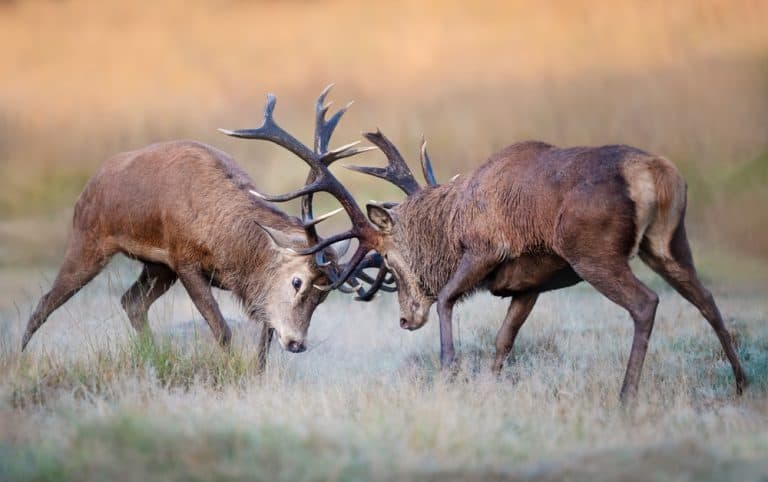
Antlers are used for fighting and display during the mating season. Once this is over, they serve no purpose, and there is no point in deer expending energy to carry them around! So, antlers are cast off.
This process is triggered by a hormonal change linked to increasing day length. In whitetail deer, this occurs from late January or February through March.
After breeding, cells called osteoclasts demineralize the bone along an abscission line. This is where the pedicle meets the antler. As the attachment is weakened, it is not strong enough to support the weight of the fully grown antler.
Once the antler has been cast, it leaves behind what is essentially a wound! It bleeds for a short while but then a scab-like covering forms within a couple of weeks. This is called a “wound epithelium.”
Before the pedicle heals over, secondary infections can set in, and sometimes these can even develop into brain abscesses!