
We can all blame The Very Hungry Caterpillar for the notion that every caterpillar is cute and friendly. This could not be further from the truth for the “dancing caterpillar,” also known as Lonomia obliqua, or just Lonomia, caterpillar. This Instagram video by @explainingnature showcases its iconic moves, which are not actually done for fun. The Lonomia caterpillar has an impressive range of nerve endings, which cause it to react this way to certain stimuli. However, it’s not a caterpillar you’d want to waltz with. As one of the world’s most dangerous insects, it would likely kill its dance partner and end up dancing solo.
The Deadly Dance of the Lonomia Obliqua
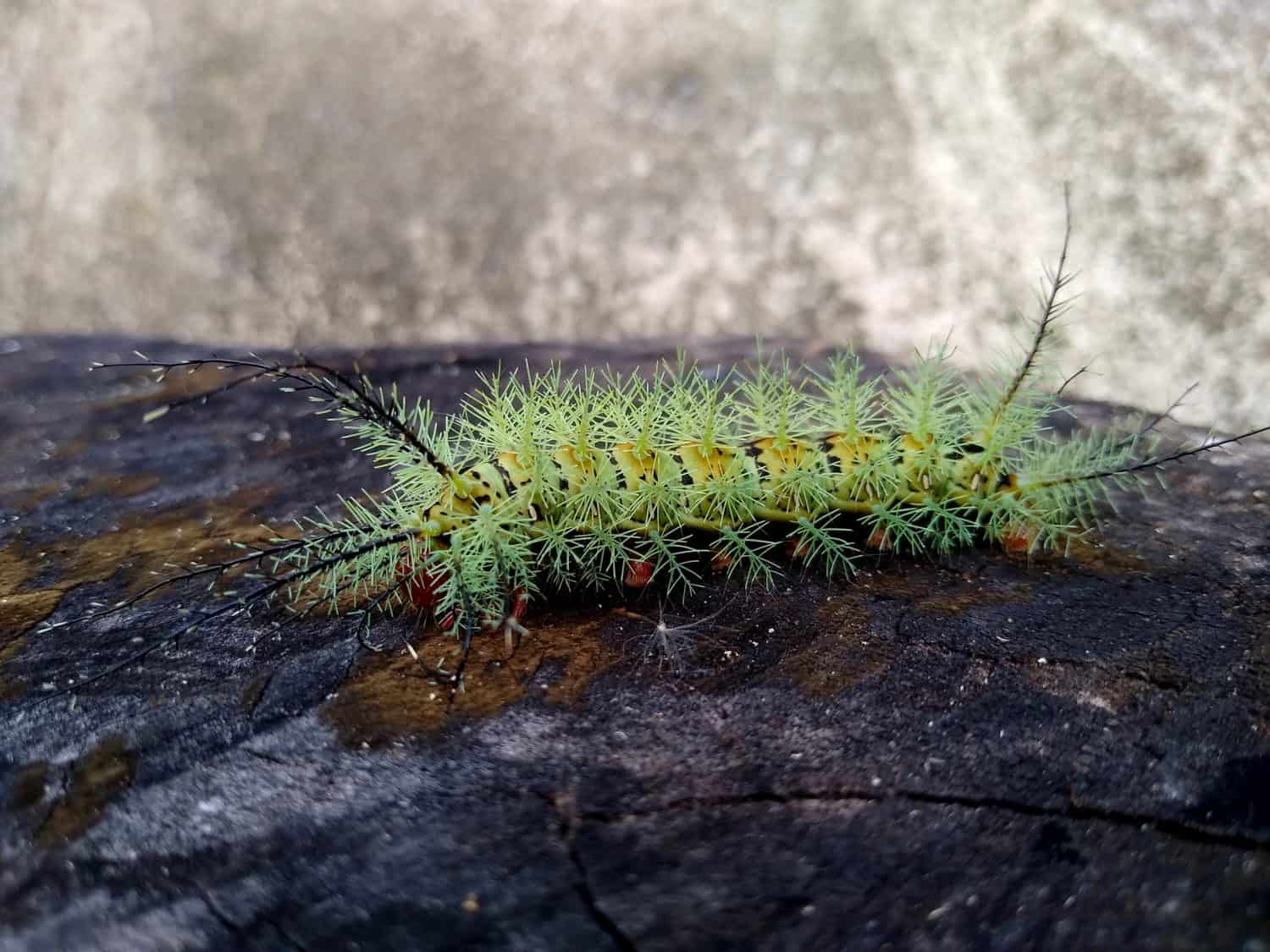
The Lonomia caterpillar holds the Guinness World Record of being the most venomous caterpillar in the world. It’s found throughout South America, primarily in Southern Brazil. There, it’s also known as the “assassin caterpillar.” While it has many names, the warning remains the same: Avoid this moth in its larval stage at all costs. As a caterpillar, it’s covered in dozens of venom-filled, needlelike bristles. The biggest issue for those coexisting with these caterpillars is their ability to camouflage. They gather in large groups on tree trunks, and their green and brown coloring makes them difficult to see. At night, they become more active and move to the leaves of fruit trees to feed. This causes problems for farmers, who must check each plant before harvesting, or risk being stung.
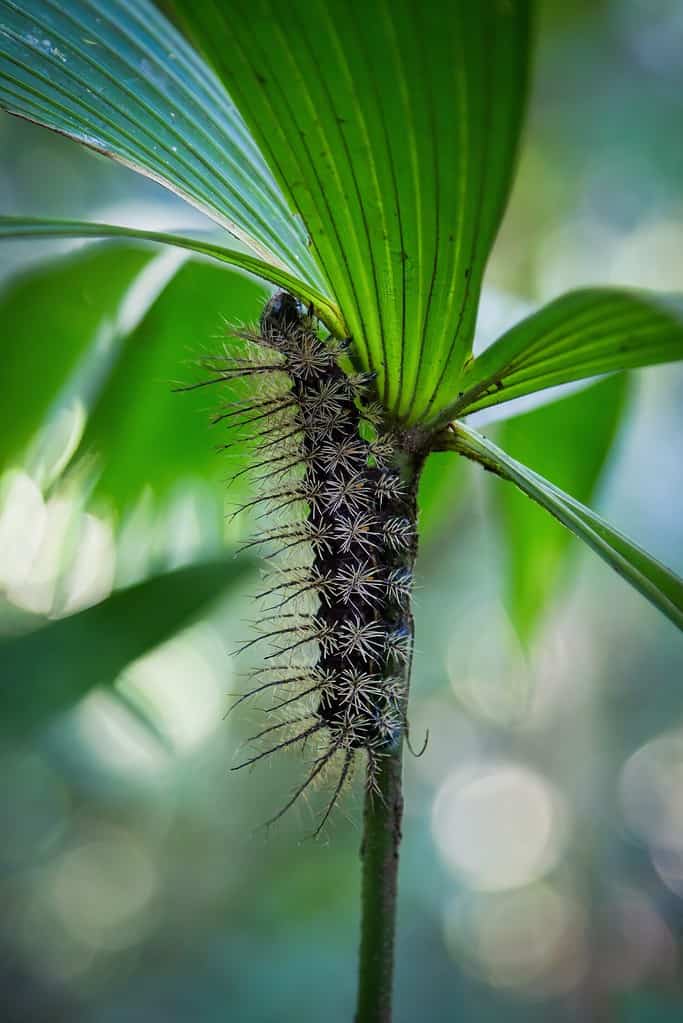
Lonomia obliqua is covered in dozens of venomous bristles that are highly toxic.
©Fusco Davide/Shutterstock.com
Most people are stung by accidentally brushing up against the Lonomia caterpillar. This could easily happen while picking fruit or walking through wooded areas. Just one of these caterpillars produces 2.4mg of venom, which is enough to wreak havoc on the human body. If someone brushes or, even worse, accidentally grabs a handful of these caterpillars, they’d be in serious trouble. Colonies of these caterpillars rest during the day, remaining still unless they feel a vibration.
Lonomia Caterpillars Are Sensitive to Vibrations
The video above is a warning, but it is also a life-saving measure. Lonomia caterpillars are sensitive to vibrations. In the video, you can see them jump whenever a sound is made. Like other caterpillars, they do not have ears. They sense only the vibrations in the tree trunk and in the air. This is a defense mechanism that allows them to pop off the tree trunk easily to sting potential predators. It’s a quick way to deter birds, small mammals, and other large insects that might prey on them. However, for humans, making a loud noise can reveal precisely where the Lonomia caterpillars are gathered to avoid them.
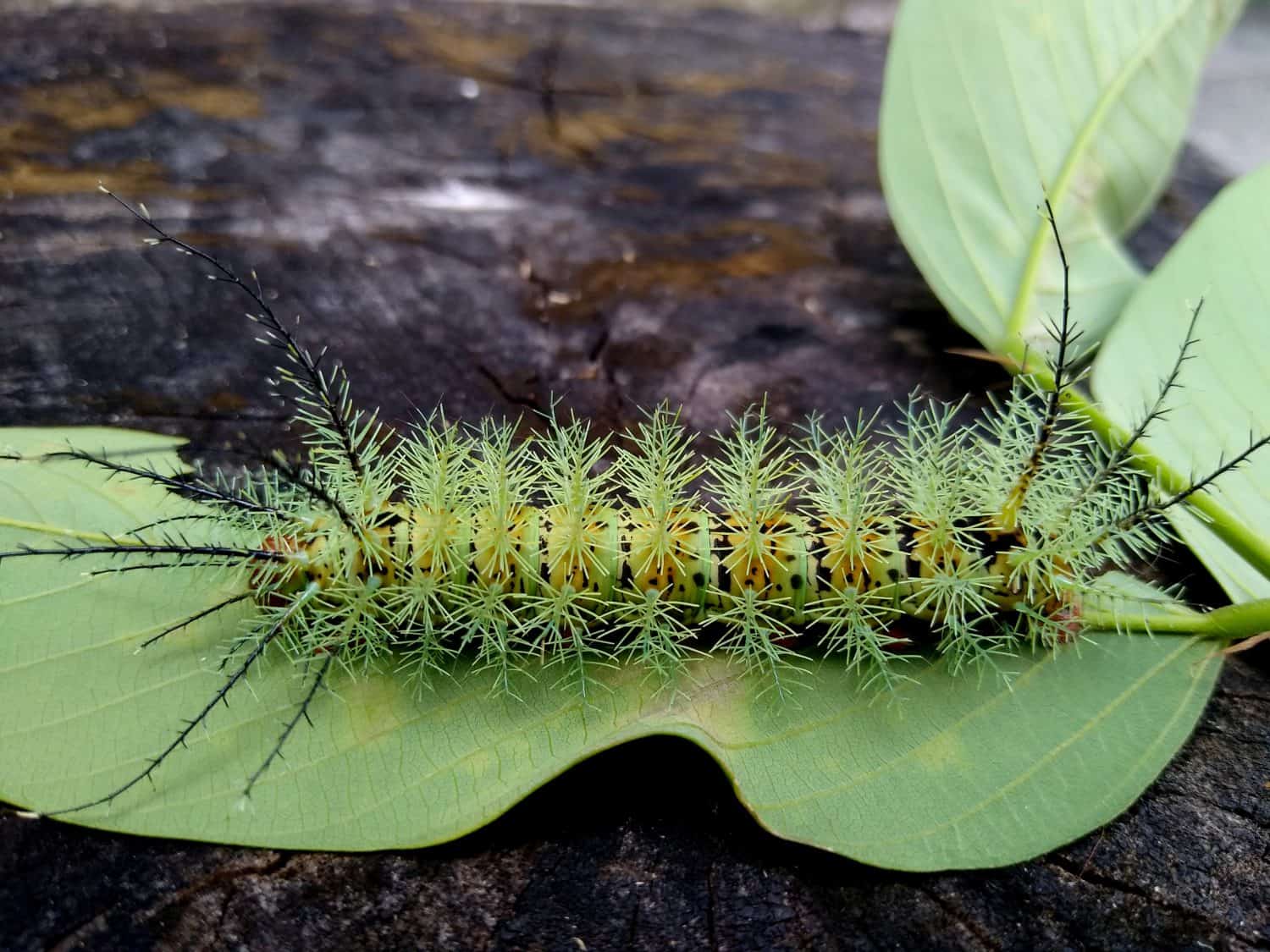
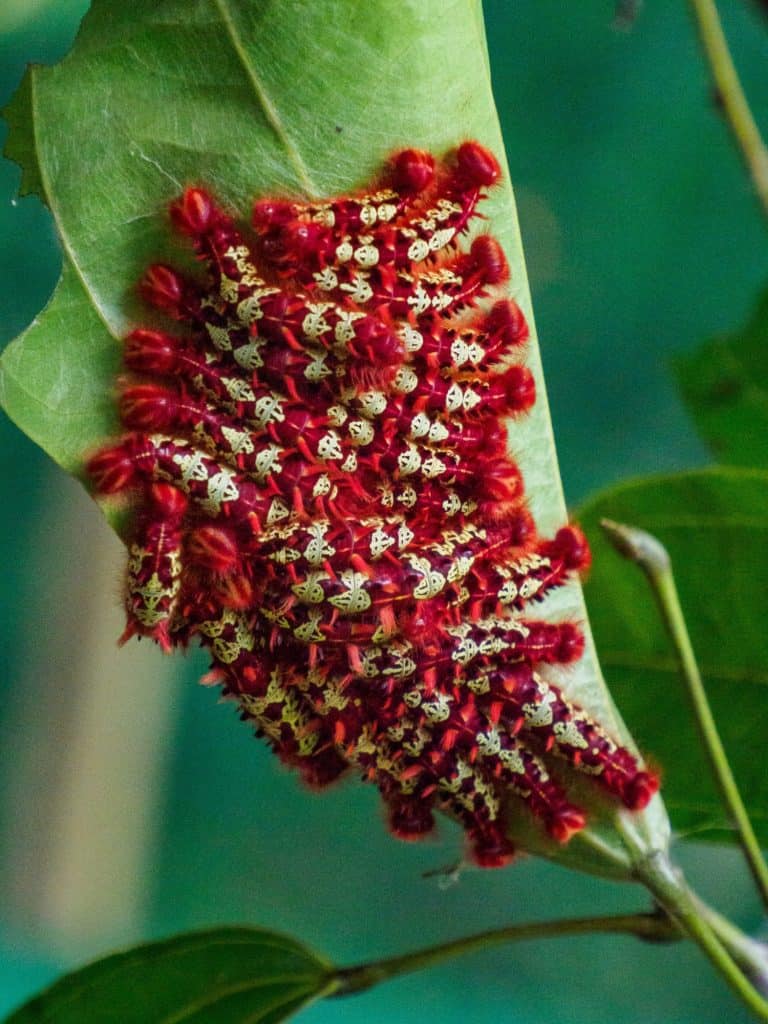
Lonomia obliqua are easily camouflaged in the forests of Southern Brazil, making them difficult to spot.
©Joa Souza/Shutterstock.com
If you look closely, tiny hairs are covering the body of a Lonomia caterpillar. These are called trichoid sensilla and are how they sense changes in their environment, including vibrations. When they sense movement in the air or on the ground, they have a quick sensory reaction that includes jumping. Or, in this case, “dancing.” This same sense is used when defending territory or posturing as a defense mechanism. It can also be used during mating rituals to attract a female’s attention.
Getting Stung by a Lonomia Caterpillar
It’s something no one wants to think about, but it does happen. In regions inhabited by the Lonomia caterpillar, the death rate is between 1.7% and 2.5%. This might not seem very high, but it’s higher than the national average death rate for snake bites in Brazil, which is less than 0.5%. This is significant, given the insect’s small size and potent venom. Without immediate medical attention, the fatality rate only increases. The reason for this comes down to the type of venom injected by the Lonomia caterpillar. It causes coagulopathy, leading to blood clotting disorders.
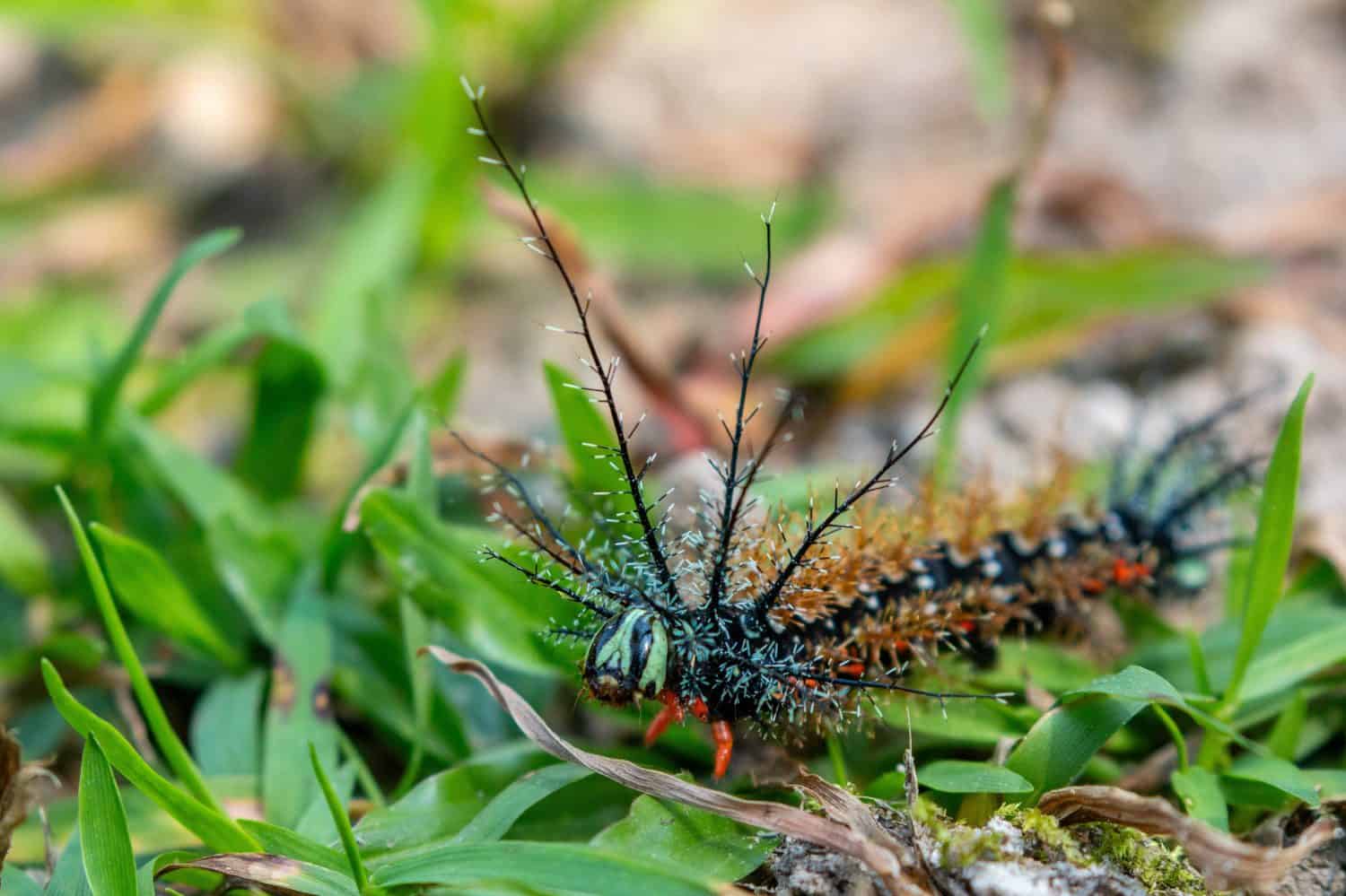
One caterpillar carries enough venom to cause severe internal bleeding.
©Miguel Schmitter/Shutterstock.com
The immediate effects of this venom include severe pain and local inflammation. According to OddDanny on TikTok, this is often described as “lava flowing through every vein in the body.” Following this, headache, nausea, fever, and malaise will appear within the first few hours of being stung. After that, hemorrhagic syndrome causes severe internal bleeding, leading to organ failure. This is why those who have been stung must receive medical attention immediately. The treatment is antivenom, but this is only effective if the victim is treated quickly after the venom is injected. Unfortunately, the Lonomia caterpillar’s venom can also cause long-term damage, such as kidney failure.