
Quick Take
- Mosquito eggs can survive conditions that should kill them and still hatch long after you've stopped worrying about them. Egg survival and hatching →
- Three of the four mosquito life stages happen somewhere most people never think to target when trying to get rid of them. Three water-based stages →
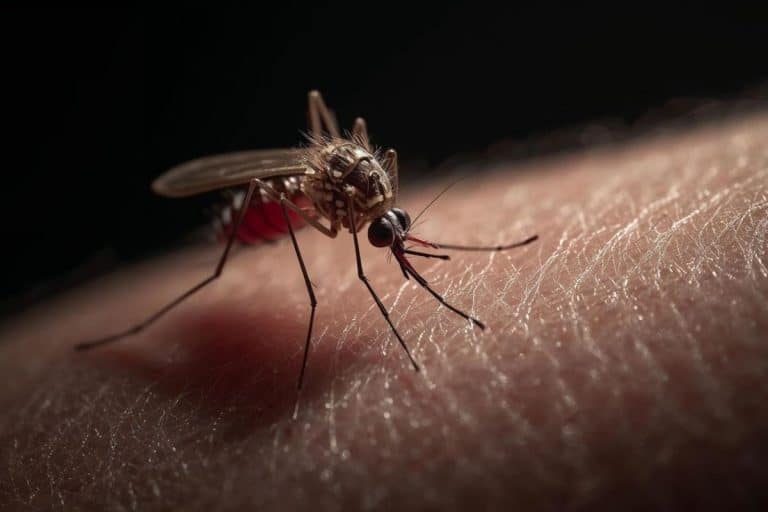
- Mosquitoes don't actually bite you for the reason most people assume. Why mosquitoes feed on you →
- The mosquito that bites you may have started its journey much farther away than you'd ever suspect.
You may think of mosquitoes as simple little insects that give you annoying bites. However, they have a surprisingly fascinating way of reproducing. To control mosquitoes effectively, we need to understand their different life stages. So, here is our crash course on the mosquito lifecycle.
Water Stages of the Mosquito Lifecycle
The mosquito lifecycle consists of four stages, three of which occur in water. The first stage is the egg stage. The mother deposits them on or near water, or in soil at the base of plants in areas that sometimes fill with water. They are laid in clusters, and if they are on water, they can either float together like a raft or be found separately. A female mosquito can lay up to 200 eggs at a time. Most will hatch within 48 hours, but the eggs can survive in dry conditions for months or even years. The exact time between laying and hatching depends on water temperature, food, and the type of mosquito. If they dry out but survive, they will hatch once they become submerged in water again.

Three mosquito life stages occur in water.
©Gerry Bishop/Shutterstock.com
The second stage, which lasts from 4 to 14 days, is the larval stage, commonly known as wrigglers. They need water to survive and molt several times as they grow. Larvae, or wrigglers, usually need to come to the surface to breathe air. They feed on algae and small organisms living in the water.
The final water stage is the pupa, also called the tumbler. This is a resting stage during which the developing mosquito must remain in water but does not feed. Depending on the species and water temperature, this stage can last between 1 and 4 days.
How Does the Adult Mosquito Emerge?
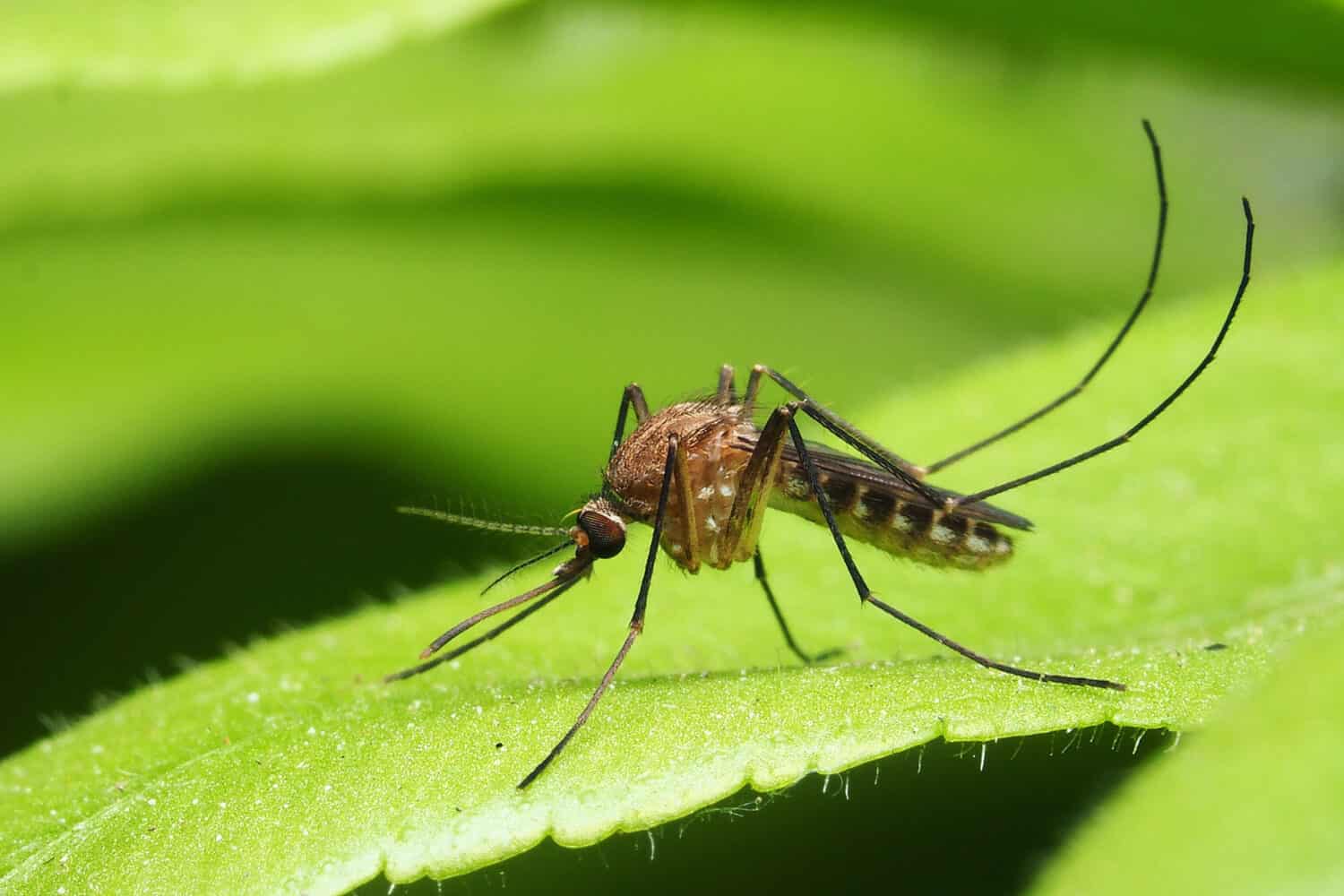
At the end of the pupal stage, the skin splits open, and an adult mosquito emerges. It needs only a short time for its body to dry and harden before it can fly away. Most mosquitoes stay close to where they hatched, but some can fly up to 7 miles away in search of food.
As adults, mosquitoes live in weeds, tall grass, shrubs, and other cool, damp areas. Here, they feed on nectar, plant sap, and honeydew. Females live for up to two months, while males live for just a week or two, so finding a mate is a priority! In tropical regions, they breed year-round, while in temperate areas, they breed according to specific seasons.
Mating can take as little as 15 seconds and usually occurs in the air. The male grasps the female with his pincer-like structures called claspers. He then extends his reproductive organ, called an aedeagus, and transfers seminal fluid to the female so it can fertilize her eggs. She generally mates only once and stores his sperm to use for the rest of her (short) life. She must take a blood meal before she can lay eggs, and then the cycle starts all over again.