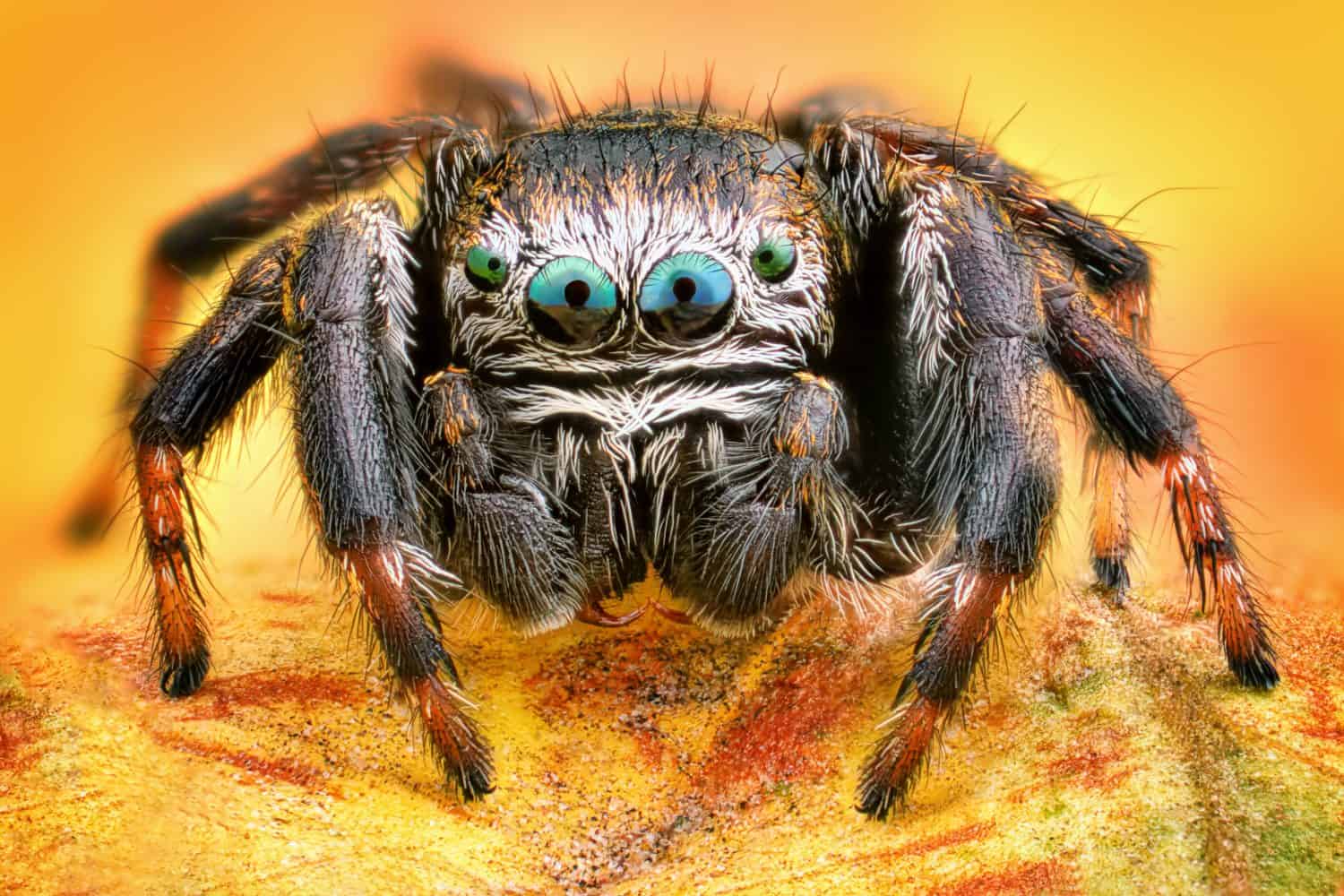

Quick Take
- 90% of North American insect and spider species are not being conserved.
- States with stronger environmental policies are more likely to conserve spiders and insects, whereas those with economies built on oil and gas production and drilling are less likely to do so.
- Charismatic species generally receive conservation status, whereas less charismatic species, such as spiders and insects, do not.
- Without spiders and insects, entire ecosystems would collapse.
Spiders and insects are often considered pests. Some people would rather see the creepy-crawly creatures dead than buzzing around their heads or creating webs in the corners of their property.
In part, this ambivalence toward bugs has caused nearly 90% of North America’s insects and spiders to fly under the conservation radar. Without conservation, some of the very species that help keep ecosystems healthy will likely perish. Not only will this be to the detriment of the animal kingdom, but also to life as humans know it.
The Majority of Spiders and Insects Are Largely Unprotected
Spiders are often the things that nightmares are made of. Very few see them as an integral part of the ecosystem. As a result, the majority of spiders and insects in North America have no conservation status. Worse still, there is little research to determine if they are thriving or going extinct.
A new study published in the journal Proceedings of the National Academy of Sciences found that insects and spiders as a whole are understudied. This, according to Laura Figueroa, the study’s senior author, has left nearly 90% of North America’s insect and arachnid species unprotected.
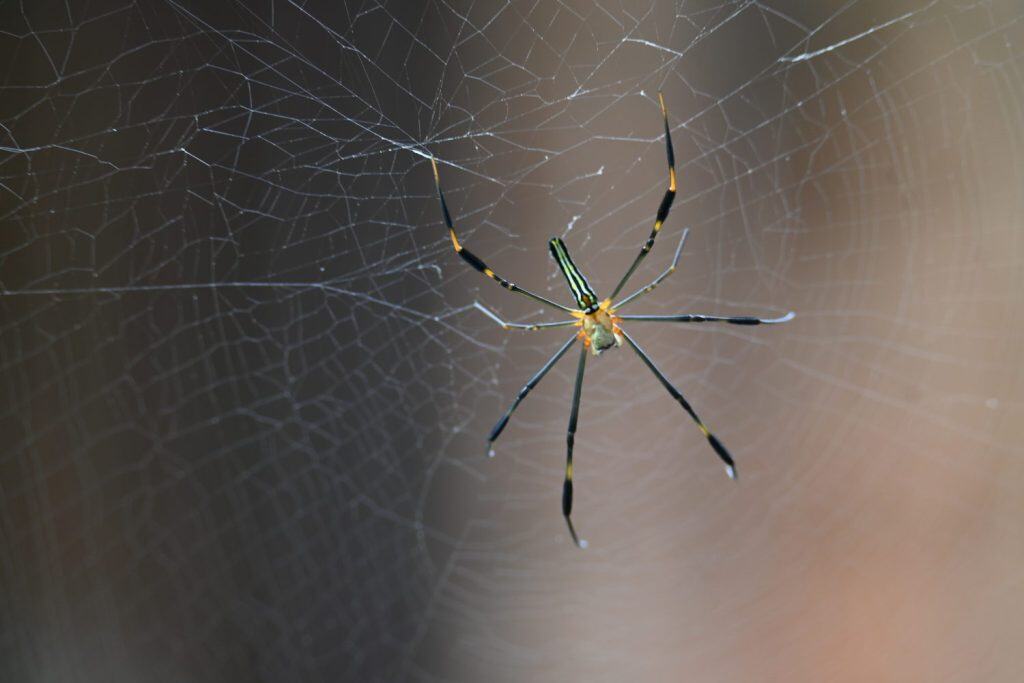
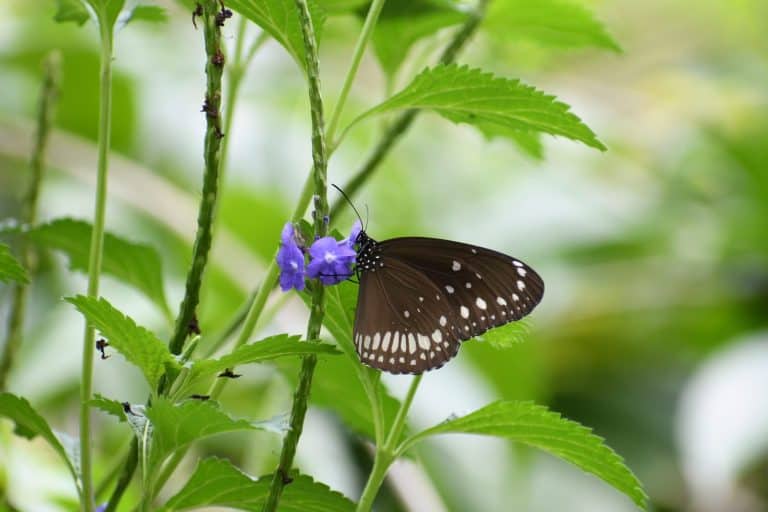
Spiders and other insects in North America have no conservation status.
©SUBAS CHANDRA MAHATO/Shutterstock.com
“Almost 90%—88.5% to be precise—of insect and arachnid species have no conservation status,” Figueroa explained to ScienceDaily.
Figueroa, an assistant professor of environmental conservation at UMass Amherst, and Wes Walsh, a graduate student and the study’s lead author, reached their startling conclusion after amassing conservation assessments for 99,312 known insect and arachnid species in North America. Very few spiders were protected. Instead, a disproportionate number of aquatic insects, as well as the more popular butterfly and dragonfly species, received conservation status.
“Insects and arachnids are fundamental for human society,” Figueroa stated. “They help with pollination and biological control of pests [and] they can serve as monitors of air and water quality.”
Despite this, research remains limited for most arachnid and insect species in North America today.
Spider and Insect Species Are Overlooked for Conservation Versus More Charismatic Groups
When species conservation is discussed, the animals at the center of the conversation are often cute, cuddly, or wildly attractive. It is easier to want to save pandas, koalas, elephants, whales, lions, and tigers than it is to want to save insects and spiders. For this very reason, Walsh and his fellow researchers were intrigued by how spiders and insects were faring, given the lack of research that exists.
“Many people care about popular charismatic animals on the planet, like lions and pandas, which, justly, have received international conservation attention,” Walsh told ScienceDaily. “Given that insects and arachnids don’t usually get the same attention, we wanted to know how they were doing.”
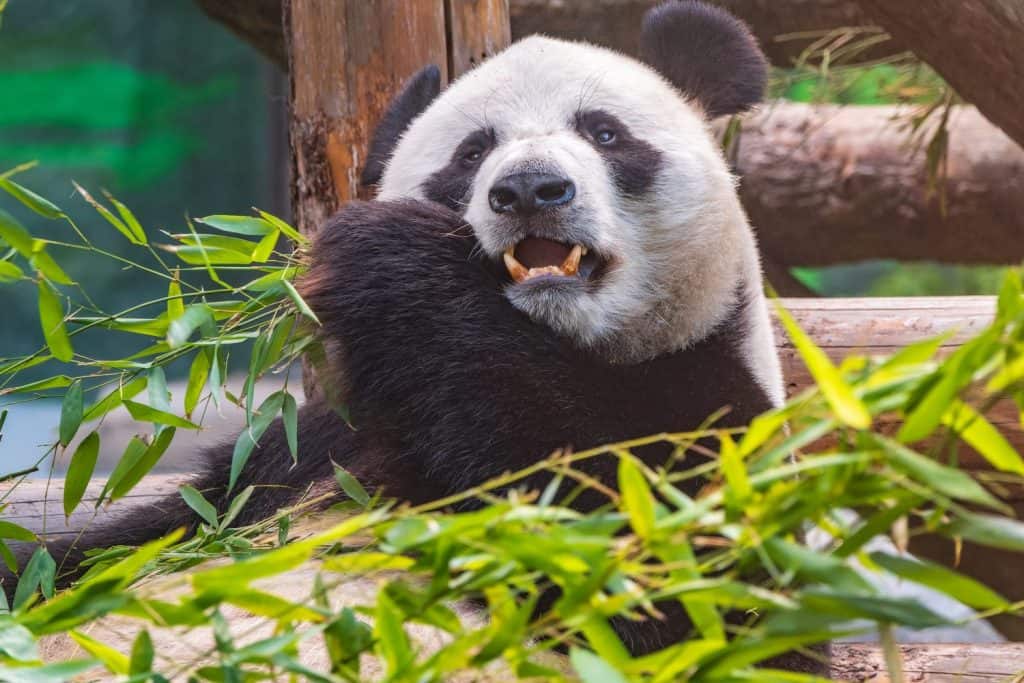
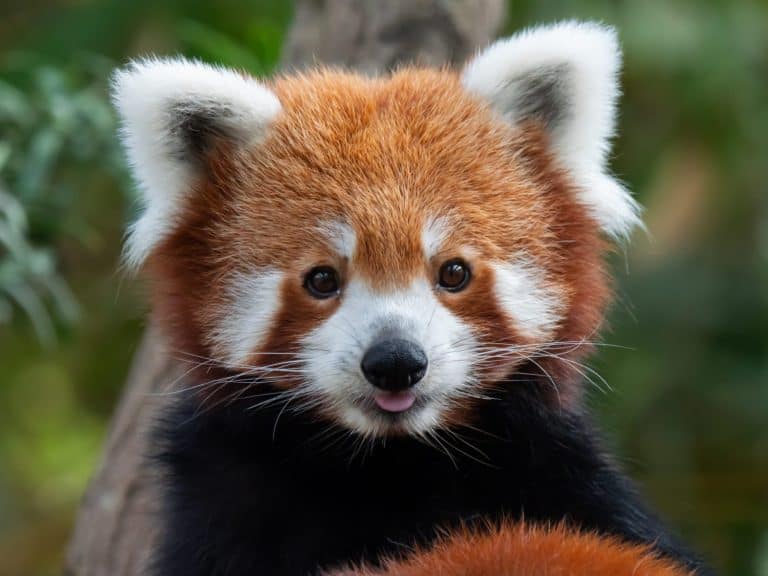
Because pandas are a species of interest to the public, they have received conservation and protection, whereas spiders and insects are overlooked.
©Dark_Side/Shutterstock.com
What was discovered by conducting the study was startling. According to Figueroa, no one really knows how spiders and insects are faring, given the current condition of the planet.
“We simply have no idea how they are doing,” Figueroa said. “Almost nothing is known about the conservation needs of most insects and arachnids in North America.”
Most U.S. States Do Not Conserve Spiders or Insects
According to the study, the vast majority of U.S. states do not protect spiders or insects. There are very few, if any, conservation plans in place for arachnids or other bugs. This, Walsh said, has led to limited information about insects and spiders, and what is known is still largely incomplete.
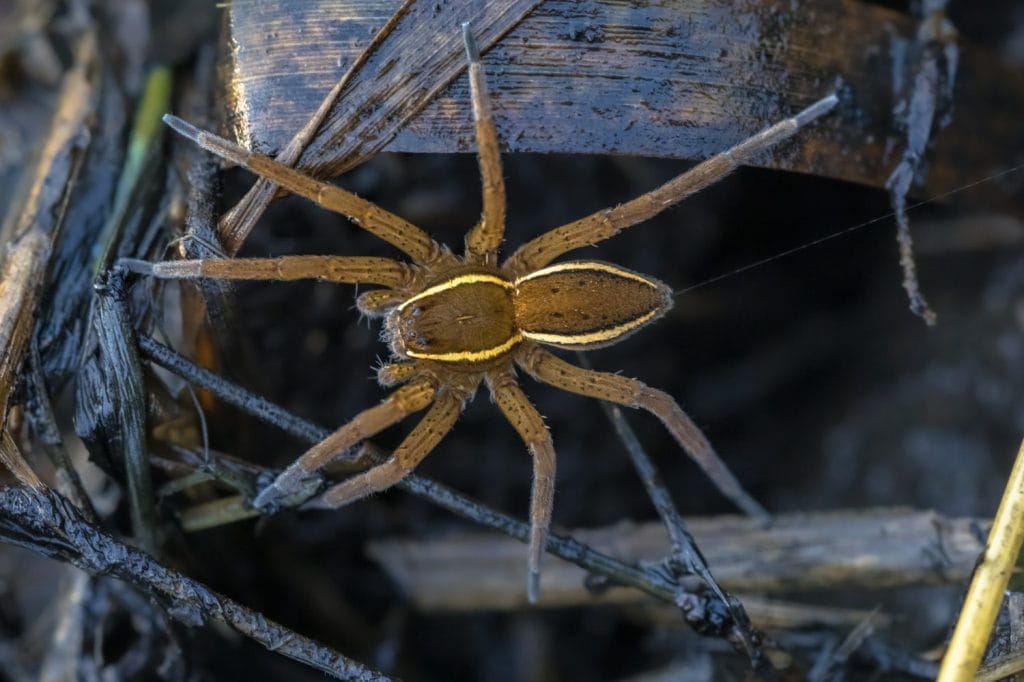
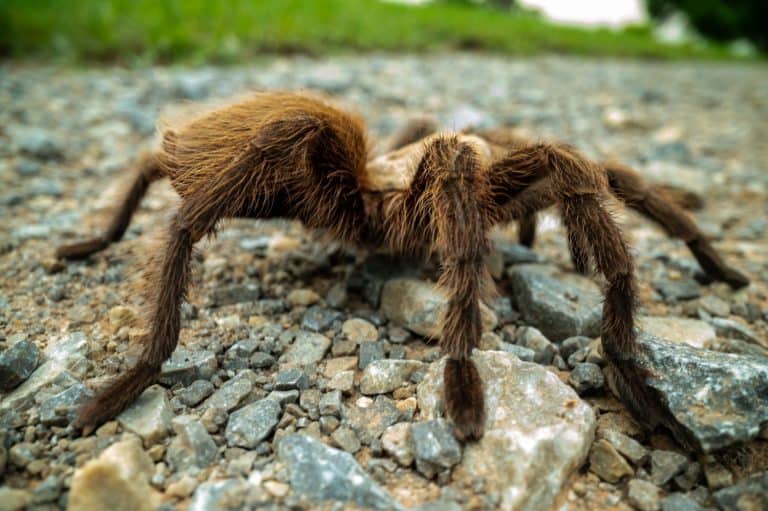
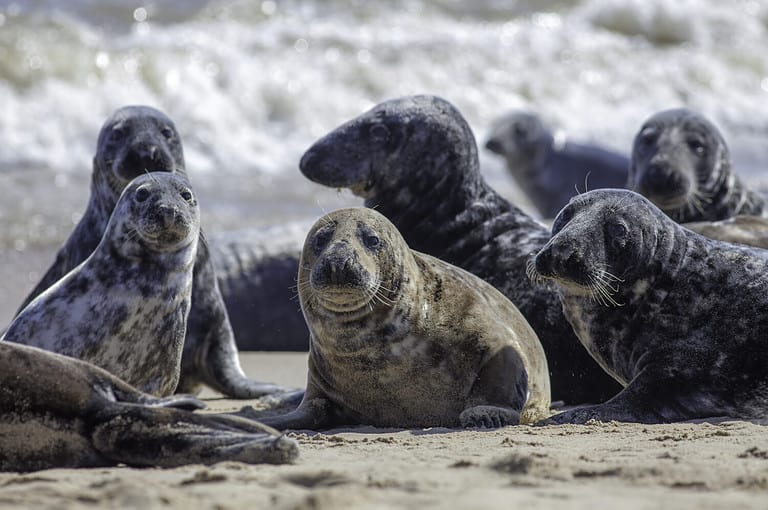
The majority of U.S. states do not conserve any spider species.
©Rudmer Zwerver/Shutterstock.com
“Arachnids, in particular, are really missing from conservation; most states don’t even protect a single species,” Walsh explained to ScienceDaily. “We need more data and protection for insects, but also arachnids.”
While most states do not protect arachnids, those that do tend to have a very different outlook on environmental issues than those that do not. Researchers found that states whose economies are driven by mining, oil and gas extraction, and even quarrying, are far less likely to conserve spiders than states that are “environmentally focused.”
What Would Happen If Spiders Disappeared?
Spiders play a massive role in keeping the ecosystems they live in healthy. Were they to disappear, all living creatures on the planet would suffer, including humans. This is why conserving spiders is necessary, despite being seen as a nuisance to so many.
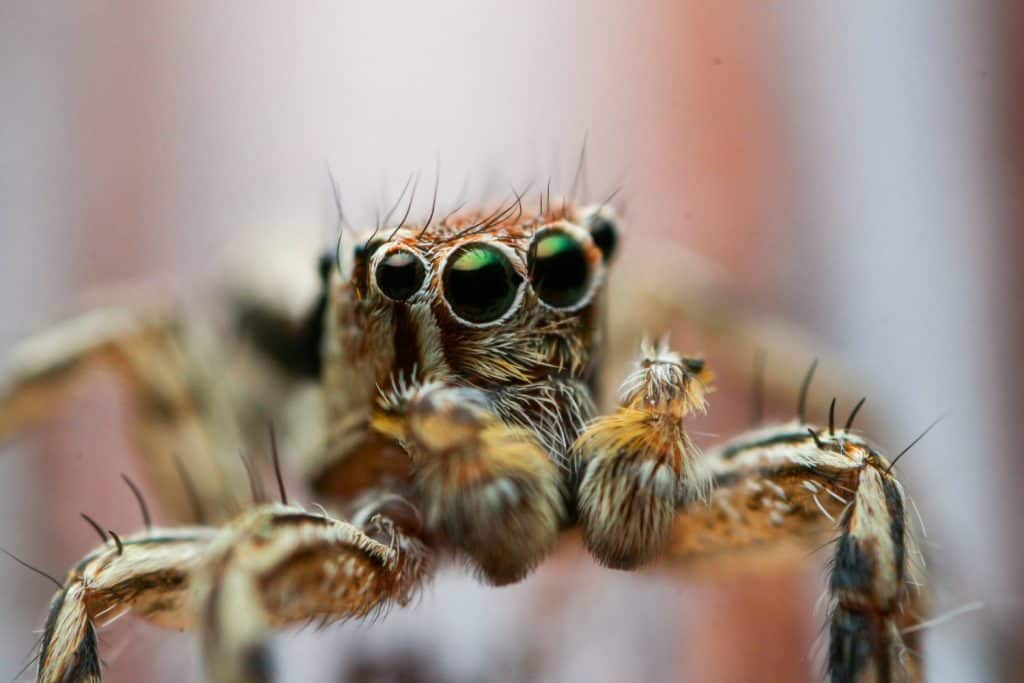
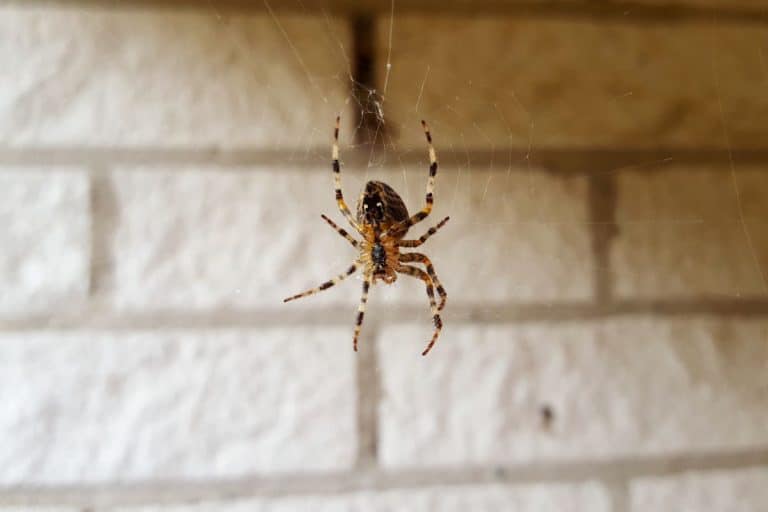
If spiders disappeared, entire ecosystems would collapse as they are a keystone species.
©Tegar Satria Wibawa/Shutterstock.com
If spiders suddenly ceased to exist, there would be dramatic negative changes to the planet. The changes that would be experienced include:
- Insect populations would skyrocket, as spiders consume millions of tons of insects each year.
- Spiders break down organic matter and contribute to nutrient cycling. Without them, there would be far more decomposing matter worldwide.
- Crops would be consumed by the increase in insects, leading to worldwide food shortages.
- An increase in insects would lead to more pesticide use to protect crops from damage.
- Insect-borne diseases would skyrocket, causing many worldwide to become ill or die.
They may be small, but spiders are keystone species. Spiders help keep their ecosystems healthy and are directly responsible for controlling insect populations. Without spiders, the landscape of the planet would look much different. This is why their conservation is paramount.
Why So Little Is Known About Spiders
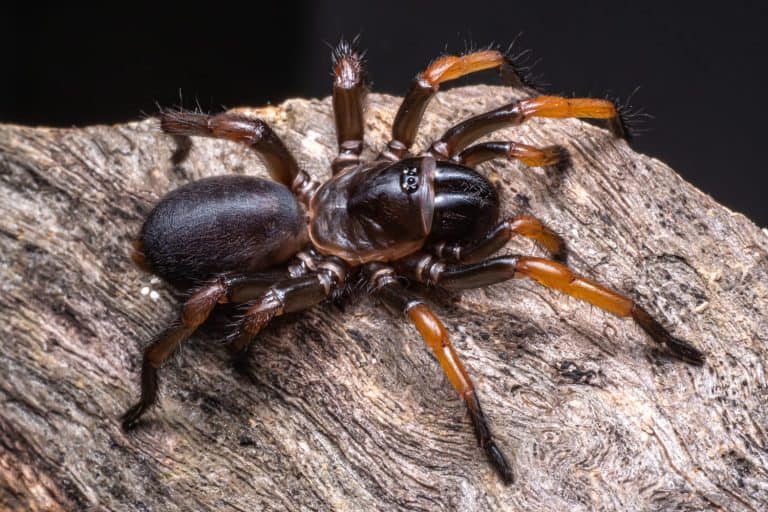
As the study notes, spiders are not creatures people want to know more about. They are not cute. Spiders are not cuddly. Instead, they cause many people to be in fear. This has created a gap in research on the majority of the over 53,600 known spider species.
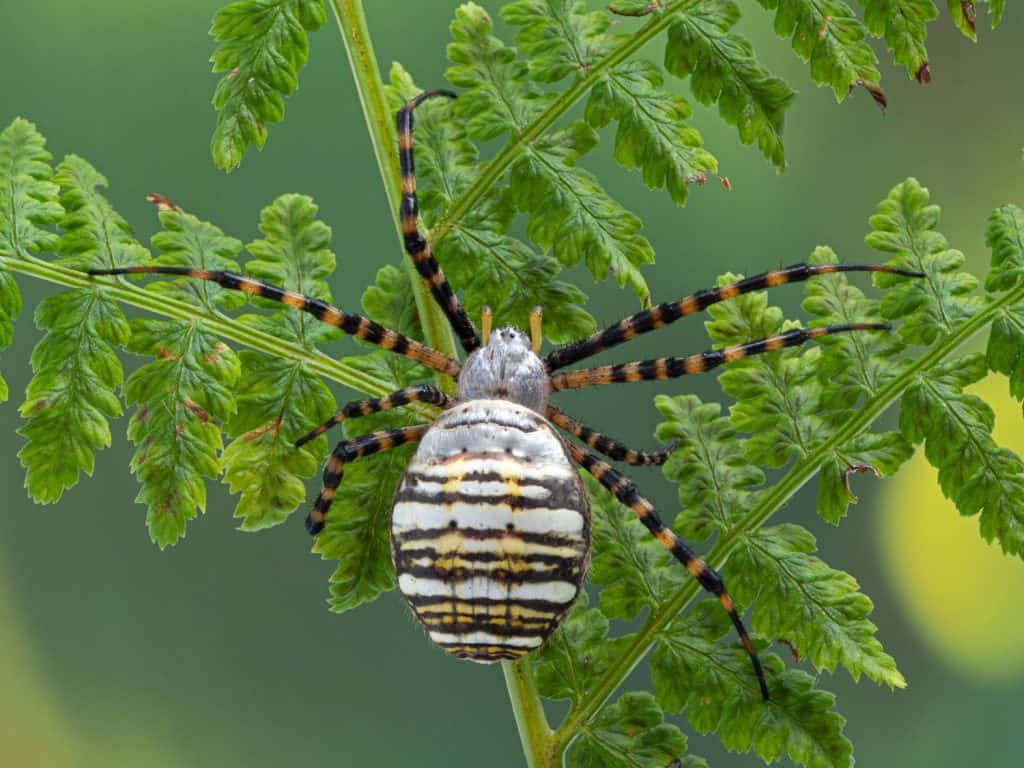
A lack of public interest has led to little information being known about spiders in North America.
©Ernie Cooper/Shutterstock.com
While there are tens of thousands of spider species known, it is not out of the realm of possibility that the same amount, if not more, are yet to be discovered. Given that spiders are such an important species to the overall health of the planet, entomologists and arachnologists should want to know more and discover more about spiders. Yet, unless it has to do with using spider venom to treat a variety of human illnesses, there is little interest in arachnids by the masses.
Threats Spiders Face
The majority of spiders are small. Their size makes them targets of many species, despite the arachnids being venomous. It is not venom that spiders typically use as a defense mechanism against predators. Instead, spiders more often rely on camouflage, their intricately designed webs, the ability to make a quick escape, or their physical structure to evade would-be predators.
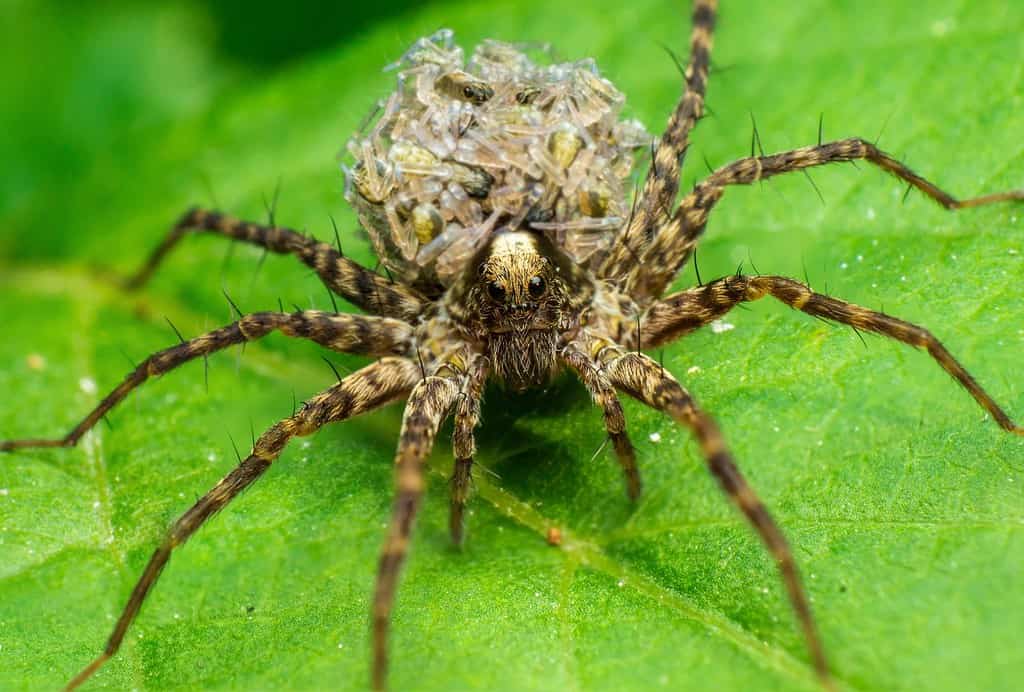
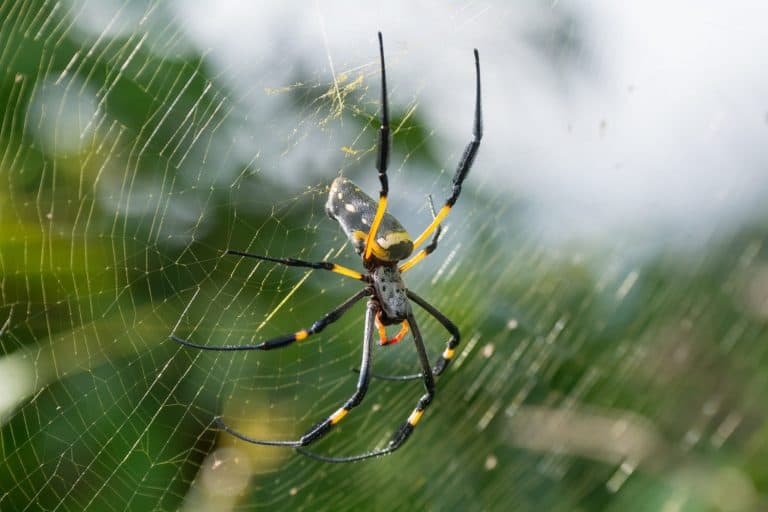
Spiders are often seen as a threat, but they face numerous threats to their survival daily.
©Alexey Wraith/Shutterstock.com
Even with these tools at their disposal, spiders are not free from threats. Some of the most common threats that spiders face include:
- Amphibians, lizards, birds, and other predators that actively hunt spiders
- Parasites that either kill the spider or the eggs before they hatch
- Climate change that causes extreme weather swings, intense storms, and food shortages
- Use of insecticides by humans
- Destruction of habitat by humans
Spiders are seen as creatures that prey on all living things. As it turns out, they face danger daily that threatens their very existence. This is why, if given a choice, spiders would prefer to flee and live another day rather than attack.
Are Spiders Truly More Afraid of People Than People Are of Them?
The fear of spiders is very real. Those who suffer from arachnophobia may begin to experience physical symptoms such as shaking, sweating, rapid heartbeat, problems breathing, and more, with just the mere mention of spiders. Even those who do not have a phobia but dislike spiders do not want to be in the presence of arachnids. These eight-legged creatures have more to fear from humans than humans have to fear from them. Consequently, spiders are more afraid of people than most people are of them.
Spiders have a bad rap because they bite. While most spiders are venomous, very few pose a threat to humans. In fact, if given the choice, spiders would prefer to use their venom on their prey, rather than on a human. This is why spiders only bite when they are threatened or accidentally squeezed. They do not seek out humans to bite them.
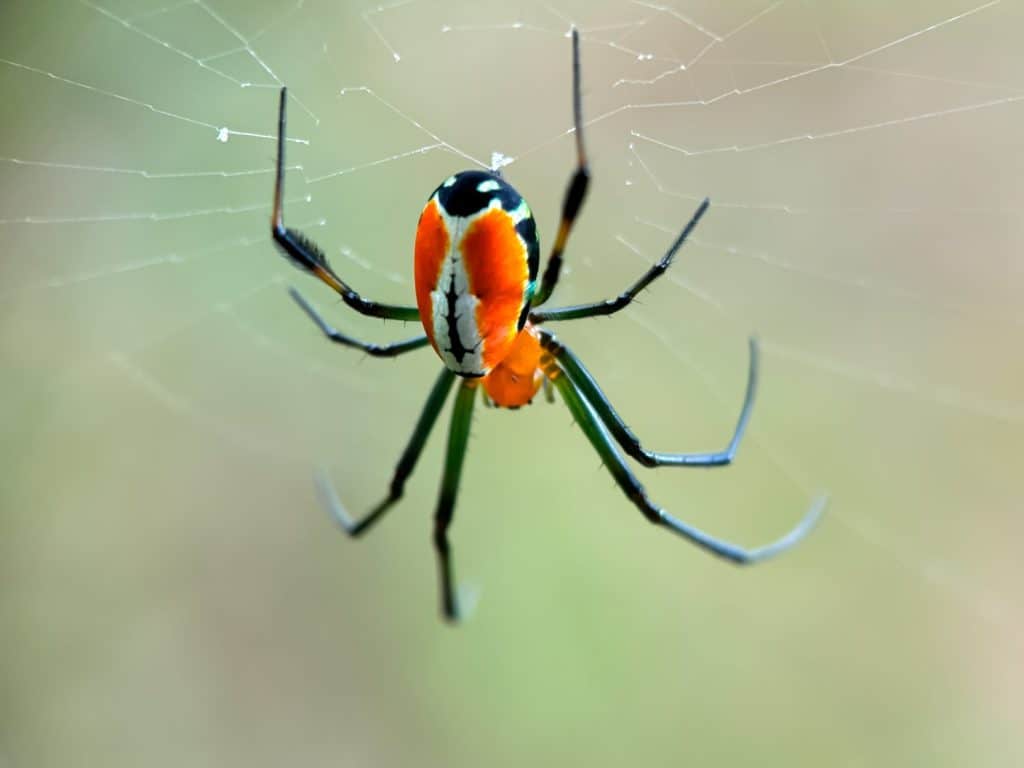
Spiders are legitimately more afraid of humans than humans should be of them.
©Faisal.k/Shutterstock.com
Despite spiders having multiple eyes (which can range from two to eight, or, in the case of cave-dwelling spiders, none at all), most do not have good vision. Instead, they rely on vibrations and chemoreception to provide spiders with the information about what creature is in front of them. This helps spiders determine whether a mate, prey, or predator is in their path.
If humans come into a spider’s territory, the spider is not going to hold its ground. A spider’s typical defense mechanism is to scurry away and hide, stop moving altogether in hopes of not being seen, or even play dead. It is only when a spider feels it is cornered and has no way out that it may bite. But, again, this is not the spider’s first choice. It is a choice made out of fear.
Conservation efforts of insects and arachnids are still in their very early stages. However, it is important to learn how climate change and an ever-changing environmental landscape affect them. With more than 200 animal and insect species going extinct daily, there is no telling how many spiders and insects have perished without ever being discovered. Now is the time to conserve these eight-legged creatures, as well as insects, before they are lost and the health of the planet suffers further.