
Quick Take
- SAR dogs are driven by scent work and rewards, not a heroic impulse.
- Repeated failure can cause stress in SAR dogs, but long-term studies found that most 9/11 search and rescue dogs were behaviorally resilient, with few showing ongoing emotional issues after the disaster.
- A tailored approach works: low-stakes tasks, enrichment, and clear rewards help dogs, especially if they are from shelters.
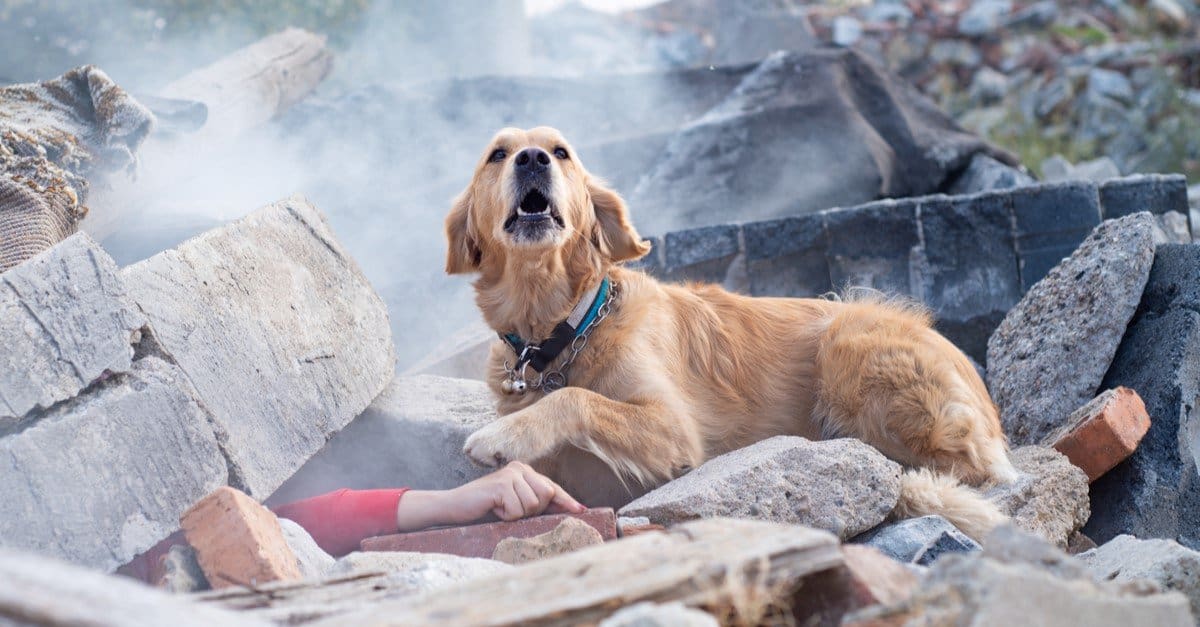
A viral Instagram post has sparked a new debate despite it containing information from the devastating 9/11 attacks: Do search and rescue dogs experience depression when their rescue attempts are unsuccessful? This particular post shows these brave dogs searching the debris following this tragic event, with handlers describing how sad they became after finding victim after victim instead of survivors.
This post demonstrates something special about search and rescue dogs: they are not just trained to work, but are actually emotionally driven to find survivors, left entirely adrift when they do not.
Also known as SAR dogs, these pups are selected for their intense drives and trainability. After searching unsuccessfully through the rubble of 9/11, veterinarians and responders reported that many of the roughly 350 deployed dogs seemed down when they never located living victims. This led their handlers to stage mock rescues so dogs could feel validated and confident once more, boosting their moods so they could keep working.
While dog behavior experts caution against projecting human emotions onto dogs, what do SAR dogs teach us, given this type of behavior? Using scientific research and an expert interview with dog behaviorist and trainer, Teagan Coleman of NLR Explore Dog Training, we break down what SAR dogs truly feel, what motivates them, and what emotions might be something we can’t help but project.
How Are Search Dogs Actually Motivated?
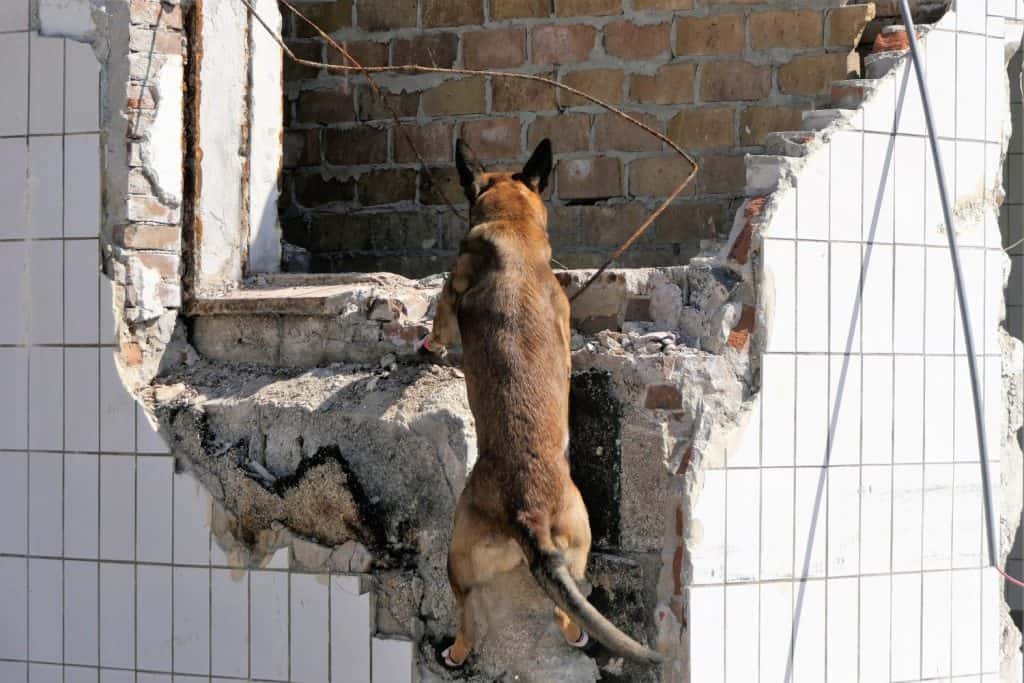
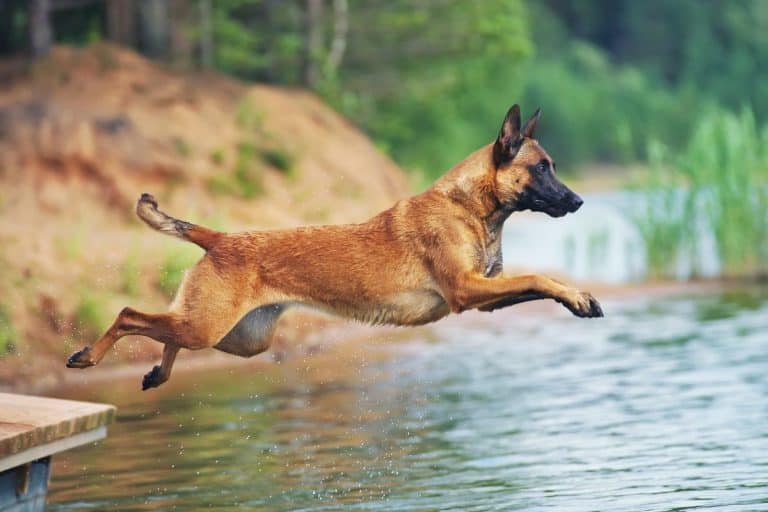
SAR dogs may seem motivated by being heroes, but it truly comes down to their training.
©Yvonne60/Shutterstock.com
While it may seem as if SAR dogs are motivated by their own, seemingly human emotions, the research and evidence suggest otherwise. In interviews compiled by National Geographic, handlers describe SAR work as a high-stakes version of fetch. Dogs hunt for a living human scent, offer a specific alert when they find them, and then receive a favorite toy, tug session, or other type of social reward.
Even for cadaver dogs, the pattern is the same, so the dog’s emotional association with finding a body stays positive even in grim settings. A study of biosecurity scent dogs definitively proved that their success was linked to traits like strong play, searching, or food drives; the dogs were working to access positive reinforcement from their handlers, not because they needed to feel heroic.
Another experiment proved that, when dogs expect either food or enthusiastic praise from a person, reward-related brain areas respond strongly in either case. In fact, many dogs later chose a social reward over food during behavior tests, something Coleman can’t help but notice in her dog training and behavioral experience.
“These dogs are not out there with inflated egos and a need to be heroes. They are locked into a clear and defined training pattern: find a scent, give the right alert, then get the best game of their life before doing it all again,” she says. “Because it involves their person, the primary drive for them may seem emotional, but it is really just about work and reward, the same way I train the average dog how to sit and stay.”
Can Dogs Get Depressed When Searches Aren’t Successful?
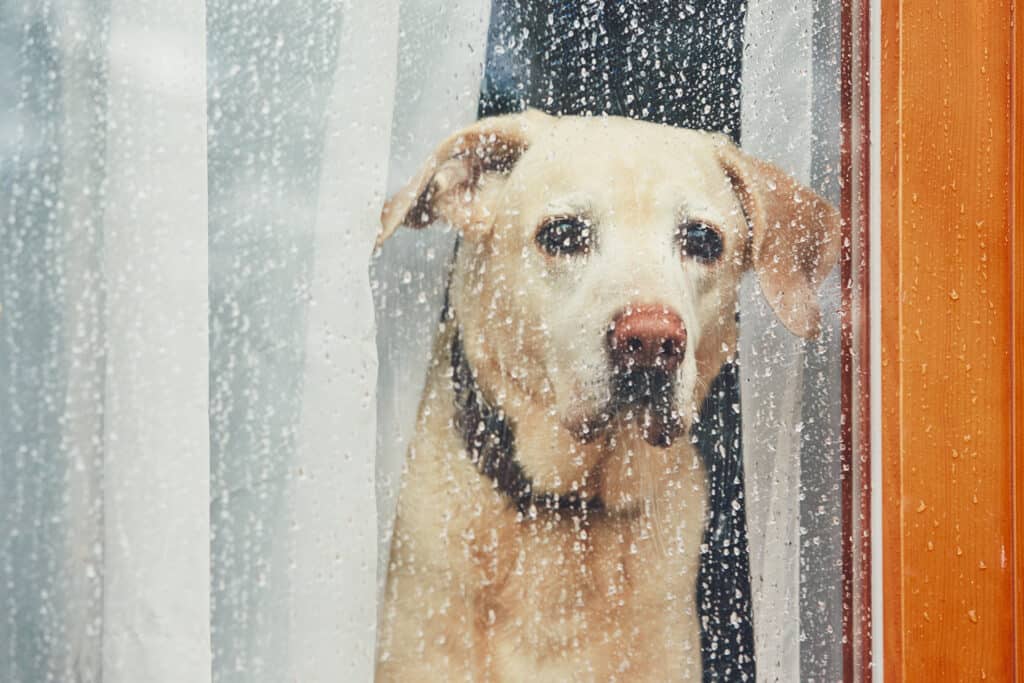
Dogs have emotions just like the rest of us, but their emotions are generally not as complicated.
©Jaromir Chalabala/Shutterstock.com
So, if SAR dogs are just performing a task to receive their reward, why do they appear so depressed and upset when their rescues result in apparent failure? In scenes where no one is found alive, handlers often report that dogs appear flat, hesitant, or less eager to search, especially as longer rescues go on and on without success.
There’s actually ample research that suggests working dogs experience stress and frustration when they are blocked from successful finds. During one particular experiment, SAR dogs were put through purposefully unsuccessful searches, and researchers found changes in their heart rate and slower search performance afterward, suggesting that repeated failure creates potential psychological strain.
These dogs are not out there with inflated egos and a need to be heroes. They are locked into a clear and defined training pattern: find a scent, give the right alert, then get the best game of their life before doing it all again.
Teagan Coleman, dog behaviorist and trainer
Scientists also followed many of the dogs deployed to 9/11 long-term, long after the disaster was over. Most research concluded that the majority of these dogs showed behavioral resilience. In fact, long-term follow-up studies found that most did not develop ongoing emotional issues, and their primary health risks were physical rather than psychological.
Coleman says that dog behavior can often look like depression, especially if they’re having a poor day during training. “They may seem sad, but they’re usually dealing with a mix of fatigue, frustration, or emotional spillover from their stressed humans,” she says. “That’s why, when I’m training, and I can tell they’re having a bad day, I really try to set them up with little wins, just like the SAR dogs who were given fake, successful rescue opportunities.”
Rescue Dogs, Shelter Dogs, and a Need to Please
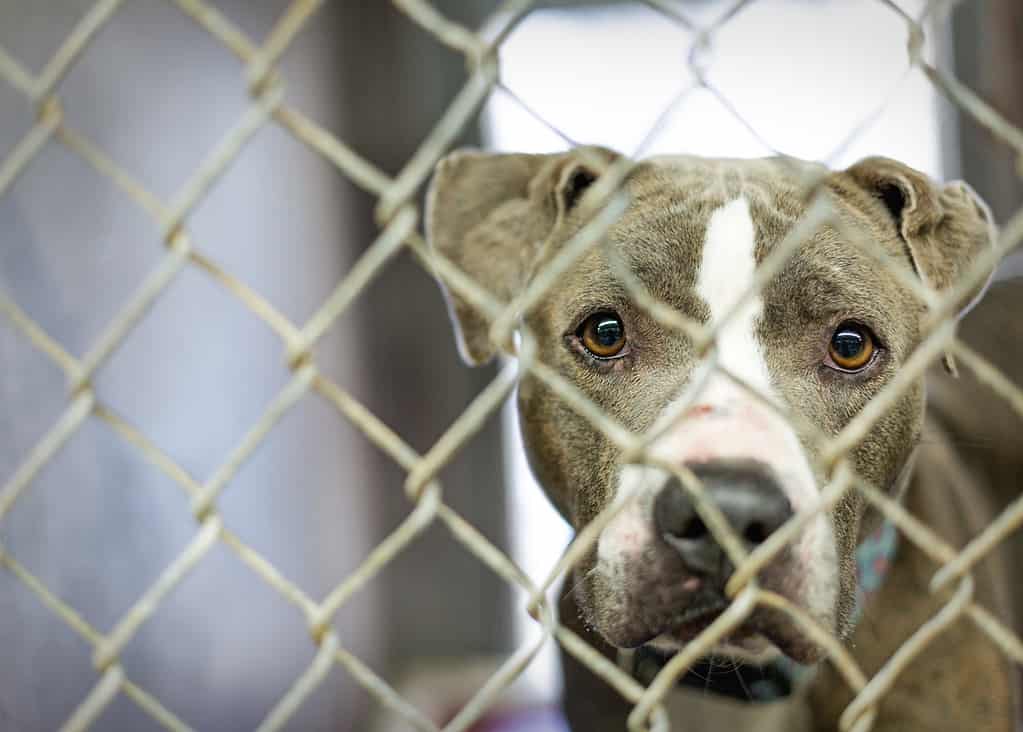
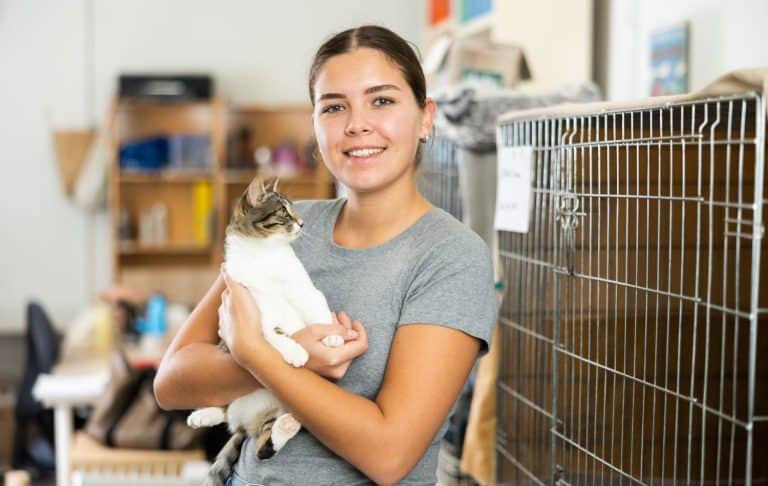
The average shelter dog has both a high drive and emotional awareness, making them ideal for SAR work.
©adogslifephoto/iStock via Getty Images
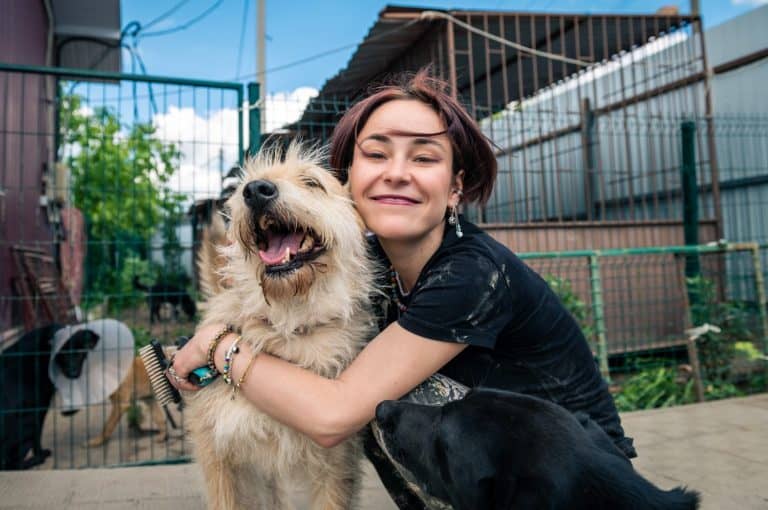
Many SAR dogs actually begin life as unwanted pets or shelter dogs. In fact, high-drive dogs from shelters often thrive in structured scent work environments, like the job on offer for SAR dogs. A study in the Journal of Veterinary Behavior compared rescue and non-rescue dogs. This study found that, cognitively, shelter dogs were just as capable of problem-solving and learning as their non-shelter peers.
Coleman reports that some of the sharpest, most emotionally in-tune dogs seem to come out of shelters. “There’s a reason shelter dogs end up in shelters: they are highly responsive to humans, and often to a fault,” she says. “When that emotional sensitivity is mishandled, it can turn into anxiety or poor behavior, which is a big reason why dogs are returned to shelters.”
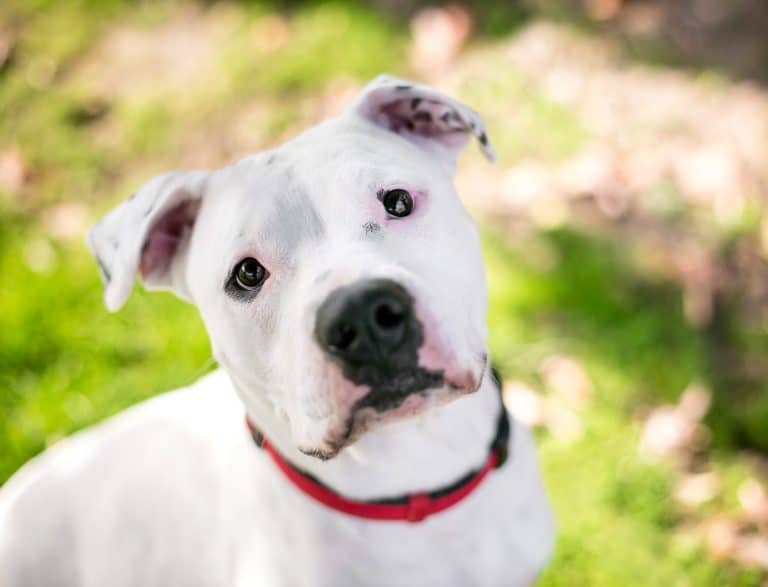
She also notes that certain breeds can show striking intensity in how they read people. “For me, pit bulls know exactly when a human is distressed, but they absorb it, which is why they’ve gotten a bad rap for so long,” Coleman says. “When they are finally given a clear objective, like nose work or obedience games, they tend to relax because they finally understand how to succeed for their person. It’s all they want to do.”
Is Work Really a Cure for Dog Depression?
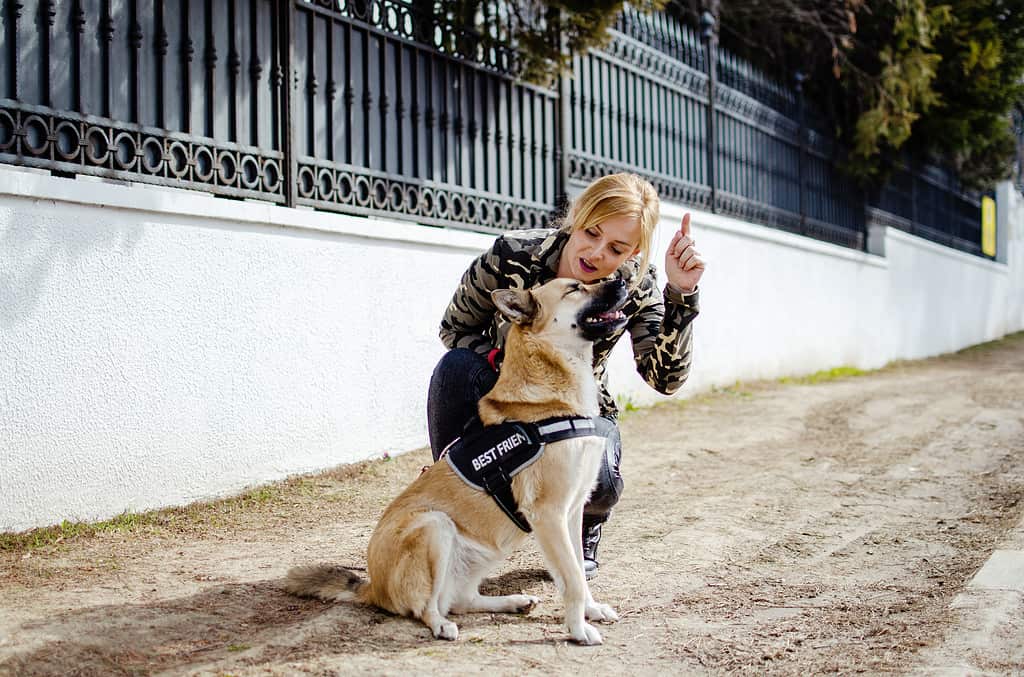
Some dogs will thrive in a SAR environment, while others may find the pressure to be too great.
©Biserka Stojanovic/iStock via Getty Images
Given the potential physical or emotional issues a SAR dog may face during its career, is a job truly the answer for a dog who seems to be experiencing depression? While SAR dogs have an intense job, it may be ideal for certain individual animals. However, dogs can be just as individual as humans.
Veterinary and behavior resources describe depression in dogs manifesting as these primary behaviors: decreased interest in play, appetite changes, clinginess or withdrawal, and a general dulling of their normal responses. These emotions may often follow major life shifts such as the loss of a human or animal they love, a move, or even chronic pain we can’t quite see.
If a physical illness is ruled out by a depressed dog’s vet, then structured routines, enrichment, and sometimes medication are the next natural steps to take. That’s one reason why targeted enrichment, such as puzzle toys, scent games, or positive training sessions, can be valid and vital to their health. However, is this different compared to deploying a dog into a high-pressure working role?
Coleman says that work is not equally fulfilling for all dogs. “For some sensitive dogs, intense working careers would add even more pressure instead of relieving it,” she notes. “I find that starting small, with little, achievable tasks that the dog can succeed at repeatedly, works best. Throwing a dog into SAR work may depress them completely, but it just depends on the dog.”
What “Desperate to Please” Looks Like in Dogs
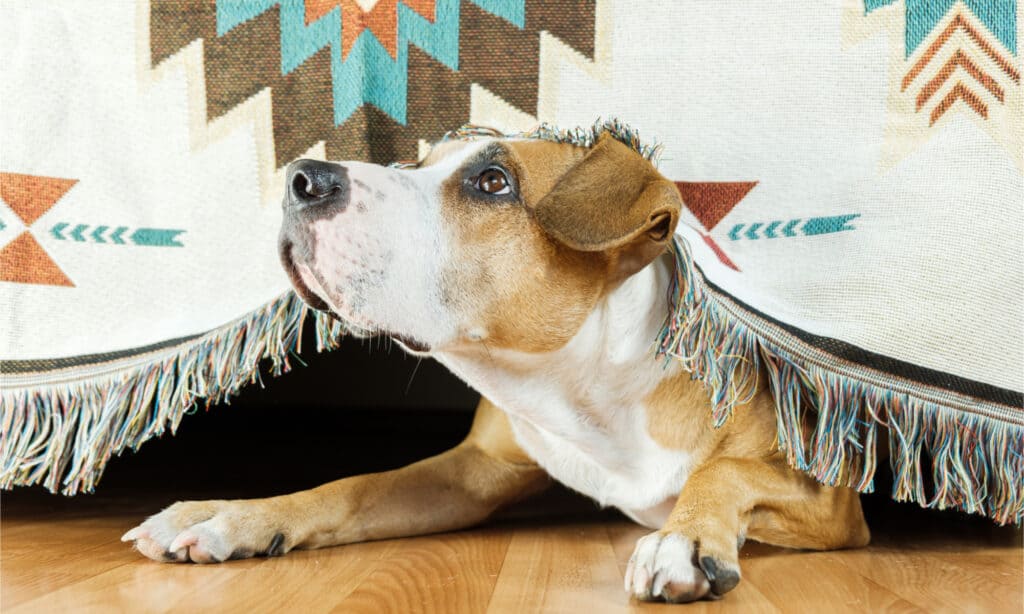
A desire to please can be instinctive in dogs, but it isn’t always a healthy instinct for them to have.
©Aleksey Boyko/Shutterstock.com
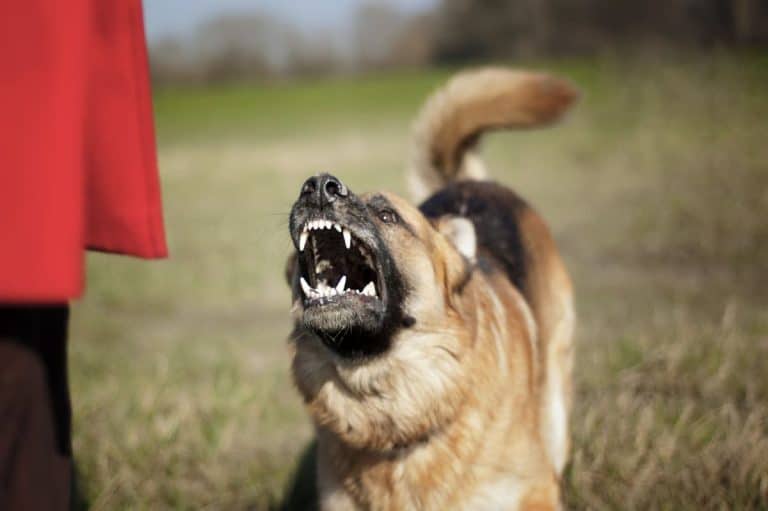
It isn’t just SAR or shelter dogs that have a desire to please, a desire that can be desperate if left ignored. Many dogs are naturally wired to monitor tone, posture, and micro-expressions from their humans. When that emotional vigilance is praised as obedience instead of recognized as stress, it can get out of hand, according to Coleman.
“It can be tricky to recognize at first, but a dog’s desperation to please becomes less about joy in their work and more about anxiety around human reactions they may not fully understand,” Coleman says. For this reason, she trains dogs with shorter tasks and lower-stakes environments at first.
Healthy Ways to Channel a Dog’s Drive to Please
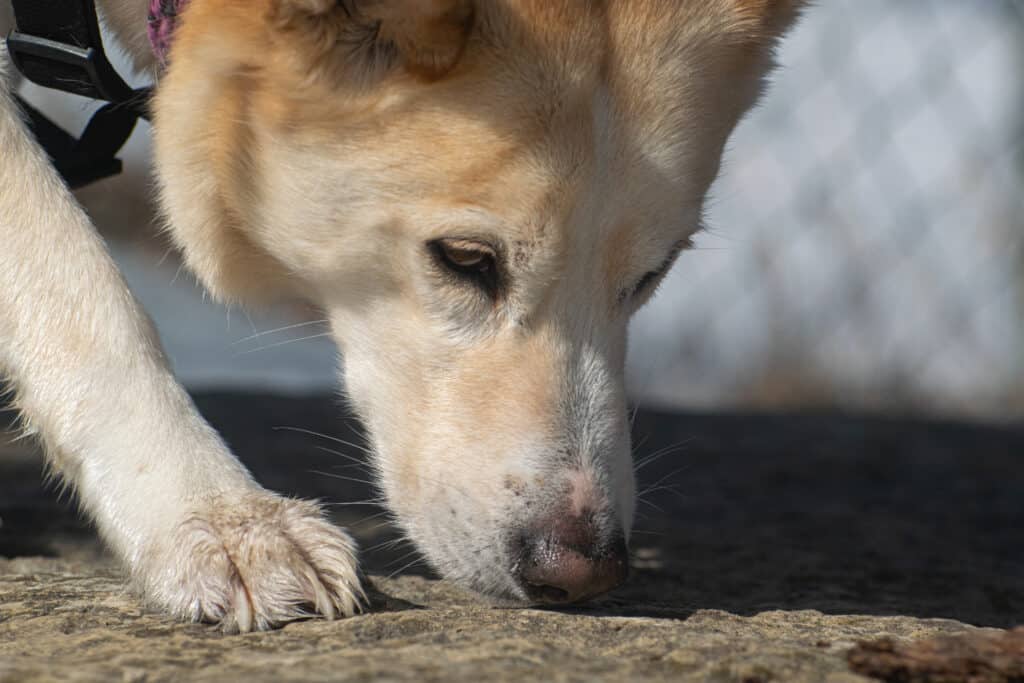
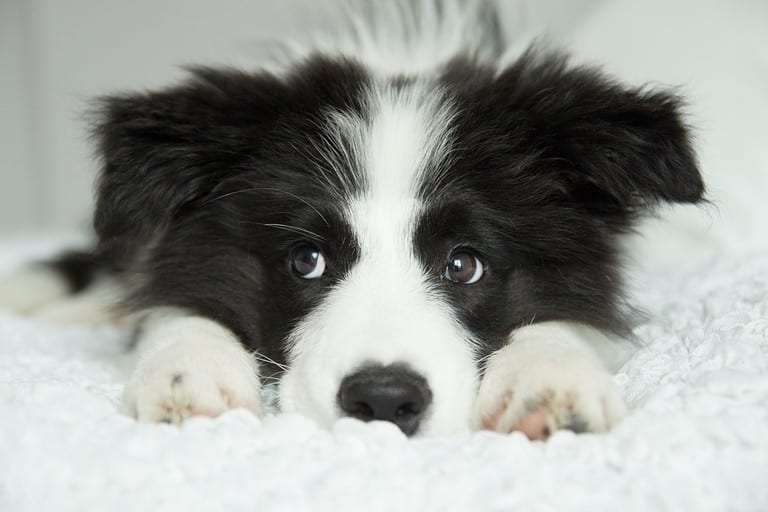
Scent work, both at home or through a qualified trainer, can be a great way to help your dog feel successful.
©Klod/Shutterstock.com
When a dog has a powerful desire to work for humans, you shouldn’t want to eliminate that drive. However, it is important to channel it in ways that feel sustainable:
- Scent work and search games using hidden treats or toys around the house, with clear cues and enthusiastic celebrations of each find
- Recreational nose-work or tracking classes that mirror aspects of SAR training without any of the disaster stress
- Short, upbeat training sessions focused on tricks and simple obedience
- Structured rest through mat training, decompression walks, or quiet time away from constant emotional cues
If you’re genuinely interested in SAR work, local volunteer organizations typically require prospective handlers and dogs to undergo evaluation, training, and certification to meet established standards. Information about required traits, time commitments, and evaluation processes is usually available through these organizations. Just know your pup will need your support through the process, more than ever before.
When Dogs Are Desperate to Please, What Do They Actually Need?
Dogs don’t cope well with failure, much like humans.
©PeopleImages.com – Yuri A/Shutterstock.com
While dogs may not have the same emotions as humans do, one thing is clear: many working and rescue dogs are deeply affected by their handlers’ emotions and by their own repeated failure. When handlers create easier finds and exaggerate a dog’s reward, their moods stabilize, and those same dogs tend to remain behaviorally resilient over their lifetimes.
If your own dog appears desperate to please, they may just be craving clarity, outlets for their natural behaviors, or a relationship built on reliable reinforcement rather than pressure, whether you meant to pressure them or not. Just be sure to seek veterinary and professional help if you believe your dog is truly depressed; underlying conditions are always possible.
While noble, SAR dogs do not need to save the world to feel fulfilled in themselves. All dogs want and need to be allowed to use their instincts, succeed without pressure, and live with kind humans who understand their drive to please as something to protect and guide, not something to exploit. If this balance is struck, any dog can be a hero, in the smallest or largest ways.