
Quick Take
- Iguanas can enter a cold-stunned state when temperatures fall below 50°F (10°C), with severe effects occurring below 40°F (4°C) during winter events.
- The ectothermic limit causes motor failure when ambient air temperatures fluctuate.
- This cold-stunned state is counterintuitively a survival mechanism rather than a sign of death.
- Executing the warming protocol is vital to prevent cardiac arrest during recovery.
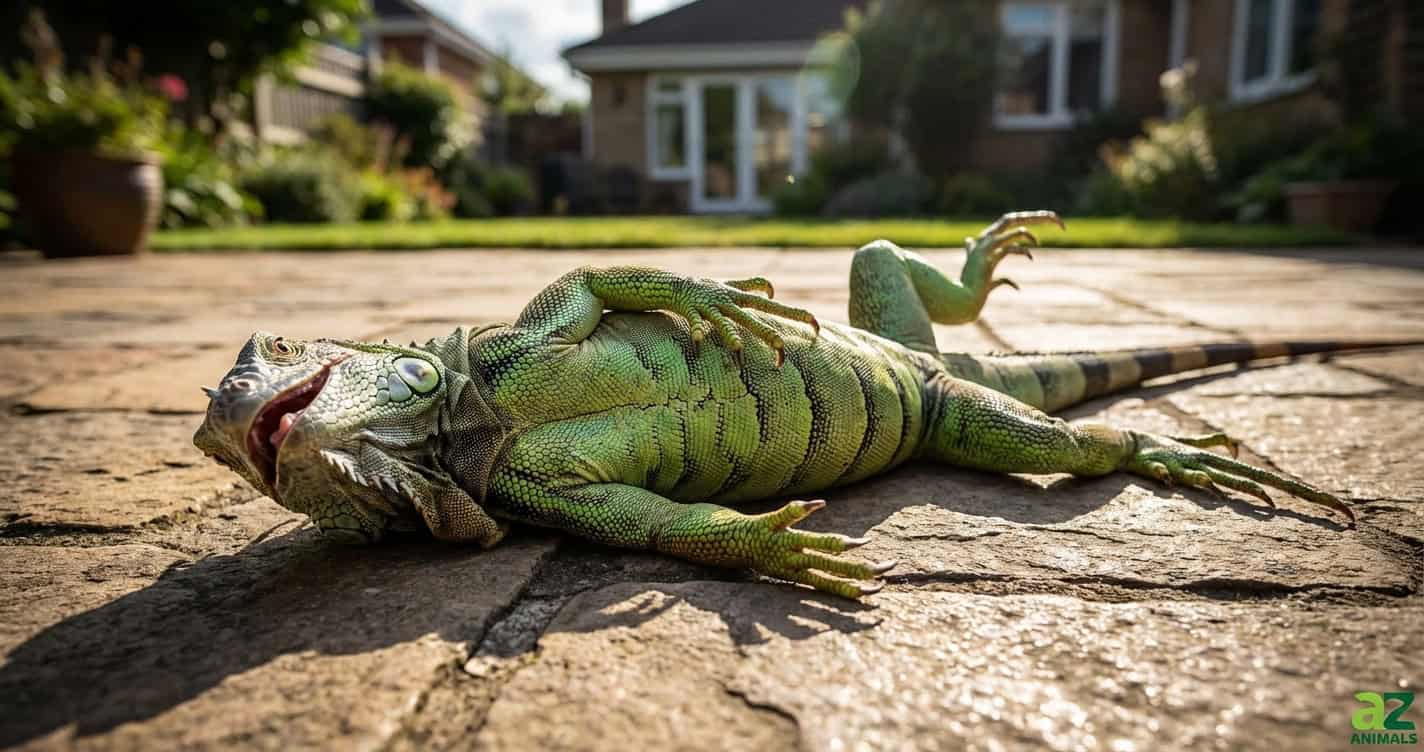
Cold snaps in subtropical regions can create strange scenes. In places like South Florida, a sudden temperature drop can leave green iguanas lying stiff and motionless beneath trees. One morning, everything looks ordinary. And then the next, large lizards are scattered across lawns and sidewalks. The sight can seem like the set of a Hollywood disaster movie.
This reaction is not mysterious; it’s just a risky but natural response in a tropical reptile that never evolved to handle cold. Green iguanas depend on external warmth to keep their bodies working. When temperatures plunge, their internal systems slow to a crawl. Muscles lose strength, nerves transmit signals more slowly, and basic movement becomes difficult.
Understanding why iguanas freeze, how cold it must get, and what people should and should not do helps protect wildlife and reduce human injuries. These events also show how animal biology and weather interact in real time.
Green Iguanas in Florida
The green iguanas found in Florida neighborhoods are not native to the region. They come from tropical parts of Central and South America. In those areas, temperatures stay warm year-round. These conditions shaped the iguana’s body and behavior.

Green iguanas bask in sunlight on tree branches to warm their bodies and stay active, a habit shaped by their tropical origins.
©Vinod Ulahannan/iStock / Getty Images Plus via Getty Images
Adult green iguanas can grow over five feet long from nose to tail and weigh several pounds. They spend much of their time basking in the sun to warm their bodies. This daily routine keeps their muscles and digestion working properly.
In Florida, iguanas often climb high into trees along canals, ponds, and sidewalks. The height helps them avoid predators and soak up sunlight. This tree-top lifestyle becomes a problem when cold fronts arrive. At night, warm air drains away and temperatures fall quickly. Iguanas sleeping in branches cannot respond fast enough to the sudden change.
Cold-Blooded Life in a Warm Climate
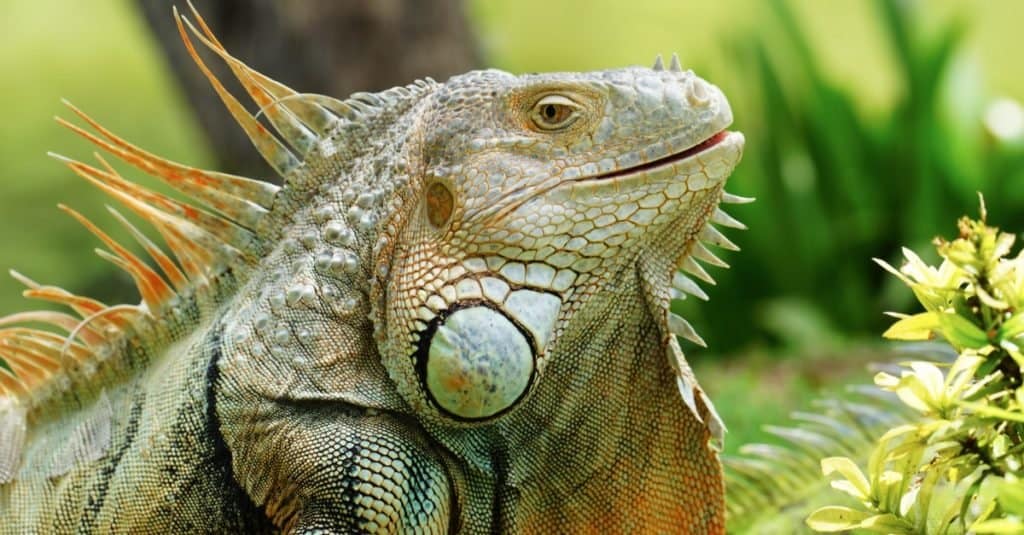
Green iguanas rely on warmth from the sun to stay active, a trait shaped by their tropical origins.
©Sanit Fuangnakhon/Shutterstock.com
Reptiles are ectothermic, meaning they rely on outside heat to regulate body temperature. This strategy works well in tropical climates. Iguanas save energy because they do not need to burn calories to stay warm. Instead, they move between sunny and shaded areas. This behavior lets them fine-tune their temperature. Energy saved from heating the body can support growth and reproduction.
The tradeoff is vulnerability. When the air cools, the iguana’s body cools too. Muscles contract more slowly. Digestion nearly stops. Nerve signals weaken. A sudden cold front can push their bodies toward shutdown. Warm months make this system efficient. Winter cold snaps turn it into a liability.
What “Freezing” Really Means
When people say iguanas freeze, they do not mean the animals turn into ice. Iguanas enter a condition called cold stunning. Their muscles stiffen. Their nervous system slows. Their heart rate drops. In this state, an iguana may appear dead. Its eyes remain partly closed. Its body lies awkwardly on the ground. Breathing becomes shallow and slow.
Unlike some frogs and insects, iguanas do not produce antifreeze chemicals in their cells. If ice crystals form inside their tissues, permanent damage occurs. For this reason, iguanas hover just above the freezing point. If temperatures rise soon enough, they may recover. If cold persists, injury or death becomes likely.
How Cold Is Too Cold?
For iguanas, danger begins at temperatures humans find mild. When air temperatures fall into the low 50s Fahrenheit, iguanas slow down. Their movements become clumsy. As temperatures drop into the 40s Fahrenheit, muscles cannot grip branches. Iguanas lose coordination. Many fall from trees during overnight cold spells.
Sudden cold snaps can drop temperatures low enough to slow iguana muscles and create dangerous conditions in warm regions.
©Evoque Arte/Shutterstock.com
When temperatures approach the upper 30s Fahrenheit or remain low for many hours, death becomes likely. Prolonged exposure damages tissues. Internal organs fail. Size, health, and recent activity influence survival. Larger iguanas hold heat longer. Active animals cool more slowly. Even so, anything below the mid-40s Fahrenheit (40–45°F) poses a serious risk.
Can Frozen Iguanas Recover?
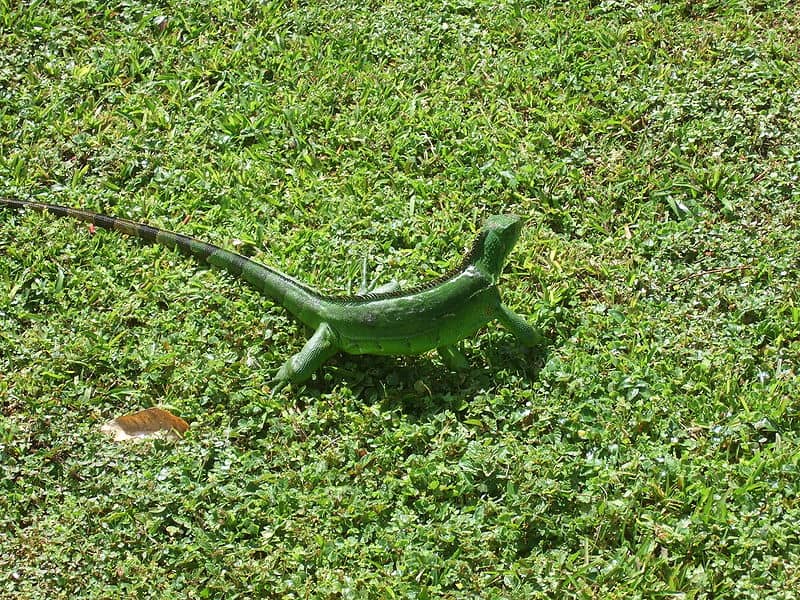
Smaller iguanas are more vulnerable during cold snaps, and not all recover even after temperatures rise.
©Friman / Creative Commons – Original
Some iguanas revive when sunlight returns. As body temperature rises, muscles loosen, heart rate increases, and breathing deepens. Over one or two hours, a stiff lizard may blink, lift its head, and slowly crawl away.
Not all iguanas recover. Prolonged cold damages tissues, and falls can cause fatal injuries. Smaller iguanas face a greater risk. Videos showing iguanas coming back to life generally do not show the less fortunate ones that do not survive. Survival depends on how long temperatures stayed low, how badly the animal was injured, and its overall condition.
Hazards of Falling Iguanas
A full-grown iguana can weigh as much as a small dog, so being struck by one that falls from a tree can cause serious injury, a cracked windshield, or a dent in the roof of your car. Moreover, iguanas lying in the road can cause drivers to swerve or stop suddenly, increasing the chance of accidents. These dangers are real enough that meteorologists now warn residents when conditions favor falling iguanas, much like they issue alerts for frost or hard freezes.
Iguanas can carry Salmonella bacteria on their skin and in their droppings. Touching one and failing to wash hands can lead to infection. Bringing one into your house to warm up is a big mistake. Once it does revive, it can react aggressively to protect itself and inflict scratches, bites, and lacerations from its whip-like tail. Remember, this is a wild animal, not a pet accustomed to human interaction.
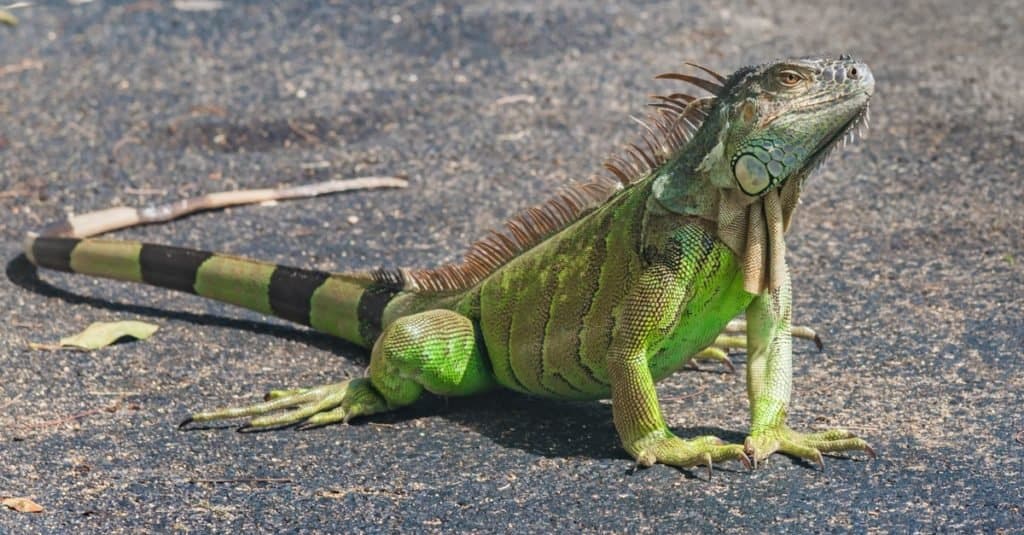
Cold-stunned iguanas on pavement can create safety hazards for pedestrians and drivers, which is why experts advise leaving them alone.
©David A Litman/Shutterstock.com
Other Reptiles and Cold Snaps
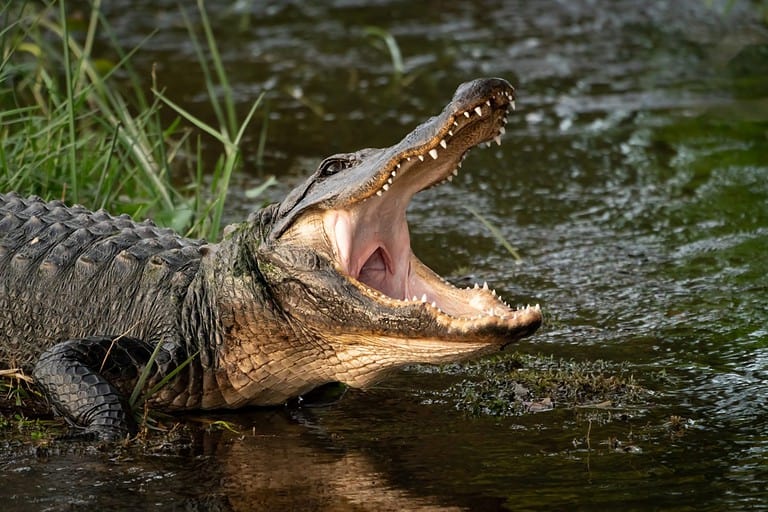
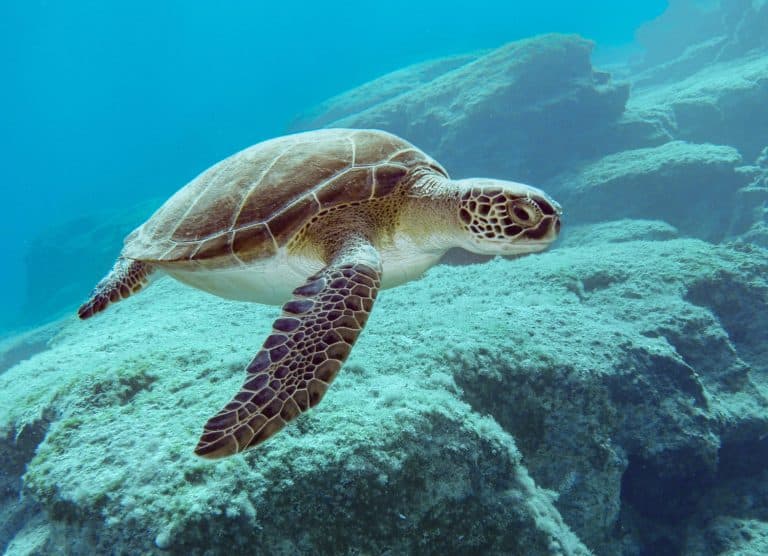
Iguanas are not the only reptiles affected by sudden cold. Other species respond in very different ways. American alligators slow their metabolism and float with their snouts above ice, a behavior that allows them to keep breathing during freezes. Sea turtles also become cold-stunned in unusually chilly water, and many wash ashore, which is why rescue programs exist to treat and release them.
Snakes become sluggish in cold air but usually hide in sheltered burrows or under debris, where temperature swings are less severe. Green iguanas lack these adaptations. Their tropical origin and treetop lifestyle increase their risk during rapid temperature drops.
A Chance to Cull Invasive Iguanas?
For many homeowners, green iguanas are more than a cold-weather curiosity. Their burrowing can weaken seawalls, canal banks, sidewalks, and foundations, leading to costly repairs. They also damage landscaping, vegetable gardens, and fruit trees, often returning repeatedly to the same properties. In residential areas, their droppings accumulate on patios, docks, and pool decks and can carry bacteria such as Salmonella. Over time, these impacts turn iguanas from a novelty into a persistent property and sanitation problem, particularly in neighborhoods near water.
Florida law reflects that reality. Under rules set by the Florida Fish and Wildlife Conservation Commission, green iguanas are classified as nonnative and unprotected. Property owners may humanely kill iguanas on their own property without a permit, provided the method is lawful, humane, and complies with local ordinances. Iguanas may not be relocated or released elsewhere, and there is no state program to collect or rehome them. Cold snaps do not change the law, but they can make removal easier because iguanas become sluggish in low temperatures. From the state’s perspective, this approach is about reducing the impact of an invasive species while still enforcing humane treatment and public safety standards.
Where You Can See Green Iguanas in Florida
Green iguanas are most common in South Florida, where warm conditions and steady food sources support large populations. Coastal cities, canals, parks, and residential neighborhoods provide ideal habitat, especially in areas near water. Trees along shorelines retain heat overnight, which attracts iguanas seeking warmth and shelter. Suburbs with ornamental plants also offer reliable food.
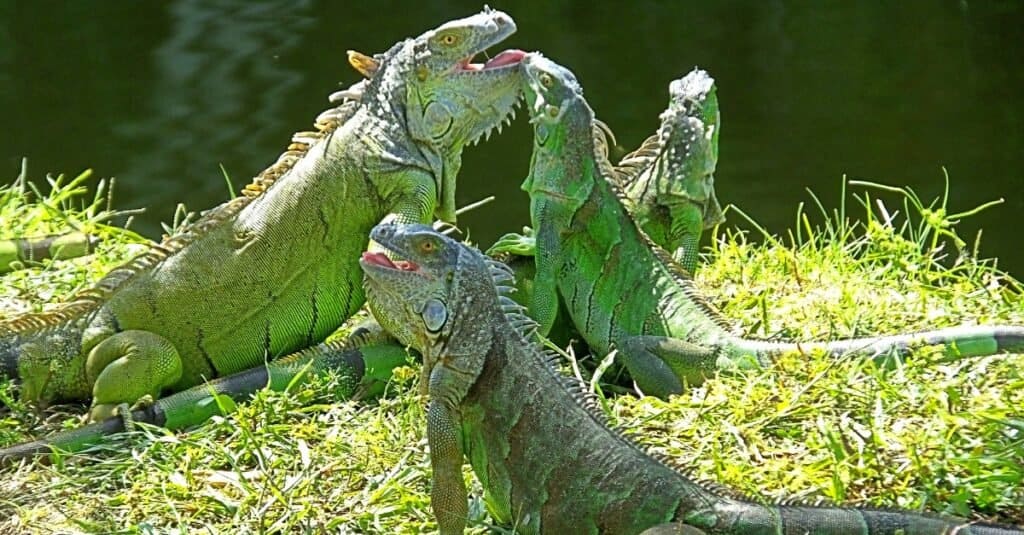
When sunlight returns after a cold snap, surviving iguanas bask to warm their bodies and become active again.
©iStock.com/passion4nature
Residents often spot iguanas basking on sidewalks, seawalls, and rooftops during sunny days. In warm months, they move freely across lawns and streets. During winter, sightings decrease as activity slows and the animals conserve energy.
Revive or Remove? It’s Up to You.
Cold snaps that leave green iguanas stunned or falling from trees can look dramatic, even unsettling, but they also highlight a deeper issue Florida has been managing for decades. These reptiles are not native; they reproduce quickly, and they cause real damage to infrastructure, landscaping, and local ecosystems. While the instinct to help a helpless-looking animal is understandable, the state’s policies reflect the long-term reality of an invasive species that does not belong in the landscape.
Florida law places responsibility on property owners, not wildlife agencies, and allows humane removal but prohibits relocation or release. Whether a homeowner chooses to leave an iguana alone, hire a professional, or lawfully dispatch it, the goal is the same: limiting the spread and impact of a species that strains both natural systems and human-built environments. Cold weather does not change the rules, but it does make the consequences of Florida’s invasive species problem harder to ignore.