
Quick Take
- Pangolins are the most heavily trafficked wild mammals on Earth, despite full international trade bans.
- A single pangolin can consume tens of millions of ants and termites each year, quietly protecting ecosystems.
- Their natural defense — curling into a ball — works against predators but makes them tragically easy targets for poachers.
World Pangolin Day takes place on February 21, 2026, yet many people still struggle to identify a pangolin or explain why it matters. These quiet, scale-covered mammals resemble small armored creatures, but their low profile has not protected them from exploitation. Poachers and traffickers target pangolins at an alarming rate for their meat and keratin scales, making them the most heavily traded wild mammals on Earth. Conservation groups estimate that people removed more than one million pangolins from the wild during the decade leading up to 2014, and evidence shows that illegal trade has continued since then.
Understanding pangolins requires more than sympathy. It requires learning how they live, why criminal networks target them, and what limits exist once traffickers capture them. World Pangolin Day pushes these animals out of obscurity and into public awareness. Without broader attention and sustained pressure on illegal markets, pangolins could disappear quietly, long before most people realize the quirky but valuable species that was lost.
Meet the Pangolin

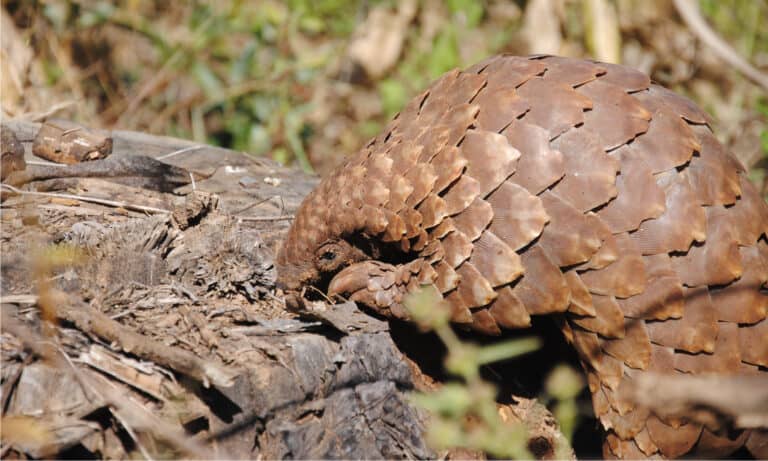
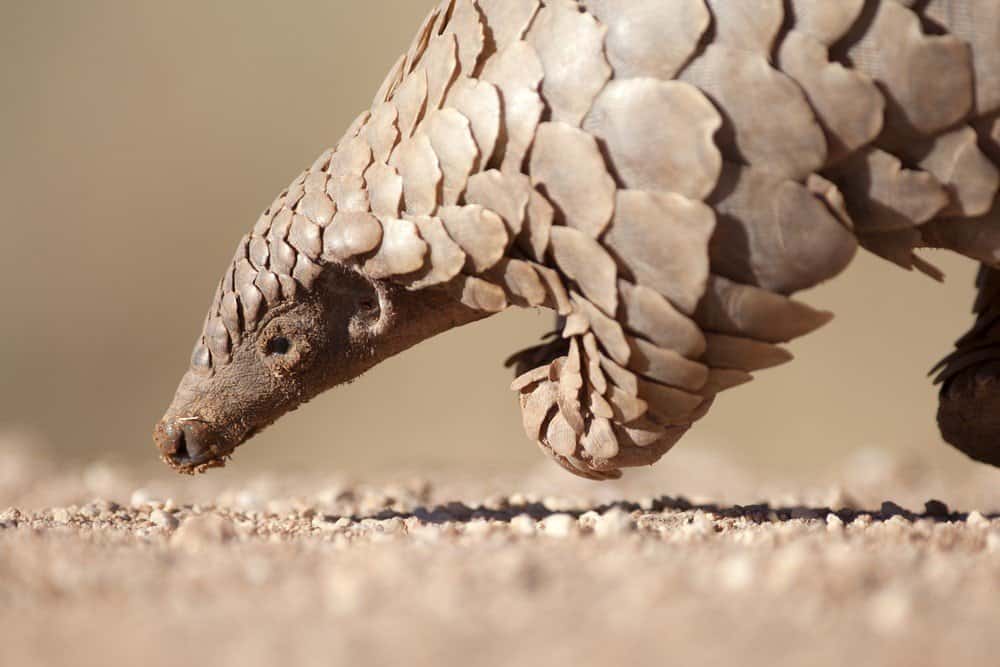
A pangolin uses its tough keratin scales for protection as it moves quietly across the ground, relying more on smell than sight.
©paula french/Shutterstock.com
Pangolins are mammals covered from head to tail in overlapping keratin scales, the same material that forms human fingernails. These scales give the animals a pinecone-like appearance and serve as their primary defense. Scientists recognize eight species worldwide: four live in Asia, and four occur across sub-Saharan Africa. Each species occupies a different ecological niche, ranging from dense forests to open grasslands.
Some pangolins spend much of their lives in trees, using strong, grasping tails to climb and balance. Others live primarily on the ground, where they dig long burrows and forage at night. All of these animals live solitary lives and rely heavily on smell rather than sight. They avoid confrontation whenever possible, moving quietly through their environment and remaining unnoticed by most people.
Built for Eating Insects, Not Defense
Pangolins feed almost exclusively on ants and termites. They locate nests using their sense of smell, then tear them open with long, curved front claws. Instead of teeth, pangolins use a narrow, muscular tongue coated in sticky saliva to capture insects. In some species, the tongue extends longer than the animal’s body from snout to tail base.
After swallowing prey, pangolins grind insects inside a specialized stomach with thick, muscular walls. They also swallow small stones and grit to aid digestion, much like birds do with gizzards. These adaptations make pangolins efficient insect predators, but they leave them defenseless against humans. When threatened, a pangolin curls into a tight ball—a strategy that works against natural predators but fails against nets and sacks.
Pangolins and Their Role in Ecosystems
Pangolins consume enormous quantities of ants and termites each year. A single individual may eat tens of millions of insects annually, reducing pressure on vegetation and limiting damage to tree roots and crops. In regions where termites cause extensive agricultural loss, pangolins quietly reduce insect populations that would otherwise expand unchecked.

A pangolin uses its long tongue to catch ants and termites, helping protect plants and improve soil in its habitat.
©DarrenBradleyPhotography/iStock / Getty Images Plus via Getty Images
Their digging behavior also shapes the landscape. As pangolins excavate nests and burrows, they loosen compacted soil and improve water absorption. Other animals later use abandoned burrows for shelter. Through feeding and digging, pangolins influence ecosystems in subtle but meaningful ways. When pangolins disappear, these ecological effects vanish with them.
World Pangolin Day and Its Purpose
World Pangolin Day occurs each year on the third Saturday in February; in 2026, it falls on February 21. Conservationists launched the event in 2012 to draw attention to a species that had received little public focus. Since then, wildlife groups, schools, and researchers have expanded the day into a global awareness effort.
The event emphasizes education rather than celebration. Organizations host talks, classroom lessons, and outreach campaigns to explain why pangolins face such severe threats. Because pangolins rarely appear in zoos or media, World Pangolin Day remains one of the few moments when the public engages directly with their story.
Why Pangolins Face Heavy Trafficking Pressure
International law protects pangolins under the highest trade restrictions of the Convention on International Trade in Endangered Species of Wild Fauna and Flora (CITES). Despite this status, illegal trade continues on a large scale. Traffickers target pangolins because they are small, easy to capture, and valuable on the black market.
Buyers drive demand for pangolin meat as a luxury food and for scales used in traditional remedies. Criminal networks exploit weak enforcement, corruption, and limited resources in transit countries. This combination allows illegal trade to persist despite international bans.
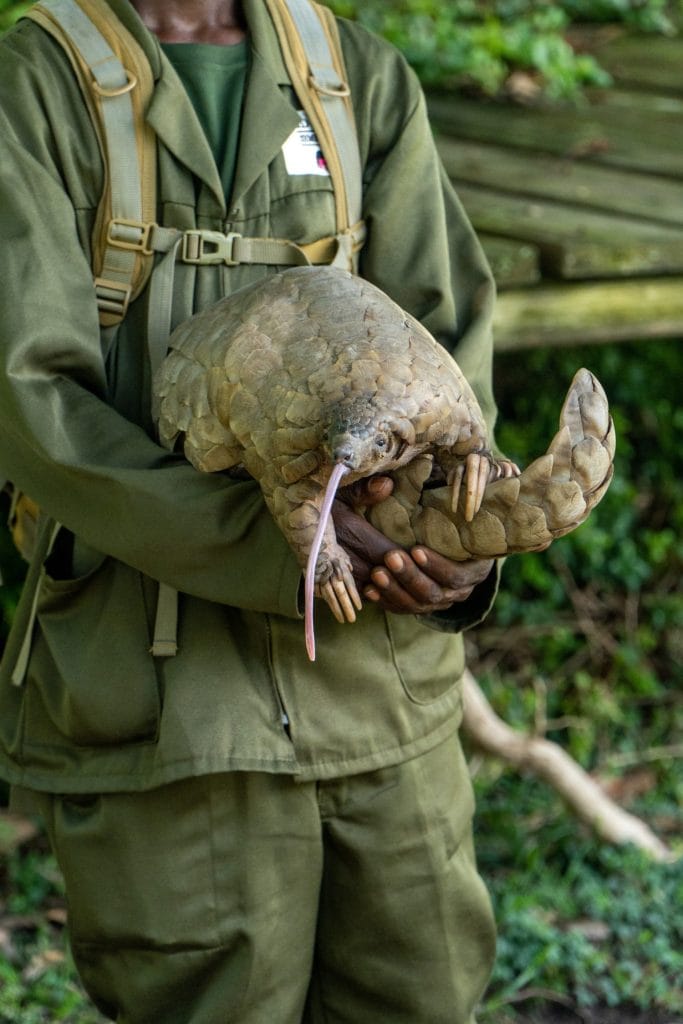
A rescued pangolin is held by wildlife officers, showing how illegal trade continues because the animals are easy to capture and highly valued on the black market.
©Katalysator Audiovisuals/Shutterstock.com
Demand for Scales and Meat
Pangolin scales consist of keratin and provide no medically proven benefits. Nevertheless, myths about their healing properties continue to circulate. These beliefs sustain demand in illegal markets and encourage ongoing poaching.
Restaurants and private buyers promote pangolin meat as a status symbol rather than a necessity. Serving it signals wealth and access. Conservation groups focus on changing consumer behavior, since enforcement alone cannot stop trade while demand remains high.
Smuggling Routes and Criminal Networks
The illegal pangolin trade now operates through organized international networks. Hunters collect pangolins locally, then aggregate scales for export through major ports. Traffickers hide shipments among legal goods such as frozen seafood or agricultural products.

Pangolin scales, taken and sold illegally, are a major reason criminal networks continue to traffic these protected animals.
©U.S. Fish and Wildlife Service Headquarters, CC BY 2.0 – Original / License
False paperwork and layered shipping routes help conceal illegal cargo. Authorities occasionally intercept large shipments, but these seizures rarely disrupt entire networks. Wildlife crime often receives lower priority than other smuggling offenses, allowing trafficking operations to adapt and continue.
Rescue and Rehabilitation Challenges
When authorities confiscate pangolins alive, rescuers often find them dehydrated, injured, or severely stressed. Rescue teams provide immediate care, including fluids, warmth, and veterinary treatment. Pangolins require specialized diets, which complicates rehabilitation efforts.
Specialized facilities in South Africa, Vietnam, and Zimbabwe focus on short-term recovery and release. Caregivers walk pangolins daily to support their natural foraging behavior. Even with expert care, survival rates remain low. Pangolins do not adapt well to captivity, so conservation efforts prioritize release and prevention rather than long-term housing.
Laws and International Cooperation
All eight pangolin species now receive full protection under international trade bans, but enforcement varies by country. Some governments have increased penalties for wildlife trafficking, while others struggle with limited resources. Recent initiatives frame pangolin trafficking as organized crime rather than isolated poaching.
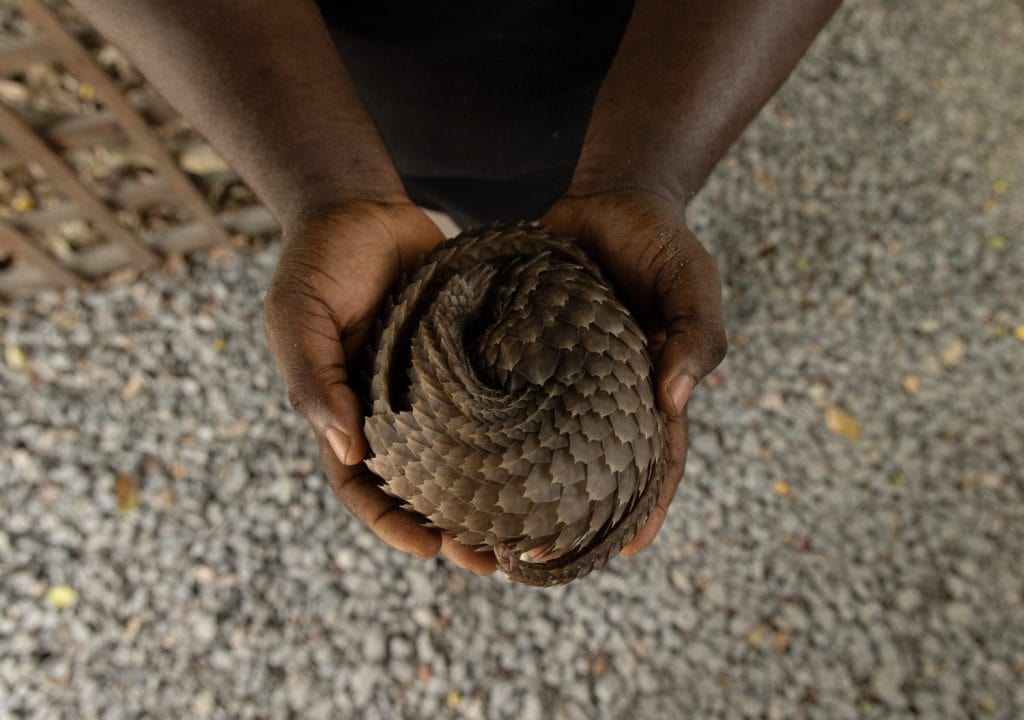
A protected pangolin is gently held during conservation efforts that rely on strong laws and cooperation between countries.
©Taryn Slabbert/Shutterstock.com
In the United States, wildlife agencies have proposed listing several pangolin species as endangered under the Endangered Species Act. This designation would further restrict imports and increase funding for enforcement and research. Effective protection depends on cooperation across borders and agencies.
Public Awareness and Conservation Outcomes
Public understanding directly influences conservation outcomes. When people learn that pangolin products lack medical value and contribute to extinction, demand can decline. Awareness campaigns tied to World Pangolin Day help correct misinformation and raise visibility.
Financial and political support also play a role. Donations fund patrols, education programs, and rescue work. Public pressure encourages governments to enforce existing laws more seriously. These combined actions can weaken trafficking networks over time.
Looking Toward the Future of Pangolins
On February 21, 2026, pangolins across Africa and Asia will continue their nightly routines, foraging quietly and avoiding contact with people. Their natural defenses evolved to deter predators, not organized exploitation. Human decisions now shape their future more than any environmental factor.
If enforcement strengthens and demand declines, pangolins may continue performing their ecological role. If not, they risk disappearing with little notice. World Pangolin Day exists to remind people that attention itself can protect species that too often remain unseen.