
Quick Take
- New DNA technology led to the conviction of lion poachers.
- Poachers targeted a collared lion, who provided a blood sample when he was collared.
- The blood sample provided a DNA profile that matched body parts in the possession of the poachers.
- Lions continue to be poached for traditional medicinal practices and for collection in Africa and Asia.
As any true crime fan knows, DNA has been groundbreaking in solving criminal cases, both current and cold, for police departments around the nation. Recently, in a first-of-its-kind case, DNA has been used in the animal kingdom. Thanks to state-of-the-art technology, there is justice for lions, as DNA evidence has convicted poachers of both killing a lion and trafficking its body parts on the black market.
Poachers Were Found and Arrested Thanks to Lion’s DNA
In a recent landmark criminal case, two individuals were both arrested and brought to justice when DNA proved they were in possession of poached lion parts. The success of the new technology may prove to be what nips poaching in the bud.
In 2024, poachers targeted a lion near Hwange National Park in Zimbabwe. The lion was captured in a snare in the vicinity of Victoria Falls and ultimately killed for its body parts. Killing lions is illegal, as is selling their body parts on the black market. Despite this, it has been difficult to convict those who traffic everything from bones to teeth, claws, skin, and more because tracing the parts back to an individual lion was nearly impossible.
Thanks to new DNA technology, the complete DNA profile of a lion can be created. Once the suspects were put in custody, the lion’s DNA was run against the DNA of the body parts the two men had in their possession. The result was a match.

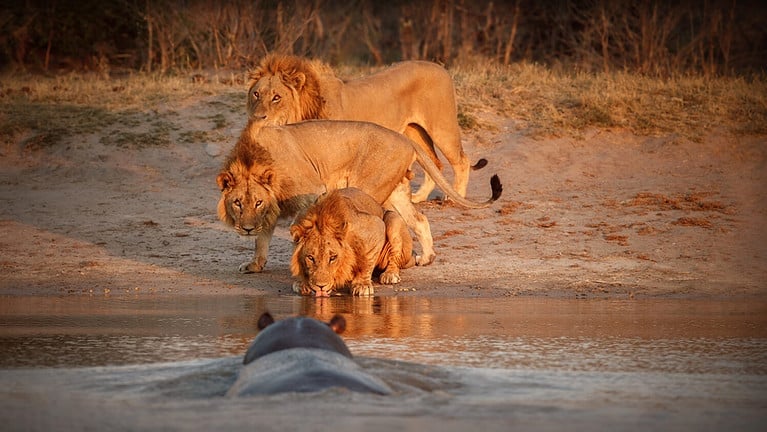
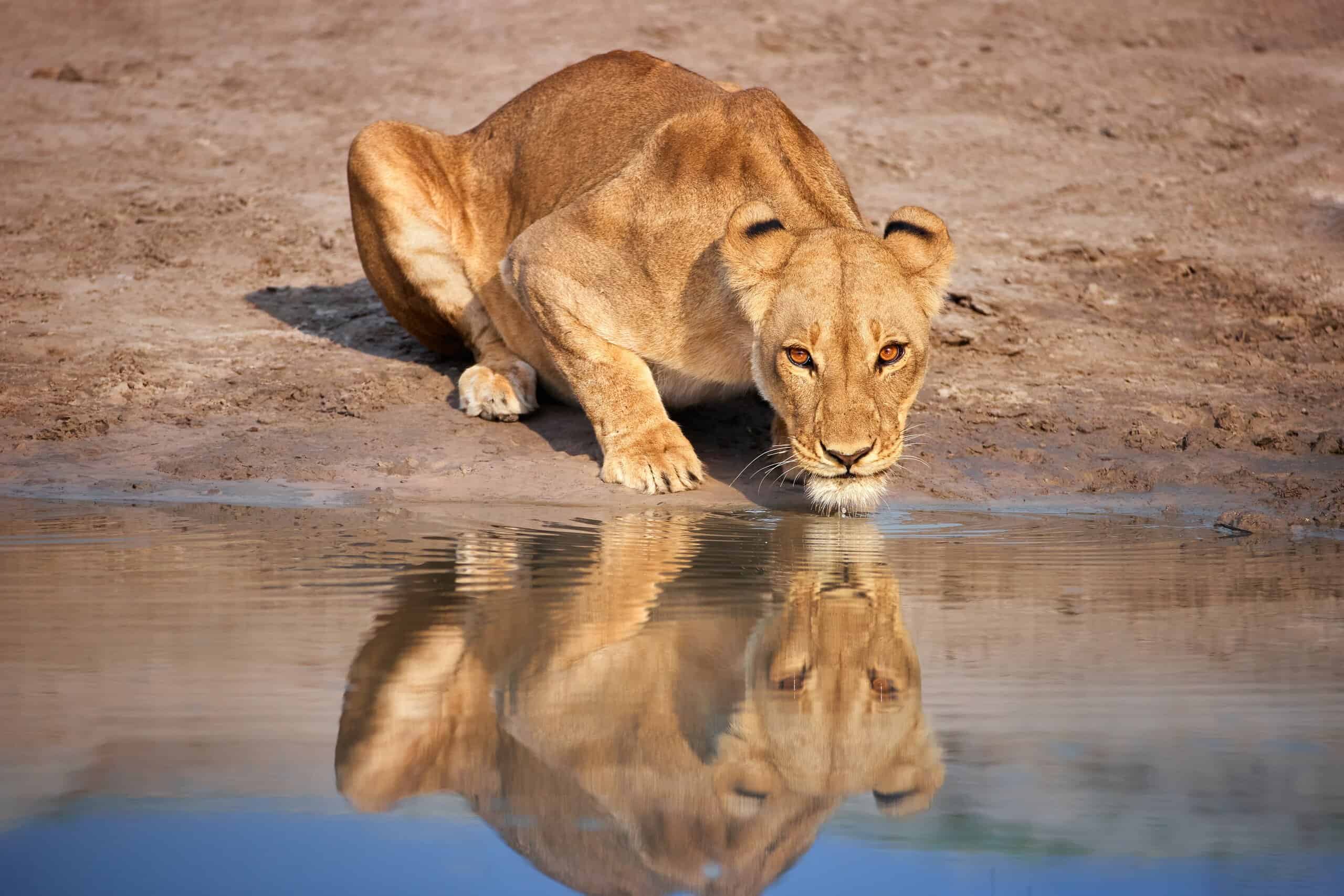
An African lion was targeted by poachers in 2024, but thanks to DNA sequencing, two men were brought to justice.
©St. Nick/Shutterstock.com
The match helped to put the perpetrators behind bars, where they were forced to serve a 24-month sentence. This marked the first time DNA evidence was directly responsible for bringing poachers to justice.
According to Richard Scobey, Executive Director of TRAFFIC, an organization “working to ensure that trade in wild species is legal and sustainable for the benefit of the planet and people,” the conviction is a step in the right direction to ending illegal wildlife crimes.
“This conviction is far more than a single success—it represents a step change in how wildlife crime can be investigated and prosecuted,” Scobey explains in a TRAFFIC statement. “Thanks to sustained support from players of People’s Postcode Lottery, countries now have the forensic capability to bring solid, science-based evidence into court — strengthening protection for lions and reinforcing wildlife law enforcement across Africa.”
With poachers being convicted, the hope is that others think twice before participating in wildlife crimes. It is the only way to save lions in Africa before they become extinct in the wild.
How Was the DNA Obtained?
The DNA was obtained not by evidence left at the scene. Instead, like all lions that are known to wildlife authorities at Hwange National Park, blood was drawn from the lion when it was collared.
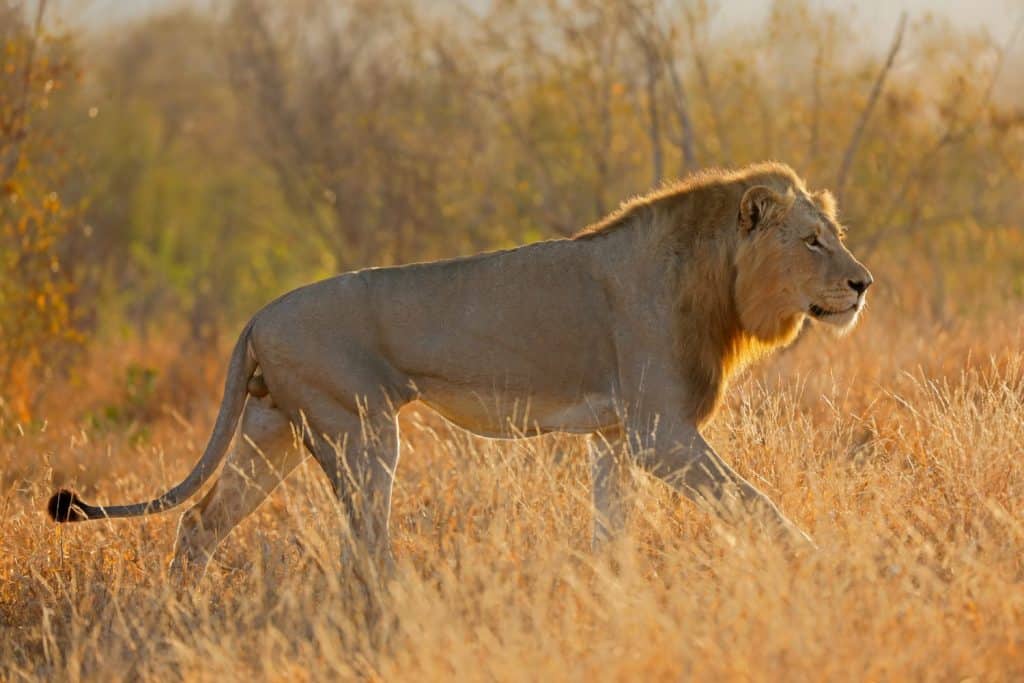
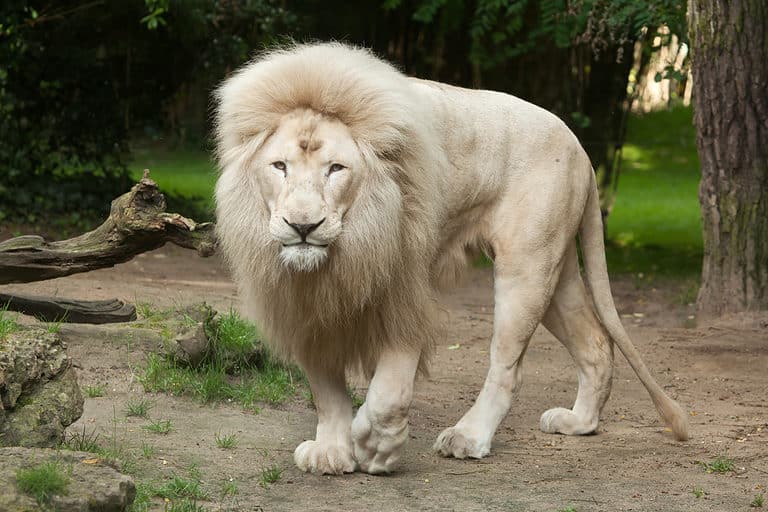
The targeted lion had a blood sample taken when it was collared by wildlife authorities.
©EcoPrint/Shutterstock.com
Once the DNA coding was complete on the blood sample, it was time to compare it to the body parts recovered from the suspected poachers. Until 2024, it was impossible to do anything other than identify the species of animal when analyzing bones, teeth, hair, skin, and the like. With the new technology, a full DNA profile could be completed that both identified the species and the particular animal the body part belonged to.
Thanks to the collared lions’ database and the blood samples on file, it was relatively easy to match the deceased lion’s DNA to the body parts recovered. From there, it was a matter of making a case against the poachers to finally put those responsible for killing the majestic endangered species behind bars.
What Led Wildlife Crime Experts to Believe Something Was Amiss
The lion targeted by poachers was not a younger, unknown lion. Poachers instead went after a radio-collared lion well known by wildlife authorities in Hwange National Park. The collar alerted authorities to the fact that something was wrong with the lion when it stopped transmitting, but not before it led them directly to its location.
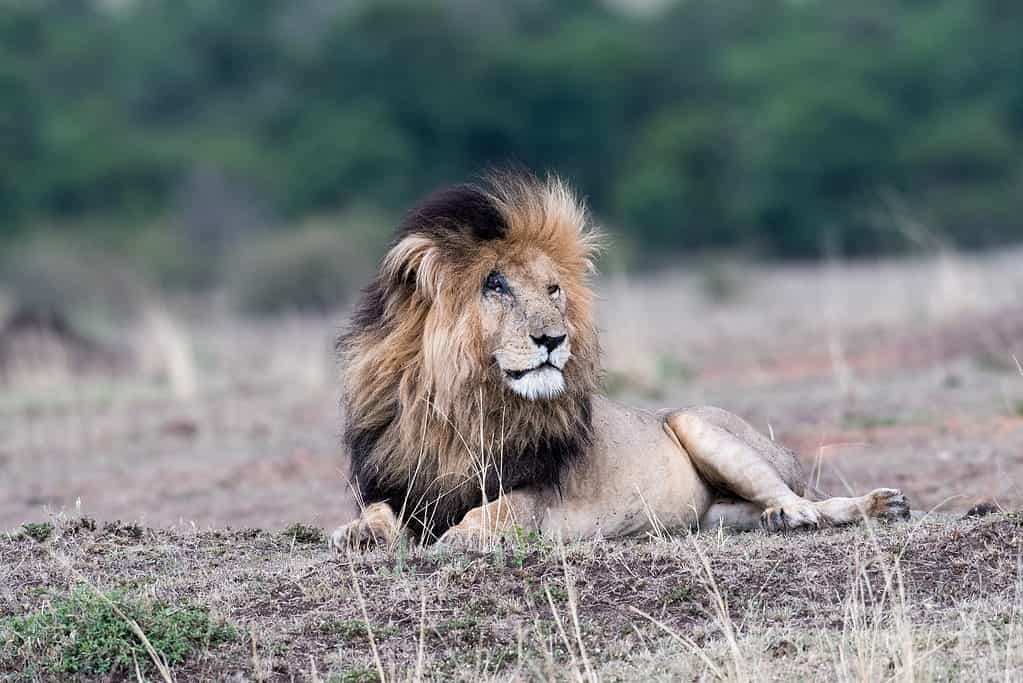
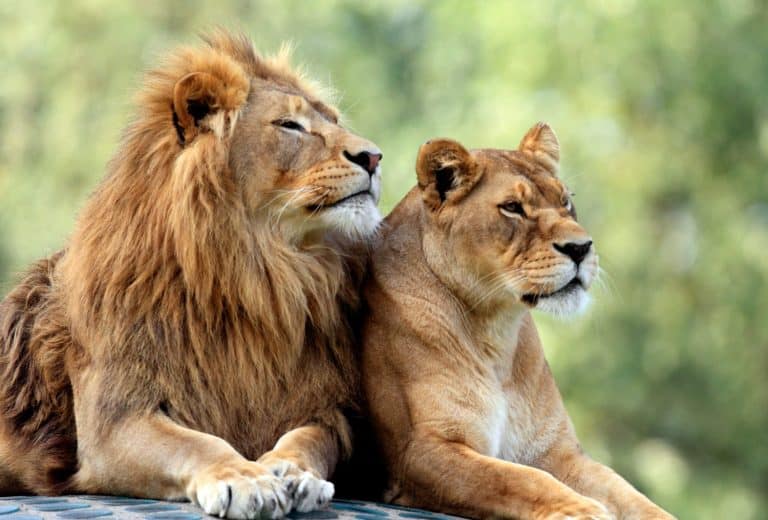
When the collar stopped transmitting, wildlife authorities knew something was wrong with the lion and immediately went to the last known location of the transmission.
©Tony Campbell/Shutterstock.com
Upon finding the final location of the collar’s transmissions, authorities discovered a snare with lion hair attached. It was immediately clear that the lion had been poached.
Had the poachers snared a lion without a collar, or even let the collared lion go, they would not have been found. Because the poachers felt emboldened by their consequence-free past, they believed this time would be no different. This thought process proved to be their downfall.
Why Is It Difficult to Convict People of Poaching Lions?
Known poaching rings exist across Africa. The problem is not identifying the rings or even individual members; the issue is proving that poaching occurred, given that simply being in possession of lion body parts is not a crime.
To definitively find a poacher guilty of the crime of killing a lion, the body parts in possession need to be linked back to a lion found to be dead of anything other than natural causes. Before the new DNA technology was developed in 2024, this seemed impossible.
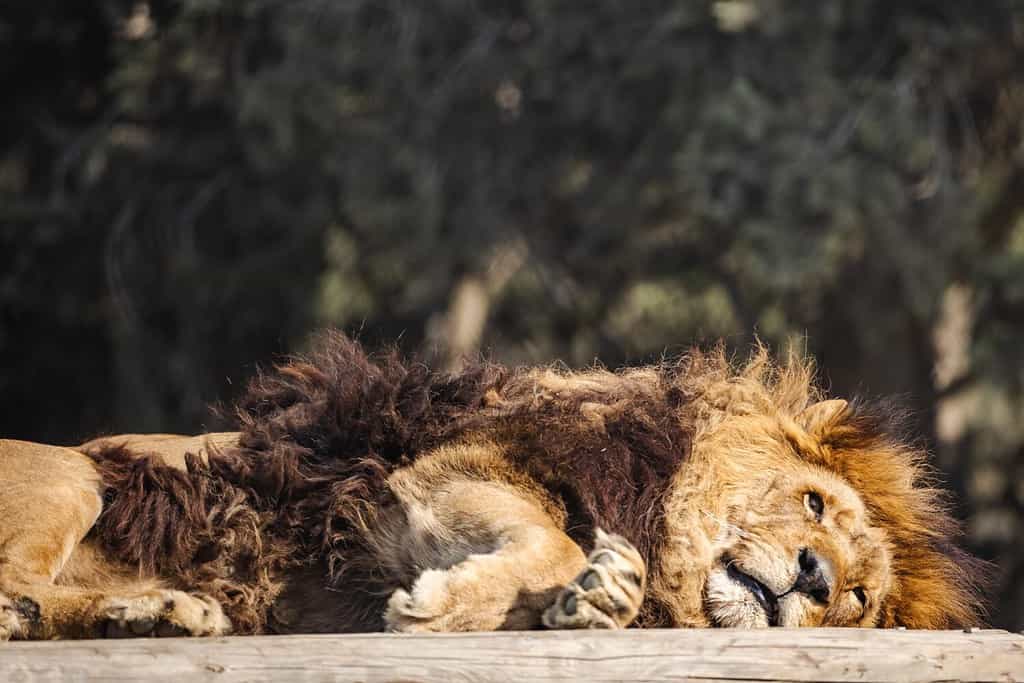
It is hard to convict poachers in Africa because simply owning lion body parts is not a crime.
©Mahir Rustemov/Shutterstock.com
Now, if hair, blood, or even part of the lion is left behind by poachers, DNA can be obtained. This DNA can then be tested against any body parts believed to be poached. Those involved in illegal activity are no longer as invisible as they once were.
With the advent of this DNA technology, it still may not be possible to track down all poachers. However, it does make life more difficult for those who target lions only to sell their body parts on the black market because poaching has become riskier. Consequently, conservationists hope this technology will be the first step in deterring lion poaching. If so, lions may just have a chance to maintain or even increase their populations.
Why Lion Poaching Is Increasing
Where some animals have seen a decrease in poaching, the same cannot be said for lions. Instead, lion populations across Africa are continuing to decline. The population numbers are so low in some countries that it is not a matter of if, but when lions will go extinct regionally.
According to a January 2026 study published in Conservation Letters, there is a continuing demand for lion body parts in Africa and Asia. Because of this, lions are targeted for their teeth, claws, skin, and bones, despite it being illegal to hunt them. Some poachers are even bold enough to target lions in protected parks, given their success in the past for not being caught and convicted for their crime.
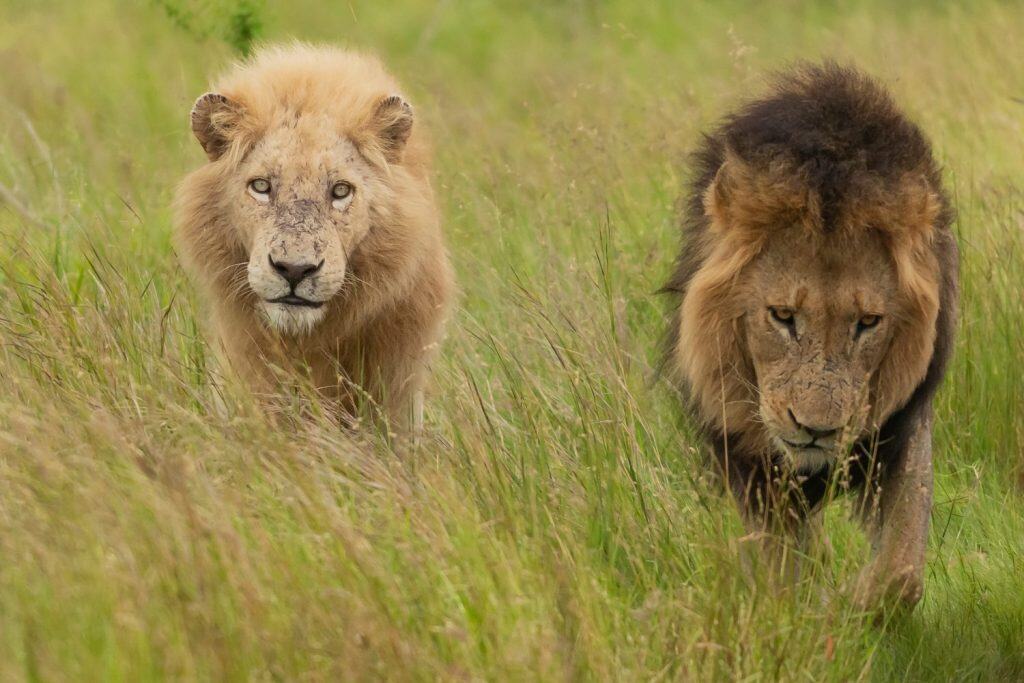
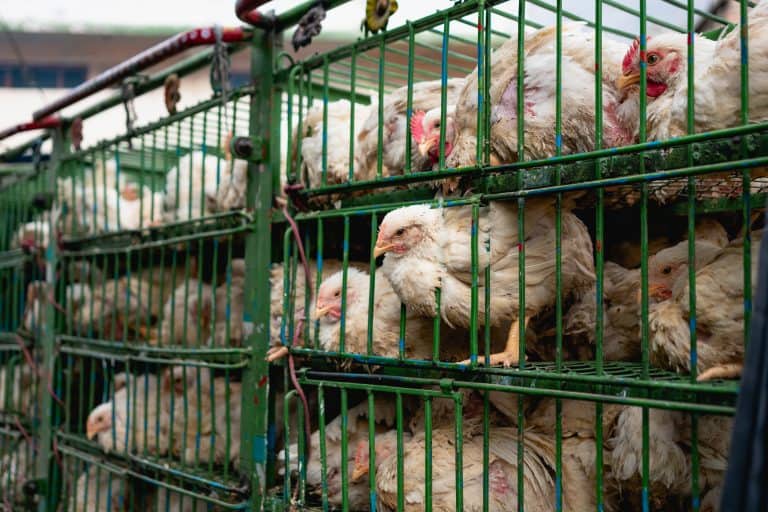
Lion poaching is increasing due to the traditional uses of body parts in Africa and Asia.
©Piotr Poznan/Shutterstock.com
Worse still, because tigers are no longer readily available for body parts in Asian countries, lions are being used as substitutes. Therefore, in order to concoct ancient remedies and obtain body parts for spiritual use, the burden falls on the shoulders of lions. But with so few lions left in the wild, this trend cannot be sustained long term. If conservationists don’t find a solution, lions might soon perish from their natural habitats.
With lion DNA now being used to track down poachers, these criminals are no longer as anonymous as they once were. This may be the life-saving solution conservationists have long hoped for.