
Quick Take
- Scientists found a way to make zebra finches learn songs faster, though the result exposed an unexpected cost that changes how we think about learning itself. See the unexpected cost →
- Zebra finches practice without any external reward, and the brain mechanism behind that self-motivation may be the key to understanding why humans struggle to do the same. Explore finch self-motivation →
- The same brain structure that teaches a tiny bird to sing may hold the answer to stopping Parkinson's and Tourette's before symptoms ever appear. See the medical implications →
- Birds and human babies learn language through an almost identical process, with one striking difference that researchers say matters enormously. Discover the key difference →
Calling someone a bird-brain may not be the insult it was intended to be. Although small in size, some birds’ brains, such as the zebra finch, are filled with more neurons and synapses than can be counted. It is through the neurons and synapses that scientists have found the brain link that helps birds learn songs. What’s more, these songs are not learned with the help of outside motivation. The push comes from the finches themselves, who put in the work, even when hard, to learn songs that eventually sound effortless when sung as adults.
How Birds Learn Songs
Birds are not born knowing how to sing. The elaborate songs easily sung as adults can only be performed after hours of observation as babies. Observation of nearby adult birds eventually turns chirping into discernible tunes, all of which can be traced back to one spot in the brain responsible for making learning possible.
According to a new study published in Nature, the synapses between brain cells enable song learning in birds. Using zebra finches, which are known for their true songs and calls used for both courtship and defense, researchers pinpointed where learning first began in these finches. The brain region that fired during the learning of these songs was the basal ganglia.

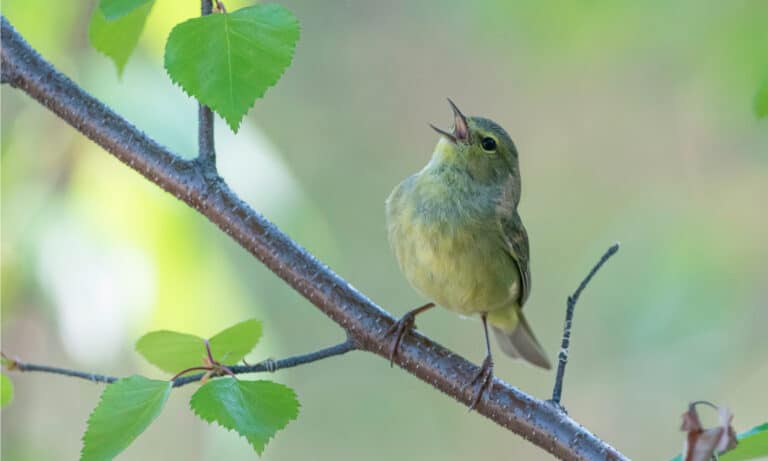
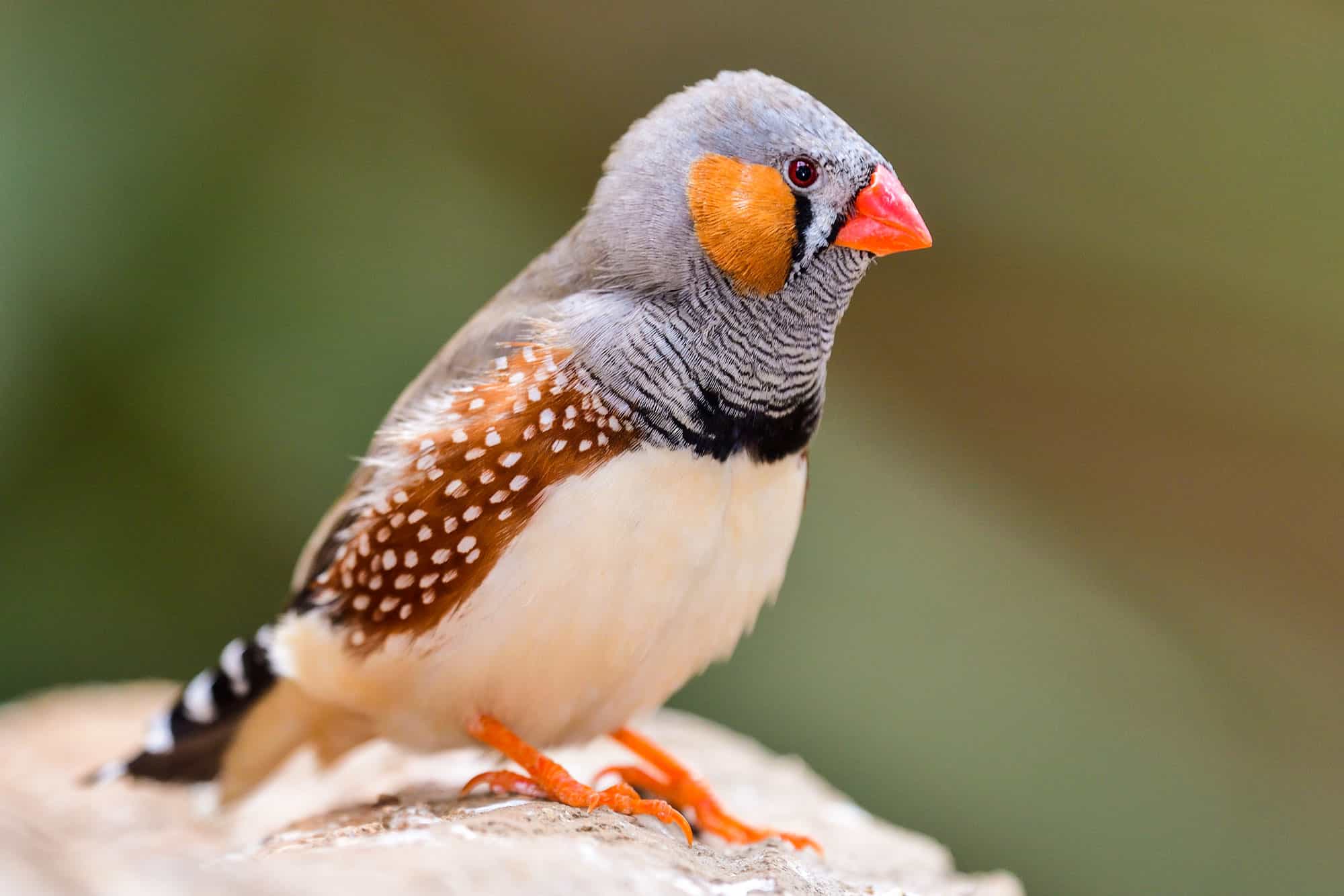
Zebra finch brains were studied to better understand how they learn songs.
©Bespaliy/Shutterstock.com
The study notes that the basal ganglia produce dopamine to facilitate learning. Dopamine is necessary for learning hard tasks, as it provides encouragement by producing a sense of accomplishment and pride when progress is made. The songs that zebra finches learn to sing are difficult to master. But by repeating the tunes and calls tens of thousands to hundreds of thousands of times, the finches become masterful at them. What makes this all the more impressive is that the zebra finches choose to do the practicing on their own, without any outside motivation or reward.
Birds Learning Songs and Humans Learning Language Are Closely Related
Both birds and human babies learn to sing and speak, respectively, thanks to vocal learning. There are very few animals that learn language in this manner, which is why birds are commonly used in studies to better understand how motor and communication skills function in the human brain.
According to the study, despite millions of years of evolution, humans and birds continue to learn language by vocal learning. This is done by following a tutor, be it an adult bird for the zebra finches or a caretaker for babies. The difference between the two species is that human babies tend to receive rewards for babbling, cooing, or speaking, whereas finches do not. For finches, there is an ingrained need to practice, according to Drew Schreiner, PhD, the study’s first author and researcher at Duke School of Medicine. That is not seen with humans.

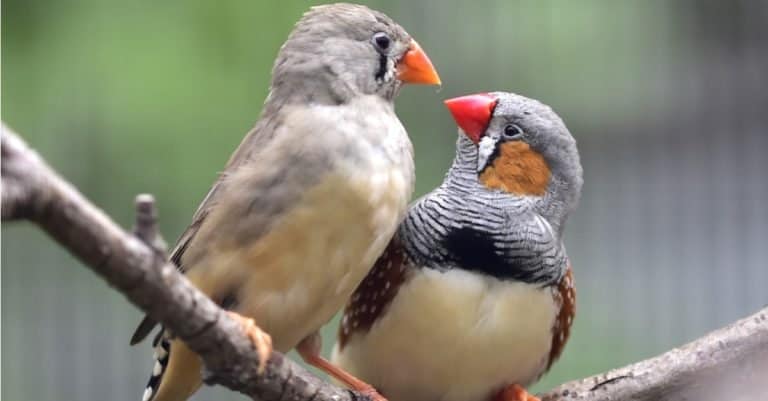
Zebra finches and human babies both learn language through vocal learning.
©Piotr Dudka/Shutterstock.com
“I like to say that zebra finches are the perfect students,” Schreiner explained in a news release. “They’re self-motivated — they sing thousands of times a day, every day for over a month. And they’re even self-assessing. They learn by comparing their own songs with a memory of their tutor’s song.”
Despite differences in practice duration, the basal ganglia still enable language learning in both humans and birds. Thanks to input, imitation, vocalization refinement through practice, and coordination between hearing and vocalization, songs or words become second nature for two very physically different species indeed.
Speeding Up the Process of Learning Songs or Language Comes with a “Cost”
To determine if it was possible to increase how quickly juvenile zebra finches learned songs from their tutors, researchers used both AI technology and optogenetics to increase the activity in the basal ganglia. The results from the experiment were startling.
When the activity in the basal ganglia increased, the birds learned songs more quickly. But, with the rapid rate at which the songs were learned, they became a poor copy of the tutor’s song. The song was distinguishable by the artificial intelligence system, but when graded, it was a poor copy.

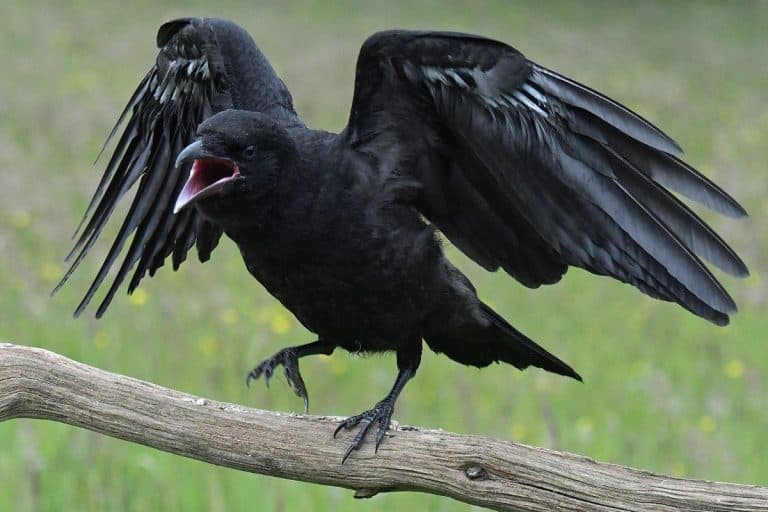
By speeding up the learning process and removing opportunities to experiment and make mistakes, zebra finches’ songs were subpar.
©Wirestock Creators/Shutterstock.com
What this showed was that trial and error are an important part of learning. If the birds are afforded the opportunity to try different notes, eventually, their songs become more sophisticated. Much like human babies who babble and coo before they form words, birds need the opportunity to do the same. When this step is skipped, and experimentation cannot happen, there is a “cost” the birds pay. According to the news release, the more “freedom” birds are afforded, the more learning occurs.
Unlocking How Zebra Finches’ Basal Ganglia Operates May Help to Understand Motor and Communication Disorders
Currently, modern medicine has not advanced enough to cure motor and communication disorders such as Tourette’s, Parkinson’s disease, or the like. However, having unlocked how songbirds learn to sing, researchers are optimistic that it will be possible to prevent these disorders in the future.
The best way to treat motor and communication disorders is through early intervention. In all instances, the sooner a disorder is identified, the more can be done through targeted interventions. Targeted interventions may not always be the best course of treatment, according to Richard Mooney, an author on the study and professor of neurobiology. If the root cause of why movement and communication disorders begin can be discovered, they can be stopped before signs are ever present.

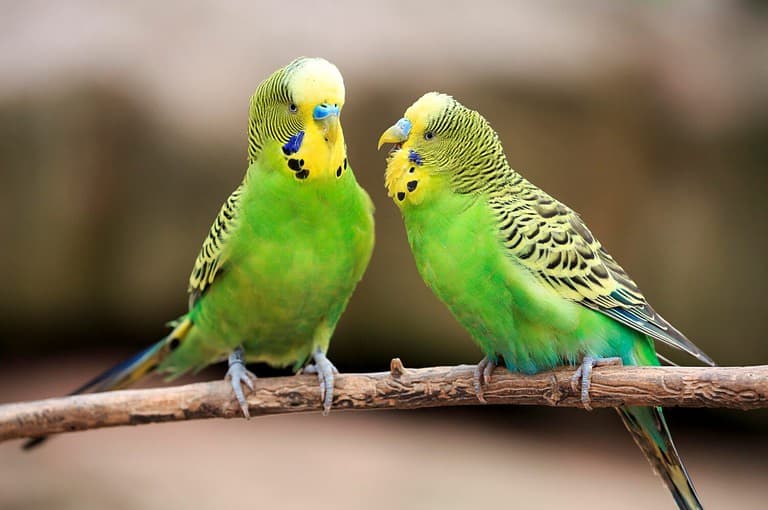
Better understanding how the basal ganglia in finches operate can help humans better prevent motor and communication disorders.
©Yevg45/Shutterstock.com
“Figuring out how the basal ganglia normally support motor learning,” Mooney said in a news release, “also helps explain how plasticity mechanisms in this system can be hijacked in certain diseases to disrupt movement.”
Therefore, the more studies that are completed on the basal ganglia, the more we can learn about how the communication and motor systems function. We can also understand why they fail for some. Once this is determined, it may even be possible to completely stop or reverse these disorders in humans.