Quick Take
- One insect on this list doesn't technically sting at all, and yet it might be the most terrifying encounter of the bunch. See the swarming driver ant →
- Africa has its own version of the bullet ant, and the people who've been stung describe it in ways that are hard to believe. Meet Africa's bullet ant relative →
- One of these insects looks completely harmless, being fuzzy, small, and almost cute, yet it carries a sting that defies its appearance entirely. Discover the deceptive velvet ant →
- Several of these insects don't just sting once. They've evolved attack strategies that make fleeing almost pointless. See coordinated fire ant attacks →
Africa is not short on intimidating insects, and a surprising number of them come with painful stings. While most of these insects only sting in self-defense, their venom can cause harmful symptoms ranging from burning pain to intense swelling and temporary paralysis. Some species are notorious among locals, researchers, and travelers for causing intense agony. A few are even considered medically dangerous, though this depends on individual physiology, allergies, or the number of stings. Here are some of the most painful stinging insects found across Africa.
Africanized Honey Bee
©aeiddam0853578919/Shutterstock.com
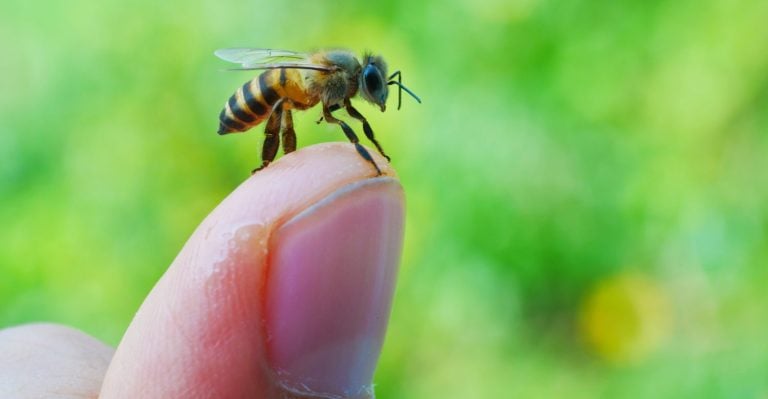
Africanized honey bees are famous for defending their colony aggressively when threatened. While their sting is similar to that of a regular honey bee, only causing a moderate amount of pain, these bees attack in massive numbers when triggered to defend. And attempting to leave the scene won’t help, as these bees are known to chase their victims over long distances. The pain of sting after sting from a large number of bees is sharp, burning, and immediate. One sting is manageable for most people, but hundreds can be extremely painful as well as life-threatening.
Ponerine Ant
©Pawich Sattalerd/Shutterstock.com
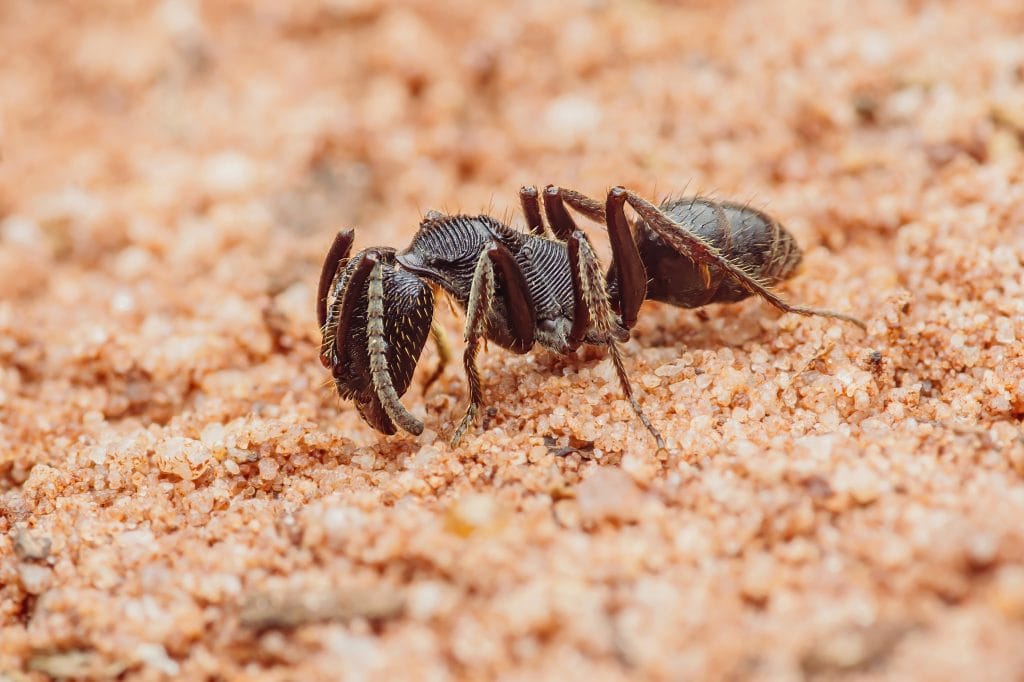
The bullet ant of Central and South America is known for delivering one of the most painful insect stings in the world. Though bullet ants do not exist in Africa, related large ponerine ants do, and they can carry similarly brutal stings. Past victims say the sensation is like being shot or electrocuted. The pain can last for hours and cause trembling or nausea. Even hardened field researchers show visible fear when it comes to encountering these ants.
Driver Ant
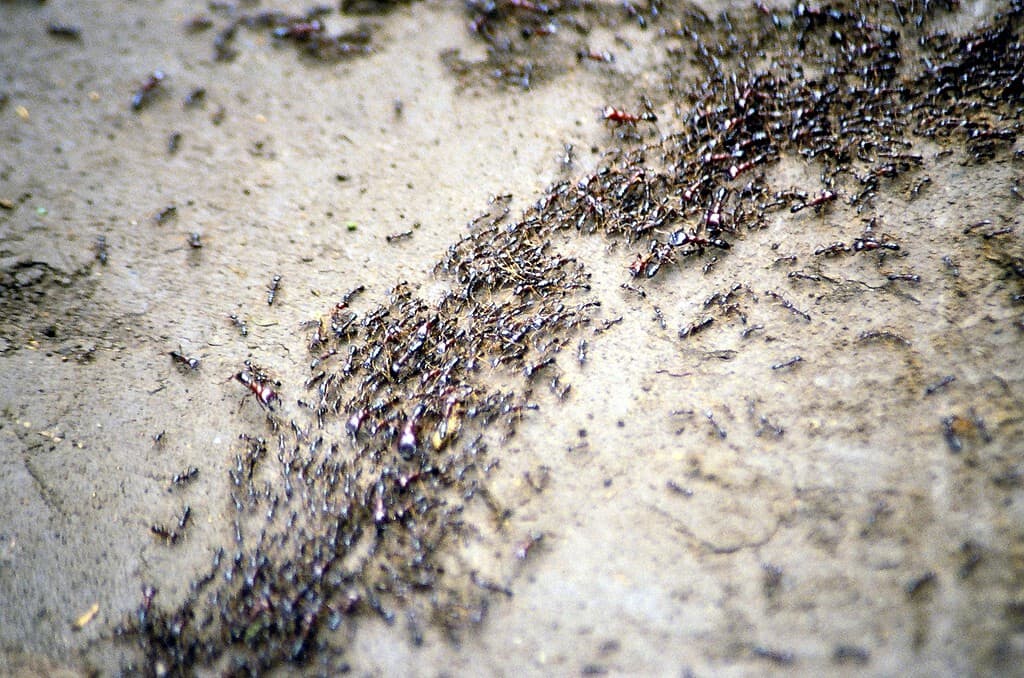
Driver ants are infamous throughout parts of Africa because of their swarm behavior capable of completely overwhelming an individual. Though they do not sting in the traditional sense, they possess bites that are both powerful and quite painful. When disturbed, these ants unleash a brutal attack in massive numbers. Their swarms are so substantial they can make the ground appear to be flowing like a river. Animals in the wild quickly move out of their path. Imagining being caught in a driver ant swarm gives strong horror movie vibes.
Paper Wasp
©Jeff W. Jarrett/Shutterstock.com
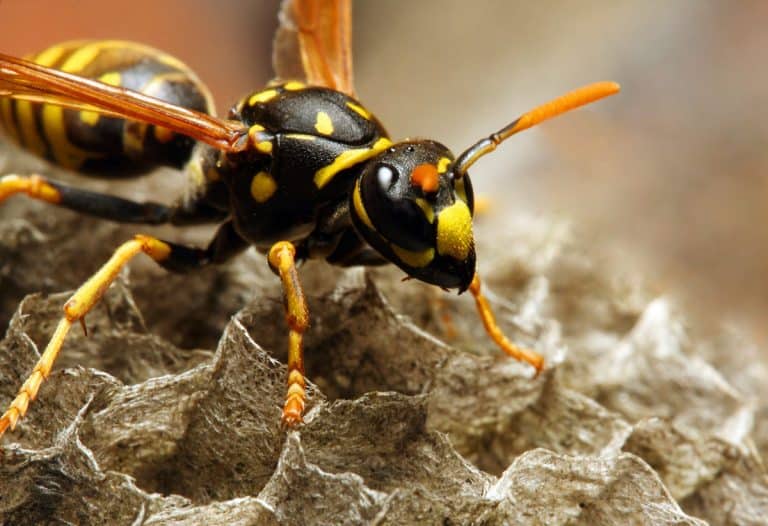
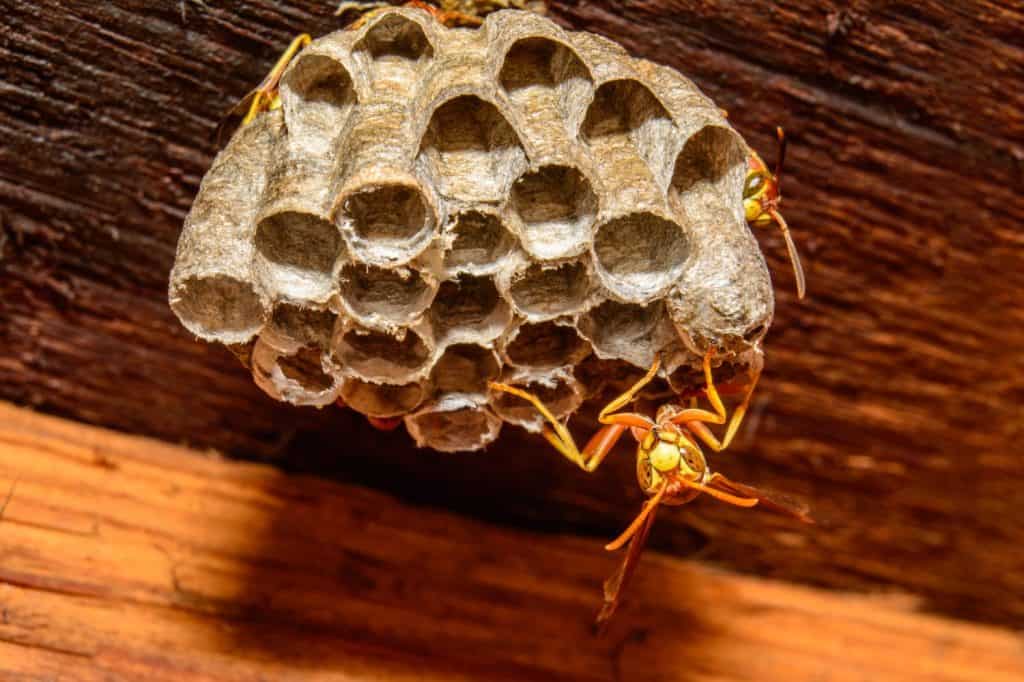
Paper wasps build delicate-looking hanging nests and they can become dangerous if messed with. Their stings result in sharp, fiery pain followed by swelling and irritation. Unfortunately for the victim, wasps can sting repeatedly without dying, causing pain again and again. And these insects are remarkably sensitive to their surroundings; accidentally walking near a hidden nest can trigger an attack in seconds. The painful experience of enduring paper wasp stings is not soon forgotten.
Spider Wasp
©Mabeline72/Shutterstock.com
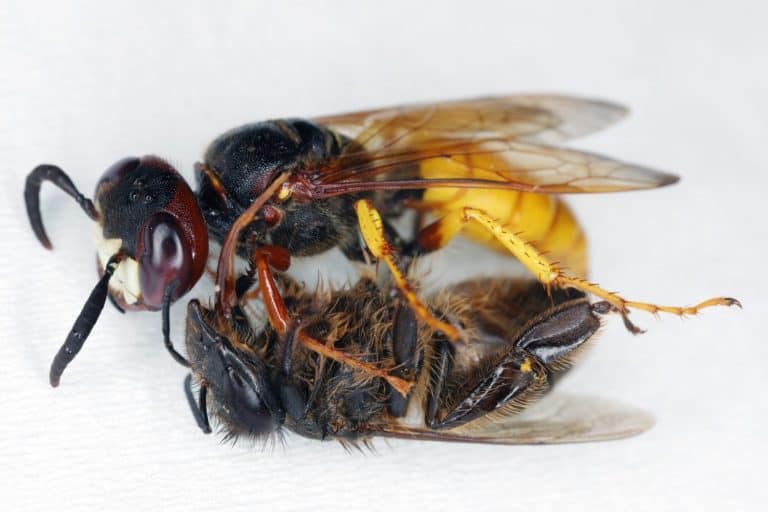
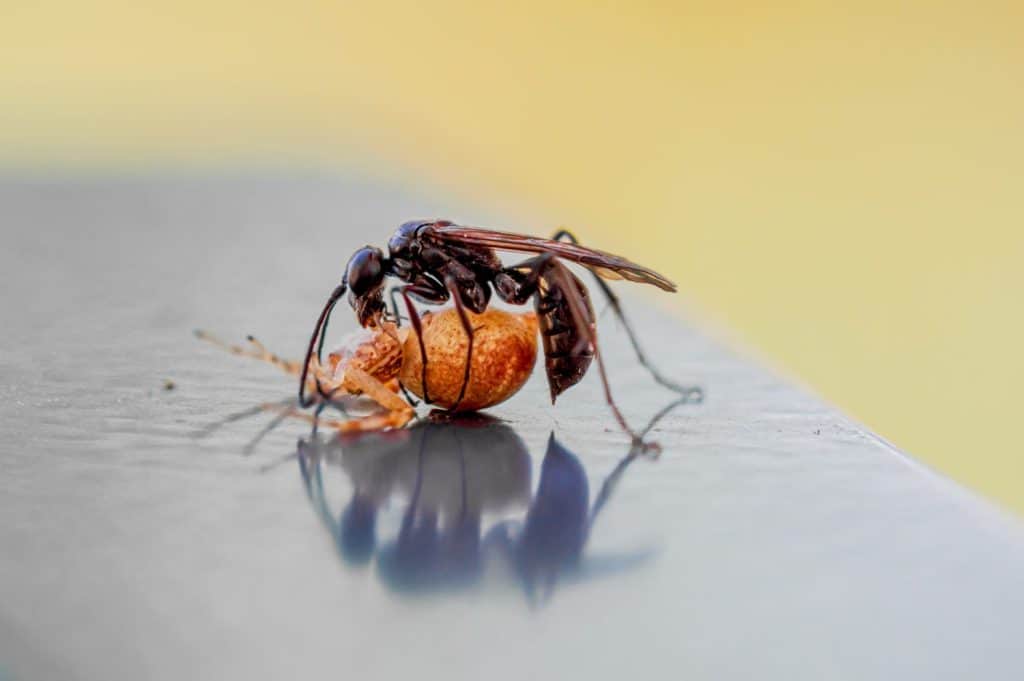
Spider wasps are some of the most intimidating stinging insects found in Africa. As you may have guessed from the name, these long-legged wasps hunt spiders. They paralyze their arachnid victim with venom before dragging it away to feed to their larvae. In humans, their sting is known for causing a burning type of pain that is shockingly severe. Fortunately, spider wasps are not aggressive toward people and usually sting only when directly threatened or handled. Still, watching one dominate a large spider is enough to make your skin crawl.
Velvet Ant

©Gerry Bishop/Shutterstock.com
Despite their name, these insects aren’t ants at all, but actually wasps. And they have more than one misleading name, as they are also known as “cow killers,” despite not actually being capable of killing cattle. However, one part of their name is spot on, as their fuzzy exterior resembles velvet. They look fairly harmless, but their sting is notoriously painful. The pain is sudden, intense, and surprisingly long-lasting for such a small insect. Brightly colored antennae seem to indicate that these insects are best left alone.
Fire Ant
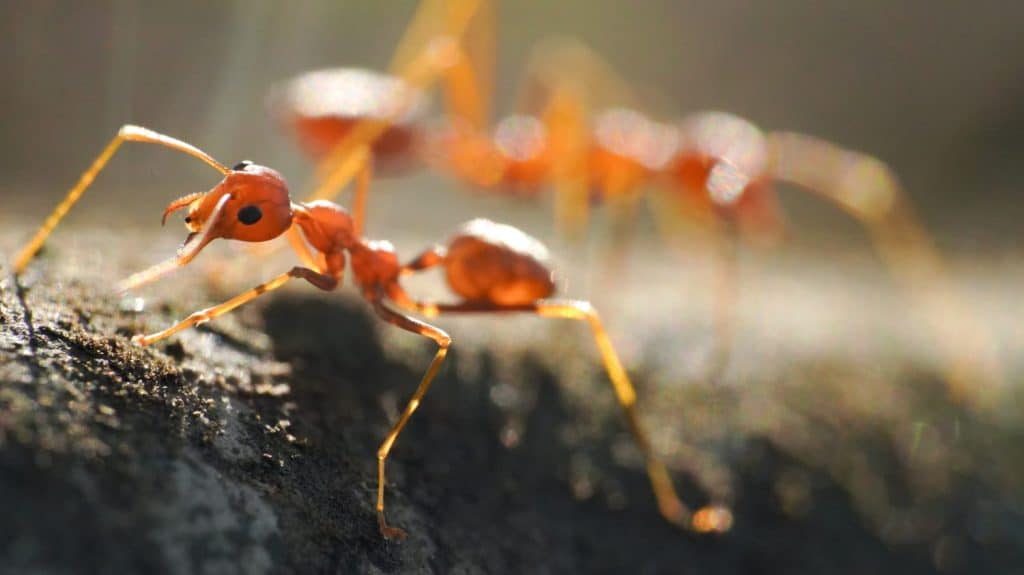
©Dafi Yasin Addafi/Shutterstock.com
Fire ants come by their name honestly, due to their sting causing a deep burning sensation. After the fiery pain fades away, it is quickly followed by itchy welts or pustules. Amazingly, these ants work together to cause pain by latching onto skin with their jaws before stinging multiple times in unison. Unexpectedly disturbing a colony can result in dozens of stings over the course of a handful of seconds. For such tiny insects, they can suddenly become a very big problem.
Carpenter Bee
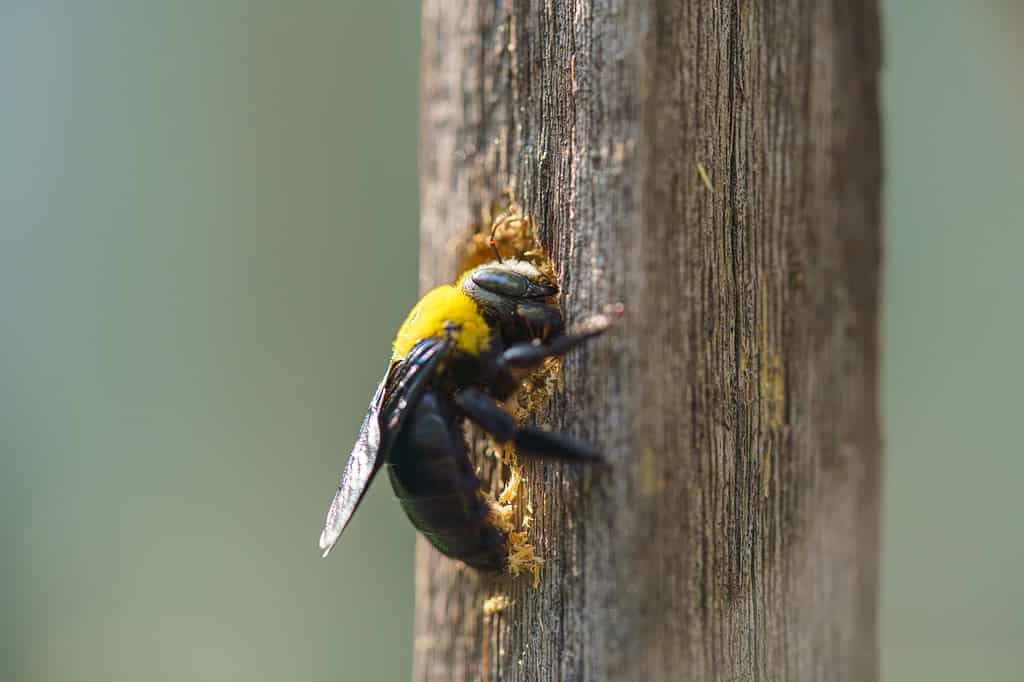
©media-ja/Shutterstock.com
Carpenter bees are massive insects that loudly buzz around wooden structures and flowers. Their size alone is enough to startle those who encounter them for the first time. These bees are usually not aggressive, as they are more interested in tunneling through wood than attacking people. However, females can sting if threatened, and their attack is more than a little bit painful.