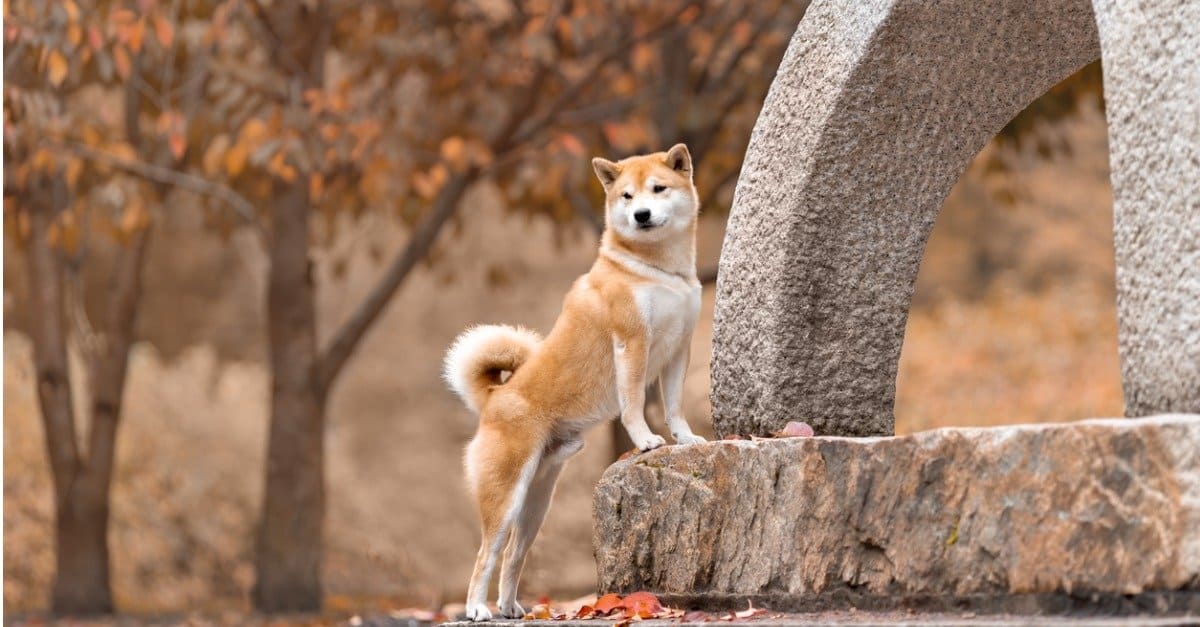

The Shiba Inu is a small-to-medium hunting breed from Japan. They bear a striking resemblance to other Japanese dog breeds, such as Hokkaido and Akita Inu, and are often mistaken for them. However, the Shiba Inu is a different breed with a distinct temperament and bloodline and is smaller than other Japanese dogs. They were first introduced to the United States in the 1950s. Since then, they have gained massive popularity, especially in recent years, thanks to their fiery personalities, fox-like looks, curly tails, and upright ears.
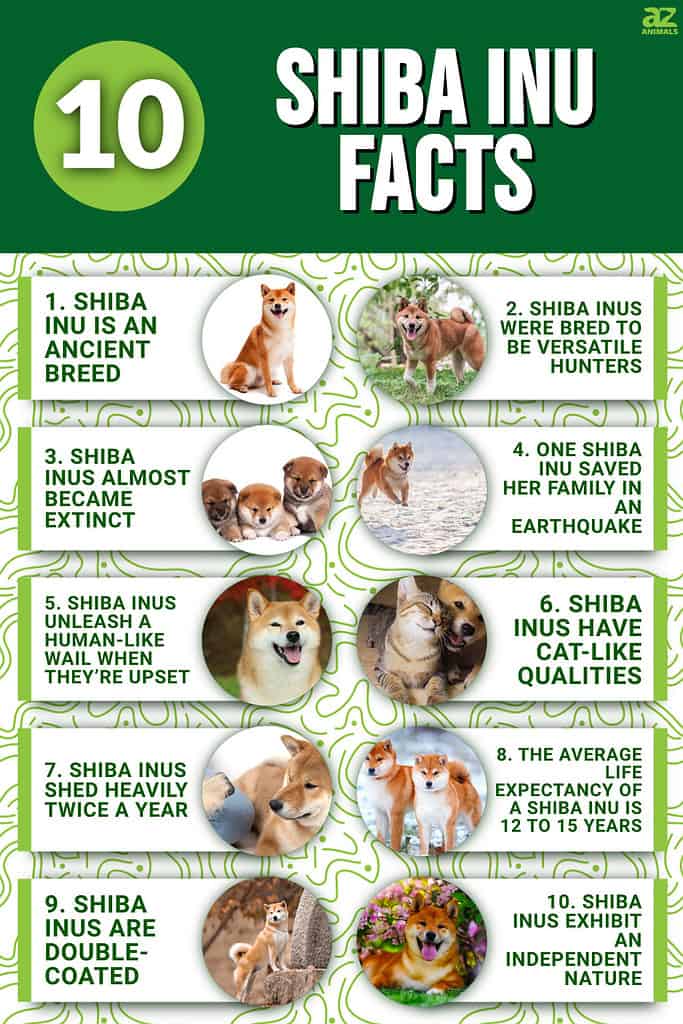
Here are 10 incredible Shiba Inu facts that show why this fantastic breed is continuously gaining popularity in Europe and America.
1. Shiba Inu is an Ancient Breed
The first Shiba Inu arrived in the United States in 1954, having been brought by an armed service family.
©Chendongshan/Shutterstock.com
Archaeologists discovered remains of dogs with a similar appearance to the Shiba Inu at sites that the Jomon-jin people inhabited. Shiba Inus are likely the result of breeding between the Jomon-jin dogs and the dogs of the new immigrants that came to Japan around 300 BC. Shiba Inus lived in the mountainous areas of the Chubu region.
The first Shiba Inu arrived in the United States in 1954, having been brought by an armed service family. The first litter was born in 1979, and the American Kennel Club officially recognized the breed in 1992. Shiba Inus are now primarily kept as pets in Japan and the United States.
2. Shiba Inus Were Bred to Be Versatile Hunters
Shiba Inus were bred to hunt and flush small game, such as rabbits and birds. Their small, fox-like stature enabled them to excel at chasing after small games. They also have dense undercoats, which help them withstand cold temperatures during hunting. These dogs survived for thousands of years in the mountainous regions of Japan.
3. Shiba Inus Almost Became Extinct
Shiba Inus nearly went extinct during World War II due to a combination of a post-war distemper epidemic and a food shortage. Many dogs also died in bombing raids during the war, and Japan’s main focus wasn’t on dog breeding at the time. The Shiba Inus were later brought back using the only three surviving bloodlines: the Shiba Shu Shiba, the Mino Shiba, and the San In Shiba.
4. One Shiba Inu Saved Her Family in an Earthquake
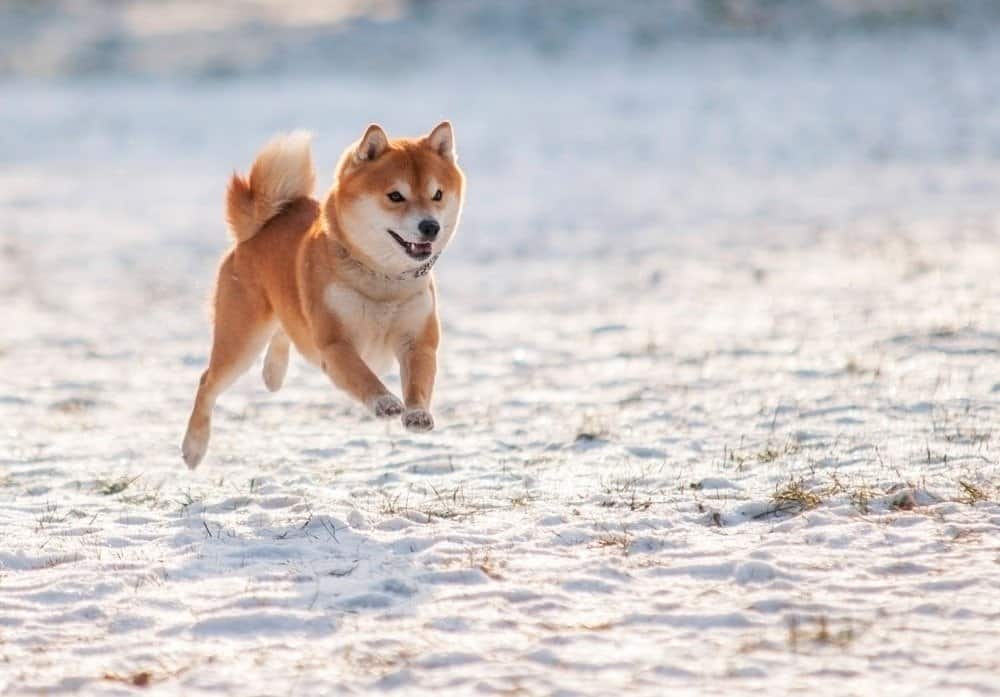
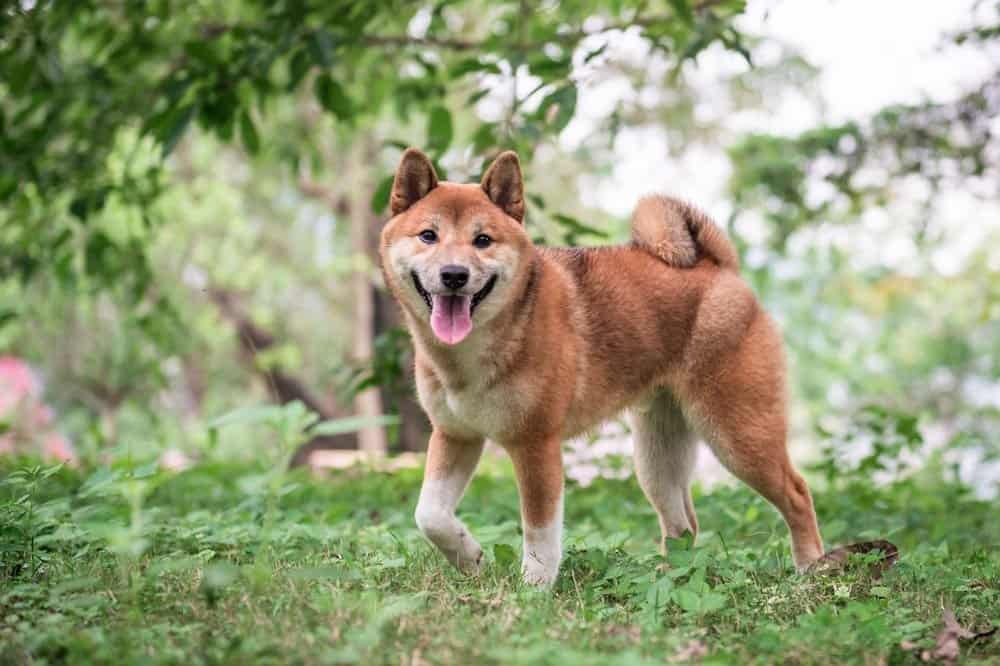
Shiba Inus can be a little stubborn, but they are fiercely loyal to their families.
©Trybex/Shutterstock.com
Shiba Inus can be a little stubborn, but they are fiercely loyal to their families. Mari, a Shiba Inu dog, alternated between caring for her newborn puppies and her elderly owner, who was trapped in his home in 2004 when an earthquake struck the village of Yamakoshi in Japan. Mari moved her puppies to a safer place and woke her owner, trapped underneath a fallen cabinet.
Mari’s owner was finally evacuated from the area by a helicopter but had to leave the dogs behind. Two weeks later, the man returned and found them alive, though Mari was emaciated. Mari’s unique story was then adapted into a Japanese movie called A Tale of Mari and Her Three Puppies.
5. Shiba Inus Unleash a Human-Like Wail When They’re Upset
Shiba Inus are sometimes considered the drama queens of the dog world because of their weird vocalizations. They often let out a human-like wail when they’re upset. If you’ve never heard or seen a scared Shiba, then you wouldn’t want to scare one. Sources of stress include having their nails clipped, during a bath, or when a vet is giving them an injection.
6. Shiba Inus Have Cat-Like Qualities
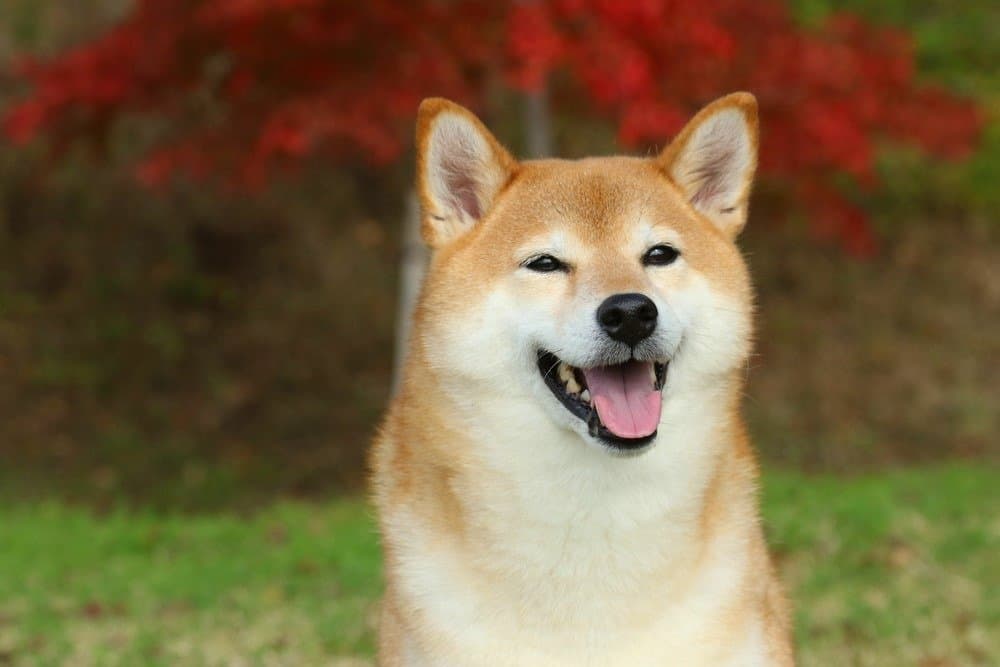
Shiba Inus spend most of their time grooming their coats and licking their paws.
©Rin Seiko/Shutterstock.com
Surprisingly, Shiba Inus behave more like cats than dogs. They are free-thinking and stubborn at times, making them difficult to train. They also spend a lot of time grooming their coats and licking their paws, as cats do. Shiba Inus are also as agile as cats and move just as quickly and gracefully. Like most cats, Shiba Inus are very possessive, especially over their toys and food. They don’t like to share anything, no matter how friendly they are. While Shiba Inus may exhibit this behavior instinctively, cats may be displaying their territorial nature.
7. Shiba Inus Shed Heavily Twice a Year
Shiba Inus “blow their coat” off twice a year. The heavy shedding typically lasts for three weeks and can be a nuisance. Pet parents should brush their Shiba Inus daily to reduce the amount of shedding. Shaving their coats is also not recommended because it plays a considerable role in protecting them from cold and hot temperatures.
8. The Average Life Expectancy of a Shiba Inu is 12 to 15 Years
The average lifespan of a Shiba Inu is 12 to 15 years. Pusuke, the oldest Shiba Inu, died at age 26 in December 2011. Pusuke was the oldest dog alive at the time. Daily exercises, especially daily walks, are recommended for Shiba Inus to live a long and healthy life. Generally, the Shiba Inu is a healthy dog, but frequent examinations are necessary to rule out any conditions throughout the dog’s life. They are usually vulnerable to luxating patella, entropion, hip dysplasia, cataracts, glaucoma, and allergies.
9. Shiba Inus are Double-Coated
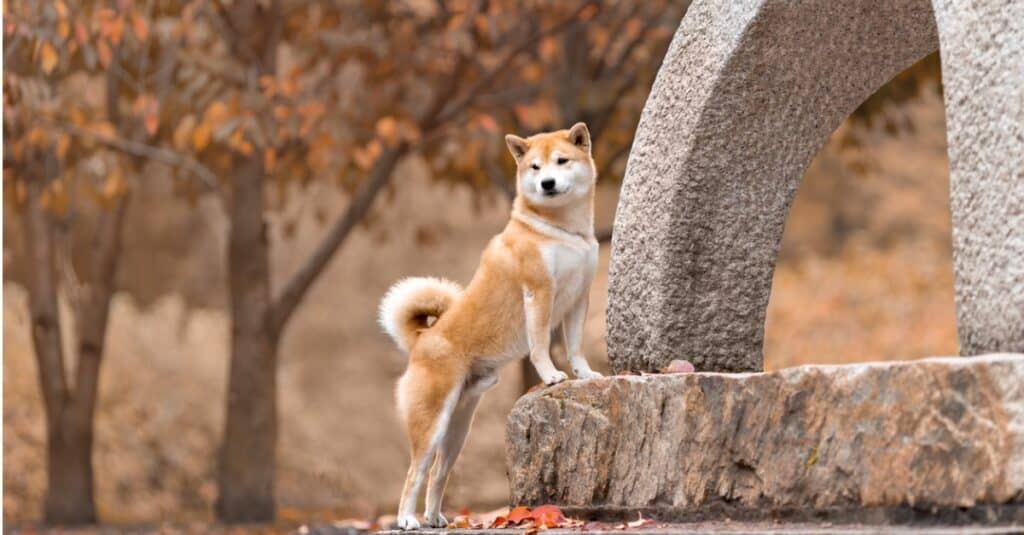
Shiba Inus’ guard hairs are typically coarser and more extended.
©Irina Nedikova/Shutterstock.com
Shiba Inus have double coats, with the undercoat being soft and thick, while their outer coat is stiff and straight. Their fur is short and found even on their legs, faces, and ears. Shiba Inus’ guard hairs are typically coarser and longer, about 1.5 to two inches long at the shoulders. The guard hairs protect their skin from superficial injuries and form an additional layer of insulation to repel rain or snow.
10. Shiba Inus Exhibit an Independent Nature
If you’re looking for an affectionate dog that loves to cuddle and craves constant attention, then a Shiba Inu is not ideal for you. Shiba Inus are pretty independent dogs. They follow their owners around but prefer to be a few feet away rather than in anyone’s lap. You can only pet these dogs on their terms. Although they may not be particularly affectionate, Shiba Inus are very loyal companions who will do anything for their owners. They can be devoted friends to kids as long as they are socialized early and correctly.