
Quick Take
- Shiba Inus came shockingly close to disappearing forever during World War II, and the narrow thread of survival that saved the entire breed is more precarious than you'd expect. Explore the breed's history →
- Unlike almost every other dog breed, Shibas have an unusual self-care behavior that also makes one part of ownership surprisingly easy. See their self-cleaning habits →
- Even a perfectly trained Shiba Inu has one specific situation where that training can't be trusted, and ignoring that situation has real consequences. Learn about leash safety →
- This breed's roots stretch back further than most ancient civilizations, and the story of how today's Shiba came to exist is surprisingly complicated. Trace the ancient origins →
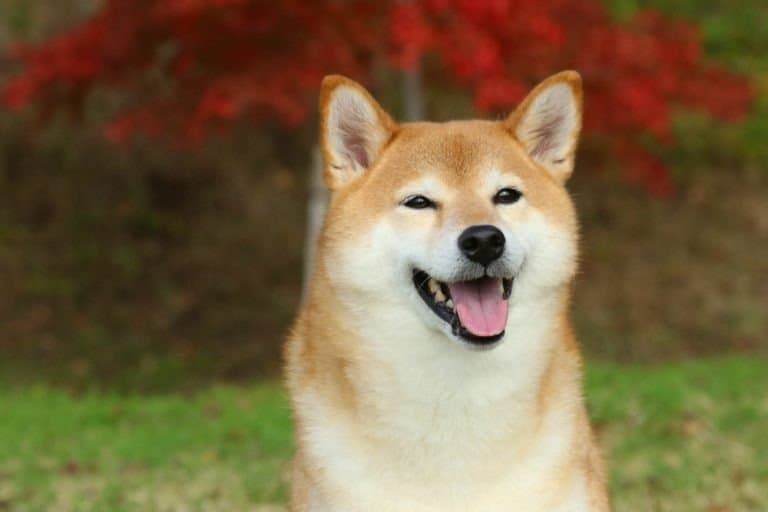
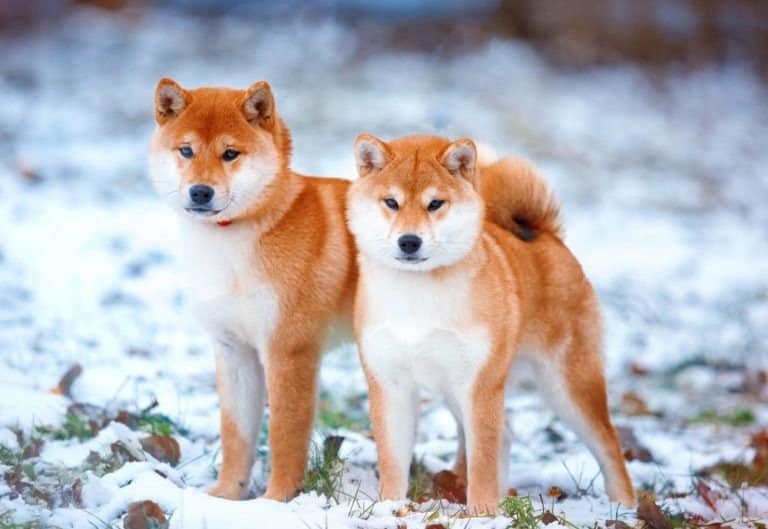
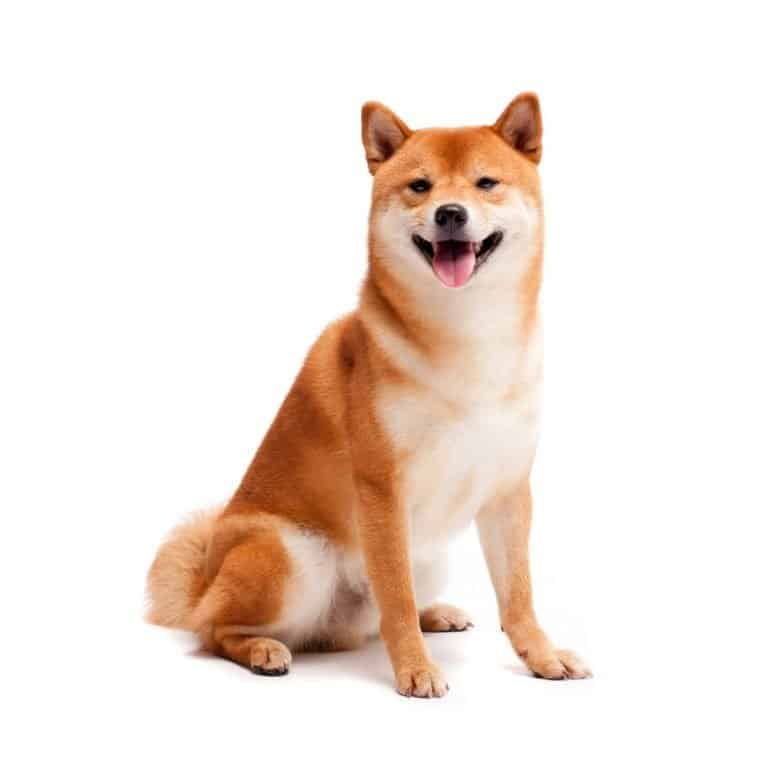
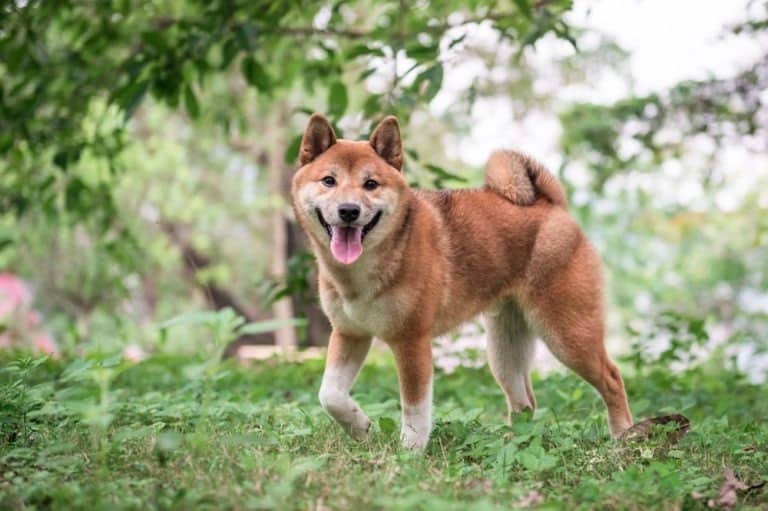
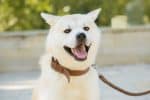
Shiba Inus, or Shibas as they’re often called, are a small- to medium-sized breed. Their coat is often a mix of black, white, sesame, tan, and red. They are a hunting dog that was bred for flushing out small animals and birds.
During World War II, Shiba Inus nearly became extinct due to a distemper epidemic coupled with a food shortage. Three surviving bloodlines were used to keep the breed alive; all Shiba Inus are descended from one of these bloodlines.
Shiba Inus are affectionate, active, and vocal dogs. While they can be stubborn and hard-headed, they are also very loyal and caring, and can make a good family dog.

Evolution And History
The Shiba Inu is a very old breed and can trace its ancestors back to 7,000 BCE. Remains of dogs resembling the size of the Shiba were found in areas of Japan that were inhabited by the Jomon people from 14,500 BCE to 300 CE. The Shiba Inu of today is most likely a result of being crossed with dogs of the Jomon people and dogs that new immigrants brought to Japan. It is still one of the most popular breeds in Japan.
3 Pros And Cons Of Owning A Shiba Inu
| Pros | Cons |
|---|---|
| Good family dog: As long as they are properly trained and socialized, Shiba Inus can be a good hunting dog. | Stubborn: These dogs can be quite stubborn when learning new commands and need an experienced trainer. |
| Attractive: A Shiba Inu is an attractive-looking dog with a mix of sesame, black, white, red, and tan colors in their coat. | Heavy shedders: Shiba Inus can shed a lot of hair during their shedding seasons. You’ll need to stay on top of brushing them regularly to prevent hair from getting left all over your home. |
| Playful: Shiba Inus are active dogs who enjoy playing with their family members. | Vocal: Shiba Inus may bark more than other dog breeds. |
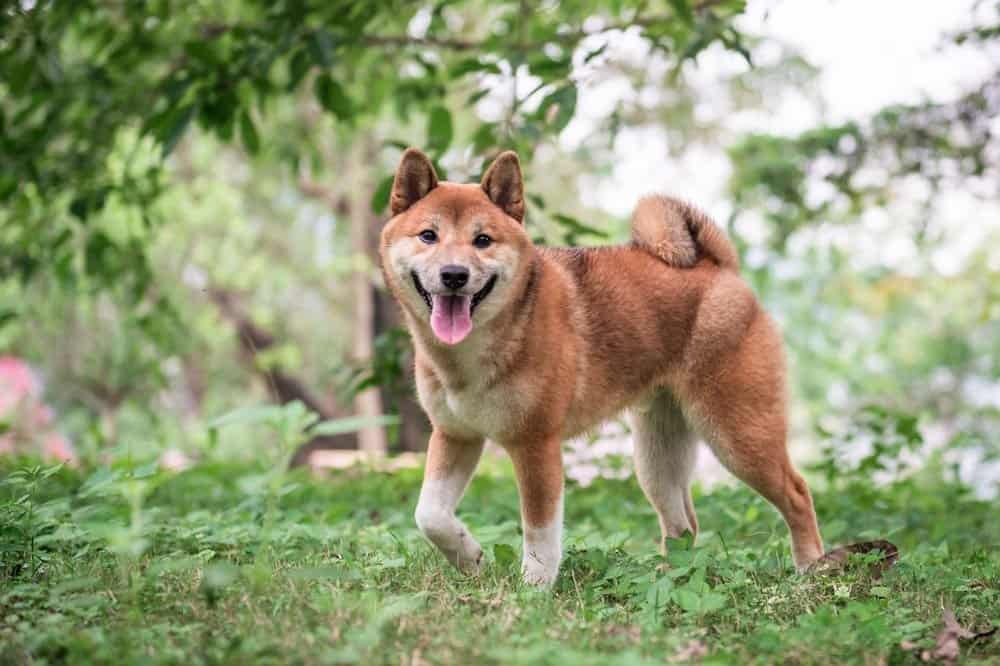
Shiba Inus may be one of the most vocal dog breeds.
©Chendongshan/Shutterstock.com
Size And Weight
Shiba Inus are a small- to medium-sized breed. Males weigh between 17 and 24 pounds and are between 14.5 and 16.5 inches tall. Females are just a little smaller than their male counterparts. They weigh between 15 and 23 pounds and are between 13.5 and 15.5 inches tall. 3-month-old puppies weigh between 6.5 and 10.3 pounds. By 6 months, the puppies will have grown to weigh between 12 and 18 pounds. Shiba Inus typically reach their full adult size by 10 to 12 months of age.
Common Health Issues

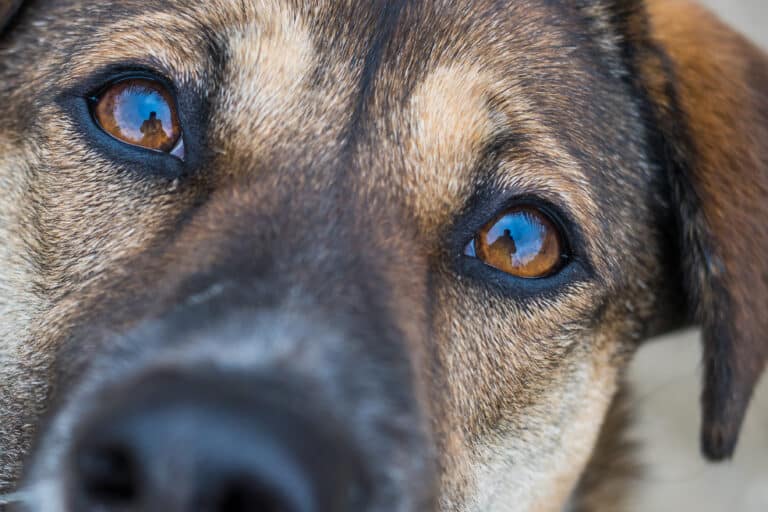
Shiba Inus can develop eye problems, so it is important to get them regular vet checkups.
©MitchyPQ/Shutterstock.com
Shiba Inus are prone to a few health issues. Being aware of these before bringing home your Shiba Inu can help you know what to look out for and allow you to provide them with the best possible care.
Hip dysplasia is one health concern with Shiba Inus. The hip of a dog with hip dysplasia isn’t aligned properly, and the ball and socket in the joint rub against one another. This can be quite painful for dogs as it gets more worn down over time. You can check with your veterinarian for suggested remedies or preventative measures to keep your dog more comfortable.
Shiba Inus can also have eye problems, including glaucoma. Glaucoma can lead to blindness and can be very painful for dogs. Watery eyes, a bluing cornea, redness, or squinting can all be signs of glaucoma.
Patellar luxation is another condition to be aware of with this breed. In this condition, the dog’s kneecap slips out of place. In some cases, surgery may be required, but mild cases can normally be treated with medications.
Temperament
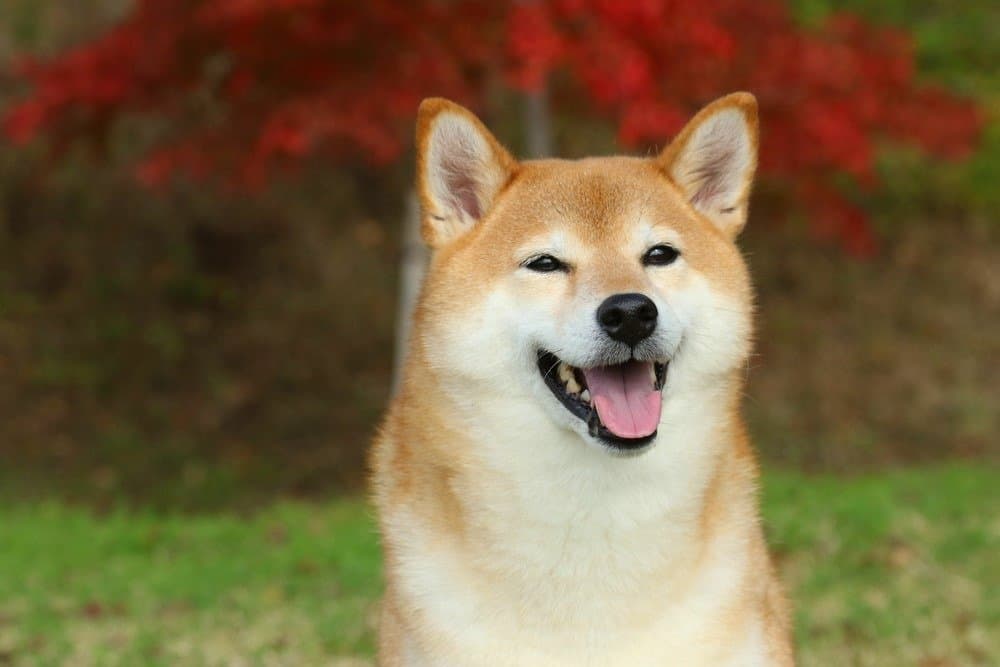
Shiba Inus take pride in their clean appearance and are easy to house train.
©Rin Seiko/Shutterstock.com
Shiba Inus are known for their alertness. As a hunting dog, this trait allows them to be of great help when out in the field. Unlike many other dog breeds, Shiba Inus have a fastidious behavior. They keep themselves extremely clean and seem to pride themselves on their clean appearance. Because of their proud personality, Shibas are also easy to house-train.
Additionally, Shibas can be very stubborn and independent. When outdoors, they are generally very active. However, as long as they get sufficient exercise, they can be a calm family dog.
How To Take Care Of A Shiba Inu
Shiba Inus are a unique breed. There are a few factors you’ll need to consider when caring for this dog breed. Thinking about their health concerns, temperament, nutritional needs, and more can help you provide them with the best possible care.
The Best Dog Food For Shiba Inus
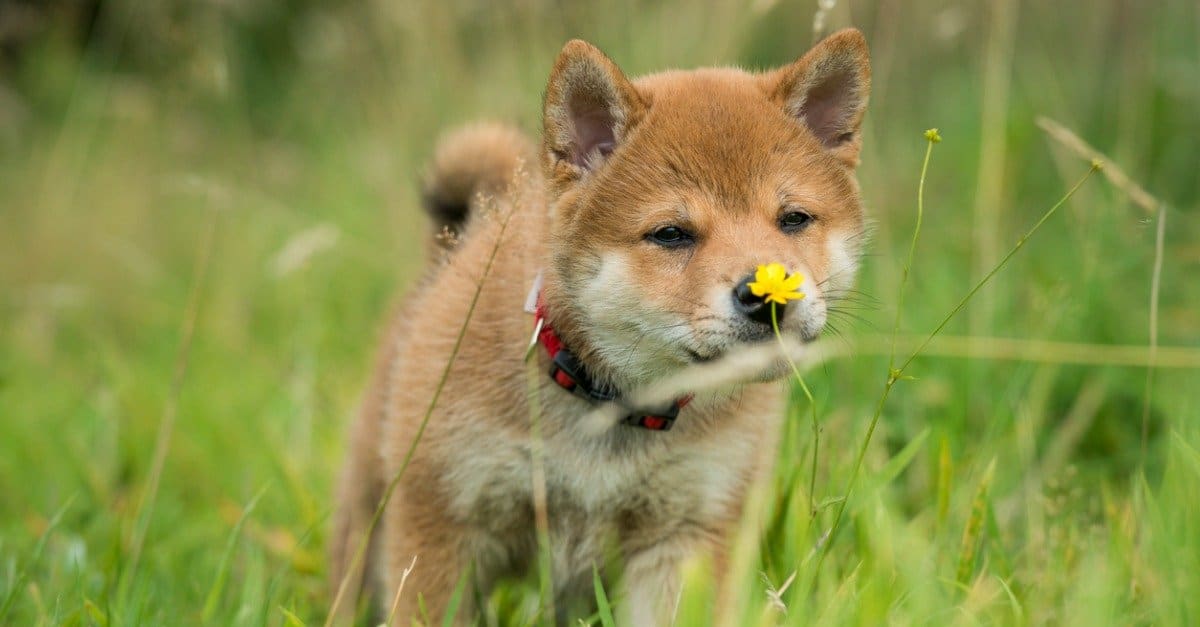
Shiba Inu puppies need smaller, more frequent meals throughout the day.
©iStock.com/Kurt Pas
When selecting food for your Shiba Inu, it is essential to choose high-quality dog food from a reputable manufacturer. You may also choose to offer a homemade diet to your adult or puppy Shiba Inu. Whichever route you choose, make sure you are meeting the nutritional needs of your dog; your veterinarian is a good source if you need help selecting food for your specific dog.
Shiba Inu puppies are born with smaller stomachs. Because of this, it will be important to offer puppies smaller, more frequent meals throughout the day. An eight-week-old puppy should eat three times each day. Each meal should consist of about one-third cup of dry food that has been slightly moistened. After puppies have reached the age of four months, they can be fed two slightly larger meals each day.
Adult Shibas typically eat about 1 or 1.5 cups of kibble each day. Since some Shiba Inus face problems with obesity, take care to feed them the appropriate amount of food based on their age, weight, and activity level. You will also want to avoid giving too many treats since these can also contribute to obesity in some Shiba Inus.
Maintenance And Grooming
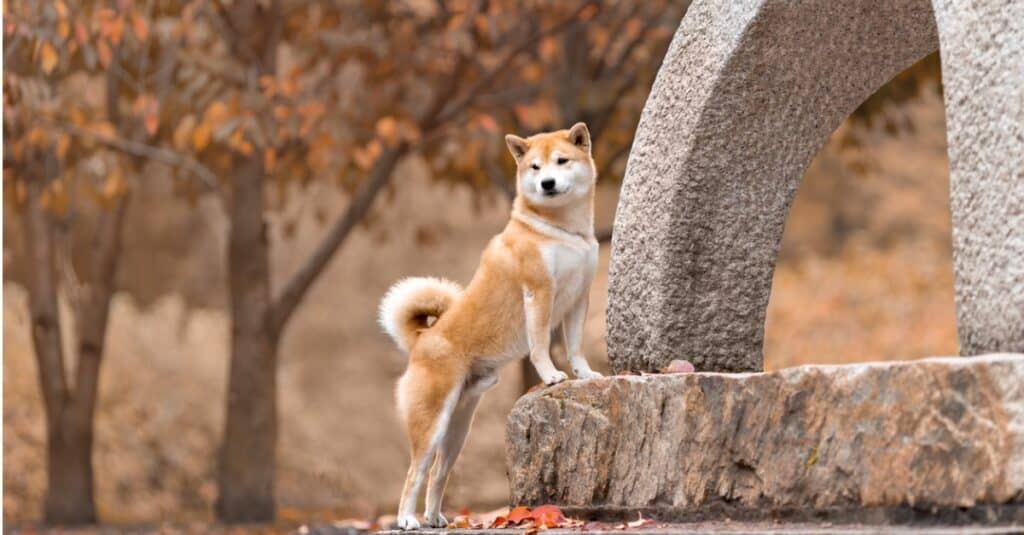
This breed tends to shed quite heavily, so they require regular brushing.
©Irina Nedikova/Shutterstock.com
While Shibas do a good job keeping themselves clean and their coat not matted, they will still require a good amount of attention. This breed sheds quite a bit, so regular brushing will help prevent hair from being left all over the house. You can also use a strong blow-dryer (on a cooler setting) to help remove some of their loose hair.
Shiba’s nails should also be trimmed to keep them short and allow them to walk comfortably. Many Shiba Inus do not tolerate this very well, so you will want to start this process early with your puppy to get them used to it. If your dog resists too much, you could have a professional groomer trim their nails for you.
Training
Shiba Inus can be a challenge to train. They can be very stubborn or headstrong, so they don’t always take well to training. It is best to begin training your puppy as soon as you bring them home, while they are still young and not too set in their ways. Looking for obedience training classes led by a professional is also a good idea.
Even if your Shiba Inu is well-trained, you should always keep them on a leash when you go for a walk. Shibas are not reliable dogs when they are not leashed and may become aggressive toward other dogs.
Exercise
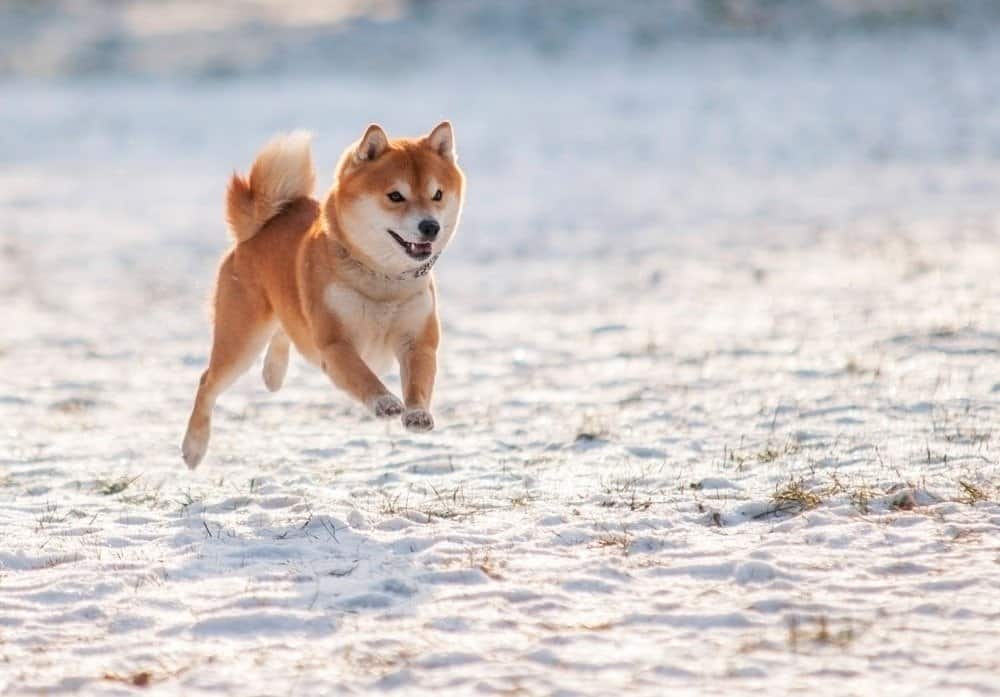
Shibas need daily exercise, and regular walks will benefit them.
©Trybex/Shutterstock.com
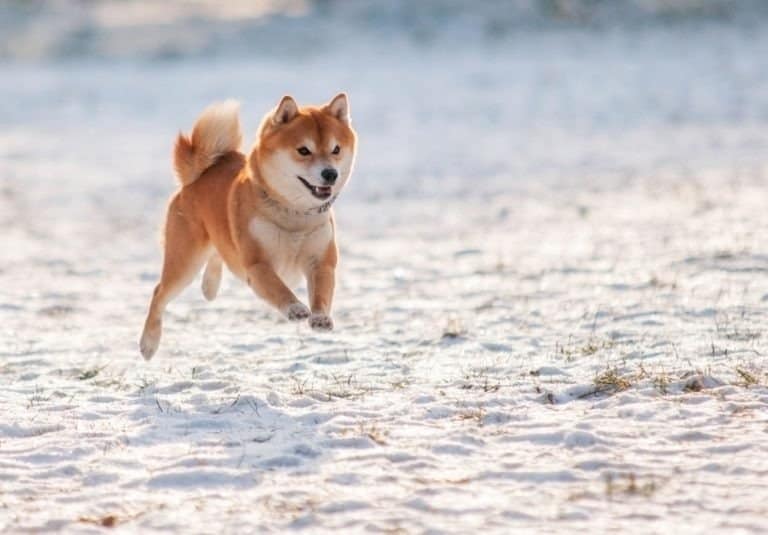
Shibas are active dogs and will need daily exercise. They enjoy going for walks with their owners or running around in a fenced backyard. While they are not as destructive as some other breeds when they are left alone, they may develop separation anxiety if their owner is gone for too long. Finding time to spend with your dog and exercising together will benefit them.
Puppies
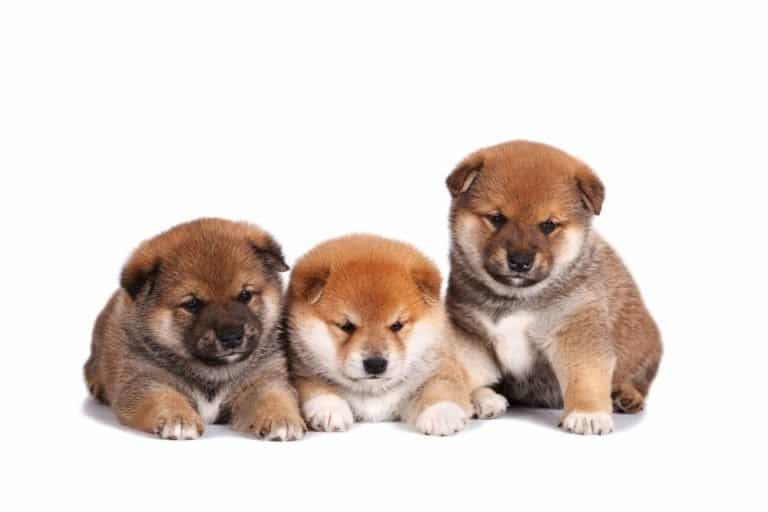
Shiba Inu puppies can be headstrong, so be ready to be consistent and dedicated to helping your puppy adjust to their new environment and learn routines. You will want to make sure that you give your new puppy plenty of time to play outside. Shibas are hunting dogs and have high activity needs.
You will also want to begin training your Shiba Inu puppy very early on. Since Shibas can be more difficult to train than some other dog breeds, starting early on will make your job that much easier. You may also want to look into obedience classes with a professional trainer who is experienced with training these stubborn pups.
It is also important to remember that puppies have smaller stomachs than adult Shibas do. For this reason, they will need to eat smaller, more frequent meals throughout the day.
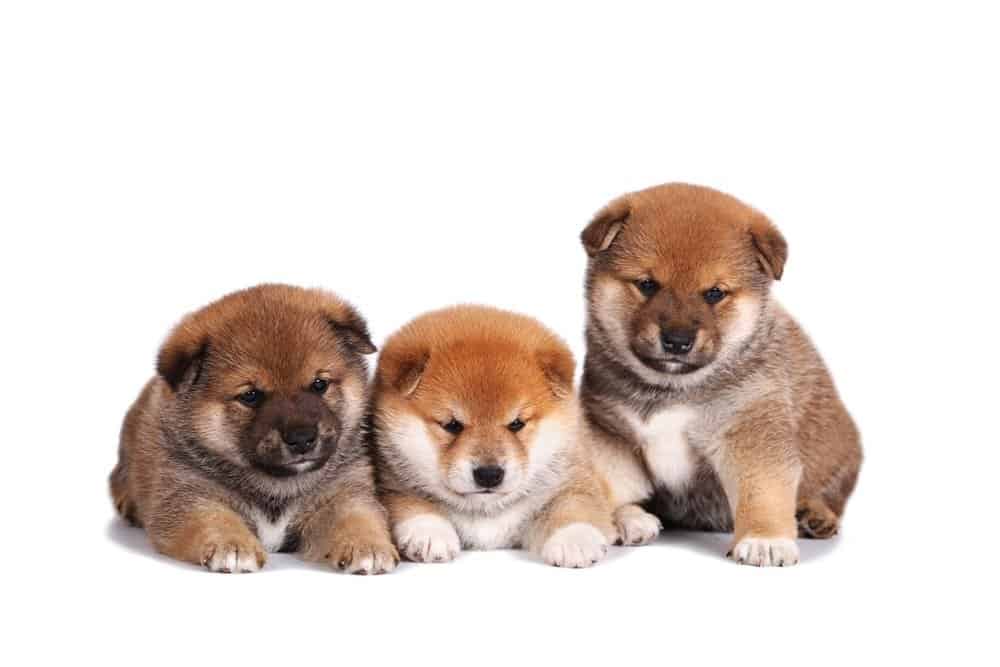
Shiba Inu puppies are headstrong, and you must be consistent with training.
©jussi_fruit/Shutterstock.com
Shiba Inus And Children
Shiba Inus can be a good family dog. However, it will be essential to make sure the dog is properly trained and receives socialization from an early age. Before bringing a Shiba Inu into a home with children, it will be important that parents and older children are aware of the dog’s needs. Making sure the dog gets sufficient exercise and activity will be important.
It will also be essential to teach children how to appropriately interact with a dog. This can prevent accidental injuries to the dog or your children. Children of all ages, but especially younger children, should always be supervised around Shiba Inus and other breeds to prevent accidents.
Dogs Similar To Shiba Inu
Akitas, Finnish Spitzes, and American Eskimo Dogs are three breeds that share some similarities with Shiba Inus.
- Akita: Akitas and Shiba Inus are both Japanese breeds. There are some similarities and differences that the breeds share. Both breeds are very intelligent, stubborn, and affectionate. They also have similar coloring and an overall similar body shape. However, Akitas are a larger dog. They are typically between 24 and 28 inches tall, while Shibas are only around 13 to 17 inches tall. Akitas are also heavier, typically weighing between 70 and 130 pounds. Shiba Inus normally weigh 23 pounds or less.
- Finnish Spitz: Finnish Spitzes look similar to a Shiba Inu. Both have a reddish-gold coat, though Shiba Inus can also have some cream, tan, or black colors in their coat. Both breeds are also affectionate and intelligent. Finnish Spitzes do better with other pets in the home than Shiba Inus do. Finnish Spitzes are also larger than Shiba Inus. They typically weigh around 33 pounds, while Shiba Inus weigh closer to 20 pounds.
- American Eskimo Dog: The American Eskimo Dog also has some things in common with the Shiba Inu. Both dogs are affectionate and have a low potential to bite. They can also make good watchdogs since they will bark to alert you to the presence of others. The coat of an American Eskimo dog is quite different from that of a Shiba Inu. American Eskimo dogs have a fluffy, white coat. Shibas have a denser coat that is a mix of colors, including tan, red, cream, black, and sesame.
Famous Shiba Inus
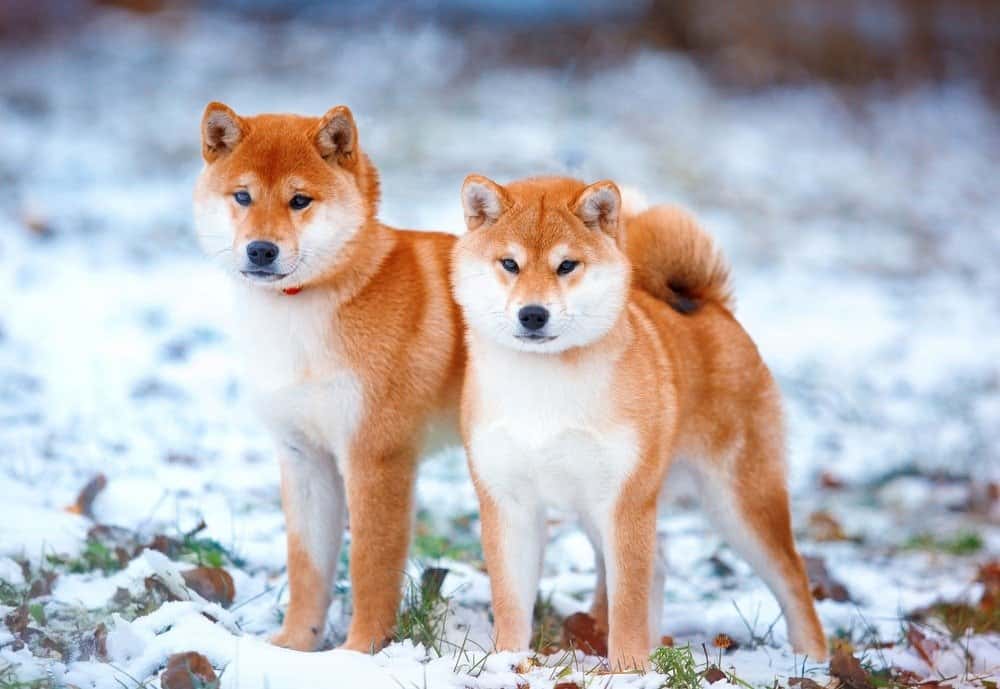
Shibas make great companions, whether you are famous or not.
©Akbudak Rimma/Shutterstock.com
Shiba Inus are a wonderful dog breed. There are a few Shiba Inus who are famous, either through their Instagram followers or because they are owned by a celebrity.
- Fawkes is a Shiba Inu that was adopted by Ariana Grande in 2014.
- Maru Taro is an Instagram sensation. This Shiba Inu has over 2 million followers.
- Daifuku is another famous Shiba Inu on Instagram. He is known for his fun poses with different props and accessories.
Shiba Inu Pictures
View all of our Shiba Inu pictures in the gallery.

Rin Seiko/Shutterstock.com
Sources
- American Kennel Club / Accessed November 8, 2020
- Wikipedia / Accessed November 8, 2020
- Petfinder / Accessed November 8, 2020
- Calvert Animals Hospital / Accessed November 8, 2020