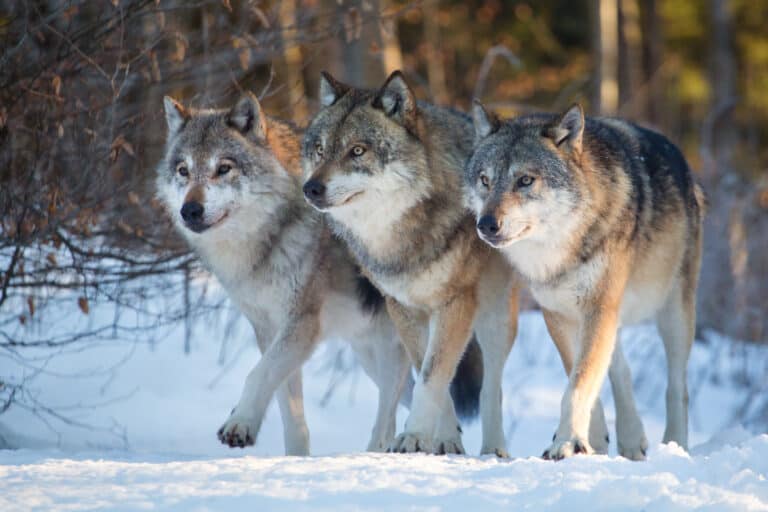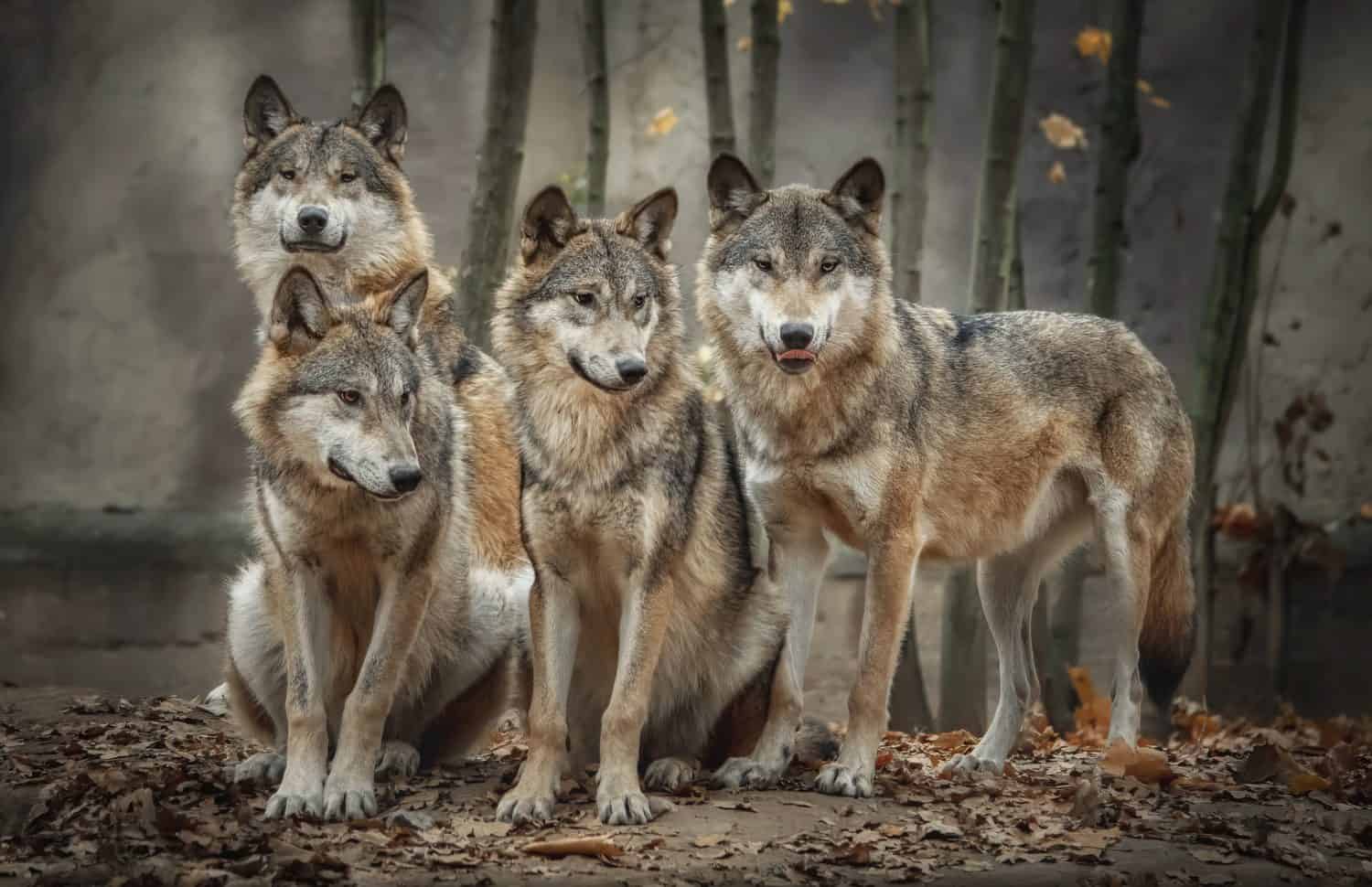

After being eradicated from the state in the early 1900s, gray wolves seemed unlikely to ever make a return. This all changed after a lone wolf made an incredible journey from Oregon to California in 2011. With his journey, a new chapter began for gray wolves in the Golden State.
Since 2011, 10 wolf packs have established themselves in California. These wolves are a protected species, meaning it is illegal to kill them. But, for the first time in more than a century, California has euthanized wolves. While this move has effectively removed an entire pack from the state, officials believe the necessary culling will not affect the overall wolf population. Instead, the hope is that wolves will return to relying on wild prey rather than the cattle with which they share the region.
California Euthanized Four Wolves After Attacking Cattle
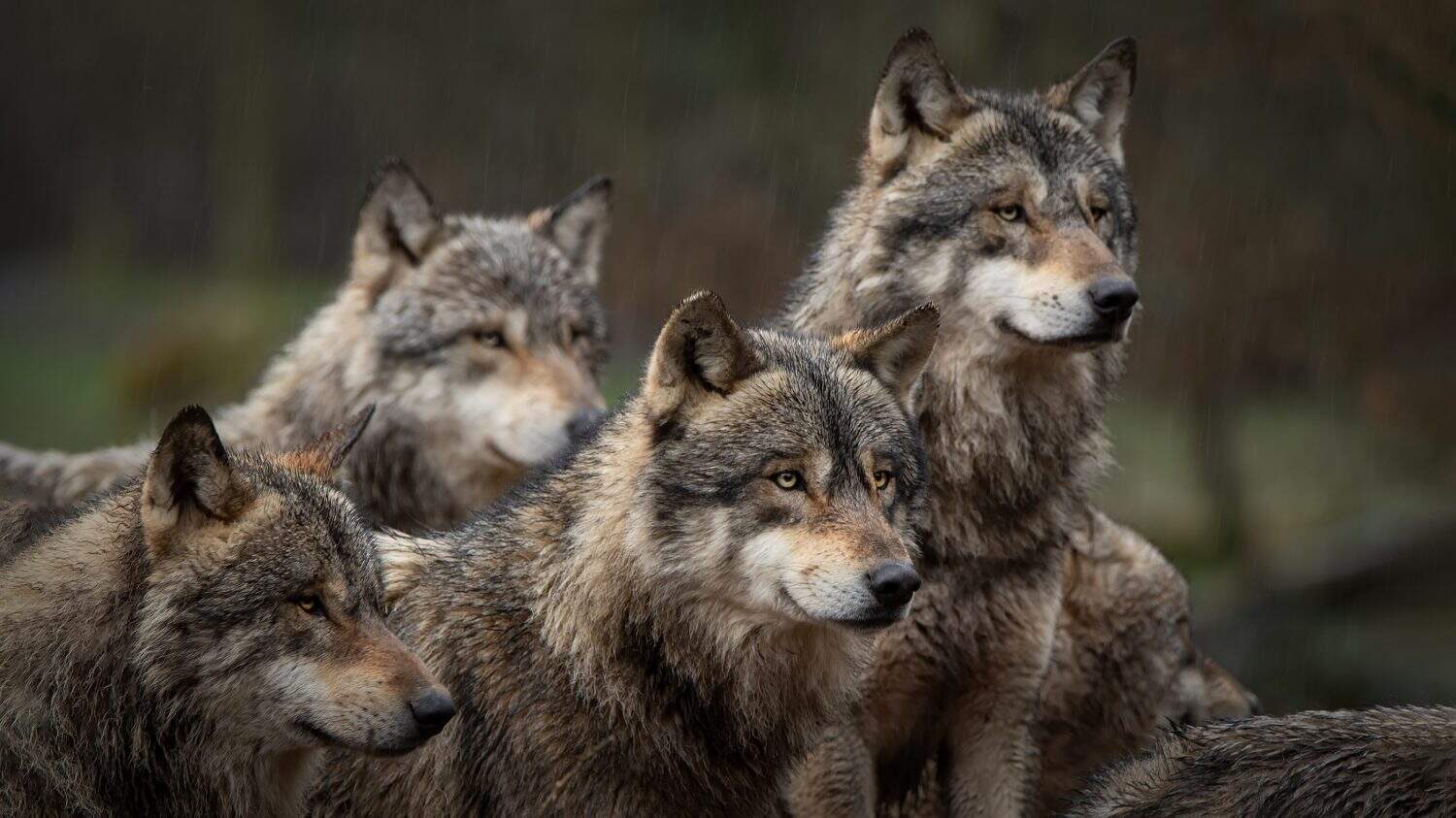
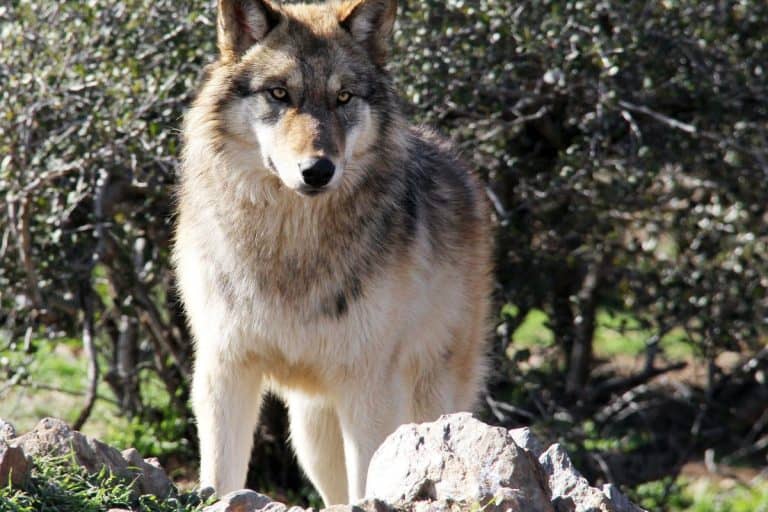
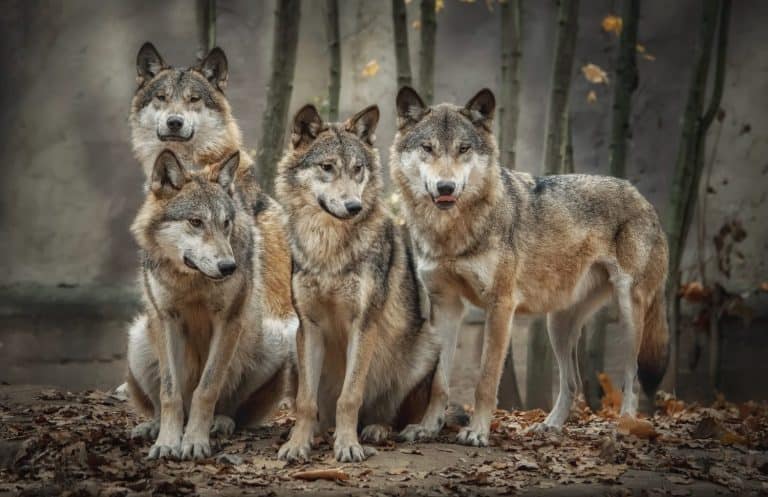
Four gray wolves were intentionally killed in California after they continued to attack cattle.
©Pat-s pictures/Shutterstock.com
After a decade of attempting to increase the population of gray wolves in the Westcoast state, the California Department of Fish and Wildlife made a decision to kill members of a wolf pack in early October 2025. Though the decision was not made easily, it marks the first killing of gray wolves in the Golden State in a century.
In early October, the California Department of Fish and Wildlife announced it had exhausted its efforts to stop the Beyem Seyo pack, located in Plumas and Sierra counties, from hunting local cattle. CDFW had been working since June 2025 to deter wolves and move them out of the region where so many cattle are located. Unfortunately, given the wolves’ propensity to target only cattle rather than wild prey, they were not deterred.
From March 2025 to September 2025 alone, the wolf pack was responsible for the killing of 70 heads of cattle. This equated to 63% of the total livestock losses in the state during that period.
The pack, which was established in 2023 by a breeding male and female from the Lassen pack, had six pups in 2023 and five in 2024. The male was last seen in 2024.
Additionally, as researchers monitored the Beyem Seyo pack, it appeared to merge with the Antelope pack. However, research is still ongoing to determine if this occurred.
A new male was spotted with the original breeding female, and in January 2025, there were at least six pups with the breeding female and the new male.
The wolves targeted in the operation, according to the L.A. Times, were the “breeding male and female pair, a solo male and a solo female.” Additionally, a juvenile male was killed in the weeks before this group was culled, due to a case of mistaken identity.
According to Director of the California Department of Fish and Wildlife, Charleton H. Bonham, the wolves had become reliant on the cattle, something that was not “good” for their recovery or their coexistence with ranchers.
“The Beyem Seyo pack became so reliant on cattle at an unprecedented level, and we could not break the cycle,” Bonham explains to the L.A. Times, “which ultimately is not good for the long-term recovery of wolves or for people.”
It is believed that three other juveniles from the pack are in the area. However, they have yet to be found. When they are, they are to be sent to a wildlife sanctuary to break the cycle of preying on cattle, to become reliant on deer and elk instead.
Non-Lethal Methods Were Attempted, But Failed
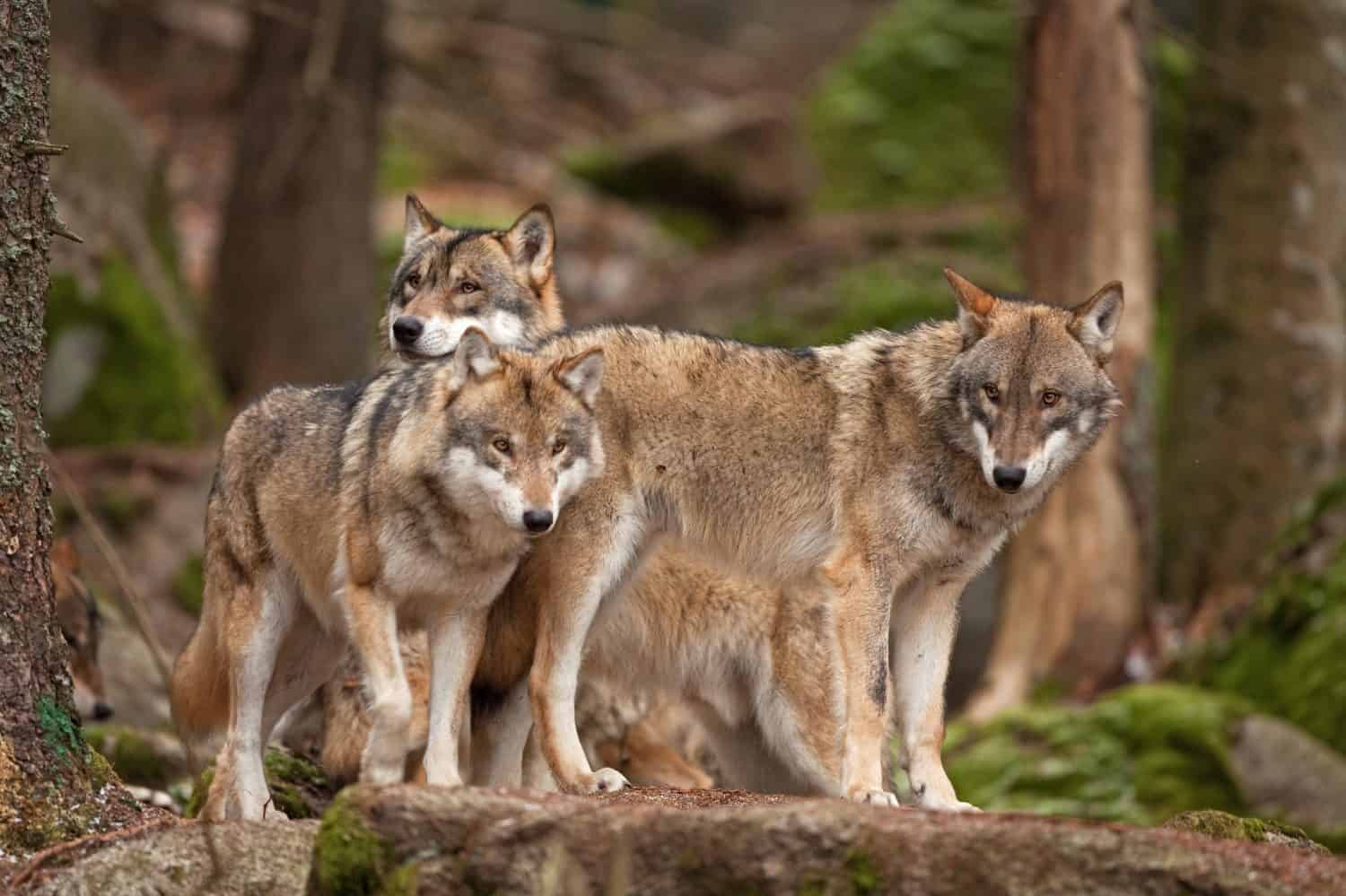
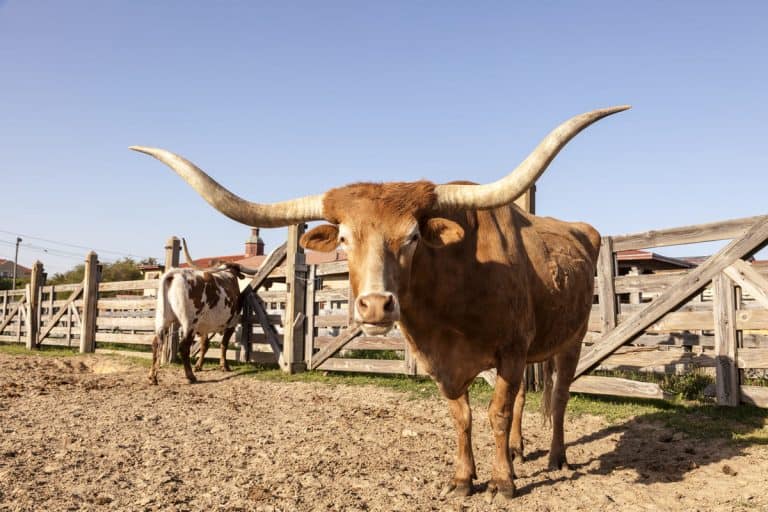
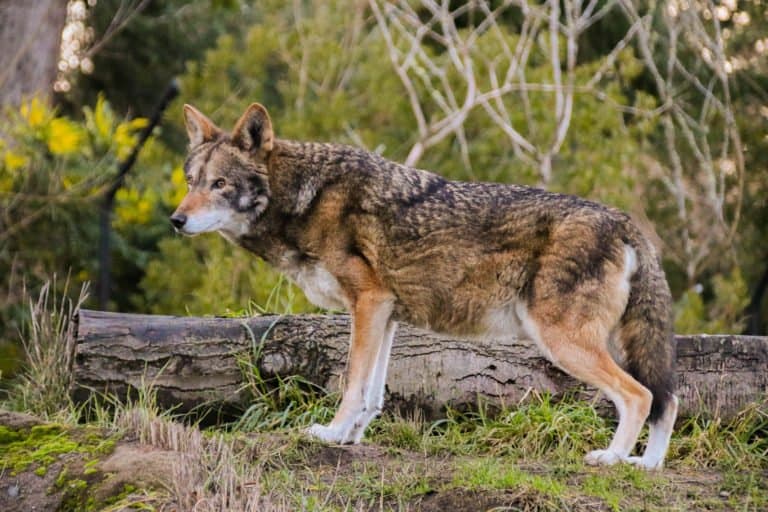
State officials tried non-lethal methods to deter the wolf pack for months before the decision was made to cull them.
©Martin Prochazkacz/Shutterstock.com
When the decision to kill the wolves in October was made, it was not an easy one. According to Bonham, there simply was no other choice.
“We threw everything at it for months to change their behavior, ” Bonham explains to the Sacramento Bee. It’s hard, and it weighs on you. This decision was not made lightly.”
To stop the wolves from attacking cattle, officials with CDFW put in 18,000 hours over 114 days, beginning in June 2025. The efforts included:
- Firing guns in the air
- Using ATVs to scare wolves away from cattle
- Shooting at the wolves with non-lethal ammunition
- Using drones to scare the wolves from the noise
- Providing roadkill to the pack to dissuade them from killing cattle
Unfortunately, as September approached, the wolves continued attacking cattle in the Sierra Valley. There was nothing that would deter the wolves from going after the prey they had become so accustomed to killing for survival.
“This dynamic with this particular pack is far outside the known experience in any other western state,” Bonham says to the Sacramento Bee.
While non-lethal methods were tried for an extended period, according to Pamela Flick, Director of the California branch of Defenders of Wildlife, if they had been attempted sooner, they might have proven useful.
“Despite the extraordinary efforts initiated by CDFW in June 2025, it was simply too late in coming,” Flick tells the Sacraments Bee. “By then, the Beyem Seyo pack had unfortunately already been habituated to preferentially selecting livestock as prey. The situation had reached a tipping point, a point of no return.”
Conservationists are concerned about what this killing means for the future of the wolves in California. While wildlife officials do not believe the intentional culling of four wolves and the accidental death of a fifth will affect the overall wolf population in the Golden State, those who are worried point out that wolves were extinct in California for 100 years, only recently returning over a decade ago.
Wolves Were Once Extinct In California
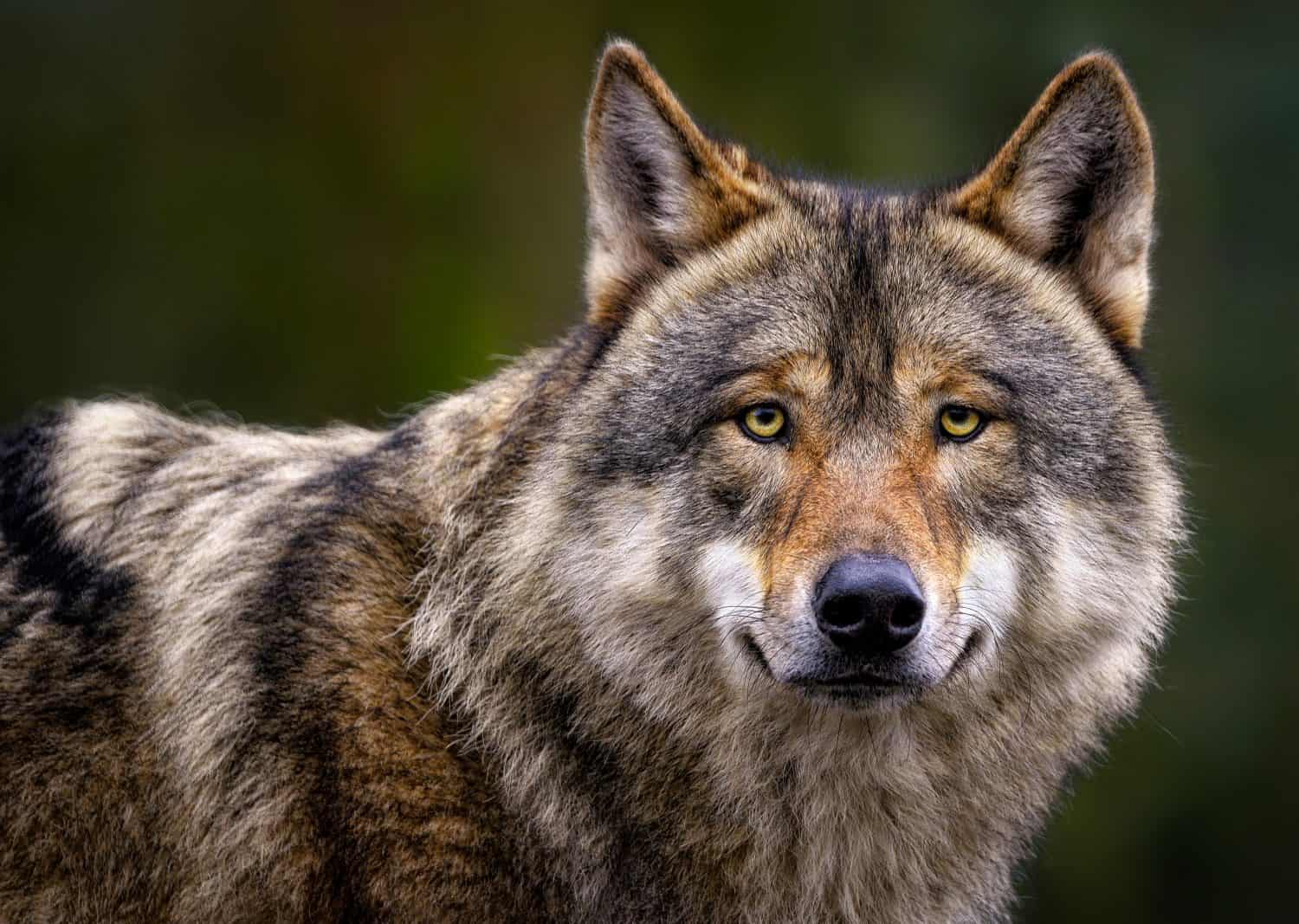
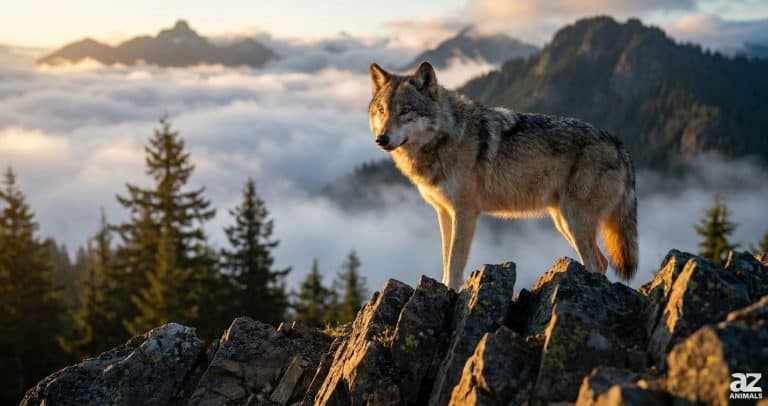
Gray wolves were eradicated from California in 1924.
©ambquinn/Shutterstock.com
Beginning in the 1880s, wolves were seen as a massive threat to farmers and ranchers. Because of this, anti-wolf campaigns started. They were so successful that by the early 1920s, it was rare to see a wolf in California. Then, in 1924, the last gray wolf was killed. This marked the extinction of wolves in the Golden State.
California would remain wolf-free for nearly a century. It was not until 2011 that a gray wolf crossed the border from Oregon, becoming the first wolf seen in the state since the species’ extinction. The wolf, named OR7 from the Imnaha pack, crossed the border several more times before establishing territory in Oregon. No cattle were killed during the time OR7 was in California.
In 2015, the first wolf pack was discovered in California. Named the Shasta pack, these wolves marked the beginning of wolf reestablishment in the state. One decade later, there are now a confirmed 10 wolf packs in California, with a total population of 50 to 70 wolves.
While wolves are still in the early stages of recovery, conservation efforts over the last 10 years have proven successful. So successful, according to some, that a State of Emergency has had to be declared in some Northern California counties because of the wolf packs that live there.
Several Counties Have Declared A State Of Emergency
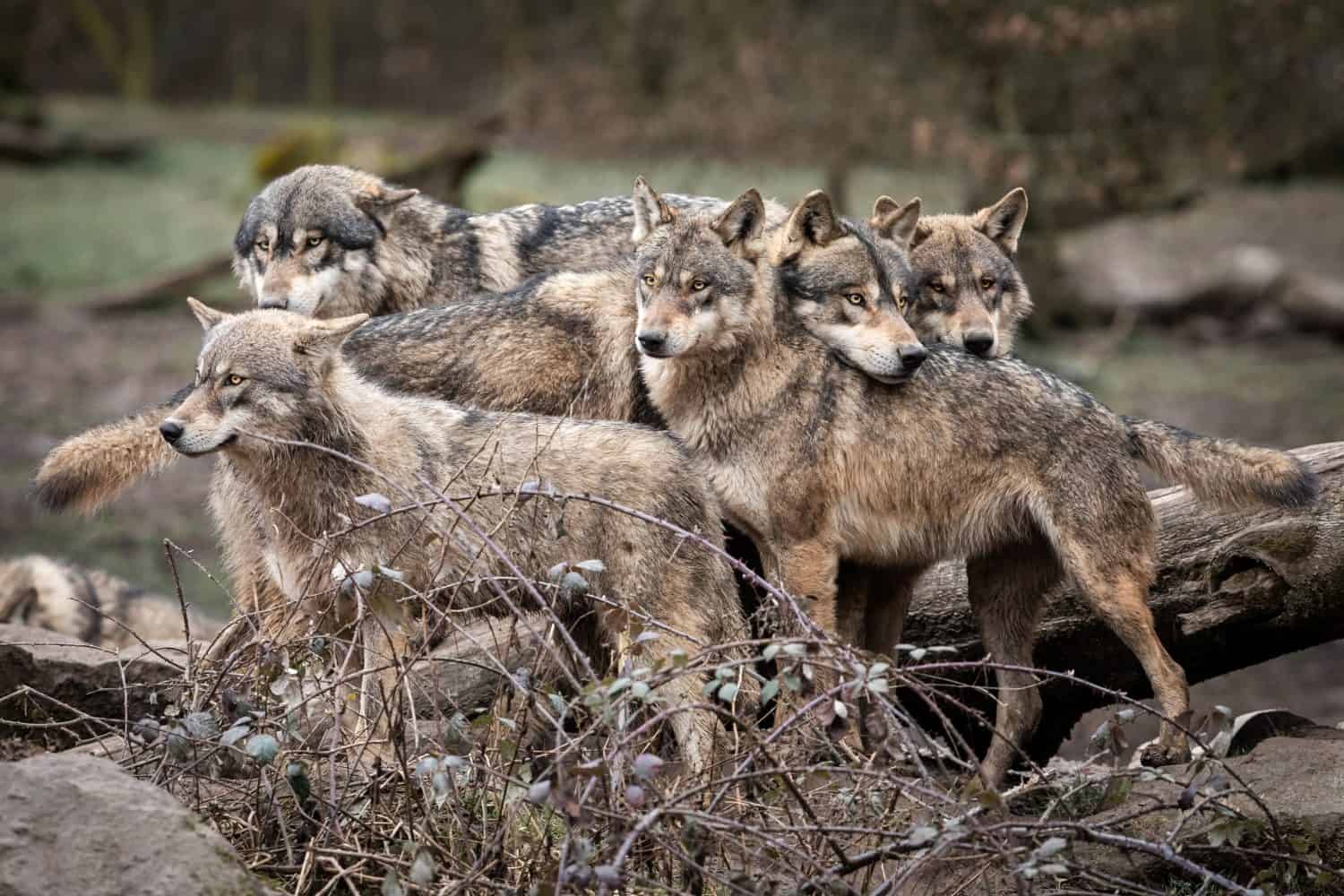
Increasing wolf pack populations have led counties in Northern California to declare a State of Emergency.
©AB Photographie/Shutterstock.com
Conservationists are cheering the fact that wolf populations are increasing in California. However, not everyone is as enthusiastic about the wolf pack population. In fact, several Northern California counties have declared a State of Emergency due to wolf encounters.
In total, there are five counties in California that have declared a State of Emergency. They include:
| County That Has Declared State Of Emergency | Reason for State of Emergency |
| Shasta County | Number of livestock attacks and wolves not being afraid of people |
| Lassen County | Increased number of wolves and the need for state funding to protect against them |
| Modoc County | Number of livestock deaths and the need to protect against attacks |
| Plumas County | Number of livestock deaths and the need to protect against attacks |
| Sierra County | Number of livestock attacks and the need for state funding to protect against them |
When ranchers lose livestock, they lose their income. It is estimated that one wolf can cost a rancher “between $69,000 and $162,000.” If enough wolves continue to target the same herd of cattle, it can easily put a rancher out of business.
There is concern in California for both ranchers and wolves. For the wolves to survive, there needs to be a way found for the wolves and ranchers to coexist. What that looks like in reality, however, is uncertain.
Coexistence Between Wolves And Ranchers Is Necessary For Wolves To Survive
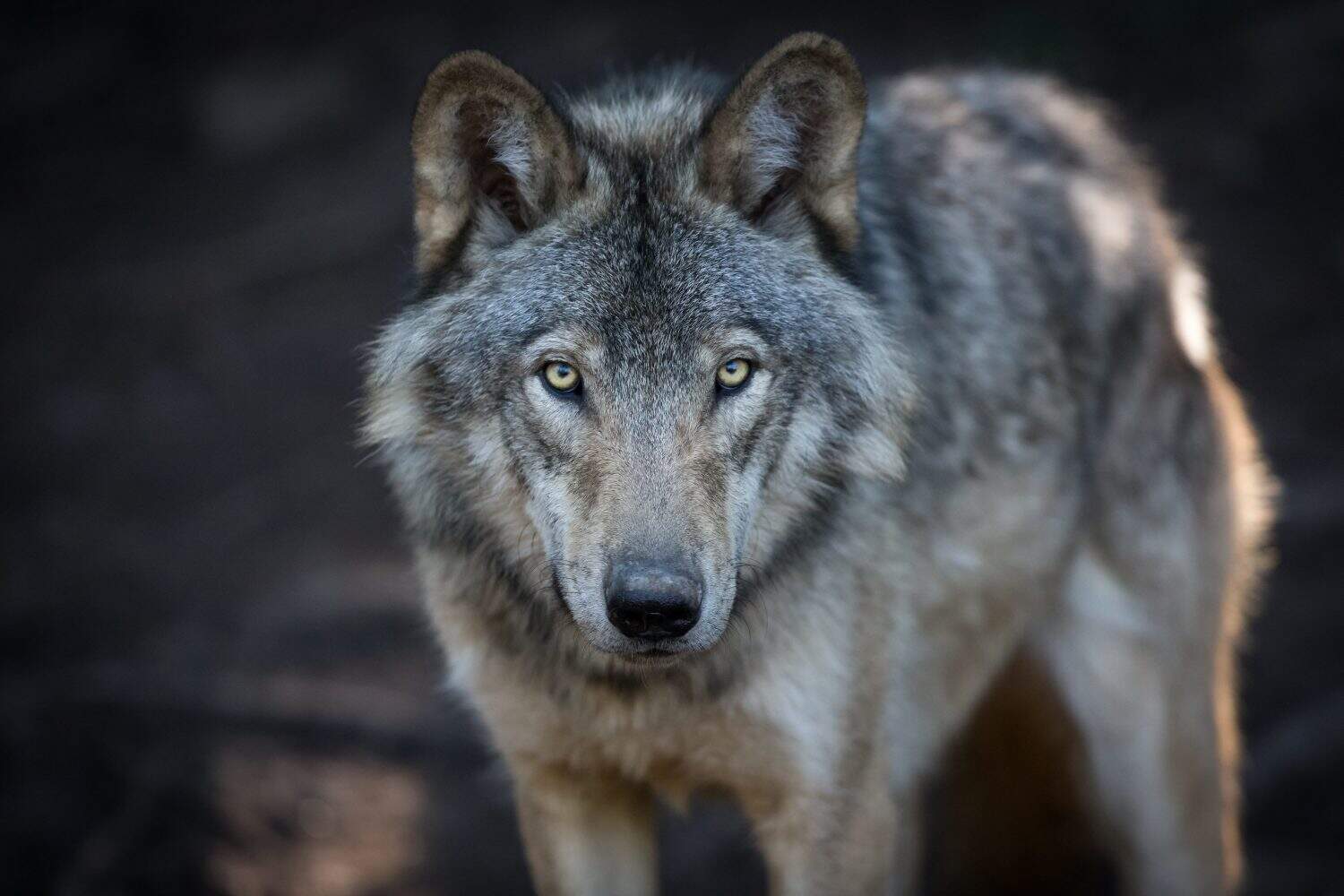
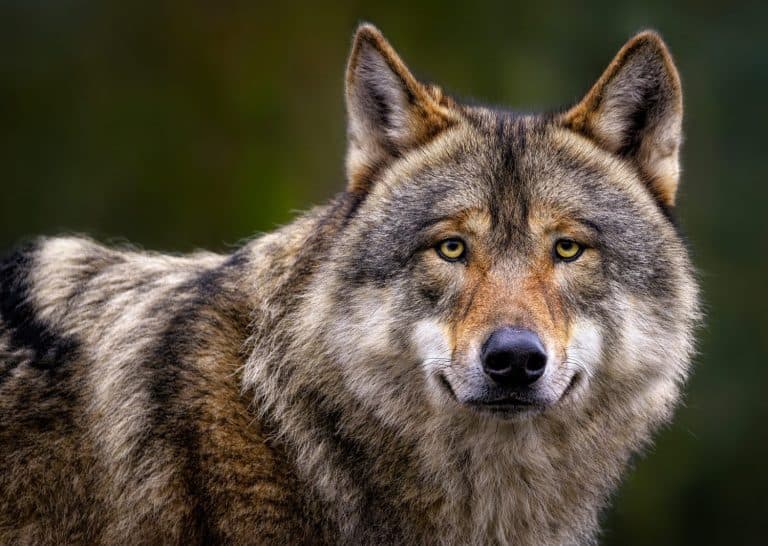
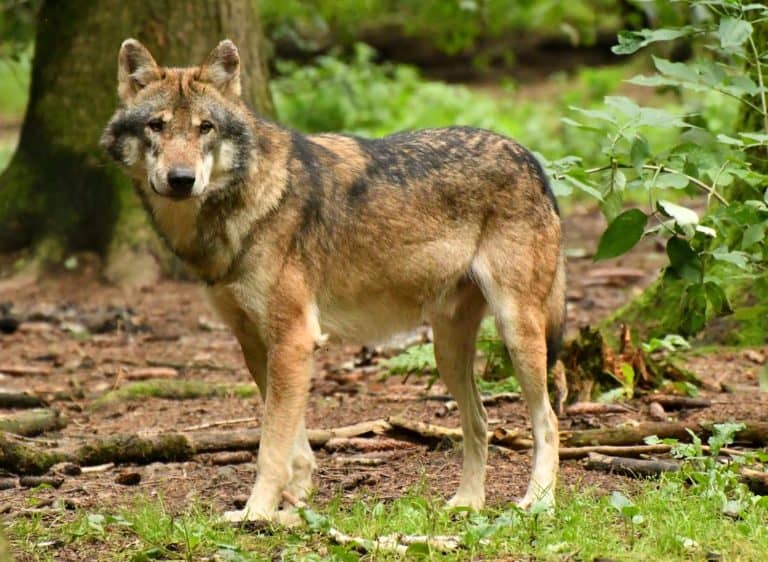
Ranchers and gray wolves need to coexist if gray wolf populations are to recover.
©PatrickLauzon photographe/Shutterstock.com
For wolves to remain in California, there needs to be a way for the canines and people to coexist. Unfortunately, if no methods are found to allow ranchers to make a living, there is a very high likelihood that the small population of gray wolves today could again be eradicated.
To date, some of the methods that have been used to help both ranchers and wolves to utilize the same environment include:
- Ranchers receiving education and training about non-lethal methods to dissuade wolves from attacking cattle
- Ranchers being given fencing to keep wolves away from cattle
- Ranchers using airhorns, guard dogs, and electric fencing to keep wolves at bay
- California compensates ranchers for their loss of cattle caused by wolves
- Ranchers and researchers working together to develop plans that allow wolves to remain in California in sustainable numbers that do not impact the cattle industry
In the case of the Beyem Seyo pack, CDFW claims that because the pack had become reliant on cattle as its food source, there was no way to deter the wolves from hunting livestock. The decision to euthanize was made as the only way to end the killing of local cattle. Only time will tell whether this method proves successful or whether another pack enters the territory and picks up where the Beyem Seyo pack left off. Conservationists and ranchers both agree they hope it is not the latter.