
Quick Take
- European lynx likely disappeared from Britain during the medieval period.
- The Missing Lynx Project is assessing whether they could be reintroduced to the UK.
- Initial research has concluded that lynx could be released in Northumberland
- The opinions of local people have been sought.
- Of the 1,000 responses received, 72 percent supported the idea of a lynx reintroduction.
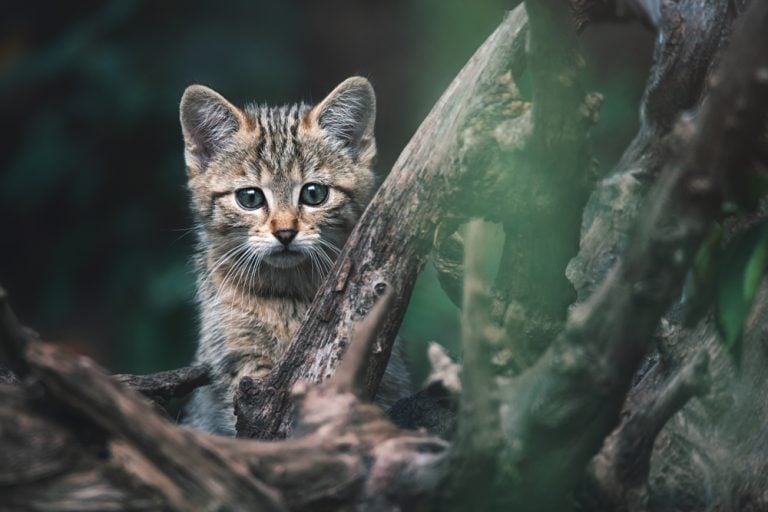
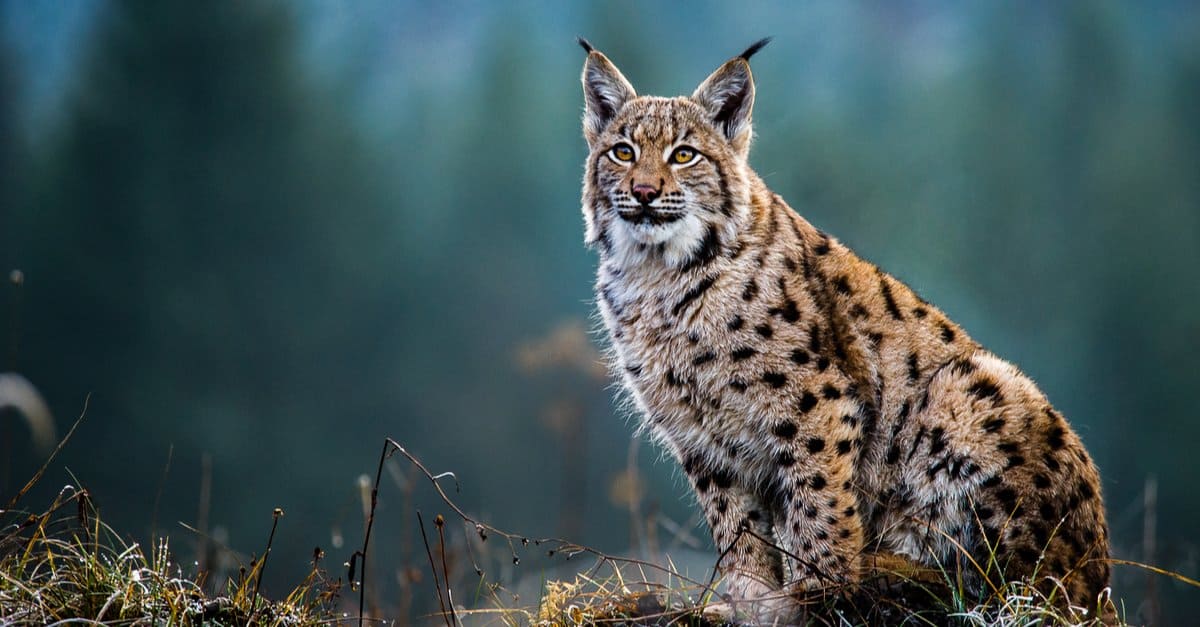
Britain has amazing wildlife, but it is not a place that’s famous for its wild big cats! In fact, the closest thing to a native big cat they have is the Scottish wildcat (Felis silvestris), and they are the same size as a domestic tabby! This, however, may be about to change. A project is investigating the possibility of reintroducing lynx to Britain. As you can see in this Instagram post, they are beautiful animals. We explore the history of UK lynx populations and how their reintroduction may work.
The History of Lynx in the UK
North Americans may be familiar with the bobcat (Lynx rufus) and the Canada lynx (Lynx canadensis), but Europe has two of its own lynx species. The Iberian lynx (Lynx pardinus) is found only in Spain and Portugal, but the Eurasian lynx (Lynx lynx) is found across Europe and Asia. It is also sometimes called the European lynx. At one time, this species was also found in the UK.
The history of lynx in the UK begins 27,000 years ago, when Britain was connected to Europe by a land bridge. European lynx would have freely moved across this bridge to populate Britain. Around 11,700 years ago, the planet began to warm up, ice melted, sea levels rose, and Britain became an island.
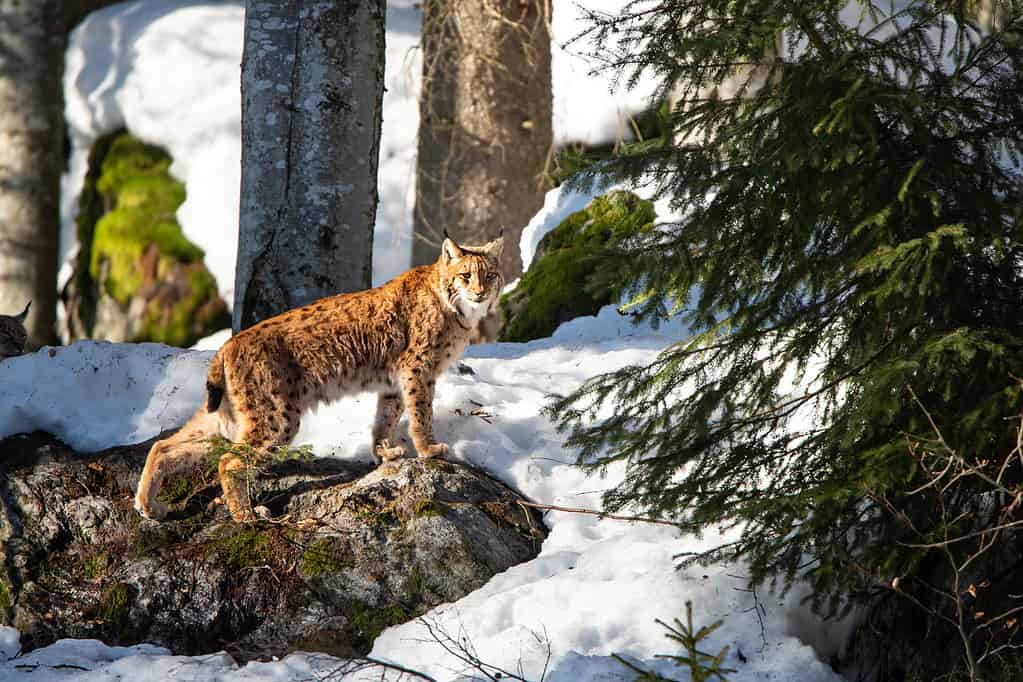
Eurasian lynx once lived in the UK.
©Alexandra Giese/Shutterstock.com
We know that lynx lived here from the last Ice Age to Roman times thanks to the discovery of bones and footprints. More bones and cultural evidence (poems and drawings) show that they were still here up until the 11th century. However, they likely disappeared during the medieval period (1066 – 1485). This has been attributed to a combination of habitat change and hunting.
There are a few tantalizing reports that may suggest that some lynx populations were clinging on, especially in Scotland, but there is no proof of this. By the 1800s, they had almost certainly all gone.
What Do We Know About the European Lynx?
The European lynx occupies a number of different habitats throughout its range. In Europe and Siberia, they inhabit forested areas with dense ungulate populations. They are the largest of the four surviving lynx species. Their weight can be up to 79 pounds, and they can reach 51 inches in length. The males are larger and more robust than the females. When it comes to coat color and pattern, they are varied. Fur can be grey, rusty, or yellow and spotted, striped, or solid.
These felines can live up to 17 years in the wild, but juvenile mortality rates are high. Typically, only half of the kittens from a litter will survive their first year. Their lives are solitary (apart from mothers and cubs). They occupy a home range where they hunt mainly ungulates and mark their territory with scent. Their target prey are usually smaller, such as roe deer, musk deer, and chamois. However, they have been known to prey on larger ungulates such as elk and caribou if they get the chance. In between the larger kills, they eat foxes, rabbits, rodents, and birds.
Lynx Hunting Technique and Role in the Ecosystem
European lynx stalk their prey from thick vegetation. When they are close enough, they pounce and kill their target with a fatal bite to the neck or by biting down on the snout until the animal suffocates. Hunting typically takes place at night, but they cannot eat a whole deer in one go. Therefore, they hide what is left of the carcass under some leaves and return to feed on it over a few days.
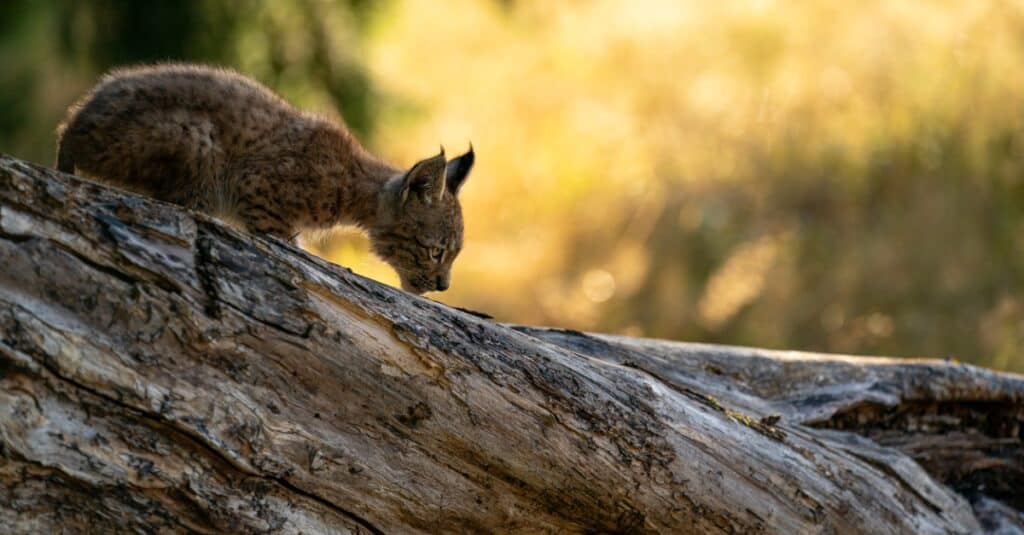
Juvenile Eurasian lynx have high fatality rates.
©iStock.com/sduben
What Would Be the Benefits of Reintroducing Lynx to Britain?
The Missing Lynx Project (a partnership of Northumberland Wildlife Trust, The Lifescape Project, and other local partners) is exploring the possibility of reintroducing lynx to the UK. Lynx have already been reintroduced in several areas of Europe. If successful, this project would restore a once-critical part of the ecosystem. As lynx hunt both deer and foxes, it would regulate these populations. Also, there would be wildlife watching opportunities, which would benefit local tourism.
Where Would They Be Released?
Initial research has concluded that lynx could be released in Northumberland. It is predicted that they would grow into a healthy population covering northwest Northumberland, the edge of Cumbria, and the bordering areas of southern Scotland. Extensive research has shown that these are the only areas that currently have the extensive forest habitats that lynx need. The next challenge is to determine how lynx could be reintroduced and whether local people would support the idea.
Public Consultation and Next Steps
To find out what local people think of the idea of reintroducing lynx, researchers created a traveling Missing Lynx exhibition, facilitated focus groups, workshops, interviews, and meetings. Of the 1,000 responses received, 72 percent supported the idea of a lynx reintroduction.
This consultation process is ongoing and is being expanded to include additional perspectives. Speaking in a press release in August 2025, Dr. Deborah Brady, project manager and lead ecologist of The Lifescape Project, said, “We will continue to work with local communities to consider how a reintroduction project could be managed to maximize benefits and reduce risks. We hope to apply for a license but only once we have a plan that’s collaboratively designed with local people, which sets out measures that are acceptable, feasible, and can be implemented.”