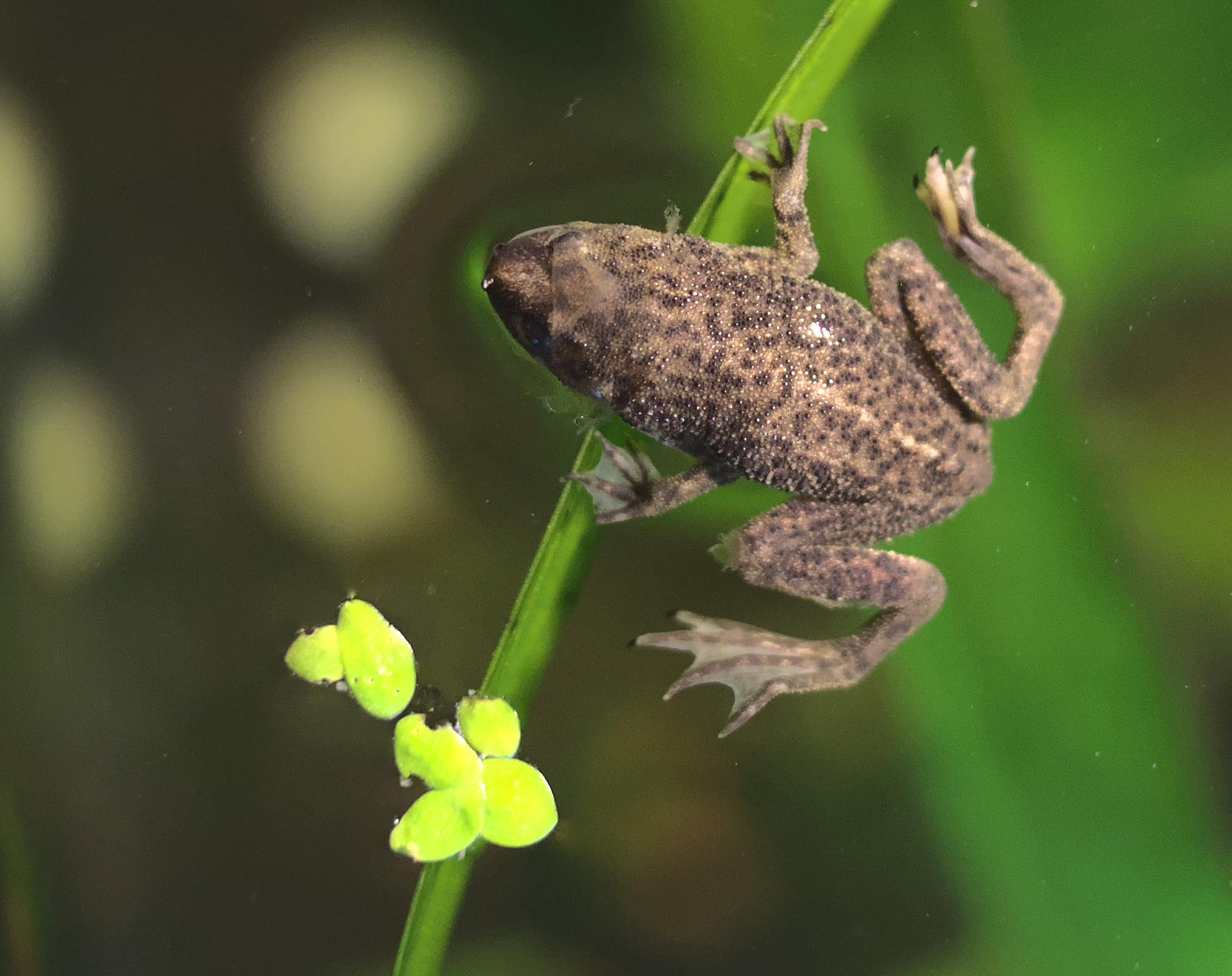

African dwarf frogs have become popular to keep as aquatic pets simply because they make good pets. These small, charming amphibians are easy to care for, inexpensive to keep, and can have docile tank mates. Although they are typically asleep for long hours at a time, they are active when awake and enjoyable to watch. Ensuring a suitable environment for your pet will guarantee that your adorable frog will live long and happily. We will be discussing tank size, picking the right one for your pet, how to set up and maintain an African dwarf frog tank, and ensuring their well-being.
Tank Size Requirements: Choosing the Right Tank Size
Choosing the right tank size is essential to the well-being of the African dwarf frog. There are several factors to consider when selecting the appropriate tank size. Let us have a look at them.
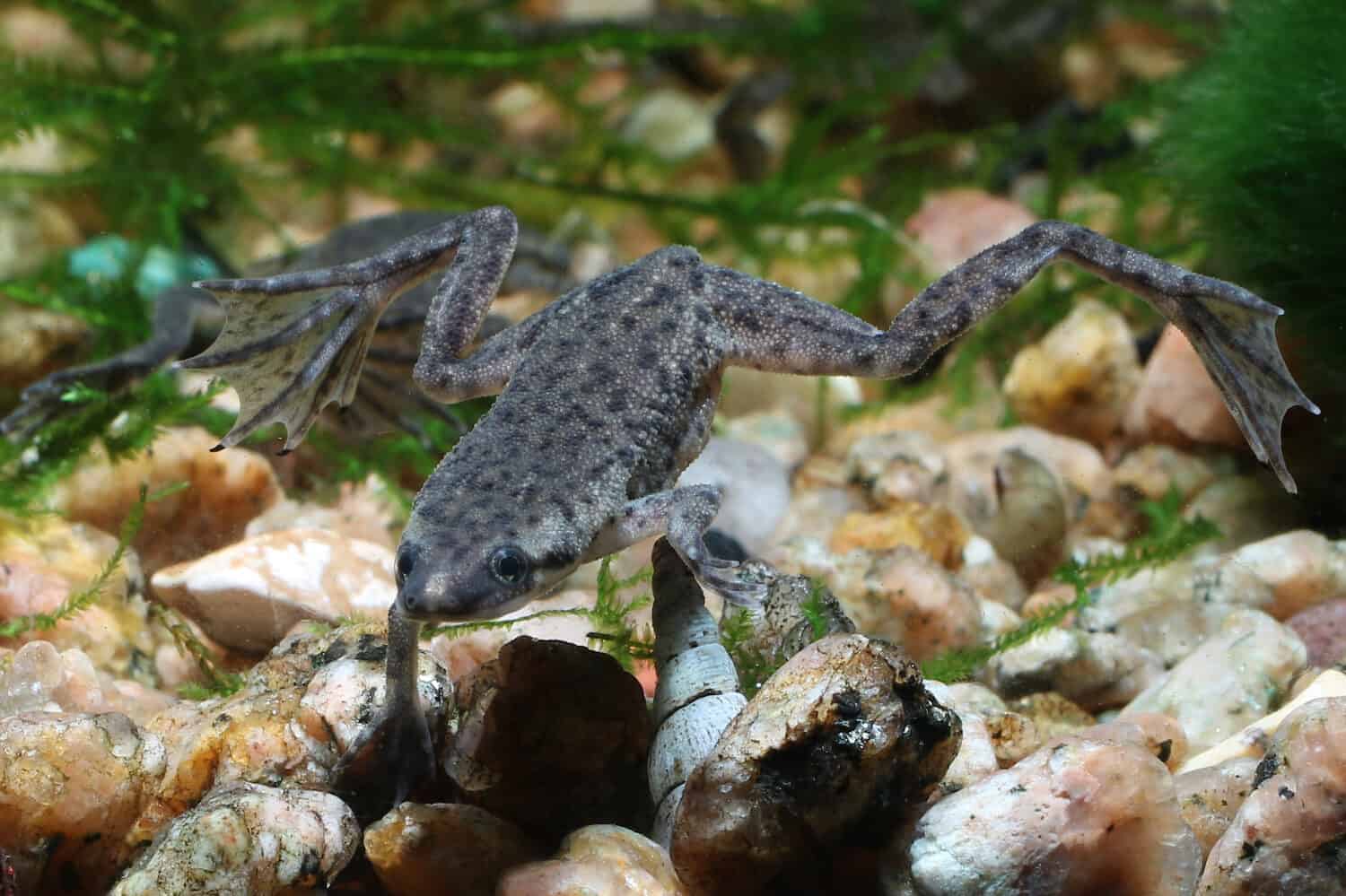
African dwarf frogs need the right tank size, as they love to move around, stretch their limbs, and float around.
©Dan Olsen/Shutterstock.com
Average Adult Size of African Dwarf Frogs
As their name implies, these dwarf frogs are rather small and can weigh only a few ounces. These frogs can reach a length of 2 to 3 inches. They are usually at a length of 1 inch when bought from pet shops. The size of the tank has an impact on the growth of these frogs. They hardly mature to the full 3-inch length in captivity and tend to reach an average length of 2 inches. The females tend to grow slightly larger than the male dwarf frogs. Female dwarf frogs will be about 30-40% larger than the males when fully mature.
Water Requirements of African Dwarf Frogs
African dwarf frogs are different from other amphibians. That is because they spend most of their time underwater and typically only come to the surface to breathe air. Therefore, not just any tank will do for these fully aquatic amphibians. They need an aquarium tank and one that can hold enough water for each frog. These friendly amphibians do not like to live alone. They prefer to live in a community and should ideally be kept in a group of two or more. Each African dwarf frog needs a minimum of one to two gallons of water. This will keep the water cleaner for longer and ensure that each frog has enough water to move and swim around in.
African Dwarf Frogs and Tank Mates
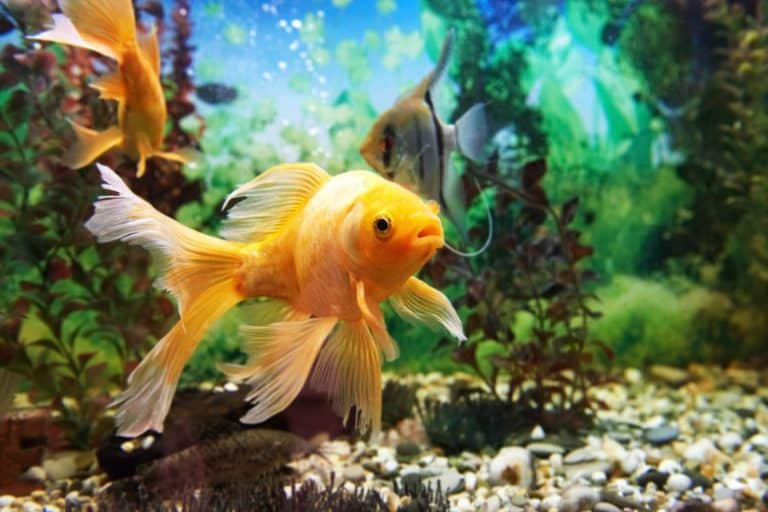
African dwarf frogs are very social and prefer to live in community aquariums in groups and with tank mates. However, these tank mates need to be peaceful and small. Avoid tank mates that are too small, though, or else you risk the possibility of the dwarf frogs eating them. On the other hand, bigger tank mates can cause these little guys to get stressed out. Over time, this will eventually lead to the death of the frogs. They are also unable to defend themselves and will choose to hide instead when feeling threatened.
Keep in mind that you will need more tank space and water depending on how many tank mates are being housed with the group of dwarf frogs. As a common rule, at least one gallon of water is required for every one inch of freshwater fish.
Water Depth
These frogs do not swim very well, despite being fully aquatic, and should not be kept in an aquarium tank with water that is too deep. It is recommended that the depth of the water or the distance from the substrate to the surface should not go above 20 inches. Therefore, the tank should be wide enough to ensure the necessary volume of water needed for all tank inhabitants without the water reaching higher than 20 inches. Adult African dwarf frogs have lungs, not gills, and need to surface frequently to breathe. Water levels that are too high for these dwarf frogs can make it difficult for them to reach the water surface in time to breathe and lead to the possible drowning of these frogs.
Tank Height
African dwarf frogs are very good at jumping and can jump three to four inches effortlessly. The African dwarf frog tank size should be of a height high enough above the water to prevent the frogs from directly jumping out of the tank. They cannot spend too much time out of the water and will be at risk of dehydrating and dying if they do not have any help getting back into the tank in time. They are also good at climbing and pressing themselves through small gaps. The safest way to stop the frogs from getting out would be to keep an aquarium cover or lid on your aquarium tank and to keep it closed whilst still providing access to air to breathe and creating a humid environment for the frogs to live in by reducing the evaporation of water.
Tank Setup and Maintenance: Creating a Suitable Habitat
It is essential to keep the specific requirements of the African dwarf frog in mind when setting up an African dwarf tank. The following points will guide you to create a suitable habitat for your pet dwarf frog, preventing stress, disease, and a shortened life expectancy.
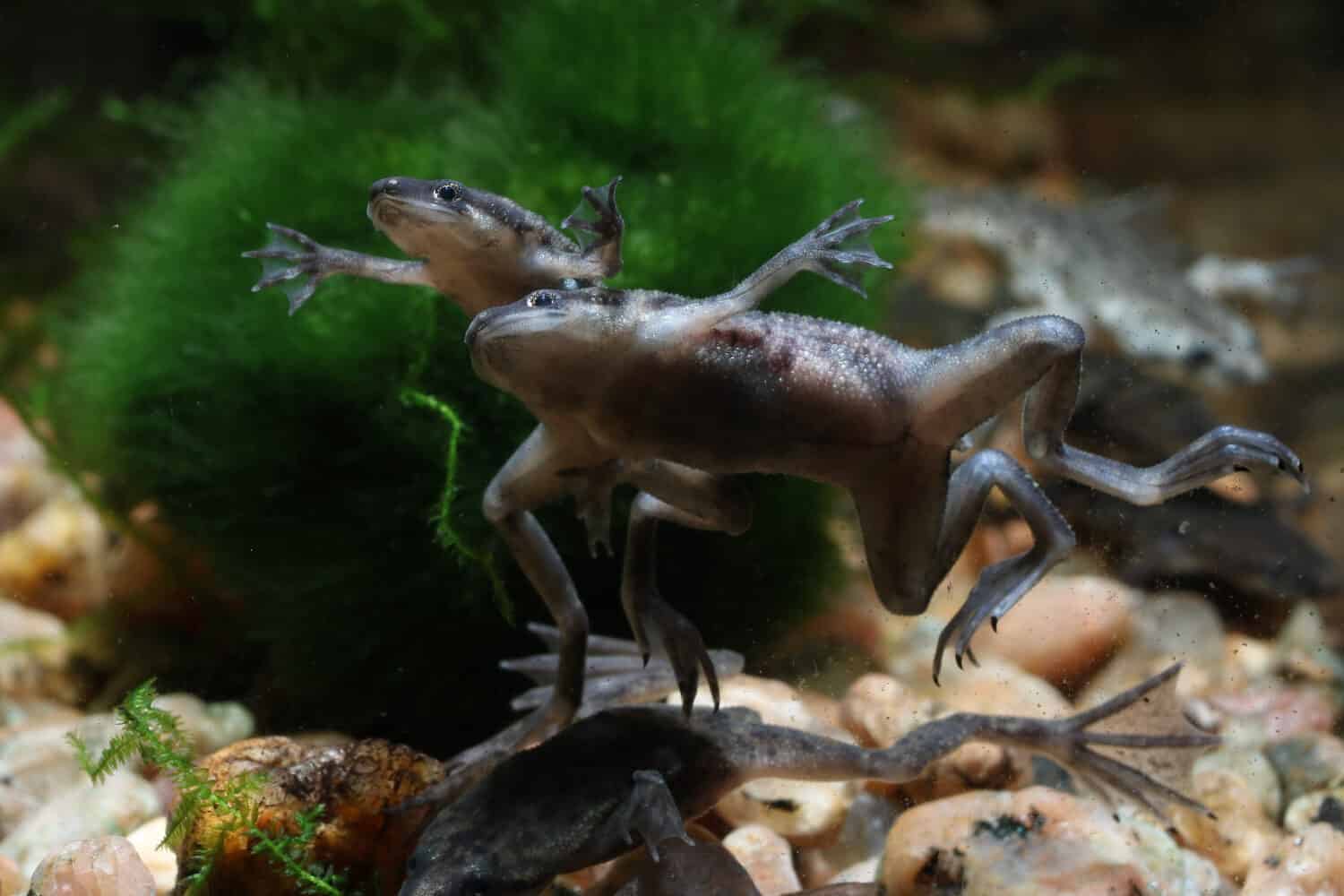
Do not add aquarium salts to your African dwarf frog tank, as they are very sensitive to salts.
©Dan Olsen/Shutterstock.com
Temperature
African dwarf frogs originate from the tropics and need to consistently be at a temperature of 72-78 degrees Fahrenheit to survive. An aquarium heater is helpful to keep the tank water within this suitable temperature range. A thermometer will also be handy to help you keep track of the water temperature when you are performing your daily temperature checks. Make sure to situate the tank in an area that is away from drafty areas, such as doors and windows.
Water Parameters
Steady water quality and parameters are crucial to the health of the water life in the tank. It is advised to test the water of the African dwarf frog tank weekly to ensure that the required water specifications for these frogs are being maintained. A freshwater aquarium water test kit or aquarium water test strips can be useful to test the water. The following indicates the ideal water conditions needed to be achieved for the African dwarf frog:
pH: 5-7.8 (neutral). pH indicates how acidic or basic the water is.
gH: 5-20. gH refers to the general hardness of the water. And gives an indication of the salts and minerals in the water.
kH: 4-15. kH refers to the levels of carbonates and bicarbonates. They play a role in the buffering capacity of the water.
Nitrate: < 20 ppm (parts per million) and should never exceed 40 ppm
Ammonia/ Nitrite: 0
Aquarium Substrate
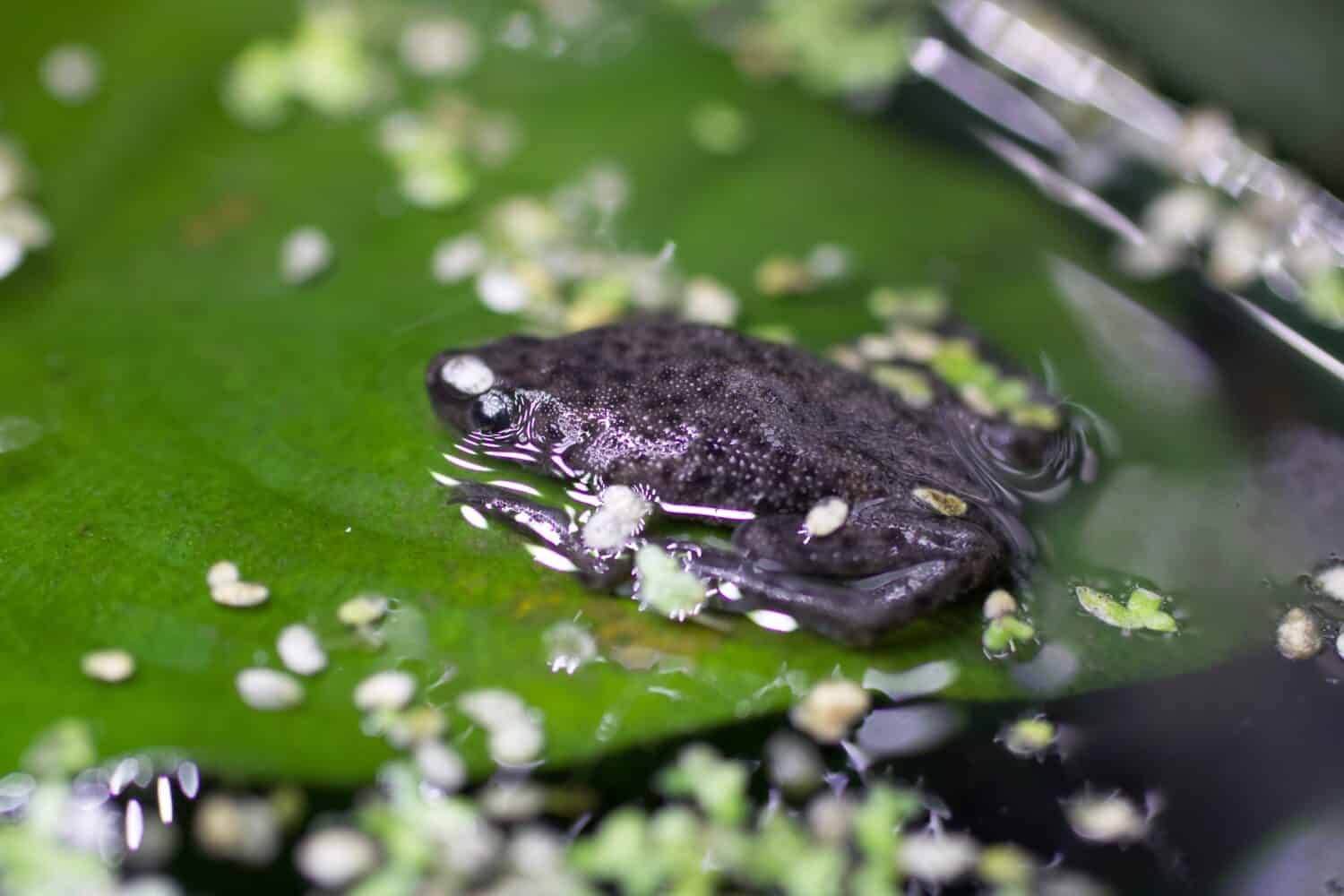
The substrate refers to the material that covers the bottom of the tank. Gravel and sand are good choices as a substrate for an African dwarf frog aquarium. Substrate is not a necessity unless you have a planted aquarium. However, it can contribute to the look and feel of the tank. The substrate can also highlight the frogs, depending on which colors you choose. They will be more visible in a tank with contrasting substrate colors. African dwarf frogs have a color range from olive green to brownish green and have mottled, rough-looking skin. Make sure that the size of the gravel particles is big enough to prevent unintended ingestion by the dwarf frogs. Medium-sized gravel will be sufficient.
Lighting
Lighting in the tank is important as African dwarf frogs need to maintain a consistent schedule of light and dark time in their tank to support their natural circadian rhythms or body clock. Aim for a ten to 12-hour cycle of light and dark. A timer might be helpful, or you can just adjust the lighting manually. Any standard LED aquarium light will be sufficient, especially if you are planning to add any live plants to the dwarf frog tank. However, if you are thinking of adding any exotic plants or doing any aquascaping, then you will need specific plant lights for the plants to thrive. African dwarf frogs are nocturnal, and an aquarium night light would only be helpful for you to be able to watch them at night.
Filtration
Aquarium filters help to keep the water of the aquarium clean. Not only by removing particles from the water through mechanical filtration but also by providing a habitat for the friendly tank bacteria to live in. The friendly bacteria help to keep the tank clean by breaking down the waste produced by the animals in the tank and converting it to something less harmful. We call this filtration method biological filtration. A filter is not an absolute necessity, but without it, you need to make sure that you make more frequent water changes. This will ensure the levels of ammonia and nitrites are in check, as these levels can rise rapidly without the use of a filter.
Aeration
African dwarf frogs breathe air at the surface using their lungs and do not necessarily need aeration in the tank. However, aerating the tank will be beneficial if your dwarf frogs have other tank mates with gills, such as fish or shrimp. Aerating and increasing the oxygen in the tank can also help the good, aerobic bacteria in the tank to flourish and minimize the presence of bad, anaerobic bacteria. A standard aquarium air pump and an air stone will be sufficient to aerate the tank. Some dwarf frogs even enjoy playing in the bubbles.
Tank Accessories
African dwarf frogs will feel safer in a natural environment where there is plenty of space to hide. Make sure to add live or soft silk, artificial plants (planted and/or floating), leaves, and decorations such as ledges, logs, or caves. These can also provide areas for the frogs to perch and rest on when coming up to the surface for air or when having a swim break. Live plants will not only provide safe places to hide but also help to maintain the water quality by absorbing ammonia, nitrates, and nitrites. Any freshwater aquarium plants will make a good addition to the African dwarf frog tank.
Always use aquarium-safe accessories that will not leach harmful chemicals into the water, and avoid sharp or rough edges that might cause bodily harm, as they have delicate skin. Make sure to rinse gravel and other tank accessories properly before putting them into the aquarium tank.
Tank Cycling
After you have set up your tank and before adding your African dwarf frogs, the tank needs to cycle first. This refers to the addition of healthy bacteria and allowing a healthy population of good bacteria to develop. The bacteria help to maintain safe water conditions for these amphibians. You can add healthy bacteria from an already cycled tank or use store-bought bacteria. Cycling will continue after the addition of the dwarf frogs and other possible tank mates. When starting up your new dwarf frog tank or performing any water changes, be sure to also add additives to remove the harmful fluoride, chlorine, and chloramine from the water unless you are using well or spring water, which does not contain these.
Maintenance
Maintaining your African dwarf tank is important for the health and well-being of your pet frog. Set up a schedule to help you keep track of the sustaining of the African dwarf frog’s habitat. Here is an example of an African dwarf frog maintenance schedule:
Daily — Feeding, checking for signs of disease and unusual behavior, removing excess food or decaying plant matter, and making sure the filtration, heater, and other equipment in the tank are functioning optimally.
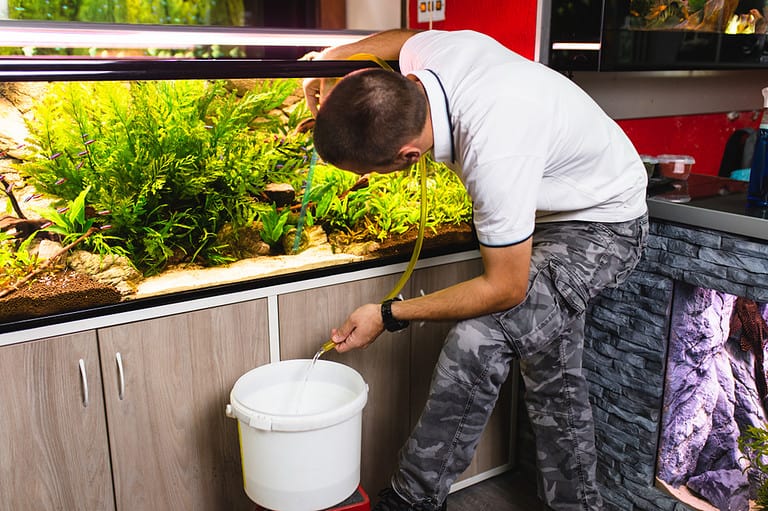
Weekly — Water changes (10 percent), removal of visible algae on the aquarium tank, test water specifications.
Monthly — Water changes (25 percent), remove visible algae from the tank decorations, vacuum uneaten food, and other debris from the substrate, scrub gravel, clean filter.
Providing a Comfortable Environment: Ensuring Your Frog’s Well-Being
The average life expectancy of African dwarf frogs is usually no longer than five years in captivity. Their life expectancy depends on their health at the time when they were bought and the level of care they receive during captivity.
Be careful when handling your dwarf frogs, as they are small, fragile, and sensitive. African dwarf frogs are not easy to handle. They can easily be dropped and injured, as they have slimy bodies and squirm when being handled. African dwarf frogs cannot be out of the water for too long. Longer than 15 minutes could lead to life-threatening dehydration. They are not made to be in dry environments and thrive in areas with moisture and levels of high humidity.
African dwarf frogs shed their skin as they grow.
©chriscypher/Shutterstock.com
Health
Amphibians, like the African dwarf frog, are prone to carrying diseases such as Salmonella. Pay attention to your pet frogs to make sure they are acting and looking healthy. They are also prone to several health conditions, which can affect their appearance and behavior. Always wash your hands thoroughly before and after being in contact with your aquarium tank. It would be best to rather use a net or gloves. Always use a specific aquarium cleaner to clean the tank and accessories, as amphibian skin is highly permeable to chemicals. Quarantine anything you would like to put into the tank for at least a week to be safe.
Filter and Equipment
When adding a filter to the dwarf frog aquarium tank, make sure to use an adjustable flow aquarium filter. African dwarf frogs are not strong swimmers and can drown easily in strong water currents. Also, make sure that it is not possible for the frogs to get sucked up into the water filter. They could get stuck and subsequently drown.
These small frogs do not have ears. They have a lateral line down their bodies to help detect vibrations in the water and navigate their environment. Be aware of any equipment in the tank that might cause strong vibrations and lead to stress and sickness in the frogs, such as a strong filter or air stone. Also, be aware of any equipment close to the tank, which might cause strong vibrations in the tank.
Feeding
These frogs need to be fed regularly and require a variety of different foods. They are omnivores and can eat both animal and plant materials. Sinking pellets can be used as a primary food source and will make it easier for the frogs to eat as they tend to dig, forage, and feed from the bottom of the tank. Other foods that can be provided a few times in the week include blackworms, bloodworms, brine shrimp, and tubifex worms. They can also eat small pieces of meat or small, live fish, boiled spinach or lettuce leaves, small crayfish, and soft-bodied insects such as fruit flies or houseflies.
Set up a feeding station and establish a routine to teach the frogs where they will receive food. Feed according to their nocturnal cycle, either feeding them early in the morning or at sunset. Scare away any fish that might want to steal their food, especially other bottom feeders. And do not overfeed them, as they gain weight quickly. Only provide enough food to be consumed in one to two minutes and remove what is left over. African dwarf frogs do not have tongues or teeth. They engulf their prey or use their webbed feet to push the food into their mouths and down their throats. Therefore, they can choke easily and should only receive food items small enough to fit easily in their mouth. Adult dwarf frogs can be fed every other day, and young frogs should be fed daily.
Tank Environment
It is best to give the largest habitat possible for your pet African dwarf frogs and to create an environment like one in which they would live naturally. In the wild, they live in still, shallow pools and slow-moving waters. They also prefer to blend in with the bottom of riverbeds and ponds. Do not keep the aquarium tank too open or empty, as these dwarf frogs might feel exposed and vulnerable and could get stressed. Make sure to provide your dwarf frogs with a few shaded areas from the bright lights and for when they are feeling shy.
African dwarf frogs are more active and lively when kept at warmer temperatures.
Do not keep your African dwarf frog alone. Make sure to meet its social needs. But be sure not to overcrowd the tank, as that can have an impact on the quality of the water, making it difficult to maintain and keep clean. That will have a negative impact on your frog’s stress levels. Also, house your frogs with tank mates with the same water requirements.
Now you know how to choose the right African dwarf frog tank size, set up and properly prepare their habitat before bringing your frogs home, maintain their ideal living conditions, and feed them a healthy diet, which will ensure that your frogs will live long, happily, and healthily.