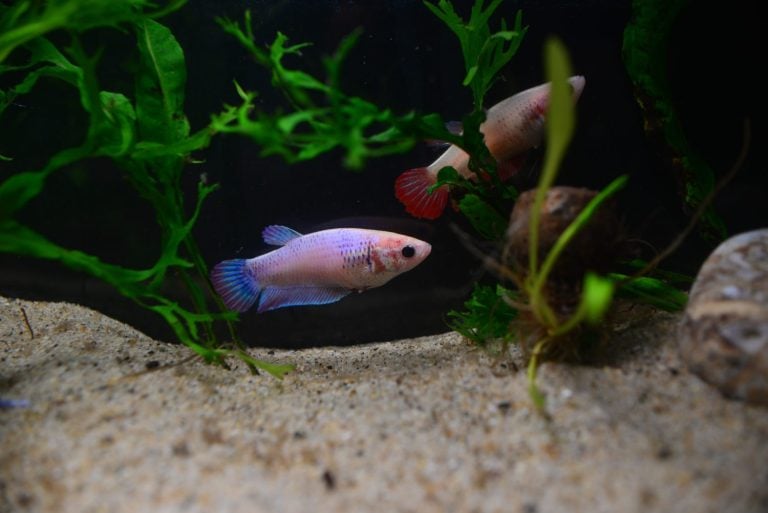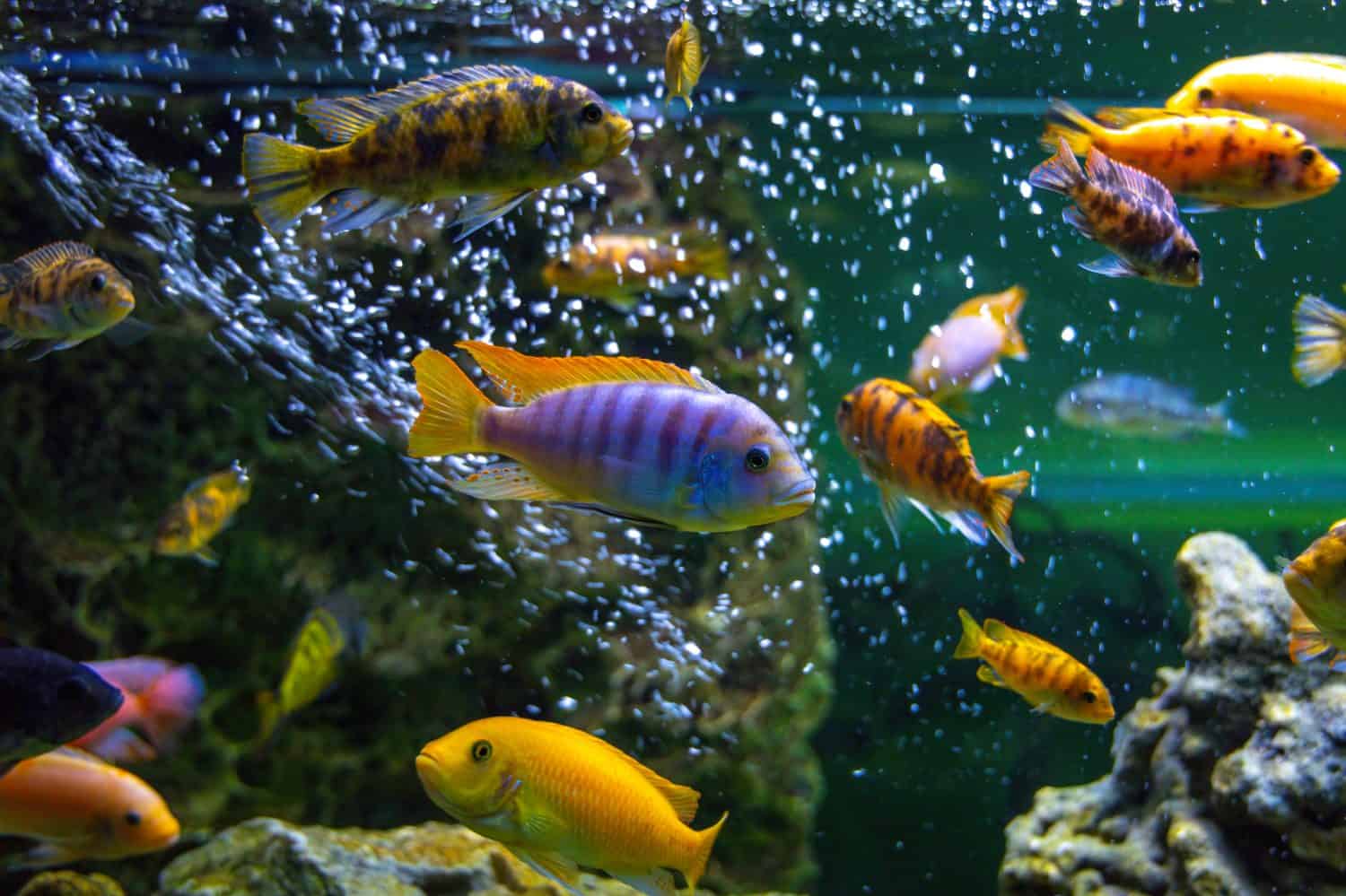

You have decided to take a foray into the world of fishkeeping. Congratulations! This is both a fun and rewarding experience. However, it can also feel very overwhelming, as, despite what some pet stores portray, owning a fish is not as simple as keeping it in a bowl. Fish require special equipment, water, and sometimes even specific types of food to thrive in their artificial environments.
If you’re up for the challenge but unsure whether to choose a saltwater or freshwater aquarium, understanding the complete beginner setup can help you decide. Both freshwater and saltwater tanks can be suitable for beginners with proper preparation. However, the most successful fish keepers are those who understand the requirements before making any major decisions.
Saltwater and Freshwater Fish Tanks, Explained
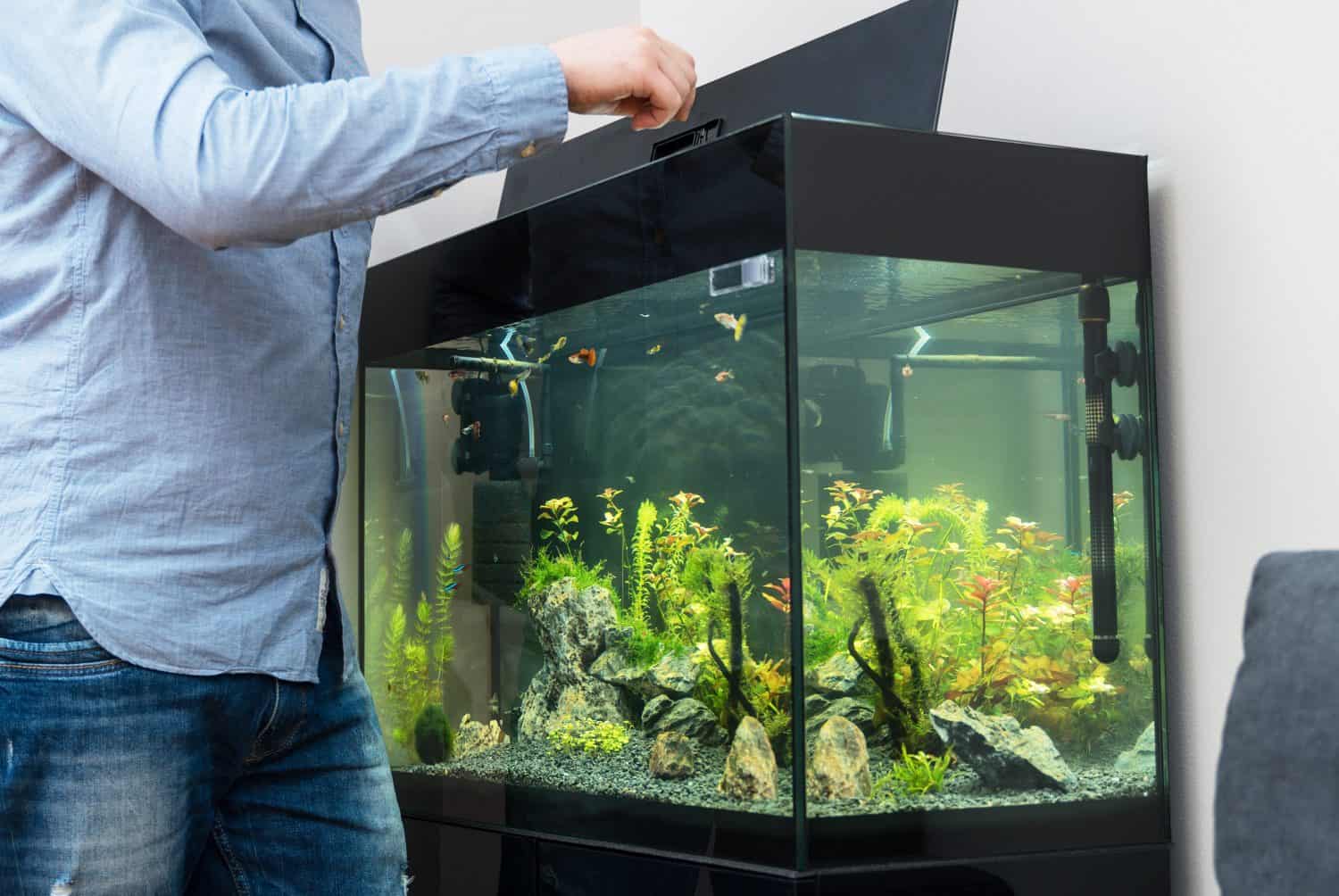
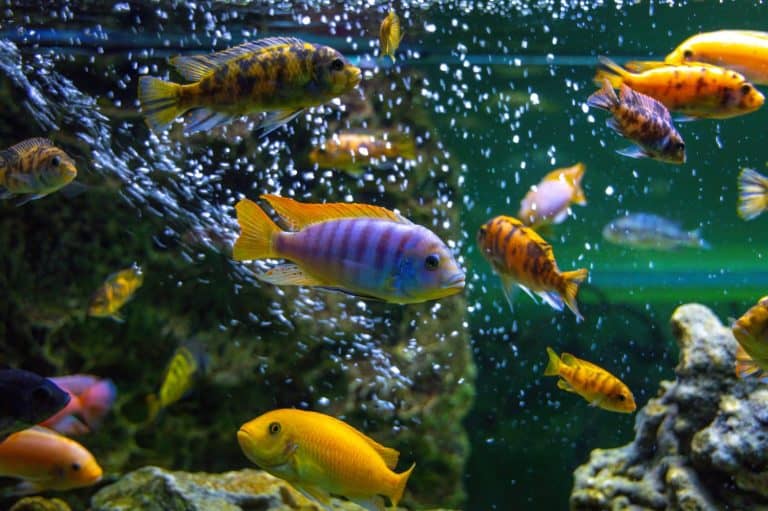
Freshwater and saltwater fish tanks vary in both salinity and species.
©M-Production/Shutterstock.com
Saltwater and freshwater fish tanks may look similar from the outside. However, the environments of the two are very different. The main difference is that freshwater tanks contain no salt, while saltwater tanks have a high salt content. To put this into perspective, saltwater tanks have up to 36 ppt of salt, whereas freshwater has zero.
The species found in each type of tank are quite different, and their habitats reflect these differences. This is because freshwater fish are found in lakes, streams, and rivers, while saltwater fish are found in the ocean. Therefore, the plants and substrate that are in the two tanks vary just as much as the fish do.
To keep these environments healthy and allow fish to thrive, different equipment is needed to maintain water health. Without the proper setup and equipment, first-time fish tank owners may find that their fish do not survive long. This is why research into the care of fish, as well as the necessary equipment and tank size, is essential before ever buying a fish.
What Is Needed to Set Up a Freshwater and Saltwater Tank?
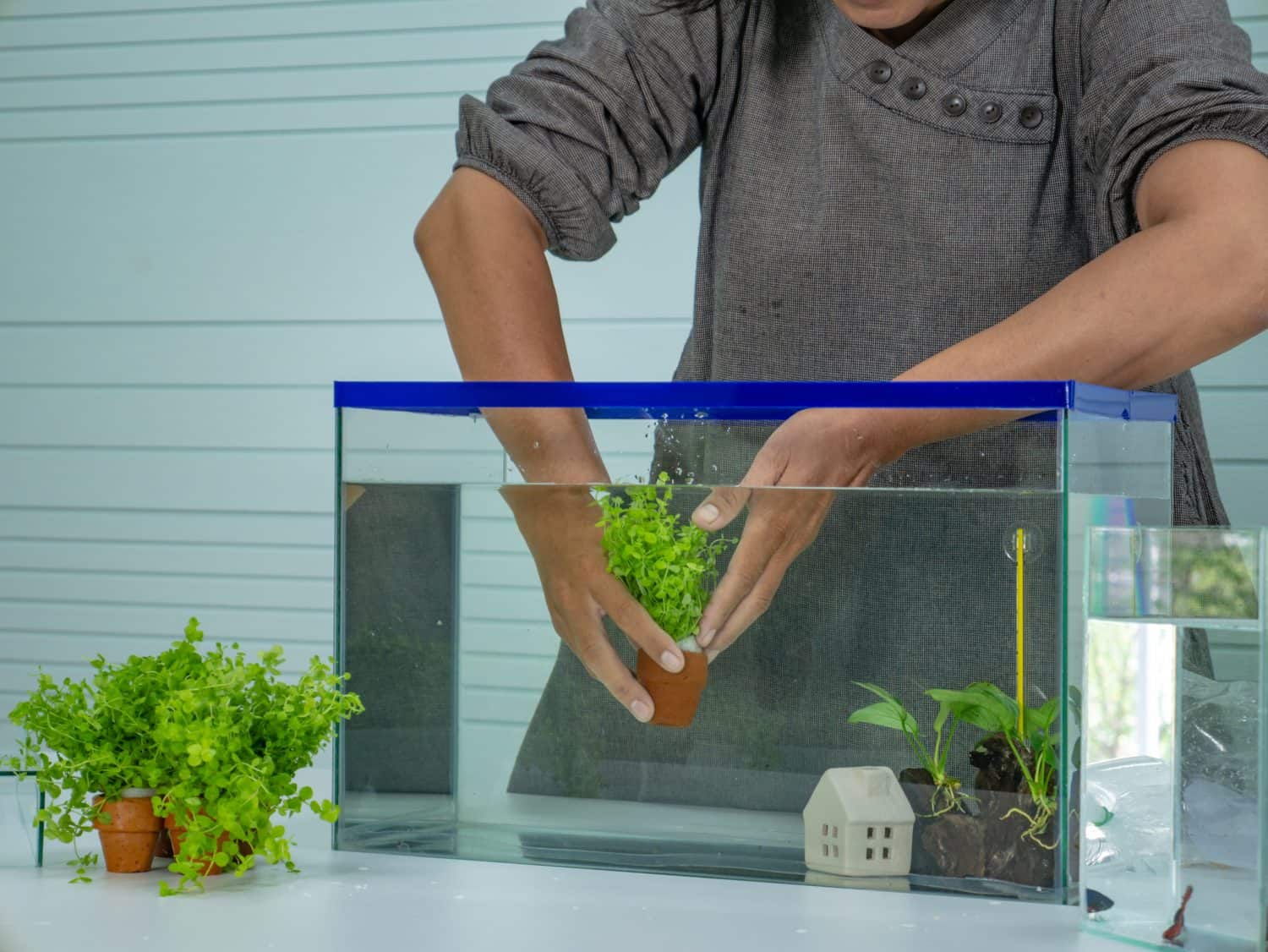
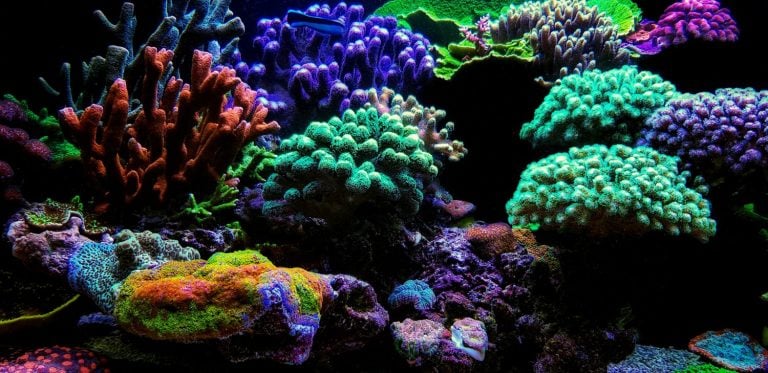
Requirements to set up a fish tank vary between saltwater and freshwater.
©Sumeth anu/Shutterstock.com
Now that you understand the differences between freshwater and saltwater tanks, you can purchase the right items to create a healthy environment for your fish. While some items are common to both types of tanks, there are important differences in the equipment needed to ensure fish thrive in either environment.
The items required to set up a freshwater fish tank include:
| Items Needed for a Freshwater Tank | Description |
| Glass or acrylic fish tank | Tank will need to be large enough for the desired number of fish. Generally, this is five gallons for small fish, 10 to 20 gallons for medium fish, and 30 gallons or greater for large fish. Additionally, the tank size should take into account any growth the fish will undergo over their lifespans. |
| Filter | The filter size must match the tank size for proper filtration. |
| Heater | Fish need water to be heated. Most require temperatures between 72°F and 80°F. |
| Lighting | LED lighting is recommended to keep fish comfortable and allow plants in the tank to grow. |
| Substrate | Sand, gravel, pebbles, or soil at the bottom of the tank that will allow plants to grow, promote good bacteria growth, and even entertain fish is required. |
| Water conditioner | Most tap water contains chlorine, which can be harmful to fish, which is why a water conditioner needs to be added before fish are. |
| Thermometer | To ensure the water temperature is not getting too warm or too cold, a thermometer is required. |
When it comes to setting up saltwater tanks, the list is very similar, but there are a few key differences that help to keep saltwater fish happy and healthy.
| Items Needed For Saltwater Tank | Description |
| Acrylic or glass tank with a stand | Ensure the fish tank is large enough for the desired number and size of fish, and for any growth they will experience over their lifetimes. Additionally, the stand must be able to support the weight of the tank and the water. |
| Filtration equipment | To remove harmful substances from the water, a filtration system, such as a sump or a cannister, is required. Further filtration using a mechanical, chemical, or specialized filtration system will take additional substances and chemicals out of the water. |
| Heater | For fish-only tanks, the temperature should be between 75°F and 78°F. Those that are mixed reef should be between 74°F and 80°F. |
| Thermometer | A thermometer will ensure the water temperature is monitored to adjust it so that it does not get too warm or too cold. |
| Lighting | If there are no plants or coral in the fish tank, an LED light will be plenty. However, there is special lighting required when plants and corals are part of the environment. |
| Protein skimmer | Protein skimmers remove the waste and excess food from the tanks. |
| Substrate | While rocks can be used, sand is the most common substrate in saltwater tanks. This is because some animals living in the tanks burrow in sand. Live sand is also beneficial as it adds good bacteria to the tank. |
| Plants | Plants allow fish to hide when they are feeling stressed in their environment. |
| Hydrometer | A hydrometer allows monitoring of the salinity of tank water. |
| Reverse osmosis deionized water | Tap water contains chlorine, heavy metals, varying pH, and more that can be harmful to fish. This is why reverse osmosis deionized water (RODI) is used to give fish the healthiest environment possible. |
| Saltwater or salt mix | Saltwater fish require either saltwater for the tank, in which they can be added directly after the water reaches the correct temperature, or a salt mix, in which they can be added when the salt concentration is consistent throughout the water. |
In addition to these items, it is also recommended to have a test kit on hand, so that water quality does not falter for the fish. Additionally, medications that fight bacterial infections are nice to have on hand so that ill fish can be treated as soon as signs of illness appear.
Finally, of course, fish are needed to complete a freshwater and saltwater fish tank. While there are many options, some fish are hardier and better suited for beginners.
What Are the Best Fish for Beginners to Pick?
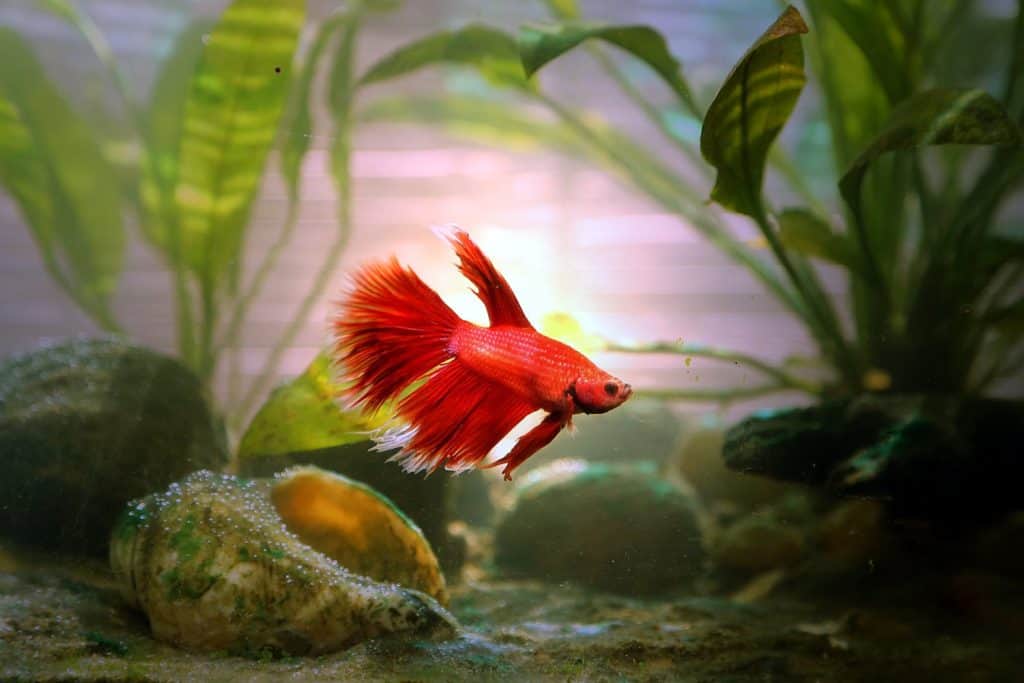
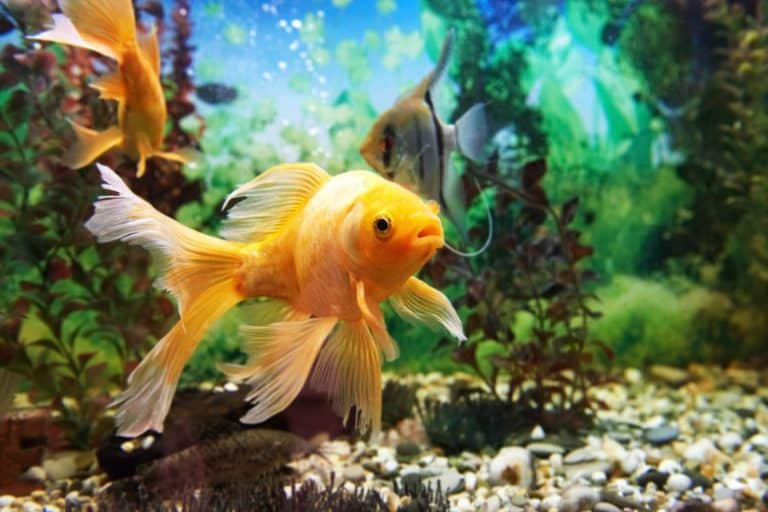
Bettas are one of the easiest fish for beginner freshwater tank enthusiasts.
©MANU PARADY/Shutterstock.com
There are many fish that thrive in either freshwater or saltwater environments. However, for beginners, some species are recommended because they are less demanding than others.
The best freshwater fish to care for as a beginner fish caretaker include:
- Clown Loach
- Dwarf Gourami
- Betta fish
- Goldfish
- Cory catfish
- Discus
Additionally, there are some saltwater fish that are heartier than others. Those fish that are best for beginning aquarium owners include:
- Common clownfish
- Springer Damselfish
- Royal Gamma
- Purple Firefish Goby
- Flametail Blenny
All of these fish are more tolerant of minor changes in water temperature or pH than other species. This makes them a better choice for beginners, who can later move on to more exotic species that require additional care.
Cycling a Freshwater and Saltwater Fish Tank Is a Must
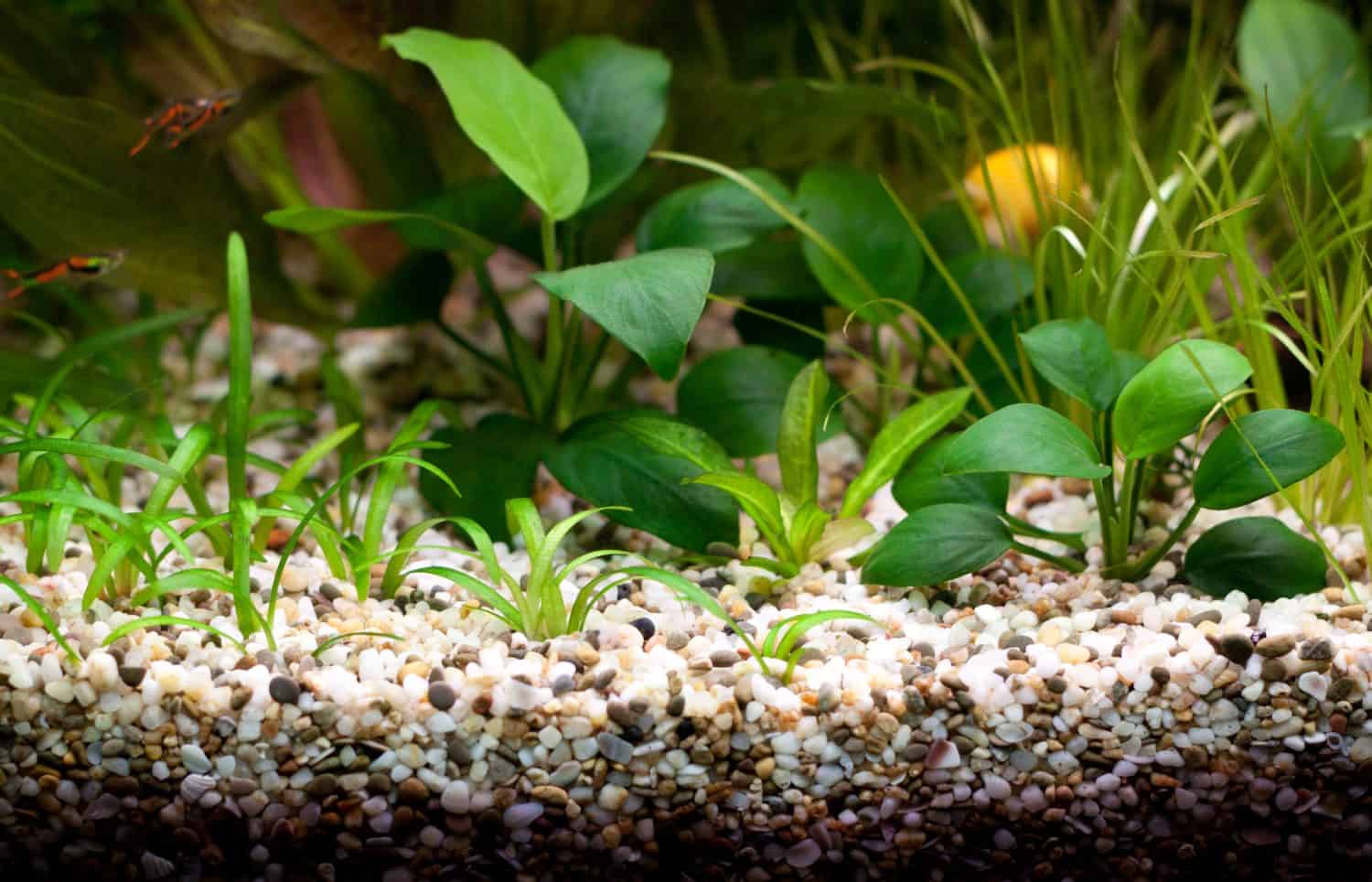
Fishless cycling is the recommended method of cycling for both freshwater and saltwater fish.
©Namsilat/Shutterstock.com
Cycling is necessary in both freshwater and saltwater environments to maintain a healthy environment for fish. If cycling does not occur, nitrates and ammonia will build up and eventually kill the fish.
To ensure a proper cycling process, it can take between four and six weeks to achieve the correct water parameters and proper bacteria levels. However, many new aquarium owners rush the process, which can stress the fish. While there are ways to speed up the process, the initial setup of an aquarium takes time to create the right environment for your fish.
When it comes to freshwater and saltwater tanks, there are options for cycling the tank. Those options include:
| Type of Cycling | Description | Good For Freshwater And/Or Saltwater Fish? |
| Fishless Cycle | The tank is completely set up, except for the fish. It involves adding ammonia and monitoring nitrate levels daily. Ammonia levels will rise first, then nitrate. Once nitrates spike, they will eventually register at zero. When both ammonia and nitrates are at zero, the cycle is complete. A 24-hour test is the final step in the process, which requires adding 2 ppm of ammonia to the water. If levels are at zero after 24 hours, fish can safely be added one species at a time. | This is the best method for both saltwater and freshwater fish, as it allows water levels to be perfect before fish are added. Those who want to speed up the process can do so by adding good bacteria to the tank, which can take a week or more off the cycling process. |
| Fish-In Cycling | The tank is fully set up, and the fish have been added. Ammonia and nitrates are tested daily. Water changes of half of the water are required when ammonia or nitrate levels increase by 0.5 ppm. When ammonia and nitrate levels reach zero, the cycling process is complete. This can take up to six weeks to occur. | Freshwater fish can generally survive and remain healthy when ammonia and nitrate levels reach 1 ppm. Not all fish may survive the process, however. It is not recommended to use the fish-in cycling method with saltwater fish, as they are much more sensitive to ammonia and nitrate fluctuations and are unlikely to survive the cycling process when conducted this way. |
| No Cycling Cycling | For those with an established tank, they can take the filter media from the old tank and put it in the new filter, skipping the entire cycling process. Once the filter media is added, 2 ppm of ammonia needs to be added to the water. After waiting 24 hours, if the ammonia and nitrate levels are at zero, the tank is ready for fish. | This process works well for both freshwater and saltwater fish. However, saltwater fish do very well with this cycling method when live rock is at the bottom of the tank. For most new tank owners, this process is not always an option because filter media is not readily available. |
Knowing all there is to know about setting up a freshwater and saltwater tank, the last thing to consider when choosing an aquatic animal path is the cost.
Saltwater Versus Freshwater Fish Tank Cost
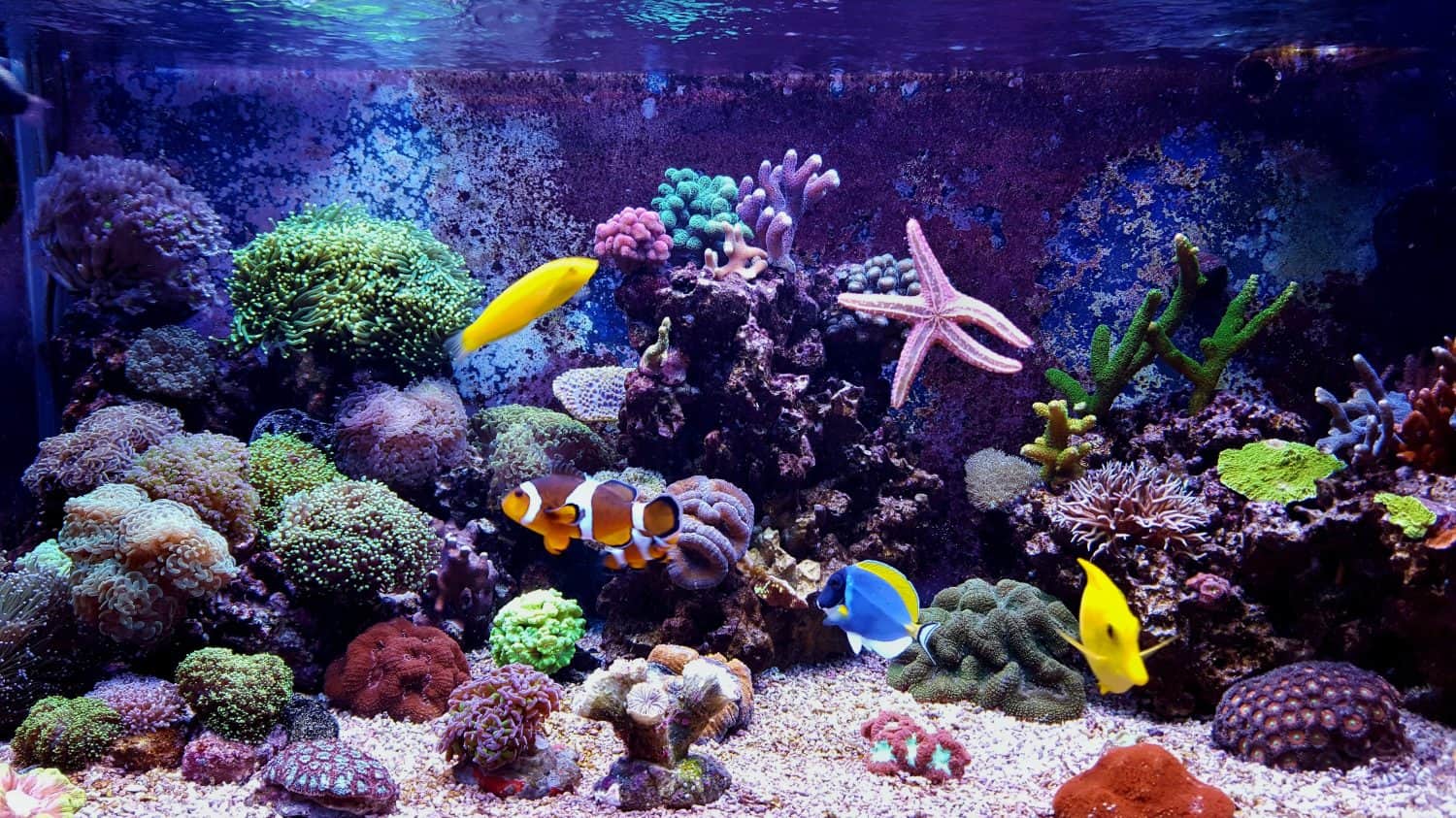
Saltwater fish tanks tend to be more expensive for both setup and maintenance than a freshwater tank.
©Vojce/Shutterstock.com
In general, saltwater tanks cost more both to set up and to maintain than freshwater tanks. That said, a freshwater tank setup is not a cheap endeavor. Therefore, before choosing a freshwater or saltwater tank, be sure it is a cost that is feasible upfront and in the future, given that some fish species can live for years when well cared for.
The upfront costs for a freshwater fish tank range between $150 and $200 for a 10-gallon tank. For those who choose a larger tank, expect those costs to go up. Additionally, monthly maintenance for a freshwater tank ranges from $10 to $40. This includes food, electricity, and the removal or addition of live plants, if present.
Those who want a saltwater tank in their home should expect to spend between $500 and $3,000 to get it up and running. This amount will vary depending on the fish species that are chosen for the tank. Monthly expenses are higher for the saltwater tank as well, ranging from $50 to $150. This includes food, coral care vitamins, salt mix, electricity, and water-testing kit supplies.
While fish can be less expensive pets than cats or dogs, there are still costs associated with maintaining a healthy environment for them. But once a budget is set, the right size and type of tank can be chosen to create a tranquil home aquarium where fish can thrive for years to come.