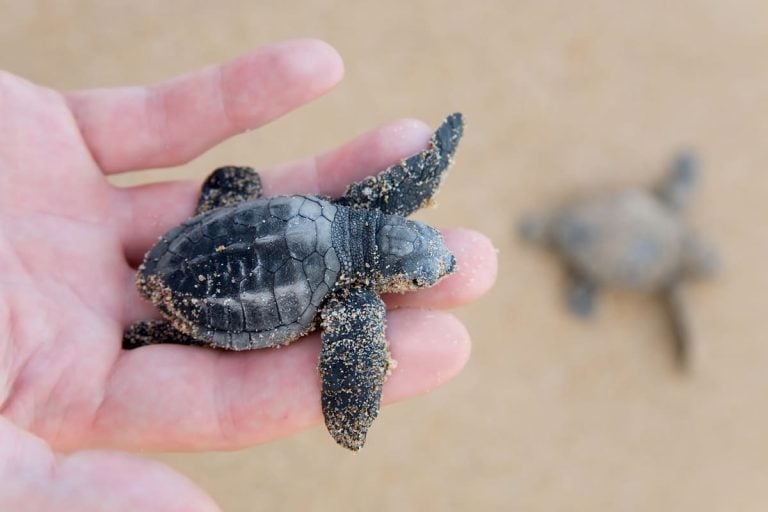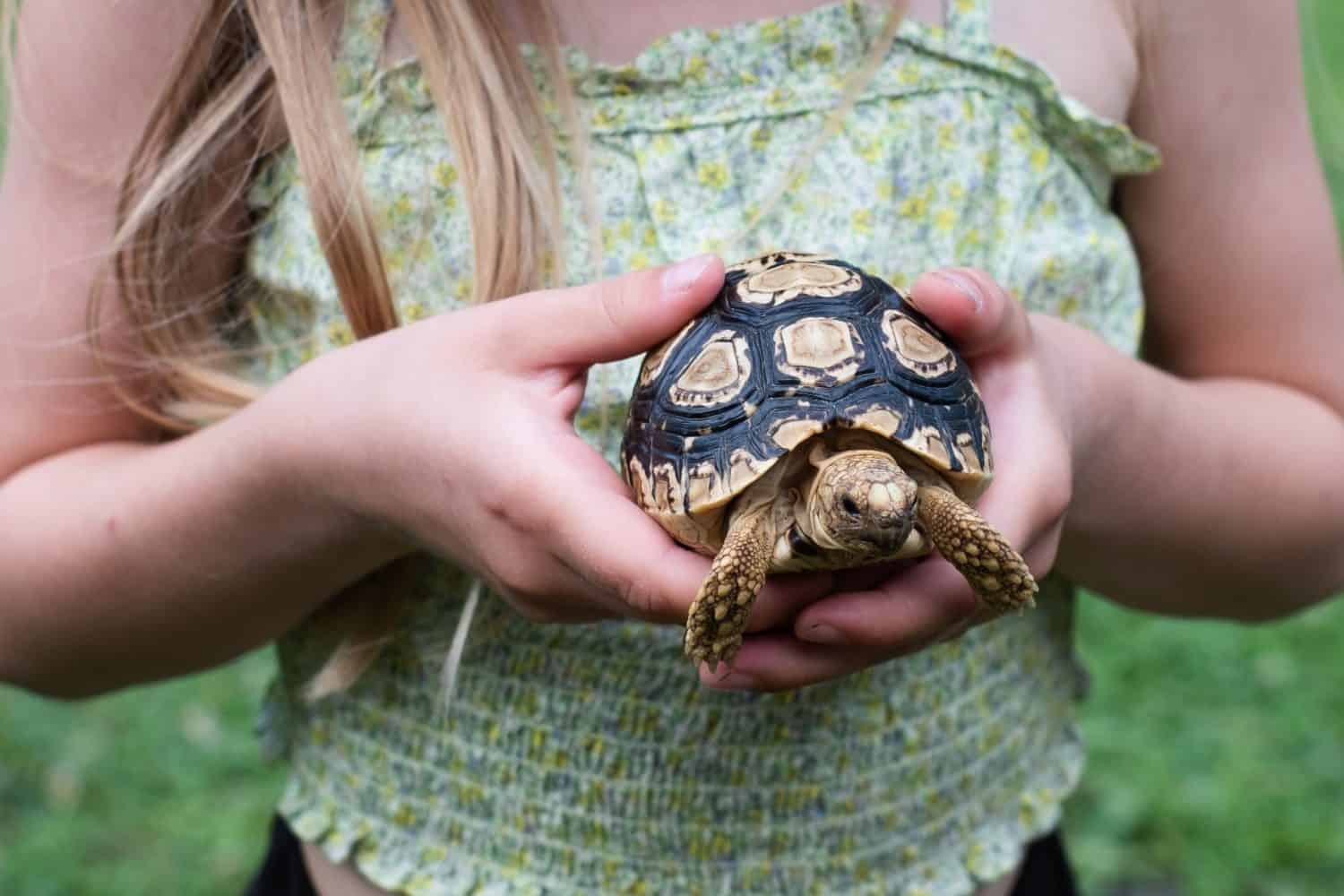

When many families start to think about a good starter pet, a turtle often comes to mind. At first glance, owning one seems pretty simple. Get an enclosure, clean water, and a light, and let them do their thing. However, while they do require less maintenance than some animals, there’s more to owning a turtle than just putting them in an enclosure. In this guide, we’ll tell you everything you need to know about a pet turtle, from how much they cost to how much activity they require every day. Use this guide to make your home ready for your new hard-shelled friend.
Which Turtles Make Good Pets?
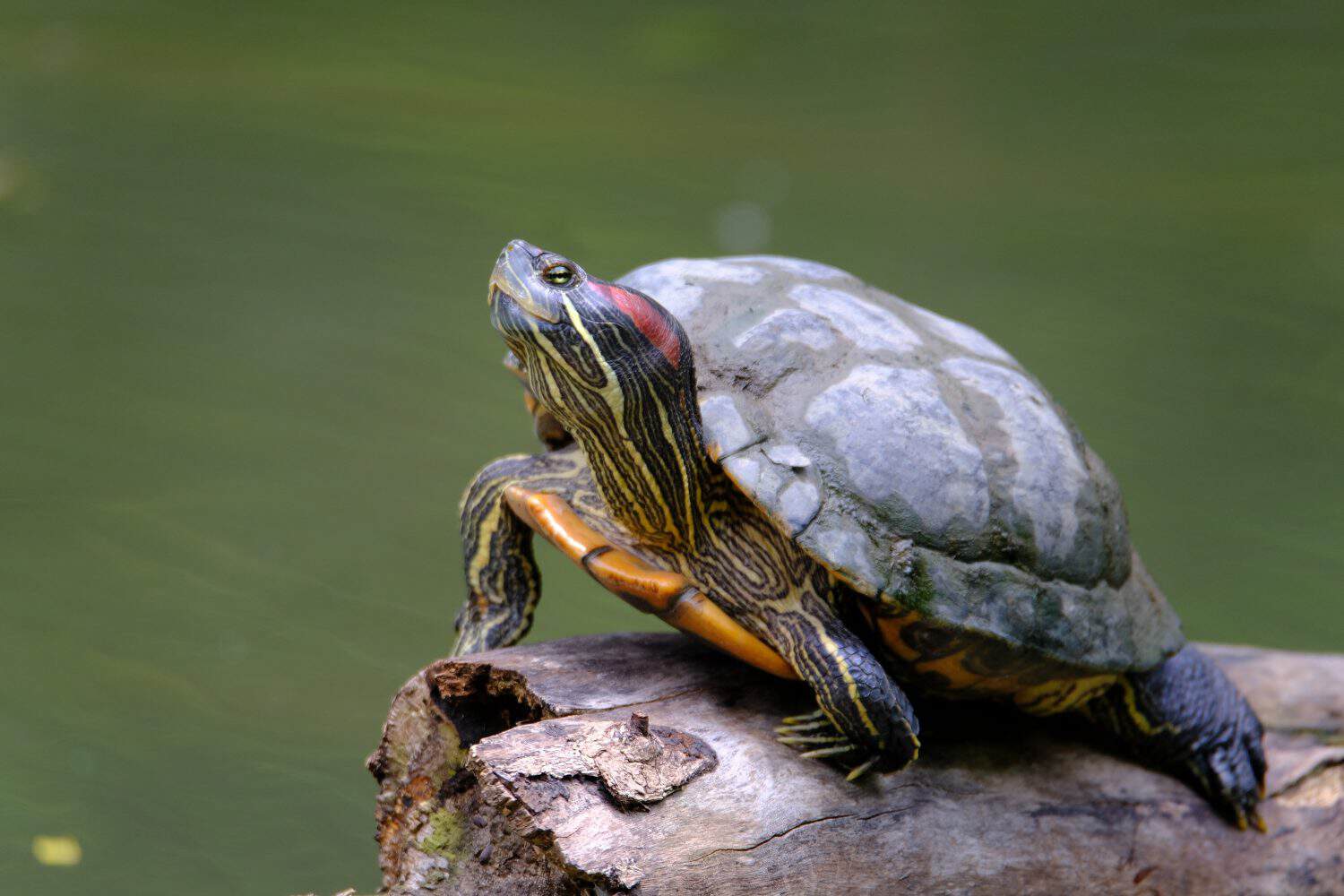
Many turtles, like the red-eared slider, are great pets, but complete your research first.
©WITOON077/Shutterstock.com
The first trick to owning a pet turtle is knowing which ones you can keep and which ones should be left alone.
Some people find turtles hanging around their pool or in the backyard and bring them in as pets, but is that allowed? It may be, but you need to know the type of turtle you have. The best way to go about it is to learn about the turtles you can’t have as pets. Start by researching your state. For instance, in Texas, keeping wild freshwater turtles as pets is regulated and depends on the species. Some species are protected or require permits, so always check state regulations before taking a wild turtle home.
In general, it’s frowned upon to take wild turtles home as pets. One reason is that wild turtles are used to a free-roaming lifestyle, and so bringing them home and sticking them into a cage may be so jarring that captivity could lead to an early death.
Also, when you bring a turtle home from the wild, you never know if it’s endangered, as is the case with the bog turtle. This species is very small, often reaching a shell length of 4.5 inches as adults, so they’re super cute, but taking them home further threatens their population.
Suitable Pet Turtles
With all that said, many types of turtles make great pets. When looking for a turtle, consider visiting a local rescue where you know the turtles have been treated properly. Sometimes, turtles are bred for pet stores and are often raised in deplorable conditions. To help prevent this, avoid supporting such practices by adopting turtles from rescues or purchasing from reputable breeders.
Here are options for great pet turtles:
- Red-Eared Slider – As one of the most popular pet turtles, they’re easy to find and are quite affordable at about $20. They start small but grow larger and can live more than 50 years.
- African Sideneck Turtle – This is one of the more unique-looking turtles as it can’t fully retract its head into its shell. However, their care requirements are a bit more complex.
- Eastern Box Turtle – This is a colorful turtle that is a bit more expensive and requires a more humid environment to thrive.
- Mississippi Map Turtle – A map turtle is a great pet if you also want a conversation starter, as they have a unique dorsal fin running along their shell.
- Common Musk Turtle – A musk turtle is relatively maintenance-free, but if you bother them too much, they emit a foul odor that may pose a problem if you have kids.
- Spotted Turtle – This breed has an adorable look and is relatively easy to care for, but it is more expensive.
- Yellow-Bellied Turtle – This is a great pet breed to consider if you have an aquarium, as they spend a lot of time under the water.
- Reeve’s Turtle – If you want a more interactive turtle, consider the Reeve’s turtle, which is quite sociable and likes to be stroked from time to time (just don’t overdo it).
Whichever pet turtle you choose, be sure to complete plenty of research because, while many of them are similar, each turtle does have specific needs of which to be aware.
Pet Turtle Costs
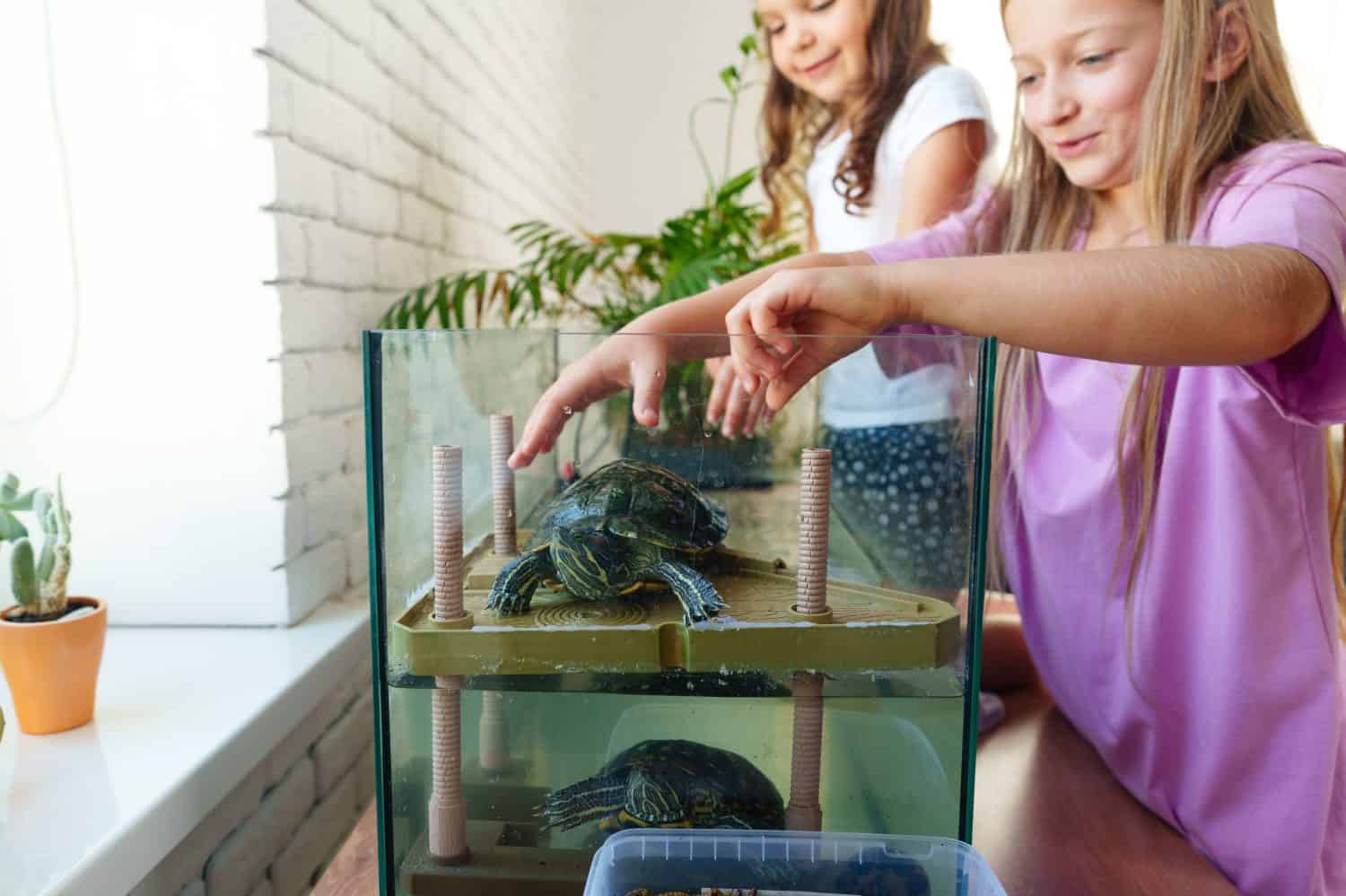
Turtles are one of the more affordable pets, but you need to provide a suitable lifestyle.
©FabrikaSimf/Shutterstock.com
Next is the big question. How much does it cost to have a pet turtle? Many turtles are affordable, so your biggest costs may come up front. Over time, the costs start to even out.
How Much is the Turtle?
The cost of the turtle itself can vary, but typically, you’re looking at anywhere between $20-$400, depending on the breed. If you have someone charging thousands of dollars, then beware, as it may be an endangered or illegal turtle. We recommend getting them from a rescue or a breeder, which can be a bit more costly, but still typically under $100 per turtle.
Initial Supplies
There are various items that you’ll want to get when you buy the turtle so you can put your new pet in a safe place right away. The turtle enclosure you purchase will depend on the turtle. If you’re getting a turtle that will grow relatively quickly, then get a larger tank than you need right away. For most regular-sized tanks, you can expect to pay anywhere from $50-$300.
Basking Bulb and UV Light
Next, you’ll need to purchase a ceramic heater or a basking bulb that your turtle can use throughout the day. Most turtles will need the warm side of the enclosure to be between 85-95 degrees Fahrenheit and the cooler side of the enclosure at about 75 degrees Fahrenheit. A light source and basking bulb will typically cost between $15-$45, depending on the quality and type.
If you have an aquatic turtle, you’ll want to get a UV light to help them produce the necessary level of vitamin D for healthy shells and bones. They’ll need 10-12 hours of UV light a day. The cost for that device is between $10-$50.
Tank Filter
Just like with most water-based pets, you’ll want to have a filter in the enclosure to keep the tank clean and to remove harmful toxins. You may need to purchase different filters as you get larger enclosures. The cost of the filter will generally be between $15-$50.
Decorations
Finally, give your pet turtle something to do and look at while they’re spending the next 30+ years in an enclosure. Start with a basking spot, which can be as simple as a pile of rocks or an artificial rock prop. You can further enrich the enclosure by adding some aquatic, turtle-safe plants, which may include water ferns, lettuce, hyacinths, and others. The cost of your decorations will depend on how elaborate you want the enclosure to be, but you could get everything for under $100.
Ongoing Costs
You’ll also need to consider the ongoing costs of having a pet turtle. Even when your turtle grows, you are still unlikely to break the bank for these costs, but they will vary slightly per pet.
Food
Your growing turtle will need a healthy diet, which depends on the breed. Most turtles, which are omnivores, eat a diet of leafy greens, fruit, earthworms, grubs, and snails. You can add turtle food to your grocery list and get everything you need at the grocery store or pet store. You’ll be looking at a cost of around $240-$500 per year.
Maintenance and Entertainment
As time goes on, you’ll need to maintain the turtle cage by cleaning it, replacing clean water, maintaining or replacing the light source, and cleaning up after the turtle. These are all relatively straightforward tasks that won’t cost much. The only other cost along these lines is entertainment, which essentially means the price you pay for new toys and plants along the way, typically totaling under $200-$300 per year.
Veterinary Care
Like all pets, your turtle will require regular veterinary checkups and potential medical care. Typically, these regular visits will cost under $200 per year. Turtles don’t typically require vaccinations, so you can save money there. However, depending on the situation, turtles can be at risk of being infested with parasites. When that happens, you can bring the turtle to the vet and still pay under $150 a year for these visits. If you do require medication, that will often be under $150 per year. Finally, you may decide to insure your pet. Most people don’t, but if you do, then the cost will depend on the type of turtle you have, with costs ranging from $50-$1000 per year.
When you’re thinking about overall cost, consider that most turtles can live 30-40 years and sometimes longer, so you’ll have these recurring costs for the foreseeable future.
How Much Daily Attention Does a Turtle Require?
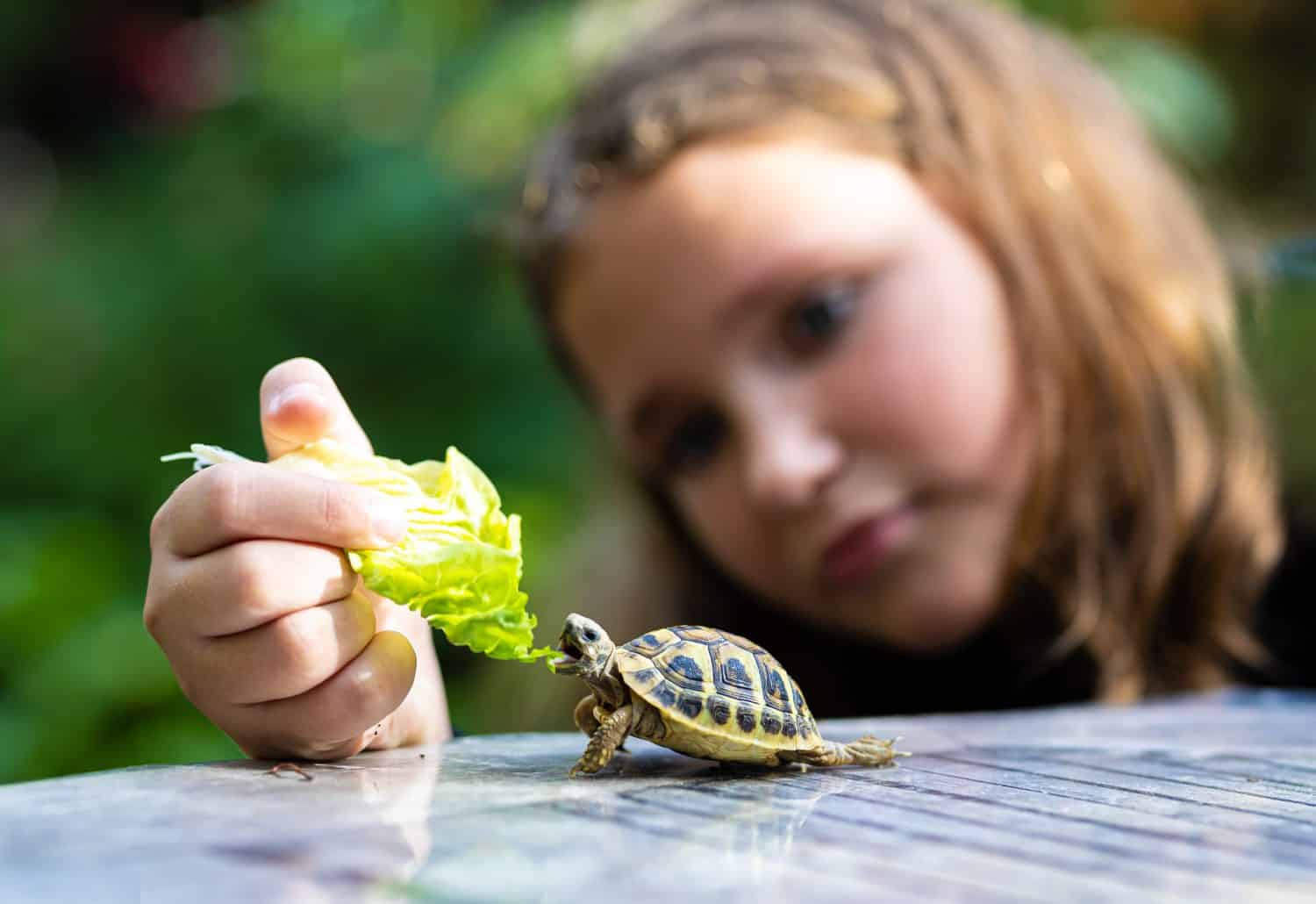
Provide proper care, and you can enjoy your turtle for decades to come.
©Alexey Fedorenko/Shutterstock.com
If you want a pet you can play with and throw a ball to, a turtle is not ideal.
While you can spend hours watching a turtle explore its enclosure and interact with its toys, most turtles don’t want to be picked up frequently, and some breeds may try to bite you if you get too handsy. Even though they don’t have teeth, some of them bite hard, so be cautious with the kids. With that said, some turtles do enjoy the occasional stroke or gentle shell scratch. You can even bring most turtles outside in the yard to enjoy a little freedom. Just be sure to keep an eye on them.
Maintenance
You’ll need to maintain your turtle and its living space on a weekly basis to ensure its health and longevity. For instance, aquatic turtles will shed part of their shells throughout their lifetime. It’s a necessary part of their lives, and to facilitate it, you will need to maintain proper water conditions.
You’ll also need to keep an eye on your turtle to ensure it’s not in need of maintenance or care. Some turtles require beak trimming, so if you notice the beak is overgrown, visit the veterinarian. Also, keep an eye on your turtle’s shell on a regular basis, and if you notice dents, scratches, or soft spots, you’ll want to bring your pet turtle to the vet.
There are other warning signs you should watch for regularly, such as:
- Lethargy
- Your turtle often hides
- Difficulty moving
- Signs of trauma
- Nasal discharge
- Diarrhea or constipation
Remember, vet visits don’t cost a lot with a turtle, so it’s better to be safe than sorry for the sake of your pet. While not common, turtles can experience various ailments, such as shell rot, respiratory diseases, and egg binding, so attention to detail is necessary.
Final Considerations
There are a few final considerations to keep in mind when owning and caring for a turtle. Follow these guidelines and you’ll ensure the happiness of your pet.
Avoid Overfeeding
If you’re new to pet care, you may not realize how much your turtle needs to be fed, and it can be easy to go overboard. Overfeeding can cause health issues, so ask the vet for insight. In general, although turtles are omnivores, you should avoid feeding them too much protein, as this can lead to obesity. Half of their diet should consist of leafy greens. Provide a calcium supplement once or twice per week.
Forgetting About Disease
One of the risks of owning a pet turtle that many people don’t talk about is their ability to contract diseases and then spread them to their human owners. One of the most common of these diseases is Salmonella, which is almost impossible to detect in turtles. That’s why, to protect your family, you should make it a habit to disinfect all surfaces in your home that your turtle touches. Salmonella can be particularly harmful to humans, causing symptoms such as stomach pains, fever, and nausea, making this step crucial.
Keep Turtles Separate
Finally, it’s essential that you keep turtles in their own enclosure, away from other pets. You can have multiple turtles in one enclosure, but keep it at that. The first issue with having other pets in contact with your turtle is the potential spread of disease. Additionally, other animals may injure your turtles. Some people keep turtles and fish in the same aquarium, but be aware that turtles may eat some of the fish, so plan accordingly.
In the end, a pet turtle is a wonderful addition to your home, and they generally require minimal care. Consider the tips and tricks on this list, and you can have a happy pet for many years (or decades) to come.