
Quick Take
- That gravel at the bottom of your tank is running a biological process most fish owners have never heard of. Without it, your fish are in trouble. See the biological role →
- Using the wrong gravel for your specific fish species is more than just a bad aesthetic choice. It can physically injure them. Match substrate to your fish →
- Some of the most visually appealing substrate options sold in stores are the ones most likely to harm your fish. See the harmful substrates →
- There's a direct link between the gravel you choose and how stressed your fish are every single day. Explore fish stress and substrate →
Everything added to a freshwater fish tank should be chosen with the best interests of the fish in mind. This includes the substrate. Often seen as nothing more than a place to anchor ornamental pieces, aquarium gravel does more than decorate the tank. It literally affects the health of the fish.
Substrate Is More Than Just a Decoration
Substrate in a freshwater fish tank is often an overlooked element of the fish’s environment. However, it is far more than a decoration. The substrate plays a direct role in the health of the fish.
The substrate is the bottom layer of the fish tank. It can be composed of sand or a variety of gravel sizes. The type chosen should be directly related to the species housed in the tank. Regardless of which type is chosen, the substrate serves functions that make it necessary for most fish.
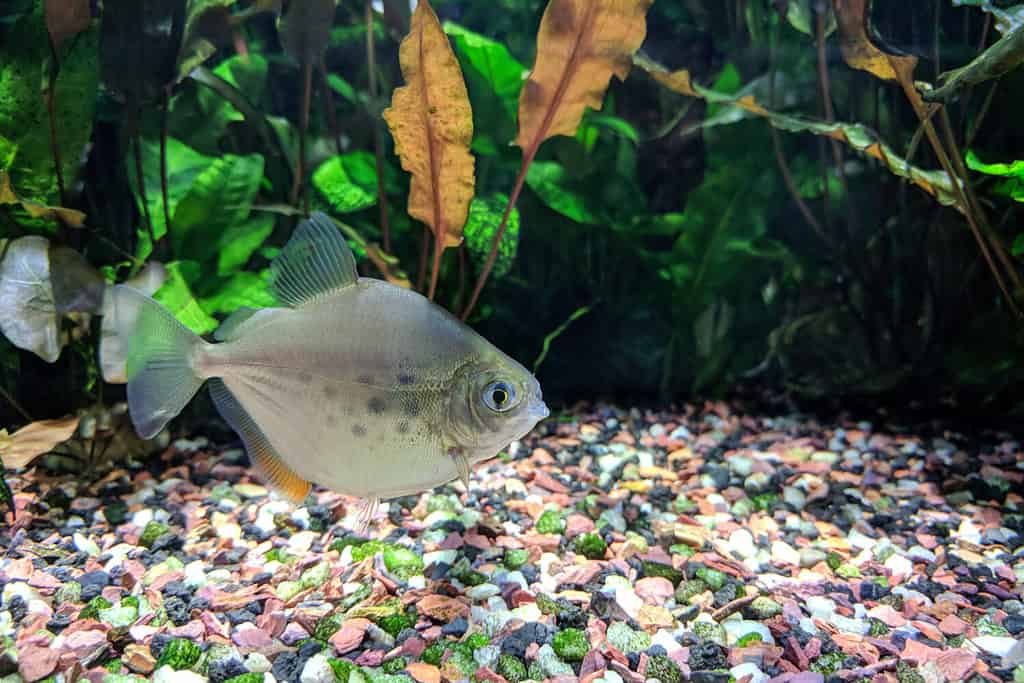
Substrate provides a place for beneficial bacteria to land, helps plants root, and positively affects pH levels in the aquarium.
©You Touch Pix of EuToch/Shutterstock.com
The reasons that substrate should be used in freshwater tanks include:
- Place for beneficial bacteria that participate in nitrogen cycling to rest in the fish tank
- Area for aquatic plants to lay down roots
- Bottom-dwelling fish require a substrate for foraging and spawning
- Substrate can positively influence the pH levels or remain pH neutral
- Substrate reduces fish stress levels by being akin to their natural habitat
While there are instances in which substrate is not required, most freshwater fish benefit from its presence. Therefore, including it in the tank should be a thoughtful process, never an oversight.
Appropriate Substrate Depends on the Fish
Most freshwater fish require a substrate for optimal health. However, different fish species have varying needs. Therefore, choosing the right substrate means knowing not only what the substrate does but also what fish use it for.
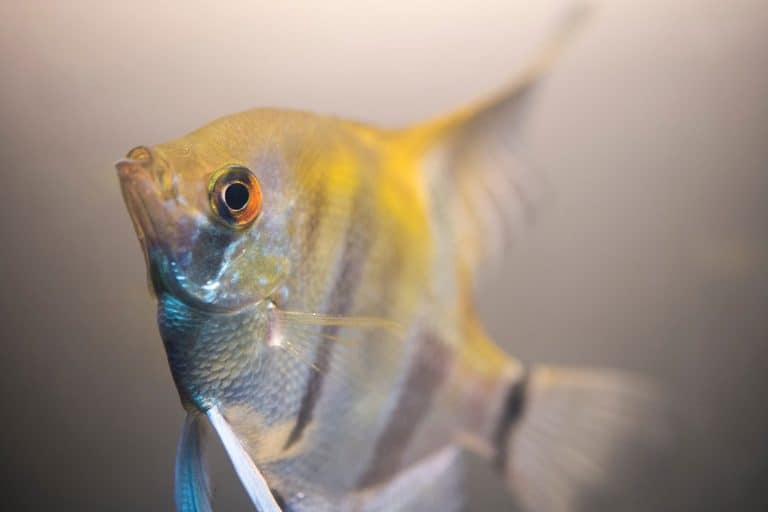
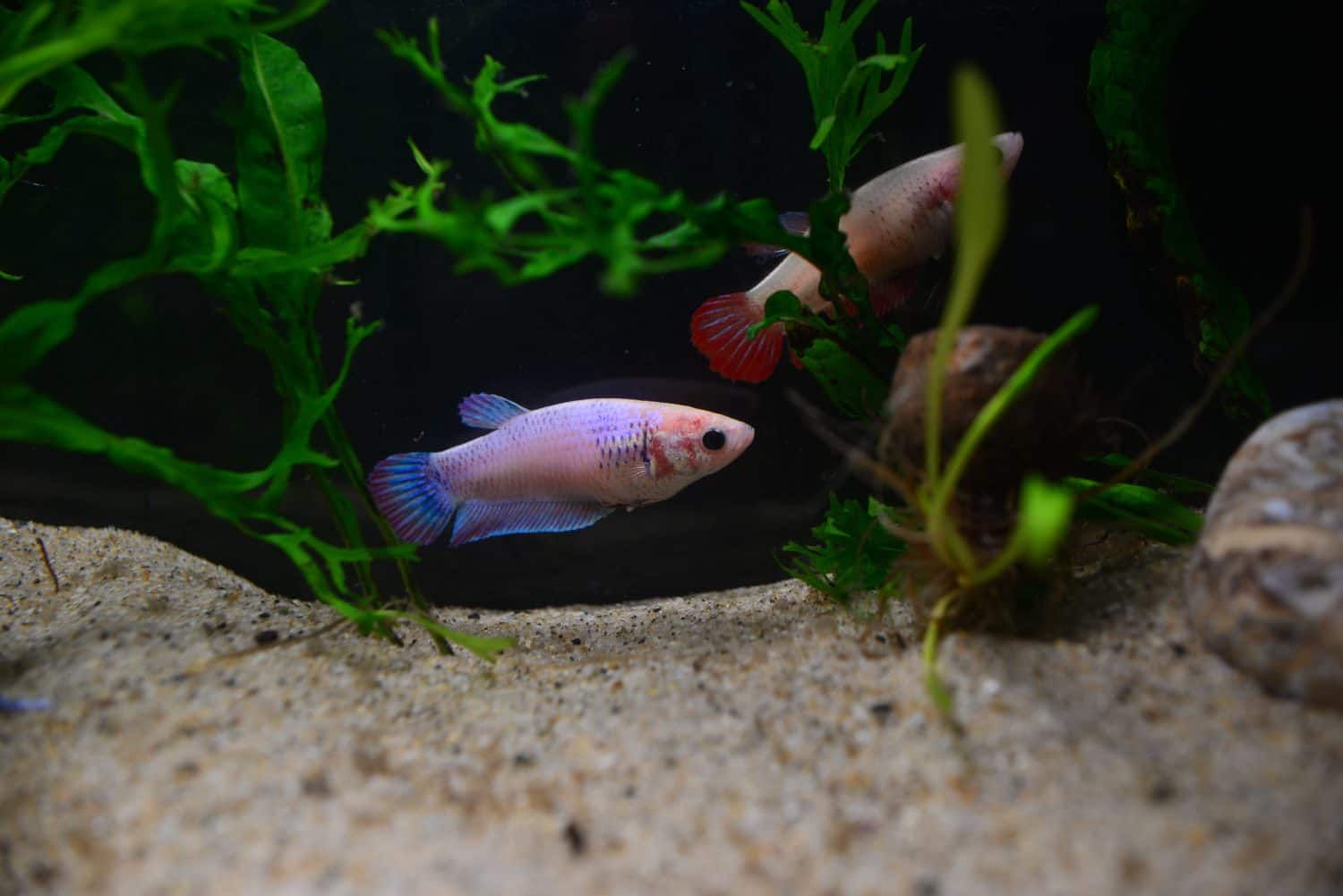
Tropical fish are a favorite of freshwater tank owners. Tropical fish are popular for their long, flowing fins and bright colors. However, these delicate fins can easily snag on the wrong substrate. Consequently, smooth, small gravel or sand is the best option for these fish.
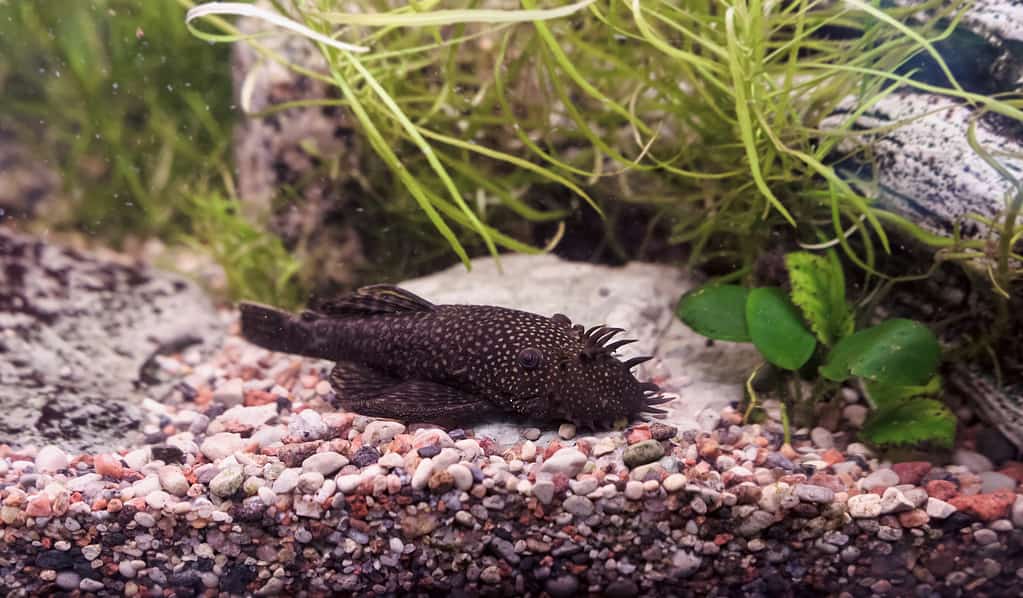
Bottom-dwelling fish require a substrate they can dig in.
©Anney_Lier/iStock via Getty Images
Bottom-dwelling fish forage in the substrate. They cannot do this if there is no fine sand at the bottom of the tank. The wrong substrate can damage their barbels and make it nearly impossible for them to find food.
Additionally, fish that like to burrow need a substrate they can dig into to feel secure. This is possible with both sand and fine, smooth gravel.
If you have multiple fish species in one tank, you can create a mixed-substrate environment. To keep fish healthy, consistent pH testing and adequate tank space are required. As long as the fish can live harmoniously, it is possible to use more than one substrate in a freshwater tank.
What Types of Substrate Should Never Be Used in Freshwater Fish Tanks
While there are appropriate substrates for each fish species, some substrates should never be used. This is because doing so can harm the fish or even cause premature death.
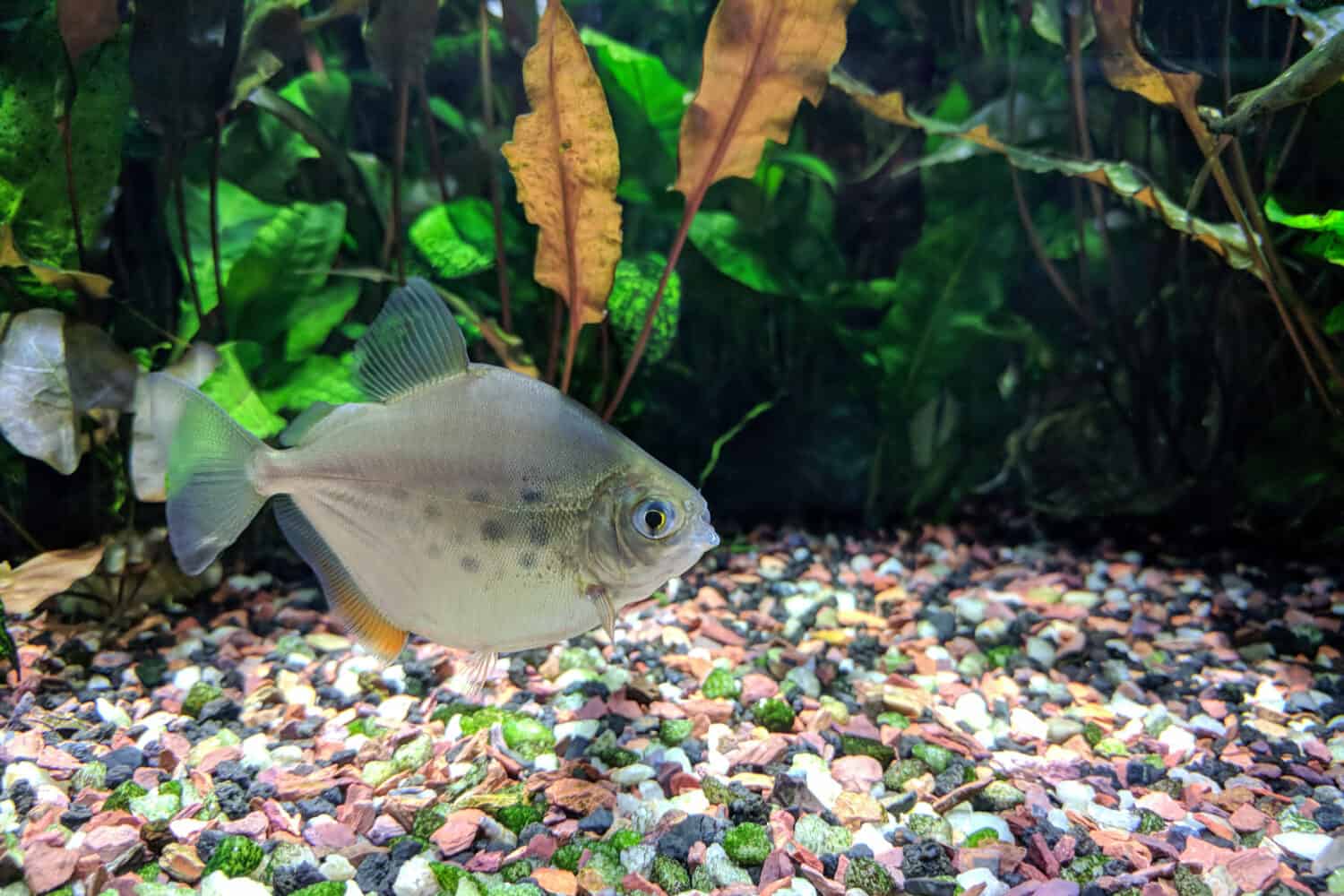
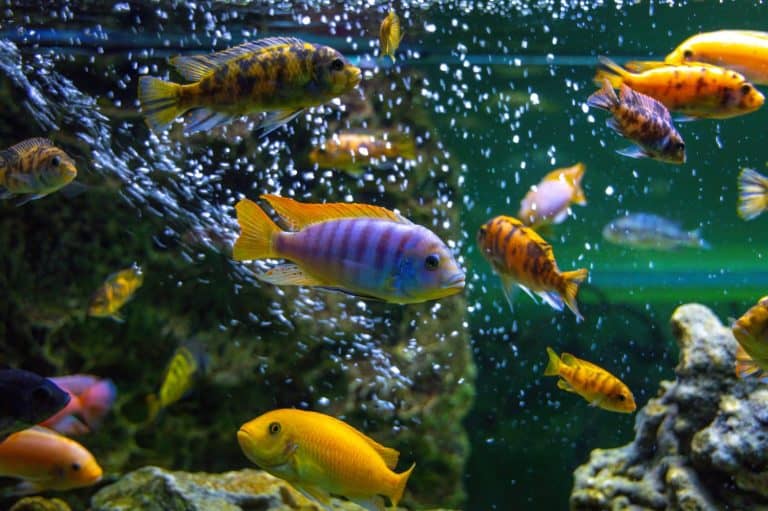
Choosing a substrate not meant for a freshwater tank can have disastrous health implications for fish.
©You Touch Pix of EuToch/Shutterstock.com
The type of substrate that should never be used and why is as follows:
- Unwashed or untreated gravel: Can introduce pollutants or parasites into the aquatic environment
- Beach sand: Can introduce dirt and pollutants into the aquarium
- Potting soil: Introduces pollutants and chemicals into the freshwater aquarium
- Sharp gravel: Can damage fish fins
- Colorful gravel: Some colorful gravel contains white dolomite, which is known to increase water pH levels
Only a substrate specifically designed for freshwater tanks should be used for your fish. While more aesthetically pleasing substrates may be available for purchase, they may not be a healthy choice. If you have any questions about what is best for your fish species, consult experts and do your research. The health of your fish depends on it.