
It’s a moment every first-time fish owner experiences: you’re excited about your new fish tank and the fish you searched for at several specialty fish shops. You get all the supplies and set everything up, letting the fish explore their new home. The tank you bought is brand new, and therefore, incredibly clean, so you don’t think you will have any problems getting the fish to enjoy it and get comfortable. What most first-time fish owners don’t realize, however, is that this is arguably the most dangerous time for any new fish. That’s because of new tank syndrome, which is one of the leading causes of death for fish but is little understood by people not in the fish or aquarium industries.
This syndrome is more common than most people realize. It happens because new fish tanks lack natural bacteria, which are needed to develop a mature biological filtration system. Those with experience owning fish know how to avoid it, but someone keeping fish as pets for the first time likely doesn’t realize the danger of placing them in a brand new tank. Far too many fish die every year because their owners don’t realize that their tanks are too new to process the waste produced by their fish. Understanding new tank syndrome requires knowledge about beneficial bacteria, water chemistry, and the nitrogen cycle. Preventing fish from succumbing to new tank syndrome also depends on recognizing the signs of stress in aquarium fish. Let’s explore all aspects of this syndrome so you can prevent it from harming your fish in the future.
What Is New Tank Syndrome?
This syndrome involves an overabundance of ammonia or other chemicals in aquarium water that seriously injures or even kills fish living inside.
©hedgehog94/Shutterstock.com
New Tank Syndrome is defined by a period of stress, instability, and toxicity in the first few weeks of a new aquarium’s life. The word syndrome is used because it is not a single event but a constellation of factors and issues arising from both chemical and biological interactions. Put simply, new tank syndrome occurs when fish are added to a new aquarium before a colony of nitrifying bacteria has formed inside.
The lack of beneficial bacteria and the increasing levels of ammonia produced by fish waste result in serious, compounding issues. These include fluctuating pH levels, oxygen depletion, and even blooms of heterotrophic bacteria that dim and cloud the water. It doesn’t matter if the tank is freshwater or saltwater; all new tanks run the risk of developing new tank syndrome. Both freshwater and saltwater tanks are susceptible to new tank syndrome if not properly cycled. Ammonia is more toxic at higher pH levels, which can be a concern in saltwater tanks, but proper cycling is crucial for both types.
Symptoms
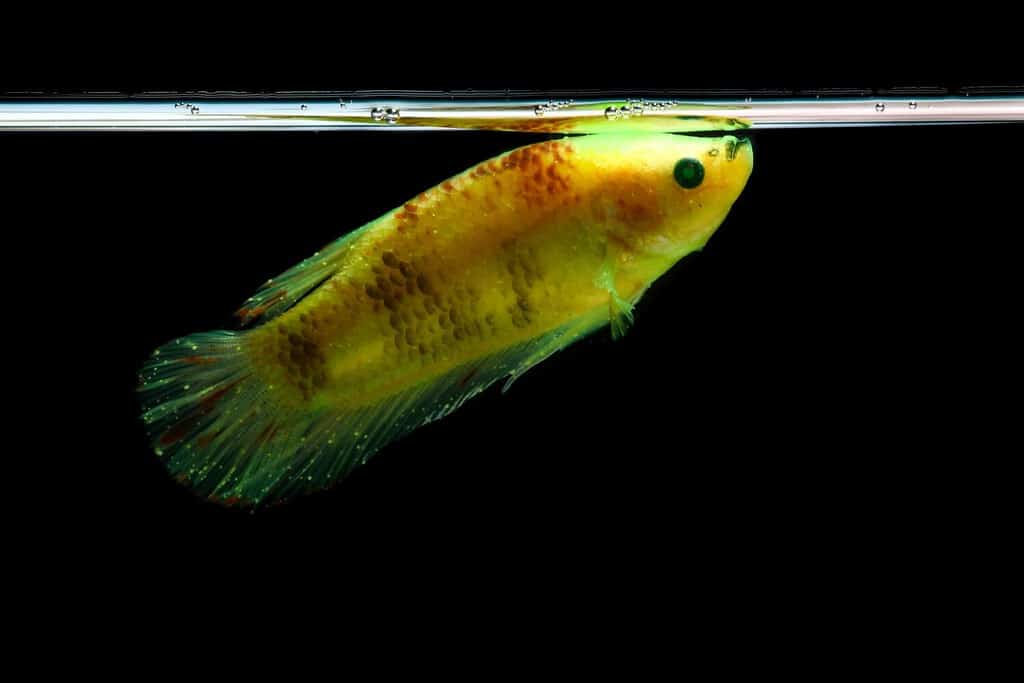
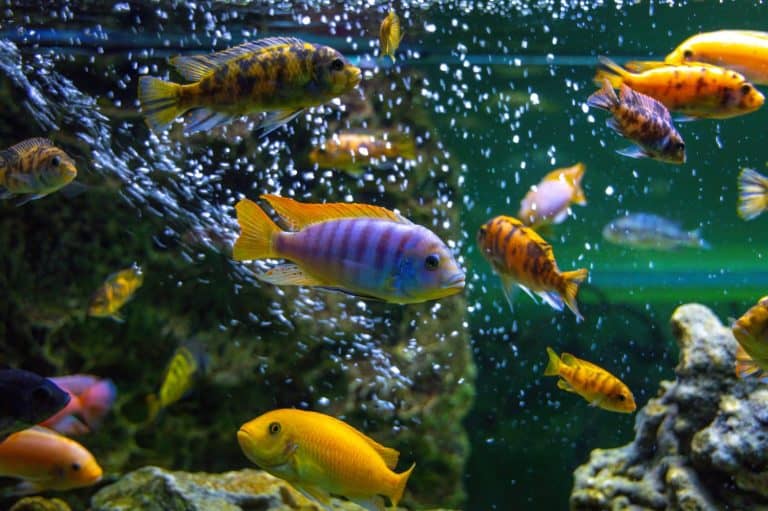
Symptoms of new tank syndrome include lethargy, gasping, and fin clamping.
©Rumaisha Project/Shutterstock.com
When an aquarium starts undergoing new tank syndrome, the fish inside will begin exhibiting a range of concerning symptoms. They will start gasping, clamping their fins, and even darting through the water frantically. One of the more common symptoms is lethargy or an overall malaise. In more severe manifestations of new tank syndrome, all of the fish in an aquarium will die within several days. The lack of beneficial bacteria simply allows ammonia to accumulate in the water too rapidly. Ammonia, being poisonous even at low levels, quickly leads to organ damage, suffocation, and death. Without the right amount of beneficial bacteria, toxic ammonia has nowhere to go, and it quickly chokes out any fish population. That’s why it’s important to understand the nitrogen cycle and some information about water chemistry.
The Nitrogen Cycle
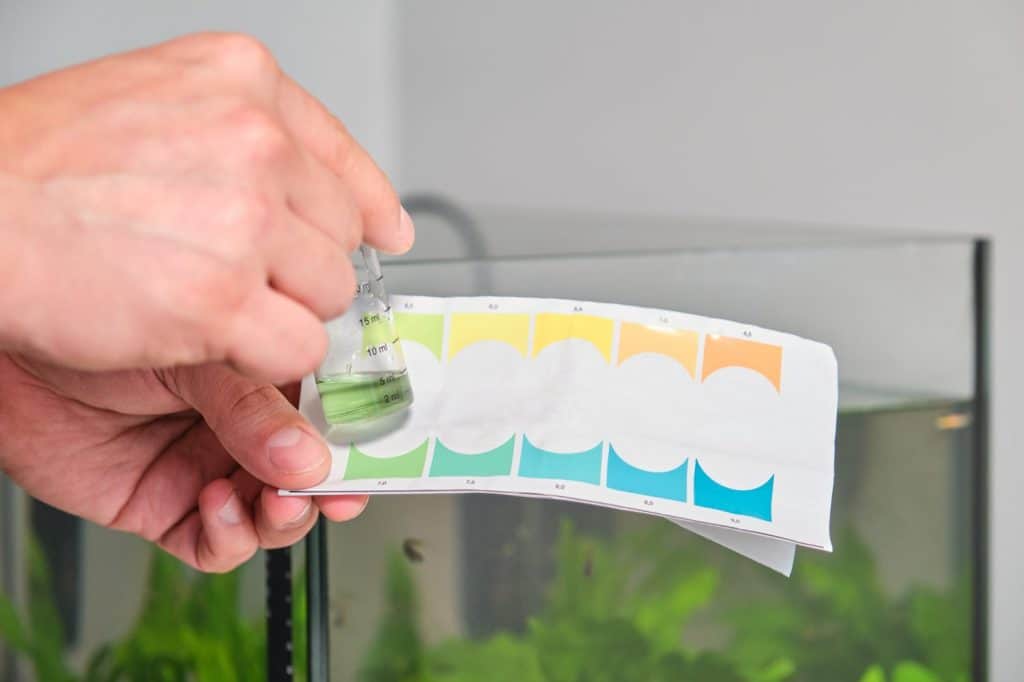
Even trace amounts of ammonia are toxic at higher water pH levels.
©Ladanifer/Shutterstock.com
In the wild, fish swim through waters with plenty of other creatures. These ecosystems are full of beneficial bacteria that filter the water by consuming more harmful chemicals. Pristine aquariums, however, lack the beneficial bacteria needed to break down waste products. This is why the nitrogen cycle is so important to the health and safety of aquarium fish. Let’s break this core process down into several stages.
Ammonia Production
Fish are always releasing ammonia through their gills and in their waste. Decaying plant matter and uneaten fish food create more. While this isn’t a problem in established aquariums with beneficial bacteria, new tanks are too pristine. This allows ammonia to grow out of control and cause serious stress. Even 0.25 ppm of ammonia is enough to cause issues in fish. Tanks with alkaline water make these issues worse because ammonia is more toxic at higher pH levels. When ammonia levels reach 1 ppm or above, fish start dying.
Nitrites
When a tank contains bacteria of the genus Nitrosomonas, it also spells trouble for the fish living inside. That’s because these ammonia-oxidizing bacteria turn ammonia into nitrite. This chemical is very toxic to fish and interferes with their ability to transport oxygen in the blood. Called brown blood disease, this condition can kill fish in water with even normal oxygen levels.
Nitrate
Though it is far less dangerous, bacteria like Nitrospira transform nitrites into nitrates. While nitrates aren’t as dangerous to fish, high levels of them can cause more long-term health problems. In established tanks, nitrates are filtered out by water changes, plant uptake, and specific filtration systems. All of these chemicals—ammonia, nitrites, and nitrates—are present in the wild, but in new aquarium tanks, there are not enough bacteria to filter them out. Usually, the nitrogen cycle must start from scratch and requires two to six weeks to complete. Fish begin experiencing symptoms of new tank syndrome when they are put in an aquarium before this cycling process can finish.
Avoiding New Tank Syndrome
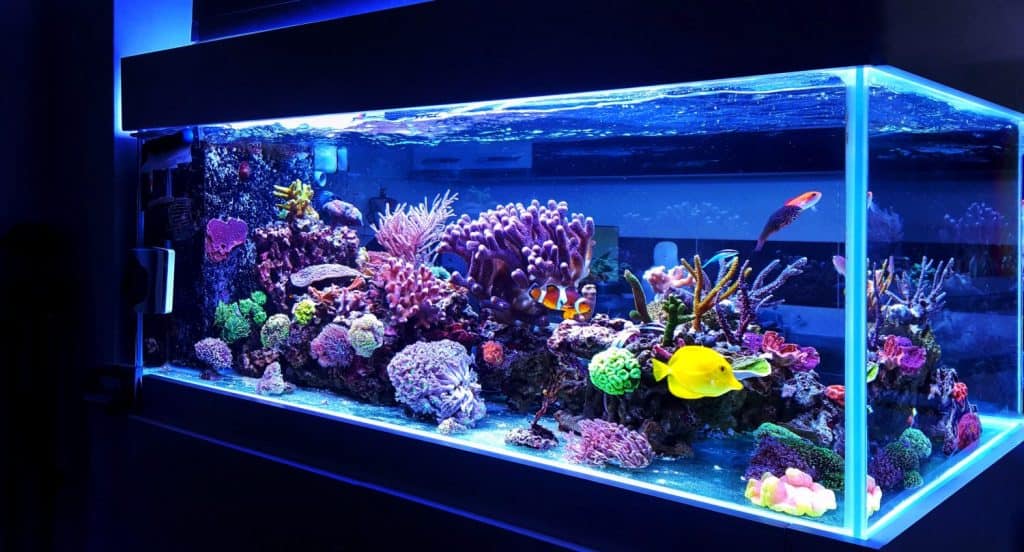
A fishless cycle is the safest way to prevent your fish from developing new tank syndrome.
©Vojce/Shutterstock.com
While new tank syndrome can easily kill fish, it can be prevented just as easily. It just requires some patience for a tank to finish cycling before introducing fish to it. Let’s explore several strategies to avoid this deadly syndrome completely.
Fishless Cycle
A fishless cycle is the safest and most surefire way to avoid new tank syndrome. It requires adding a source of ammonia to a new, empty tank via fish food, shrimp, or just ammonia itself. Maintain levels between 1-2 ppm and wait for nitrite and nitrate to appear. Once this process can cycle completely within 24 hours, from ammonia to nitrite to nitrate, fish can safely be added.
Established Substrates and Bacterial Starters
While less safe than the fishless cycle method, borrowing established substrates from mature tanks can accelerate the nitrogen cycle considerably. Plants, gravel, filter media, or decorations from older tanks contain plenty of beneficial bacteria, which can filter out harmful chemicals quickly. By the same token, bottled bacterial starters function similarly. That said, results can vary depending on whether or not the bacterial starter contains the right strains of nitrifying bacteria.
Safety Tips

Maintaining a healthy tank requires patience, staggered feeding schedules, and constant water testing.
©Wiki-Harfus; modified by Wildfeuer / CC BY-SA 3.0 – Original / License
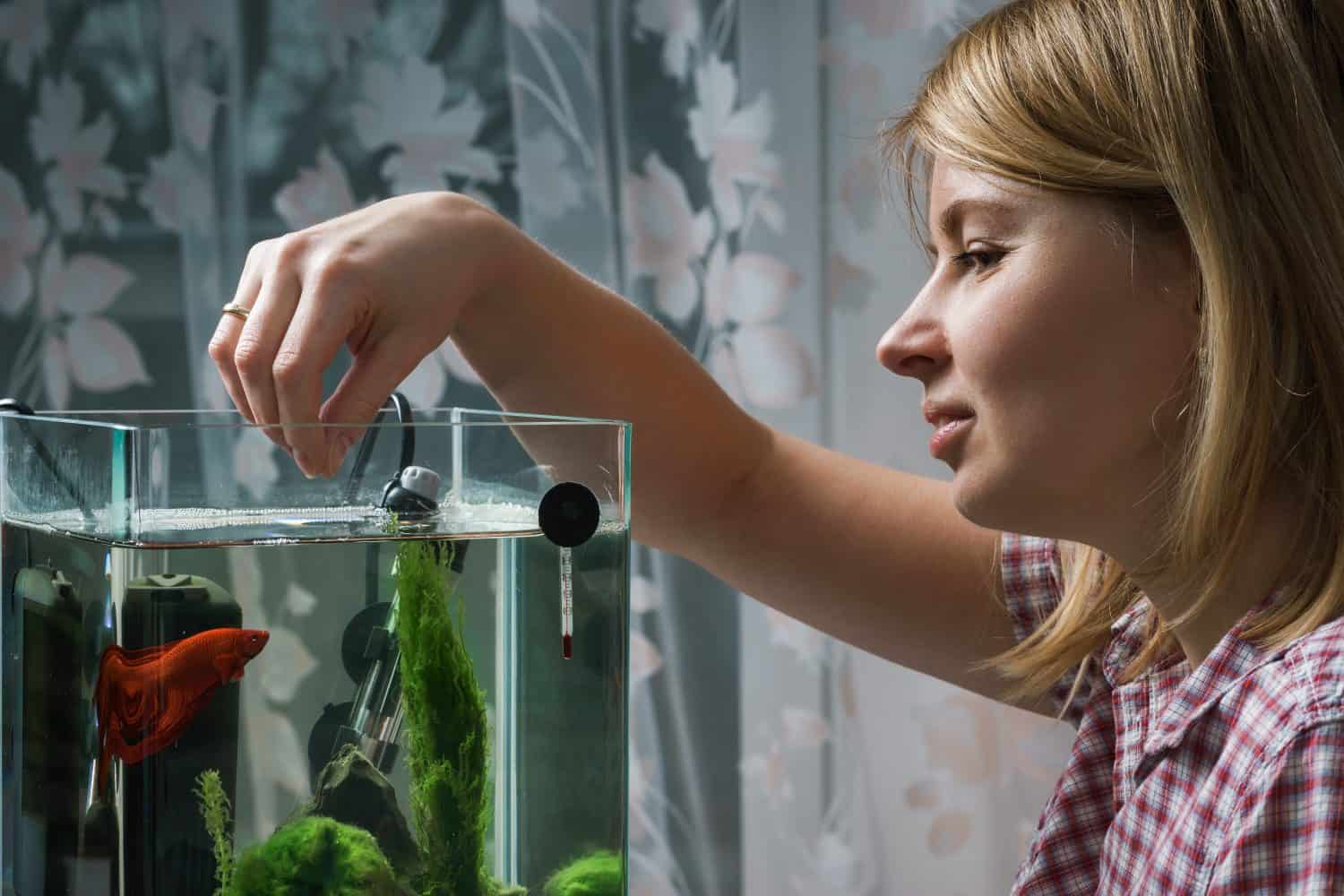
Even if you pull off a fishless cycle in your new aquarium tank, don’t try to overcorrect by throwing in all your fish at once. Fools rush in, as they say, and too many fish at once can produce more ammonia than your fledgling bacteria colonies can filter. Add fish a few at a time, and test the water every day or so for the first month for ammonia, nitrite, and nitrate. Keep apprised of the pH level fluctuations, as well.
It’s also incredibly important to maintain proper filtration on three levels. Mechanical filtration helps remove debris from the tank, while biological filtration provides a surface area for the bacteria involved in the nitrogen cycle. Chemical filtration, though optional, can also help remove toxins or prevent water discoloration. That said, introducing all these filtration methods at once will harm the beneficial bacteria in the tank more than help them. Much like the strategy for introducing fish, stagger filtration methods to ensure equilibrium. This philosophy also applies to feeding fish once they are in a tank. Too much food at once will spike their ammonia excretion. Especially during the first few weeks, feed the fish small amounts of food to prevent ammonia buildup.
Fixing New Tank Syndrome Before It’s Too Late
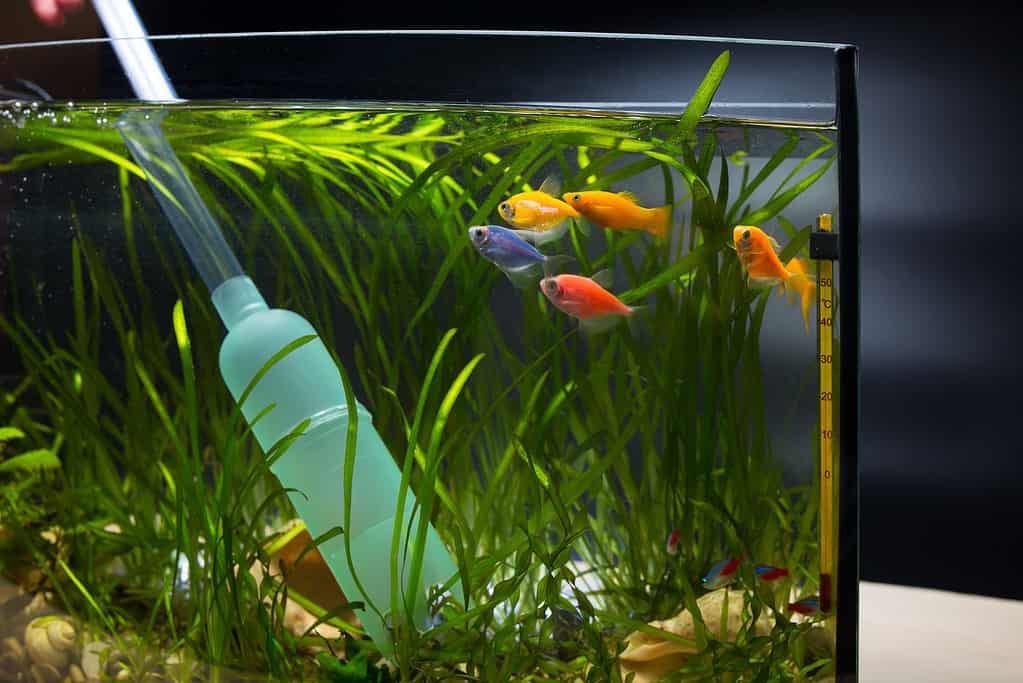
There are several quick fixes to stop new tank syndrome if it has already begun.
©Sergiy Akhundov/iStock via Getty Images
If you jumped the gun and added fish to your new tank without understanding the nitrogen cycle, don’t panic; there is still time to fix the problem and save your fish. Even if ammonia or nitrite levels have already spiked, several immediate actions can keep your fish from becoming floaters.
Water Fixes
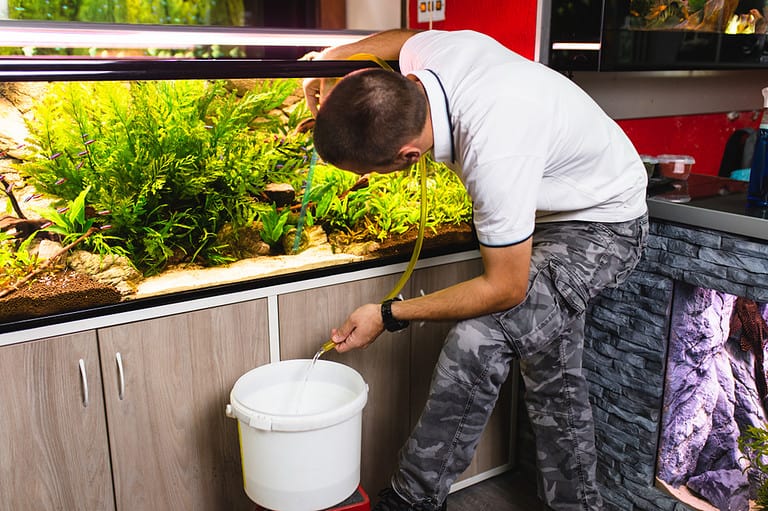
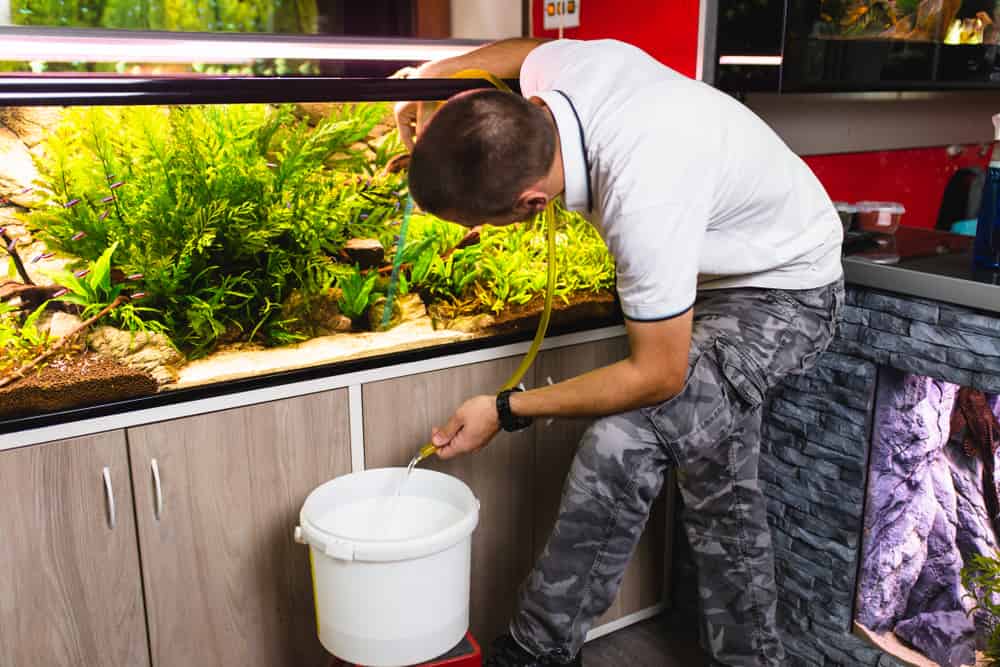
Immediate strategies for stopping new tank syndrome once it has begun usually require water changes. A large response can involve performing emergency partial water changes. Changing 25 to 50 percent of the water can safely dilute deadly toxins. This process can be repeated every day until the chemical and pH levels drop safely. Besides changing the water itself, conditioners can be added to it to temporarily detoxify high amounts of ammonia and nitrite. These include products that contain sodium thiosulfate. While water conditioners don’t entirely remove these substances, they do convert them into less harmful forms, so bacteria have a time to catch up and filter them before fish get hurt. Aquarium owners can also boost dissolved oxygen via an airstone or increase surface agitation. This helps fish survive because ammonia and nitrite weaken oxygen respiration.
Biological Fixes
While fixing the water can go a long way in saving fish before new tank syndrome seriously injures or kills them, there are strategies involving food consumption and plant addition that can help. Fish constantly produce ammonia through their gills and waste, so feeding them more results in more ammonia accumulating in the limited space of the tank. A quick fix is to simply reduce feeding or stop it completely for several days. This slows toxin buildup.
While bacteria do most of the work when it comes to filtering dangerous chemicals, certain plants can help. Introducing plants like water sprites, duckweed, or hornwort can help offset toxin buildup because they grow fast and absorb some ammonia and nitrate. As previously mentioned, introducing bacteria from more mature, established tanks can help filter out toxins quickly. This speeds up the nitrogen cycle because the introduced bacteria can immediately begin filtering out toxic chemicals, rather than waiting for them to develop naturally.
Consequences of New Tank Syndrome
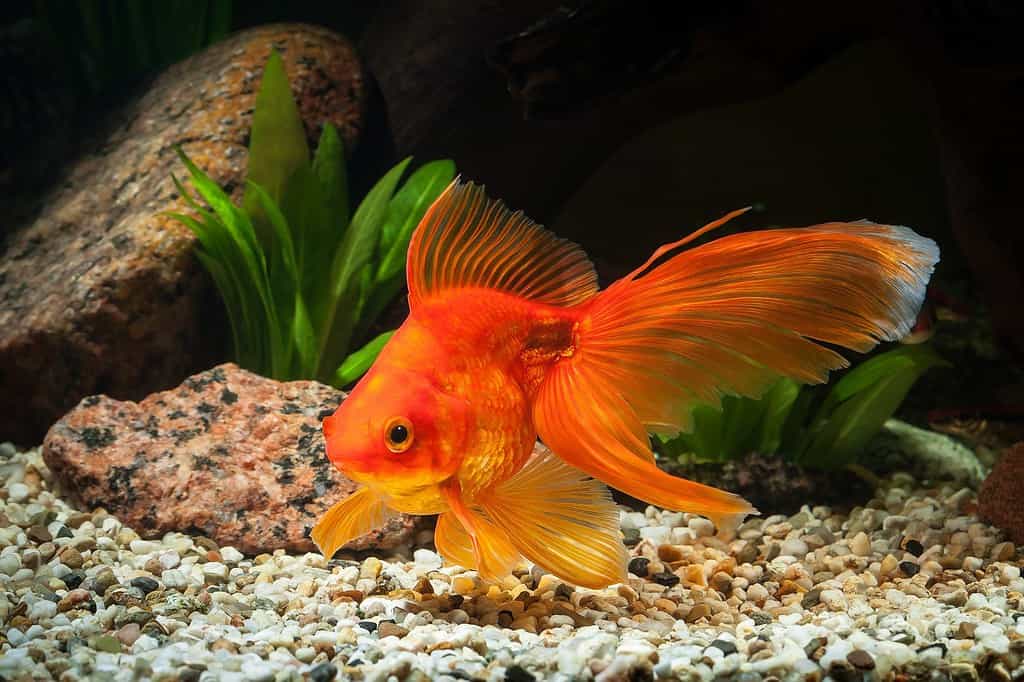
New Tank Syndrome is dangerous but easily preventable.
©dien/Shutterstock.com
New Tank Syndrome is a serious condition that can affect the health of fish for a long time. Even if it doesn’t kill the fish and they manage to survive the initial burst of toxin buildup, most fish will suffer long-term damage from new tank syndrome. Fish that have survived this syndrome often show chronic gill damage, an increased likelihood of infections, weakened immune systems, stunted growth, reduced coloration and vitality, and even organ damage.
Ultimately, new tank syndrome is a serious condition that can kill fish in a matter of days. It remains one of the most common problems faced by new aquarium owners. An understanding of the nitrogen cycle and how to prevent toxin buildup, however, makes it preventable, so your fish can enjoy their new home safely.