
Quick Take
- A sparrow song silent for six decades was reconstructed from handwritten musical notes, and the source of those annotations turns out to be stranger than you'd expect. See how notes were decoded →
- Wild birds heard an AI-generated tune they'd never encountered before, and two months later something unexpected happened in the park. Hear what the birds did →
- Losing a bird's song can push a species closer to extinction, and Australia's honeyeater shows just how fast the damage spreads. See the honeyeater's story →
In 2026, scientists are using artificial intelligence for an unusual purpose: teaching birdsong. A study published in Scientific Reports suggests that birds can be taught to sing different tunes, which may increase their chances of survival.
It began with the song of a rufous-collared sparrow that had disappeared from Buenos Aires after the 1960s. Though its lyrical tune had not been heard in nearly six decades, an AI recording made it possible to learn it once again. But this is much more than the recovery of a lost song. With it comes the hope of saving endangered and declining songbird populations.
Handwritten Musical Annotations Saved Birdsong
Songbird vocalizations have been recorded for centuries. The earliest known notation dates back to Athanasius Kircher’s Musurgia Universalis in 1650, which used specific pencil notations to indicate certain pitches and calls. Much later, Rachel Carson would use a similar method to annotate birdsong. This practice continued well into the 1960s, when researchers discovered the annotations needed to “sing” the tune of the rufous-collared sparrow.
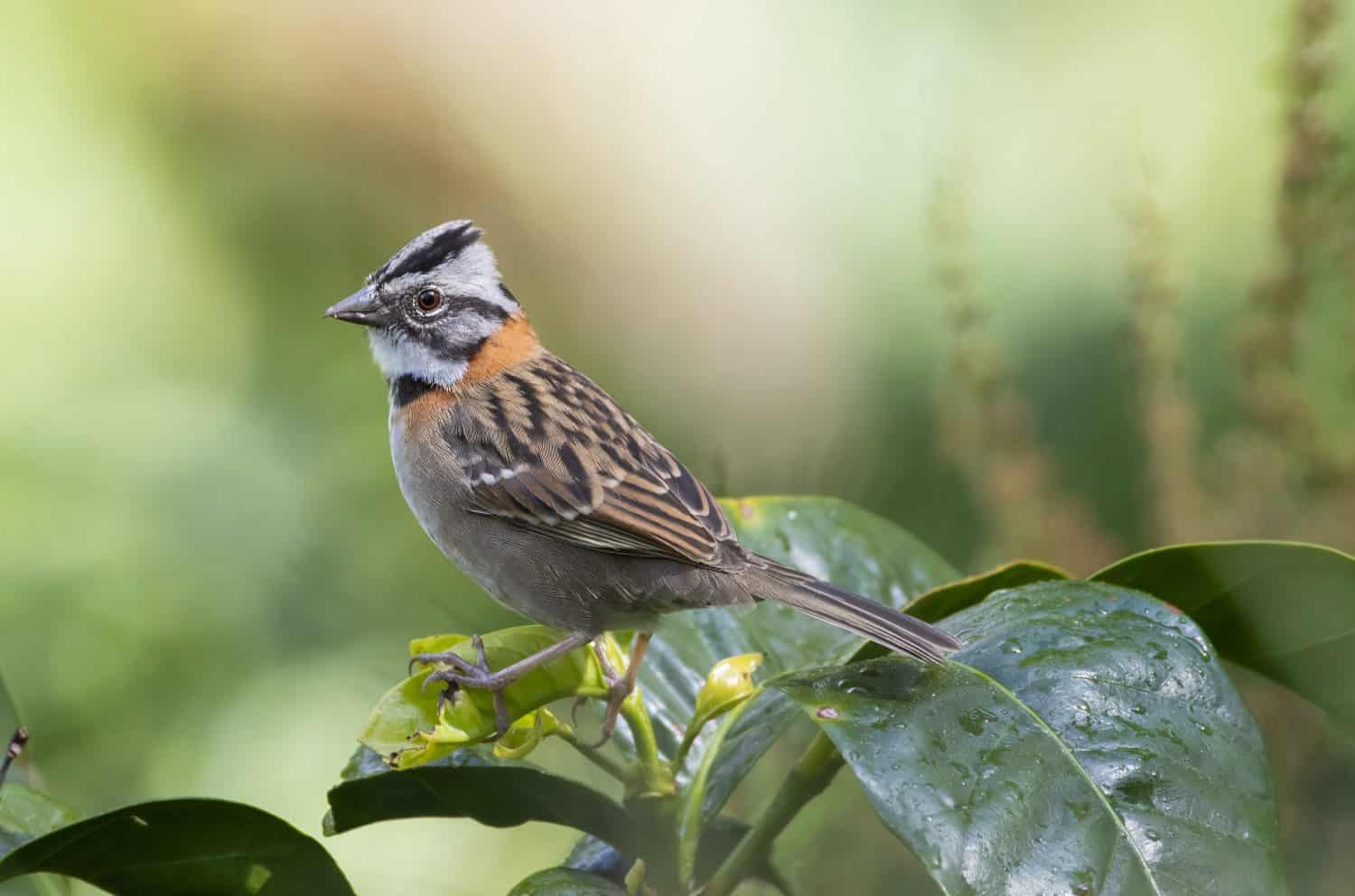
The rufous-collared sparrow has unique vocalizations, and some have been lost over time.
©Gualberto Becerra/Shutterstock.com
Scientists compared this with historical records before looping it all into the computer. With the help of AI, they created something shockingly realistic. A song once believed lost was now playing through computer speakers in 2026. Now, all that was left to do was play the rendition in the birds’ natural habitat.
However, it wasn’t as simple as playing a tune and expecting the local songbirds to immediately sing it back. The rendition was unique and completely unfamiliar to today’s birds. To be able to replicate its sound, the local birds needed to hear it consistently over months. For researchers, this proved to be a worthy endeavor.
Two Months In, Researchers Heard Something Extraordinary
Humans know all too-well the results of listening to the same tune every day for weeks. Our brains begin to play it naturally in our minds. Its notes become ingrained in our thoughts, which is often when we get “earworms.” After about two months, the same thing happened to the birds in Buenos Aires Park.
Researchers listening to wild birdsong heard a familiar sound. Rather than mimicking the entire rendition of the 1960s songbird tune, the birds were using fragments of it. Sections of the recreated song were incorporated into new, individual vocalizations. Upon further observation, a single sparrow appeared to be responsible for the remixed birdsong.
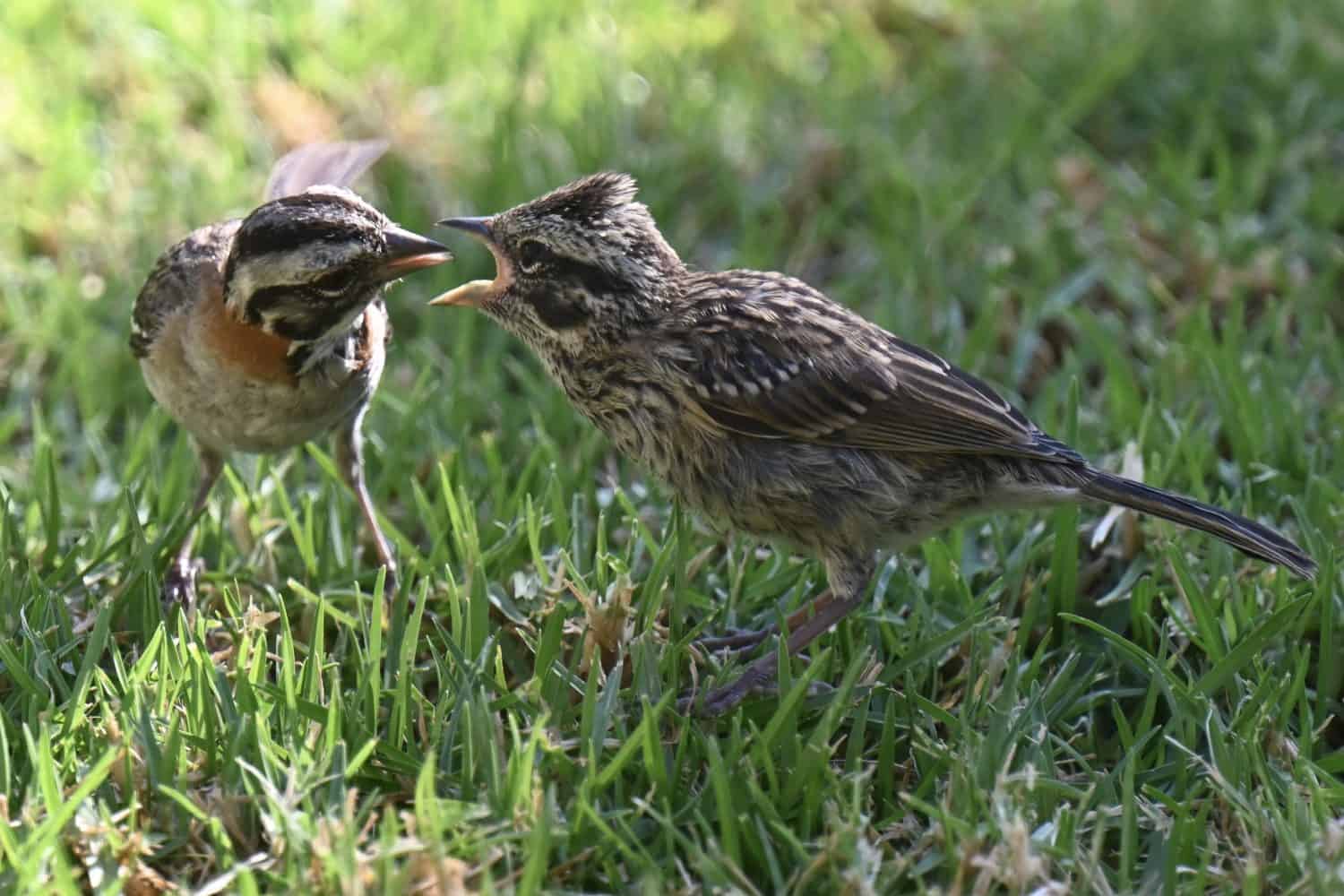
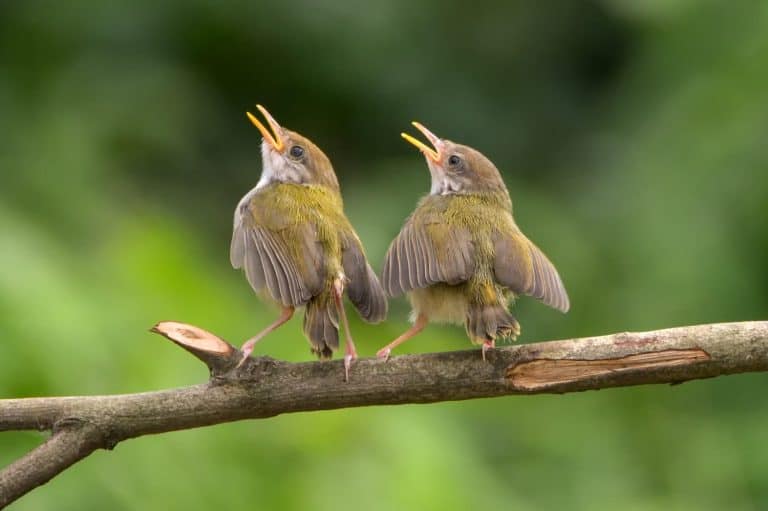
Each bird call has a purpose, from mating to general communication.
©Paula Lucchesi_ph/Shutterstock.com
Further research is needed to determine if this was truly learned behavior. If it is, AI bird “tutors” could change the futures of threatened species. Although the rufous-collared sparrow is not endangered, its song reflects the plight of many other endangered species that have also lost their traditional vocalizations. If researchers could replicate more of these lost bird songs, they could restore balance to mating rituals, communication, and social hierarchy within colonies.
Birdsong Helped Australia’s Honeyeater Bounce Back
When a culture declines, so do its traditions and customs. One way to preserve these is through storytelling, and every corner of the world has its way of passing on tales. The same is true in the animal kingdom, except that birds do it through their songs. When Australia’s beloved honeyeater faced extinction, its treasured birdsong was one of the first things to go.
As the population suffered from severe habitat destruction, young male honeyeaters sang broken songs. The melody they were so well known for ceased to exist. Some tried to mimic other bird species, while others stopped singing altogether. It was a tragedy for both the honeyeaters and the humans who had so loved hearing their native calls. However, one research team soon changed all of that.
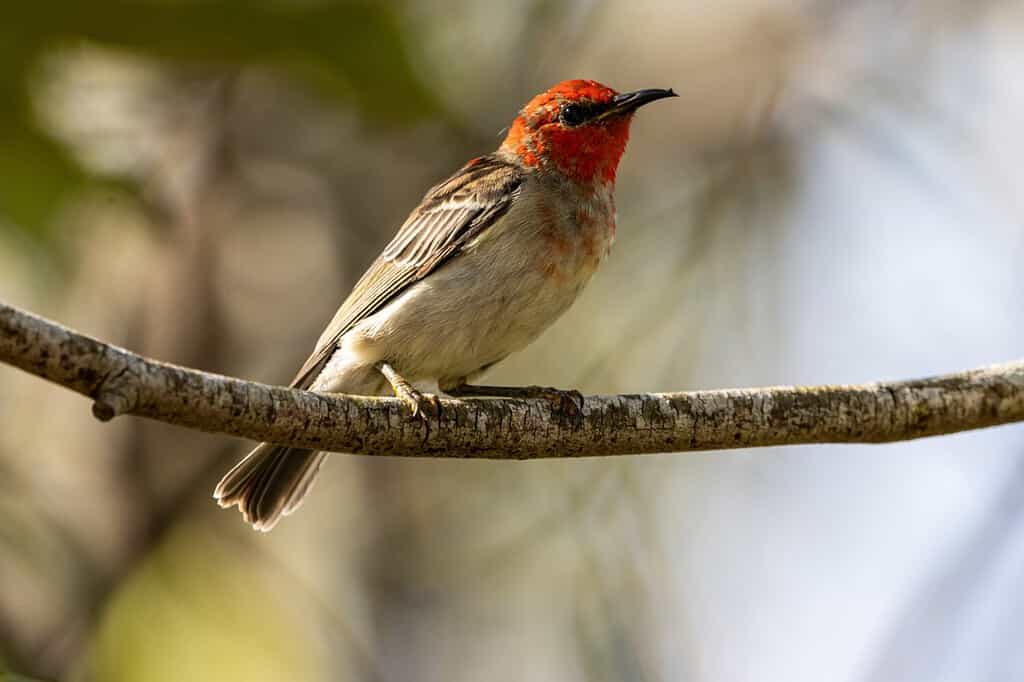
Australia’s honeyeater got a second chance thanks to its birdsong.
©Audra Thomson/Shutterstock.com
Scientists from the Australian National University (ANU) and the Taronga Conservation Society Australia decided to try something out of the ordinary. After being captured, the two adult honeyeaters were placed next to a creche with captive fledglings. As the adults continued to sing, the fledglings miraculously picked up the tune.
The three-year study, published in 2026, found that 42% of male honeyeaters born in the zoo successfully learned the birdsong.
Songs Are Passed Down Through Generations
Auditory sounds have power over nearly every species in the world. For the honeyeater, it was the difference between survival and extinction. And for the AI-tutored sparrow in Buenos Aires, it means hope for many more failing species.

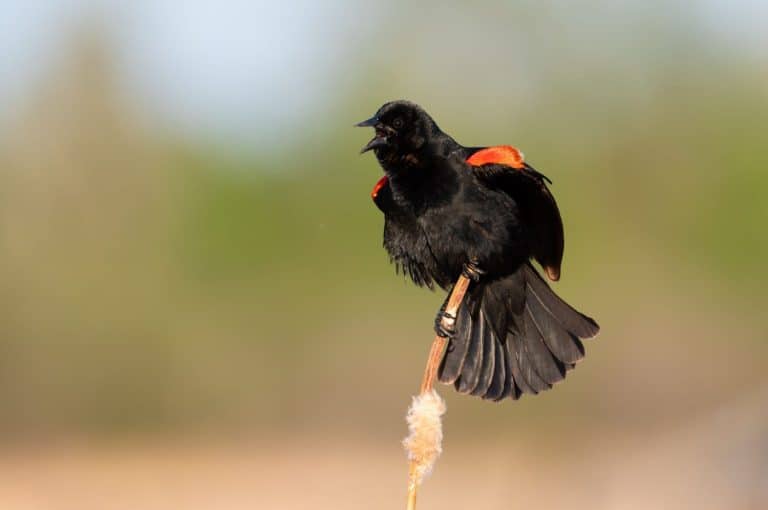
It might sound like squawking to you, but birds have vocalizations for each message they convey.
©iStock.com/Wirestock
As more birds are accustomed to their traditional songs, they continue to pass them down to their offspring. Mating songs can be relearned, and entire species may learn to socialize with one another again. The potential is seemingly endless, as long as scientists have access to an original song.
In the future, this could greatly advance conservation. Researchers can teach young birds the songs of past generations, in the hopes that they, too, continue teaching their young. While issues such as deforestation, habitat destruction, and climate change still pose threats, this study provides the foundation for a step in the right direction.