
Quick Take
- Scientists couldn't draw Jonathan's blood, so the question is how they managed to unlock the secrets hidden inside his cells. See how DNA was collected →
- Jonathan's epigenome should have deteriorated over 194 years, yet it did something no researcher had ever seen in any animal. Explore his juvenile epigenome →
- A 117-year-old human woman shared something eerily similar with Jonathan, and it wasn't a longevity gene. Meet María Branyas Morera →
- Jonathan's 287 gene variants could reshape how humans fight cancer, inflammation, and aging, though a major hurdle stands in the way. Discover the treatment potential →
The oldest living animal on the planet is a giant tortoise, who has successfully lived 194 years. Compared to most animals, this tortoise has lived the equivalent of multiple lifetimes, yet his genes refuse to age. Scientists are now looking more closely at Jonathan, the Aldabra giant tortoise, to understand how his cells age and whether those findings could help humans live longer, healthier lives.
Jonathan the 194-Year-Old Tortoise Has the Genes of a Juvenile
Saint Helena, a remote island in the South Atlantic Ocean, is home to Jonathan, an elderly Aldabra giant tortoise who was brought there long ago from the Seychelles. Although Jonathan is 194 years old, his physiology tells a different story. According to his cells, Jonathan has the biological age of a five-year-old tortoise.
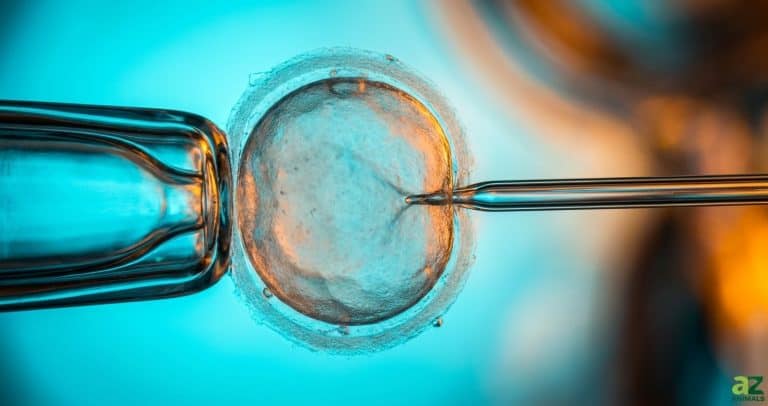
A new study published in Science Advances found that Jonathan is working with a toolbox of anti-aging cells unlike any seen before. Researchers from the University of Cambridge and the Kaleel Foundation determined this after collecting Jonathan’s DNA, sequencing it, and identifying 287 unique gene variants.
The gracefully aging tortoise, which was alive during the time of Charles Darwin and Queen Victoria, has cells that “repair damaged DNA, reduce inflammation, regulate insulation,” and even keep cancer at bay.
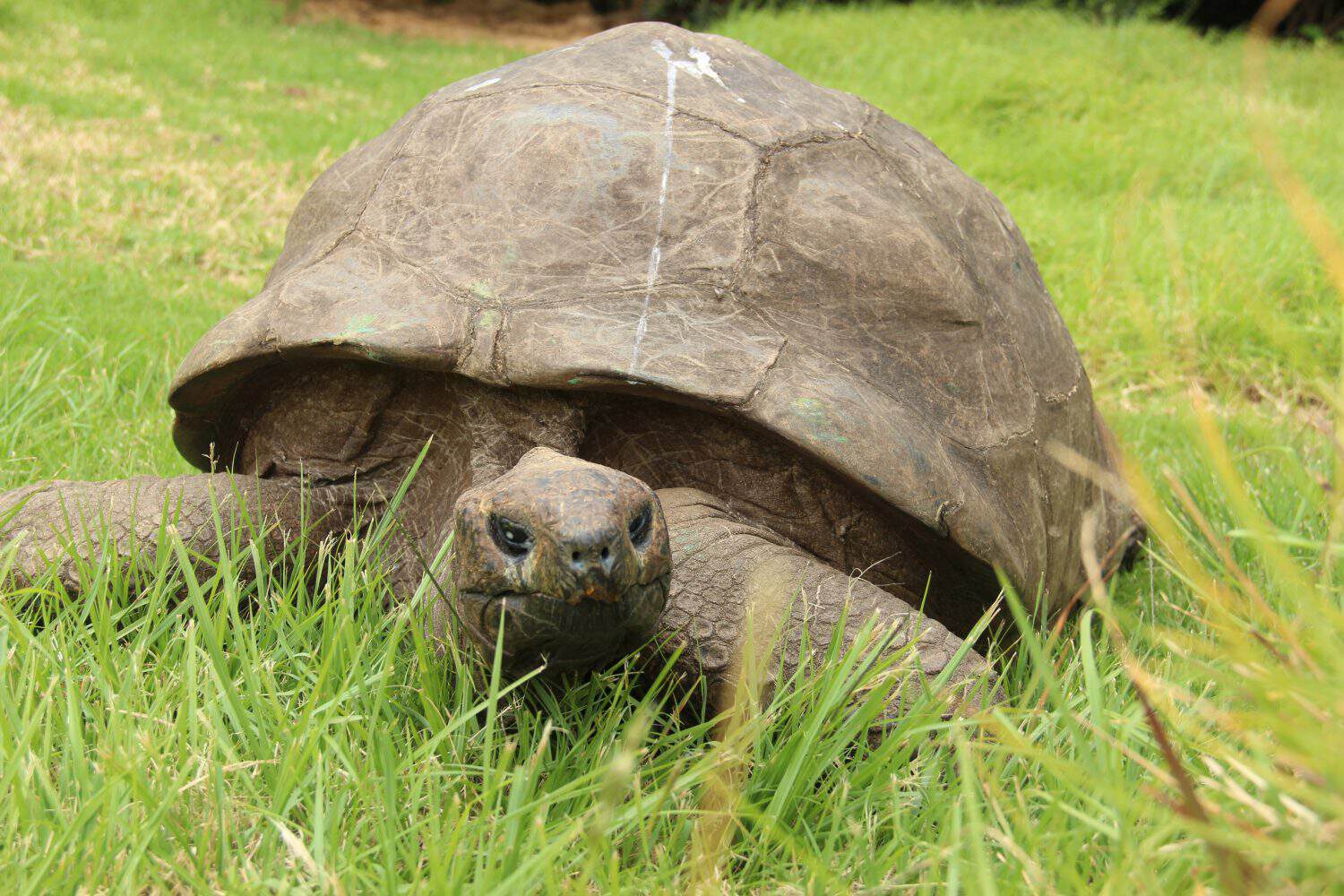
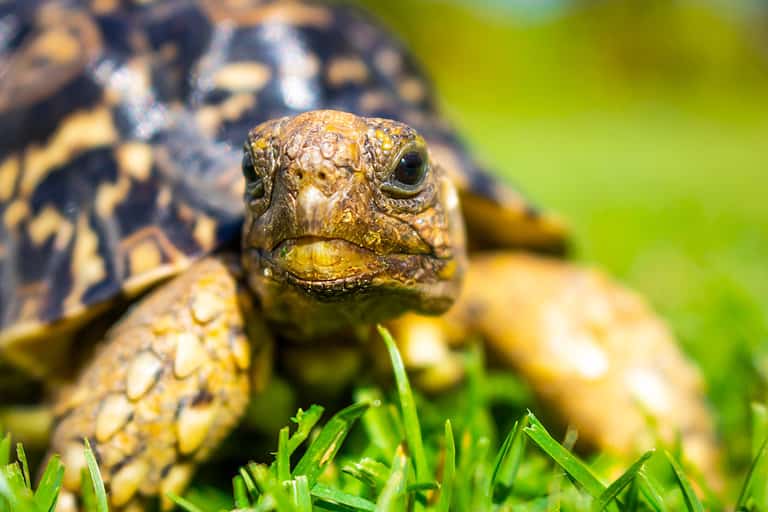
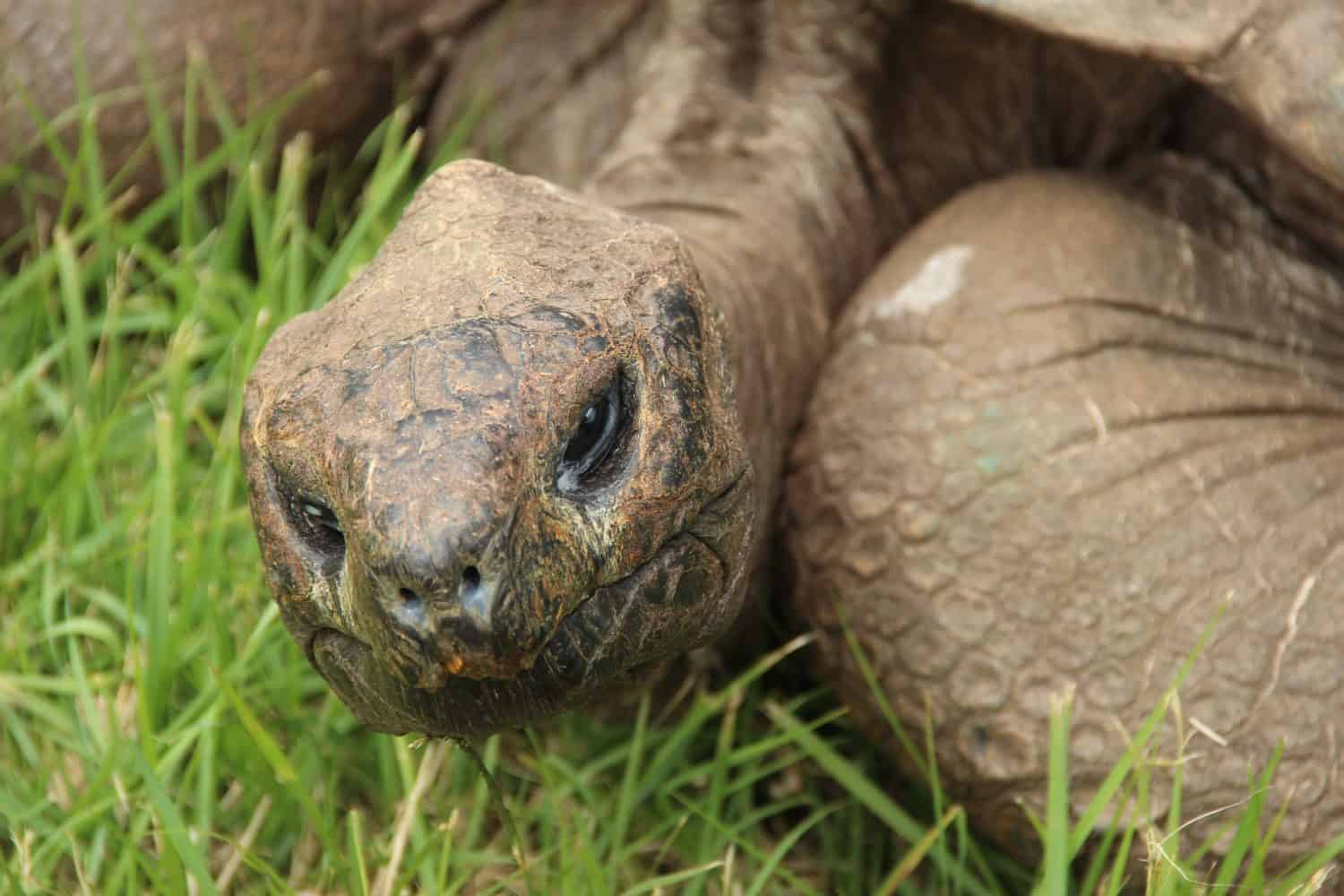
Jonathan the giant tortoise is 194 years young, thanks to his slow-aging cells.
©Nix images/Shutterstock.com
More interesting still, when researchers compared Jonathan’s epigenome, which regulates when genes turn on and off, with those of five-year-old Aldabra giant tortoises, they discovered some surprising similarities. This should not have been the case, according to Justin Gerlach, study co-author and biologist at Cambridge, given that the epigenome changes as animals age.
“We found that the gene regulators involved in energy production and DNA repair have remained incredibly stable in Jonathan over almost two centuries,” Gerlach explained in a press release.
“There are few creatures that could tell us more about aging than the giant tortoises of the Galapagos and Seychelles islands,” Gerlach continued. “Working with a really old giant tortoise is such a privilege: you get a sense of the tortoise being your collaborator, not your study subject.”
How Jonathan’s Genes Were Tested
Researchers wanted to take a blood sample from the tortoise to test Jonathan’s genes. This would provide the most complete understanding of Jonathan’s cells. However, because of Jonathan’s age, his caregivers were concerned that a blood draw would be detrimental to his health. As a result, they needed a different tactic to collect DNA information.
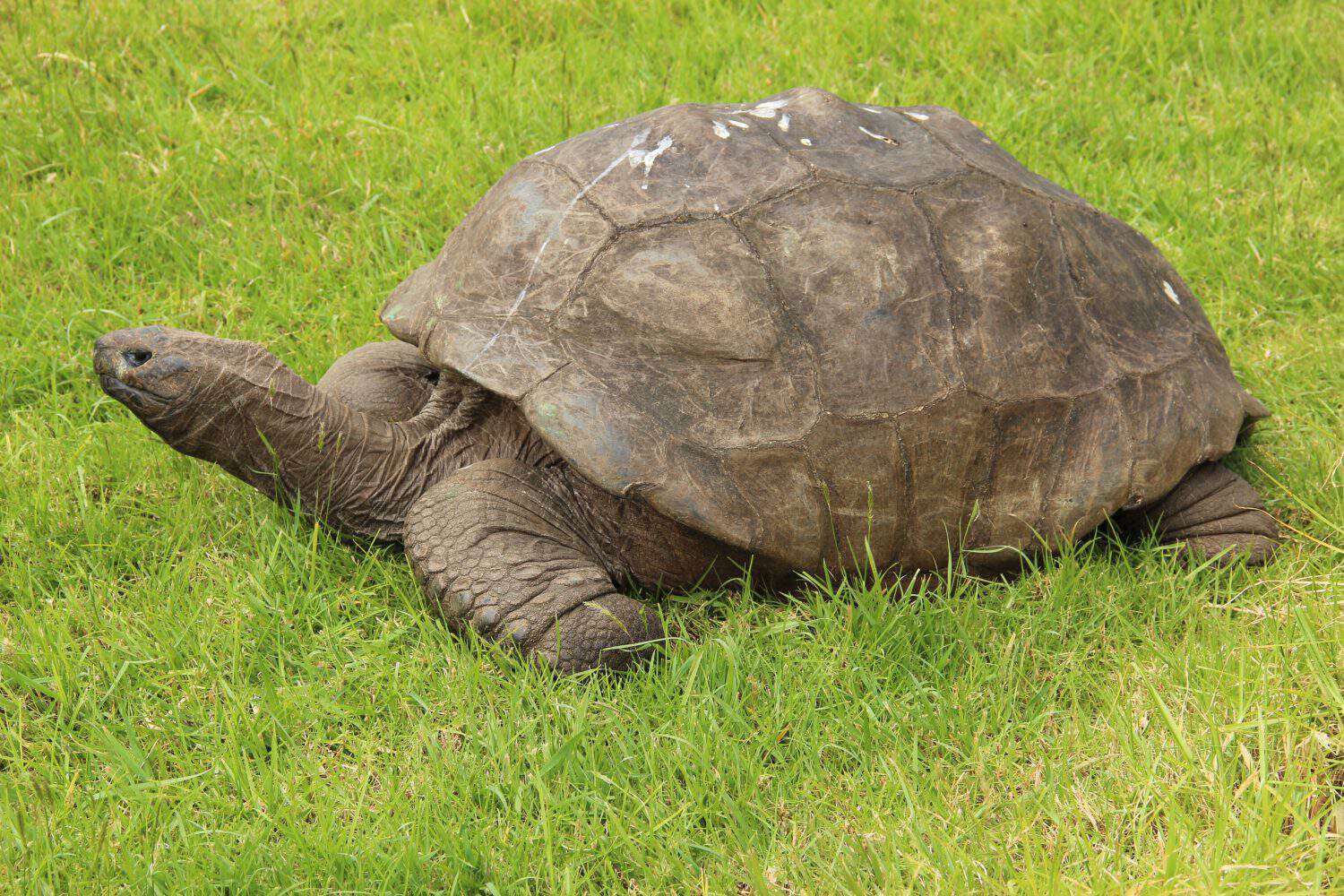
Jonathan’s DNA was studied after a cheek swab collected his cells.
©Nix images/Shutterstock.com
A cheek swab was decided upon as the next best option, but this collection method posed some issues for researchers.
The first swab collected contained mouth bacteria, which would have skewed the results. To ensure the second mouth swab attempt was not contaminated, Jonathan was tricked into believing he was being fed. He held his mouth open long enough to collect a DNA sample, which was then sequenced and put through epigenome analysis to determine the 287 unique gene variants tied to Jonathan’s aging process.
How Do Jonathan’s Genes Keep Him Young?
Giant tortoises have a slow metabolic rate. According to researchers, this may help explain why giant tortoises, in general, live long lives. Jonathan, however, has lived an exceptionally long life, meaning slow metabolism is just the tip of the iceberg when it comes to his lack of aging.
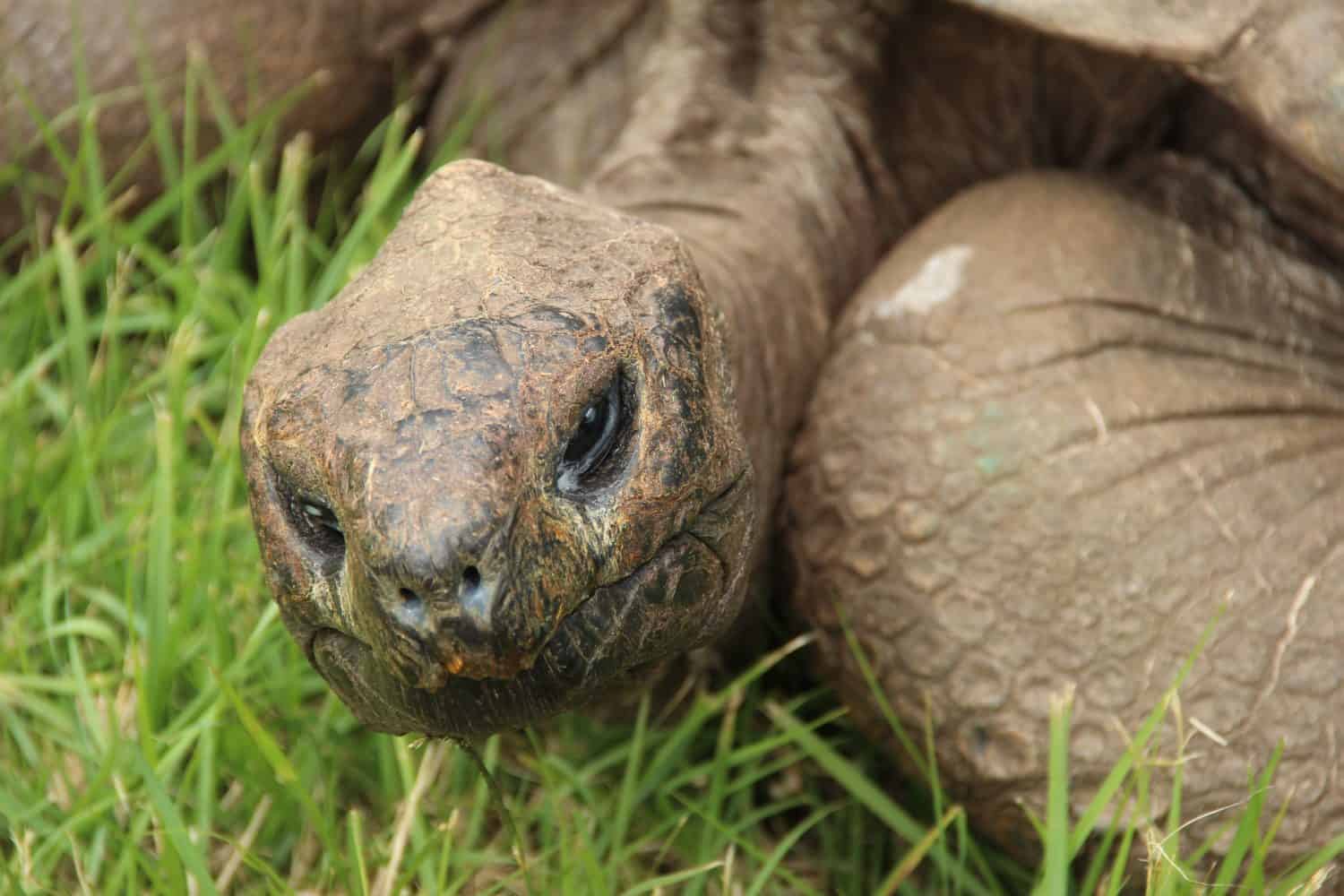
Jonathan’s epigenome has remained consistent as he ages, something not seen in any other animal to date.
©Nix images/Shutterstock.com
Jonathan’s epigenome has fascinated researchers. Instead of deteriorating as he ages, it remains consistent with that of a five-year-old Aldabra tortoise. This is especially true in terms of the genes that control mitochondrial function. Consequently, the DNA continues to produce energy efficiently instead of becoming disordered with age.
This means that even as Jonathan ages chronologically, the cells in his body do not reflect that aging. As a result, tissue and organ breakdown and the onset of age-related diseases occur much later. Therefore, it may be a combination of Jonathan’s slow metabolism and the chemical markers that regulate his genes that has allowed him to age remarkably slowly at the cellular level.
A 117-Year-Old Woman Was Found to Be Similarly Protected From “Age-Related Decline”
Occasionally, people live well beyond a century. The oldest living woman was 117-year-old María Branyas Morera, born on March 4, 1907, in San Francisco.
Before she passed away, researchers ran a number of advanced tests on Morera. They collected urine, saliva, blood, and stool samples. The goal, according to the 2025 study, was to find a “longevity gene” that helped Morera live to her ripe old age.
Researchers found no “longevity gene.” Instead, they found that Morera had healthier mitochondria in her immune cells than anticipated. This was attributed to Morera’s body having strong autophagy, the process by which cells eat aged and defective parts of themselves. This process helps keep cells from failing with age.
As a result, Morera had excellent cellular health and low systemic inflammation, similar to Jonathan. She also, like Jonathan, had not experienced any age-related diseases. Researchers believe a correlation between Morera’s health and Jonathan’s warrants further study.
Jonathan’s Genes Could Translate Into “Treatments for People”
In total, researchers discovered that Jonathan had 287 different gene variants that protected him against aging and age-related illnesses. If the source of what causes the epigenome to remain stable over nearly two centuries can be unlocked, it could be extremely beneficial in protecting people from poor health as they age.
“Nature has already solved the puzzle of aging in remarkable ways, and Jonathan’s genome provides a blueprint for cellular resilience,” Stephen Clark, MD, PhD, founder of Kallel and senior author of the study, explained in a press release.
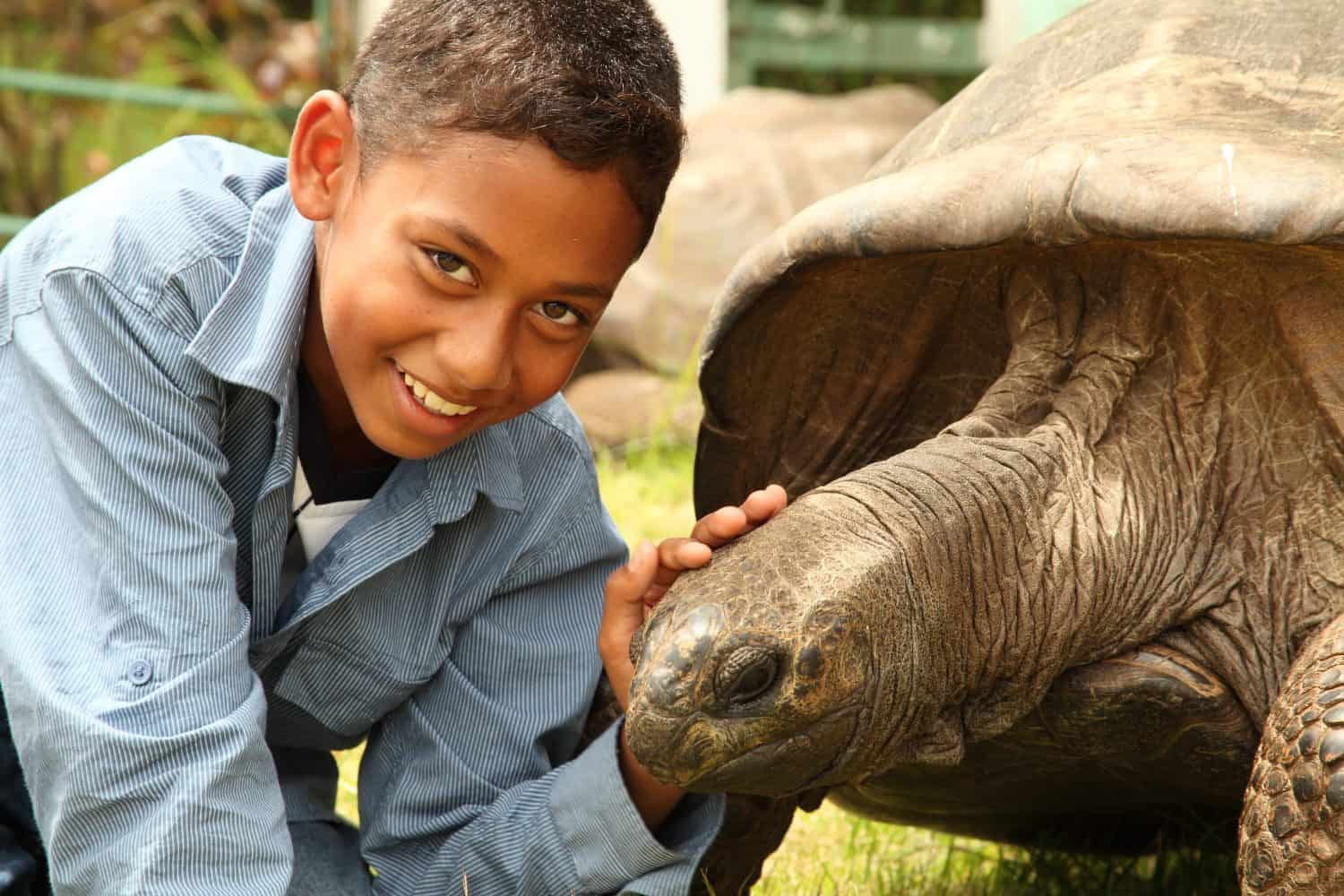
Jonathan’s cellular aging has the potential to help humans age more slowly, reduce chronic inflammation, and lower cancer risk.
©Darrin Henry/Shutterstock.com
People undergo several different processes as they age, which can lead to illness. People could ultimately be protected from, or see a reduction in, the following:
- Cellular aging
- Chronic inflammation
- Failed metabolic health
- Cancer risk
This study was based on a single tortoise. To determine if direct treatments would be possible for people in the future, the molecular pathways that keep Jonathan’s genes stable still need to be identified. Tests need to be run to see if human cells react the same way as Jonathan’s under various circumstances. Additionally, researchers will need to learn what specific lifestyle factors of tortoises can be replicated by people to help slow the aging of cells.
Despite these challenges, Clark remains optimistic that Jonathan’s preliminary results will benefit people in the long run and that age-related illnesses will become less common in the future.
“Aging is the greatest risk factor for nearly every chronic disease we face,” Clark stated in a press release, “and through the generosity of philanthropic partners, we can democratize access to longevity medicine.”