Quick Take
- Running from a charging bear seems like the obvious move, but wildlife experts say it's actually the worst thing you can do. Why running is dangerous →
- Brown bears can move faster than most people realize, and that speed changes everything about how this encounter plays out. See bear speed facts →
- The hunter doesn't pull the trigger, and the reason why reframes the entire encounter. Why he held his fire →
- A charging bear doesn't always mean what you think it means. That distinction may explain why this ends the way it does. Bluff charge explained →
Bears are large, powerful animals, but seeing one does not automatically mean it wants a fight. Most bears tend to avoid people when given the opportunity, and most encounters end without injury. Still, a wild bear deserves plenty of space, especially if it is surprised, protecting food, or caring for cubs.
That last situation may be what unfolds in the video above. A hunter suddenly finds himself facing a brown bear at close range, and instead of running, he holds his position as the animal comes toward him. It is exactly the kind of encounter where a few seconds can feel a whole lot longer.
Hunter Encounters a Brown Bear at Close Range
The video shows a hunter alone in a dense forest when a bear appears ahead of him. The hunter can be heard speaking Russian, although the footage itself does not establish exactly where the encounter took place. Brown bear habitat overlaps with other large mammals across parts of Eurasia and North America, including moose and several species of deer.
How Fast Can a Bear Charge?
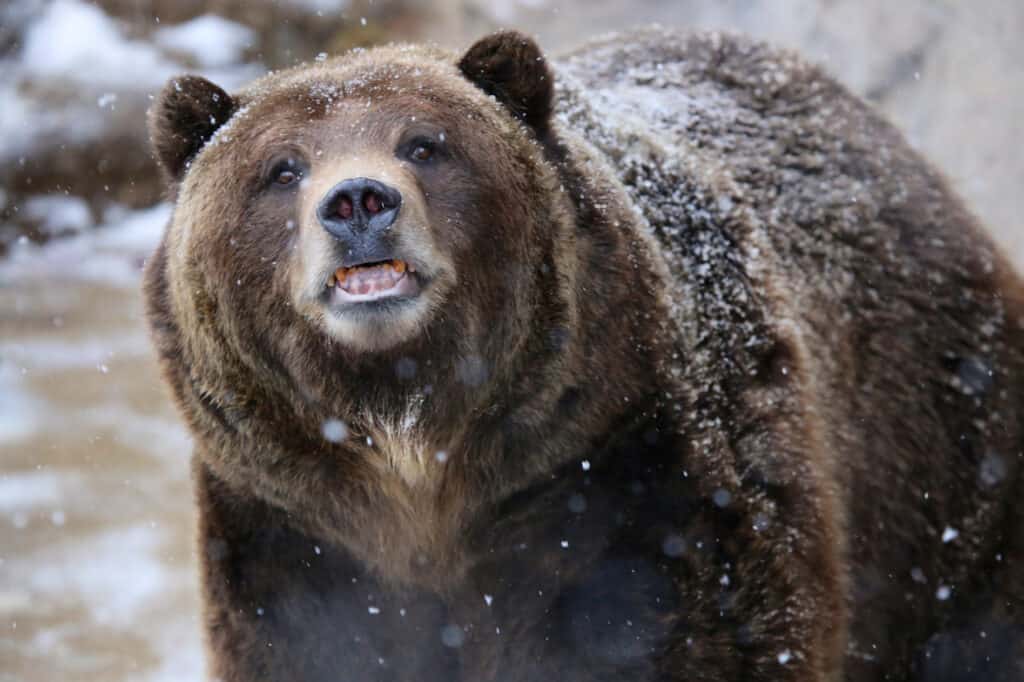
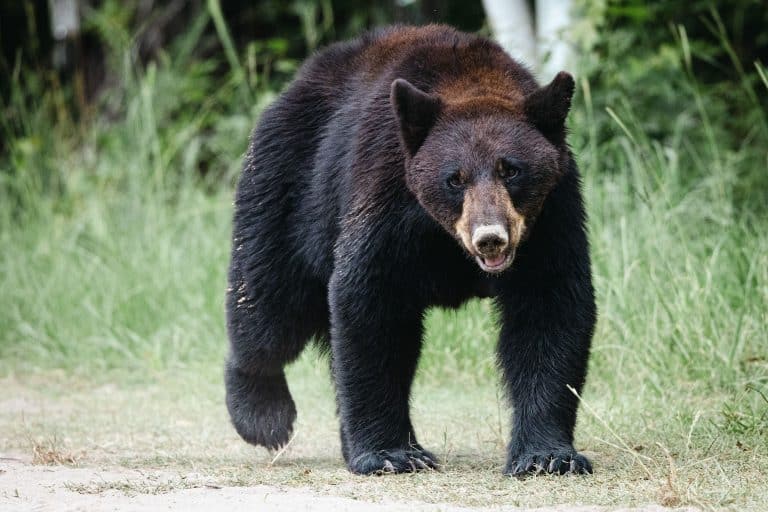
Bears are omnivores which will eat meat and plant matter.
©Steve Boice/Shutterstock.com
At the beginning of the clip, the hunter is standing in the forest with his gun while breathing heavily. The video does not show what happened immediately before this moment, but it is clear that he is already aware of something nearby.
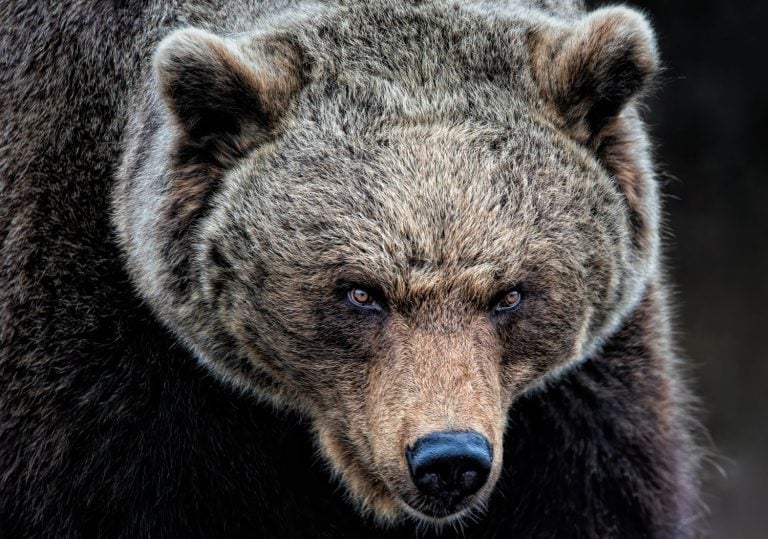
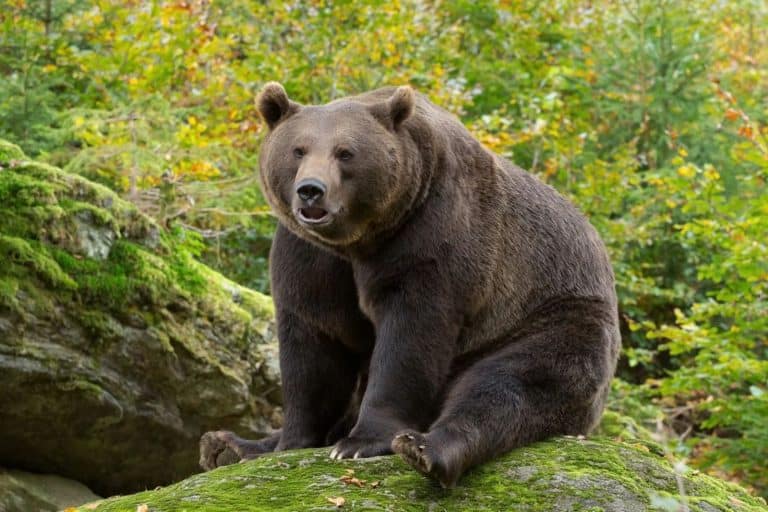
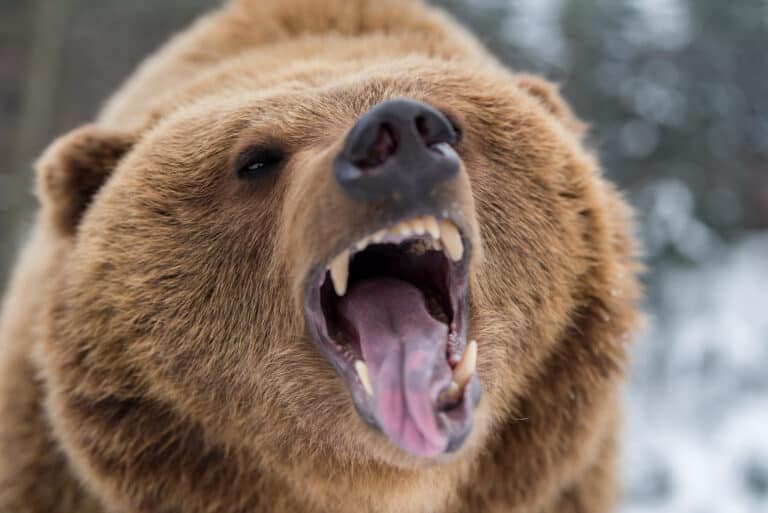
At about 14 seconds, a large brown bear emerges from the trees and runs toward him. Brown bears are remarkably fast for their size and can reach about 35 miles per hour over short distances. Trying to outrun one is not a realistic option, and the hunter remains where he is rather than turning and sprinting away.
The Alaska Department of Fish and Game specifically warns people not to run during a surprise bear encounter. Bears can easily outrun humans, and running can encourage a chase. The agency also notes that a charging bear may stop or veer away before making contact, which is why standing your ground is recommended during a charge.
As the bear continues toward him, the hunter does not move closer or attempt to chase it away. Giving a wild bear space is critical during an encounter, and wildlife agencies recommend leaving the animal an escape route whenever possible. A charge can be defensive rather than predatory, particularly when a bear has been surprised or believes a person is too close.
Near the end of the clip, the hunter’s narration identifies the bear as a female with three cubs nearby and says he chose not to shoot. That context would make a defensive reaction especially plausible. Mother bears can respond aggressively if they perceive a threat to their cubs, and wildlife officials advise being especially cautious around females with young. In this case, the encounter ends without the bear making contact with the hunter, which is about the best outcome either side could ask for.