
Quick Take
- Piercing your dog's ears could land you in legal trouble, and where you live makes all the difference. See the legal risks →
- The initial pain is not the real danger. The long-term risks are far worse than most owners expect. Explore the health dangers →
- Magnetic earrings seem like a clever workaround, but they come with their own serious catch.
- There are safer ways to accessorize your dog that most owners completely overlook. Discover safer accessories →
Body piercings have evolved from ancient spiritual rituals and punk rebellion into a globally recognized form of anatomical art. But can this personal style translate to your dog? While you may be tempted to accessorize your pup, veterinarians strongly advise against piercing a dog’s ears. Continue reading to learn everything you need to know about pet piercings.
Can I Get My Dog’s Ears Pierced?
Imposing painful, purely cosmetic modifications on pets to satisfy human vanity is a widely condemned practice. Globally, the legal landscape shifts; while some regions strictly penalize these alterations as animal cruelty, others lack explicit prohibitions.
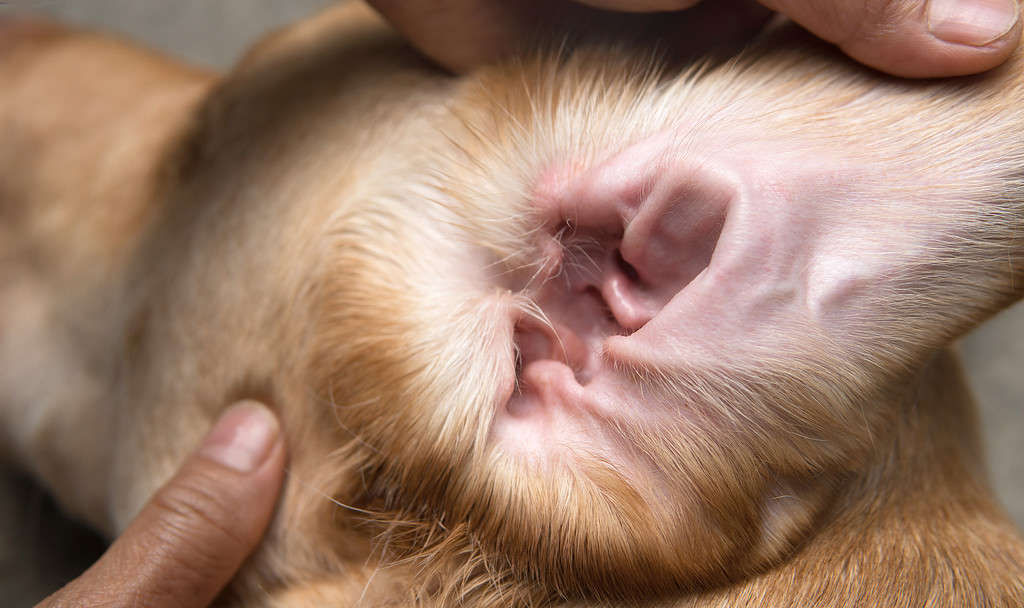
In several countries and regions, such as the UK and some U.S. states, it is illegal to pierce a dog’s ears, and licensed veterinarians and professional piercers cannot legally perform this service. However, laws vary by location.
©9gifts/Shutterstock.com
Although not strictly illegal, ear cropping, tail docking, declawing, and tattooing (except to identify a spayed female) serve no medical purpose for the animal and inflict unnecessary pain, distress, and risk of infection.

Many animals, domesticated and wild, have their ears pierced, amid ongoing debates.
©Filmbildfabrik/Shutterstock.com
Is It Safe to Pierce a Dog’s Ears?
While the initial prick of a needle may fade, ear piercings pose lasting, severe hazards to a dog’s health and wellbeing. Loose jewelry turns everyday activities into severe hazards; while dangling hoops are especially risky, even tiny studs easily snag on bushes or collars, risking deep, painful tears to a dog’s delicate, highly vascular cartilage.
When a dog’s instinct to relieve an itch collides with dangling jewelry, the outcome can be harrowing. A sudden, frantic scratch or an inadvertent snag can violently rip the ear cartilage, turning a simple itch into a severe, bleeding wound and putting it at high risk for subsequent bacterial infection.

If you must accessorize your mutt, there are better ways than piercings.
©GoodFocused/Shutterstock.com
Earrings may be uncomfortable and make your dog fuss with their ears more. This increases their risk of tearing their ears open.
Magnetic earrings for dogs are an option, but they present a choking hazard if they fall off. It’s also likely that your dog will knock the earrings off because they find them uncomfortable, making them ineffective even if they were harmless.
If an ear piercing is botched, your dog can suffer permanent damage to their ears or even hearing loss. Since it is highly unlikely that you will find a veterinarian willing to pierce a dog’s ears, this poses a significant risk.
Alternatives to Ear Piercings for Dogs
Humane ways to accessorize your pet pooch include:
- Pretty collars, harnesses, and leashes: These are already necessary, so why not make them pretty?
- Collar tags: While you don’t want multiple tags rattling together, as this can annoy your dog, a single attractive tag can be a nice touch. Make sure it has your phone number so that someone can contact you if your dog is ever lost.
- Leash accessories: Many people have poop bags attached to the handle of their leash. You could also add other items, like a keychain, as long as it doesn’t interfere with your grip.
- Clothing: Only use clothing if it’s necessary or your dog enjoys it. Some examples of clothing for dogs include coats to keep them warm in the winter or booties to protect their feet from hot pavement in the summer.

Instead of piercing your dog’s ears, there are better ways to accessorize them.
©Masarik/Shutterstock.com