
Quick Take
- Most owners instinctively grab the coldest water available when a dog overheats, but that instinct can quietly backfire. Why cold water backfires →
- Cats look like the low-risk pet in a heatwave, but two specific situations flip that assumption entirely. When cats face real risk →
- One symptom that seems like a stomach bug in an overheated dog can actually signal something far more serious happening inside. Spot the serious warning signs →
- There's a quick ground test that tells you whether it's safe to walk your dog, and skipping this test is one of the easiest mistakes to make. Check the pavement test →
Why Heatwaves Threaten Pets Differently
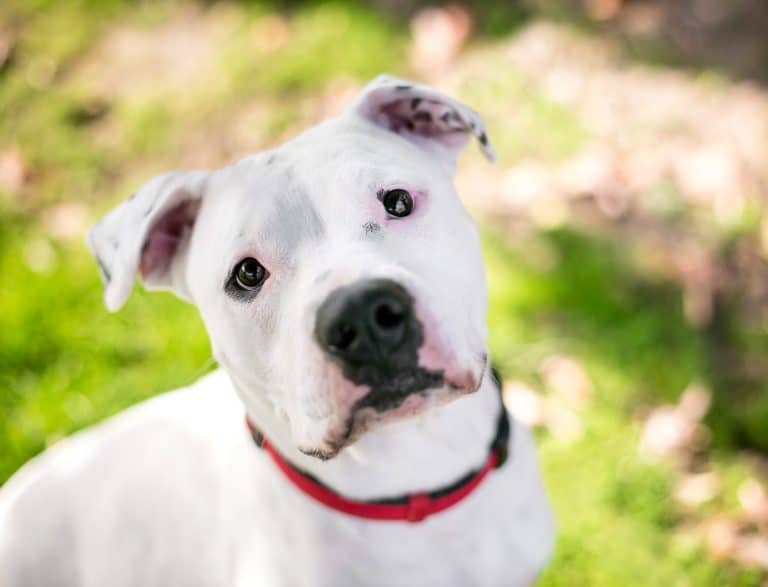
While much attention focuses on how extreme heat affects people, veterinarians are warning that pets face their own serious risks. In fact, heatstroke ranks among the five most common pet emergencies during summer according to veterinarians. Crucially, dogs are more likely than cats to experience life-threatening reactions to high temperatures.
Continue reading
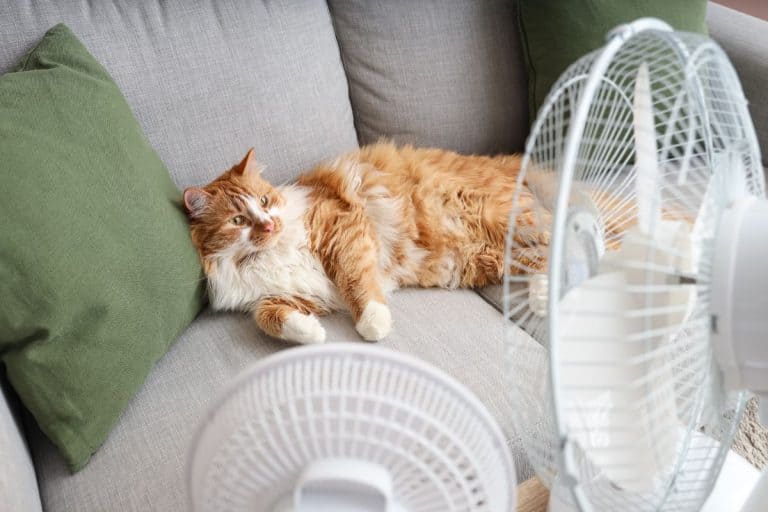
The difference is easy to explain. Dogs are often outside for walks, directly exposed to the heat, while cats usually stay indoors. But cats aren’t free from danger, either. The real threats for them come during car trips or when they’re left in poorly ventilated apartments.
The Red Flags Every Owner Needs to Notice
Recognizing the warning signs can make all the difference. Cats experiencing heat distress may start breathing with their mouths open, appear withdrawn, and refuse food. In these cases, that’s cause for concern.
For dogs, trouble typically starts with continuous panting, labored breathing, extreme fatigue, and excessive drooling. Sometimes, vomiting and diarrhea develop. If a pet collapses or loses consciousness, the situation is immediately life-threatening and demands immediate attention.
Immediate Steps Can Save a Life
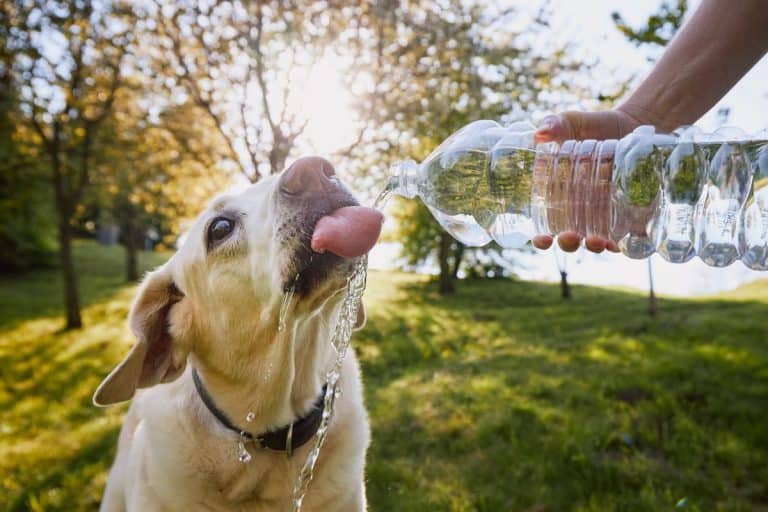
If warning signs appear, the very first step should be to call a veterinarian or pet emergency clinic and clearly describe the symptoms. While waiting or en route, cooling the animal is essential, but never with ice-cold water. A shower with water at 68-70°F (20-21°C) is safest. Focus on the animal’s belly, directing water to the skin, not just over the fur, which actually shields pets from the heat.
If the pet’s overall condition worsens or if vomiting or diarrhea continues, experts stress the importance of veterinary care. That may signal damage to internal organs, which can progress rapidly.
Prevention: Small Choices Have Big Stakes
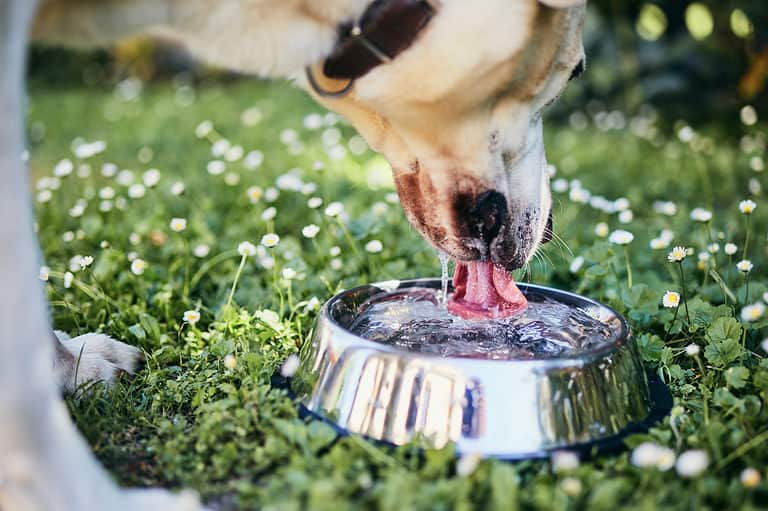
Minimizing risk starts with a few careful habits. Never put pets in direct sunlight for extended periods. Walk dogs only during the coolest times of day, and choose shaded paths. Always check how hot the ground feels; if pavement burns your hand, it’s too hot for paws. Most critically, never leave your animal alone and unsupervised in a vehicle, it can quickly become deadly, even with the windows cracked.
Every choice counts when temperatures rise. The difference between a routine summer day and an emergency may be as simple as a change in schedule or a quick check for symptoms. The responsibility is real, but so is the ability to protect animals from the worst heatwaves have to offer.