Quick Take
- The spots ticks prefer on your child's body are hidden, and ones you might not think to check. See the spots to check →
- When it comes to finding ticks on pets, your eyes are the wrong tool, yet most owners rely on them exclusively. Find ticks on your pet →
- Removing a tick the wrong way can push more toxins into your body, and unfortunately the instinct most people follow is exactly wrong. See the right removal technique →
As soon as the weather gets nice, people head outside in droves. I’m always prone to ending up on a trail or at the park, and I know I’m not alone. Unfortunately, ticks also become most active during warmer months. And if you’re bitten by ticks, you could develop serious illnesses like babesiosis or alpha-gal syndrome.
Ticks are notoriously good hitchhikers, especially because they can be small and hard to spot. The best time to find ticks is before you bring them indoors, whether they’re on your body, your pet, or your child. But there’s good news: with these quick and easy steps, you can catch ticks early.
How to Perform an Effective Tick Check
31 million people in the United States alone are bitten by ticks every year, and your risk is significantly higher if you have a pet. So protect your home and family by always checking for ticks before you go back inside your house.
Step #1: Check Clothing and Collars
Start by visually checking your clothing and other items like backpacks. The goal here is to catch them before they bite.
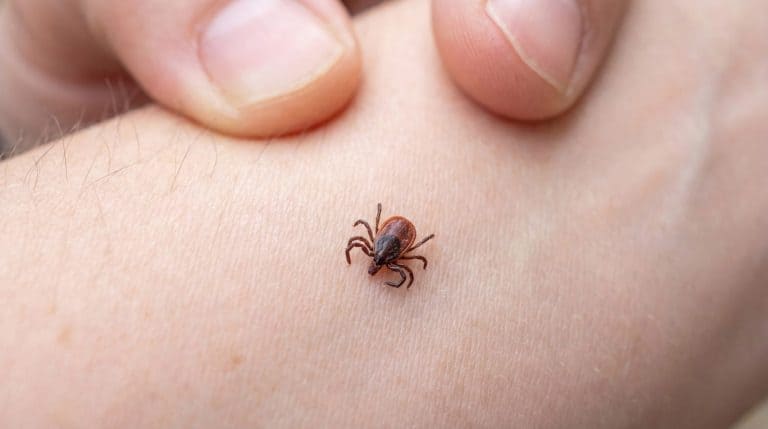
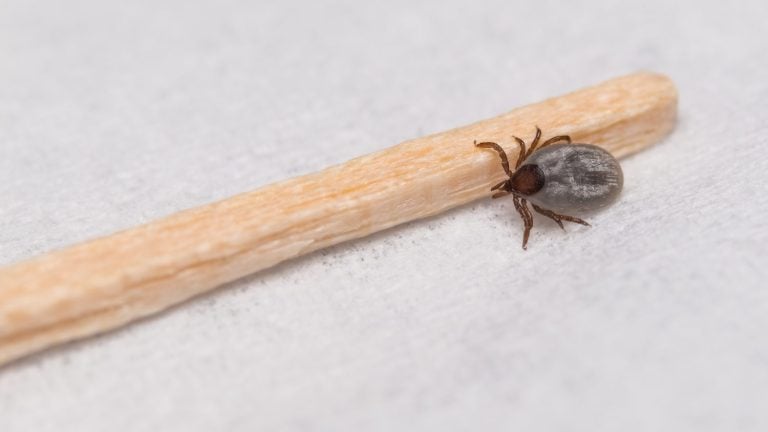
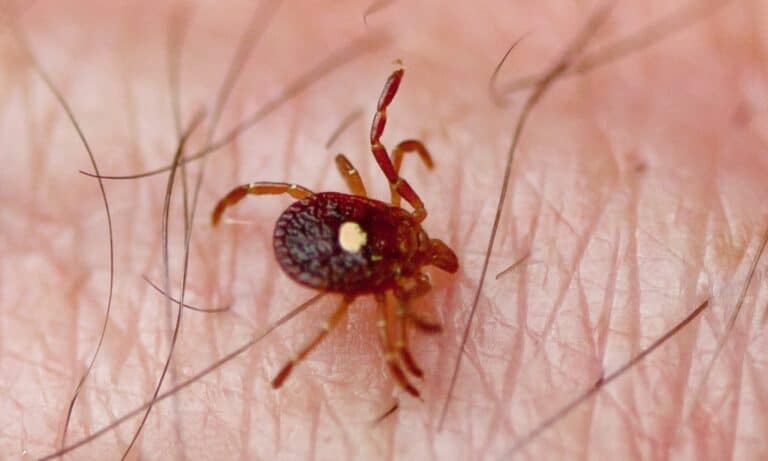
To find ticks, look for small, round or oval spots that are usually brown or black. You’ll often find them on:
- Pant cuffs
- Socks
- Shoelaces or the tops of your shoes
- Waistbands
- Jacket sleeves
- Backpack or gear seams
Similarly, you’ll want to look at your pet’s collar. If you see anything crawling on clothes or collars, brush it off.
Step #2: Check Frequently Bitten Spots
Getting your kids to stay still, especially if they’re young, can be challenging. But you’ll want to make sure they stand still for a moment while you check behind their ears and along their hairline, under their underarms, between their fingers and toes, behind their knees, and near their waistband and collar. In addition to a visual scan, you can always do a quick check with your fingers. Of course, ticks can hide in unexpected places (for example, my aunt once found one in my ear during a trip to West Virginia), but by checking early, you can hopefully prevent them from attaching or spreading.
Try to make it into a fun, routine game for your children so they get used to tick checks. When you get home, tell them you’re all doing a check to see if you brought any uninvited guests home.
Step #3: Feel Your Pets
Because of their fur, you’ll likely feel ticks on your pets before you see them. Keep a lint roller near the door and start by rolling it over their fur, which will pick up any ticks that haven’t burrowed yet. Then run your fingers through their fur with semi-firm pressure, feeling for lumps or firm bumps. Pay specific attention to the areas under and between the legs and toes, around the tail and ears, and under the collar.
Step #4: Remove If Necessary
If you’ve found a tick, proper removal can reduce the risk of you getting an infection. Grab the tick’s head using tweezers. Then pull upwards steadily. Don’t twist or jerk the tick, since that can leave its mouthparts in your skin.
Step #5: Shower and Wash Clothes
This step is best done once you’re inside your home. Here, you can do a more thorough tick check and wash off any unseen ticks. Tumble-drying clothes for at least 10 minutes on high heat can also kill unnoticed ticks.
Take Early Precautions
While the above tips can help you identify and remove ticks after a hike, there are also pre-hike steps you can take to protect yourself and your family (yes, that includes your dogs and cats!).
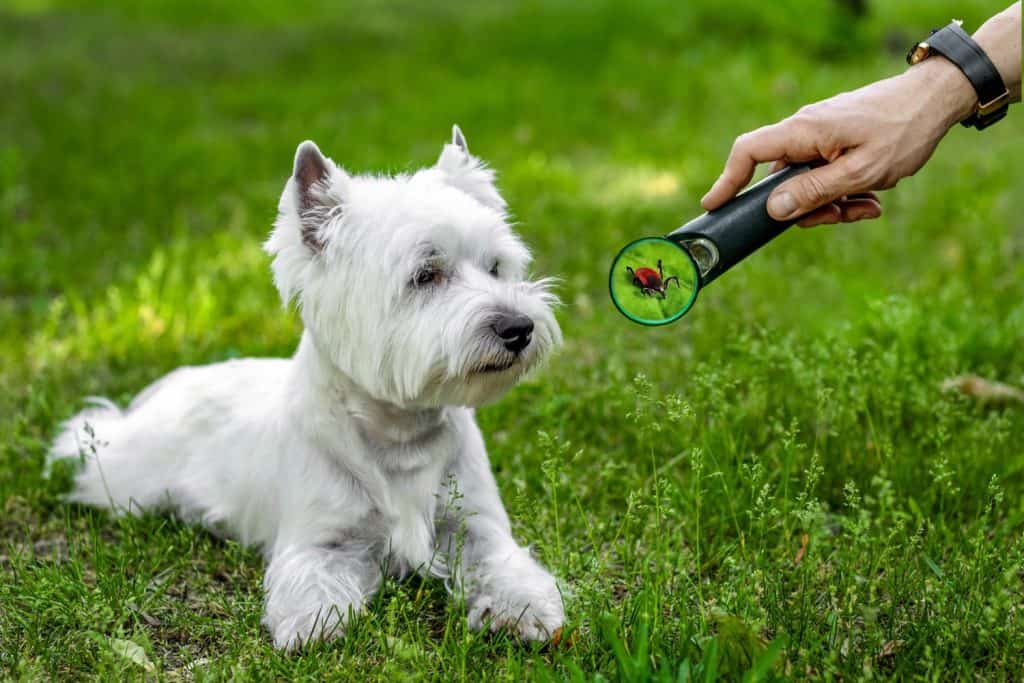
Ticks can transmit Lyme disease to dogs, just like they can to humans.
©Tina_photo/Shutterstock.com
Some precautionary measures include:
- Treat your clothing or hiking gear with products containing 0.5% permethrin, or purchase gear that has already been treated with permethrin.
- Wear light-colored pants and white socks, pulled over the bottom of your pants, to quickly spot any dark ticks crawling on your clothing.
- Apply insect repellent before leaving the house. The EPA offers a helpful tool to help you find the right repellent for your needs.
- Use tick prevention medication, like NexGard or K9 Advantix II, on your dogs. However, some tick preventatives can be toxic or fatal for cats. Consult your veterinarian to choose the safest and most effective tick prevention for your cats.
- Reduce tick habitat in your yard by mowing, removing leaves and tall grasses, and putting barriers between your yard and more wooded areas.