
Quick Take
- Scientists expected larger coral wounds to recover more slowly, but what actually happened threw them completely off. See the surprising results →
- Damselfish presence changed something in coral tissue at a biological level, though researchers still can't agree on what that something is. Explore the possible mechanisms →
- The fish saving coral reefs may themselves be on the verge of collapse, and most people have never heard the reason why. Discover the threats to damselfish →
- A tiny fish is reshaping how scientists think about coral reef conservation, with implications that go far beyond healing wounds. See the conservation implications →
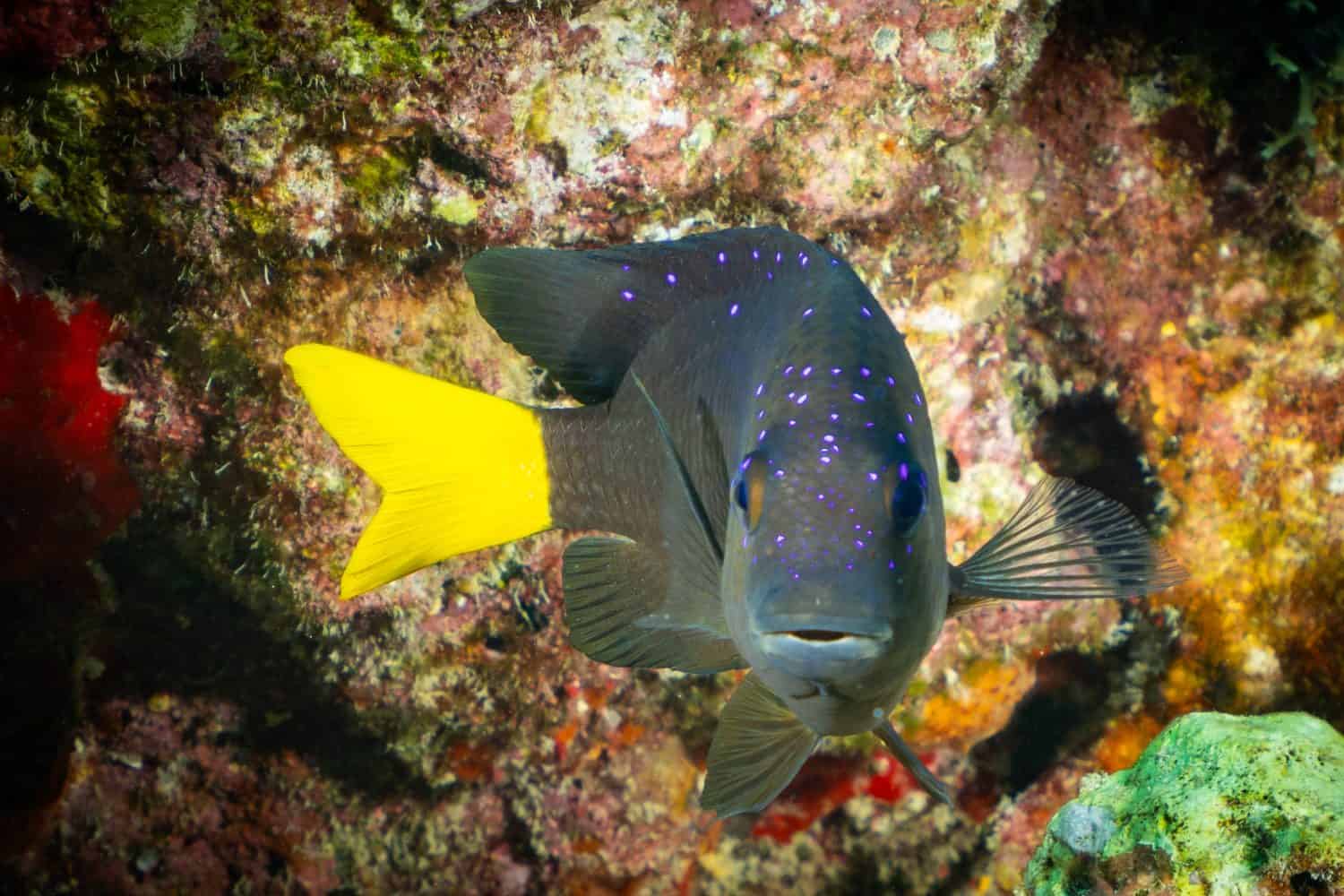
There are damsels in distress — figures in need of saving. In contrast, yellowtail damselfish act as saviors for aquatic organisms such as coral. According to the latest and surprising research, these small saltwater fish dramatically improve the recovery speeds of wounded coral. It seems that just the presence of these fish does something for injured coral, helping them return to a healthy state more quickly.
In the Indo-Pacific Ocean, an entire ecosystem of fish and other creatures lives amongst the coral reefs. The interconnectedness and mutual cooperation among these organisms sustain the entire environment. While previous research showed that fish found in corals aid in cleaning coral wounds and acclimate them to warming water temperatures, the newest research suggests an even stronger link. Let’s learn more about yellowtail damselfish, the coral reefs they protect, and how the presence of these fish improves the overall condition of the ecosystem.
Continue reading
Coral Reef Decline
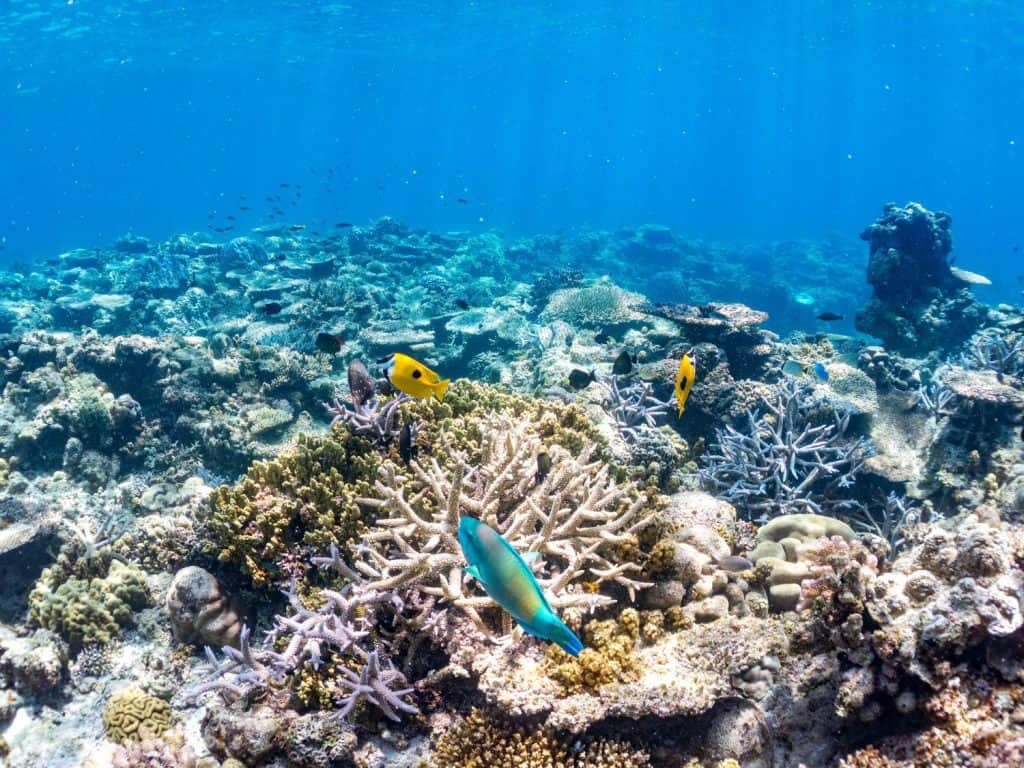
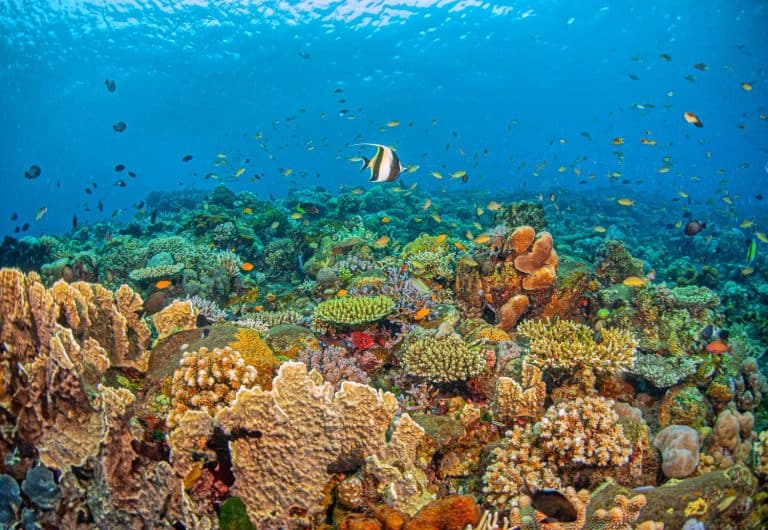
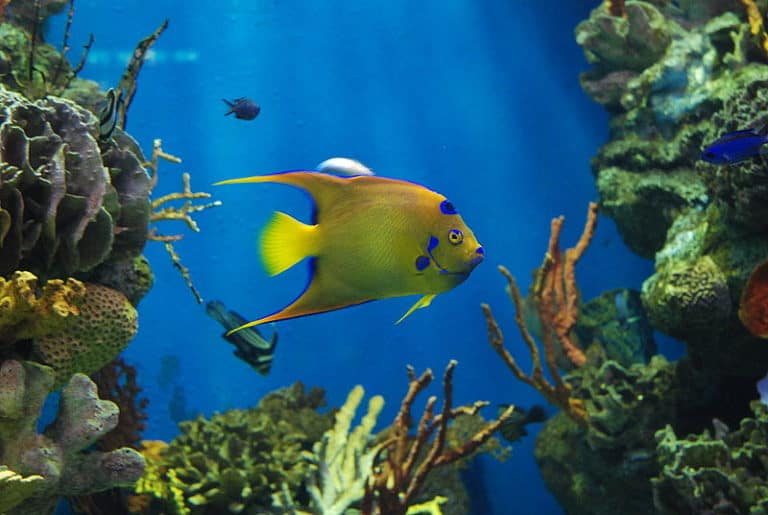
Coral reefs have experienced considerable decline in recent years due to water warming and human pressures.
©d3_plus/Shutterstock.com
In the past several years, scientists have highlighted the growing threats coral reefs face. Due to increasingly volatile marine heatwaves and pressure from human development, global coral cover has declined. In fact, it has dropped 9.5% between 2020 and 2024 compared to historical baseline levels. This has put the focus on coral health and what can be done to help ensure their coverage increases.
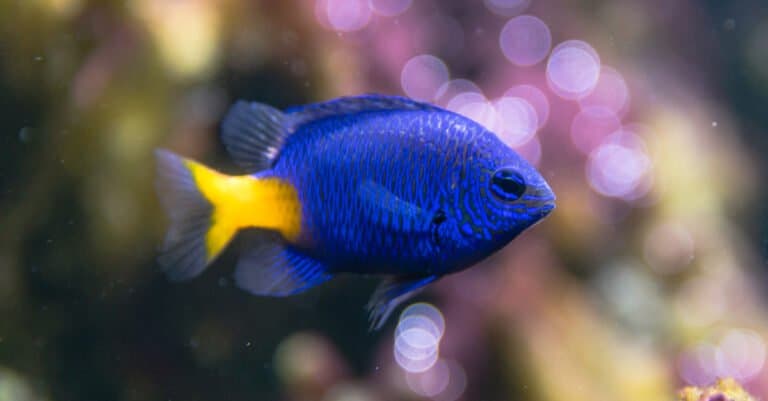
In 2022, a study concluded that yellowtail damselfish seemed to help coral reefs during heat stress. These fish, a small saltwater variety, live in dense communities within coral reefs and sheltered lagoons. The latest research, however, takes that correlation one step further. Not only do yellowtail damselfish help coral reefs withstand heat stress, but they also seem to help them recover from injuries in record time.
The Latest Findings
The new study was published in the journal Biology Letters on July 8th, and it made a pretty definitive claim: yellowtail dascyllus, or damselfish, help heal the injuries of stony coral in the Indo-Pacific Ocean. It’s a bold claim, but one that required considerable legwork, research, and analysis. As Hayden Vega, lead author of the study, told Mongabay, “Surprisingly, we found that the bigger the wound, the faster the recovery.”
Vega and his colleagues traveled to Mo’orea, French Polynesia. There, they collected 72 corals of identical size and divided them into three groups: corals with small wounds, corals with large wounds, and corals with no wounds. A subset of each group was observed interacting with fish under controlled laboratory conditions, while another subset was observed without fish. Over the course of 21 days, the team took daily photographs of the corals and measured tissue regeneration. The results were unexpected.
The researchers found that corals with small wounds healed 38% faster when fish were around compared to when they weren’t. Even corals with larger wounds benefited significantly: those with large wounds healed 55% faster when fish were present. Furthermore, the researchers found that damselfish presence also affected the algae present in the coral’s thin layers of tissue. Algae’s photosynthesis is vital for coral tissue repair. When fish were present, the photosynthetic efficiency didn’t change in either wound-size group. When fish weren’t present, however, photosynthetic efficiency declined as wound size increased.
But How?
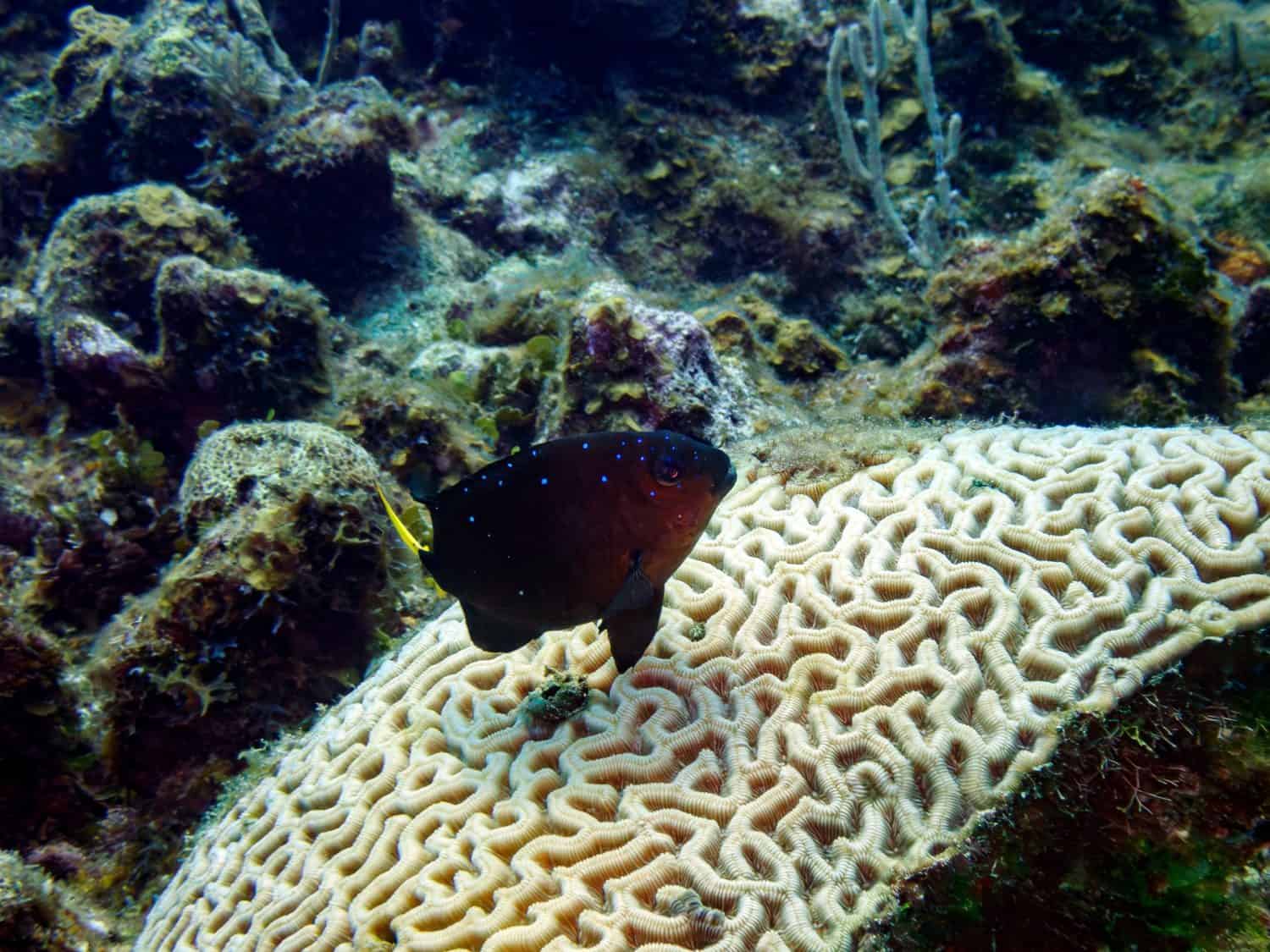
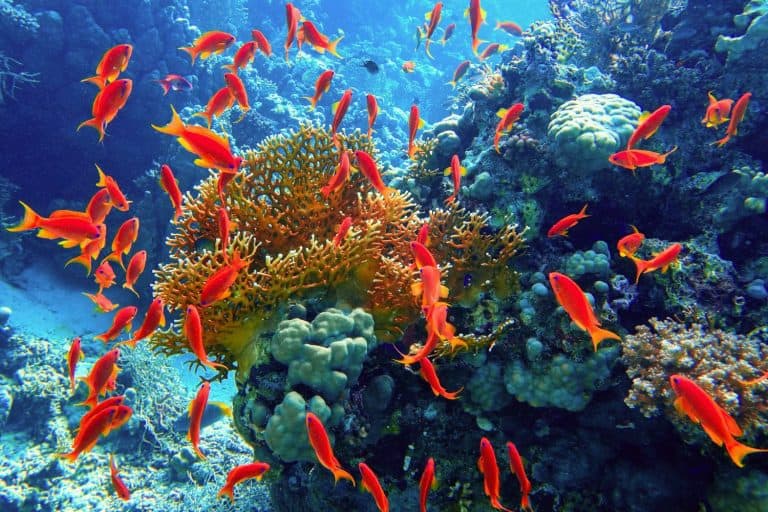
Researchers aren’t sure if damselfish repair coral wounds heal quickly due to improving water flow or supplying nutrients.
©Ingrid Rousseau/Shutterstock.com
Even though researchers found the correlation between photosynthetic efficiency, coral healing, and the presence of damselfish, they weren’t sure how these factors were connected. According to lead author Hayden Vega, there are three likely possibilities. Damselfish waste produces nitrogen and phosphorus, which algae use as fertilizer. Or, damselfish movement could simply increase water flow around the coral. Finally, fish may be contributing to wound cleaning directly.
Whatever the reason, these findings highlight the deep interdependence among these organisms. Each relies on the others to thrive. This cooperation becomes increasingly important in rapidly changing ocean conditions. As Vega told Mongabay, “These positive interactions between species under stress end up creating a network of resilience in ecosystems.”
And while coral reefs face increasing threats, so do damselfish. One scientist quoted by Mongabay said that nearly 90% of damselfish used for ornamental purposes are caught in the wild. The scientist, Anikuttan KK, said, “Often, destructive methods like dynamite and poisoning are used to catch damselfish despite a ban on employing these methods.”
Future Research
These findings suggest new avenues for research, particularly in conservation. Threats to coral reefs continue to mount, so the latest research could apply to conservation efforts surrounding both coral reefs and damselfish. More refuges for both organisms could benefit all species in the ecosystem. As for the research, the team hopes to better understand exactly how damselfish presence promotes wound healing for corals.
Such research might involve isotope-based chemical tracers to find out which nutrients from damselfish waste enter the coral tissue or algae. The research team can also foresee tests of the relationship between wound healing, nutrient supply, and water flow. Whatever the result, this latest study shows just how much interconnection is required to keep an ecosystem active and thriving.