
Have you ever been walking around in the lush grass on a beautiful summer day when suddenly you step on something sharp? There are several types of painful stickers that will hurt when they meet the skin of your bare feet!
These pesky and painful stickers are just plain annoying! Thankfully, there are several ways to eliminate them from your yard! Not only do they hurt people, but these things can get all tangled in pet hair, leaving you with yet another task to complete.
Identifying Lawn Stickers
Several plants and weeds have painful stickers.
©Avalepsap/Shutterstock.com
Lawn burweed is an annual weed that sprouts in the cooler months of early fall and winter. During these months, they go unnoticed, but when the temperatures begin to rise, the real issue arises.
When the burweed begins to disintegrate and die, the tiny seeds produced by these blossoms get sticky. There are so many of them that they cluster together to make a sticker. Let’s take a look at the types of stickers you may find in your yard!
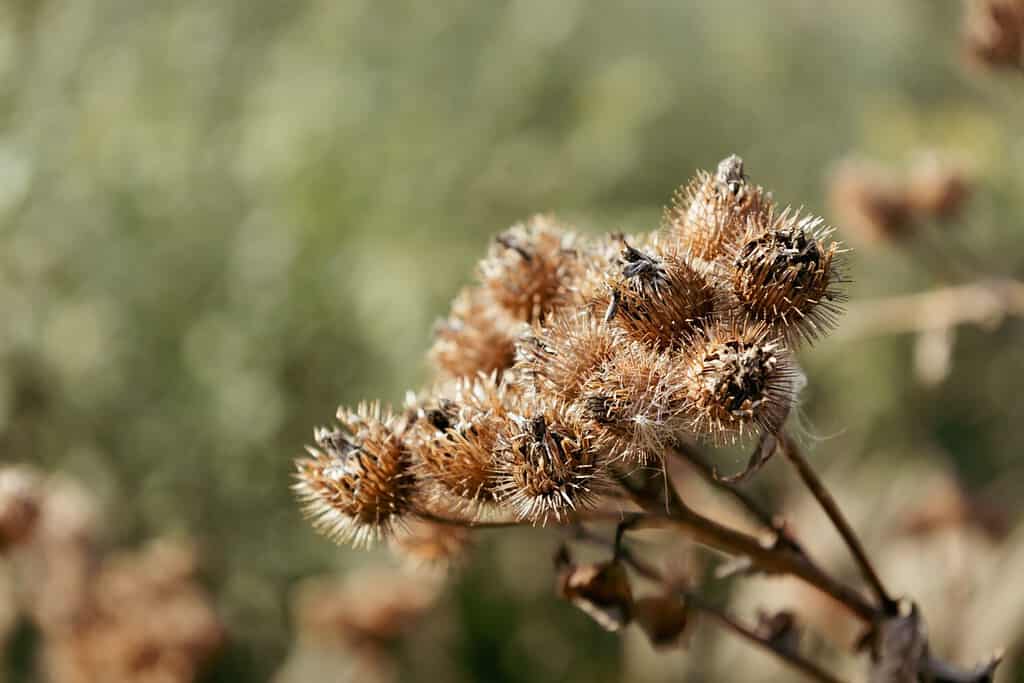
Lawn Burs
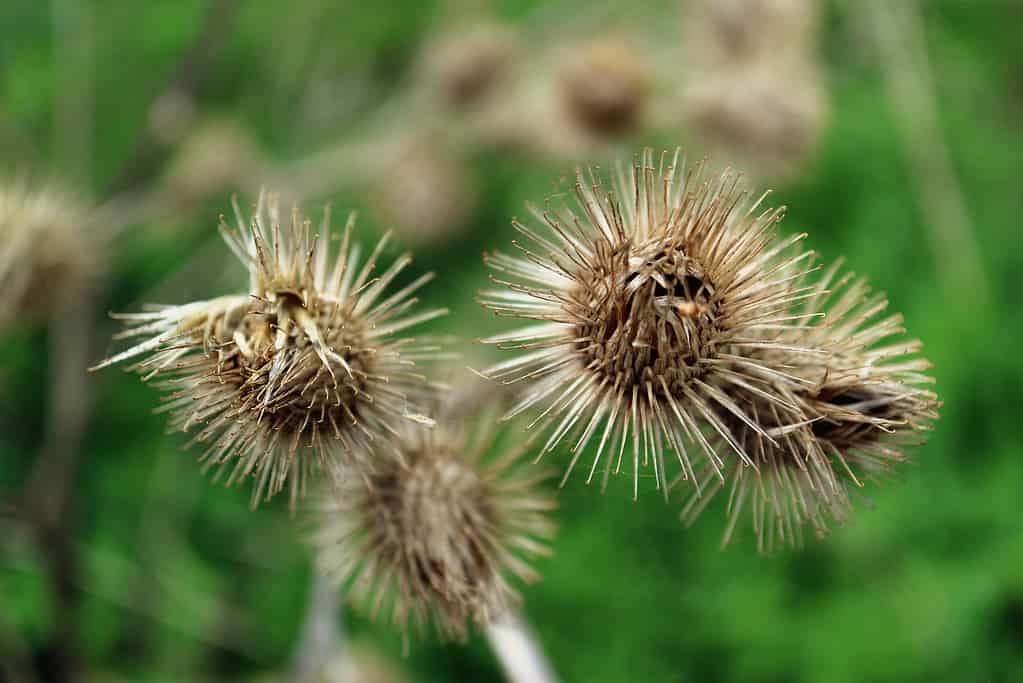
As you can tell by the name, these little stickers only appear on lawns. They generate seeds the size of a pea. It is more difficult to remove painful stickers the smaller they are! These tiny stickers have four sharp needles on them, which aids in their ability to adhere to your hair and apparel.
You should be able to recognize the plant because it develops stems and leaves that are light green with white bristles all throughout.
Burweed
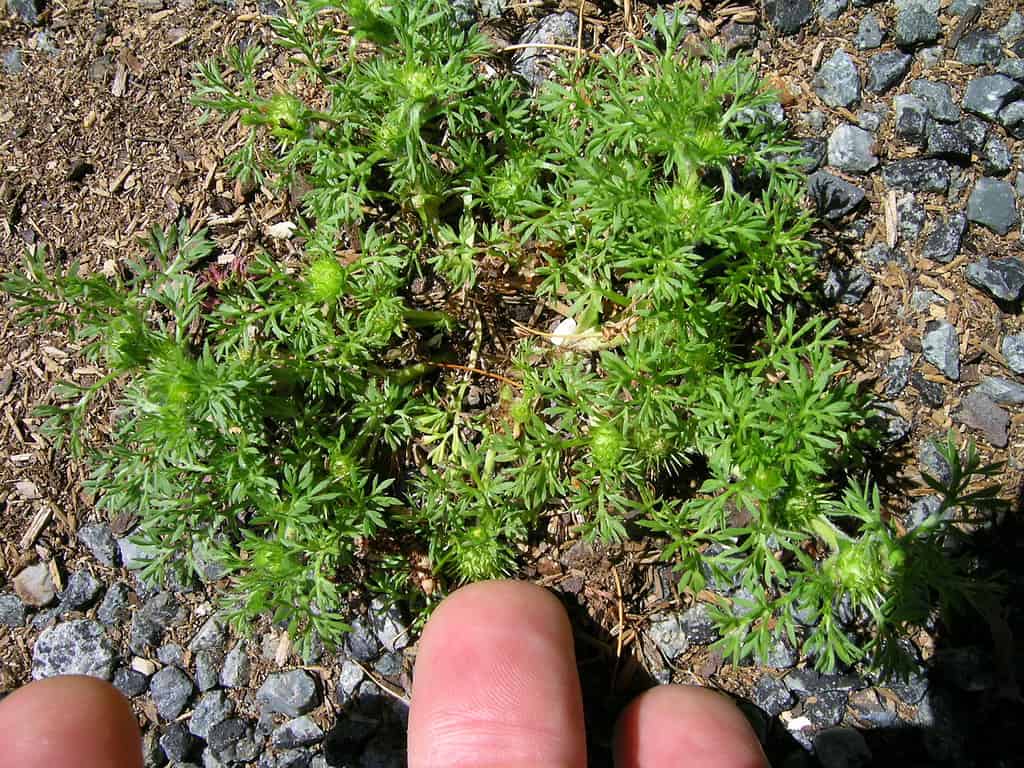
Annual plants called sticker weeds grow little leaves that are green and yellow blooms. The flowers will start to make seeds after they have bloomed. Burweed has seed pods that are fairly large, comparable to a ping pong ball.
They have up to five pointed pins. The stem of the plant will shift from bright green to dusty brown as it starts to wither.
Field Sandbur Sticker
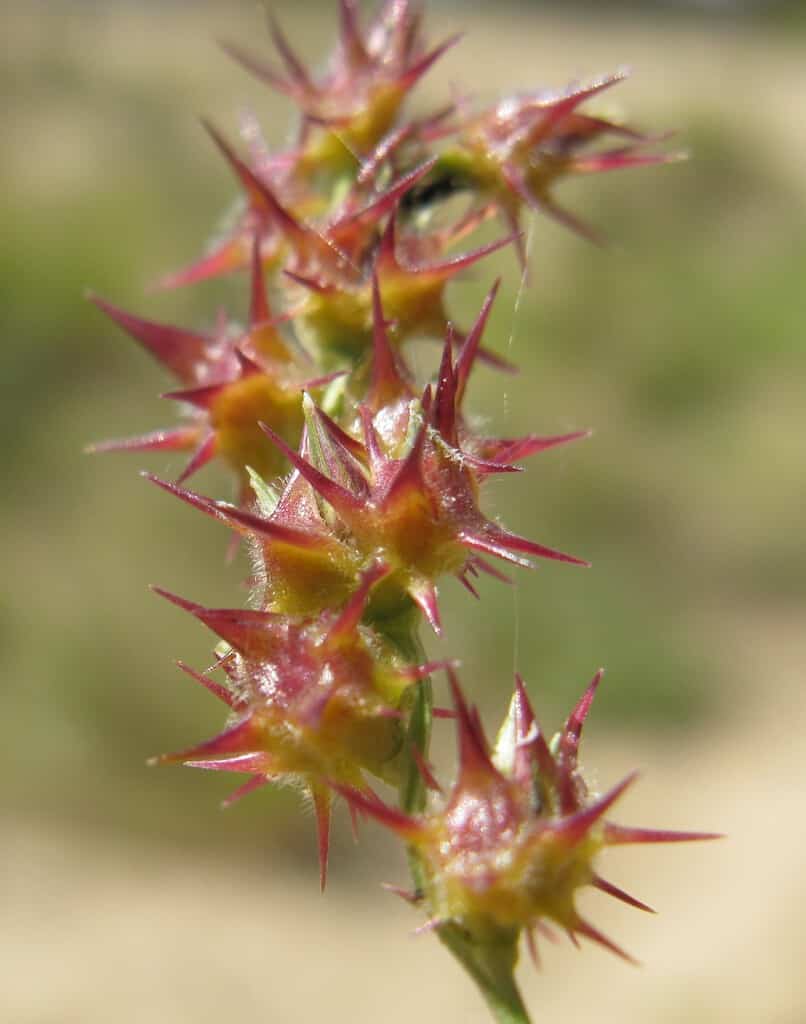
The seed pods on Field Sandburs stickers are relatively small. They typically have a few pointed needles sprouting on them and are about the size of a kernel of corn. With thin hairs everywhere, these plants generate green stems and leaves. Even though they normally thrive in fields without grass, they are easy to identify in lawns as well.
Yellow Vine Stickers
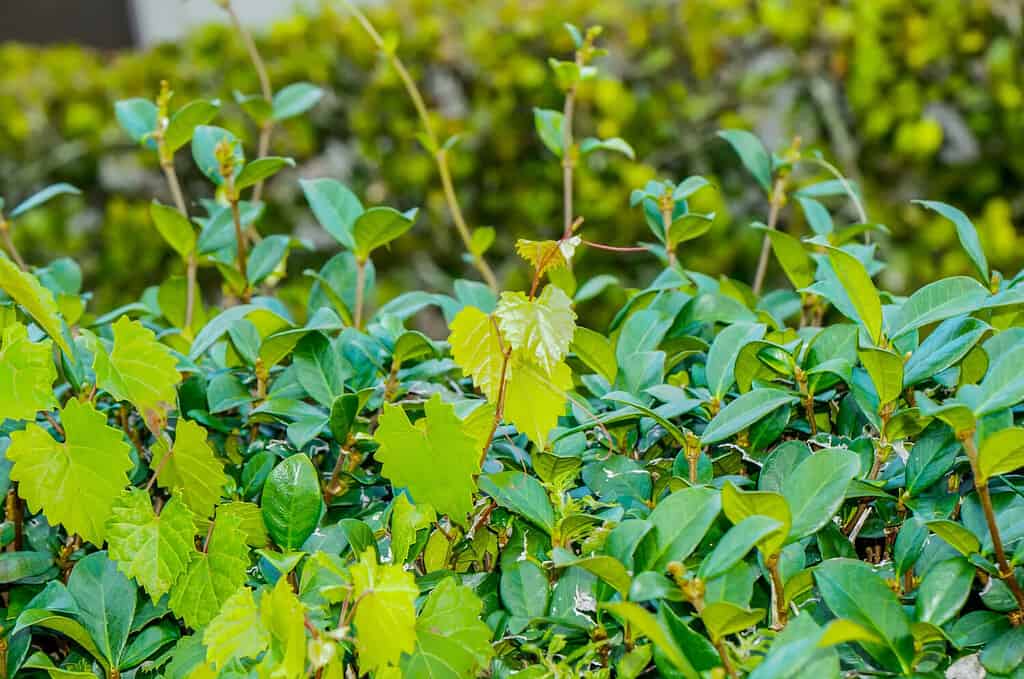
Vines with heart-shaped leaves will often have stickers.
©jaimie tuchman/Shutterstock.com
You most likely have yellow vine stickers if you see small yellow stickers covering the grass or garden. These seedpods feature four-pointed, circular edges that resemble toys for animals.
This can easily attract dogs and cats to these painful stickers.
The fact that they are not items of entertainment and will undoubtedly tangle in the fur of your pet means that you should do what you can to get rid of these! Don’t worry – you’re in the right place.
When these plants reach maturity, their green stems become brown and they start growing vivid green leaves with somewhat crimson edges.
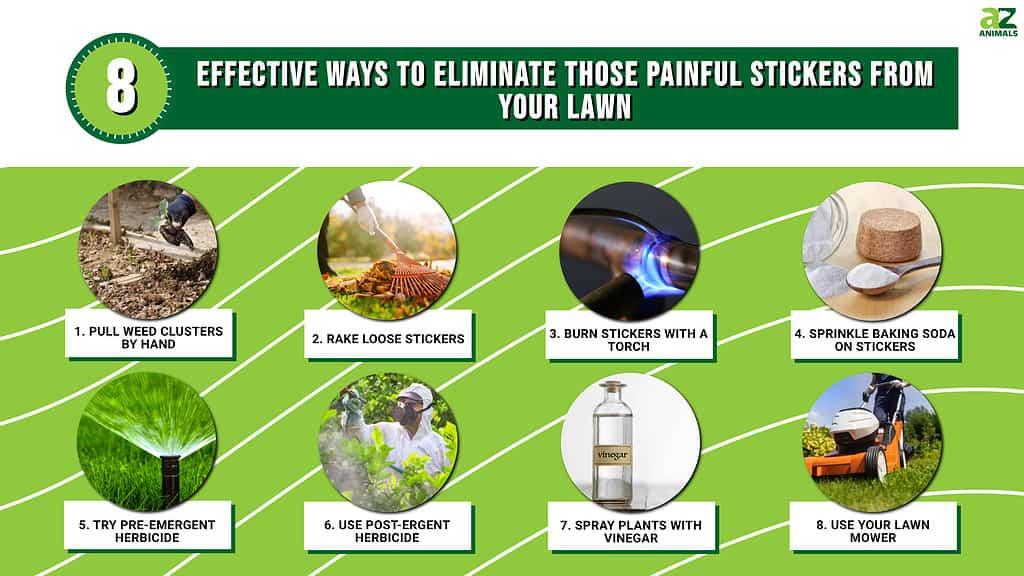
Eight Ways to Remove Painful Stickers From Your Yard
Now that you know about some of the most common lawn stickers, how do you get rid of these painful and annoying plants? Here are the top ways to do so, without harming your lawn!
1. Pull Weed Clusters By Hand
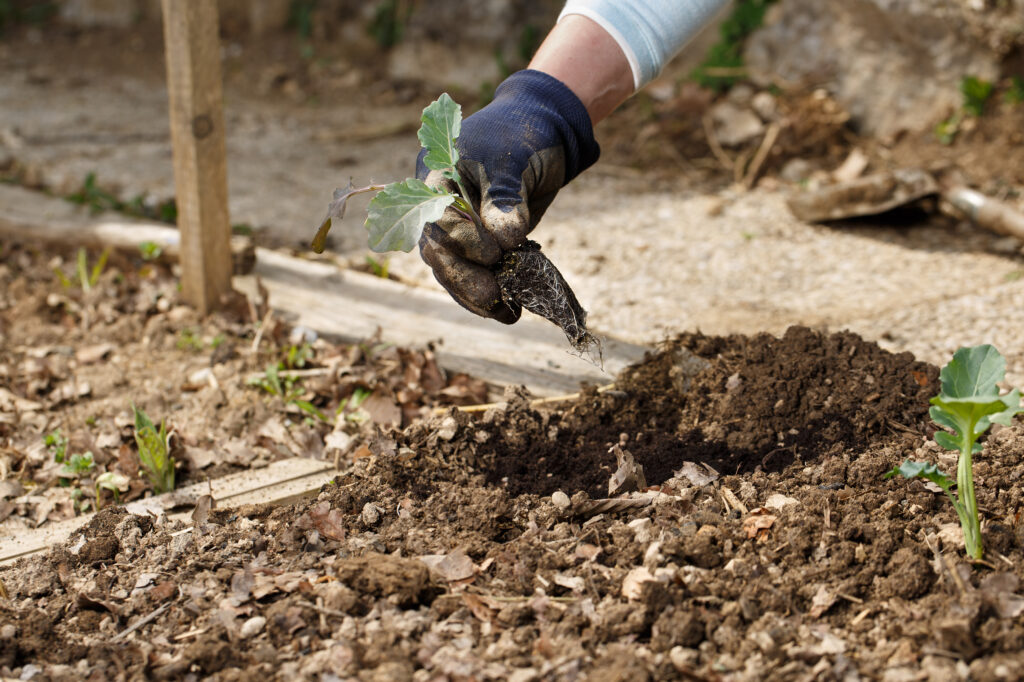
Always wear gloves to protect your hands.
©zlikovec/Shutterstock.com
Sticker weeds can’t grow if they’re pulled out quickly. Wearing gardening gloves will protect your hands from scratches. Lift the roots out of the ground by lightly grabbing the stem’s base with your fingers.
Sticker weeds have weak roots, so pulling them up by hand ought to be simple. Grab a hoe if you’re experiencing problems digging them from the ground. You should never compost sticker weeds because the seeds are living even after being ripped from the earth.
The seeds would grow after the compost was dispersed. To prevent the stickers from propagating, throw them in a garbage bag.
2. Rake Loose Stickers
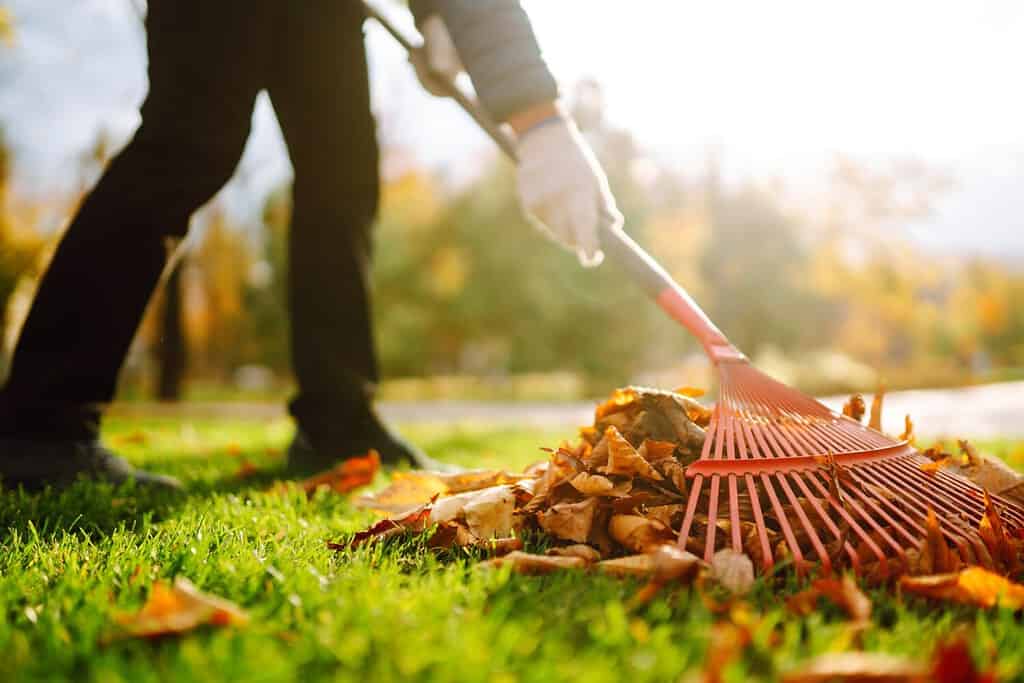
Raking the area is a simple way to get a lot of burrs at once.
©maxbelchenko/Shutterstock.com
When you rake stray stickers up, it will dislodge the plant. Find the sticker-producing weeds in the garden and rake the foliage around them. All loose burrs will just fall off the plant and are easy for you to gather.
Don’t forget your gardening gloves when it comes time to safely grab the entirety of the stickers you have removed and place them in a garbage bag to get rid of them.
3. Burn Stickers With a Torch
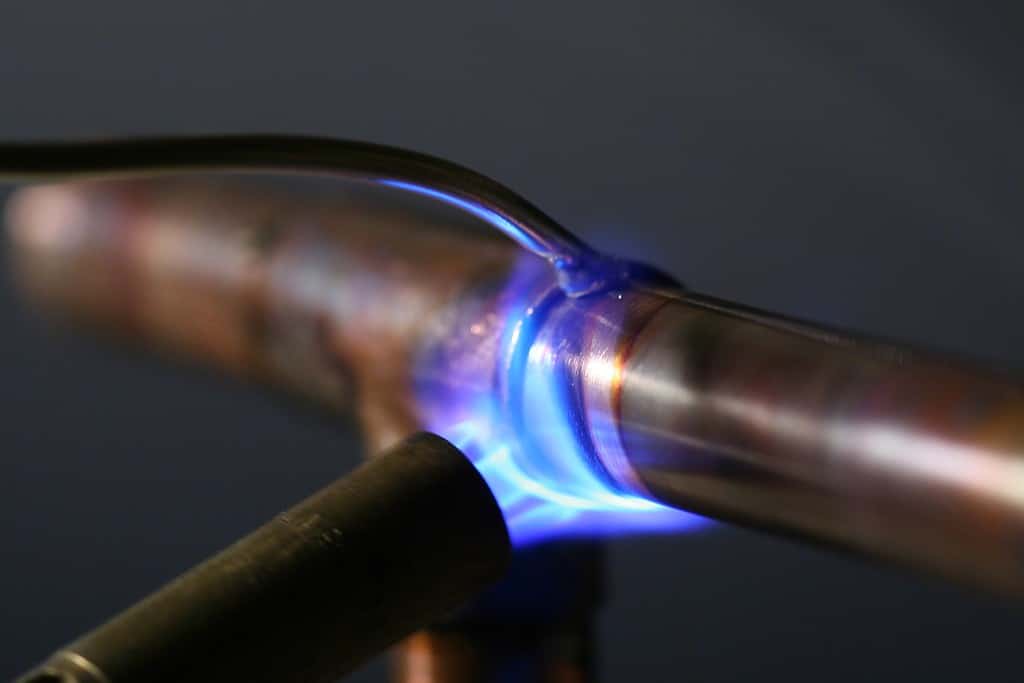
If you want to burn sticker patches to the roots to prevent regrowth, it’s best to use a propane blowtorch.
Sticker patches can be burned to destroy the roots and prevent regrowth. For a reduced risk of fire, wet the greenery surrounding the sticker areas. Before commencing this method of sticker removal, remember: safety first! Wear work gloves and safety eyewear.
For the greatest level of control, opt for a propane hand torch. Light the torch, then aim the flame at the stickers. Scorch the plant all the way to the roots to prevent regrowth. Have a garden hose close by to ensure that you can quickly put out the flame after blazing the weeds.
To destroy just a small area of stickers, you may consider pouring boiling water over that specific section of the garden. Use caution because it might also kill grass and plants in the same area.
4. Sprinkle Baking Soda on Stickers
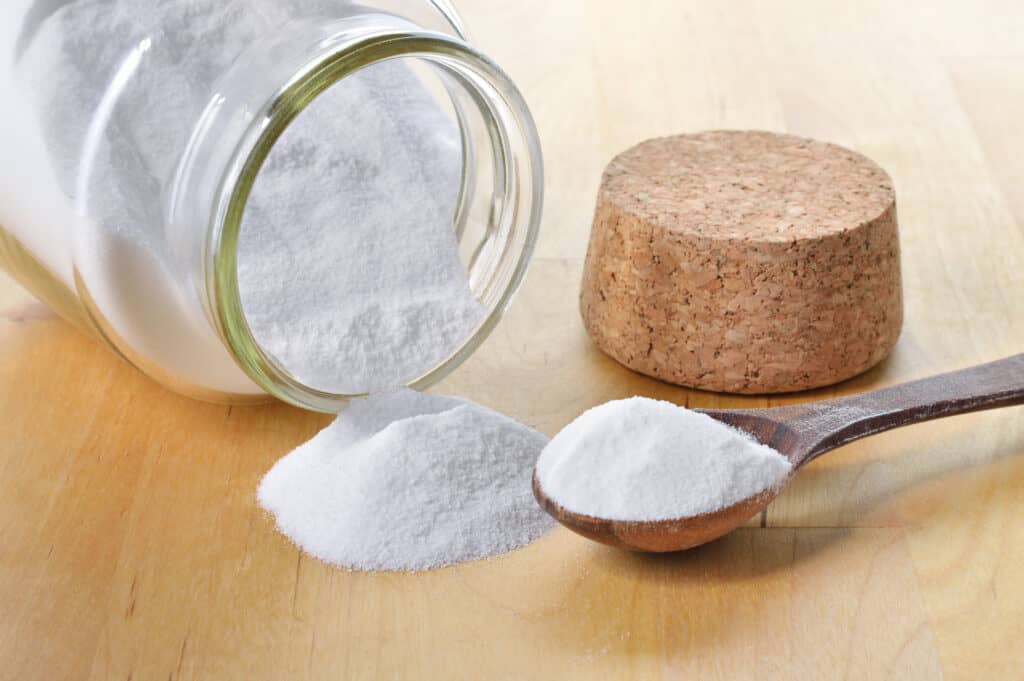
Baking soda can also ward off pesky wildlife in your yard.
©Geo-grafika/Shutterstock.com
To eliminate stickers ahead of when they produce seeds or burrs, baking soda performs effectively. Baking soda draws water from weeds, causing them to wither and die. Apply a small amount of baking soda to the roots and over the stickers.
Water the soil right away to help the baking soda absorb and reach the roots. Utilize baking soda cautiously as it may harm neighboring plants and grasses.
5. Try Pre-Emergent Herbicide
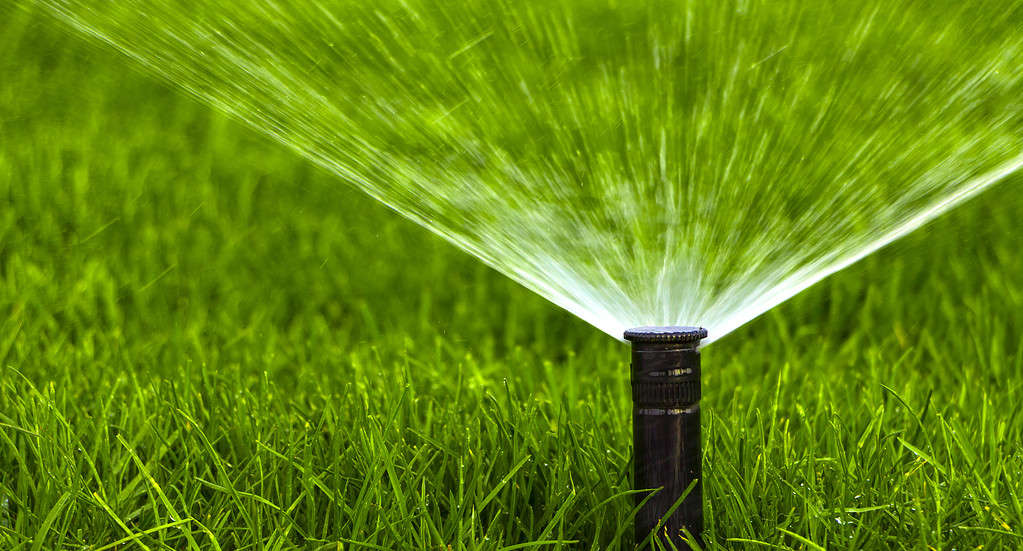
Once you apply pre-emergent herbicides to your lawn, water the lawn as soon as possible to allow the herbicide to sink into the soil.
©iStock.com/MaYcaL
Pre-emergent herbicides stop stickers from sprouting the next year. Isoxaben-containing pre-emergent herbicides work best at stopping the germination of sticker weeds. In late autumn, scatter the pesticide all over your grass using a lawn spreader.
As soon as possible, water the lawn to let the herbicide go into the soil and the sticker roots quickly absorb the chemicals. Avoid applying your herbicide in the dead of winter or springtime because the stickers have likely already sprouted and developed burrs. In the winter, the plants aren’t there to kill in the first place.
To totally eradicate sticker weeds from your outdoor space, you’ll likely have to reapply a pre-emergent pesticide once a year for up to three years.
6. Use Post-Ergent Herbicide
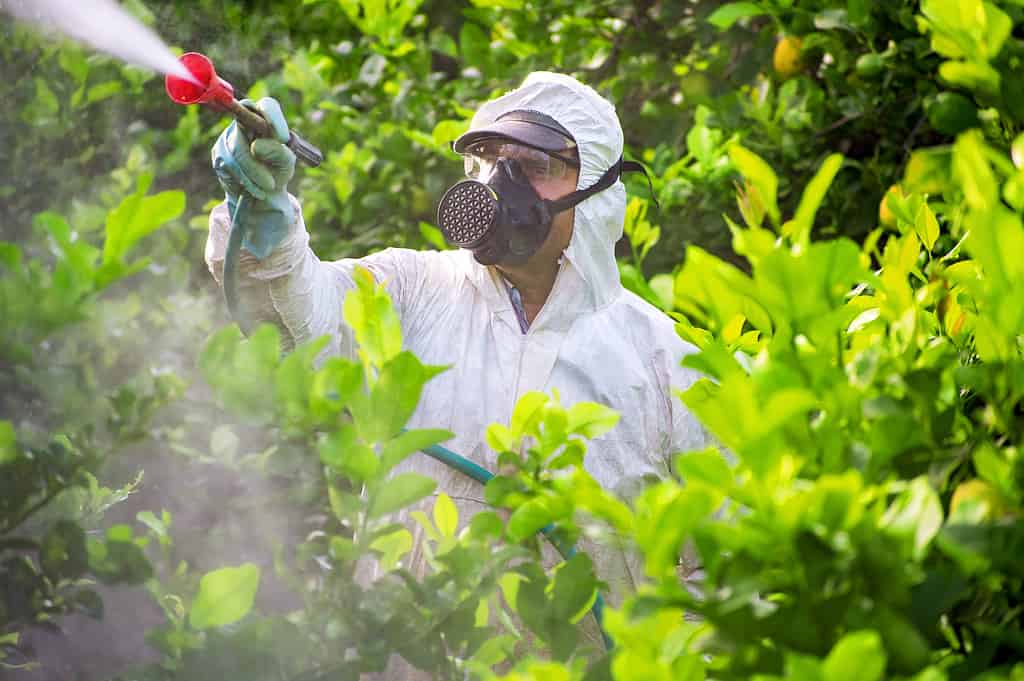
Applying herbicides can cut down on painful stickers.
©Worledit/ via Getty Images
Do you want to tackle the problem in the winter? If so, consider post-emergent herbicides prior to them growing into sharp burrs. Check to ensure that the herbicide includes either atrazine or metsulfuron because they are very efficient at eradicating stickers.
Applying herbicides shouldn’t be done until after the final frost. Herbicide should be used to treat your garden which you should quickly water into the surrounding earth.
7. Spray Plants With Vinegar
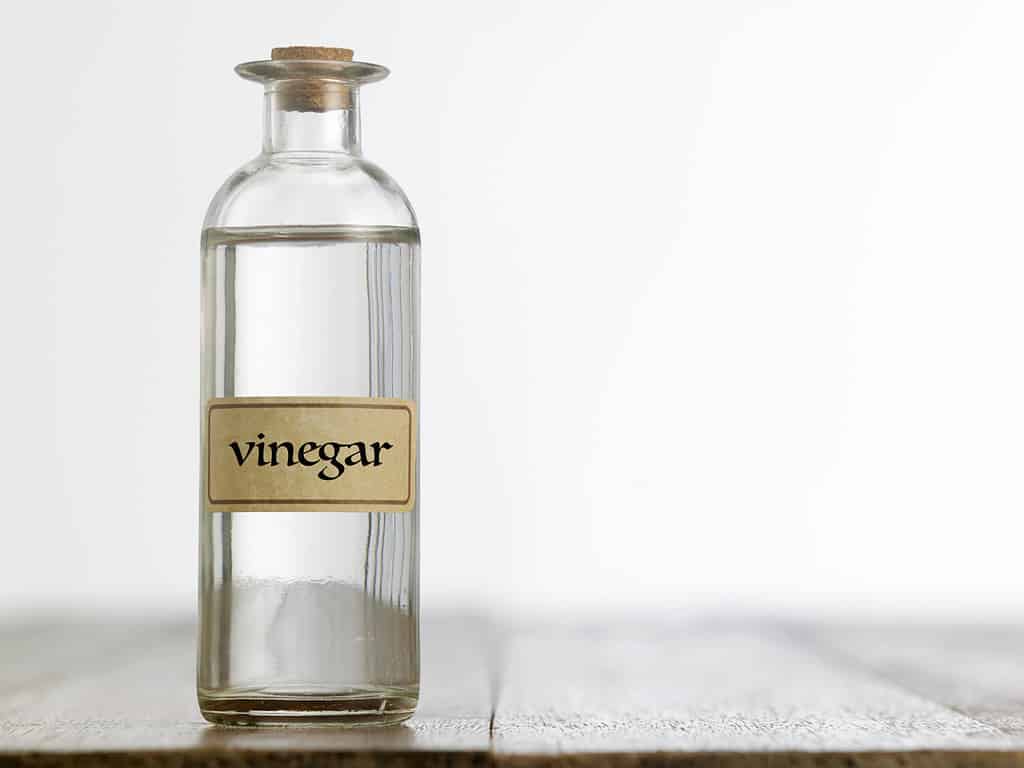
Vinegar can kill a variety of plants, including weeds.
©focal point/Shutterstock.com
In place of synthetic herbicides, vinegar works naturally. Use white vinegar from any grocery store to fill a spray bottle. A constant stream rather than a mist should be selected for your spray bottle’s nozzle.
This ensures you’re aiming for the sticker weeds instead of your entire yard. Go outside on a bright day to search for the sticker weeds in the garden and spritz the vinegar on the foliage. As long as the weed is alive, apply the vinegar every day.
When using vinegar, be certain that you just spray the burweed; it can also damage neighboring plants and turf.
8. Use Your Lawn Mower
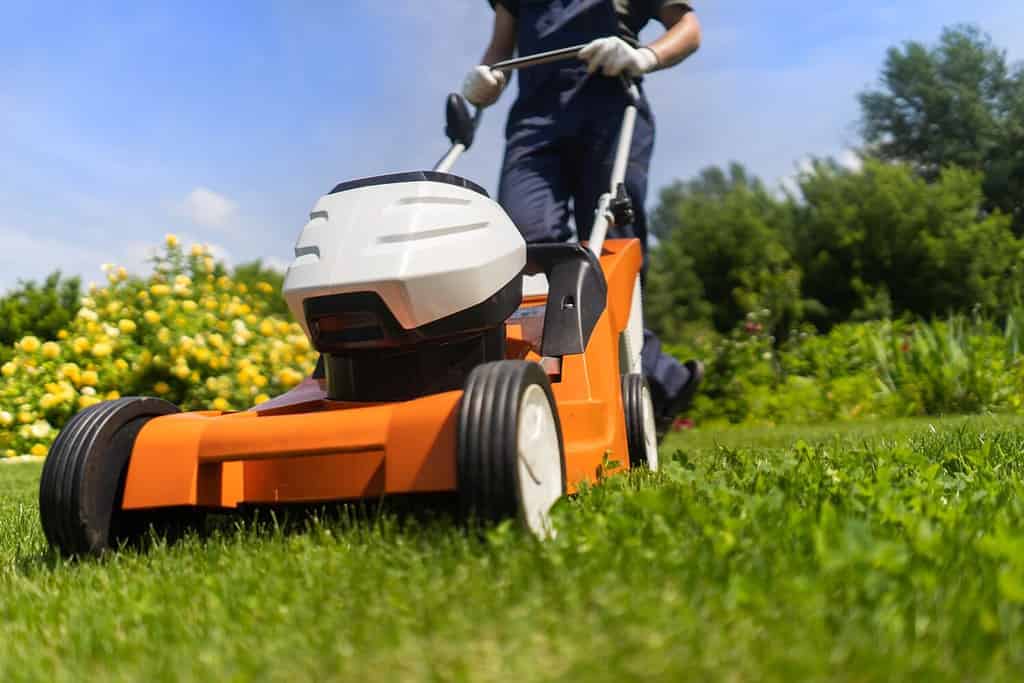
Mowing your lawn aids in getting rid of pointy stickers.
©africa_pink/Shutterstock.com
Mowing your lawn gets rid of the weeds’ pointy stickers. To collect most of the clippings from your lawnmower, connect a mower bag. Cut your grass while paying attention to the stickers’ location.
To prevent the seeds from spreading over your lawn once you have finished mowing, dump the grass clippings at a waste facility. When mowing your lawn, always remove no more than one-third of the height to maintain a healthy lawn.
Keeping the grass short could weaken it and encourage sticker growth. Mowing won’t be as successful if the sticker weed is shorter than the lawn because the blades of the mower won’t be able to reach the burrs.