
Quick Take
- Gnats and fruit flies differ in size, color, and body shape.
- Fruit flies are drawn to fermenting sugars; fungus gnats linger at moist soil.
- Get rid of fruit flies with sanitation and apple cider vinegar traps; treat gnats by altering plant soil conditions.
If you’ve ever walked into your home to find tiny flies lazing around your fruit bowl or houseplants, you’re not alone. Gnats and fruit flies are two of the most common household pests, and they show up in very different places. However, these tiny insects appear similar at first glance.
Telling them apart matters more than you may think, especially if you’re hoping to get rid of them. Fruit fly tactics often don’t work on fungus gnats, and drain-fly tricks won’t help you manage a fruit fly problem. Once you know which tiny flyer you’re dealing with, you can go straight to the right fix. So, how can you tell the difference between a gnat and a fruit fly?
Today, we’ll walk you through distinguishing characteristics, including appearance, size, color, behavior, and where you’re likely to see them. Then, we’ll look at the specific strategies exterminators use to get rid of each one so that you can tackle the problem yourself.
Gnats vs. Fruit Flies: Telling Them Apart
©Kendall Collett/Shutterstock.com
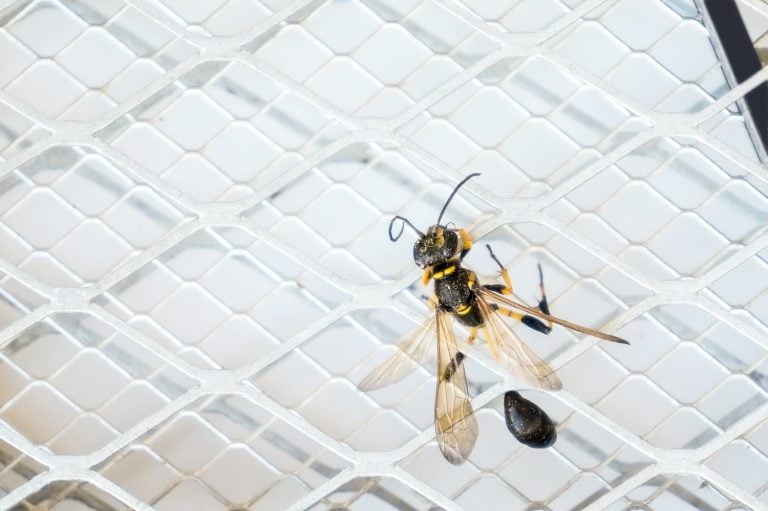
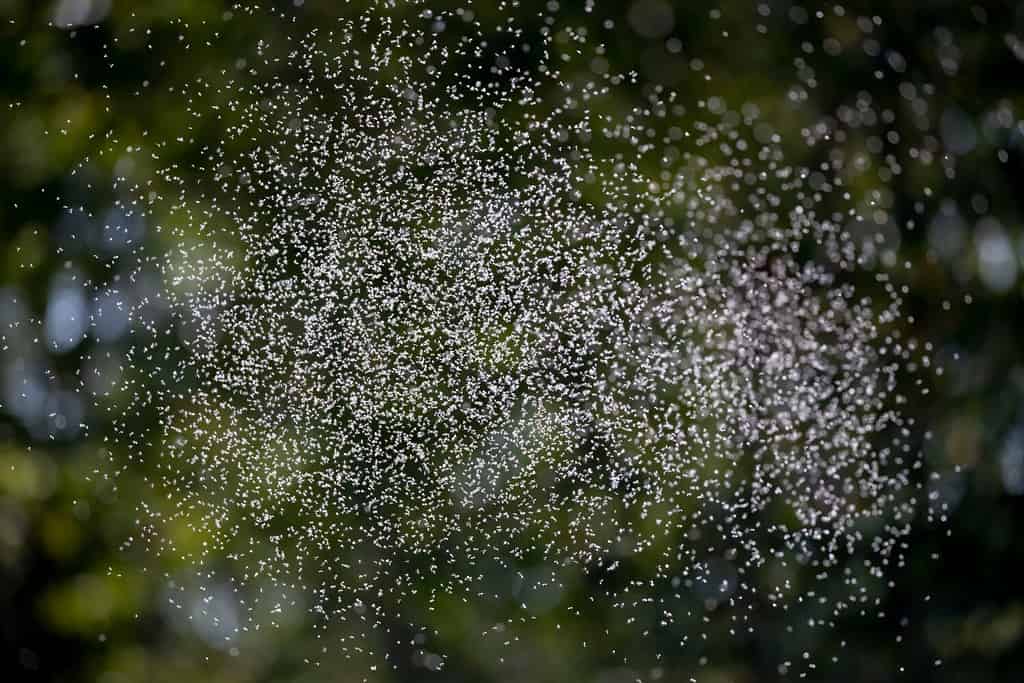
In average lingo, gnats usually refers to fungus gnats, a group of small flies that live in or near soil. Pest control companies describe gnats as dark, slender insects that feed on moist, organic matter in dirt, not on fruit or traditional food items.
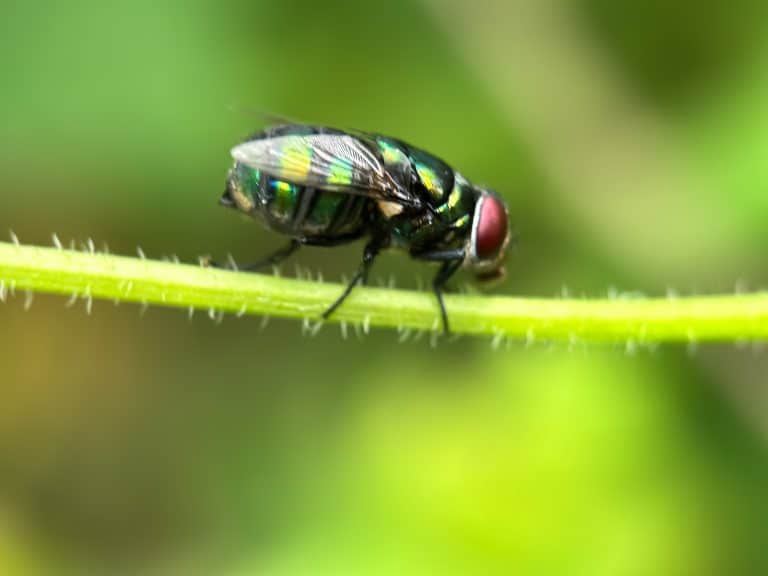
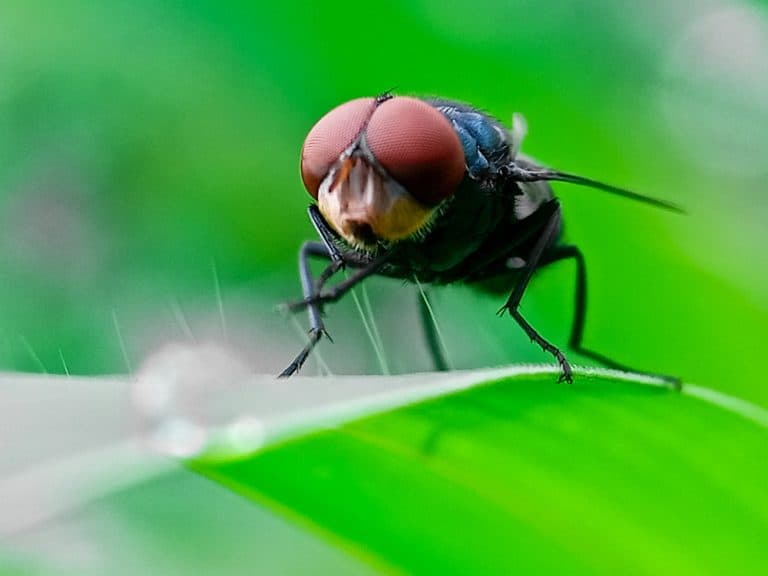
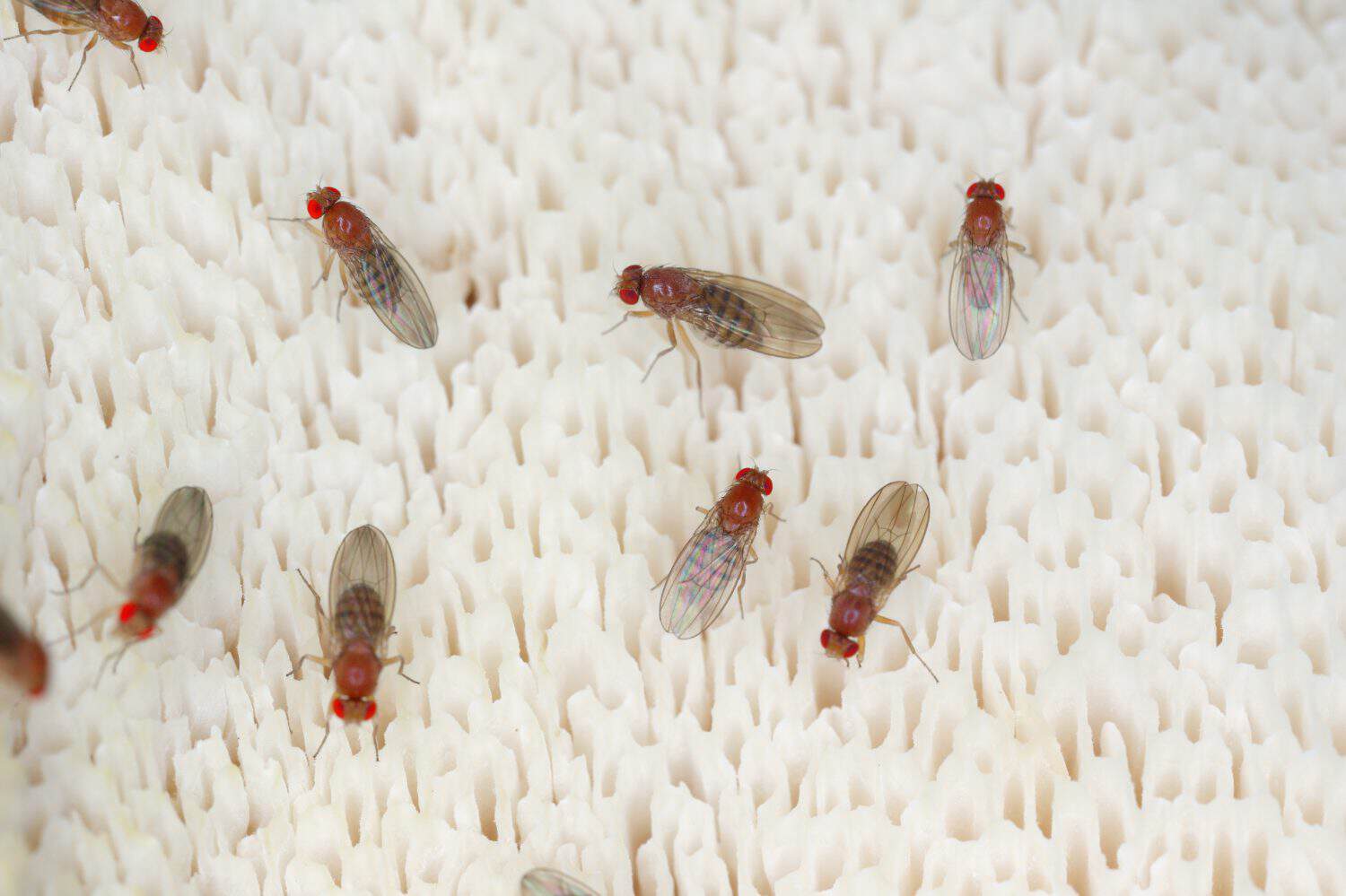
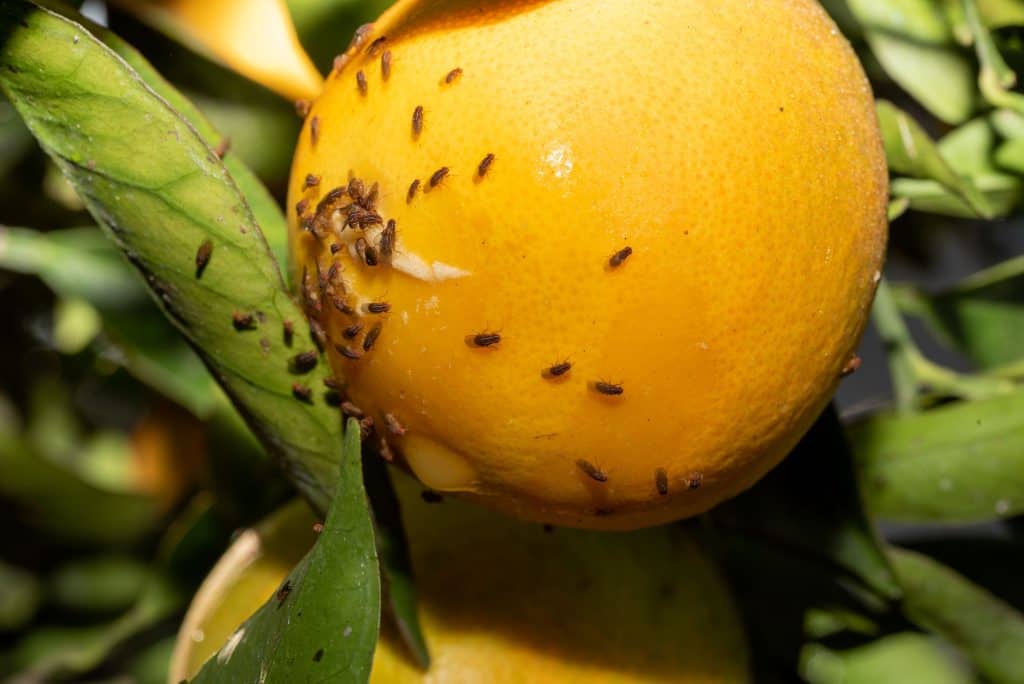
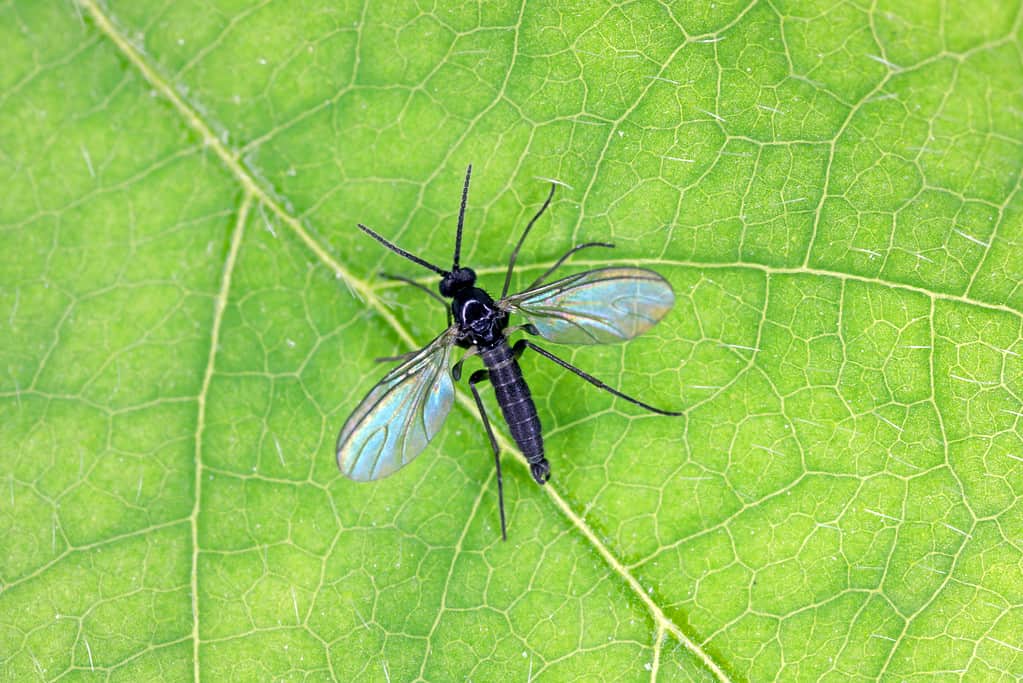
Fruit flies are described as short, stubby flies that look like tiny versions of houseflies. According to Orkin’s fruit fly vs. gnat guide, fruit flies are typically tan to brown with rounded bodies and noticeable eyes, while fungus gnats are darker and much more mosquito-like, with long legs and antennae that hang down when they fly.
But these aren’t the only tiny bugs that might show up in your home. You may also see drain flies, also known as moth flies: fuzzy, moth-shaped flies that are often found on bathroom or kitchen walls near sinks. Several exterminators group drain flies into the same category as these other two culprits because the control methods overlap. However, they’re visually distinct from both fruit flies and gnats.
How They Look: Size, Color, and Body Shape
©Fabrizio Schiavon/Shutterstock.com
If you can get close enough to these critters, the differences between them become clearer.
According to Aptive Pest Control’s identification guide, fruit flies are usually 3–4 mm long, with a compact, rounded body and shorter legs, while fungus gnats are 2–3 mm and appear slimmer with noticeably long, dangling legs.
Key visual differences exterminators rely on include:
Color
- Fruit flies: tan, yellow-brown, or light brown bodies; many species have bright red or dark compound eyes that stand out.
- Gnats: dark gray to black or very dark brown; overall more “shadowy” than fruit flies.
Eyes
- Fruit flies: large, often red or dark eyes that are easy to see when they’re on a wall or countertop.
- Gnats: tiny, hard-to-see eyes; the head doesn’t look as “bulgy.”
Body & Wings
- Fruit flies: short, thick bodies and proportionally shorter legs; they look like shrunken houseflies.
- Gnats: thin, mosquito-like bodies with long legs and clear wings that can extend past the abdomen.
Drain flies, for comparison, have fuzzy, moth-like wings that fold over their body when resting, which is a dead giveaway. However, location is often the biggest indicator for telling these insects apart.
Where You Find Gnats vs. Fruit Flies in Your Home
©Pixelbender36/Shutterstock.com
Exterminators often identify these pests first and foremost by where they’re hanging out, especially indoors. Check out this guide for how to properly identify these flying bugs if they’ve invaded your home.
Fruit Flies
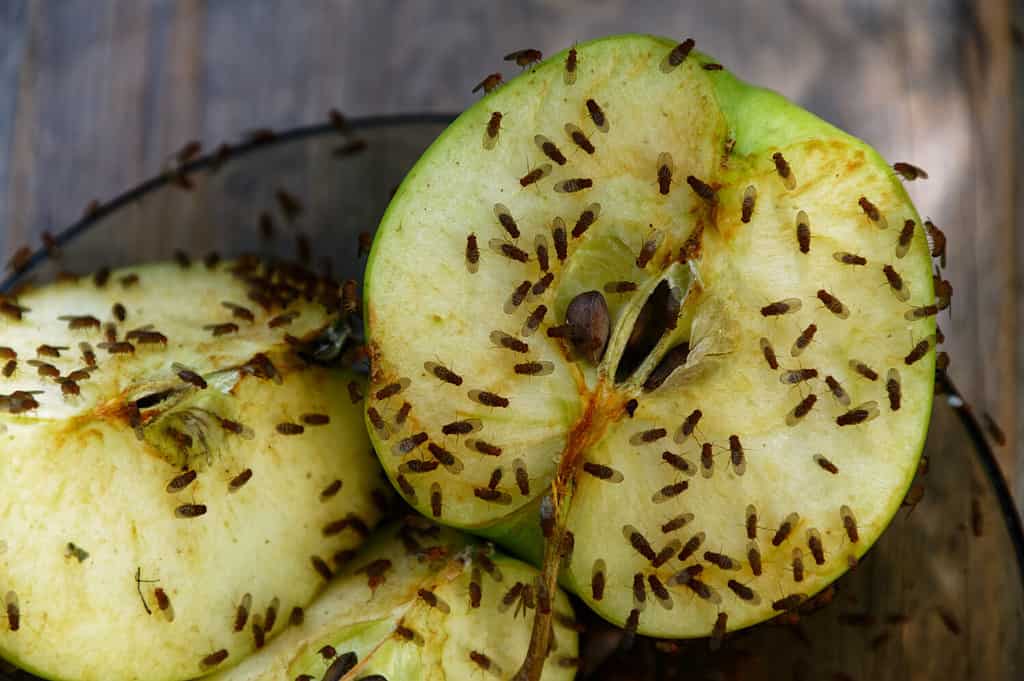
- Hover around ripening or rotting fruit, open wine or beer bottles, compost crocks, sticky spills, and trash cans.
- According to Hawx’s fruit fly vs. gnat explainer, adults lay eggs on decomposing fruit, vegetables, and other fermenting organic matter in kitchens and garbage cans, which is why they often cluster in these locations.
Gnats
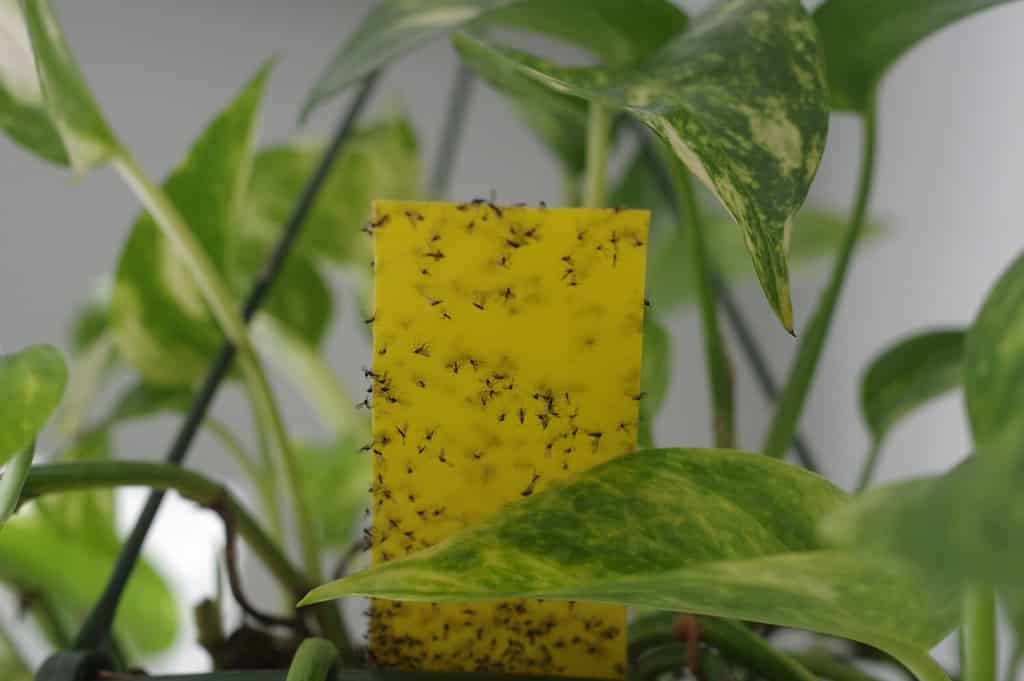
- Swarm above houseplants, seed trays, and damp potting mix.
- Pest pros note that fungus gnats live in wet soil, feeding on decaying plant material. They sometimes damage roots in heavily infested pots, which is why they’re so common in overwatered plants and fresh nursery soil.
Drain Flies
- Cluster near sinks, floor drains, and shower drains, especially if there’s slime or organic matter in your pipes.
- Exterminators describe drain flies as bugs that breed in the biofilm that lines drains, often emerging from sinks and then resting on nearby walls or tile.
Location is often the easiest way to identify each of these unwelcome guests: bugs at the fruit bowl or trash can are probably fruit flies; bugs at the soil surface of plants are usually fungus gnats; bugs appearing from the drain itself are, naturally, drain flies.
Diet and Behavior of Gnats vs. Fruit Flies
©Anne Webber/Shutterstock.com
The food preferences of these flies match their preferred locations and can be another great way to tell them apart.
Fruit flies love fermenting sugars, including overripe fruit, juice residue, spilled soda, wine, beer, and food scraps in trash or disposals. When it comes to gnats, they prefer to feed on decaying plant material and fungi in moist soil, occasionally eating plant roots and seedlings if the infestation grows too great.
Behavior-wise, fruit flies often seem to hover around a food source, moving slowly and hanging in the air, while gnats and drain flies tend to be more erratic or weak flyers, bouncing and drifting rather than flying straight. While it can be a subtle difference, it becomes far more obvious the more you observe them.
How to Get Rid of Fruit Flies vs. Gnats
©nkula/Shutterstock.com
Because these flies live and breed in different places, exterminators use different core strategies to get rid of them. If you have an infestation of either of these bugs, here’s how to tackle it.
Getting Rid of Fruit Flies
Pest pros start with sanitation methods for fruit flies, including:
- Deep-cleaning counters, backsplashes, and the area around your stove to remove sticky residues
- Rinsing bottles, cans, and recycling before binning
- Emptying trash and compost frequently, keeping lids sealed
- Either refrigerating fruit or keeping it covered in tight containers
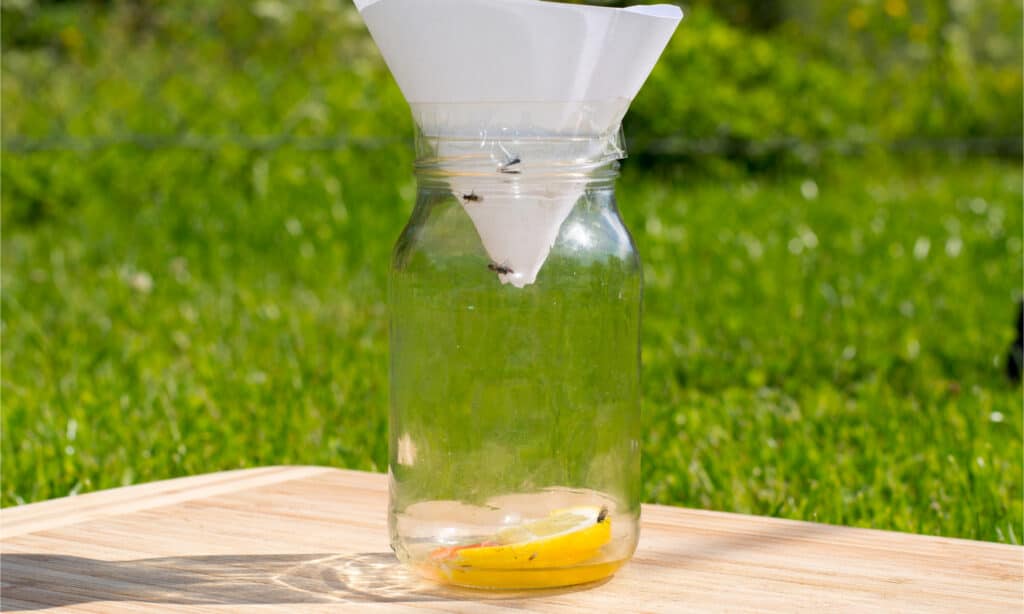
Additionally, fruit fly traps involving apple cider vinegar plus a drop of dish soap in a small bowl or jar are quite effective. You can also make a paper funnel or use plastic wrap and place it in the jar opening so flies can get in easily, while struggling to find their way out. Placing multiple traps near each source is also always a great idea.
Getting Rid of Gnats
For fungus gnats, traps and sprays won’t work unless you change the soil environment of your houseplants. Try the following if you’re struggling with gnats in your home:
- Let the top inch of soil dry before watering your plants again; fungus gnat larvae need consistent moisture near the surface to survive
- Bottom-water plants so the surface stays drier while the roots still get moisture
- Cover the soil surface with a layer of coarse sand, fine gravel, or decorative stones
- Use yellow sticky traps stuck into the soil to catch adult gnats
For heavy infestations, many gardening and pest guides suggest more intense treatments, such as:
- A neem oil soil drench to discourage larvae
- Beneficial nematodes, or microscopic worms, mixed with water and poured into the soil to hunt gnat larvae
Identifying and Eliminating Gnats vs. Fruit Flies
©iStock.com/Tomas Klejdsz
Exterminators can diagnose your pest problem easily, but gnats and fruit flies are easier to tackle than you may think. Once you’ve identified the type of bug you’re battling, it’s fairly easy to turn your kitchen or plant shelf back into a fly-free zone. Just stay persistent and keep spaces tidy; these home-invading critters will be eliminated before you know it!