
Quick Take
- Bees, wasps, and yellow jackets are attracted to floral scents and food products.
- Most stinging insects won’t attack unless provoked.
- The calmer you stay when near a stinging insect, the less likely you are to get stung.
Spring is in full force, and with it comes the resurgence of many stinging insects. Whether you’re mowing the lawn, tending to your garden, or merely spending time in your backyard, you’ll want to be on the lookout for bees, wasps, yellow jackets, and other threats in the upcoming months. Here are six tips for staying safe around stinging insects this spring and summer.

1. Don’t Swat at the Insects
When people come into contact with bugs, their instinct is often to swat them away. However, stinging insects can become more aggressive in response.
“Running and swatting will most likely lead to you getting stung,” says Danielle Brooks, a Certified Master Beekeeper through the University of Florida and owner of the Honey Truck Company in St. Augustine. “If there is an insect that has taken an interest in you and won’t leave you alone, I would recommend calmly walking to another area. If that doesn’t do the trick, you can walk closely by some bushes as a means to lose the insect while they’re flying.”
Contrary to what many people assume, bees and wasps don’t typically seek you out and sting you “just because.”
“Many stinging insects are attracted to floral and sweet scents, many are drawn to meat smells, but almost none of them will sting you just because you smell like food to them,” says Nicole Carpenter, a pest control professional and the President at Black Pest Prevention. “What really makes them want to sting is [swatting] and sudden movements … They sting only when they want to protect themselves.”
Typically, Carpenter adds, this happens when you get too close to the insect, trap them, or try to swat or stomp them away.
2. Stay Calm
Similar to the above advice, staying calm will help protect you from potential stings. The less aggressive you are, the less aggressive (or really defensive) these insects will be in return.
“Being calm around bees or other stinging insects starts with education,” Brooks says. “Most of the time when you encounter a stinging insect out in the wild, they’re foraging for resources and don’t want to pick a fight with you. If you move out of their way, they are less likely to sting you. Most of the times I have been stung have been happenstance out in my backyard.”

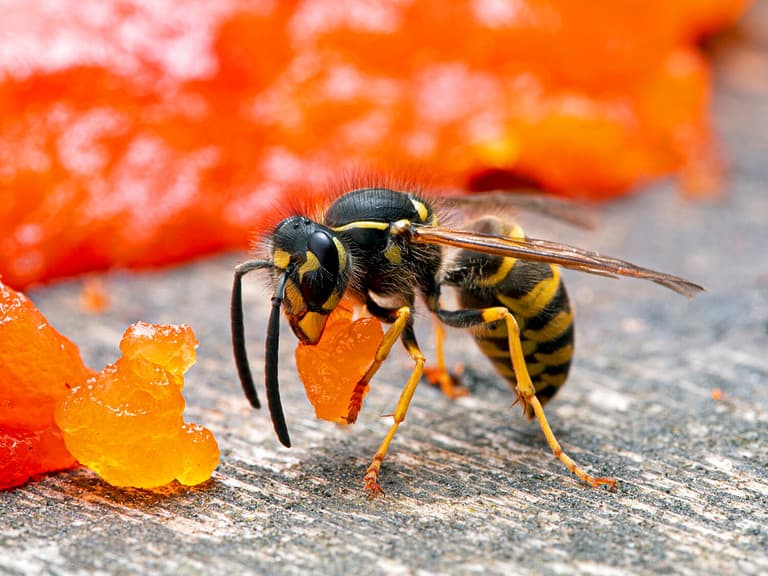
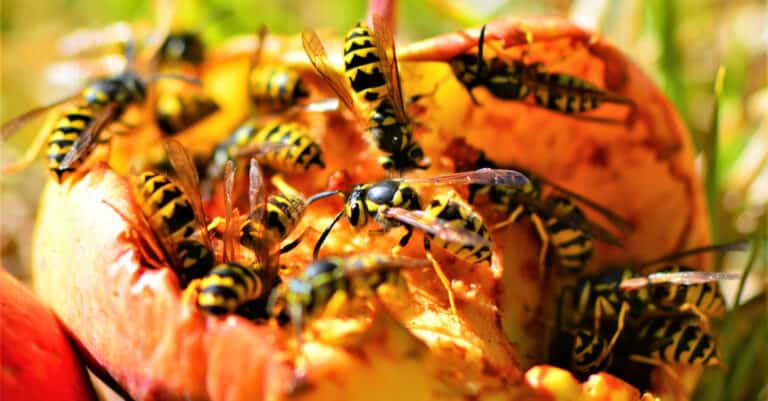
Sweet drinks and food can attract stinging insects.
©Tatevosian Yana/Shutterstock.com
For example, let’s say you’re having a picnic outside and accidentally throw your blanket over a wasp. The insect might become defensive and attack—not because it wants to hurt you, but because it feels threatened, Brooks explains.
“Sometimes just having the knowledge that most insects don’t want to sting you can be calming,” she says. “If you move out of their way, they’re far less likely to sting you.”
If there is an insect that has taken an interest in you and won’t leave you alone, I would recommend calmly walking to another area.
Danielle Brooks, Certified Master Beekeeper
3. Minimize Scents
As noted earlier, bugs are often attracted to floral scents or meat products. This is why eating outside, especially near flowers or on your lawn, can attract these stinging insects.
“If you want fewer insects flying around, minimize scented products, eat and drink indoors, and wear light-colored clothing, as many stinging insects are attracted to dark clothes,” Carpenter says.
4. Practice Awareness
Just because stinging insects pose a threat doesn’t mean you should avoid the outdoors altogether. You can still safely garden and mow your lawn while reducing the risks of a sting.
“It’s easy to disturb a bee or wasp when picking berries because they are often feeding there or can even build a nest hidden in shrubs,” says Carpenter. “To avoid getting stung when picking berries or doing other garden jobs, take a moment to look around before reaching in and make sure there’s nobody eating and the shrub or tree is not someone’s home.”
5. Postpone Work Near Nests
Carpenter explains that one of the most common ways people get stung is by mowing their lawn. It’s not always easy to spot nests in overgrown areas or in the ground. Sometimes, people will mow over a nest without realizing it, which can trigger the insects to attack. In this case, you’ll be dealing with more than just one angry yellow jacket or wasp.

Check for ground nests before mowing your lawn.
©Nick Fedirko/Shutterstock.com
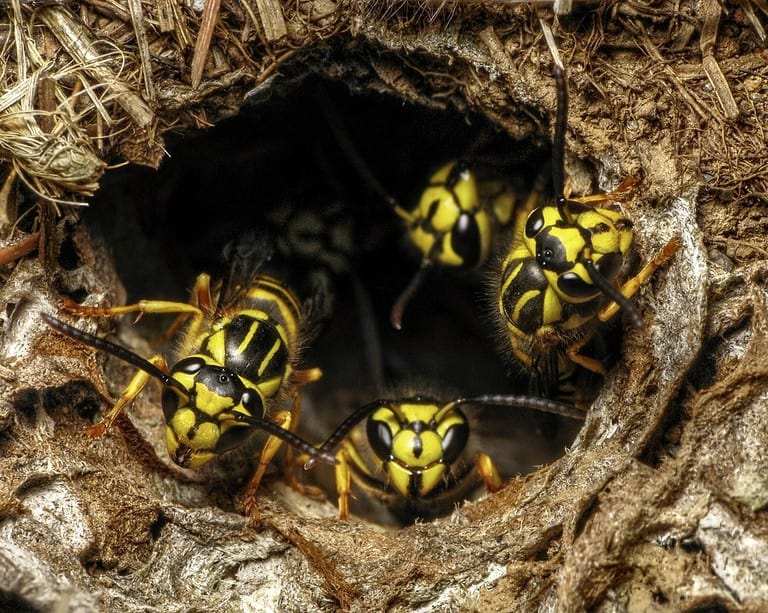
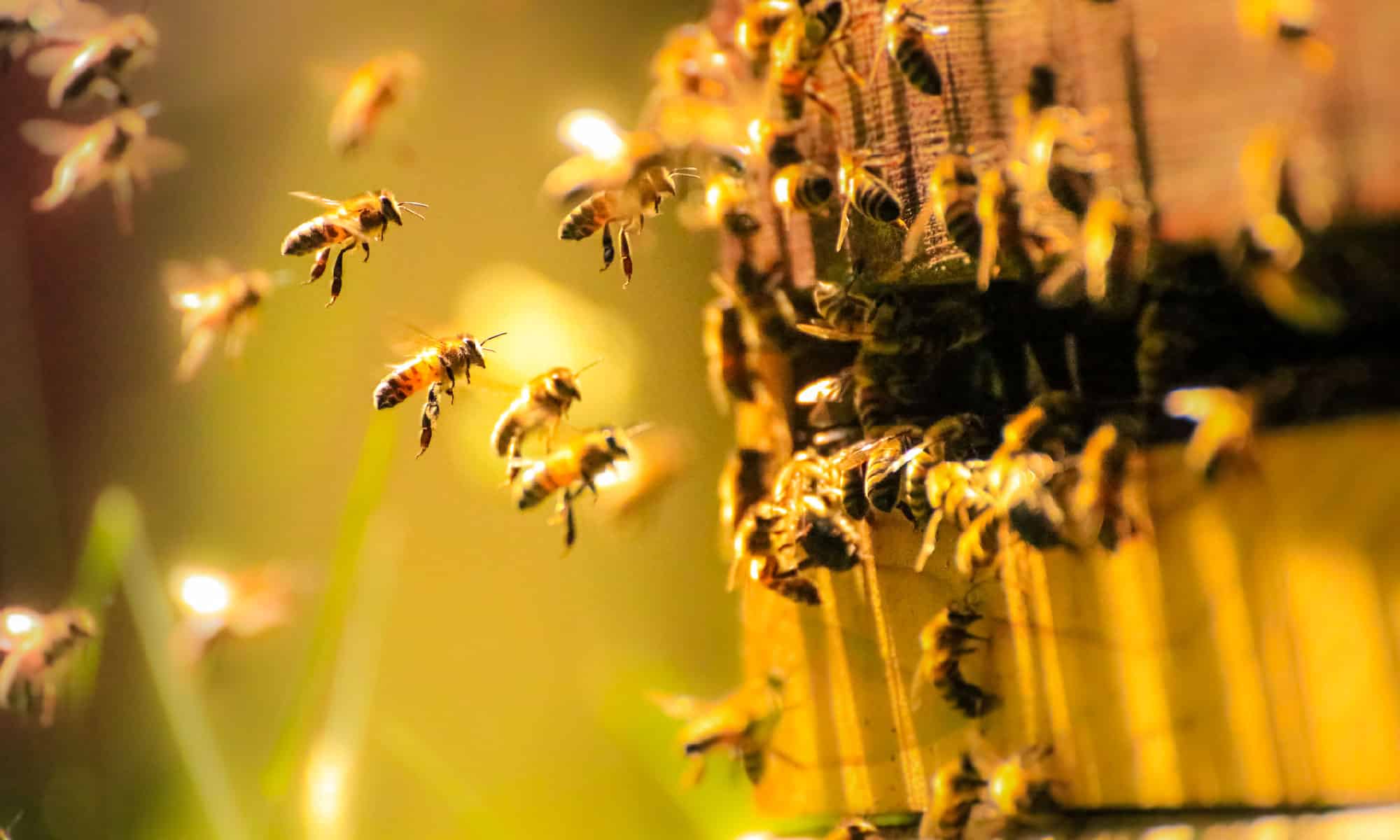
“Wasps, yellowjackets, and hornets often build their nests under logs or in walls of sheds and workshops, or under decks,” says Carpenter. “Moving or dismantling them can easily trigger an attack. If you notice a lot of insects flying in and out of one spot, it’s important to stay away and postpone all work in that area until you deal with the nest.”
6. Seal Cracks and Openings Around Your Yard/Home
To ensure your home remains an insect-free solace for you, seal any entranceways or holes where they might nest.
“Wasps, yellowjackets, and hornets often choose wooden structures, especially sheds, decks, and roof eaves, to build their nest,” says Carpenter. “Sealing cracks and openings drastically reduces the chance of nesting there.”