
Quick Take
- The reason Bernese mountain dogs die so young traces back to a near-extinction event most owners have never heard of. See the genetic origins →
- Bernese mountain dogs can be classified as seniors before most other breeds have even finished growing up, and the cutoff age will surprise you. Check the senior cutoff age →
- A harmless game of fetch could set a Bernese puppy up for a lifetime of joint pain, and the stakes are higher for this breed than for most others. See puppy exercise risks →
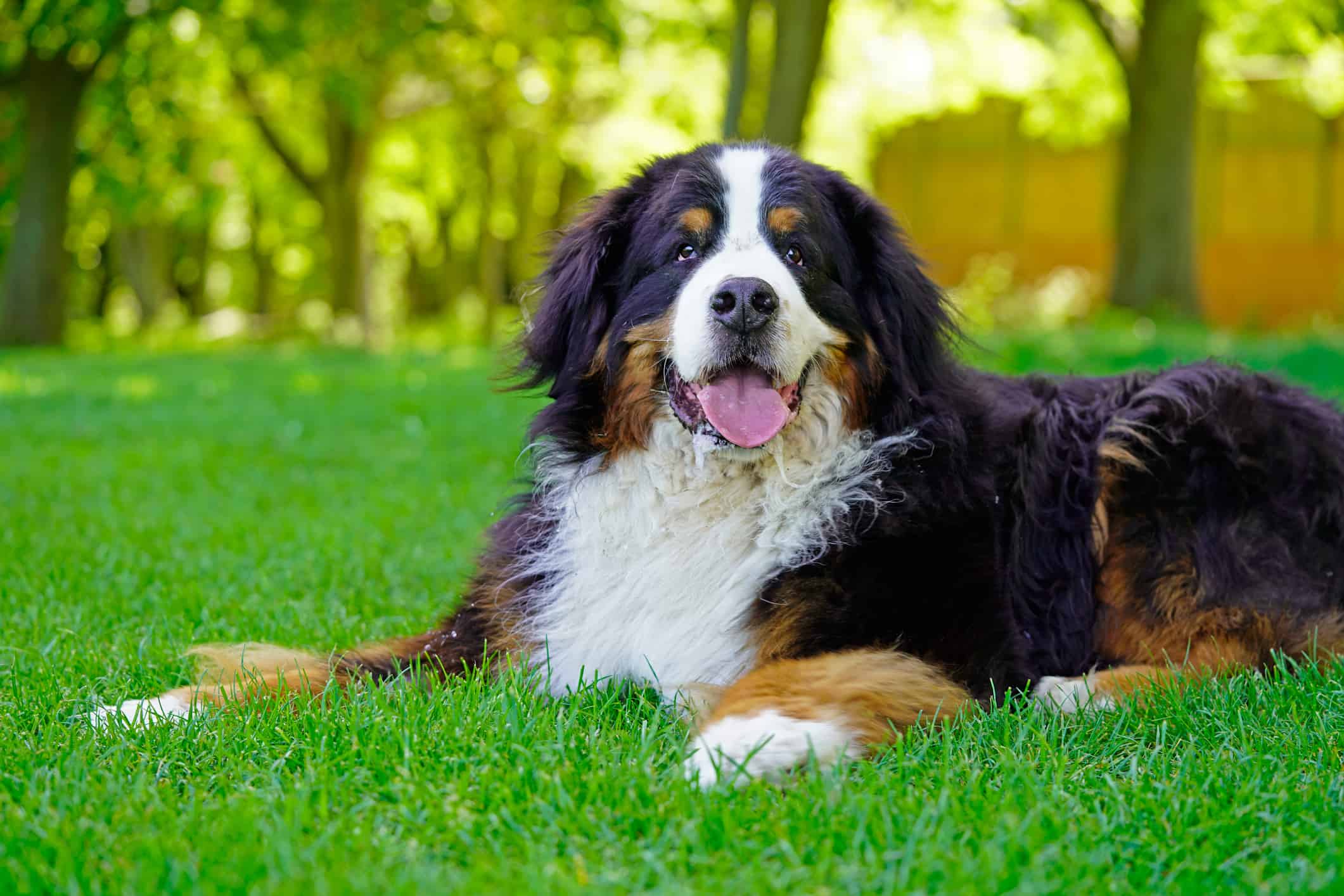
Bernese mountain dogs are large, tri-colored working dogs developed in the Swiss Alps as all-around farm and draft dogs. Sometimes referred to as cheese dogs, Bernese mountain dogs were used to herd dairy cattle, guard farmyards, and pull carts laden with milk and cheese. They were officially introduced to the United States in 1926 when a Kansas farmer imported a pair to work on his property. These days, they are predominantly cherished as family pets. Continue reading to discover more about this large breed, including its lifespan, life stages, and more.
How Long Do Bernese Mountain Dogs Live?
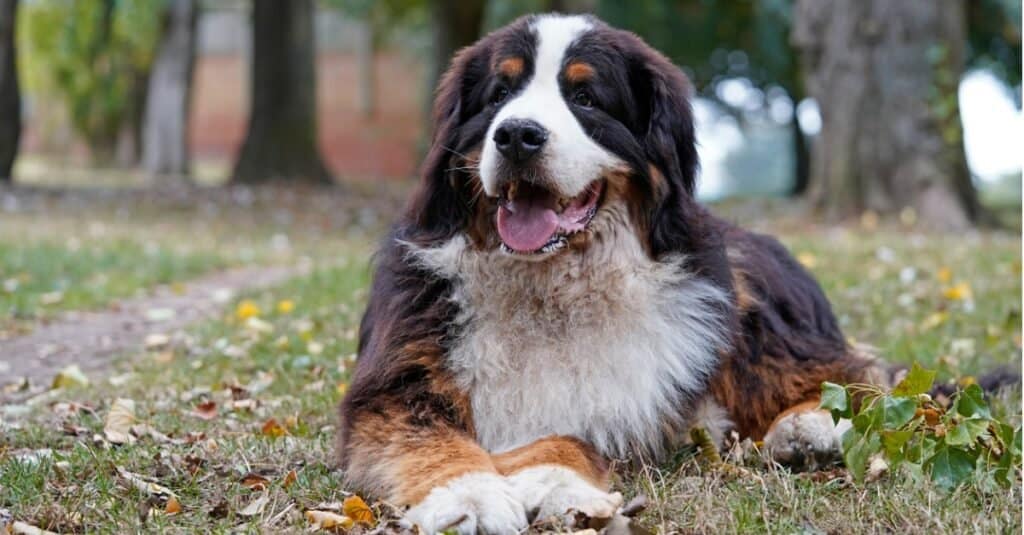
Because the breed nearly went extinct in the late 19th century, the modern population was rebuilt from a very small gene pool, leaving it highly vulnerable to inherited fatal illnesses.
©iStock.com/Kriste Sorokaite
Bernese mountain dogs have a significantly shorter lifespan than most other large dog breeds. While it is true that giant and large dogs generally live shorter lives than small dogs, the average lifespan of a Bernese mountain dog is tragically brief, typically ranging from 6 to 8 years, with some individuals living up to 9 or 10 years.
Bernese mountain dogs are prone to numerous life-threatening conditions, including a genetic predisposition to cancer and gastric dilation-volvulus (bloat), a sudden, life-threatening twisting of the stomach.
Although they are not considered life-threatening, Bernese mountain dogs are also prone to hip and elbow dysplasia, which can severely affect their quality of life from an early age.
Bernese Mountain Dog: Life Stages
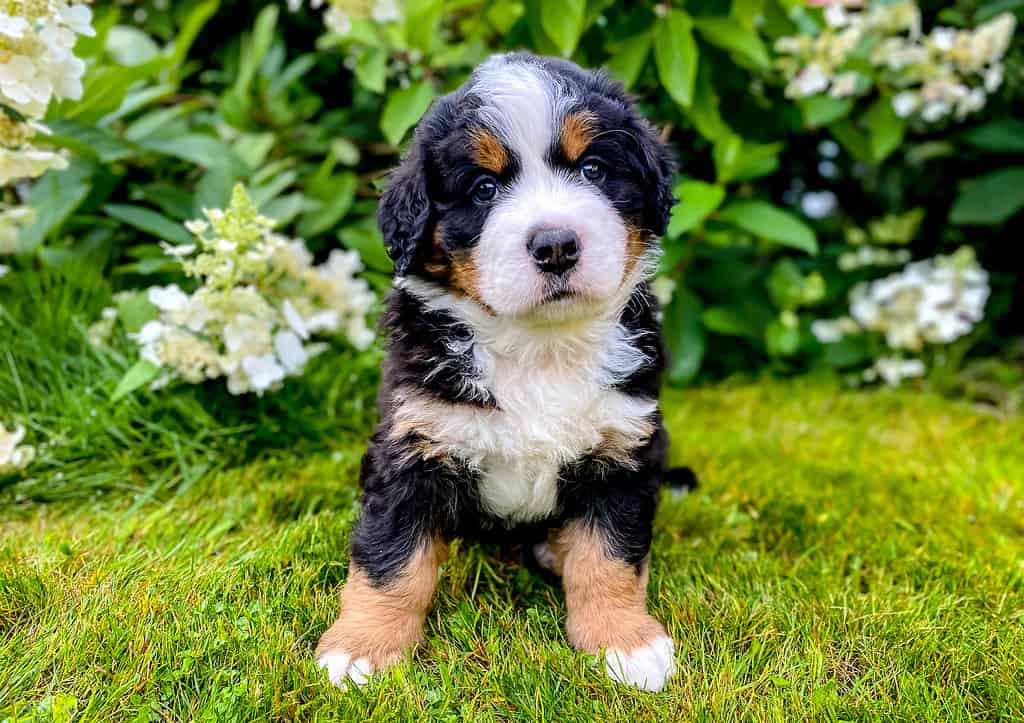
Bernese mountain dogs are considered puppies for longer than most dogs.
©iStock.com/Marketa Vydrova
Larger dogs remain puppies longer than small dogs because they take more time to reach their full size. Bernese mountain dogs may not reach their full size until they are two to three years old or even older. They finish physical growth and reach mental maturity around age two.
It’s important not to overexercise Bernese mountain dog pups, as this can negatively affect their growing joints. Common advice includes letting the dog set the pace during exercise, avoiding strenuous activities like hiking, and limiting repetitive exercises (such as games of fetch) that can cause a dog to overexert themselves.
Bernese mountain dogs are generally considered mature adults between two and five years of age. Adult Bernese mountain dogs can handle more exercise, are less rebellious than they were in their puppy years, and do not yet have the health problems associated with senior dogs.
Because of their giant size and shorter life expectancy, Bernese mountain dogs are generally considered seniors at about five years of age. Senior dogs may need to slow down when it comes to exercise, though this isn’t necessary until your dog shows less interest or a desire to shorten walks or playtime.
From What Do Bernese Mountain Dogs Typically Die?
Modern Bernese mountain dogs stem from a small founding population and closed studbooks—formal breed registries that permanently restrict registration to animals whose parents are already registered within the same book. This ensures all offspring trace their lineage entirely back to the original foundation stock, severely restricting the breed’s genetic diversity.
This high level of inbreeding amplifies recessive mutations, predisposing the breed to a significantly elevated risk of various aggressive cancers (particularly histiocytic sarcoma and lymphoma), severe joint issues like hip and elbow dysplasia, degenerative myelopathy, and autoimmune conditions, including Immune-Mediated Hemolytic Anemia (IMHA), in which the immune system mistakenly targets and destroys the dog’s own red blood cells. IMHA results in severe anemia, profound weakness, pale or yellowed gums, and rapid breathing.
Bernese mountain dogs have a high rate of inherited hip and elbow dysplasia, which almost invariably leads to painful degenerative joint disease later in life and frequently results in humane euthanasia.
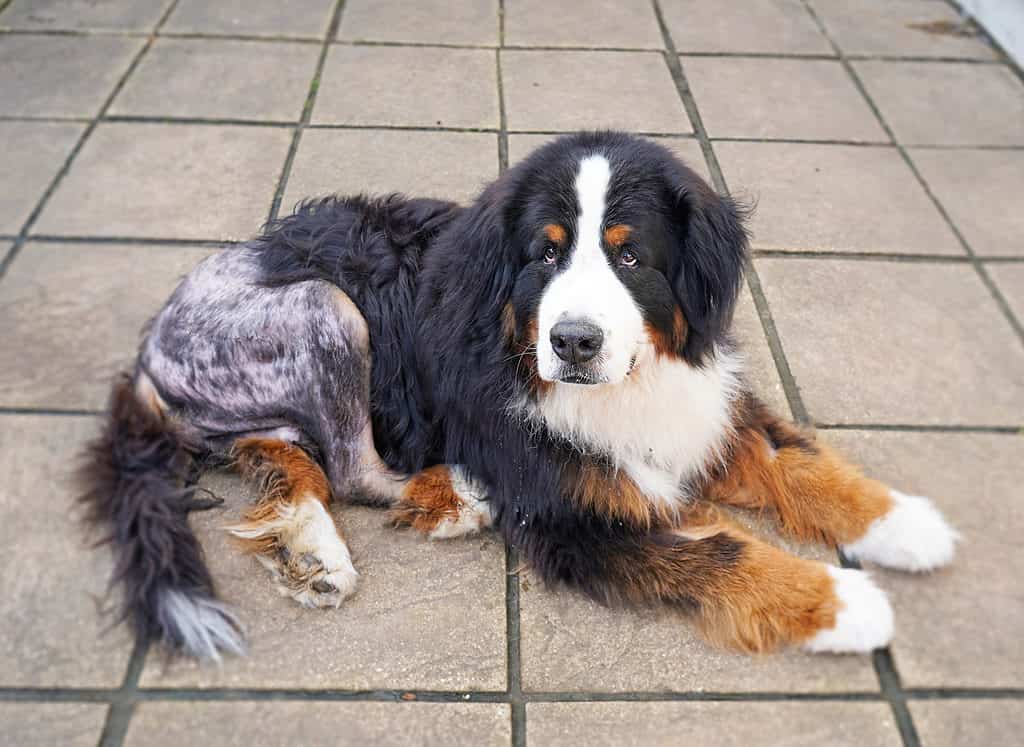
Bernese mountain dogs often struggle with joint problems.
©iStock.com/Kriste Sorokaite
Gastric dilatation-volvulus (GDV) has a mortality rate of approximately 10% to 20% even with prompt and aggressive veterinary care.