
Quick Take
- How often you feed your dog may matter more than what you feed them, and the answer drawn from 50,000 dogs will surprise most owners. See the feeding frequency finding →
- Skipping your dog's teeth brushing goes beyond being a simple dental problem. It is actually a risk factor for three serious diseases that most owners never connect to a dirty mouth. See the three disease risks →
- Inactive dogs face a dramatically higher risk of one condition most owners assume only affects older humans, and the gap is bigger than you would expect. See the inactivity risk data →
- Many owners chalk up their dog's behavior changes to 'getting older,' though that assumption could cause them to miss something treatable. Spot the warning signs →
What if you could increase your dog’s lifespan and ensure they age healthily? One research study and organization have attempted to achieve this exact thing.
The Dog Aging Project is a massive collaboration involving scientists, veterinarians, and dog owners willing to track their dog’s age over time. The project studies more than 45,000 dogs across the United States.
“We expect to learn which types of diets, which types of exercise regimes, and which types of husbandry are associated with better long-term outcomes,” said Dr. Kate Creevy, the chief veterinarian of the Dog Aging Project, “so that we can do things that help them have a better quality of life into their later years.”
So, what has the Dog Aging Project revealed, and how can you keep your dog living its best life during its later years? Here are the seven habits this research and accompanying veterinary logic suggest most.
1. Keep Your Dogs at a Healthy Weight
Unhealthy weight in dogs is more common than most owners realize, and its negative consequences have the potential to extend throughout their entire lives. Matt Kaeberlein, co-director of the Dog Aging Project, has described an “epidemic of obesity among dogs” that tends to mirror the trends and weight consequences found in human health.
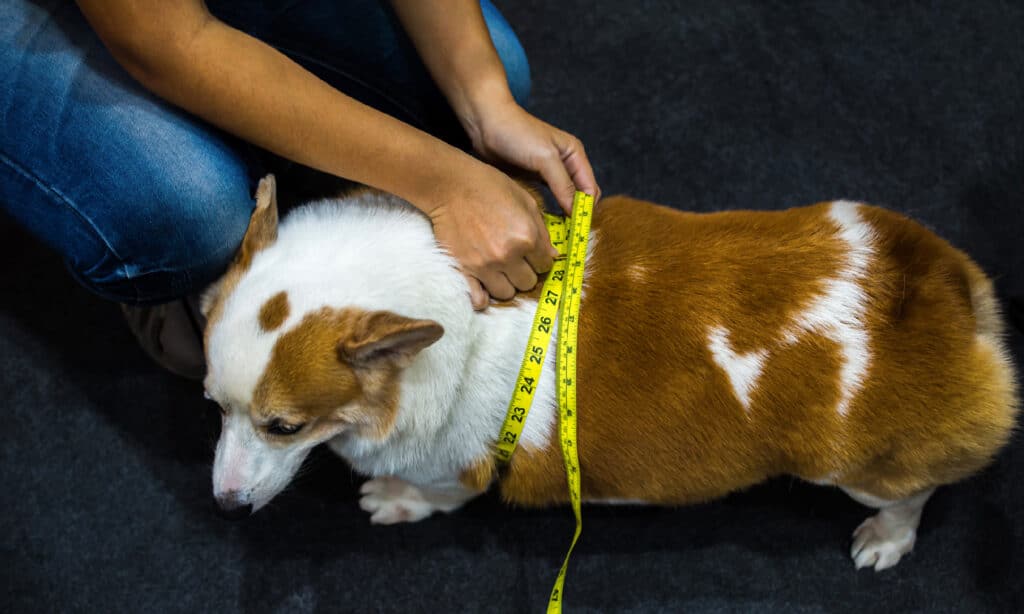
Overweight dogs can face the same health issues as overweight humans.
©iStock.com/PongMoji
For example, excess body weight in dogs is linked to orthopedic disease, diabetes, cardiovascular problems, and shortened lifespan; the earlier in a dog’s life the weight accumulates, the more damaging the long-term effects tend to be, which can place even more pressure on dog owners with puppies.
Thankfully, body weight is something owners can assess at home, without a vet’s advice in most scenarios: a dog at a healthy weight should have a visible waist when viewed from above, and ribs that are easily felt but not prominent to the eye. If you’re unsure what weight is healthy or ideal for your pup, a quick check at the vet’s office is the most reliable starting point.
2. Prioritize Regular Exercise
The Dog Aging Project’s data on exercise shows that it is integral to the overall health of any dog. Research published in the journal GeroScience found that dogs that don’t exercise have a six times greater chance of developing canine cognitive dysfunction or dementia compared to those that remain active.
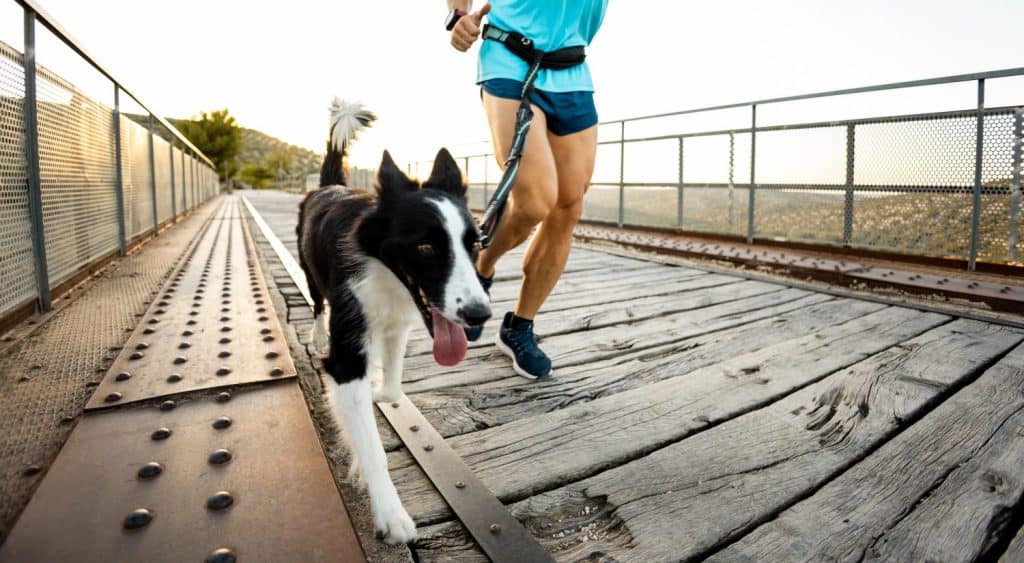
Exercise is key to a dog’s health, no matter their age.
©Yiistocking/Shutterstock.com
Regular physical activity also obviously supports weight management, joint health, cardiovascular function, and overall behavioral wellbeing. The right amount and type of exercise vary significantly by breed, age, and individual health status, but any movement at any age is better than none, and sustained inactivity carries real risk to any dog.
3. Schedule Routine Veterinary Exams
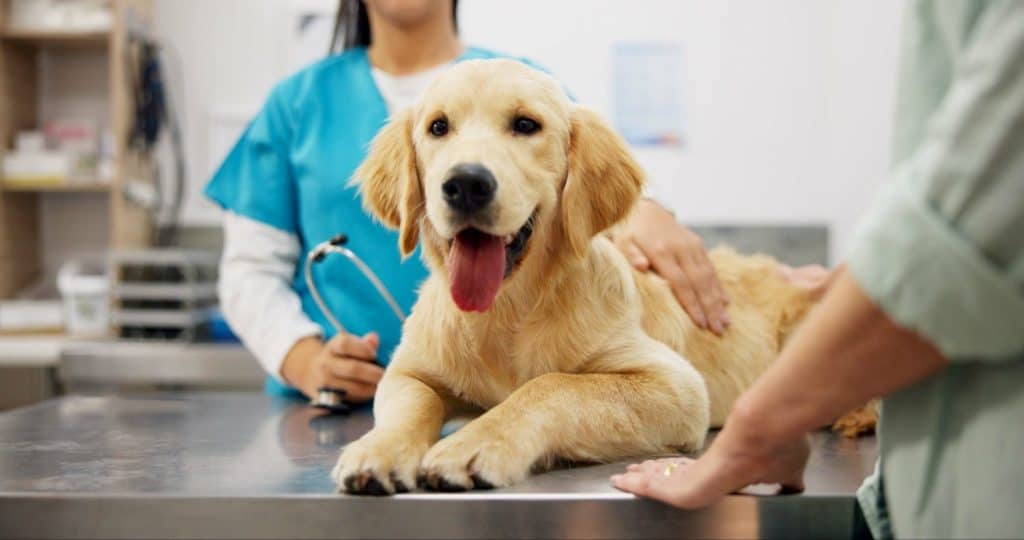
Just like humans, dogs should see their doctor regularly.
©PeopleImages/Shutterstock.com
Annual wellness exams for your dog are one of the most reliable tools for catching any potential problems early. Many common and life-altering conditions in dogs develop gradually, but they can be detected through blood work and physical examination before larger issues ever appear.
4. Dental Health is as Important as Any Other Health
Dental health is one of the most undertreated and even neglected conditions in dogs, but the consequences of tartar on teeth can be severe. Kaeberlein has cited it as a risk factor for multiple conditions: “Periodontal disease is a risk factor for dementia, cardiovascular disease, diabetes…” he noted. But how can these other diseases happen from a simple lack of teeth brushing?
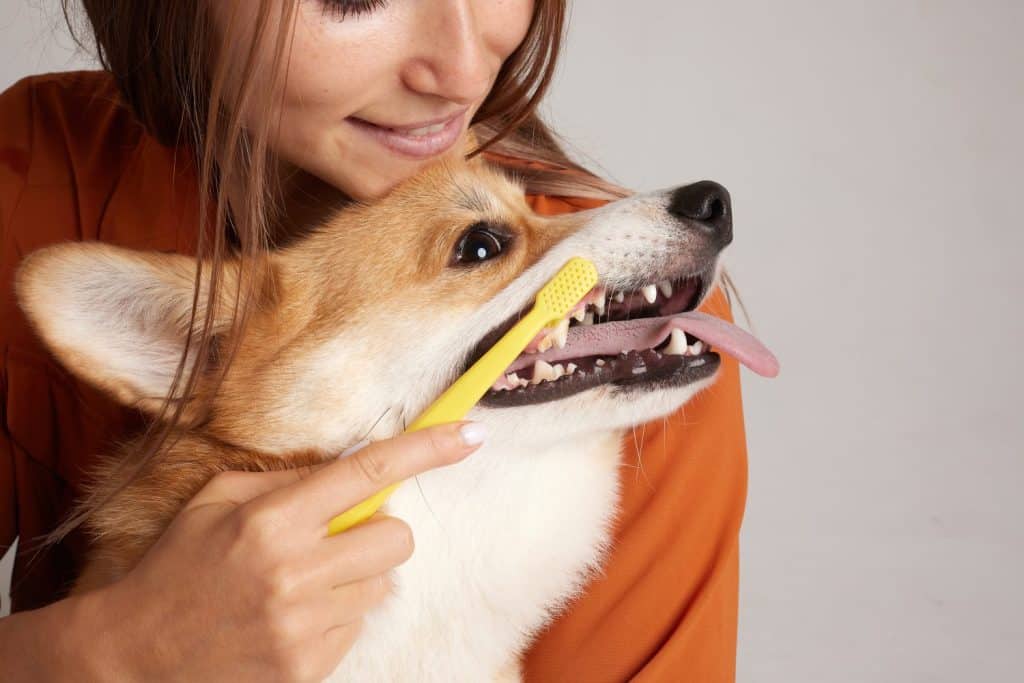
Dental health is integral for keeping your pup healthy in the long run.
©sergey kolesnikov/Shutterstock.com
Bacteria is the primary issue. It can spread from infected gumlines and enter the bloodstream, contributing to inflammation and long-term organ damage throughout the body. Estimates suggest that the majority of dogs over three years old have some degree of dental disease, but most of it remains invisible to owners without a professional exam.
Regular tooth brushing at home and professional cleanings under anesthesia are your best options, and treating dental disease early is substantially less expensive and less involved than managing untreated issues later in life.
5. Stay Current on Your Pup’s Parasite Prevention
Heartworm, fleas, ticks, and intestinal parasites are all dangerous possibilities for dogs, but most are largely preventable with consistent use of veterinarian-recommended preventives. These medications are even more important nowadays, as insect populations have exploded, even in areas where ticks or fleas aren’t historically common.
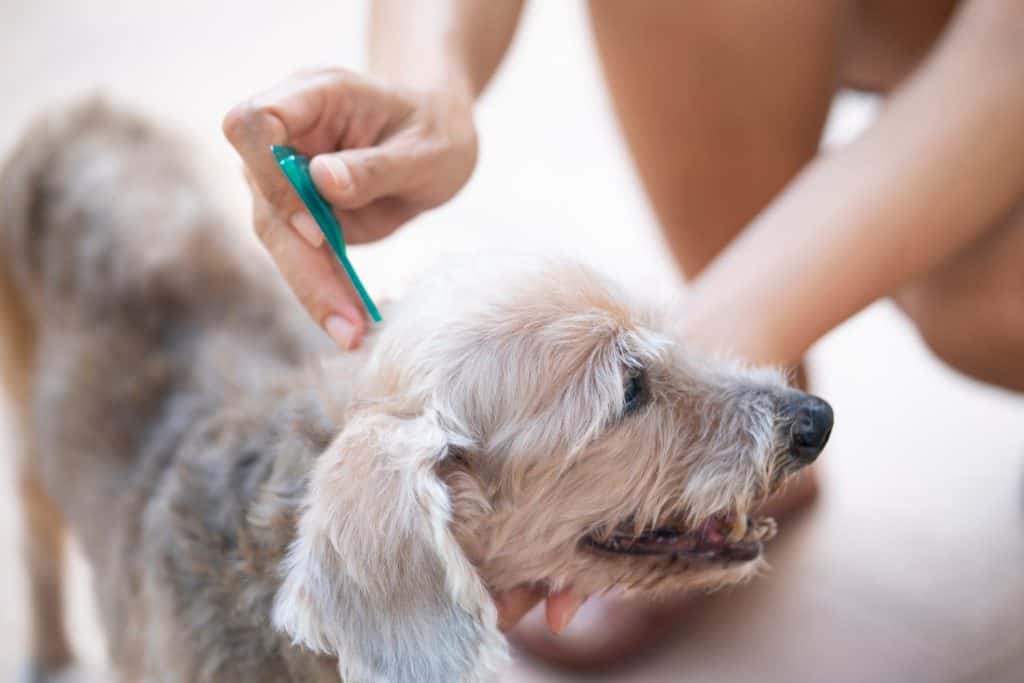
Routine parasite preventatives help keep your dog safe.
©Chutima Chaochaiya/Shutterstock.com
Prevention is considerably far simpler and less costly than treatment of the diseases caused by these parasites. Monthly preventives combined with regular tick checks and flea prevention products are the baseline recommendation for dogs across most of the United States. Always stay up on these!
6. Pay Attention to What Your Dog Eats (and How Often)
Nutrition is one of the most divisive aspects of dog care. There are strong opinions on everything, from raw diets to grain-free formulations to breed-specific foods to the ever-contested vegan food plans for these carnivores.

How often your dog eats is important; it isn’t just what they eat.
©MPH Photos/Shutterstock.com
The Dog Aging Project offers a surprising finding to add to all of these debated issues: meal frequency is important to your dog. In an analysis of ten common health conditions, dogs fed once daily faced fewer issues compared to dogs fed multiple times in a day.
“In all 10 health conditions, the dogs fed once a day were less likely to have been diagnosed with that condition,” Kaeberlein said, describing the finding as one that surprised even the research team involved in the study.
What the research doesn’t yet support is a singular diet for all dogs. What veterinarians broadly agree on is the value of AAFCO-approved complete and balanced nutrition appropriate to the dog’s life stage, and the importance of avoiding both chronic overfeeding and nutritionally unbalanced homemade or raw diets without veterinary oversight. Don’t take too many chances on what you feed your dog!
7. Never Dismiss Behavioral Changes in Your Dog
Behavior change can be the first sign that something is medically wrong, especially in an aging dog. However, behavioral change is consistently underreported by owners who attribute them to their dog simply “getting older.” But what personality changes are the ones you should pay the most attention to?
Changes in sleep patterns, increased anxiety or confusion, reduced interest in play or interaction, altered appetite, house soiling in a dog that never had accidents before, and changes in response to familiar commands are all potential red flags. It’s important to stay attuned to your dog, especially as they get older.

Dogs of any age can benefit from these tips, but especially senior dogs.
©Vanessa Nunes/iStock via Getty Images
“It’s remarkable how much dog aging is teaching us about human aging,” said physician-scientist Dr. Laura Niedernhofer, MD, PhD, a professor of biochemistry at the University of Minnesota, reflecting on the Dog Aging Project’s broader purpose. Man’s best friend continues to teach us about ourselves, especially when it comes to human health.
For now, the dogs aging most successfully are, in most cases, the ones whose owners have been paying the most consistent attention. Check in with your pup, and ensure they have your support, especially as they age!