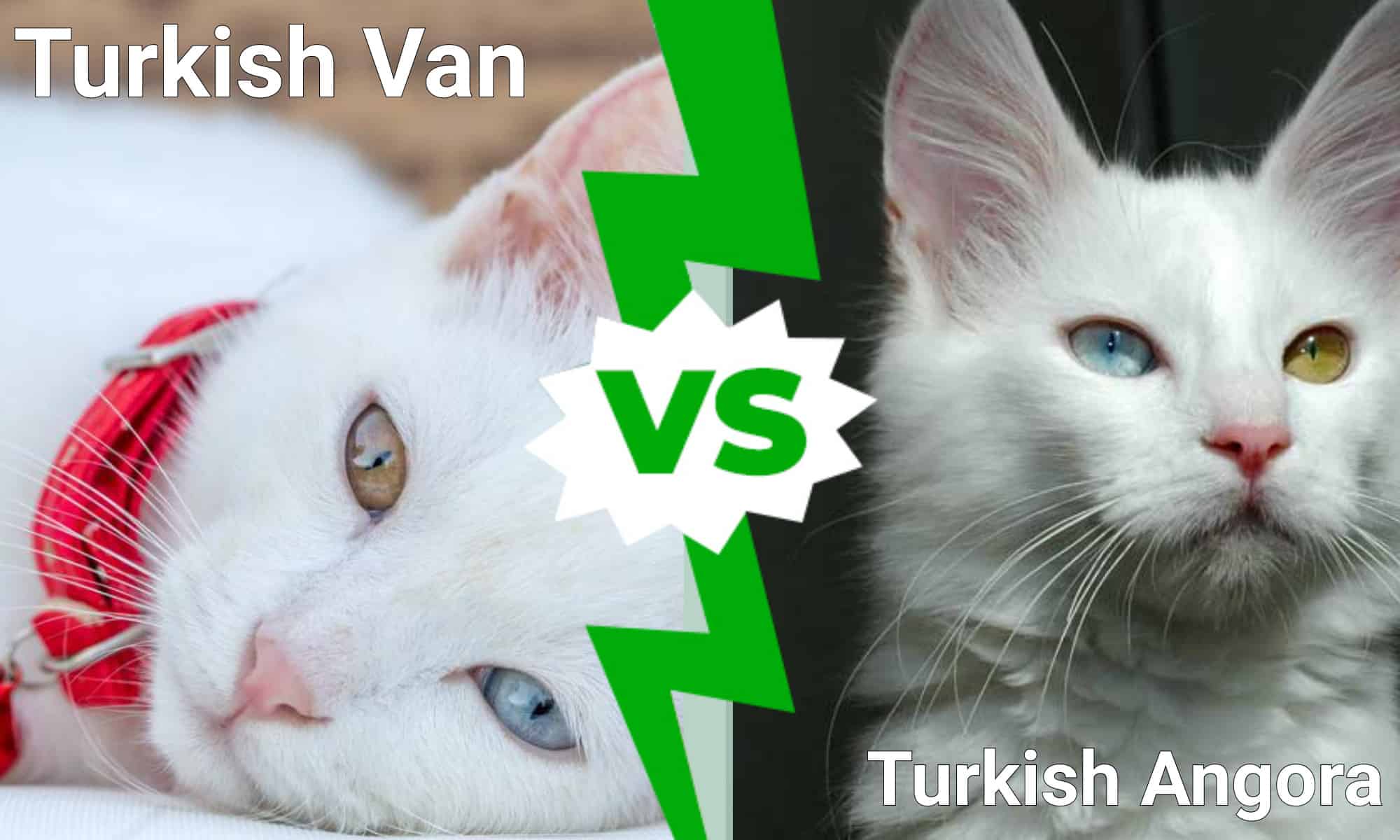

The Turkish Van and the Turkish Angora are cat breeds that are often confused with one another. At first glance, it’s easy to see why these cats could be mistaken for one another. After all, they’re both beautiful cats with white coats and both have the word “Turkish” in their names. However, these cats actually have many differences that are worth discussing — especially if you’re considering owning one. In this article, we will look at the Turkish Van vs. the Turkish Angora to see what makes these two breeds unique.
Comparing a Turkish Van and a Turkish Angora
| Turkish Van | Turkish Angora | |
|---|---|---|
| Size | Height: 10-14 inches Weight: 10-20 pounds | Height: 9-14 inches Weight: 5-10 pounds |
| Physical Characteristics | Large and muscular; short, broad head; long coat; all white except the head and tail | Smaller and more slender; small, triangular head; long coat; originally all white, now almost every color |
| Temperament | Playful, affectionate, lots of energy; likes water and will sometimes swim | Sweet, gentle, highly-intelligent; also known to like water |
| Maintenance | More high-maintenance due to heavier seasonal undercoat | Silky, single coat is not prone to matting |
| Health Concerns and Lifespan | May suffer from diabetes, ear infections, liver problems, and respiratory issues; 12-17 years | White cats are prone to deafness; all colors susceptible to hypertrophic cardiomyopathy and ataxia; 15-20 years |
History of the Turkish Van and Turkish Angora
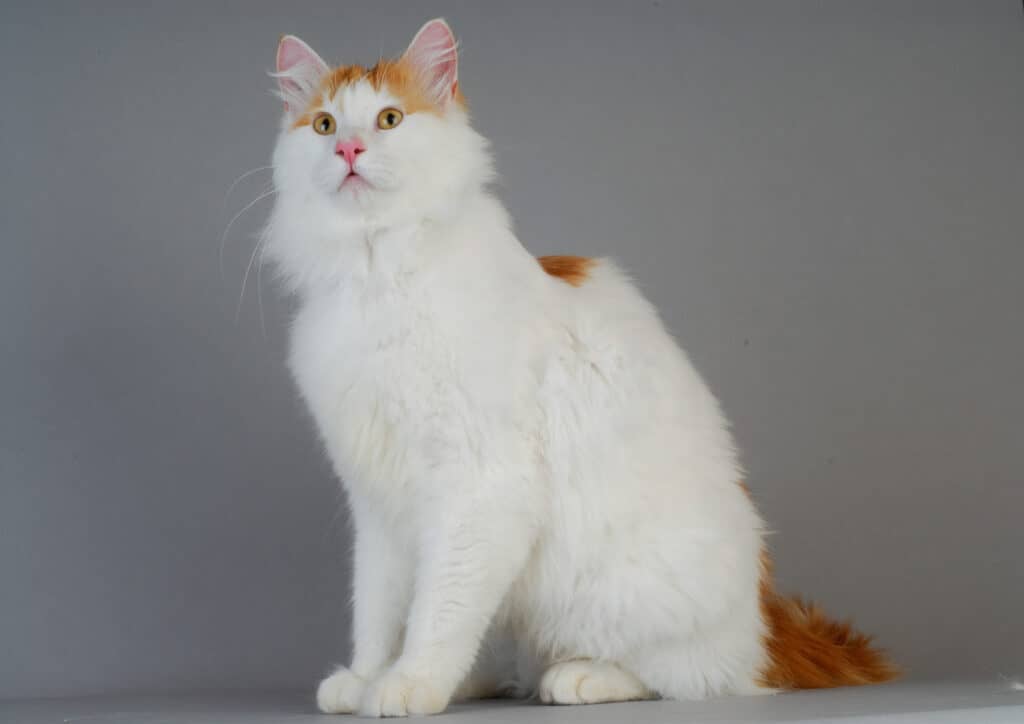
The Turkish Van originally came from the Lake Van region in Turkey, which is where its name comes from.
©iStock.com/Michel VIARD
Although both cats originated in Turkey, they have unique histories that add to their allure. The Turkish Van, also known as a Van cat, is a type of domesticated cat that was developed in the United Kingdom. This cat was developed by selecting different types of domesticated cats in Turkey — specifically in southeast Turkey. The cat’s ancestors were known to live in the Lake Van region, which is a part of Turkey that borders the Armenian highlands. The cat was originally called the Turkish cat; however, it was renamed Van in order to distinguish it from the Turkish Angora.
The Turkish Angora is considered a breed of domestic cat. It has been documented to exist as early as the 17th century. It is considered an ancient breed of cat that originated in Anatolia, which is modern-day Turkey. Just like other domesticated cats, the Turkish Angora is a descendant of the African wildcat (Felis lybica). The ancestors of this cat were one of the first domesticated cats in the Fertile Crescent.
Key Differences Between Turkish Vans and Turkish Angoras
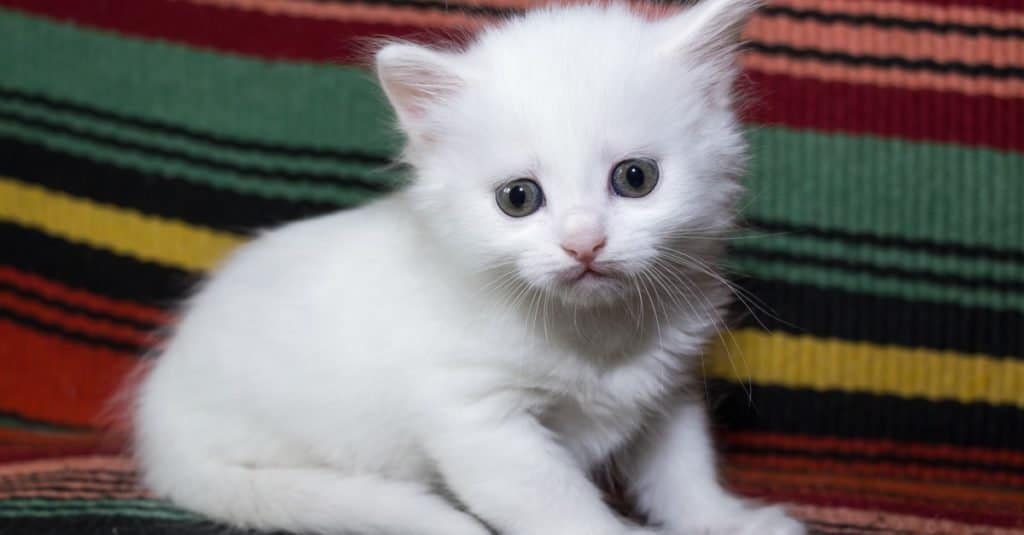
Turkish Angoras originated in Anatolia, which is modern-day Turkey.
©Alexanro/Shutterstock.com
Although these cats do have similarities in origin and appearance, they have many differences that set them apart. These include size, physical characteristics, temperament, maintenance, and common health issues. Take a look at each of these differences in greater detail in the paragraphs below.
Size
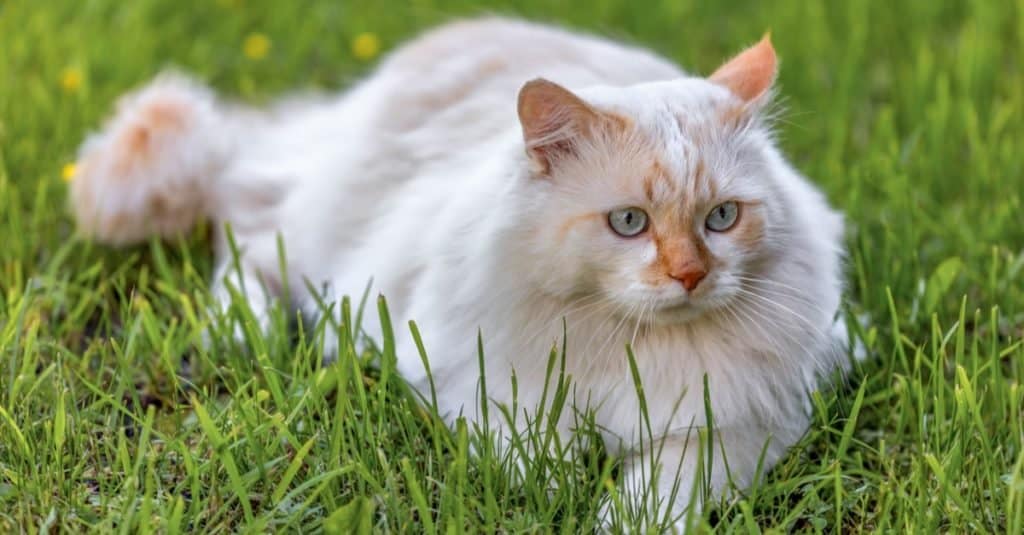
A Turkish Van, shown here, tends to be larger and more muscular than a Turkish Angora.
©Vadim Petrakov/Shutterstock.com
Turkish Vans are medium to large cats that tend to be larger and more muscular than Turkish Angoras. Vans generally measure 10-14 inches in height. They weigh between 10 and 20 pounds, with females being smaller.
Turkish Angoras are generally smaller and less bulky. They measure between 9 and 14 inches in height. These medium-sized cats typically only weigh between 5 and 10 pounds, but some large males may weigh more.
Physical Characteristics
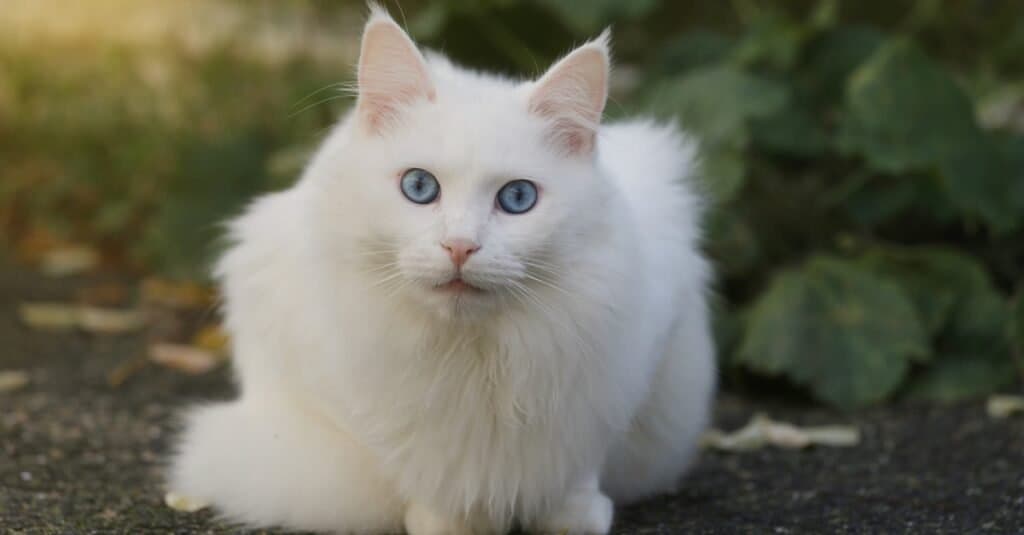
Original Turkish Angora cats were all white in color with distinct blue or green eyes.
©love pattern/Shutterstock.com
At first glance, these two cats look similar. However, they have important distinguishing features when it comes to their appearance. Let’s start with the Turkish Van’s appearance. This cat has a large body that is more muscular than it might appear. They have short, broad heads with high, wide-set ears. Their coats are long and incredibly soft. Some even compare this cat’s coat to the softness of cashmere. They are all white except for their heads and tails. You’ll often see their head and tail colors in various shades such as red, brown, and cream. They may have blue, amber, or odd eyes. Finally, mature Turkish Van cats will have a brush tail along with lots of neck ruff.
The Turkish Angora is more slender and elegant in appearance. Their bodies are small to medium in size, but they are not as muscular as a Turkish Van. They have triangular heads and large, pricked, high-set ears, giving them a rabbit-like appearance. The Turkish Angora has a long coat that is quite silky as well. They are the types of cats whose coats will blow in the wind. These cats are often considered more low maintenance thanks to their coat type. Original Turkish Angora cats were all white in color with distinct blue or green eyes. However, over the years, they have evolved to exhibit more colors in their coats such as tabby and tortoiseshell. Any eye color is accepted, and odd eyes are particularly prized.
Temperament
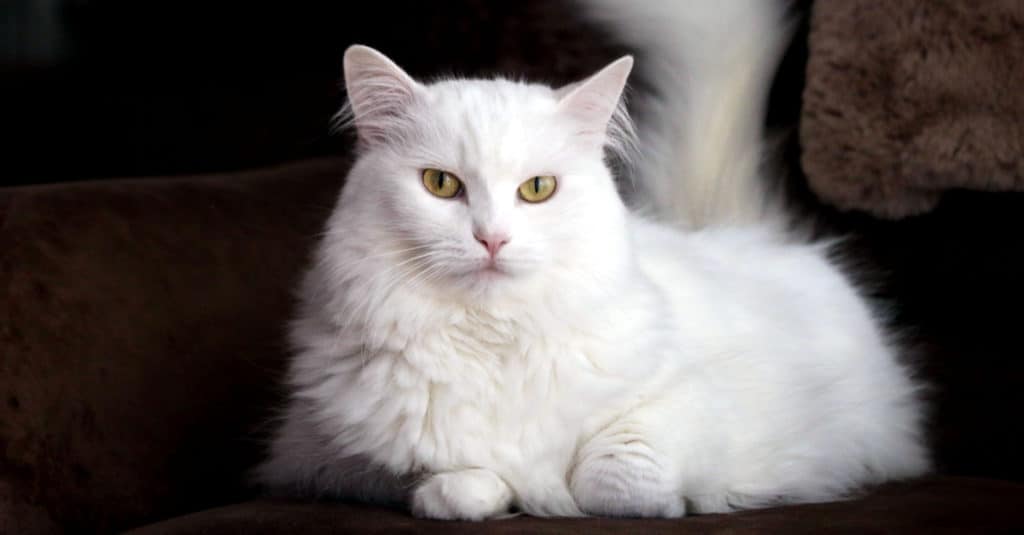
Turkish Angoras are very social and outgoing cats that love people.
©TheCats/Shutterstock.com
The Turkish Van cat is a friendly and outgoing cat. Many cat owners who own a Turkish Van say that these cats are incredibly affectionate. Since they have sweet personalities, they often get along with children in the household, as well as other pets. However, they do not typically like to be carried. They are highly energetic and athletic with strong hind legs, so you’ll often find them climbing and jumping onto high surfaces. Turkish Vans are also known for their love of water and will sometimes swim. A Van cat needs a lot of playtime so that they can get all of their energy out during the day.
Turkish Angora cats are incredibly social and outgoing in personality. They are actually described as social butterflies. These cats love to be around humans and they will definitely grow a special bond with their owner. Compared to other cat breeds, the Angora prefers not to be left alone. This means that they do well in households with multiple pets as well. They’re also incredibly energetic cats. Sometimes when you leave them alone for too long they can get themselves into trouble. This is because they are intelligent cats and you can find them opening cabinets or even knocking things off tables. Like Turkish Vans, Angoras are also fascinated by water.
Maintenance
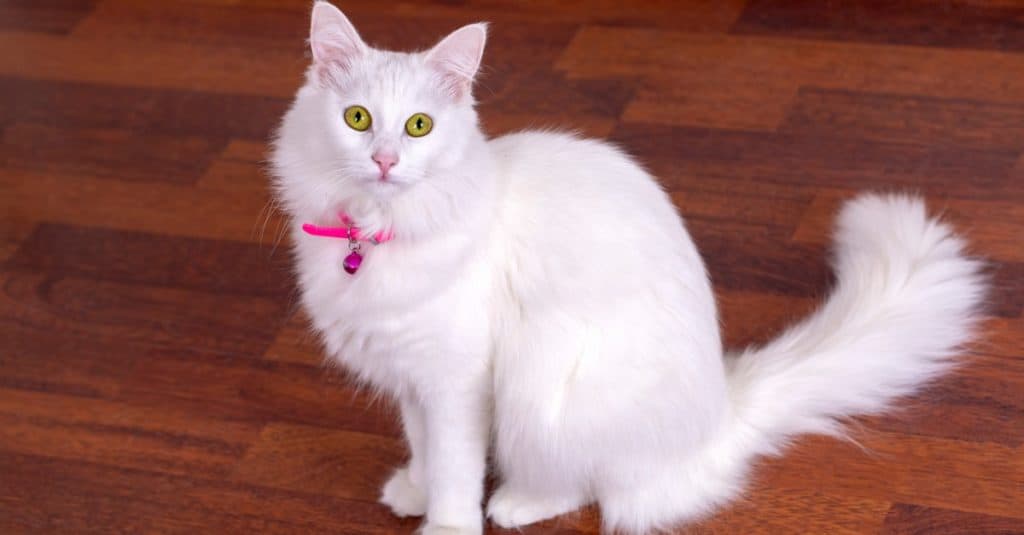
The Turkish Angora cat has a silkier coat, making it easier to manage.
©Esin Deniz/Shutterstock.com
The Turkish Van cat will need regular maintenance, especially when it comes to grooming. This is a higher-maintenance cat because of its undercoat. Owners will need to brush their coats at least once a day to prevent knots or tangles. During the summer, their coat is finer and it’s easier to brush through it. However, once the winter rolls around, their coat will become heavier and more difficult to brush. It is often recommended to begin brushing Turkish Van cats from a young age so they get used to it and don’t resist it when they’re older.
The Turkish Angora cat has a silkier coat with no undercoat. Their coats are not prone to matting, so they are usually easier to manage. You will only have to brush their coat once or twice a week during most of the year. However, during the summer months, you may need to increase their brushing as they do shed. The best kind of brush to use on their coat is a fine-toothed brush.
Common Health Problems
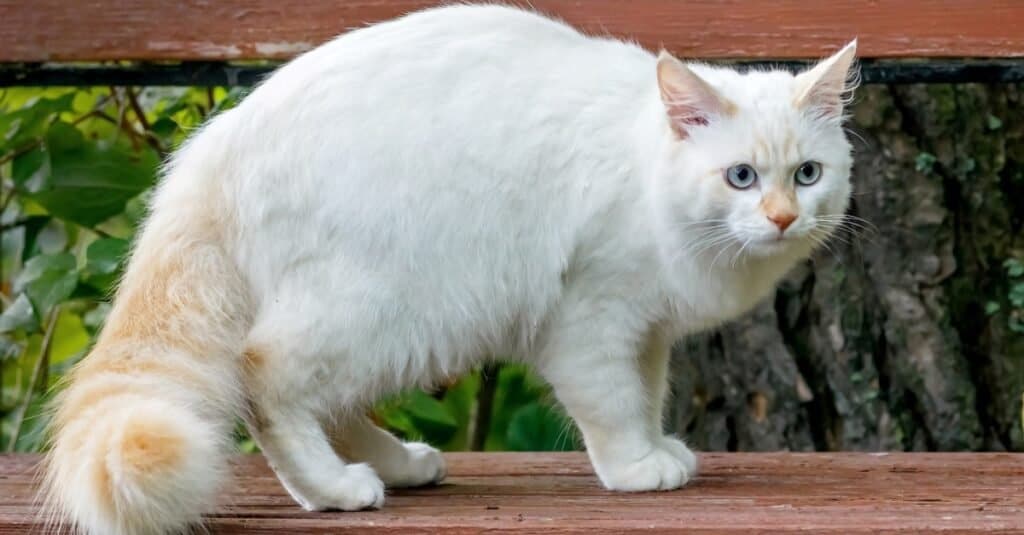
Turkish Vans tend to be a healthy breed with a lifespan of up to 17 years or more.
©Vadim Petrakov/Shutterstock.com
Both of these cats are predisposed to different health problems. The Turkish Van is less likely to suffer from health problems compared to the Turkish Angora. They are a healthy breed that typically lives a long life of 12-17 years. Although they are a healthy breed, there are still some problems they can suffer from. These problems include diabetes, ear infections, elevated liver enzymes, and respiratory issues.
The Turkish Angora is also usually a healthy breed that typically lives 15-20 years. However, the all-white Turkish Angora with blue eyes is more prone to deafness in their lifetime. Another common issue that Turkish Angora cats may suffer from is hypertrophic cardiomyopathy. This is a heart disease where the heart muscle is enlarged. Finally, they can also suffer from ataxia. This is a neuromuscular disorder that can impact kittens and leads to problems with balance and coordination.