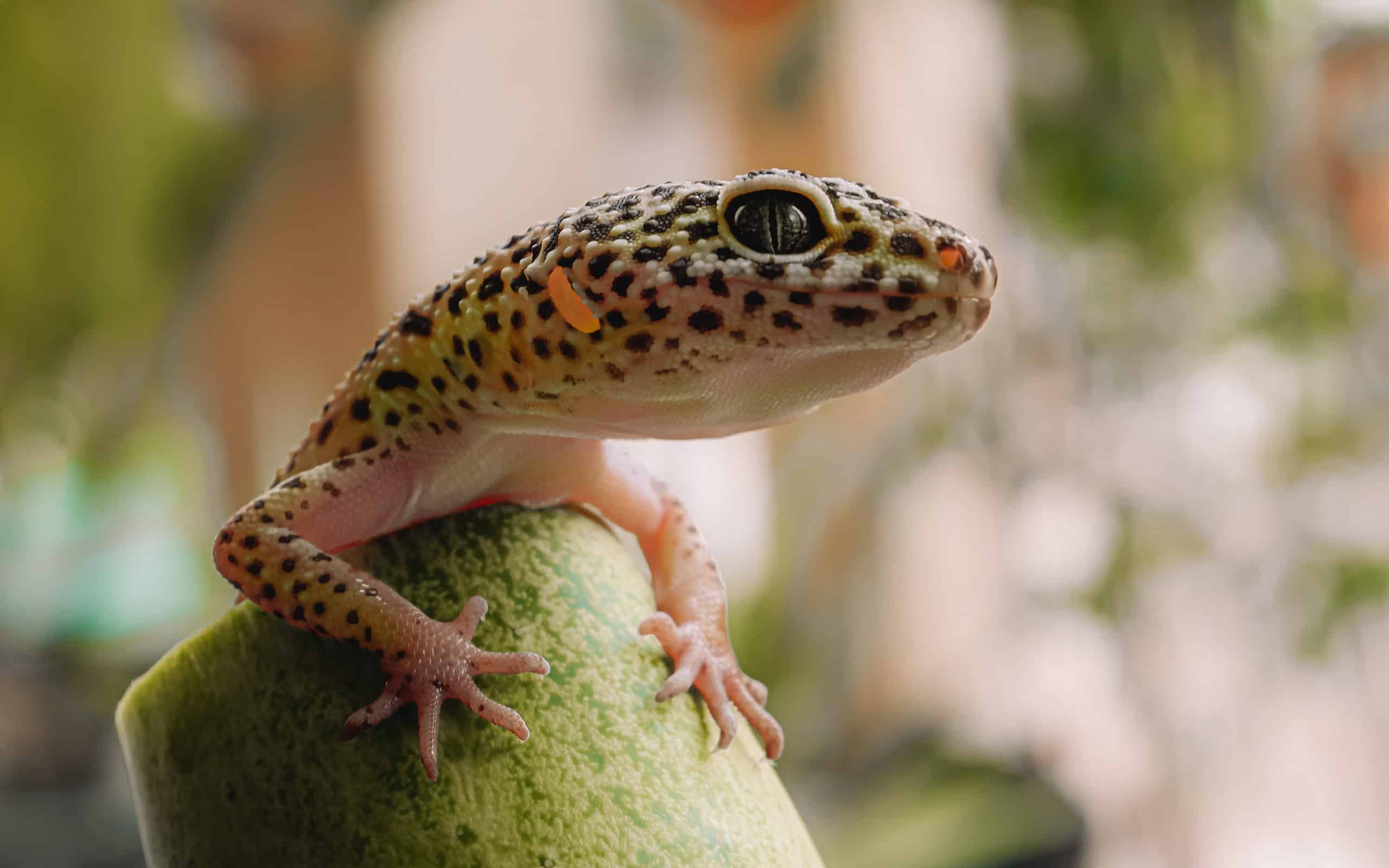

Adorable, low-maintenance, and friendly, leopard geckos are fascinating animals, both as pets and in the wild. They are known as the very first species of lizard to be widely domesticated. Starting in the mid-1970s, these plucky little geckos were transported from their native habitats to homes all over the world to be kept as pets. This has prompted many gecko owners and reptile enthusiasts to ask, “How long do leopard geckos live?”
Whether you are a proud leopard gecko owner, plan on adopting one, or are simply captivated by this unique species, it’s understandable that you’d want to know how long their lifespans are. Let’s take a look at how long you can expect a typical leopard gecko to live. We’ll also cover what factors influence their lifespans in the wild and captivity.
How Long Do Leopard Geckos Live in the Wild?
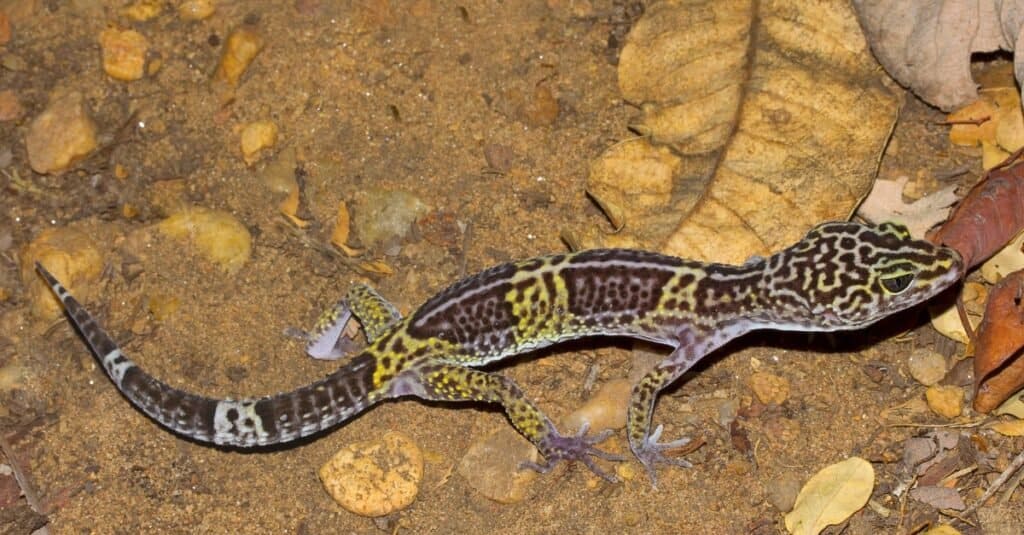
Wild leopard geckos tend to be smaller and thinner than captive geckos.
©iStock.com/ePhotocorp
Leopard geckos are native to the dry, hot, mountainous deserts of the Middle East. More specifically, they inhabit parts of Iran, India, Pakistan, and Afghanistan. Part of the reason why these lizards are so hardy and easy to care for in captivity is that they have adaptations to handle harsh conditions in their native habitats.
Despite their robust, sturdy natures, a wild leopard gecko’s average lifespan is usually only around 6 to 8 years. Females tend to live slightly shorter lives than males. This is due to the physical and mental stressors involved in repeated breeding and egg-laying.
There are many reasons why wild geckos’ lifespans are so short. These include numerous predators, harsh weather, scarce resources, injuries, stress, parasites, and a variety of illnesses and health conditions they are more susceptible to when not closely monitored in captivity.
Problems with the Leopard Gecko Defense Mechanism
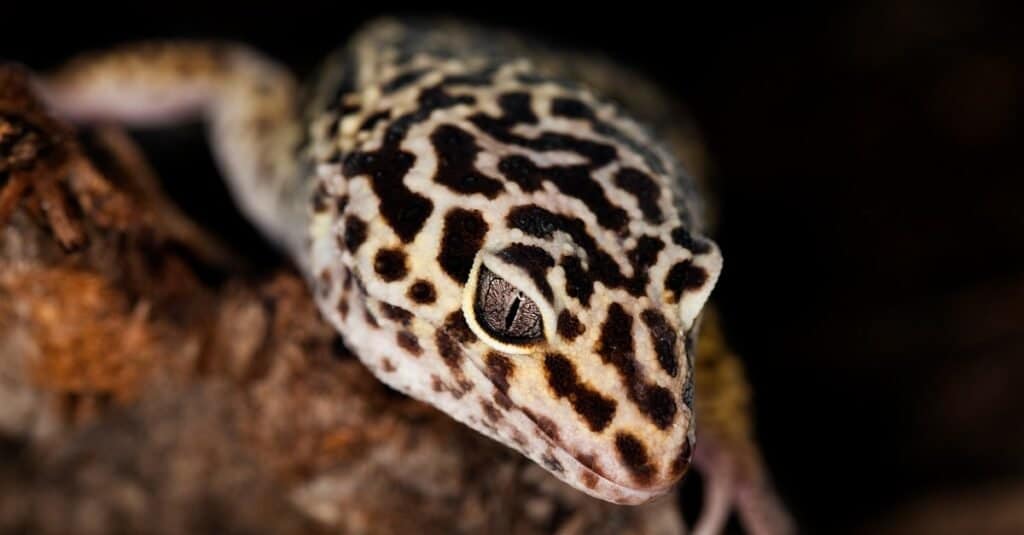
Leopard geckos can drop their tails, but it costs them their fat reserves.
©iStock.com/slowmotiongli
Unfortunately, leopard geckos have only one reliable defense mechanism in the wild: tail dropping. This is also known as caudal autotomy. While it can prove effective as a one-time escape, it takes several weeks for their tail to regrow.
When their tail does grow back, it won’t be as large as the original. In the meantime, the gecko will also lose a significant amount of fat stored in its body. Research shows that the process of autotomy also significantly changes a leopard gecko’s posture and gait.
When a leopard gecko drops its tail too often, it becomes stressed and weakened as a result. They can also sometimes drop their tails out of fear or sudden anxiety, even if they are not being actively chased by predators. Without the fat normally stored in their bulbous, chunky tails, leopard geckos cannot survive without food for very long.
How Long Do Leopard Geckos Live in Captivity?
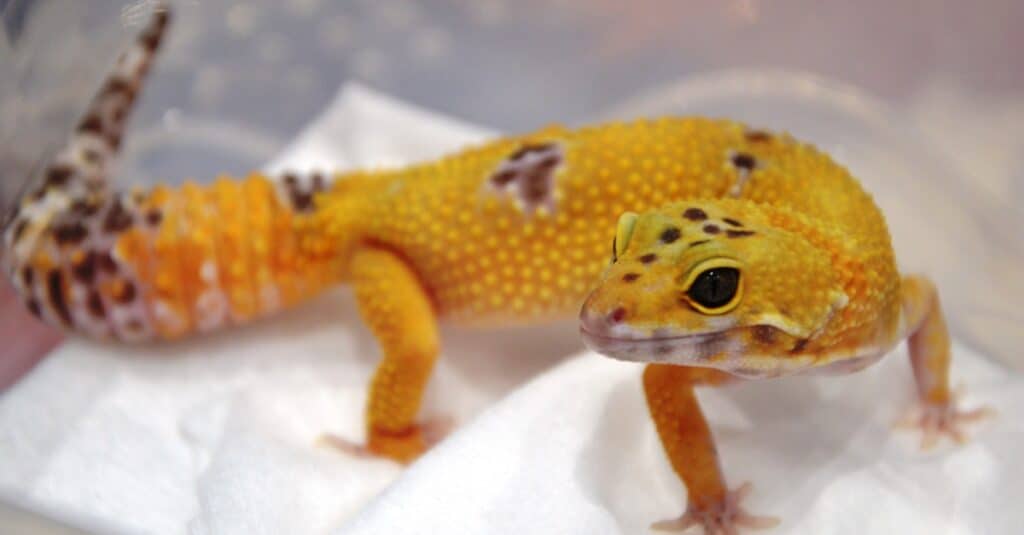
Captive leopard geckos have unique colors and patterns due to selective breeding.
©iStock.com/Vladimir Dyavhkov
Pet leopard geckos fare quite a bit better compared to wild leopard geckos. On average, they live for around 15 to 20 years, with some individuals living even longer with optimal care. Captive females also tend to have slightly shorter lifespans than males, as they will often lay infertile eggs, even if they have not been in contact with a male. This puts repeated stress on their bodies and shortens their lifespans.
Incredibly, many captive geckos have lived well into their twenties. The longest-living leopard gecko allegedly lived a whopping 32 years in captivity! There are even a few rumors of an individual in Germany living for as long as 40 years.
However, extraordinary reports such as these are rare and largely unconfirmed. As we learn more about leopard gecko husbandry and proper care for these unique lizards, their lifespans will hopefully continue to extend even further.
Why Do Captive Leopard Geckos Live So Much Longer?
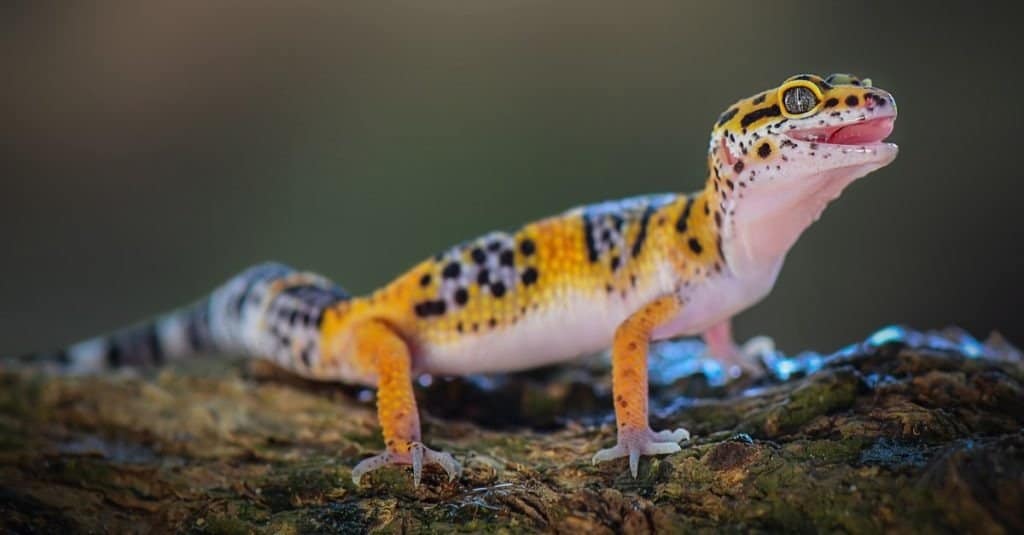
One reason captive leopard geckos live longer is that they have access to prompt veterinary care.
©DWI YULIANTO/Shutterstock.com
When it comes to leopard geckos in captivity, many factors contribute to their comparatively longer lifespans than wild geckos. These factors include:
- They have no predators, barring rare incidents like cat or dog attacks
- Much lower rates of parasites, as they eat insects that were raised in captivity to be sold to pet shops and other retailers
- Lower rates of illnesses and health conditions due to more sanitary and more closely regulated conditions
- Higher rates of effective, professional treatment for illnesses or health conditions
- Overall lower rates of stress compared to wild leopard geckos
Overall, the main reason why pet leopard geckos have longer lifespans is that they live in very strictly controlled enclosures. Temperature, humidity, and diet are all monitored and adjusted at the first sign of irregularities. If a gecko in captivity does become ill or injured, its owner usually has access to a local reptile veterinarian who can promptly treat it. This, in turn, leads to happier and healthier geckos who live well into their teens rather than perishing much earlier from predators, starvation, or illness.