
Quick Take
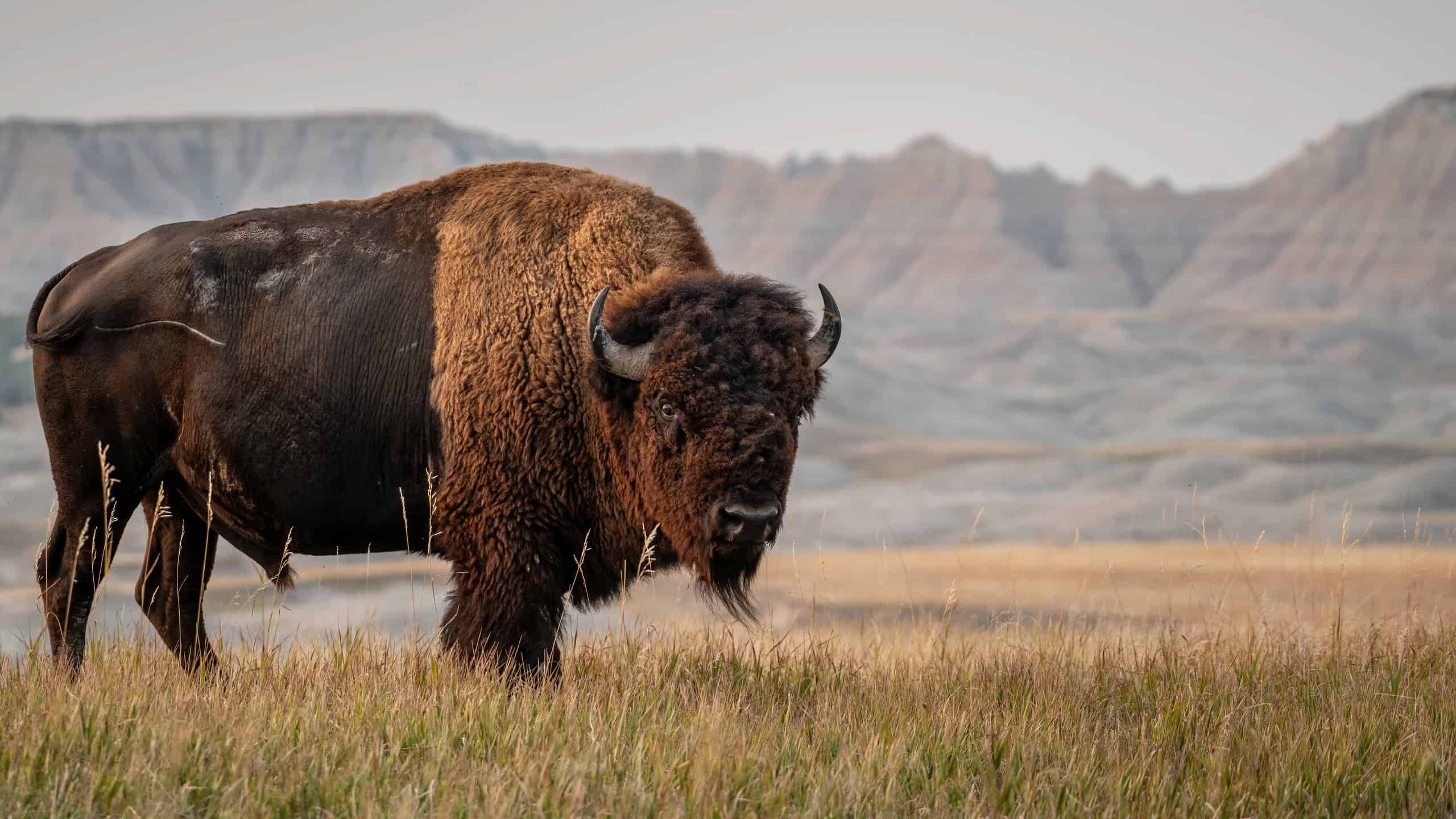
- Bison can sprint up to 35 mph and pivot quickly, making them far more agile than most people expect.
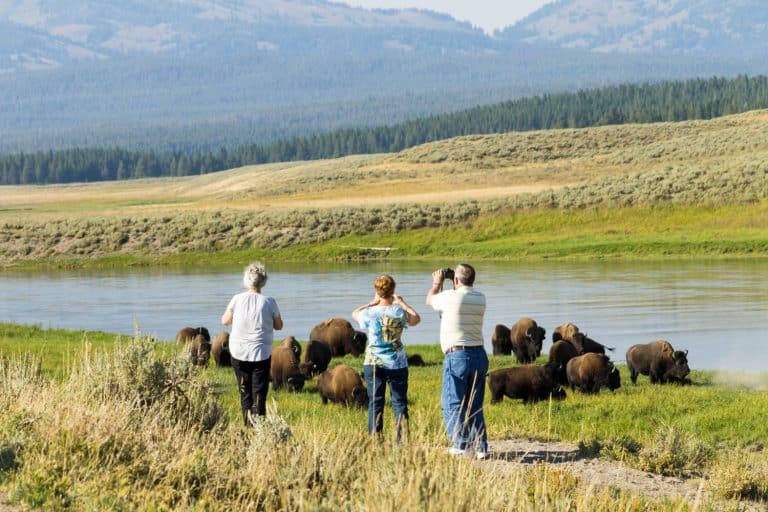
- The National Park Service requires visitors to stay at least 25 yards away — yet bison injure more people in Yellowstone than any other wild animal.
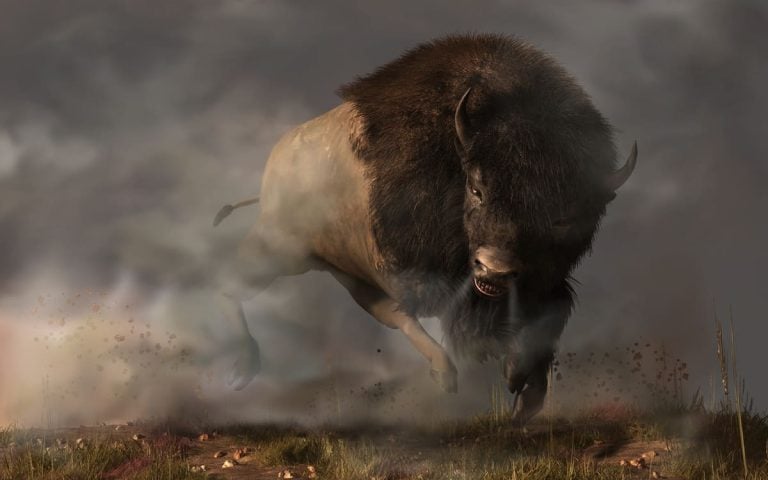
- What looks like an “angry” charge is often a defensive bluff meant to create space — but it can turn dangerous in seconds.
There is something so powerful about being around wild animals. Experiencing who they are up close and even being able to see them face-to-face or even touch them is a once-in-a-lifetime experience. However, sometimes we can get a little too comfortable and don’t know how to give wild animals the space they may need. Let’s see what happens when a tourist gets a little too close to a bison for its own liking.
Wild Bison Turns Angry
The TikTok video shows footage of a bison that gets angry at a woman for bothering it. At the beginning of the video, we see a herd of bison grazing as far as the eye can see. Two tourists are out in the field and are watching these bison. By the time the video picks up, we can see that the bison closest to them is clearly agitated and charges at them. We hear the woman screaming, and she accidentally trips.
According to the U.S. Department of the Interior, bison can run up to 35 miles per hour. However, that’s not the only thing that’s impressive about them. The site also says, “Bison can spin around quickly, jump high fences, and are strong swimmers.” Lucky for this woman, the bison did not use this power and trample her once she fell on the ground.
The bison appears to perform a bluff charge — a common defensive behavior used to create distance between itself and perceived threats. He then hovers over her as if to show his dominance before slowly backing away.
What is Special About Bison in the United States?
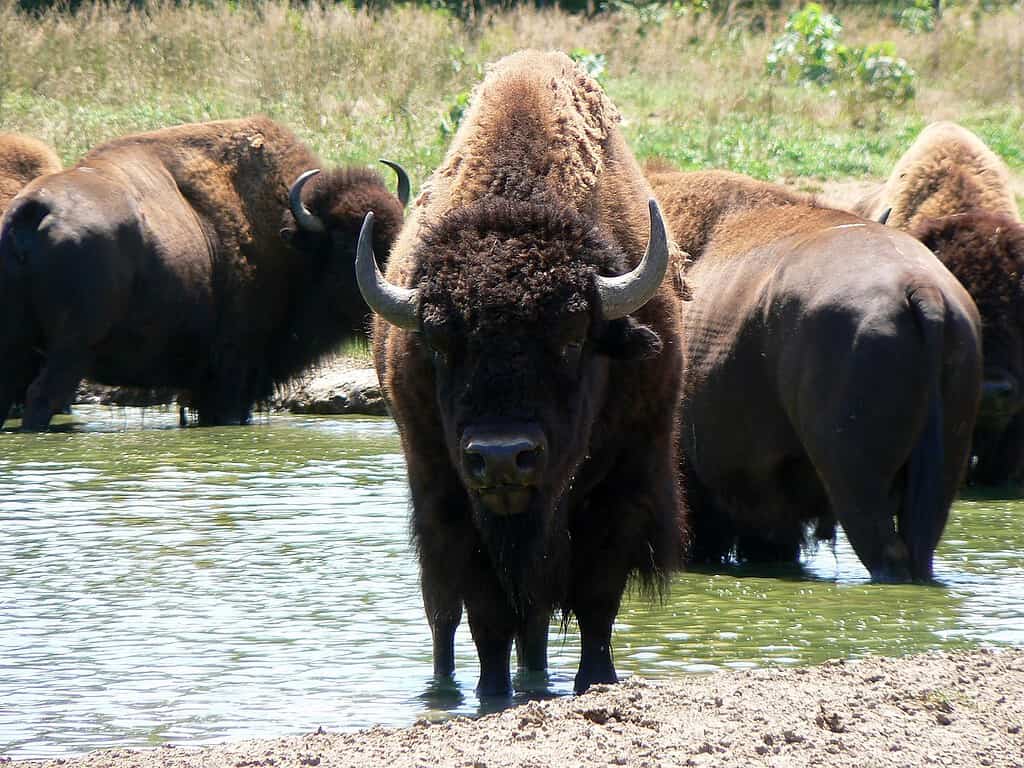
©User: MONGO / Public domain, via Wikimedia Commons – Original / License
The national animal of the United States is the bald eagle, which has symbolized the United States since 1782, when it was chosen for the Great Seal. However, in 2016, the bison was declared the national mammal of the U.S.
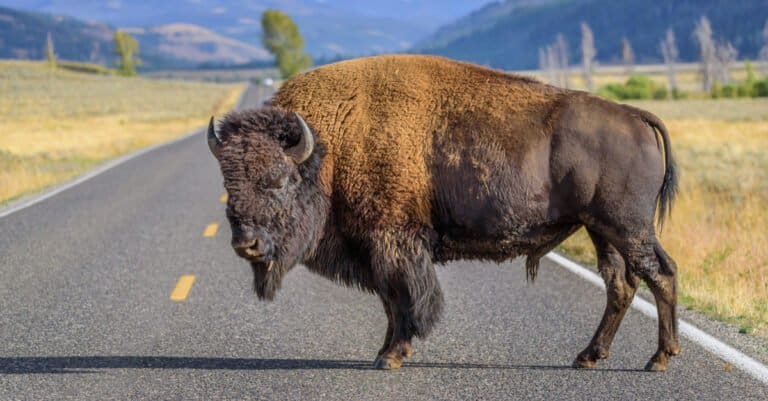
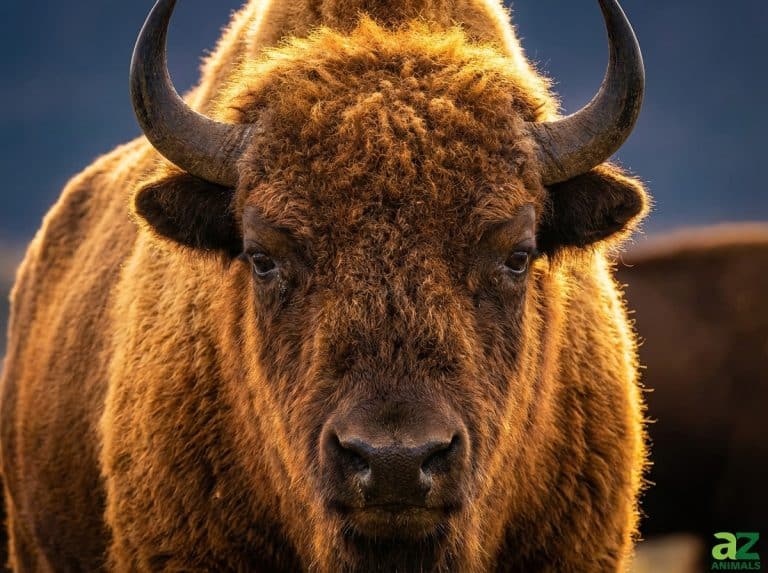
Adult male bison can weigh up to 2,000 pounds or more, while females typically weigh between 800 and 1,200 pounds. They reach about nine feet in length. They are primarily grazers, feeding mainly on grasses and sedges.
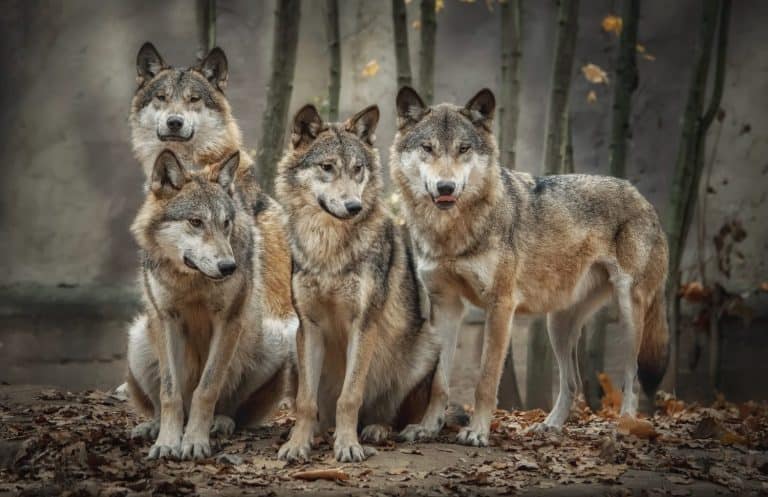
While calves may fall prey to wolves or bears, healthy adult bison have few natural predators. But, as we can see, they are formidable prey, and they don’t like to be bothered.