
Quick Take
- The October 2025 event on Interstate 59 demonstrated the public safety risks of exotic animal containment.
- Contrary to common assumptions, keeping native wildlife is more strictly regulated than many exotic species.
- Completing the importation permit process is necessary to avoid the mandatory quarantine of all nontraditional species.
In October 2025, a truck transporting 21 rhesus monkeys overturned on Interstate 59 north of Heidelberg, Mississippi. Several of the animals escaped into the surrounding rural area, prompting public warnings and an intensive multi-day search by local law enforcement, wildlife officials, and animal experts. Law enforcement officers killed five monkeys during the initial response and search near the highway, and local citizens shot some of the others. One shooter said she feared for her children’s safety after hearing warnings that the monkeys could be aggressive and might carry diseases.
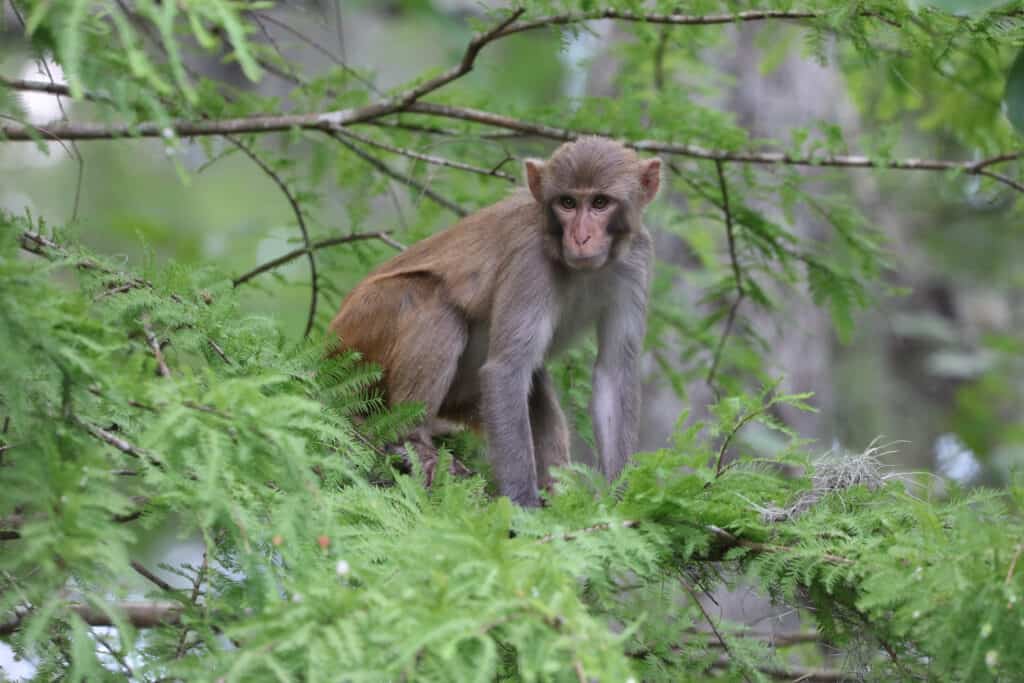
Rhesus monkeys like this one caused public panic when they escaped from a crashed research transport.
©Mel Kowasic/Shutterstock.com
What made the incident especially striking was that it occurred despite professional transport and containment protocols. The monkeys were being moved from the Tulane University National Biomedical Research Center in Louisiana, a facility that routinely supplies primates for scientific research organizations. The episode showed how quickly a containment failure involving exotic animals can turn into a public safety crisis, driven not only by the animals themselves but by fear, confusion, and unpredictable human reactions as untrained citizens respond to perceived threats.
Incidents like this underscore why Mississippi tightly regulates exotic-animal ownership out of concerns for public safety and animal welfare. If you’re considering owning an exotic pet in Mississippi, this article will give you some food for thought before making that very consequential decision.
Why Do People Want to Own Exotic Animals?
You might wonder why private citizens would even want to own exotic pets. After all, even well-funded professional organizations sometimes have trouble keeping them contained. These are wild animals that, even if raised from infancy with people, still revert to their instincts and can attack without warning. They are expensive to maintain and require specialized veterinary care that is not always easy to find nearby. Some species are manageable while young but can quickly grow too large for a private household to handle safely and humanely. Hygiene is often a problem as well, and for most species, house training is difficult or impossible.
So why do it? Some people love animals deeply and think they can provide a better quality of life for an animal than an institution can. In some cases, that may be true, especially with disabled animals that require a high level of individualized care. For others, owning an exotic animal is a form of self-expression. It says something to themselves and to the world that they can handle an unusual, demanding, and maybe even dangerous creature that others might fear or find too challenging and time-consuming as a companion.
The Cuteness Factor
And then there are the videos. We see wild animals doing the cutest darn things online every day, and many of us think things like, “Oooooh, you’re so cute, aren’t you?! I want me one of you. You come here and let me squeeze you.” (Looks around the office furtively to see if anyone heard that, then goes back to typing the article.) Just watch this beaver in a Mississippi home build a dam across a hallway out of Christmas stuff, and you’ll get it.
What Does Mississippi Allow?
Mississippi does not have a single, unified exotic pet statute that clearly labels which animals are legal or illegal to own. Instead, the state regulates exotic animals through a combination of livestock health rules, wildlife safety laws, and importation requirements. Whether an animal may be legally owned often depends on classification, how it entered the state, and whether it is considered dangerous to the public or agriculture. For residents interested in owning an unusual animal, this fragmented system can be confusing.
How Mississippi Classifies Exotic Animals
Mississippi regulates exotic animals primarily through the Mississippi Board of Animal Health and the Mississippi Department of Wildlife, Fisheries, and Parks. Animals that are hoofed or livestock-like are generally treated differently from carnivores, primates, reptiles, or wildlife species.
One key distinction in Mississippi law is between animals considered exotic livestock and animals deemed inherently dangerous. Exotic livestock are regulated largely for disease control and agricultural protection. Inherently dangerous animals are regulated for public safety reasons and are subject to stricter limits.
Exotic Livestock and Permit Requirements
Mississippi defines exotic livestock as non-native, hoofed mammals kept in captivity for breeding, exhibition, sport, or similar purposes. This category includes animals such as elk, antelope, deer, camels, and other large mammals not native to the state.
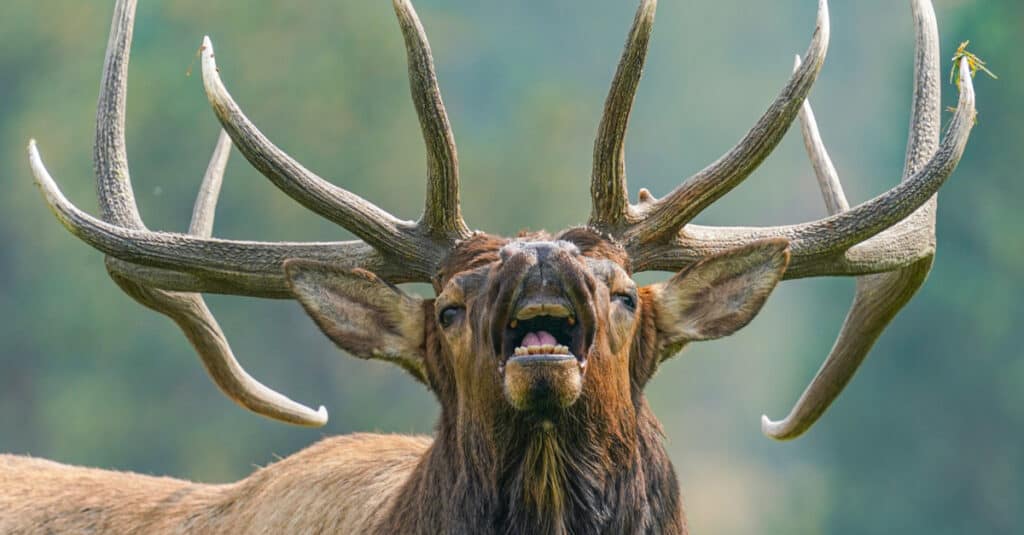
You can own an emotional support elk in Mississippi, but you’re going to need a permit.
©Cornelius Doppes/Shutterstock.com
Owners of exotic livestock must obtain an exotic livestock facility permit from the Mississippi Board of Animal Health. These animals must be properly identified, tracked, and monitored for disease. Importing exotic livestock into Mississippi requires advance approval, a certificate of veterinary inspection, and, for many species, negative testing for diseases such as tuberculosis or brucellosis.
Inherently Dangerous Animals
Mississippi law treats certain animals as inherently dangerous and restricts their possession. This category includes large carnivores such as lions, tigers, bears, wolves, and similar animals, as well as many primates. These restrictions exist because of the serious risk these animals pose to public safety and emergency responders, especially when kept in residential settings.
Possession, sale, or transfer of inherently dangerous animals without proper authorization is unlawful. In practice, permits for private ownership of these animals are extremely limited. Individuals who possessed such animals decades ago may have qualified for grandfathered status under earlier versions of the law. New ownership, though, is generally not allowed.
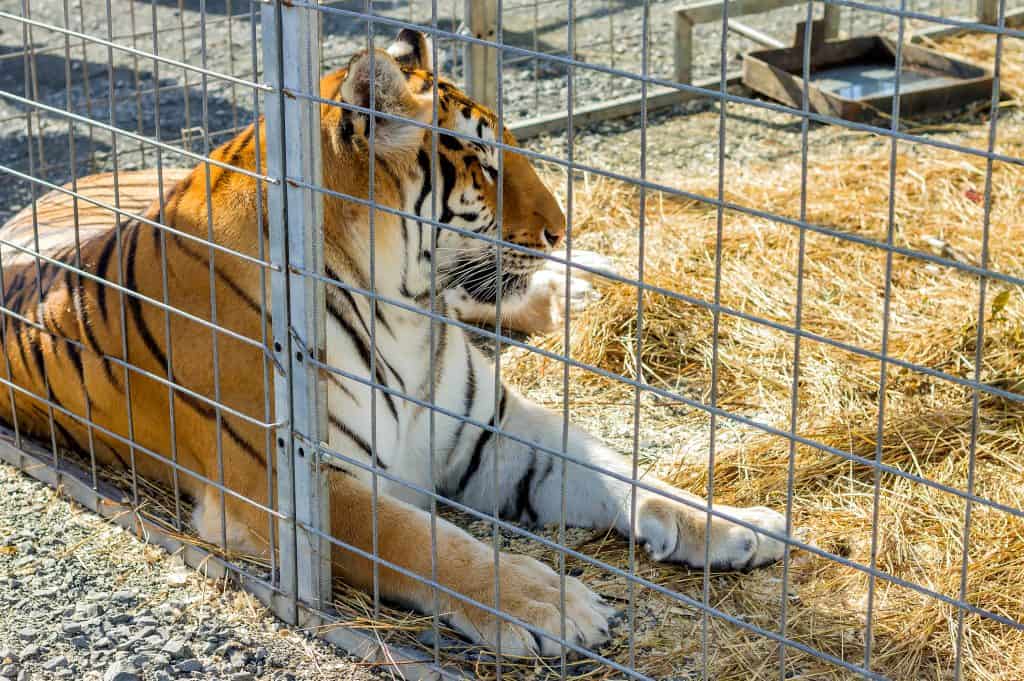
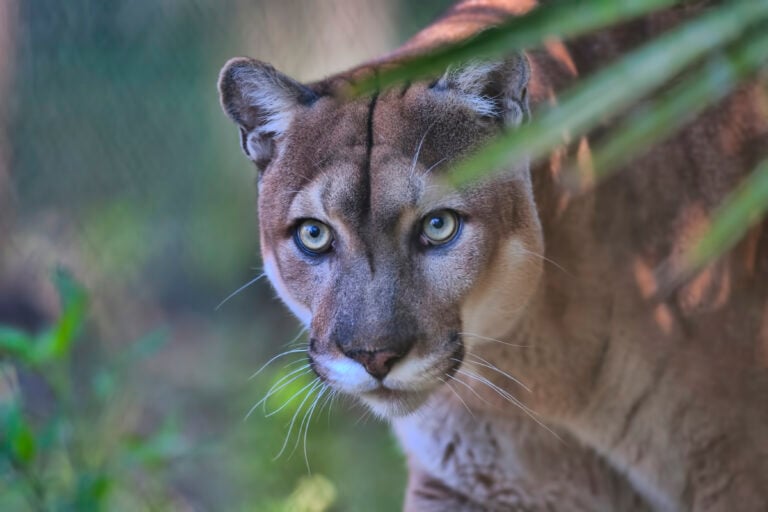
Some people in Mississippi own big cats privately because they were grandfathered in before the laws changed. Today, new ownership of big cats in the state is generally not allowed.
©Ludmila Kapustkina/Shutterstock.com
Native Wildlife: Not Pets
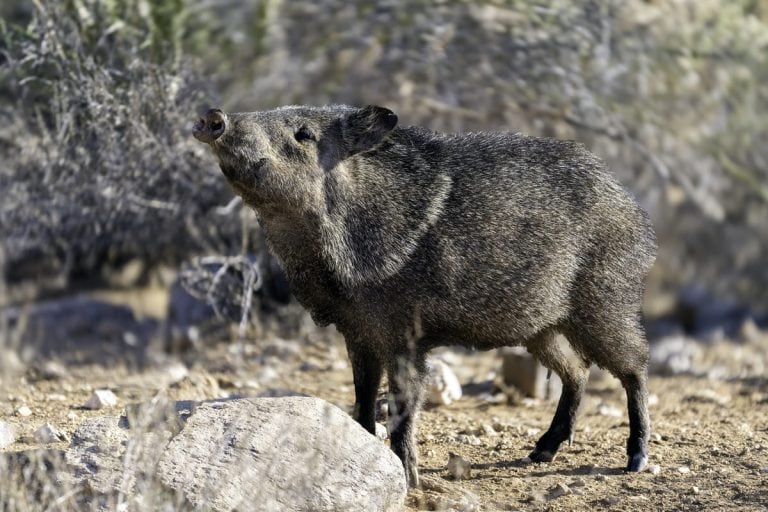
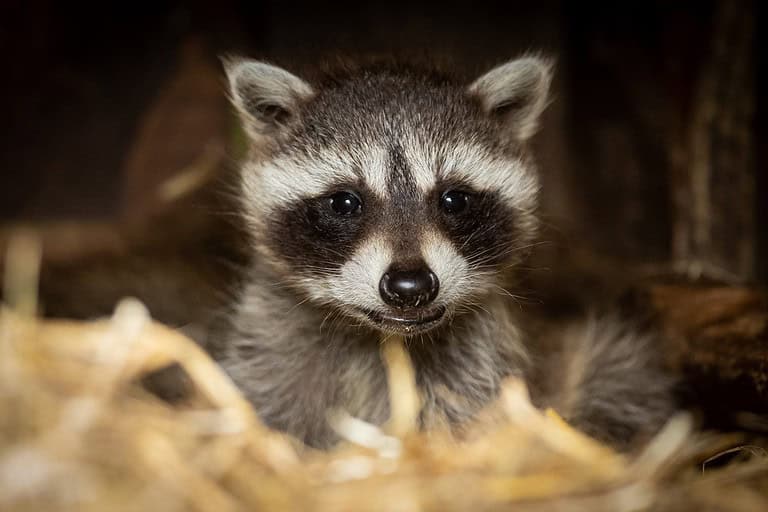
Native wildlife species in Mississippi, including raccoons, foxes, coyotes, and wild hogs, are regulated under wildlife and nuisance laws. These animals are not treated as pets, even if raised in captivity. In limited circumstances, wildlife professionals or rehabilitators may possess native species under specific authorization. For private individuals, keeping native wildlife is usually unlawful or subject to strict controls. Local nuisance laws may also apply if wildlife causes property damage or safety concerns.
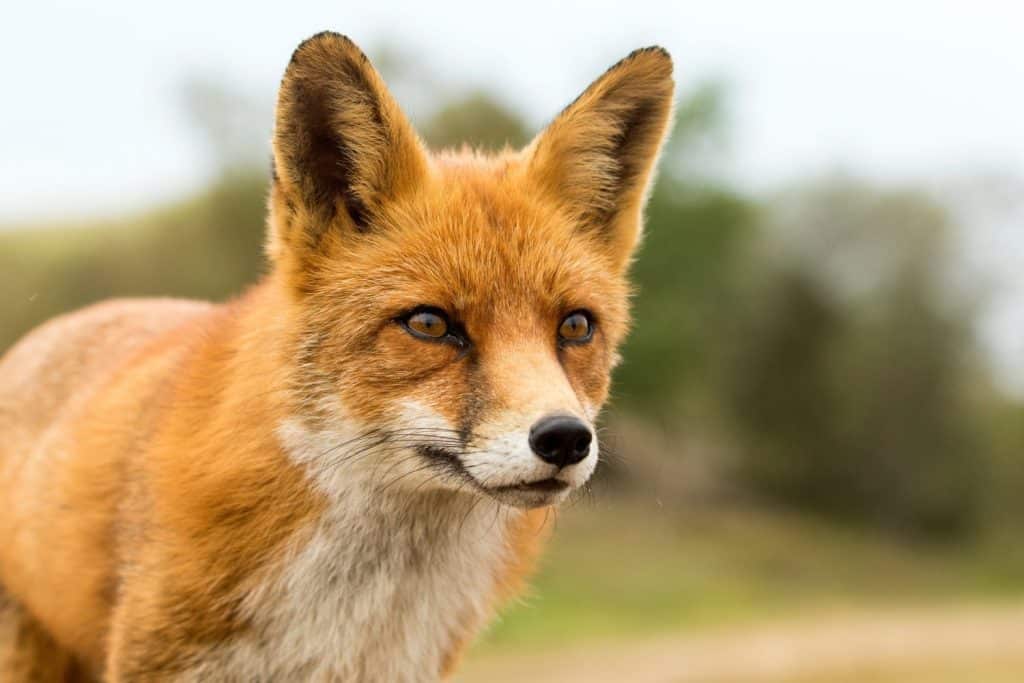
Foxes are native to Mississippi, but owning them as pets is strictly controlled.
©AngelaLouwe/Shutterstock.com
Local Rules Can Be Stricter Than State Law
Even when state law does not explicitly prohibit ownership of a particular exotic animal, local governments in Mississippi may impose stricter rules. Cities and counties can ban or restrict animals they consider dangerous or unsuitable for residential areas.
This means legality can vary significantly depending on where an animal is housed. An animal that is technically lawful under state rules may still be prohibited by a city ordinance or housing agreement. And of course, the rules extend all the way down to your friendly neighborhood HOA. If they do not already have rules about exotic pets, they’ll surely make some after you bring a capybara home.
Running Afoul of the Law
Violations of Mississippi’s exotic animal laws can result in fines, seizure of animals, and criminal charges. Enforcement may involve multiple agencies, depending on whether the issue involves public safety, wildlife, or agricultural health. Owners may also be held financially responsible for the cost of caring for animals seized by the state.
If an exotic animal bites or injures a person, public health authorities may require quarantine or euthanasia, regardless of how well the animal was cared for. Owners can face significant emotional and financial consequences in these situations.
How to Verify the Rules Before Acquiring an Exotic Animal
Because Mississippi’s exotic animal laws are spread across multiple agencies, prospective owners should verify legality before acquiring any unusual animal. Consulting the Mississippi Board of Animal Health, the Mississippi Department of Wildlife, Fisheries, and Parks, and local animal control authorities is essential. Relying on assumptions, rules from other states, or things you read online without verifying the facts is a common way people unintentionally violate Mississippi law.
Realistic, Responsible, and Fair
The Heidelberg monkey escape is a reminder that exotic animals carry risks that extend far beyond the owner. Even when animals are handled by professionals, failures can happen, and when they do, the consequences affect entire communities. Mississippi’s approach to regulating exotic animals reflects an effort to balance individual interest with public safety, animal welfare, and disease prevention. Anyone considering owning an exotic animal should take the time to understand not just what is legal, but what is realistic, responsible, and fair to both the animal and the people who live nearby.