
Quick Take
- Bison look placid, but there's a specific time of year when approaching one becomes far more dangerous than most visitors realize. Rutting season dangers →
- The most common reason tourists get injured by bison is not ignorance of park rules. It comes down to one very predictable behavior. Why tourists get too close →
- There's a dead-simple field trick that instantly tells you whether you're standing too close to a bison. No measuring required. Try the thumb test →
- Bison injure more people at Yellowstone than any other animal, and the numbers may surprise you more than the culprit does. See the injury numbers →
A child has been injured in what is described as an ‘incident’ with a bison at Yellowstone National Park’s Mammoth Hot Springs. These huge animals are capable of causing serious injury to humans. We look at just how dangerous they are and how to keep safe around bison.
Child Injured by Bison
The latest incident was reported by the National Park Service and by other media outlets. However, there are very few details available beyond the brief press release. The child was 12 years old, and the incident took place on June 26th at approximately 9:15 a.m.
It happened near Mud Volcano, just north of Fishing Bridge. The child, a visitor to the park, sustained injuries and was transported to a nearby hospital by emergency personnel. The National Park Service stated that the incident is under investigation.
Are Bison Dangerous?
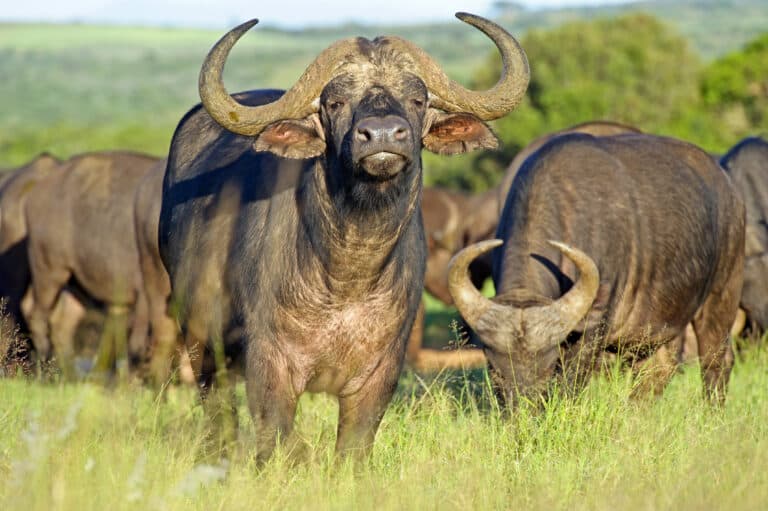
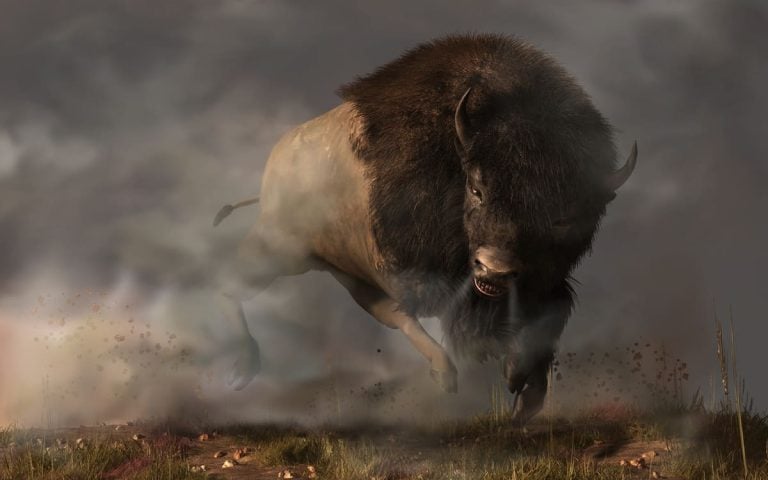
Any animal as large as a bison has the potential to cause injury. Males can reach 2,000 pounds, and they can run at 35 mph. This is a potentially deadly combination that can cause significant harm to a human. Bison also have horns and are surprisingly agile for such large creatures. Bison can change direction quickly and can jump about 6 feet in the air.
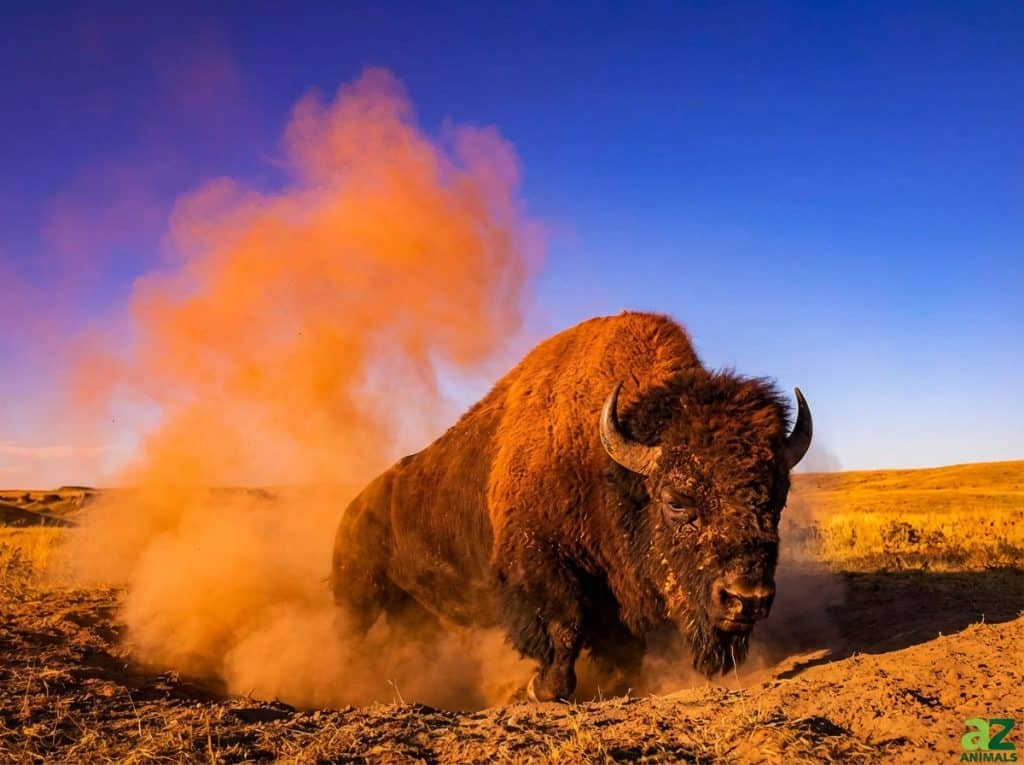
Bison can move surprisingly fast.
©A-Z Animals
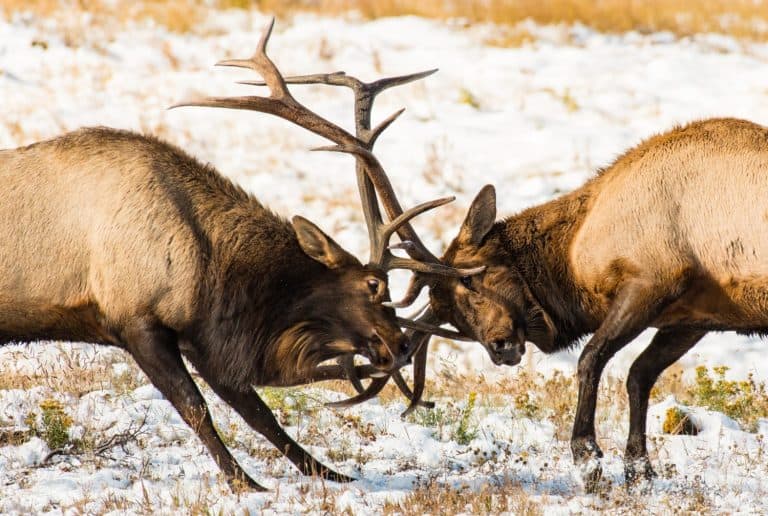
Bison are usually the first animal that you see when you enter the park (there are over 5,000 of them here), and they usually come across as very tranquil. It’s a fact that these herbivores are not inherently aggressive. However, they can become aggressive if they are defending their young. They can also be aggressive during rutting, which occurs between July and September. During this period, bulls charge each other and butt heads, and tempers can be very short.
How Many Bison Injuries Happen in Yellowstone?
According to research carried out by Utah State University, bison injure more people in Yellowstone than any other wildlife. Between 1978 and 1992, 56 people were injured, and two people died from bison attacks at the park. From 2000 to 2015, there were 25 reported injuries. Half of the attacks occurred when a tourist attempted to take a photo with a bison. In 2025, there were two separate incidents in which men were gored by bison and received medical treatment.
Avoiding Bison Injuries
The advice on how to avoid bison injuries is very clear. Keep your distance. All of the Yellowstone Park literature advises visitors to keep 25 yards between themselves and the nearest bison. So, what does 25 yards look like? Olivia White, a naturalist at Custer State Park explains in this blog post, “Stick your arm out with your thumb up and close one eye. If you see any of the bison around your thumb, you’re too close. Your thumb needs to cover the entire animal.”
If a bison charges at you, try to position yourself behind a tree or vehicle. These are magnificent animals that need us to respect their personal space.