
Quick Take
- The way officials determine which black bear is truly the biggest might surprise you, and it has nothing to do with weight. See the skull measurement system →
- Montana's geography gives its black bears a biological edge that makes them grow far larger than bears elsewhere in the country. Explore Montana's record bear →
- The world-record black bear skull wasn't taken by a hunter, and the story of how it was found raises more questions than it answers. Discover the world-record skull story →
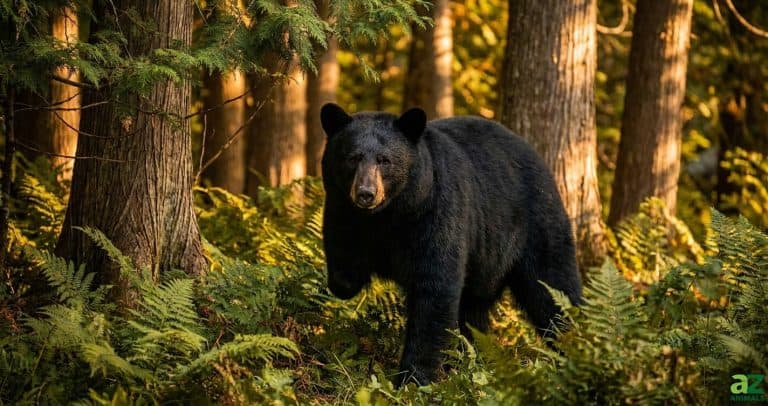
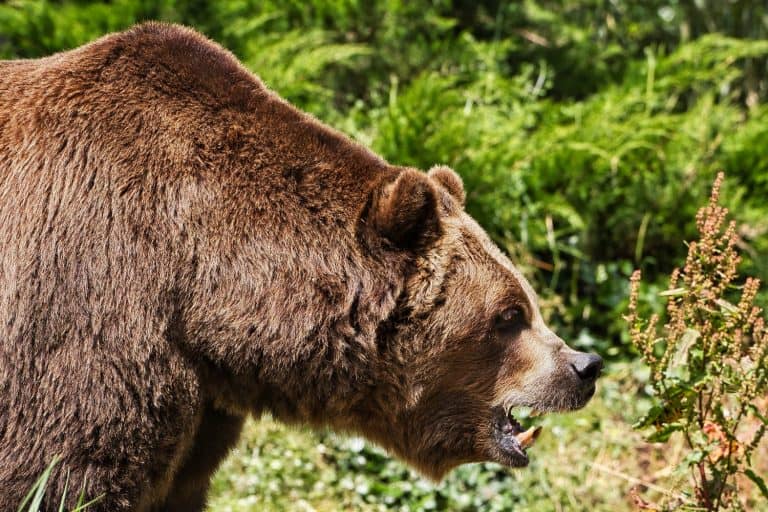
There are two distinct black bear species in the world: the American black bear (Ursus americanus) and the Asian black bear (Ursus thibetanus). Asian black bears are generally smaller and more aggressive than their American cousins. American black bears are the most widely distributed bear species in North America, thriving across Canada, Alaska, most of the contiguous United States, and Northern Mexico. They inhabit large, forested areas, so finding black bears on the Great Plains or in other open areas is unusual. American black bears in the Northwestern U.S. and coastal British Columbia tend to grow larger than those in many other regions, thanks to a combination of genetics and high-quality nutrition. It’s not surprising, then, that Montana would be home to some incredibly large black bears. Continue reading to learn about the largest black bear ever caught in Montana.
How Large is a Black Bear?
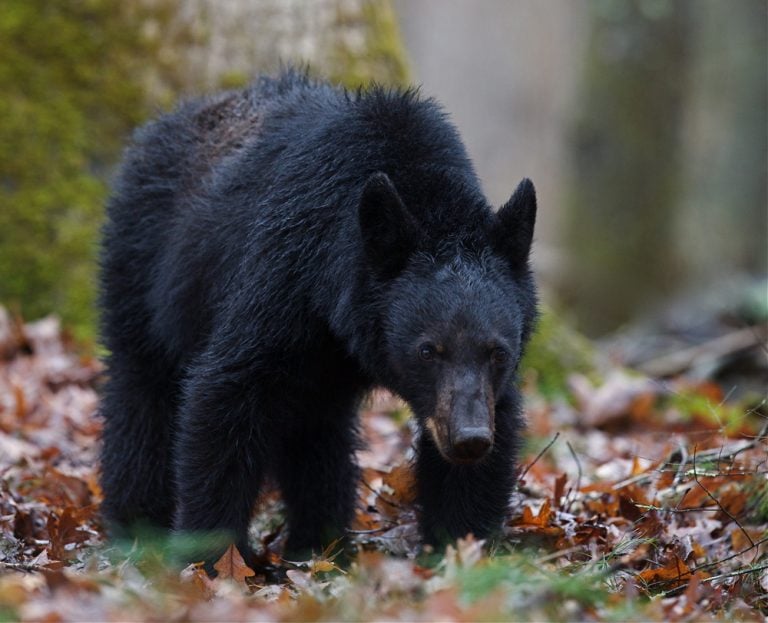
The average black bear measures three feet tall at the shoulder and six feet long from nose to tail. The average black bear measures three feet tall at the shoulder and six feet long from nose to tail. Male black bears can weigh over 600 pounds. Females are significantly smaller, typically weighing between 90 and 300 pounds, though most average between 100 and 175 pounds.
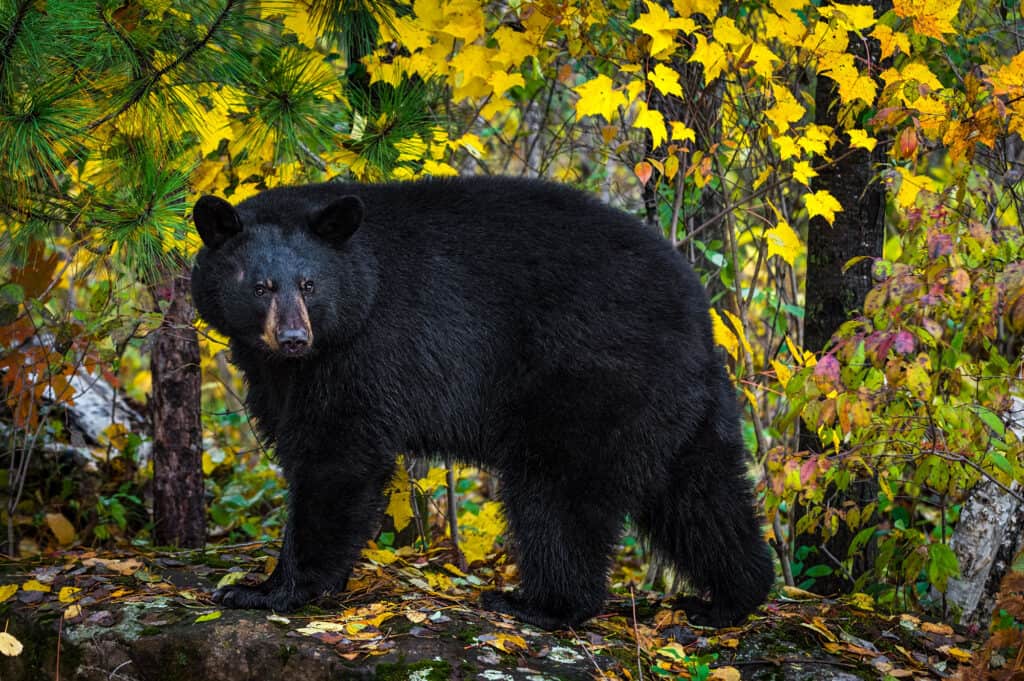
Male black bears can weigh over 600 pounds, while females barely exceed 200 pounds.
©Holly Kuchera/Shutterstock.com
How are Black Bears Measured for Documentation?
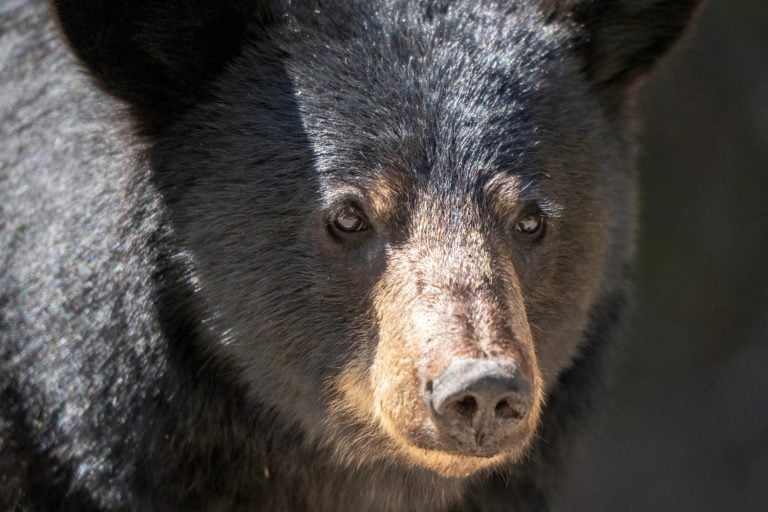
Dried black bear skulls are the primary metric for determining official records and ranking the largest bears, as used by organizations like the Boone and Crockett Club. The official score is derived from the sum of the maximum length and maximum width of the skull (without the lower jaw) measured in inches to the nearest sixteenth.
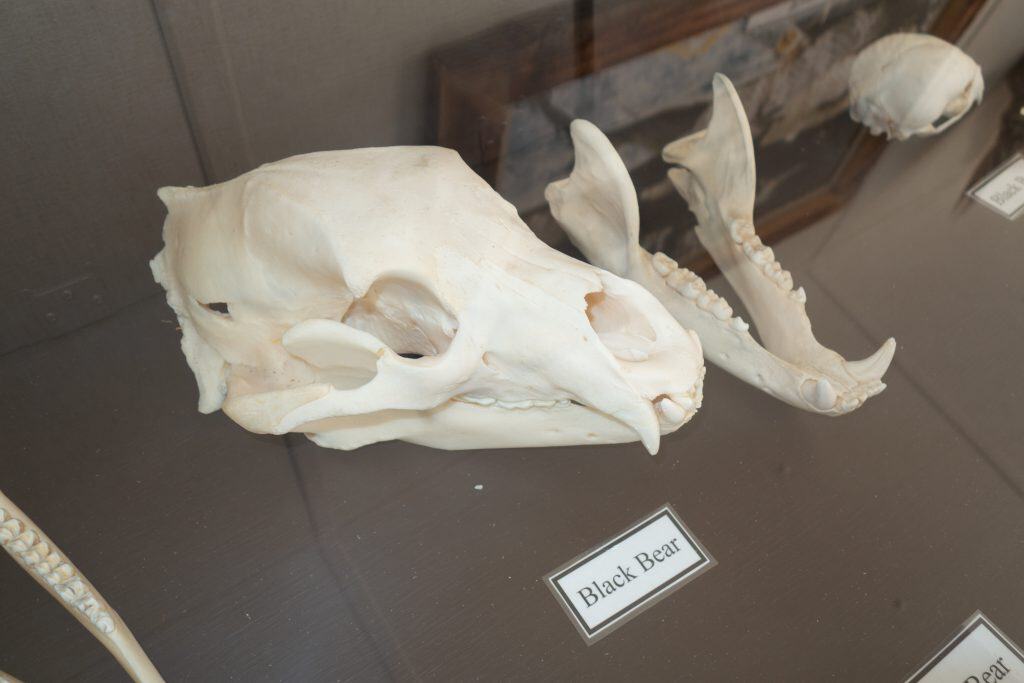
The skull of the black bear is used for official measurements.
Largest Black Bear Caught In Montana
According to the Boone and Crockett Club, the largest black bear ever caught in Montana measured 13 5/16 inches in length and 8 4/16 inches in width, resulting in a final score of 21 9/16 inches. This specimen was hunted by Ian K. Chase-Dunn in Mineral, MT, on June 10, 2020.
Montana is a bear hunter’s paradise because it offers a healthy black bear population, estimated at between 13,000 and 17,000, along with massive, accessible public lands. Besides black bears, Montana has elk, whitetail deer, mule deer, and mountain lions.
Superior, Montana, located in the northwestern part of the state, is part of Montana Fish, Wildlife, and Parks’ Region 2, which allows hunters to pursue big game, including:
- Bighorn sheep
- Elk
- Whitetail deer
- Mule Deer
- Black bear
- Mountain lion
- Mountain goat
- Moose
Largest Black Bear On Record
According to the Boone and Crockett Club, the largest black bear skull was found on July 1, 1975, along the edge of the Manti-La Sal National Forest, east of Ephraim, Utah. While these bears typically prefer the shelter of trees, they are occasionally seen in subalpine meadows. Alma Lund and Merrill Daniels stumbled across the record-breaking skull in 1975. Unfortunately, they couldn’t determine the cause of death, but they were able to identify the skull even though the summer heat had caused the remains to decay severely.
The Boone and Crockett Club uses a specific measuring system, which was applied to the black bear’s skull, resulting in a total score of 23 10/16 inches. However, since this was only an inch more than the previous record, their estimates were met with skepticism. To confirm the measurement, Lund and Daniels sent the skull to the Boone and Crockett Club’s Washington, D.C. office, where experts verified that their estimates were accurate.