
Quick Take
- Before guns, cocker spaniels were trained to do something unexpected the moment they flushed a bird, and this behavior changed how hunters operated entirely. Explore their hunting origins →
- American and English cocker spaniels look similar but were bred for completely different purposes, with only one having kept its original job. See how the breeds diverged →
- Cocker spaniels can detect something happening inside a human body before the person even knows it themselves. Discover their detection abilities →
- One of Hollywood's most famous directors cast his own cocker spaniel in a blockbuster, and the dog kept showing up in his films again and again. Meet Spielberg's spaniel Elmer →
Cocker spaniels originated in the British Isles as hunting dogs. Ancestors of the spaniel likely originated in Spain (hence the name) and were brought to England centuries ago. The addition of cocker is a nod to their ability to flush out woodcocks, an English game bird. The modern cocker spaniel was refined in England in the mid-19th century, introduced to the United States soon after, and officially recognized by the American Kennel Club (AKC) in 1884. Beyond their hunting prowess, cocker spaniels fulfill a variety of roles in the world today. Continue reading to learn everything you need to know about cocker spaniels.
What Were Cocker Spaniels Bred For?
Cocker Spaniels originated in the British Isles as hunting dogs bred to flush the Eurasian woodcock, a small game bird. Early spaniels were specifically chosen and bred for hunting because they possessed a unique combination of instincts, anatomical advantages, and were exceptionally trainable.

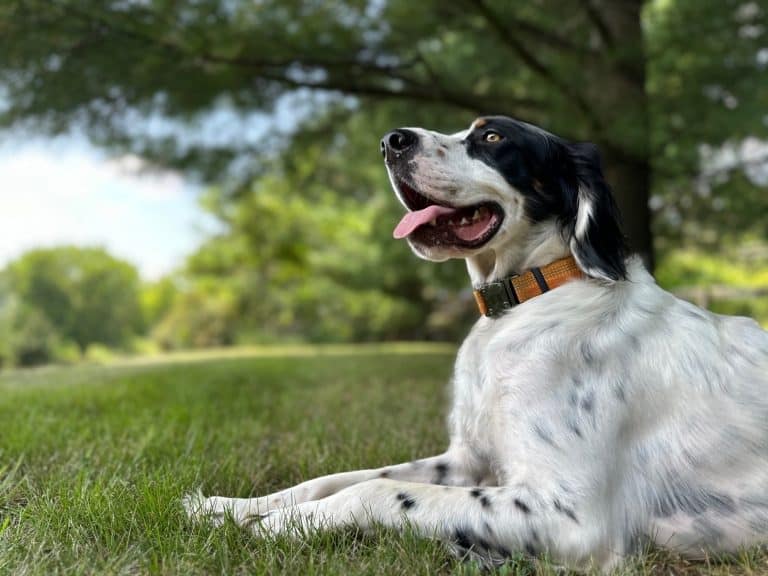
Cocker spaniels are equally adept hunters and family pets.
©Cherene Pearl/Shutterstock.com
Early hunters needed dogs that could navigate dense, tangled terrain where humans could not go. Cocker spaniels’ small to medium size and low center of gravity allowed them to push underneath dense brush, brambles, and briars where larger dogs could not fit. Cocker spaniels possess a natural drive to spring or flush game, forcing birds into the air or rabbits out of thickets so hunters can capture them.
Before shotguns were common, hunters used large nets to catch birds. Spaniels were selectively bred to quietly track birds, flush them on command, and then immediately drop to the ground so the hunter could throw a heavy net over both the birds and the dog.
Their willingness to please made them incredibly responsive to human direction. Spaniels have a relentless prey drive and focus, allowing them to hunt for hours.

Cocker Spaniels were bred to hunt birds such as quail and woodcocks.
©Labrador Photo Video/Shutterstock.com
When Cocker Spaniels were introduced to North America in the late 19th century, a split in style and purpose quickly developed. American breeders prioritized aesthetic traits for companion pets over the original hunting standards of the English cocker spaniel. As the generations progressed, the two types became distinct breeds. American cocker spaniels are bred as show dogs and family pets, and are more compact than English cocker spaniels, which continue to be popular hunting dogs.
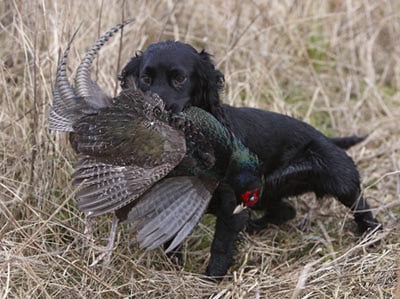
Cocker spaniels continue to be hunting dogs.
How Have Cocker Spaniels Evolved?
Today, cocker spaniels are widely celebrated as affectionate family companions, elite dog sports competitors, and pop culture icons. They are prized for their eager-to-please nature, making them excellent companions for children and other pets. Due to their athletic build and quick reflexes, they frequently excel in competitive dog sports including agility, flyball, obedience, and tracking. Their exceptional sense of smell and intelligence make cocker spaniels highly effective scent detection dogs that are used by law enforcement agencies in search and rescue operations.
Cocker spaniels make exceptional service dogs, highly valued for their compact size, keen intelligence, and sensitive, intuitive temperaments. Their small size makes them perfect candidates for specialized medical and emotional assistance roles. Cocker spaniels’ compact size allows them to easily navigate public transit and sit under restaurant tables.
Their tracking instincts also make them excellent at health alerts. Cocker spaniels can be trained to detect changes in human body chemistry, accurately alerting handlers to low blood sugar in diabetics or impending seizures in epileptics.
For deaf or hard-of-hearing handlers, cocker spaniels are trained to physically tap their handler and lead them to sounds like alarms, doorbells, crying babies, or sirens. Their gentle temperament makes cocker spaniels excellent emotional support animals.
However, their sensitivity means that cocker spaniels can sometimes absorb their handler’s stress. They require strict, consistent socialization from a young age to ensure their natural hunting instincts do not distract them from their public service duties.
Cocker Spaniels on the Big Screen
There are several famous cocker spaniels in Hollywood history. Although the 1955 Disney animated classic Lady and the Tramp is the most famous example, spaniels have a long history of charming directors and audiences both on and off-screen.
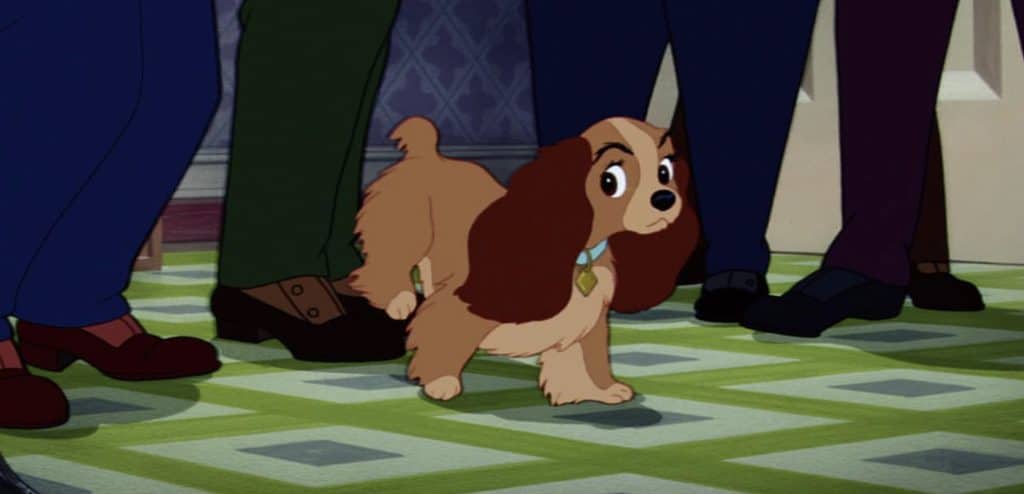
Lady, from the Disney classic “Lady and the Tramp,” is undeniably Hollywood’s most famous cocker spaniel.
©Courtesy of Buena Vista Pictures Distribution – Original / License
Director Steven Spielberg cast his own beloved real-life Cocker Spaniel, Elmer, in the 1975 blockbuster “Jaws.” Elmer portrayed the pet dog of Chief Brody’s family, appearing in multiple scenes on the beach. Elmer can also be seen in “Close Encounters of the Third Kind” and “The Sugarland Express.”