
Quick Take
- Dogs were domesticated around 11,000 years ago.
- Until recently, it was thought that breed diversity emerged in Victorian times.
- Recent studies of dog skulls have shown that diversity actually started not long after dogs were domesticated.
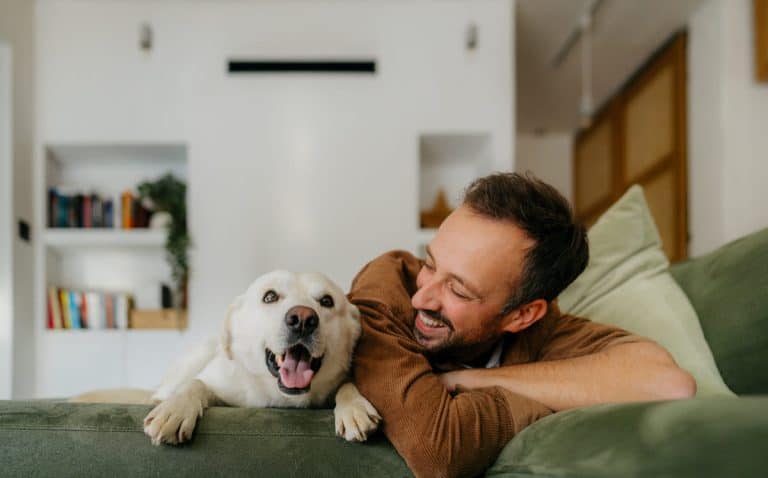
Dogs have a very special bond with humans. They were the first mammal to be domesticated, and we have fashioned them into many different shapes and sizes to fulfil different roles. Wherever you find humans on this planet, you will find dogs. Yet, despite our close relationship, we are still uncovering the truth about the dog domestication journey.
Until recently, it was generally assumed that the hundreds of modern domestic breeds had their origins in Victorian times. However, we report here on a global analysis of ancient dog skulls, which indicates that dog breeds emerged a very long time before that!
Dog Domestication – The Process
Experts believe that dog domestication occurred in two phases. The first was the initial domestication of the wild gray wolf to what we now call ‘dogs’. The second was the improvement of these dogs into the breeds that we see today. So, where did it all start?
Genomic sequencing suggests that dog domestication occurred in the Mesolithic Age. It predates agriculture and was started by hunter-gatherers. Dogs originated from a now extinct gray wolf population, and this happened somewhere in the Old World. Where, exactly, is still a matter for debate.
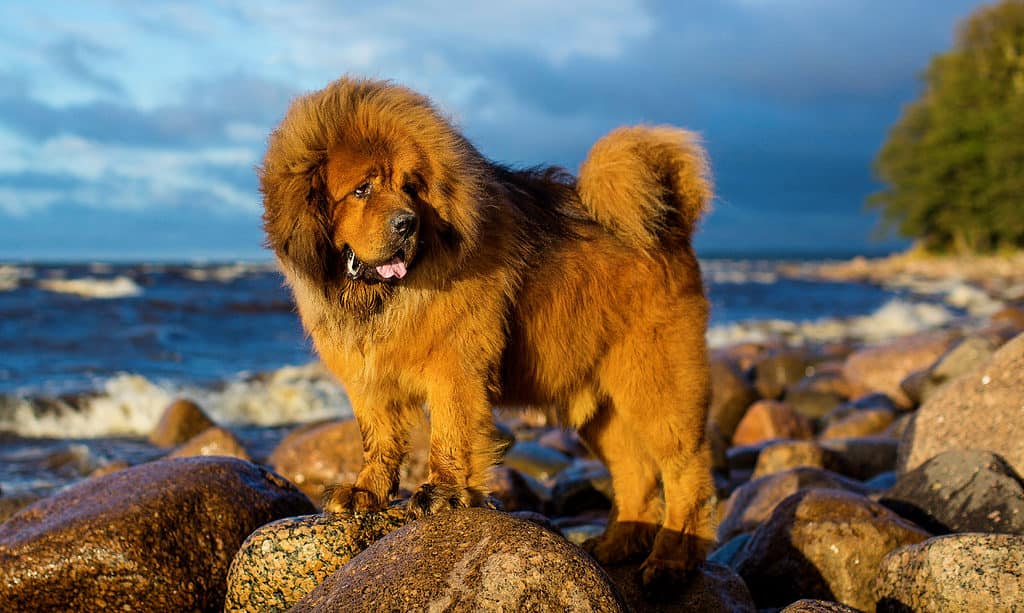
Tibetan mastiffs can thrive at high altitudes.
©Kat_marinina/Shutterstock.com
As dogs followed their human companions to all four corners of the world, they underwent environmental adaptation. For example, research has suggested that Tibetan Mastiffs possess improved oxygen transport so they can thrive at high altitudes. Similarly, dogs that were migrated by their human companions to Africa thousands of years ago developed a resistance to malaria. None of this, however, can explain the huge diversity of breeds that we see today, which was clearly achieved by intense selective breeding. So, when did that practice start?
The Victorians Did Not Invent Dog Breeding After All
We used to think that selective dog breeding practices emerged during the Victorian era with the formation of Kennel Clubs. It was assumed that the advancement of the Industrial Revolution meant that dogs were positively selected for two primary functions. The first was to perform specific tasks (guard dogs, carriage dogs, etc.), and the second was as ornamental companions who became part of the family.
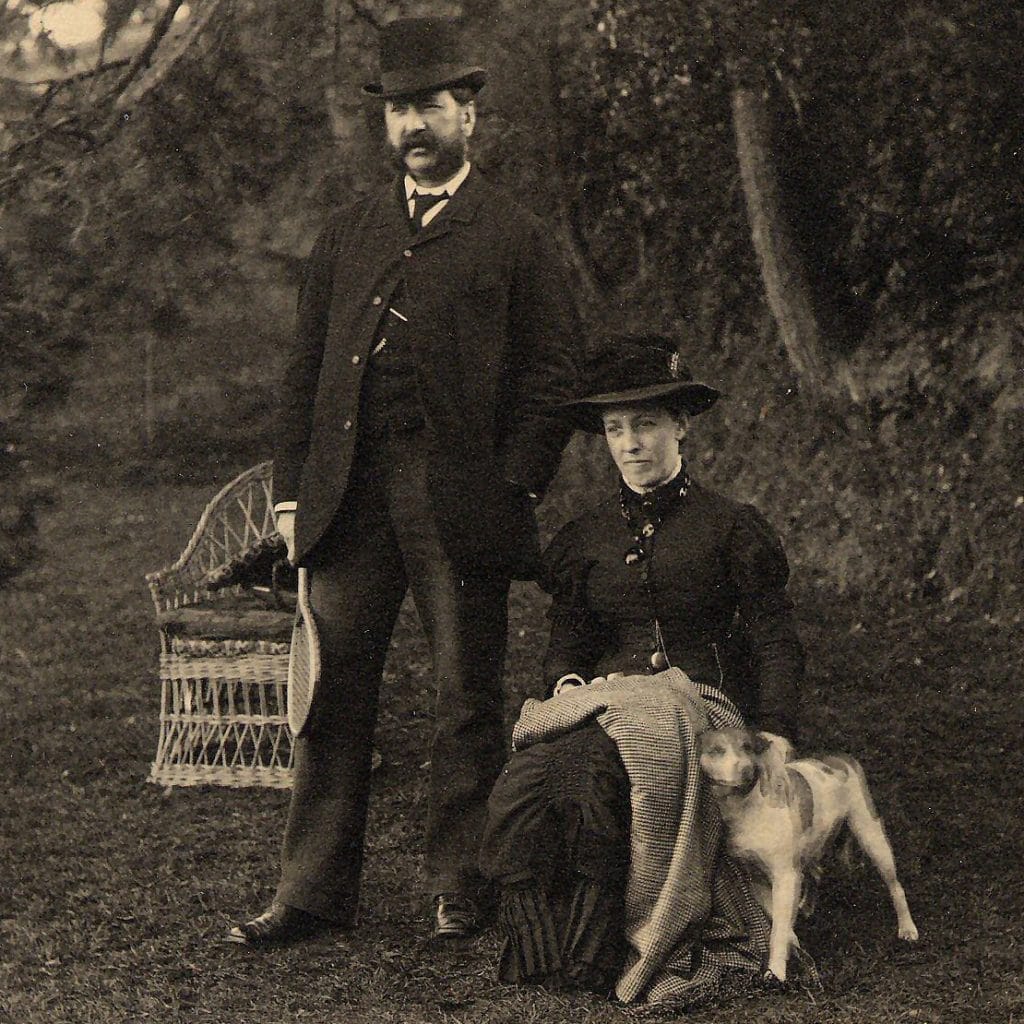
Victorians took dog breeding to another level.
©Historic Family Photograph, Public domain, via Wikimedia Commons – Original / License
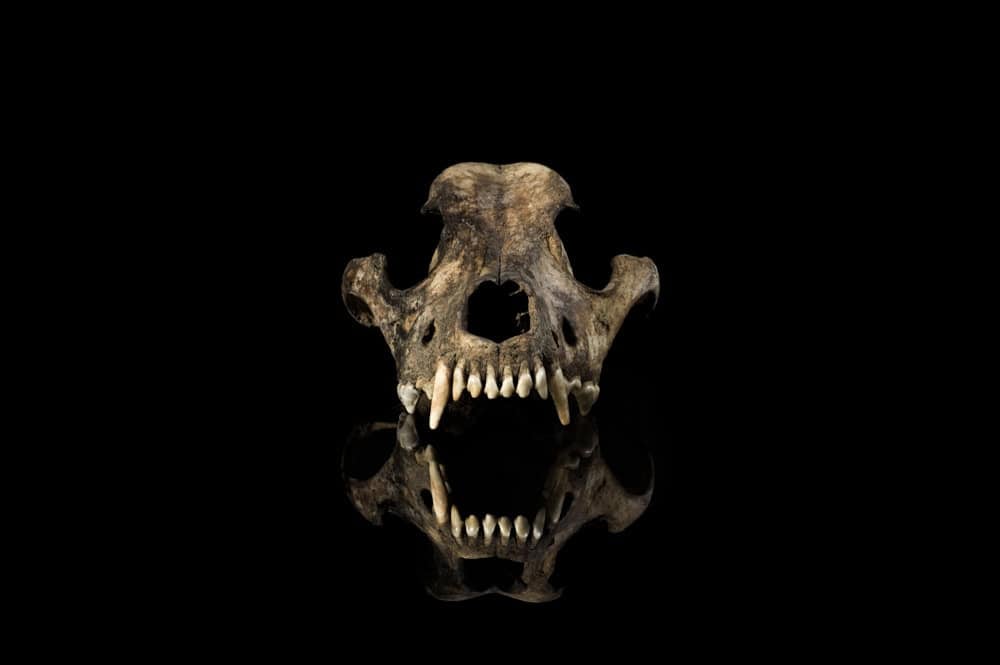
A new study published in Science in November 2025 has disproved this assumption. The study was the most wide-ranging analysis of dog skulls ever conducted. The researchers concluded that dogs were already showing substantial physical variation a long time before the Industrial Revolution.
Studying Ancient Dog Skulls
The study was led by researchers at the University of Exeter and the French CNRS and began in 2014. Altogether, 643 skulls spanning 50,000 years (from the Pleistocene to the present) were examined. Researchers created detailed 3D models of the skulls so that they could accurately compare them in terms of size and shape.
Previously Unknown Diversity in Early Dogs
The study showed that dogs already had a broad range of skull shapes and body sizes by the Mesolithic and Neolithic periods, so this is not long after they were domesticated. The oldest confirmed dog skull came from Russia and dates back to 11,000 years ago. First, dog skulls got smaller. Then, around 7,700 years ago, they started to get bigger. There was a greater variability in skull shape from around 8,200 years ago onwards.
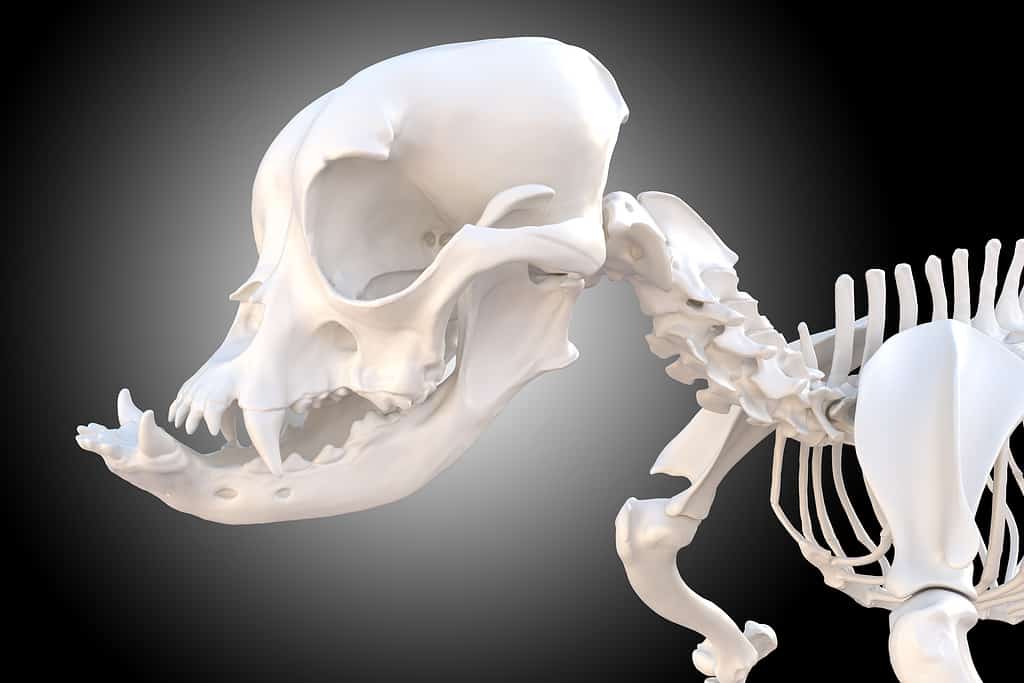
Scientists studied ancient and modern dog skulls.
©humonia/iStock / Getty Images Plus via Getty Images
There is still a lack of specimens from the very early stages of dog domestication. However, this study demonstrates that once dogs were domesticated, they diversified more rapidly than had previously been thought. Diversity during the Neolithic age was double that seen in the Pleistocene age but half the range seen today.
That said, modern breeding practices, from the Victorians onward, have still had a profound effect on what dogs look like today. Intensive human selection over the past 200 to 300 years has generated most of what we now see. There were no French bulldogs on Earth 11,000 years ago!
What Does This Tell Us About Humans and Dogs?
This research makes us rethink our relationship with our four-legged friends. As human societies went through major changes, from hunter-gatherers through agriculture and then industry, our dogs coevolved with us.
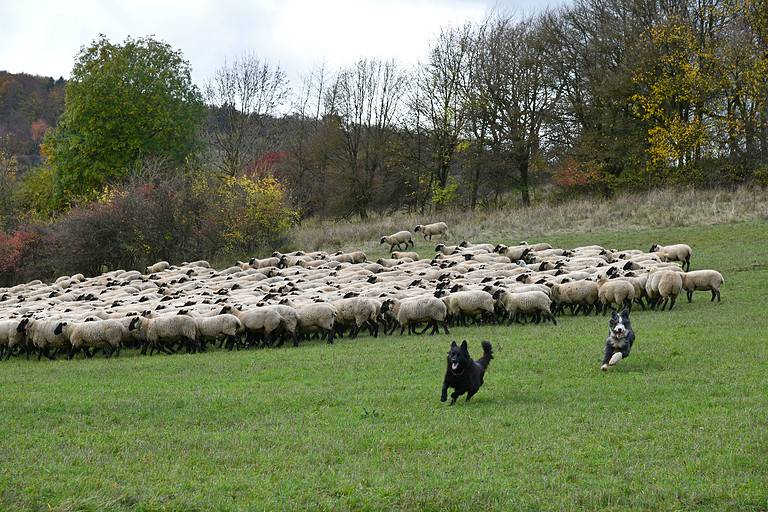
This research suggests that dogs were bred to fulfill specific roles a long time before we originally thought. In early human societies, our ancestors used them for hunting, herding, guarding, and companionship. No other animal on Earth is so intertwined with our history. It’s no wonder we can’t live without them!