
Quick Take
- The trait that makes snakes seem like weak hunters is actually their most powerful invasive advantage. See how low metabolism helps →
- Some of the world's most destructive invasive snakes are simultaneously on the verge of extinction, though not in the places you might expect. Explore the endangered invader paradox →
- Local wildlife stand no chance against invasive snakes, and the reason has nothing to do with venom. See why prey stand no chance →
- A single weather event in 1992 quietly set off one of the worst invasive species crises in US history. Discover how snakes spread →
Most headlines about invasive species focus on snakes. Burmese pythons in Florida, brown tree snakes in Guam, and Boa Constrictors in Southern Florida and Cozumel are threatening local wildlife populations. These invasive predators have conservationists deeply concerned. What is it about these slithery reptiles that makes them such great invaders?
How Do Snakes End Up in New Locations So Often?
To be fair, it is rarely the animals’ fault when snakes end up in new locations. Over a third of all described snake species are currently in the pet trade. Some are captive bred, while others are imported. In the US, reptile ownership has more than doubled during the last two decades, with over 5 million homes currently containing at least one pet reptile. While not all of these are snakes, many of them are.
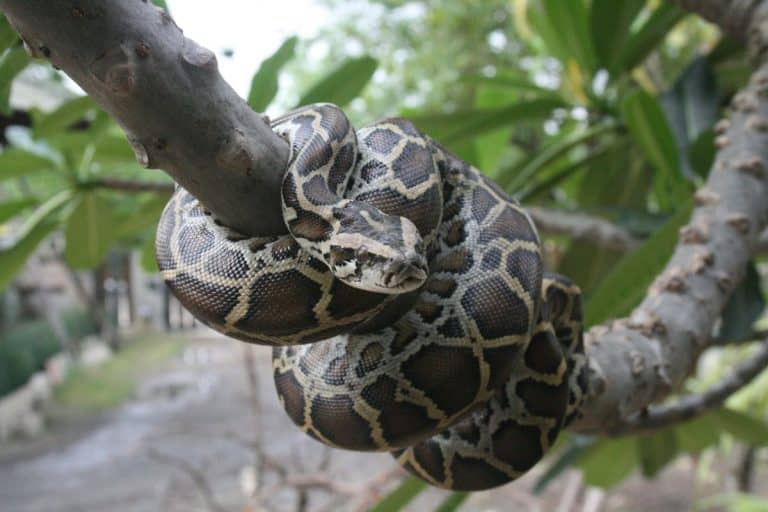
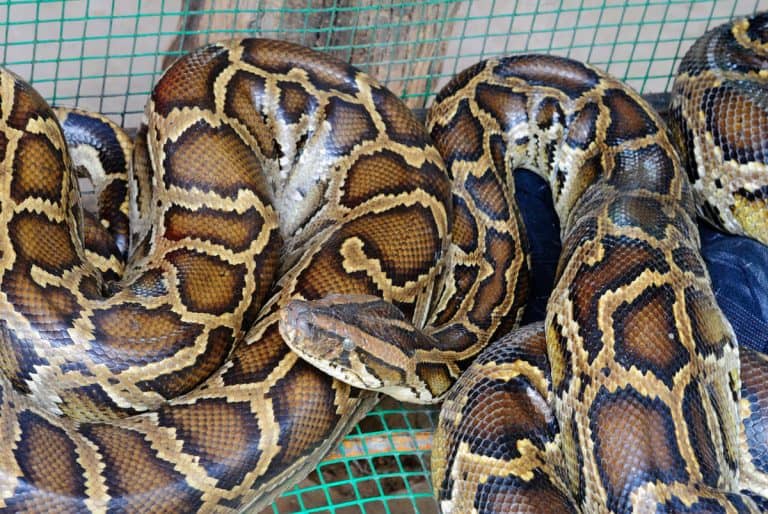
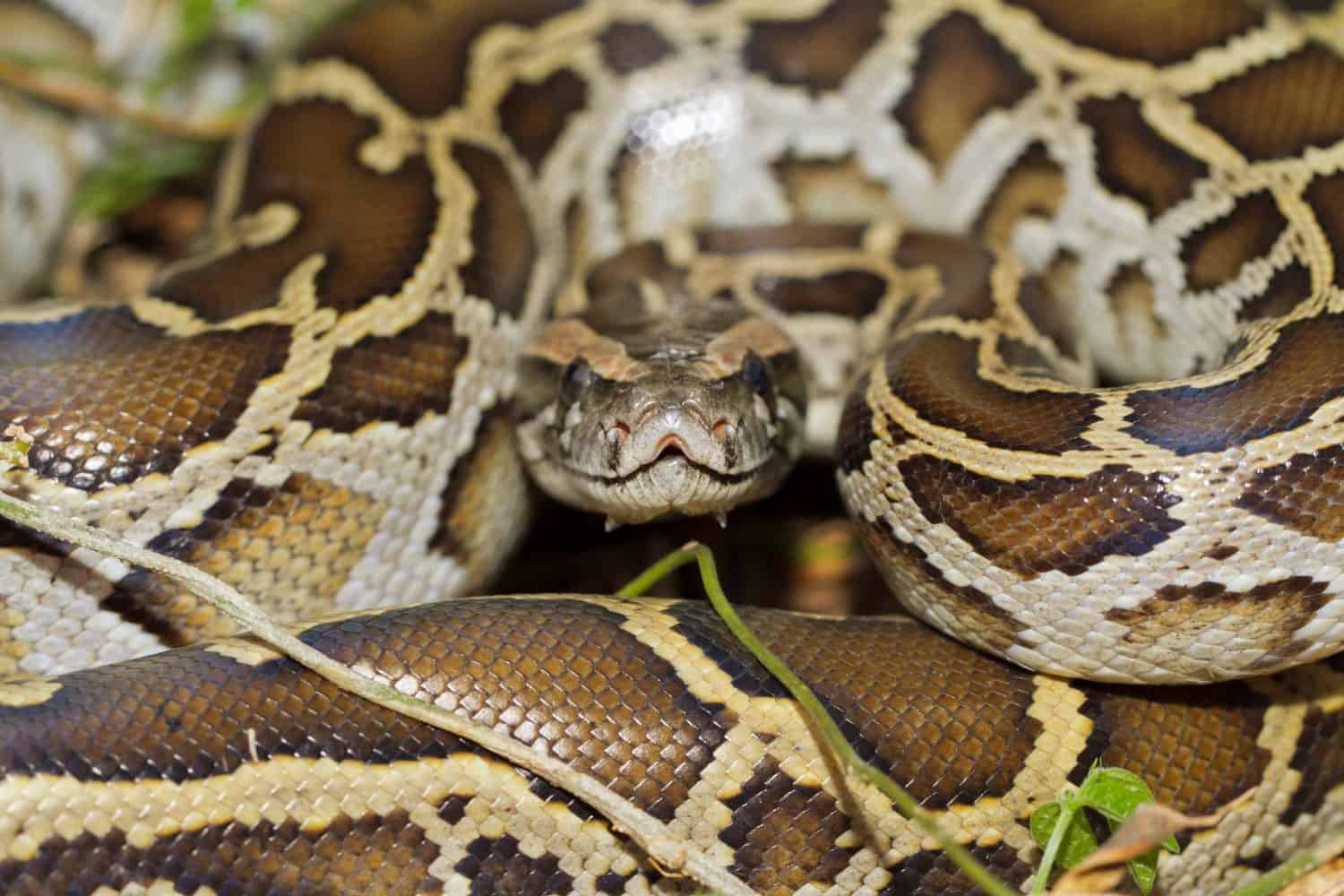
For example, the infamous Burmese python arrived in the Florida Everglades via the pet trade. These snakes were transported from their natural ranges in countries like Bangladesh, Thailand, and India. Once the snakes became popular pets, a breeding facility was established in Florida. Unfortunately, it was destroyed by Hurricane Andrew in 1992 and loads of the predatory snakes escaped.

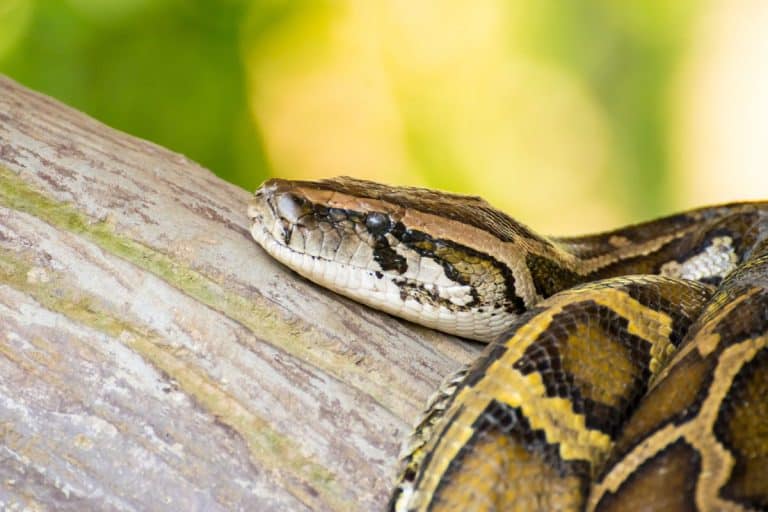
Pet snakes can grow larger than people expected.
©AJR_photo/Shutterstock.com
A few escaped pets, however, do not always result in an invasive species. For a species to be qualified as invasive, they must move through the following stages: transport (imported as part of the pet trade), introduction (escaped and released pets), establishment, spread, and negative impact on native species.
According to figures from the Humane Society of the United States, between 1989 and 1997, more than 1.7 million reptiles were imported into the US, and of those, 13.6 percent were snakes. The demand for rare and exotic reptile species continues to increase, meaning more snakes will likely be released by irresponsible owners or escape on their own. Sadly, many people simply do not realize the challenges involved in looking after a pet snake. Unlike cats and dogs, snakes need special enclosures and specific environmental conditions. Additionally, these reptiles can grow much bigger than people expect!
How Do Snakes Establish Breeding Populations?
To establish themselves in new locations, the snakes must be able to survive and breed. Survival requires eating, and for a carnivore like a snake, that means hunting.
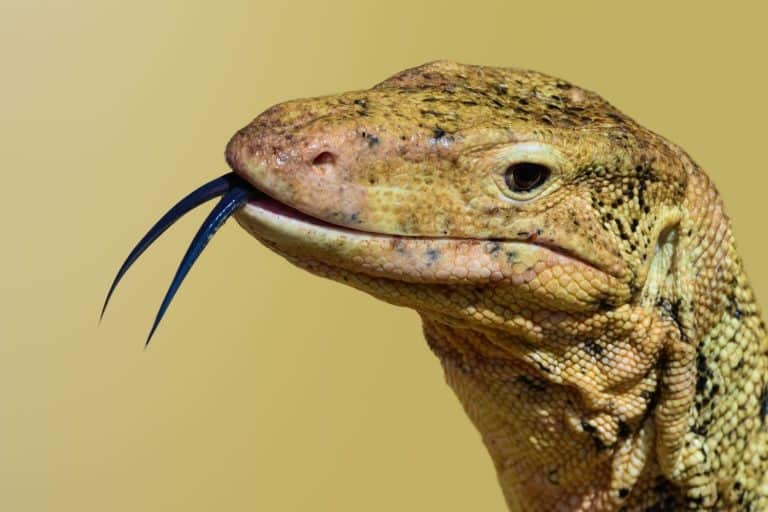
One of the main reasons why snakes are such successful invasive species is that they are excellent predators. Snakes have several features that help them hunt very effectively. Firstly, they have acute senses. Using their vomeronasal (or Jacobson’s) organ, they can detect odor chemicals in the air to locate prey. Snakes such as pythons, boas, and pit vipers also have heat-sensitive sensory organs that help them track down prey.
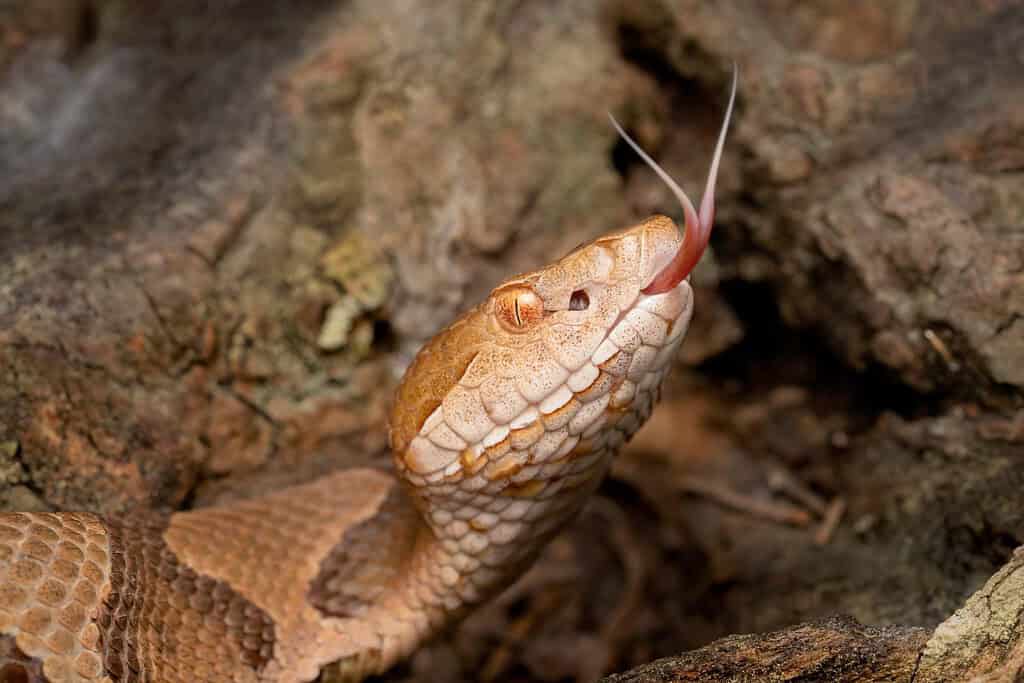
Snakes can ‘taste’ the air with their tongues.
©Mark_Kostich/Shutterstock.com
Even if a snake cannot find a plentiful supply of food, it does not mean that they will perish. Because they are cold-blooded and have a low metabolic rate, they can go for long periods without eating. Many can go for months without a meal by dropping their metabolic rate. Amazingly, they can still grow during this time!
Efficient Killing Machines
Provided the snakes can survive their initial introduction, they must exploit local food sources to thrive, which is not a problem for these efficient killing machines.
Some are ambush predators, lying in wait until their unfortunate victim wanders past. Active hunters search their environment for prey and give chase. Once the catch is secured, it is subdued through venom or constriction. Snakes that rely on constriction have solid heads and bodies and the physical bulk to overpower prey.
Longevity, Size, and Reproduction
Many invasive snakes are big! The invasive Burmese python is a typical example, reaching 25 feet in length and weighing up to 300 pounds. These large snakes can easily overpower the local wildlife, which have no experience dealing with a snake of this size. Thanks to their bulk, pythons can eat large prey, a meal that will sustain them for months. They reach sexual maturity at about two or three years, and tend to breed each year, laying up to 100 eggs! These snakes can live up to 40 years.

Snakes can have many offspring at one time.
©Ton Ponchai/Shutterstock.com
Boa constrictors, an invasive species on the Mexican island of Cozumel, are also large invasive snakes. They can reach 18 feet in length and easily overpower local prey. They live for at least 10 years, and males can breed from the age of just three months. Around half of females breed in any given year and produce anywhere from 10 to 64 young!
Invasive Snakes Can Be Endangered
Paradoxically, some highly successful invasive snakes are under pressure in their home range. Despite their huge success in the Florida Everglades, the Burmese python is classed as Vulnerable by the IUCN in Southeast Asia. Likewise, boa constrictors are thriving on the Mexican island of Cozumel, where they are invasive, yet their populations have dropped in many parts of their native range, due largely to the pet trade. This highlights the complicated relationship between conservation and invasive species control, especially when it comes to snakes!