
Quick Take
- Prey drive is defined as a natural sequence of instinctive behaviors: orienting, stalking, chasing, grabbing, and killing.
- Excessively high prey drive can cause specific unwanted behaviors.
- Since prey drive is instinctive, it cannot be turned off entirely, but it can be managed, redirected, and controlled.
- Doing thorough research on the breed and the individual dog before adopting is important.
Some dogs are born with a powerful instinct to chase, stalk, and pursue. These traits once made them exceptional hunters, herders, or working companions. Known as prey drive, this natural behavior varies widely by breed and is influenced by centuries of selective breeding. While a strong prey drive can result in positive traits, like focus, intelligence, and athleticism, it can also present challenges for owners who aren’t prepared to manage it.
This article looks at the dog breeds with the highest prey drive and explains what that trait really means in everyday life. These breeds include super-fast sight hounds and high energy working dogs; they thrive when given the right outlets for their instincts. Understanding prey drive is important when choosing the right dog for your home and lifestyle.
What is Prey Drive?
©Peter Ivanyi/Shutterstock.com
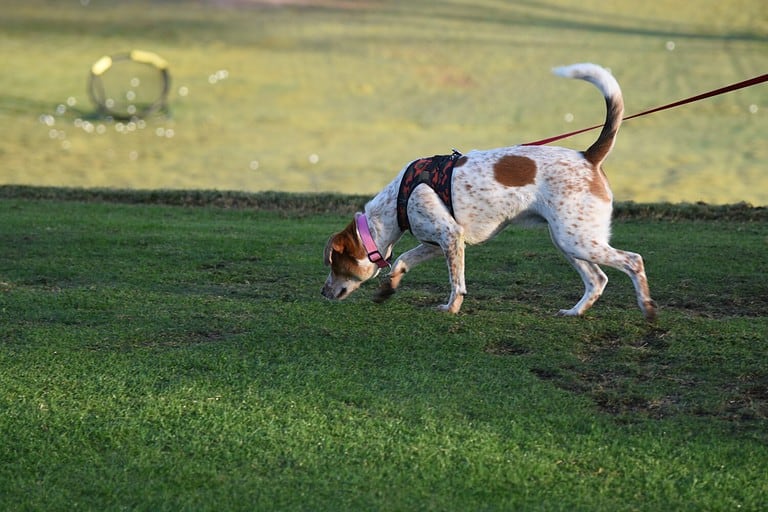
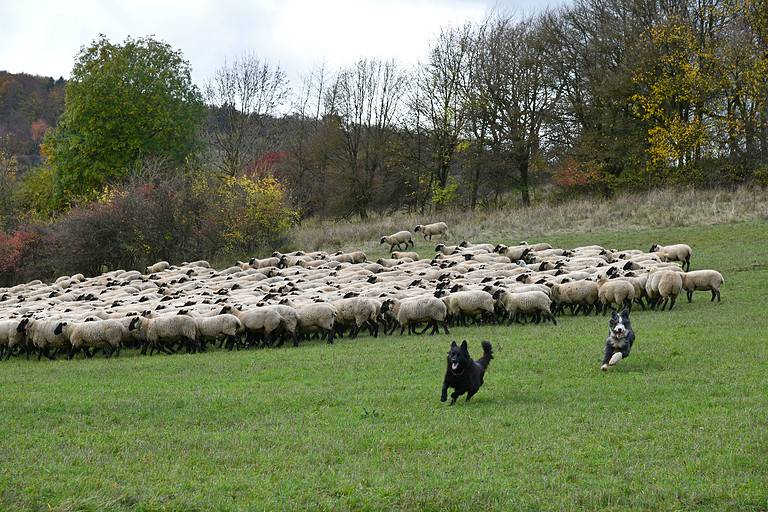
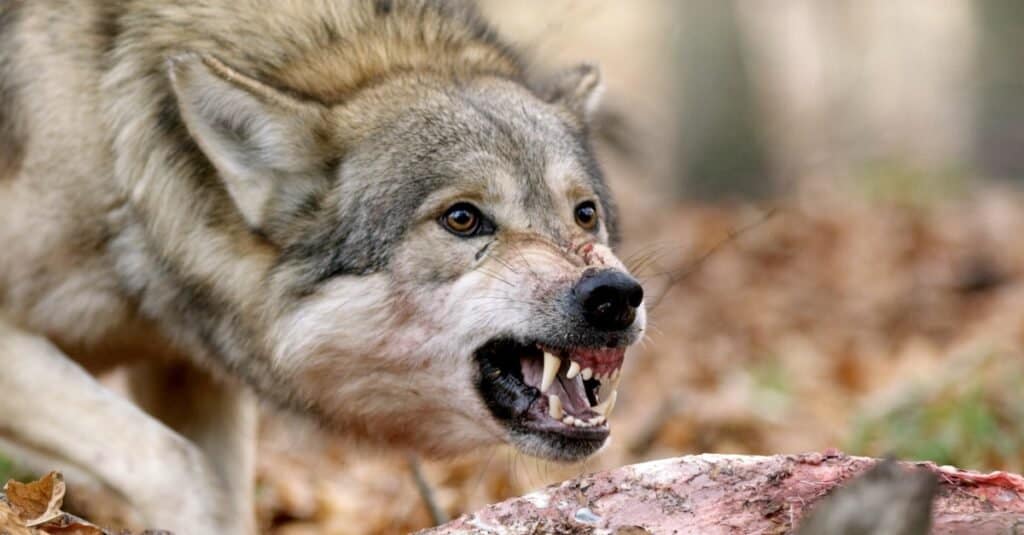
Prey drive refers to a natural sequence of instinctive behaviors in dogs: orienting, stalking, chasing, grabbing, and, in some cases, killing prey. Not every breed expresses every step of this sequence, but many dogs retain parts of it to varying degrees. Herding and hunting breeds, in particular, were selectively bred to have strong prey drive because it made them better at their job.
Because dogs are descendants of wolves, all dogs possess some level of prey drive. In the wild, this instinct was essential for survival; a wolf without it would not last long. In domestic dogs, prey drive shows up in behaviors like chasing moving objects, fixating on small animals, or intensely focusing on a task. While prey drive is instinctive and cannot be turned off entirely, it can be managed, redirected, and controlled through proper training, impulse control, and mental and physical enrichment.
Precautions When Dealing with Dogs
©Standret/Shutterstock.com
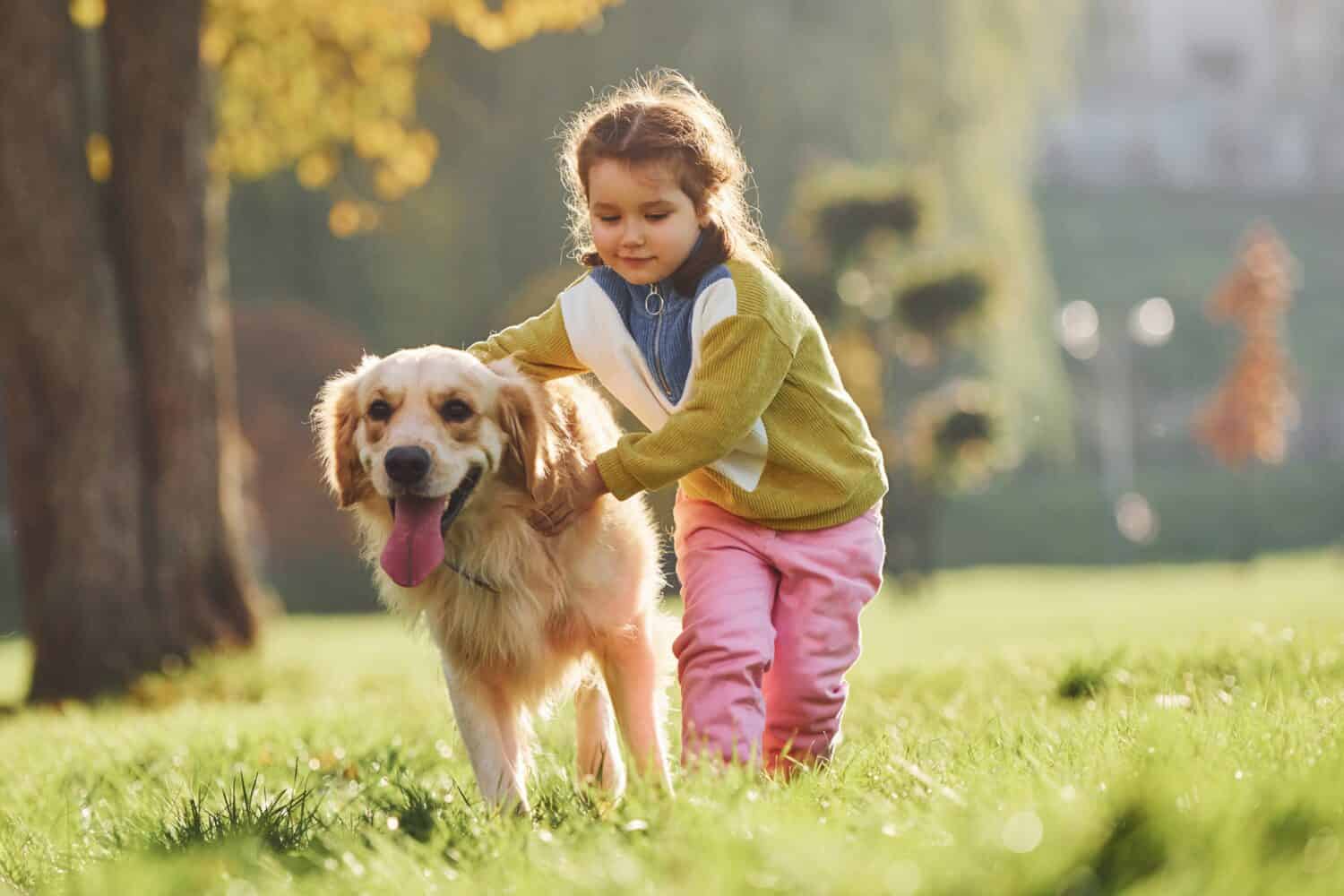
As with any dog, children should never be left unsupervised with them. Even well-trained, predictable dogs can react unexpectedly if they feel startled, threatened, or overwhelmed. Teaching children how to interact respectfully (such as avoiding rough play, staying away from food bowls, and not taking toys) helps prevent accidents.
It’s also important to respect a dog’s personal space. Many dogs view their kennel or crate as a safe retreat and entering it without invitation can cause stress or defensive behavior. Dogs can be naturally territorial, a trait inherited from their ancestors, so boundaries and supervision are essential for safe interactions.
Know What You Are Getting Into
©VILevi/Shutterstock.com
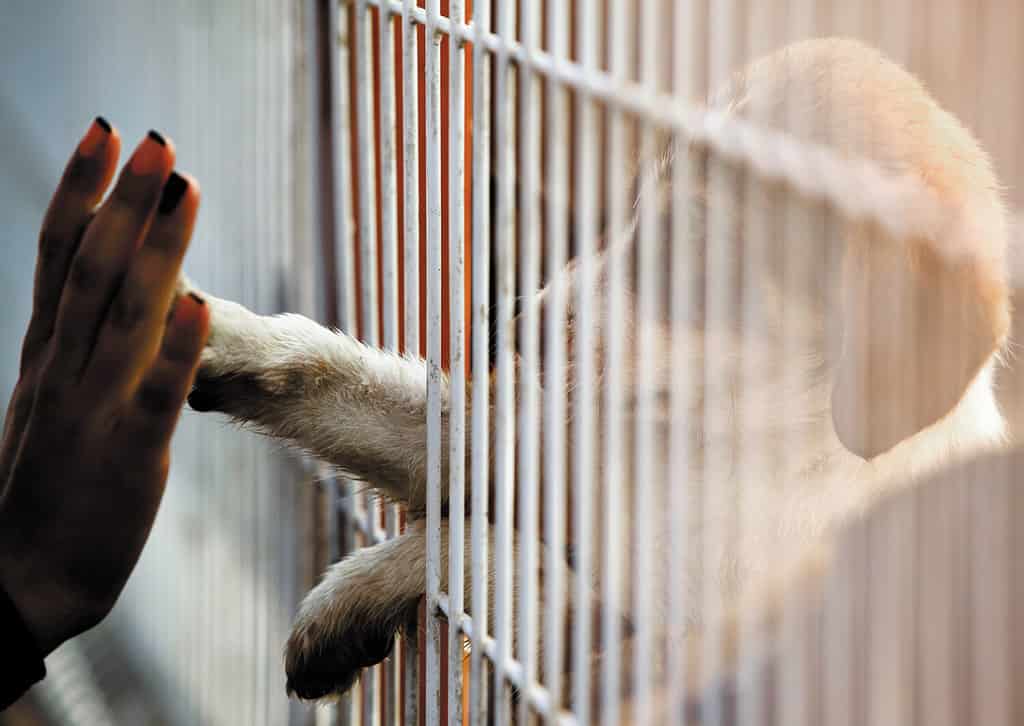
If you’re considering rescuing a dog with a difficult past, it’s important to understand the commitment involved and seek professional guidance early. Dogs with behavioral challenges often benefit greatly from working with an experienced trainer who can help manage instincts and build confidence.
Doing thorough research on both the breed and the individual dog before adopting is key. Every dog deserves a loving home, but some breeds (and some specific dogs) require more structure, time, and experience than others. Being prepared makes for a safer and more successful match for everyone involved.
9 Dog Breed with the Highest Prey Drive
©Dora Zett/Shutterstock.com
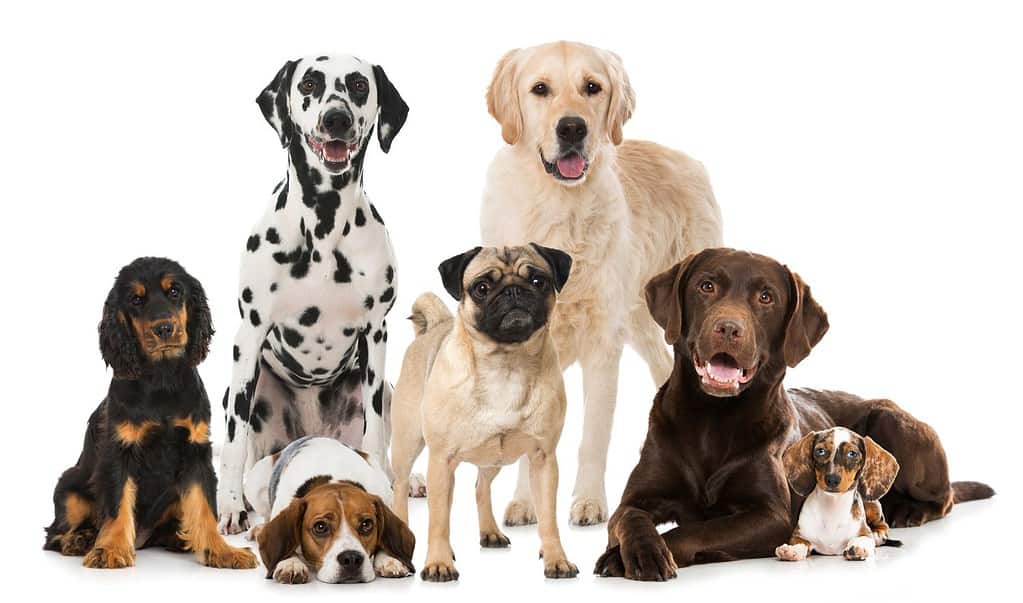
Now that we’ve explored what prey drive is and why it matters, let’s look at nine dog breeds known for having higher prey drive than most.
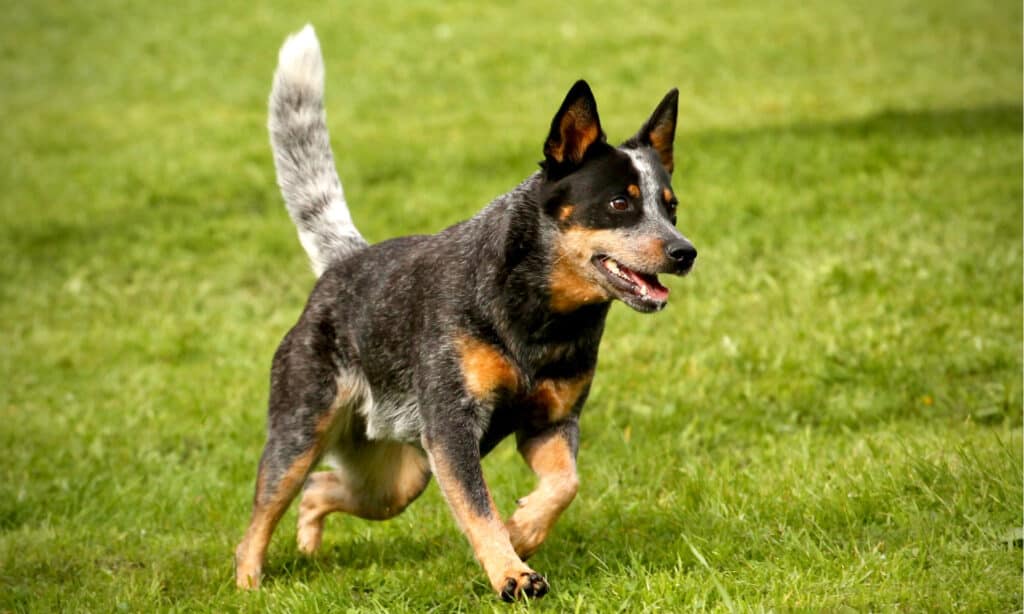
1. Australian Cattle Dog
©LNbjors/Shutterstock.com
Australian cattle dogs are intelligent, driven working dogs that thrive when they have a job to do. Without enough mental and physical stimulation, boredom can quickly lead to destructive behavior. Their strong herding instincts may cause them to nip at heels, especially with running children.
When raised with kids or cats from puppyhood, many learn appropriate boundaries, but their prey and herding instincts never disappear entirely. On walks, they may become easily distracted by small animals, making training and leash control especially important.
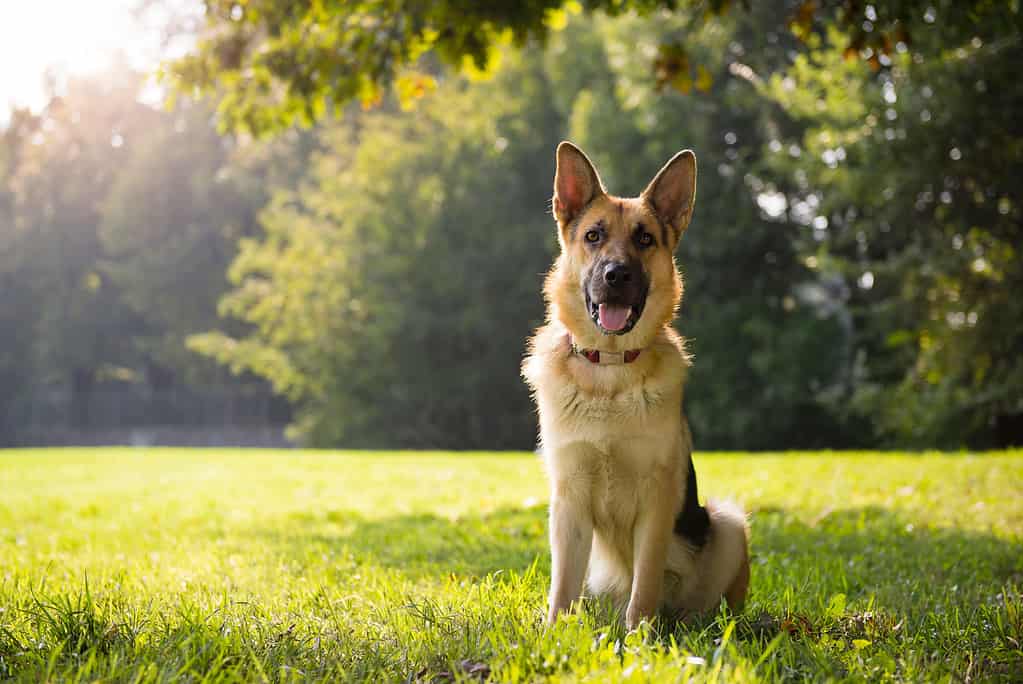
2. German Shepherd
©iStock.com/diego_cervo
German shepherds are loyal, intelligent dogs that often excel as family companions when properly trained and socialized. They form strong bonds with their families and are naturally protective, which makes them popular working and guard dogs.
Their high prey drive means they are strongly motivated to chase moving objects, a trait that contributes to their success in police and service roles. Early socialization and consistent training are especially important if they will be living with children or other pets.
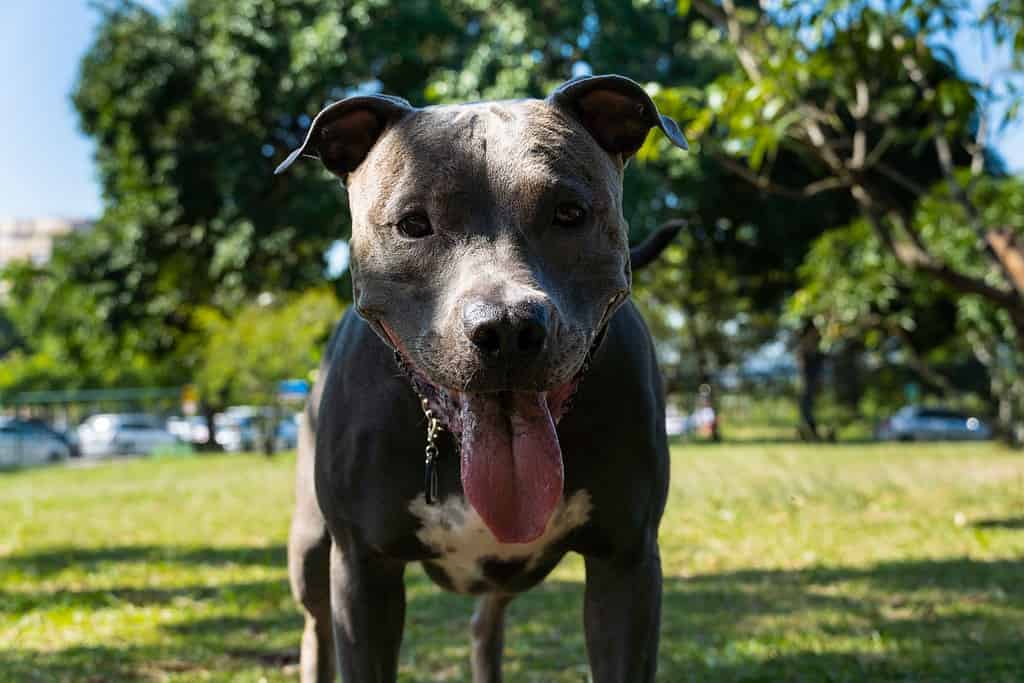
3. Pit Bull Terrier
©Diego Thomazini/Shutterstock.com
Pit Bull Terriers are often misunderstood and unfairly stigmatized. When raised and trained responsibly, they can be affectionate, loyal, and well-mannered companions.
Like many terriers, they can have a strong prey drive, particularly toward small animals. This instinct doesn’t define their temperament, but it does mean they benefit from structure, supervision, and positive training. In the right environment, pit bulls can be loving and devoted family dogs.
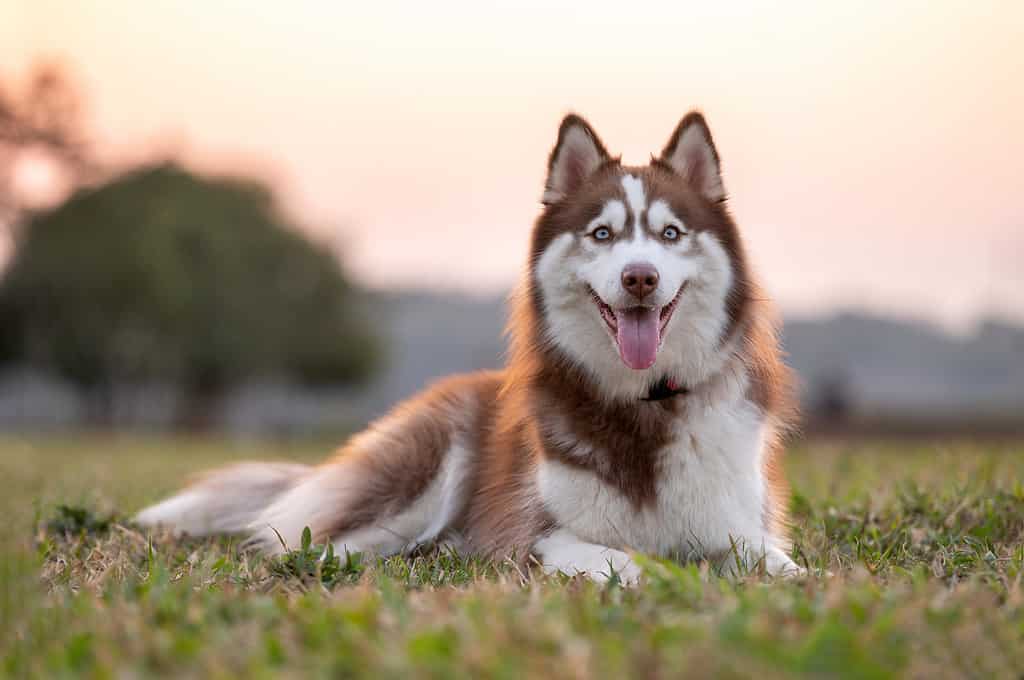
4. Siberian Husky
©iStock.com/Elayne Massaini
Siberian Huskies are energetic, vocal, and playful working dogs that require plenty of exercise to stay happy. Without adequate activity, boredom can quickly turn into mischief.
They tend to have a strong prey drive and may chase small animals such as cats or chickens. While they are typically friendly with people and other dogs, their rough-and-tumble play style and instincts may make them less suitable for homes with very small children or pets.
5. Greyhound
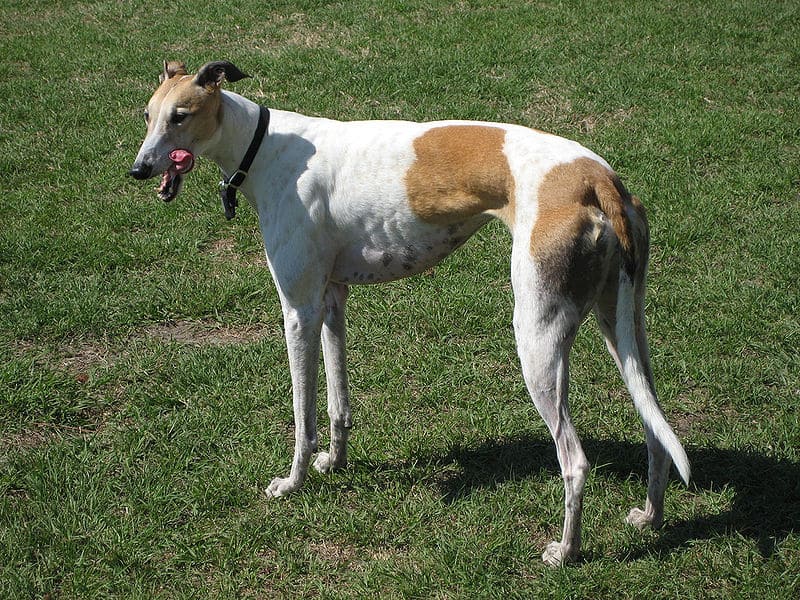
©Neurodoc / Creative Commons - Original
Greyhounds are famous for their speed and strong prey drive, especially toward fast-moving animals. Despite this, many greyhounds are surprisingly low energy at home and enjoy lounging for much of the day.
Their keen eyesight makes them highly responsive to movement, which can make walks challenging in areas with squirrels or rabbits. While they are generally gentle and calm, leash control and awareness of surroundings are important.
6. Rottweiler
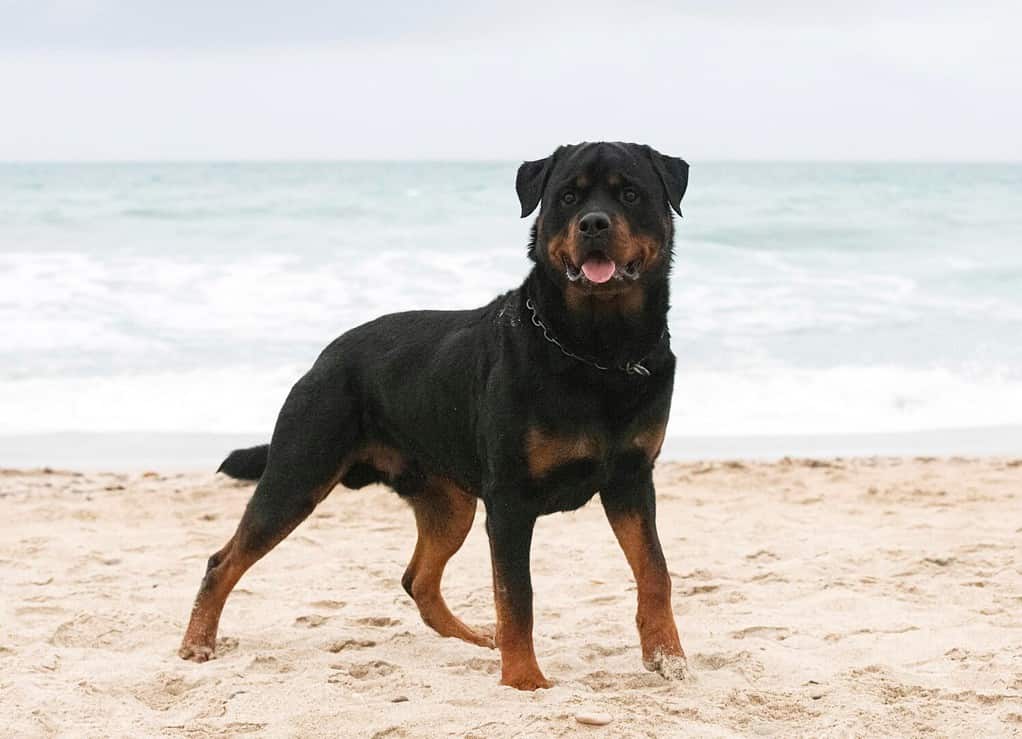
©cynoclub/Shutterstock.com
Rottweilers are powerful, confident dogs that can be excellent family companions in the right household. They are protective and territorial by nature, traits that make them effective guard dogs.
Their prey drive means they may instinctively chase running animals, so supervision around small pets and children is essential. Due to their size and strength, consistent training and clear boundaries are especially important.
7. Rhodesian Ridgeback

©Liudmila Bohush/Shutterstock.com
Originally bred to assist in lion hunting, Rhodesian Ridgebacks are strong, independent dogs with a naturally high prey drive. They are athletic and confident, which can make leash walking and dog-park interactions more challenging without training.
They typically do best in homes with older children and no small pets. Like many breeds, they value having a quiet space to retreat to and should not be disturbed when resting.
8. Border Collie
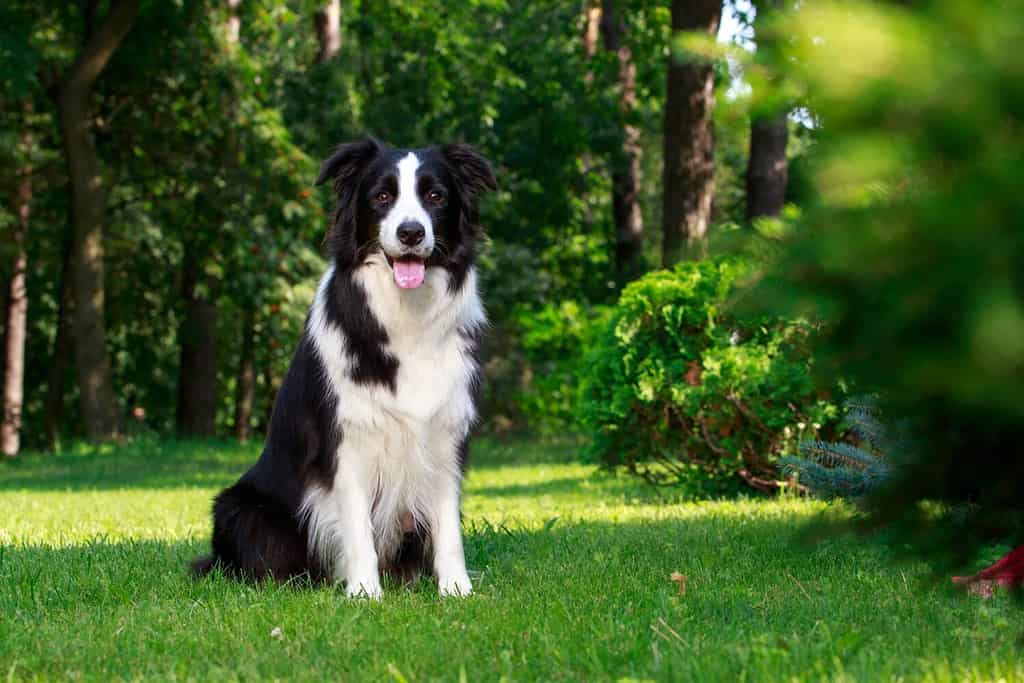
©Olga Aniven/Shutterstock.com
Border collies are highly intelligent, energetic dogs known for their intense focus and work ethic. Bred to herd livestock, they excel at tasks that require concentration and precision.
Their fixation and prey drive can make them prone to chasing moving animals or attempting to herd children and pets. Plenty of exercise, mental stimulation, and structured training are essential to keep them balanced and happy.
9. American Staffordshire Terrier
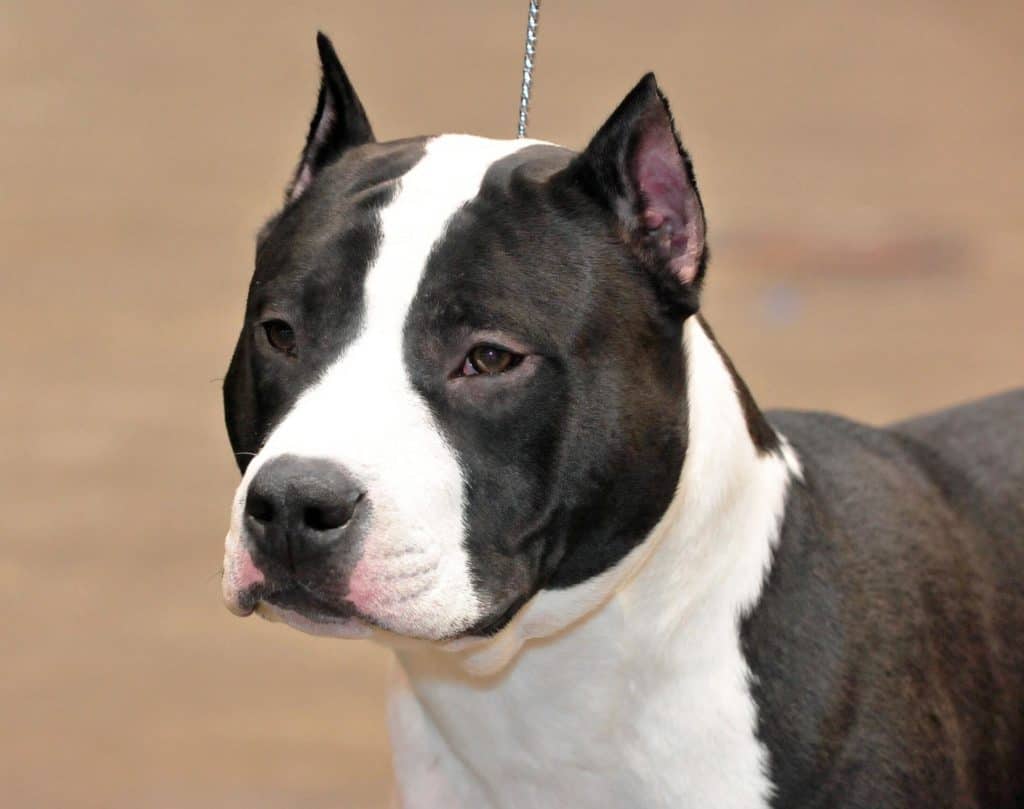
©State Farm, CC BY 2.0, via Wikimedia Commons - Original / License
American Staffordshire Terriers are muscular, athletic dogs with a strong prey drive and a tendency to become intensely focused. They are often affectionate with their families but benefit from supervision around small animals.
While they can make loyal family dogs, their strength and enthusiasm mean training and responsible handling are crucial. On walks, they may be inclined to chase cats or wildlife, so secure leashing and good control are important.
More Dog Breeds with High Prey Drive
©Ammit Jack/Shutterstock.com
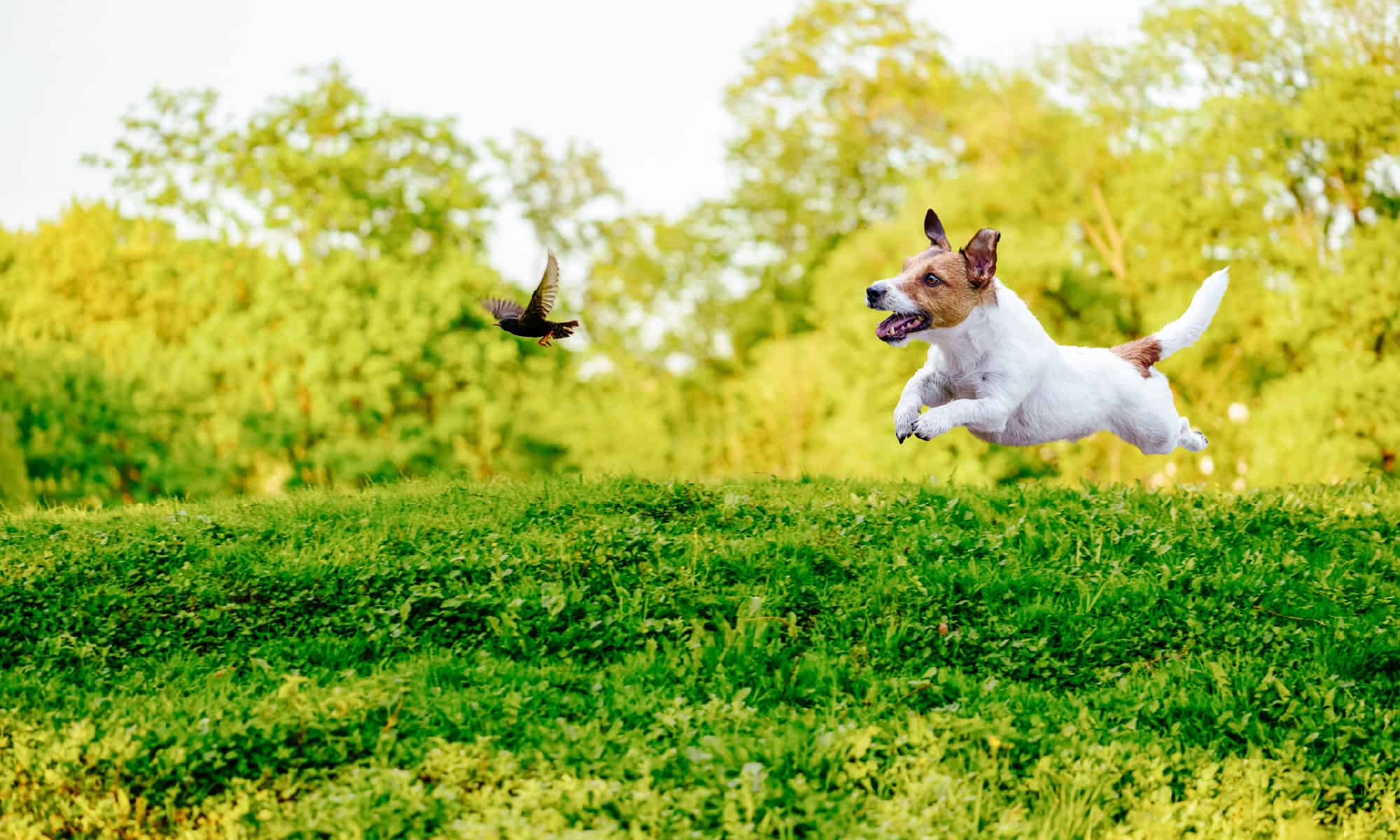
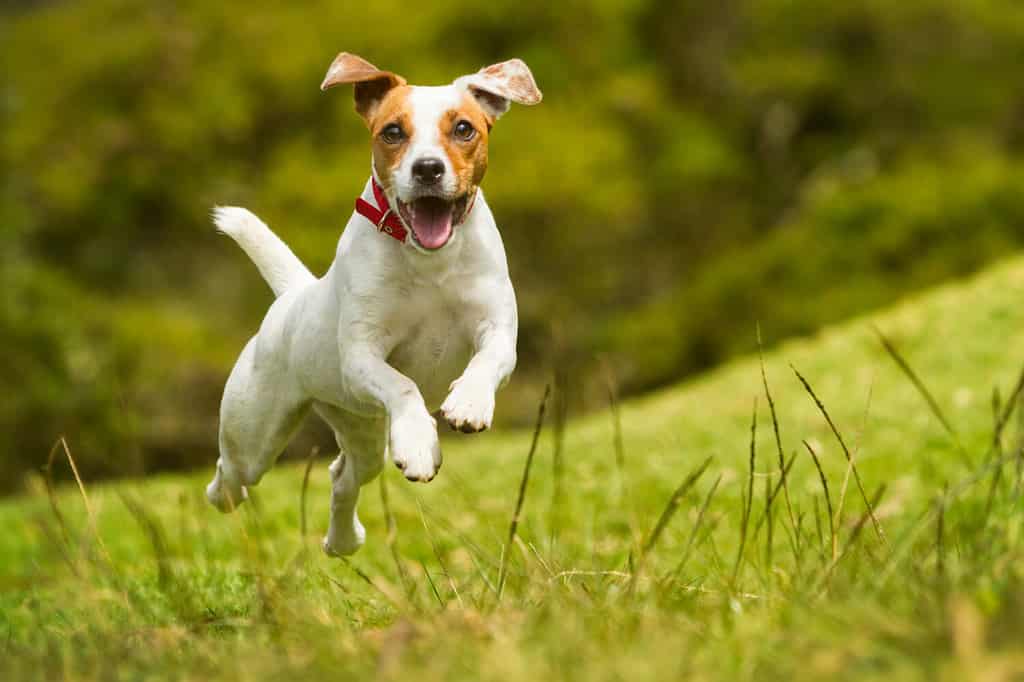
The nine dogs we listed certainly don’t own exclusive rights to chase anything that retreats. Below is a list of some other prey-driven dog breeds to check out.
- Jack Russell Terrier
- Alaskan Malamute
- Belgian Malinois
- Whippet
- Dachshund
- Pharaoh Hound
- Saluki
- Weimaraner
- Irish Wolfhound
- Basenji
- Akita
- Airedale Terrier
- Beagle
- Scottish Deerhound