
Quick Take
- A bird once so plentiful it terrified sailors vanished within a few decades. What wiped it out? See what wiped them out →
- A lighthouse crash and a radio tower collision hinted the bird still existed. Where was it hiding? Follow the rediscovery clues →
- Rediscovery was only the start. One man's decades-long obsession with a tiny island changed the bird's fate. Meet the Nonsuch restorers →
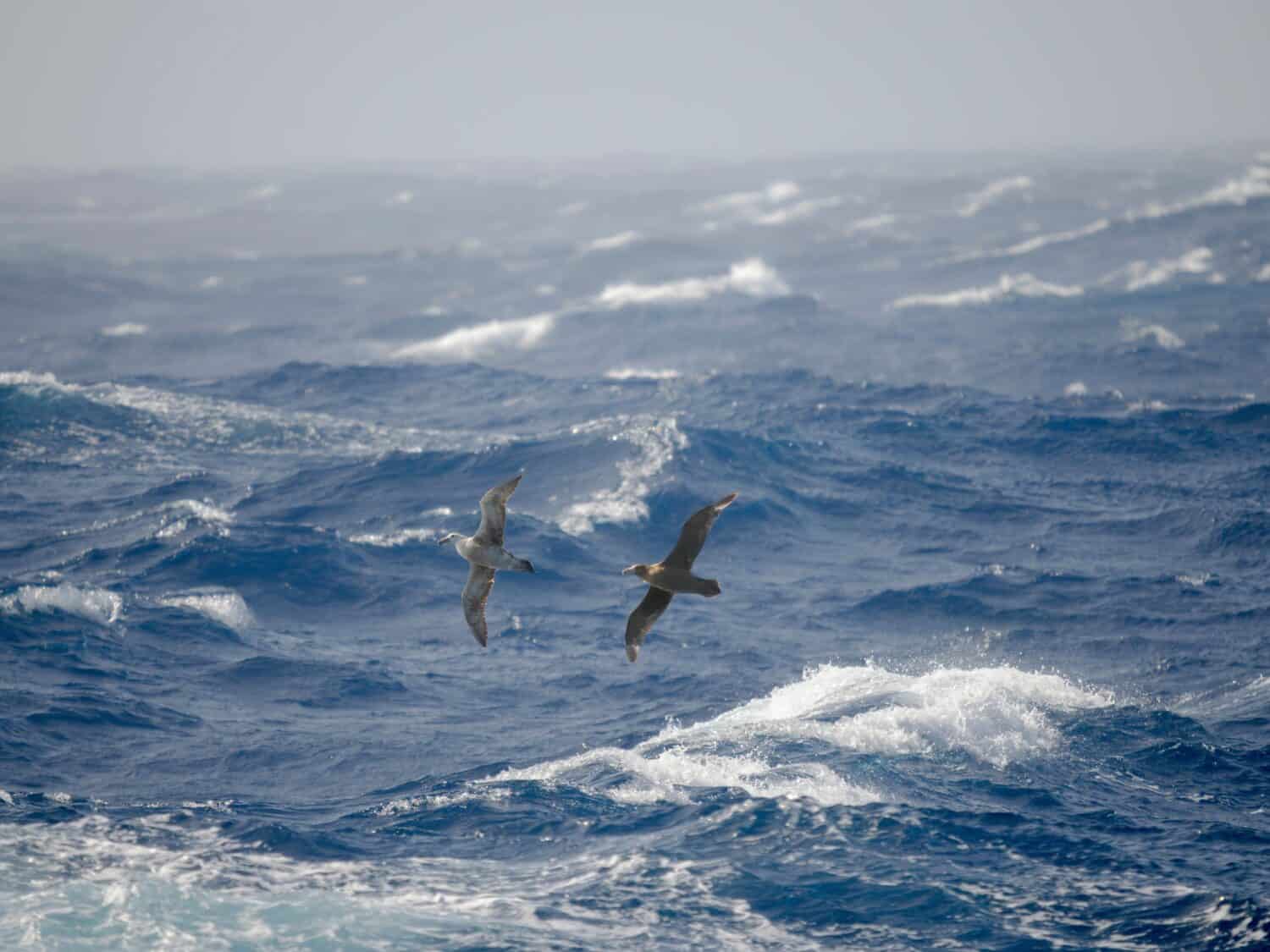
Throughout history, several species have been presumed extinct, only to reappear when scientists least expected it. The Bermuda petrel (or cahow) is a nocturnal, ground-nesting seabird with white underparts, dark-gray upperparts, and a wingspan that can reach 35 to 36 inches. As the national bird of Bermuda, it features prominently on the country’s currency. Despite its strong connection to the country, however, the Bermuda petrel wasn’t actually seen for over 300 years. It was thought to have become extinct by the 1620s.
Then, the unexpected happened. In the summer of 1935, a bird struck St. David’s lighthouse. Its body was sent to American ornithologist Robert Cushman Murphy, who identified it as a Bermuda petrel. A few years later, a Bermudian naturalist found a live petrel that had collided with a radio antenna. These hints led to an amazing discovery: a hidden breeding colony of petrels on tiny offshore islets. Let’s learn more about the Bermuda petrel, its incredible story of disappearance and rediscovery, and what makes this ‘Lazarus species’ so special.
History of the Bermuda Petrel

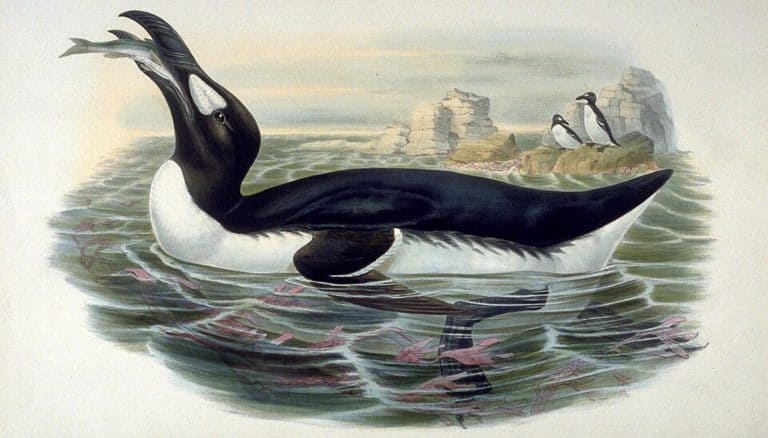
When Spanish sailors arrived in Bermuda, they found seemingly endless colonies of noisy, long-winged birds.
©444385191/Shutterstock.com
During the Age of Discovery, Spanish sailors arrived on the Atlantic archipelago of Bermuda. They discovered a series of islands with no native terrestrial mammals. Instead, the islands were filled with dense, noisy clusters of cahows (now known as Bermuda petrels). Lacking any mammalian reference point, the birds had no fear of humans. However, humans were initially quite disturbed by the loud species. In 1603, one Spanish sea captain wrote, “At dusk, such a shrieking and din fill the air that fear seized us….These are the devils reported to be about Bermuda. The sign of the cross at them! We are Christians!”
At the same time, these fearless, raucous birds were something of a godsend for famished, wayward sailors. The birds were so numerous across the islands that the Spanish could take thousands a night for food. The sailors brought hogs with them, which destroyed cahow nests, dug up their burrows, and ate eggs, chicks, and adults. Over the next century, Bermuda became both a landing and wrecking spot for other countries’ ships. This, in turn, turned more birds into meals for hungry sailors. When England colonized Bermuda, it introduced other species like rats and dogs. This, combined with humans hunting, practically destroyed the once-abundant petrel population.
Interestingly, this resulted in one of history’s earliest conservation decrees when the Bermuda governor Daniel Tucker urged island residents to show restraint in eating the birds. It seemed too little too late, however, as the bird was presumed extinct by the 1620s.
Glimmers of Return
For the next 300 years or so, there was almost no sign of the Bermuda petrel. It became the island’s national bird and even graced its currency, but live specimens eluded both scientists and the public. Then, a curious thing happened. The birds reemerged, albeit subtly, during the 20th century. People sighted it over the first few decades of the century, but many were told they had confused it with the similar-looking Sargasso shearwater.
- 1620s Presumed extinct Hogs, rats, dogs and hunting practically destroyed the petrel population.
- 315 years later
- 1935 A bird strikes St. David's lighthouse Robert Cushman Murphy identifies it as a Bermuda petrel.
- 16 years later
- 1951 Breeding colony found An expedition led by Murphy finds 18 breeding pairs in Castle Harbor.
- 49 years later
- 2000 53 breeding pairs Bermuda counts 53 petrel breeding pairs.
In 1935, a local presented William Beebe of the New York Zoological Society with a bird that slammed into St. David’s lighthouse in Bermuda. Beebe sent the bird to ornithologist Robert Cushman Murphy, who identified it as a Bermuda petrel. A few years later, naturalist Louis L. Mowbray received a live petrel that had collided with a radio tower. It survived and was released a few days later. Singular incidents, to be sure, but they suggested far more petrels somewhere in the region. In 1951, scientists got their answer. An expedition led by Murphy, with Mowbray’s son and a local student, culminated in the discovery of a petrel breeding colony in Castle Harbor. It featured just 18 breeding pairs that had eluded observation for over three centuries.
The Restoration of Nonsuch Island
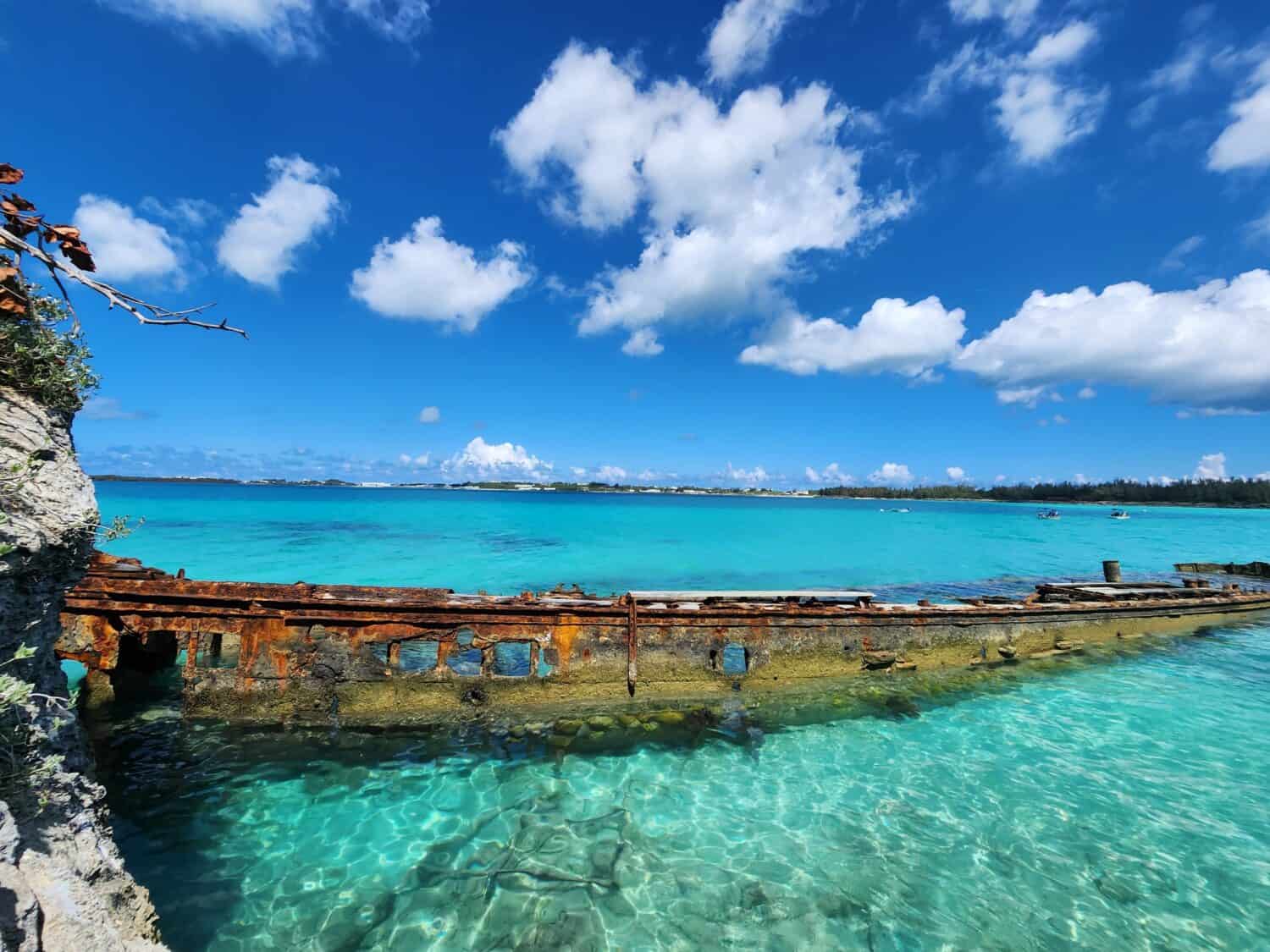
Scientists transformed the once-barren Nonsuch Island into a pre-colonial ecosystem where Bermudan petrels could flourish.
©Island Robin/Shutterstock.com
This discovery imbued Bermuda’s Conservation Officer, Dr. David Wingate, with an all-encompassing purpose. For the next four decades, Wingate spearheaded efforts to restore Nonsuch Island. He transformed this once-barren, 14-acre island into a pre-colonial slice of natural life. Wingate helped clear invasive plants, eradicated non-native predators, and replanted much of the island with Bermuda cedar and palmetto forests. This allowed the precious few remaining petrel breeding pairs to have a safer refuge than rock islets regularly threatened by washout and competition from other birds like white-tailed tropicbirds.
Even after Wingate stepped back from the project, his successor, Jeremy Madeiros, increased efforts to protect the petrels. This included translocating petrel chicks from islets to the main island, hand-feeding them, and building artificial burrows to protect them from washouts. These tireless efforts worked. By the year 2000, Bermuda counted 53 petrel breeding pairs. Currently, the population has tripled, home to between 165 and 175 breeding pairs, producing 70 or more chicks annually. As such, the Bermuda petrel stands as one of the most successful Lazarus species. Named after the man Jesus raised from the dead in the Bible, Lazarus species are those that undergo a period of assumed extinction before rediscovery.
Scientists have brought Bermuda petrels back from the brink, but they remain endangered and face recurring threats in the form of hurricanes, sea-level rise, and ocean pollution. Luckily, careful and clever conservation has provided a space for petrels to slowly but surely recover their numbers.