
Quick Take
- A weather event with a cycle that can't be predicted is about to collide with creatures found nowhere else on Earth, and scientists are racing against an invisible clock. El Niño's unpredictable cycle →
- El Niño's most devastating blow to the Galápagos isn't the storms. What disappears from the ocean first does far more damage. How food vanishes first →
- One past El Niño season nearly erased an entire Galápagos species, and this year's forecast looks even worse. The 1998 precedent →
- Some of the Galápagos Islands' most iconic animals don't die from the heat. They die from something far more preventable. Species at risk →
El Niño season approaches. This curious and sometimes catastrophic weather phenomenon recurs randomly. Sometimes it appears every two years. Other times, it doesn’t resurface for a decade. Plus, no two El Niño seasons are ever the same. This weather phenomenon has alarmed members of the Ecuadorian scientific community for its potentially disastrous effects on the flora and fauna of the Galápagos Islands.
The Galápagos Islands are home to many endemic species found nowhere else on Earth. Though El Niño may result in moderate effects on the mainland, like higher-than-average rainfall, it could spell disaster for the animals and plants that rely on the particular sea climate of the Galápagos Islands. Changing sea temperatures could cause the complex food web that Galápagos species rely on to all but disappear, putting already vulnerable creatures at further risk. Let’s learn more about the approaching El Niño season and its potential impact on Galápagos species like the blue-footed booby.
Continue reading
What Is El Niño?
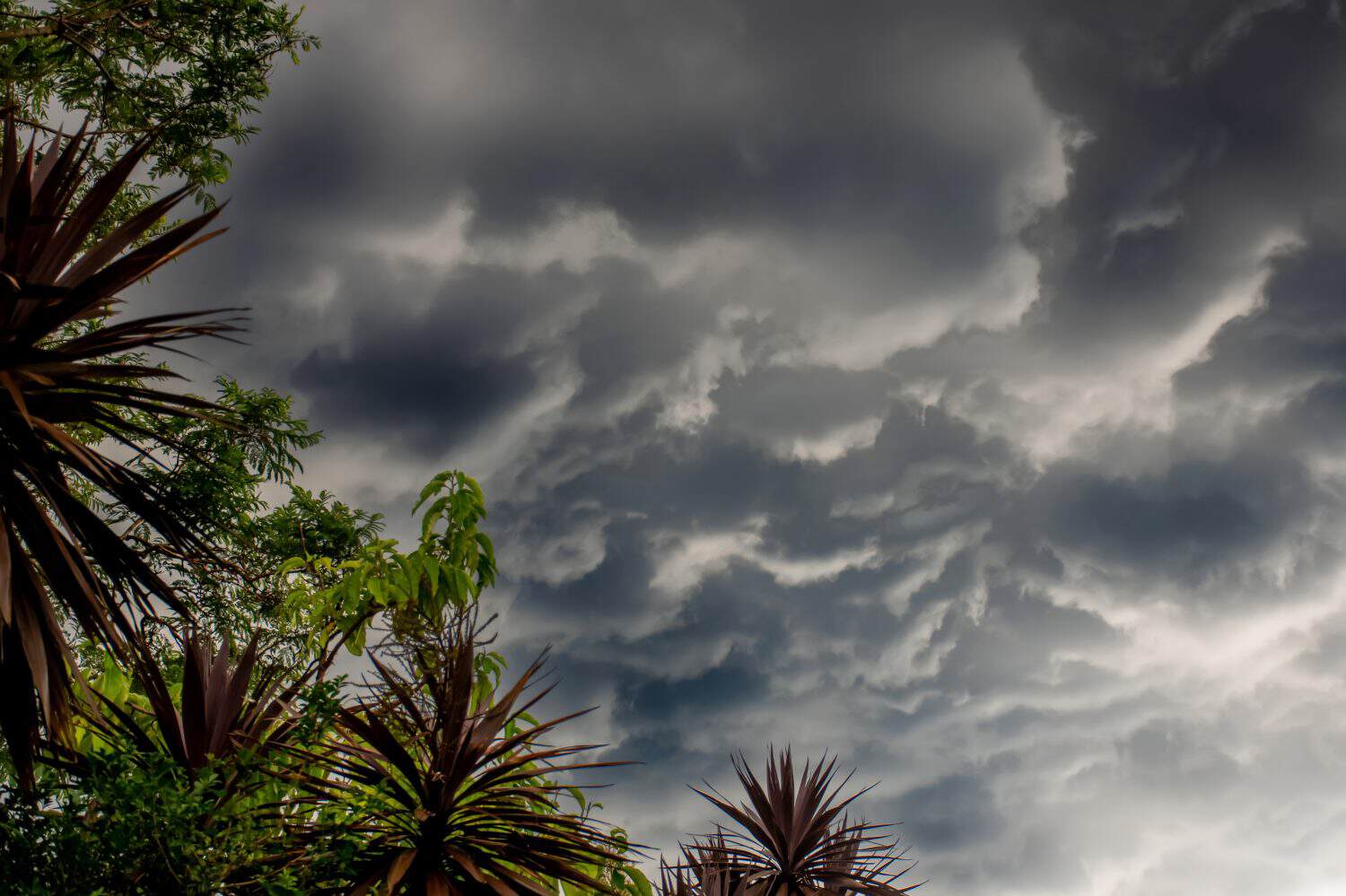
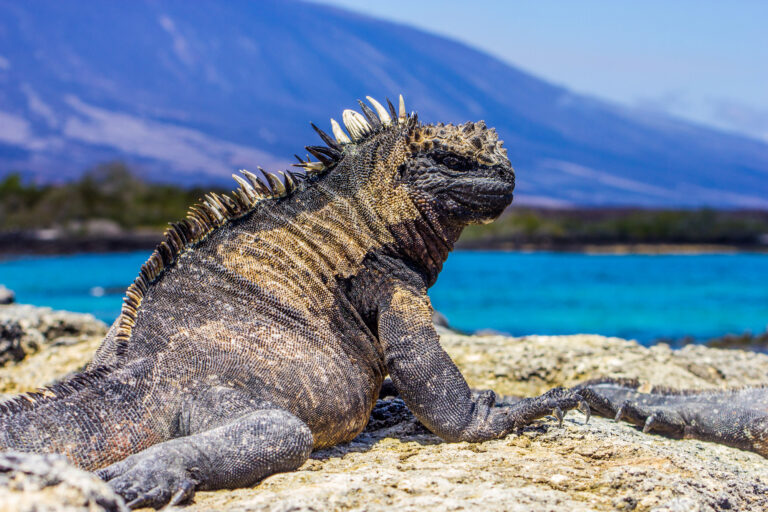
El Niño changes ocean temperatures, producing higher rainfall in some regions and more droughts in others.
©Daria Nipot/Shutterstock.com
Several notable weather phenomena affect the Earth, with El Niño being one of the most significant. The term means “little boy” in Spanish, yet its effects on the planet can be quite large. By definition, El Niño occurs when the trade winds that blow from east to west across the Pacific Ocean weaken. This causes warmer water to accumulate in the central and eastern equatorial Pacific, particularly near the coast of South America, and reduces the upwelling of cooler water from the deep ocean. Overall, this redistribution of ocean temperatures alters atmospheric circulation and jet streams around the world.
The effects and severity of El Niño depend on the region. While the southern United States typically experiences more rain and cooler temperatures, the Pacific Northwest tends to see warmer and drier winters during El Niño. Meanwhile, on the other side of the Pacific Ocean, places like Australia and Indonesia experience more intense droughts. Perhaps the most affected region is South America, which gets heavy rainfall and potential flooding.
El Niño is as powerful as it is unpredictable. In fact, its cycle is entirely irregular: it can recur every two to seven years. However, when it does arrive, El Niño typically comes during the Northern Hemisphere winter and can last for over a year. These massive changes have equally massive effects on marine ecosystems, disrupting nutrient-rich waters that countless species use for food. This brings our attention to the Galápagos Islands.
Why the Galápagos Islands Are Vulnerable
Though only four of the 127 islands, islets, and rocks in the Galápagos archipelago are inhabited, the archipelago sits squarely in the path of this year’s El Niño. Sea surface temperature anomalies are forecast to exceed 2°C, indicating a particularly strong El Niño season with significant potential impacts on the archipelago.
Though the Galápagos Islands are relatively isolated in the Pacific Ocean, they sit approximately 600 miles west of the coast of Ecuador. This places extra responsibility on scientists in the country to track and, if possible, protect some of the archipelago’s rare species from drastic weather impacts. When water temperatures rise, regular food sources can disappear in the blink of an eye. As Washington Tapia, CEO of Biodiversa Ecuador, explained to the Associated Press, this change can be severe. He said, “Plankton, algae, and smaller fish species, which are food for larger marine animals, practically disappear.”
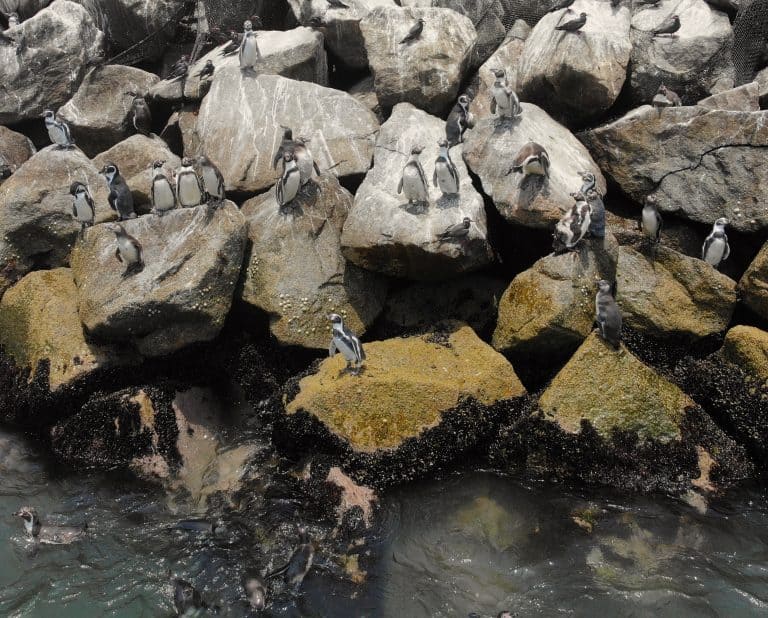
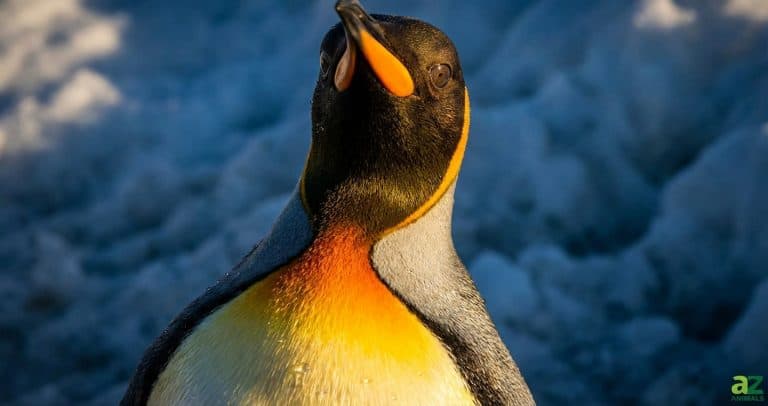
This concern is not without precedent. According to the Charles Darwin Foundation, after the particularly severe 1998 El Niño, only 400 of the 1,300 Galápagos penguins remained.
Flora and Fauna Impact
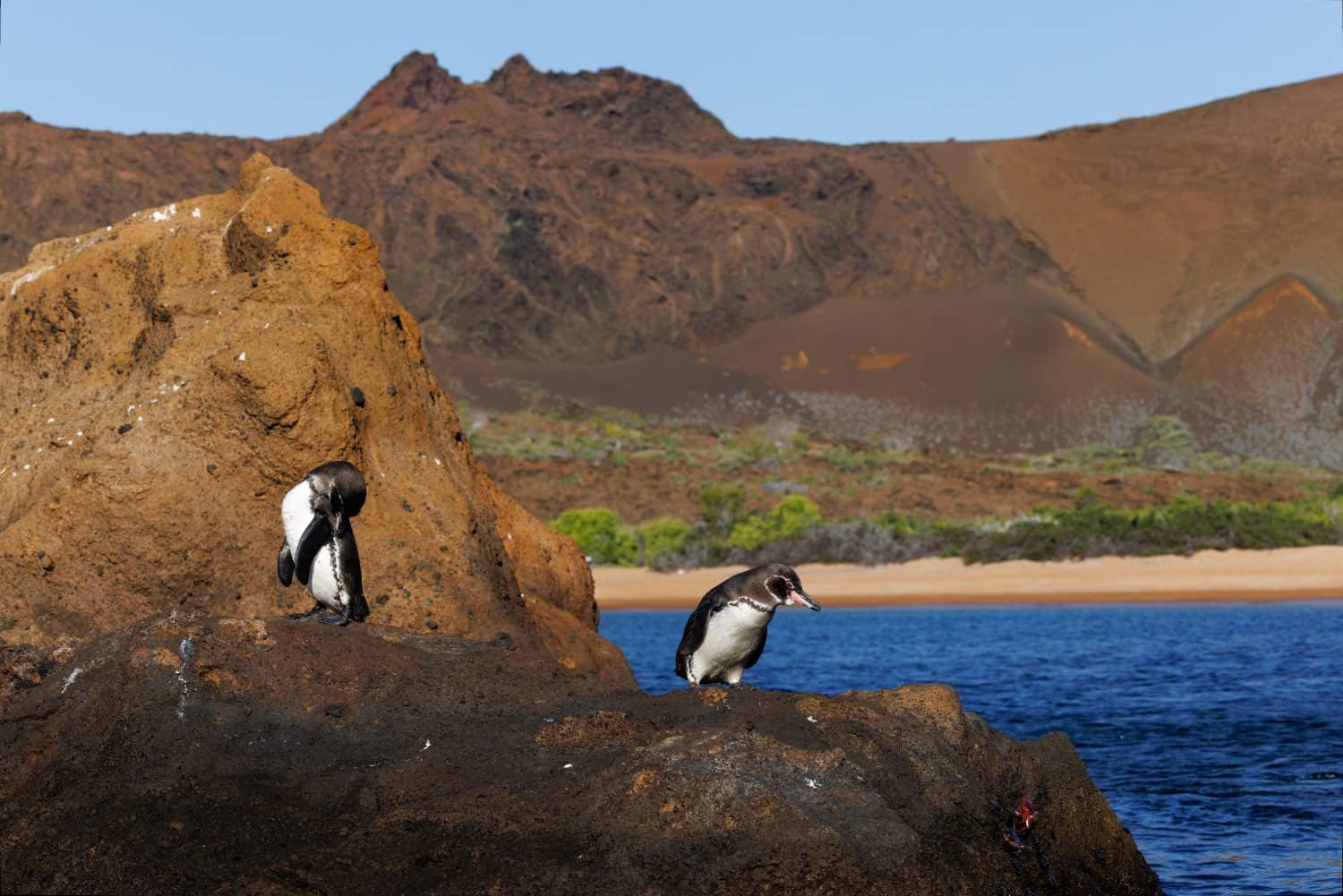
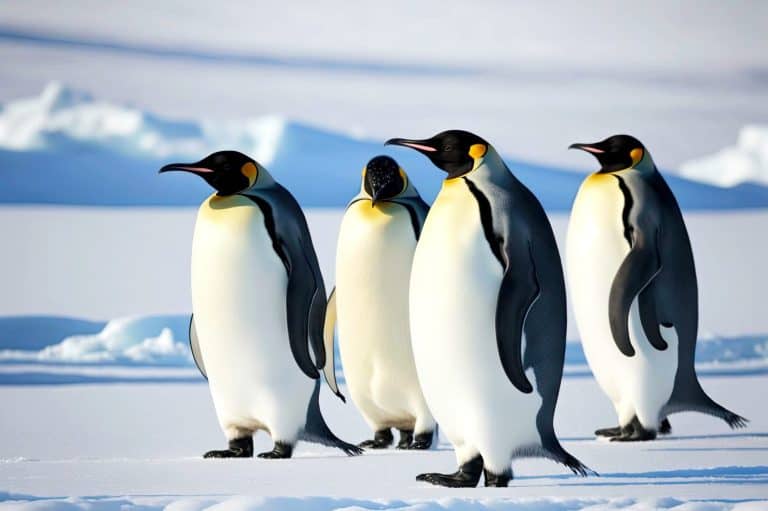
After the severe 1998 El Niño, only 400 of the 1,300 Galápagos penguins remained on the islands.
©Brian Lasenby/Shutterstock.com
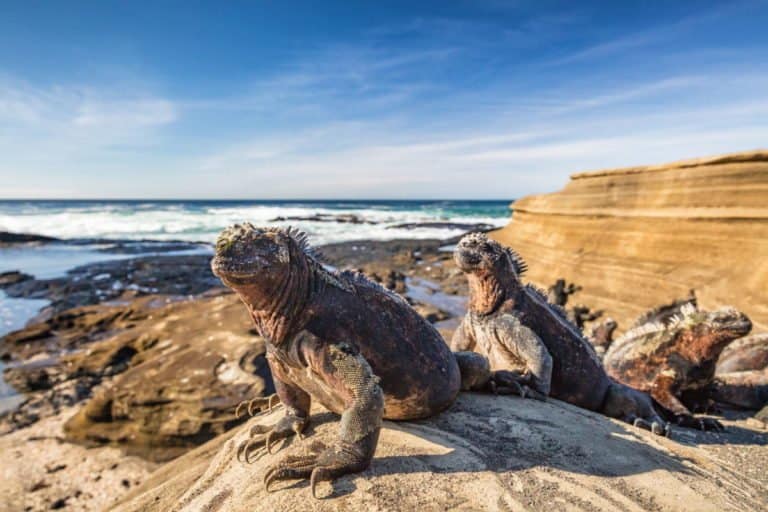
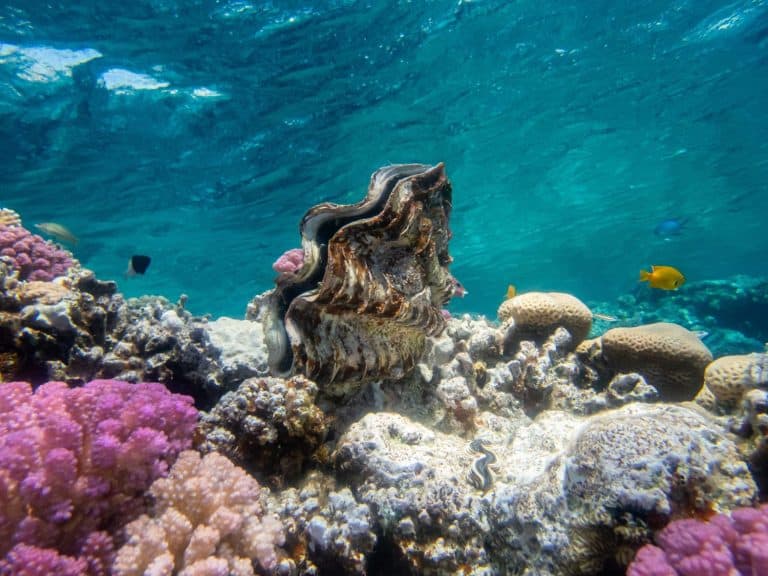
Scientists anticipate that this year’s El Niño will have potentially disastrous effects on animals living in the Galápagos archipelago. According to Gustavo Jiménez, a scientist at the Charles Darwin Foundation, the islands’ most iconic species are the ones most at risk. These include Galápagos penguins, blue-footed boobies, petrels, flightless cormorants, and albatrosses. Even sea lions could be affected, as well as coral colonies in the nearby waters.
When ocean waters warm, the plankton and fish populations that form the base of the food web decline sharply. This creates a domino effect, impacting larger species that depend on these smaller organisms for food. As Jiménez explained to the Associated Press, lack of food causes animal colonies to stop reproducing; instead, they disperse in an increasingly desperate search for food and often die of starvation. If current estimates about this year’s El Niño are accurate, the vertebrate population in the Galápagos archipelago could decline by at least 20%. Plants are not safe from these climate effects, either.
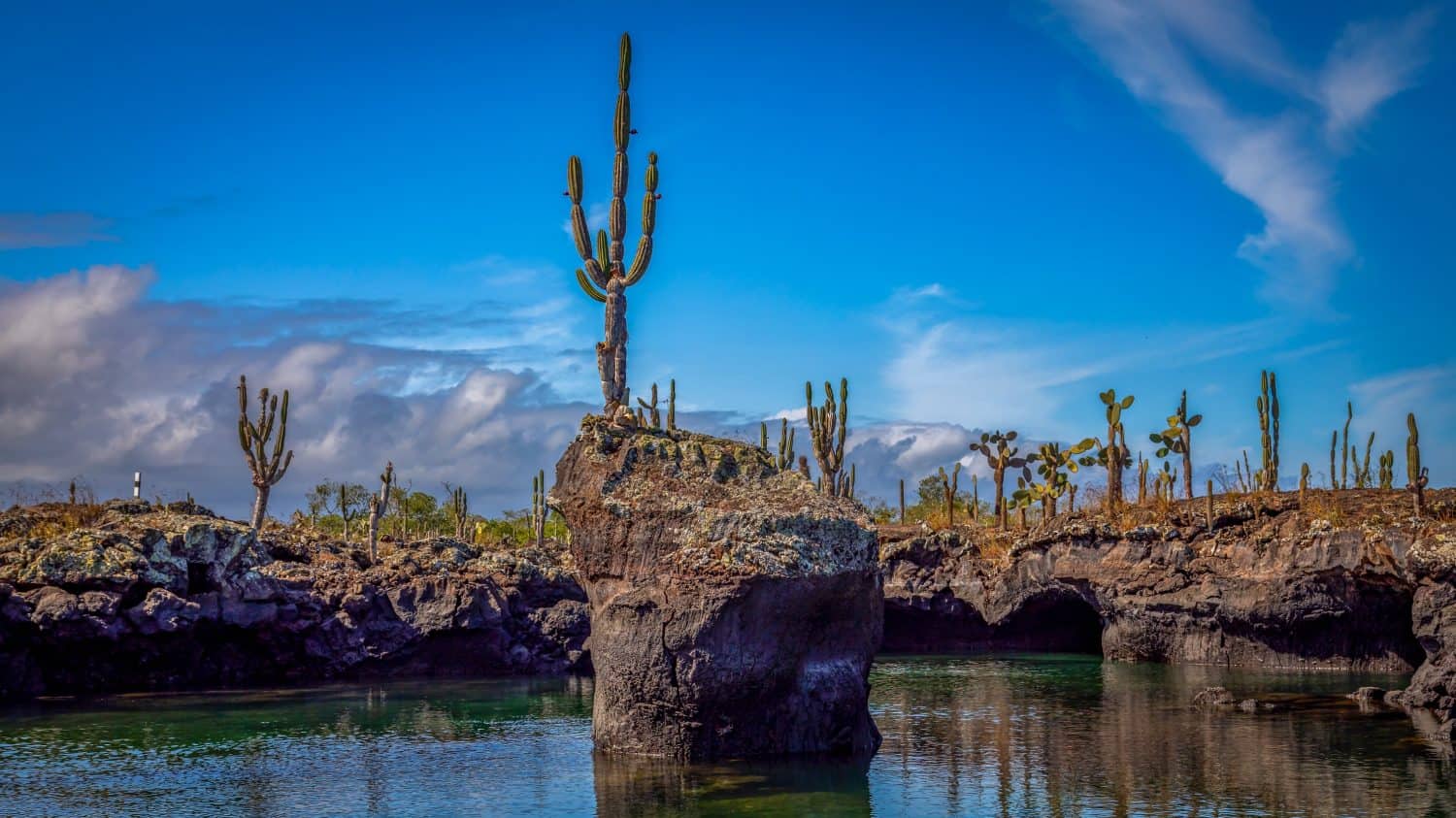
Flora found only in the Galápagos Islands are at risk, such as Opuntia cacti, which grow along the seashore. A sufficiently intense El Niño could severely damage the already fragmented and vulnerable Scalesia forests, of which less than 3% of the original area remains in the archipelago. Furthermore, heavy rains produced by the phenomenon could overrun the pristine landscape with invasive plants such as blackberries. In response, the Ecuadorian government has partnered with foundations and other nongovernmental organizations to eradicate invasive plants from the islands and collect seeds for Galápagos-specific nurseries. The coming months will reveal how severely El Niño affects the Galápagos and whether conservation efforts can reduce the damage.